Air Suspension Valve Block: Advanced Control Systems for Superior Ride Quality and Performance

Get a Free Quote

Our representative will contact you soon.
Email
Name
Company Name
Message
0/1000

air suspension valve block

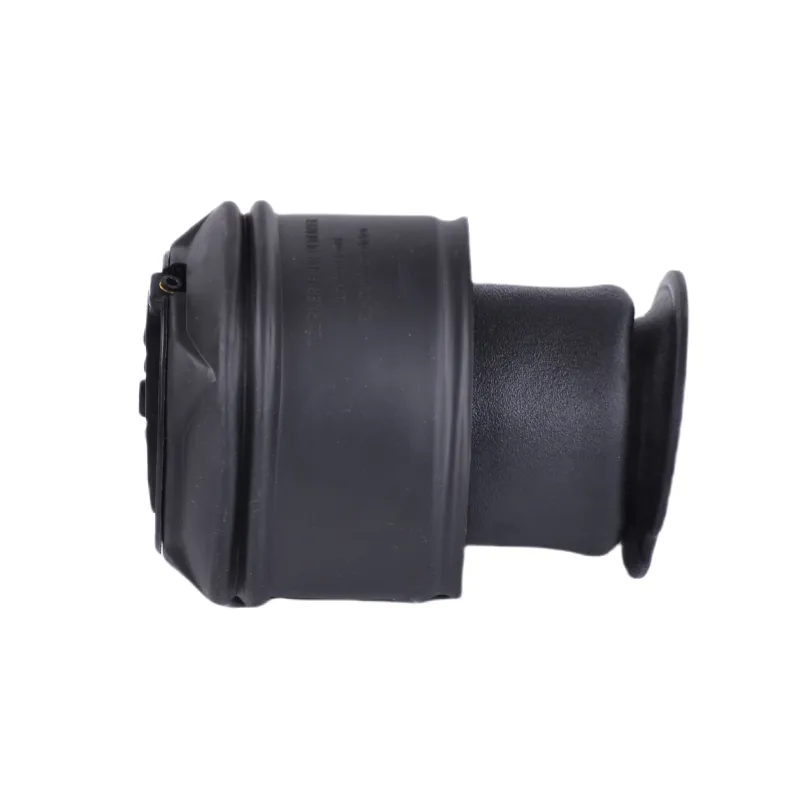
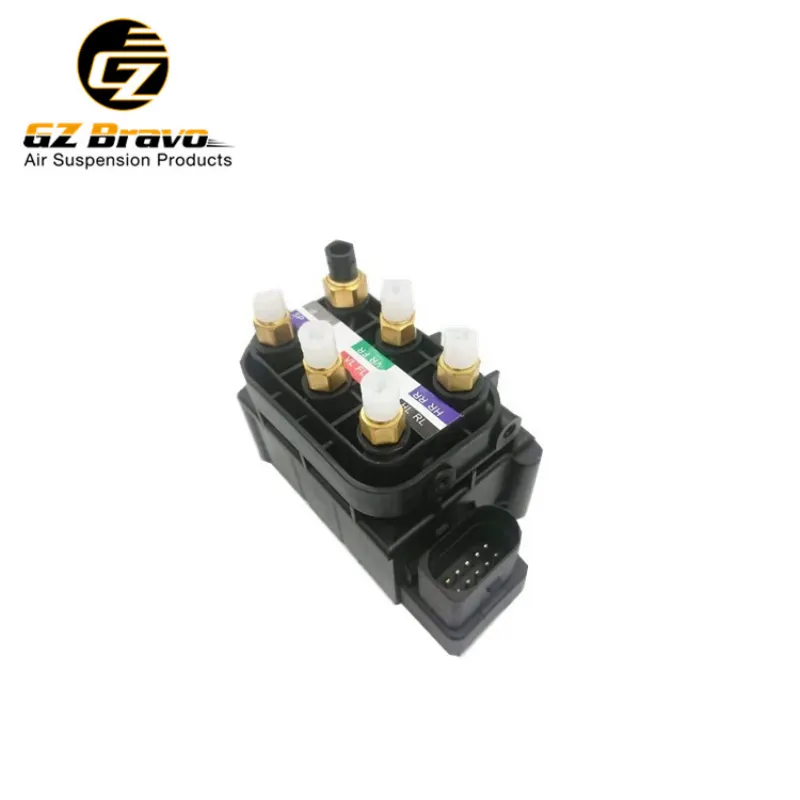
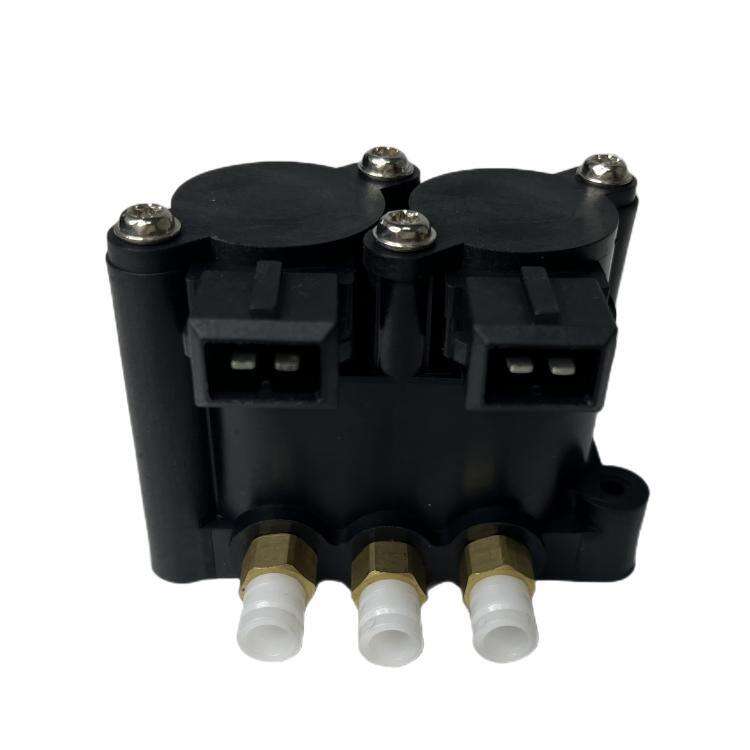
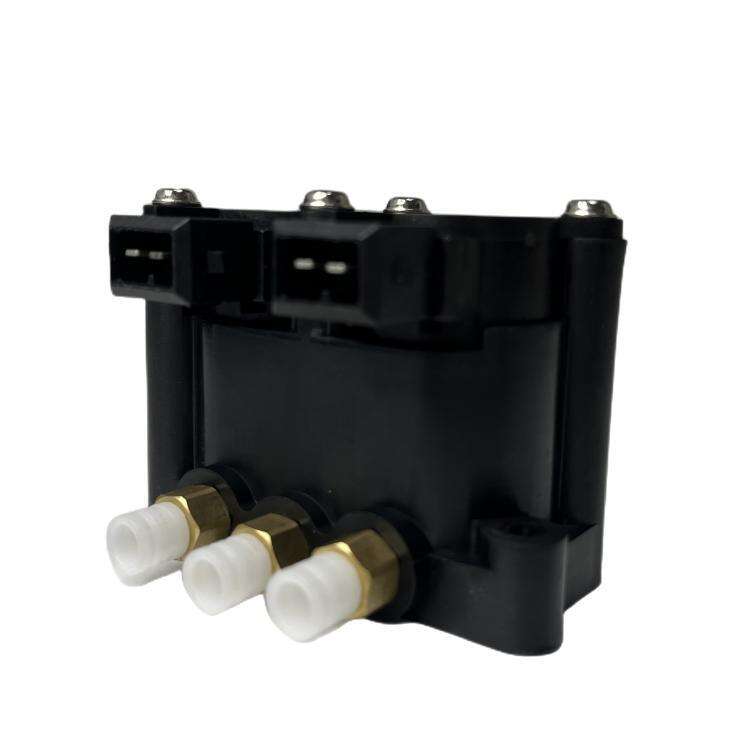
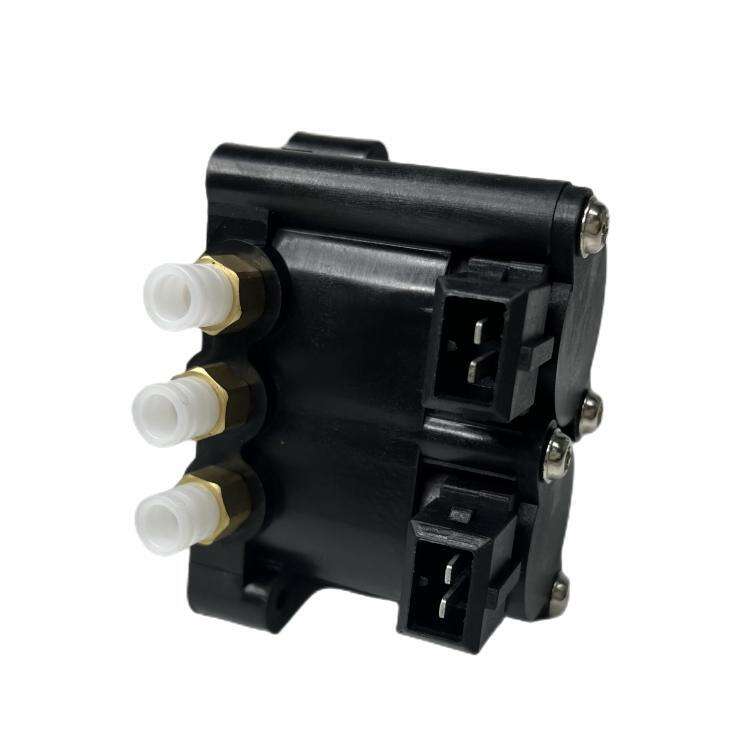
The air suspension valve block serves as a critical control component within pneumatic suspension systems, managing the distribution and regulation of compressed air to individual air springs or bellows. This sophisticated device acts as the central hub for controlling ride height adjustments, load leveling, and overall suspension performance in vehicles ranging from commercial trucks to luxury automobiles and specialty applications. The valve block integrates multiple solenoid valves, pressure sensors, and distribution channels into a single compact assembly, streamlining installation while enhancing system reliability. Modern air suspension valve blocks feature advanced electronic controls that communicate with the vehicle's onboard computer systems, enabling precise real-time adjustments based on driving conditions, load variations, and operator preferences. The primary function involves directing compressed air from the reservoir to specific suspension points, allowing independent control of each corner or axle. This capability ensures optimal weight distribution and maintains proper vehicle stance regardless of cargo weight or passenger load. Technological features include corrosion-resistant aluminum or composite housings, integrated pressure regulators, quick-connect fittings for simplified maintenance, and fail-safe mechanisms that prevent complete system failure. The valve block's modular design allows for scalability, accommodating various vehicle configurations and performance requirements. Applications span numerous industries including transportation logistics, emergency vehicles, motorhomes, agricultural equipment, and high-performance vehicles where ride quality and handling precision matter most. The air suspension valve block represents a significant advancement over traditional mechanical systems, offering programmable settings, diagnostic capabilities, and improved durability. Its electronic control interface enables features such as automatic leveling during loading operations, adjustable ride firmness, and memory settings for different driving scenarios. The integration of pressure monitoring ensures system integrity while preventing over-inflation or dangerous under-inflation conditions that could compromise safety or component longevity.

Popular Products

Choosing an air suspension valve block delivers substantial practical benefits that directly impact your vehicle's performance, comfort, and operational costs. First and foremost, this system provides exceptional ride quality by continuously adjusting suspension firmness in response to road conditions and load changes. Unlike conventional spring systems that offer fixed characteristics, the valve block enables dynamic adaptation, absorbing bumps and irregularities more effectively while maintaining stable handling during cornering or emergency maneuvers. This translates to reduced driver fatigue on long journeys and increased passenger comfort, making every trip more enjoyable and less taxing on the body. The load-leveling capability stands as another major advantage, automatically compensating for varying cargo weights to maintain optimal ride height and proper headlight alignment. Whether your vehicle carries heavy equipment, passengers, or tows a trailer, the system instantly adjusts to keep the chassis level, preventing sagging that could affect steering response, brake efficiency, and tire wear patterns. This self-leveling function eliminates the need for manual adjustments and ensures consistent performance regardless of load variations throughout your workday. Cost savings emerge through extended tire life and reduced wear on other suspension components. By maintaining proper vehicle geometry and evenly distributing weight, the air suspension valve block minimizes uneven tire wear that typically occurs with overloaded or improperly balanced vehicles. The system's ability to raise or lower the vehicle also facilitates easier loading and unloading operations, reducing physical strain on workers and speeding up turnaround times at docks or job sites. Maintenance becomes more straightforward with integrated diagnostic capabilities that alert operators to potential issues before they escalate into costly failures. The valve block's modular construction allows technicians to replace individual components rather than entire assemblies, reducing repair expenses and minimizing downtime. Furthermore, the system's durability withstands harsh operating environments, resisting corrosion, vibration, and temperature extremes that would degrade lesser components. Energy efficiency improves as the system only consumes power during adjustment cycles rather than continuously, and the precise control reduces unnecessary air consumption from the compressor. Operators gain versatility through programmable settings that adapt the suspension characteristics to specific tasks, whether prioritizing comfort for passenger transport or stability for heavy hauling. The enhanced control over vehicle dynamics also contributes to safety by reducing body roll, improving stability during lane changes, and maintaining better ground clearance over obstacles. These combined advantages create a compelling value proposition for fleet operators, individual owners, and anyone seeking superior performance from their vehicle's suspension system.

Latest News

How does air suspension improve ride comfort in commercial vehicle applications?

27

May

How does air suspension improve ride comfort in commercial vehicle applications?

In commercial vehicle applications, driver comfort and cargo protection are not luxuries — they are operational necessities. Rough roads, heavy payloads, and long-haul routes place extraordinary stress on both the vehicle and the people inside ...
View More
Why do manufacturers adopt air suspension systems for luxury vehicle platforms?

27

May

Why do manufacturers adopt air suspension systems for luxury vehicle platforms?

The decision to adopt air suspension systems in luxury vehicle platforms is not an arbitrary engineering choice. It represents a deliberate commitment to delivering a driving experience that consistently exceeds passenger expectations, meets stringen...
View More
Can a solenoid valve block support fast response in adaptive suspension systems?

03

Jun

Can a solenoid valve block support fast response in adaptive suspension systems?

When engineers and automotive specialists evaluate the performance ceiling of adaptive suspension systems, one component consistently emerges as a critical enabler of real-time responsiveness: the solenoid valve block. In air suspension architectures...
View More
How does an air suspension compressor improve performance in load support systems?

03

Jun

How does an air suspension compressor improve performance in load support systems?

When a vehicle carries heavy loads or navigates uneven terrain, the demands placed on its suspension system increase dramatically. An air suspension compressor sits at the heart of any pneumatic load support system, continuously managing air pressure...
View More

Get a Free Quote

Our representative will contact you soon.
Email
Name
Company Name
Message
0/1000

air suspension valve block

Intelligent Load Management and Automatic Leveling Technology

Intelligent Load Management and Automatic Leveling Technology

The air suspension valve block incorporates sophisticated load management algorithms that continuously monitor vehicle weight distribution and automatically adjust air pressure to maintain optimal ride height across all suspension points. This intelligent system utilizes precision pressure sensors at each air spring location, feeding real-time data to the electronic control unit which calculates the exact air volume needed to achieve perfect balance. When you load cargo into your vehicle or attach a trailer, the valve block immediately detects the weight increase and commands the appropriate solenoid valves to direct compressed air to the affected suspension points within seconds. This instantaneous response prevents the vehicle from sagging, which would otherwise compromise handling characteristics, reduce headlight effectiveness by altering their aim angle, and create uneven tire contact patches that accelerate wear. The automatic leveling function operates seamlessly in the background, requiring no driver intervention or manual adjustments, allowing operators to focus on their primary tasks rather than suspension management. During unloading operations, the system equally responds by releasing excess air pressure to lower the vehicle back to its preset ride height, maintaining consistency regardless of payload variations throughout the day. This technology proves invaluable for commercial applications where load weights fluctuate significantly between trips, such as delivery vehicles that start fully loaded and gradually lighten as they complete their routes. The valve block's load management extends beyond simple height control to include side-to-side leveling, correcting imbalances caused by unevenly distributed cargo or passengers seated on one side of the vehicle. This lateral correction prevents excessive body lean during turns, enhancing both safety and comfort while reducing stress on suspension components and chassis members. The system's memory function allows operators to store preferred height settings for different scenarios, such as highway cruising, off-road navigation, or loading dock operations, with the ability to recall these configurations at the touch of a button. The predictive algorithms within modern valve blocks can even anticipate required adjustments based on driving patterns and proactively modify suspension settings before conditions demand changes, creating a smoother and more responsive driving experience that sets this technology apart from reactive systems.
Enhanced Durability Through Advanced Materials and Sealed Construction

Enhanced Durability Through Advanced Materials and Sealed Construction

The construction quality of the air suspension valve block directly determines its service life and reliability under demanding operating conditions, which is why premium units employ aerospace-grade materials and advanced sealing technologies that withstand extreme environments. The main body typically utilizes high-strength aluminum alloys that offer an optimal balance between weight savings and structural integrity, with precision-machined passages that ensure consistent airflow without restrictions or turbulence that could affect response times. These aluminum housings undergo specialized anodizing treatments that create a hard, corrosion-resistant surface layer capable of withstanding road salt exposure, industrial chemicals, and moisture that would quickly degrade untreated metals. Internal components including valve seats, springs, and actuators feature materials selected for their fatigue resistance and dimensional stability across wide temperature ranges, from sub-zero winter conditions to the intense heat generated in engine compartments during summer operations. The solenoid valves themselves incorporate advanced coil designs with thermal protection that prevents overheating during extended operation cycles, while the electrical connectors utilize gold-plated contacts sealed within waterproof housings that meet or exceed automotive IP67 ingress protection standards. This level of sealing prevents moisture, dust, and contaminants from entering critical areas where they could cause corrosion, electrical shorts, or mechanical binding that would compromise system function. The valve block's modular architecture contributes to its durability by isolating different functional sections, so that vibration, thermal expansion, or stress in one area does not propagate throughout the entire assembly. Engineers incorporate flexible mounting points with vibration-damping isolators that absorb road shock and reduce fatigue on mounting brackets and fasteners, extending component life even in severe-duty applications like off-road vehicles or heavy construction equipment. The internal air passages feature smooth, radiused transitions rather than sharp angles where stress concentrations could initiate crack formation over time, and all pressure-bearing surfaces maintain generous safety factors above maximum system operating pressures. Quality manufacturers subject their valve blocks to rigorous environmental testing including thermal cycling, salt spray exposure, vibration endurance, and pressure cycling that simulates years of real-world service, ensuring that only designs meeting strict durability standards reach the market. This commitment to robust construction means that properly maintained air suspension valve blocks routinely achieve service lives exceeding 500,000 miles in commercial applications, delivering exceptional return on investment through reduced replacement frequency and minimized unscheduled maintenance events.
Seamless Integration with Vehicle Electronics and Diagnostic Capabilities

Seamless Integration with Vehicle Electronics and Diagnostic Capabilities

Modern air suspension valve blocks feature sophisticated electronic interfaces that communicate bidirectionally with vehicle control networks, enabling integration with existing onboard systems while providing comprehensive diagnostic capabilities that simplify troubleshooting and maintenance planning. The valve block's electronic control unit connects to the vehicle's CAN bus or other communication protocols, allowing it to receive inputs from multiple sensors including vehicle speed, steering angle, brake application, and throttle position, which it uses to optimize suspension behavior in real time. This integration enables advanced features such as speed-dependent ride height adjustment, where the system automatically lowers the vehicle at highway speeds to reduce aerodynamic drag and improve fuel efficiency, then raises it back to normal height when speeds decrease for better ground clearance and approach angles. The valve block can coordinate with stability control systems, stiffening the suspension during aggressive cornering or emergency maneuvers to reduce body roll and maintain optimal tire contact, then returning to comfort-oriented settings once normal driving resumes. The diagnostic capabilities embedded within the valve block represent a significant advantage for fleet managers and service technicians, as the system continuously monitors all sensors, valves, and pressure levels, storing fault codes whenever parameters fall outside acceptable ranges. These diagnostic codes provide specific information about the nature and location of problems, eliminating guesswork and reducing diagnostic time from hours to minutes in many cases. Technicians can access this information through standard OBD-II scan tools or dedicated diagnostic software, viewing real-time data streams that show current pressures at each air spring, valve activation status, compressor duty cycle, and system response times. The valve block records historical data including fault occurrence frequency, pressure trends, and adjustment cycles, allowing predictive maintenance strategies that address developing issues before they result in system failures or vehicle downtime. Some advanced systems include wireless connectivity that enables remote monitoring and diagnostics, alerting fleet managers to potential problems across their entire vehicle population without requiring physical inspection of each unit. The programming flexibility inherent in electronic valve blocks allows customization of response curves, pressure limits, and adjustment speeds to match specific vehicle applications or operator preferences, with the ability to update software as new features become available or operating requirements change. This electronic sophistication does not compromise reliability, as the systems incorporate redundant safety features and fail-safe modes that maintain basic suspension function even if electronic controls malfunction, ensuring that vehicles can safely return to service facilities rather than becoming stranded. The integration capabilities extend to aftermarket accessories such as smartphone apps that give drivers direct control over ride height and firmness settings, creating a personalized driving experience that adapts to individual preferences and specific journey requirements.


Get a Free Quote

Our representative will contact you soon.
Email
Name
Company Name
Message
0/1000