Air Suspension Spring Systems - Advanced Pneumatic Suspension Solutions for Superior Ride Quality and Load Management

Get a Free Quote

Our representative will contact you soon.
Email
Name
Company Name
Message
0/1000

air suspension spring

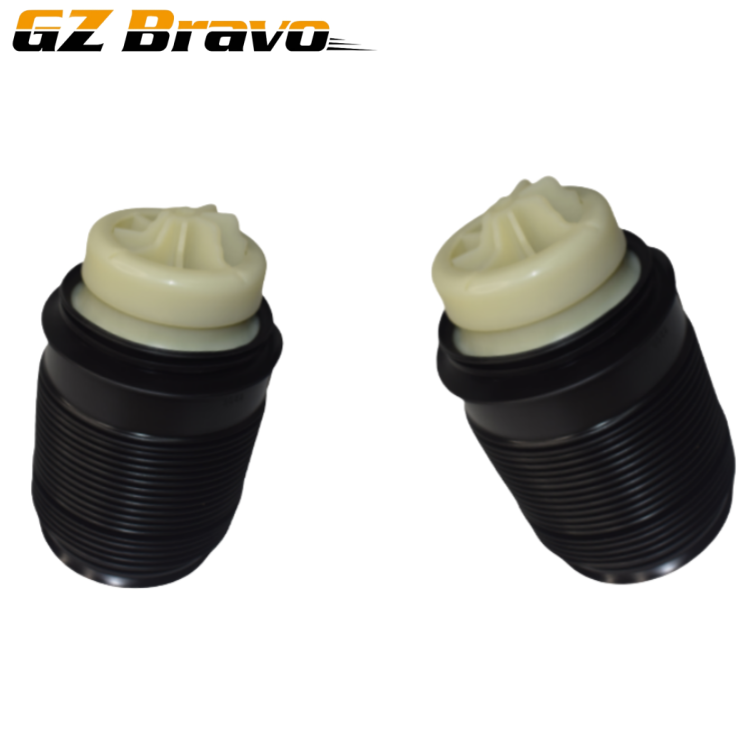
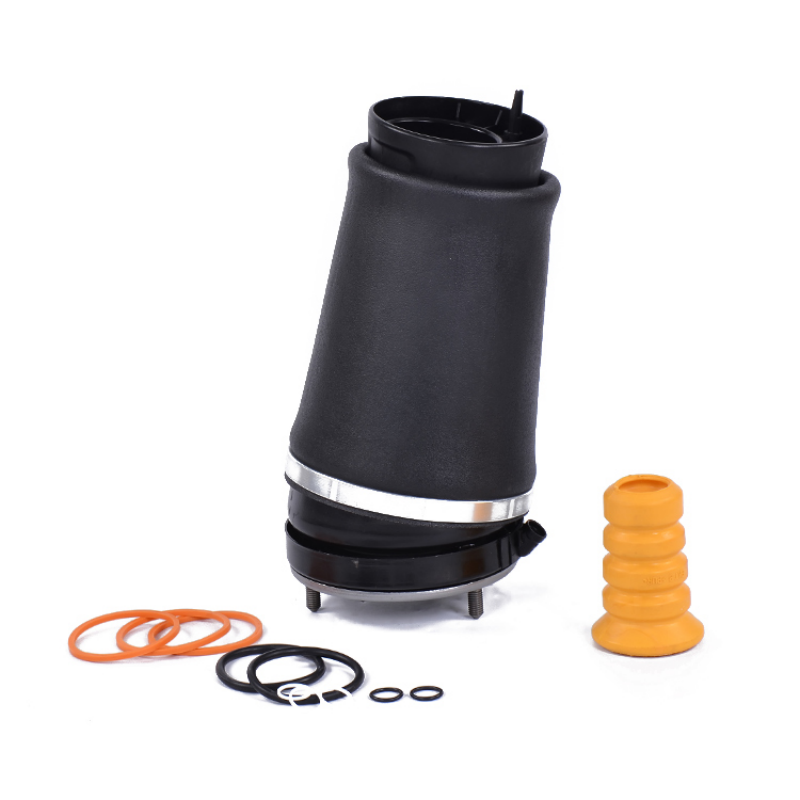
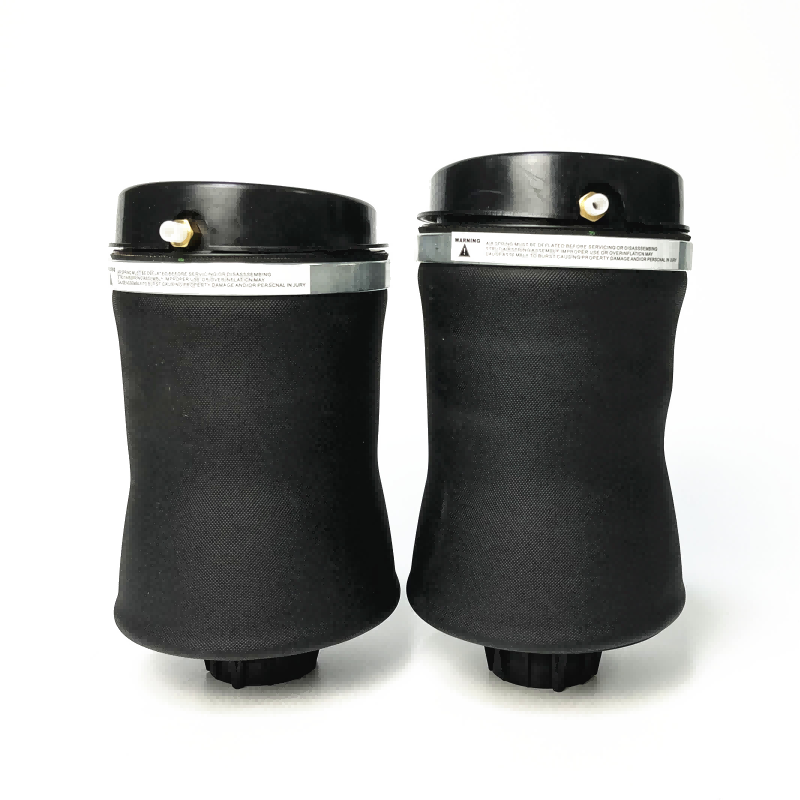
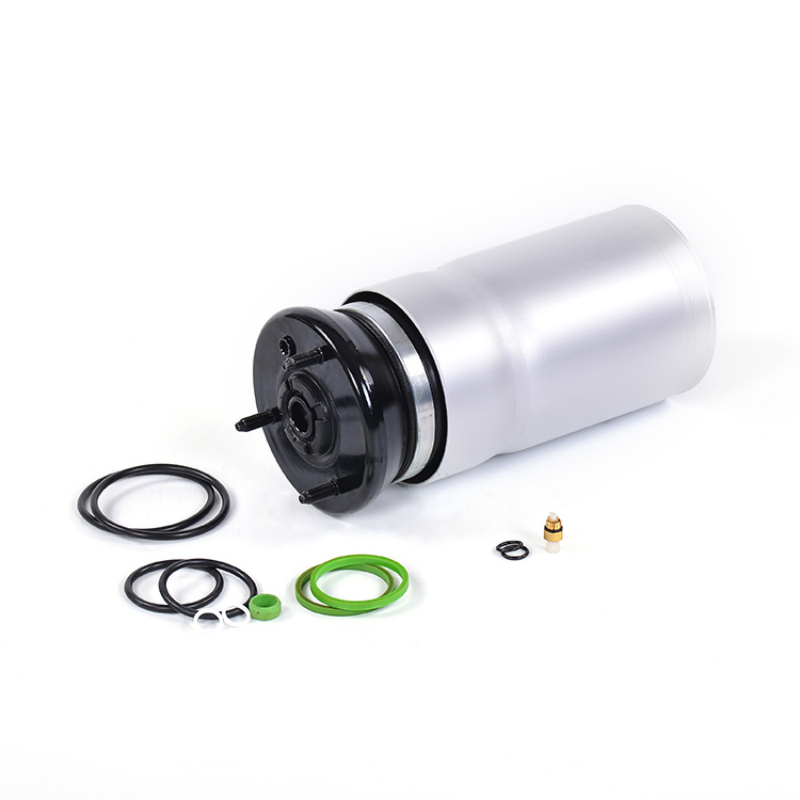
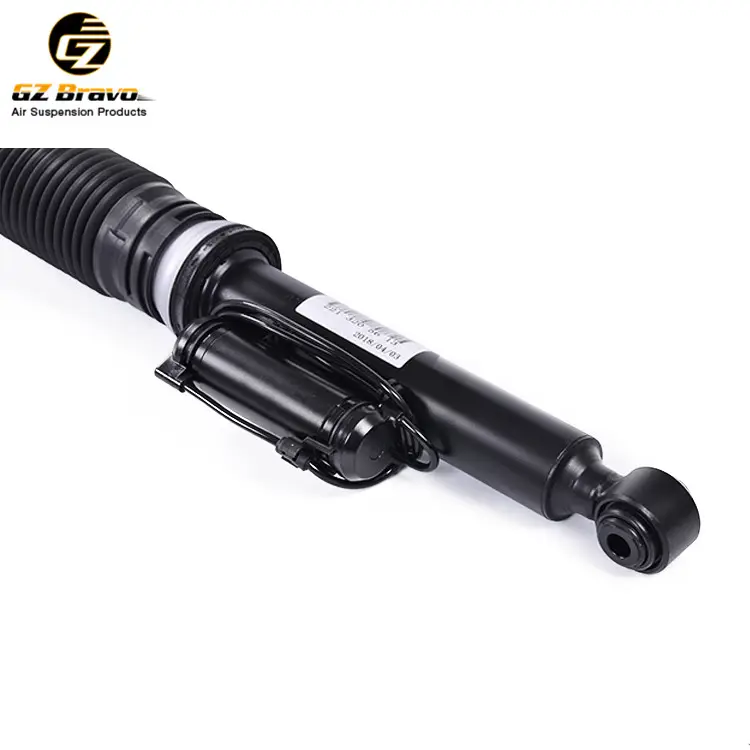
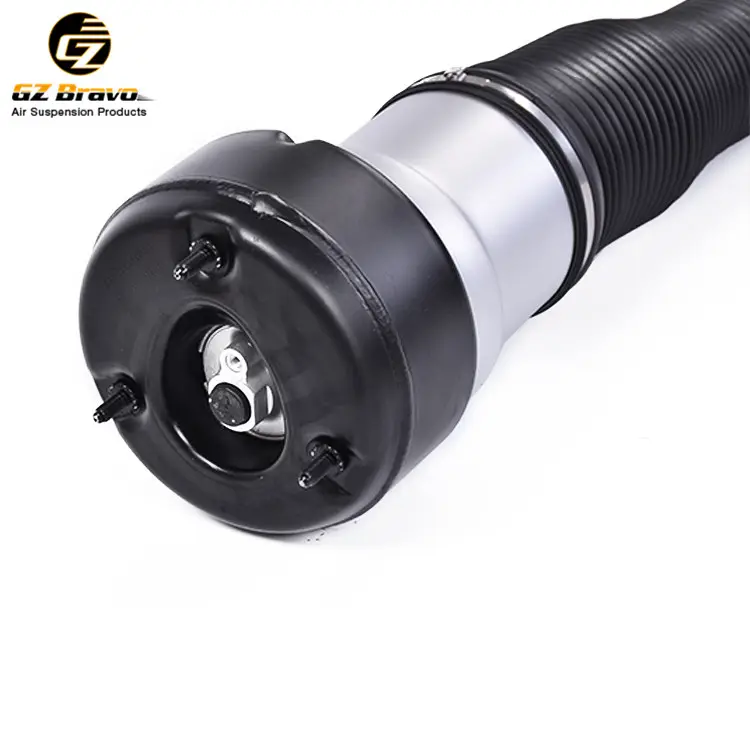
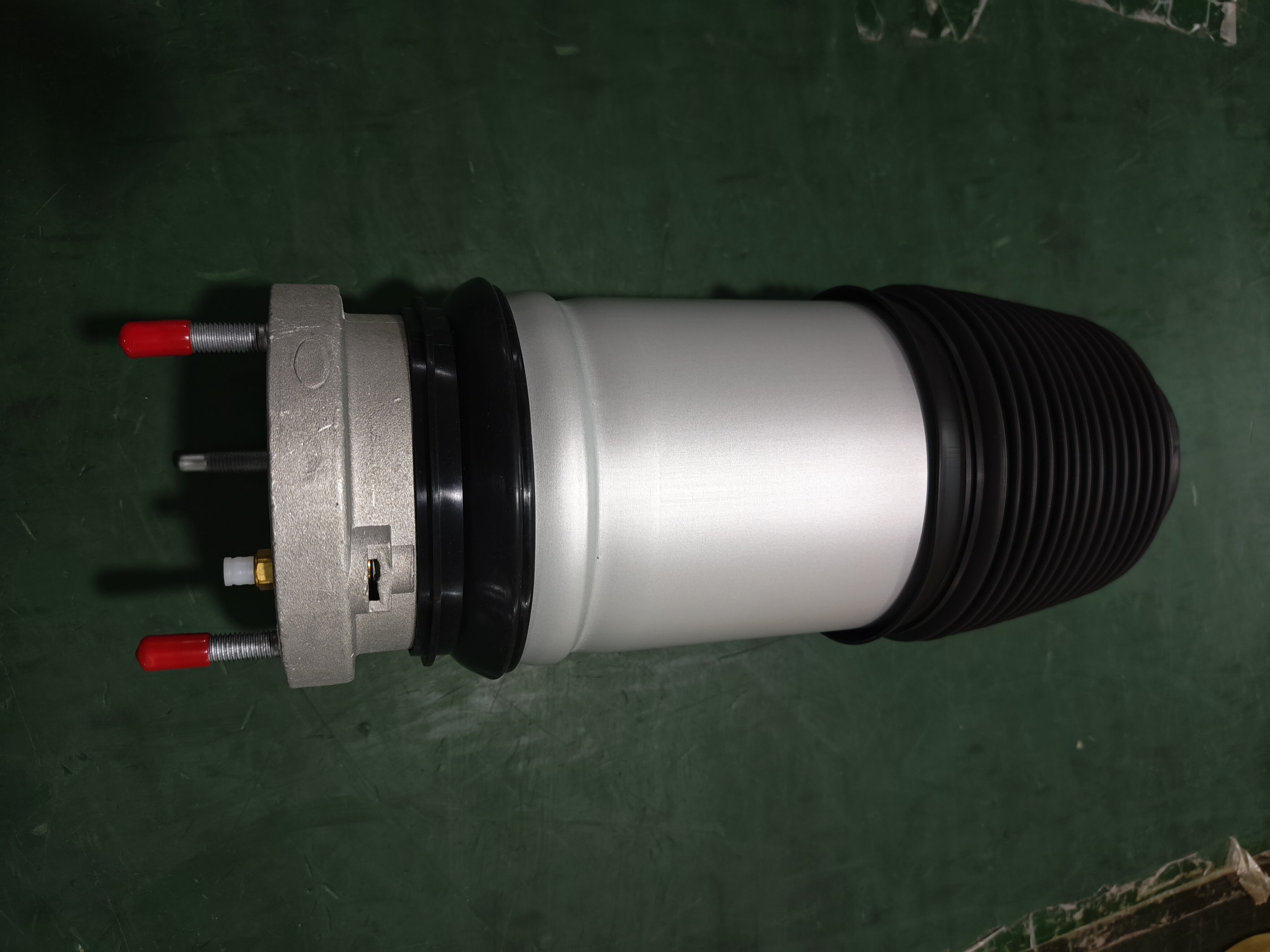
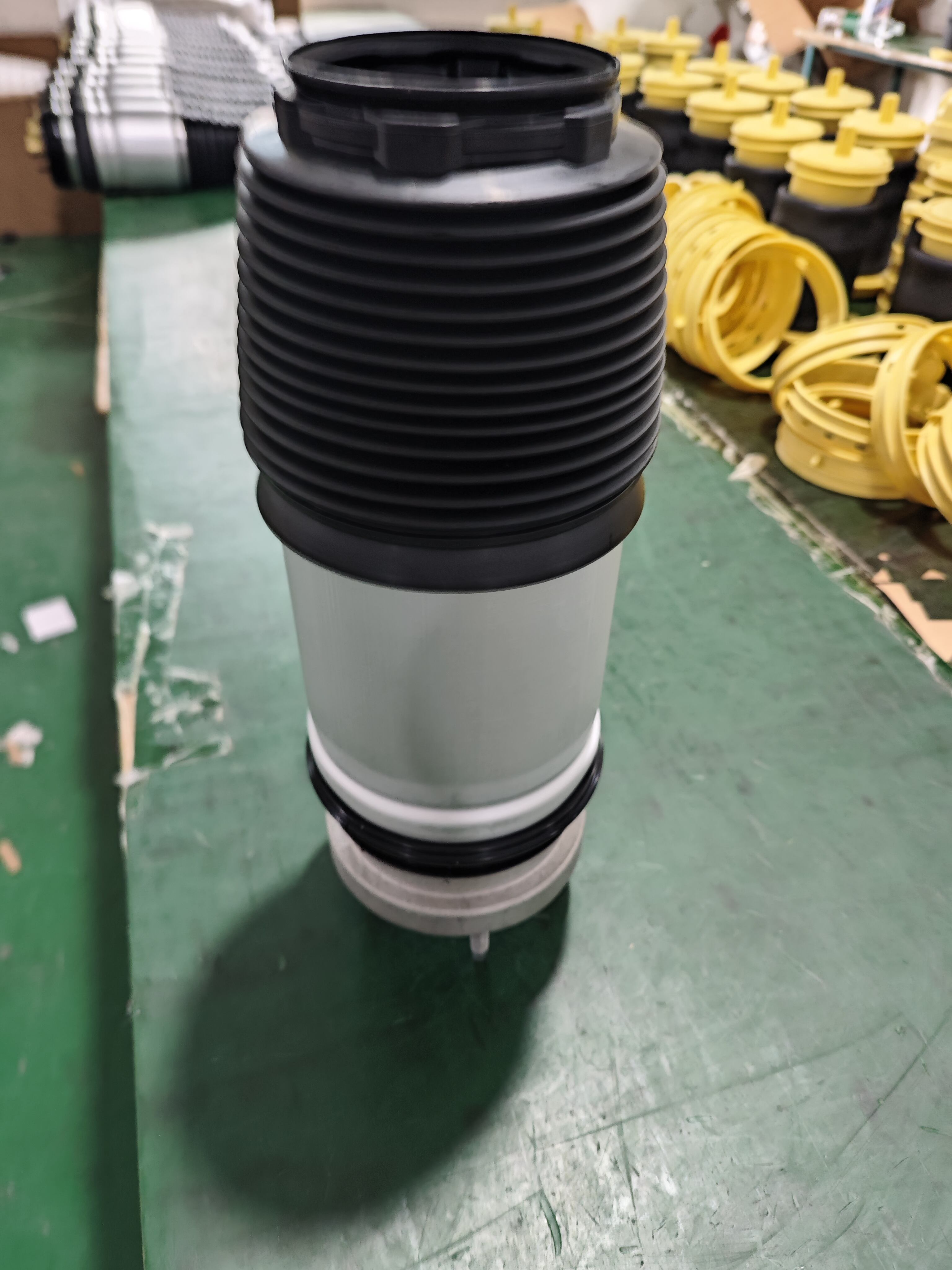
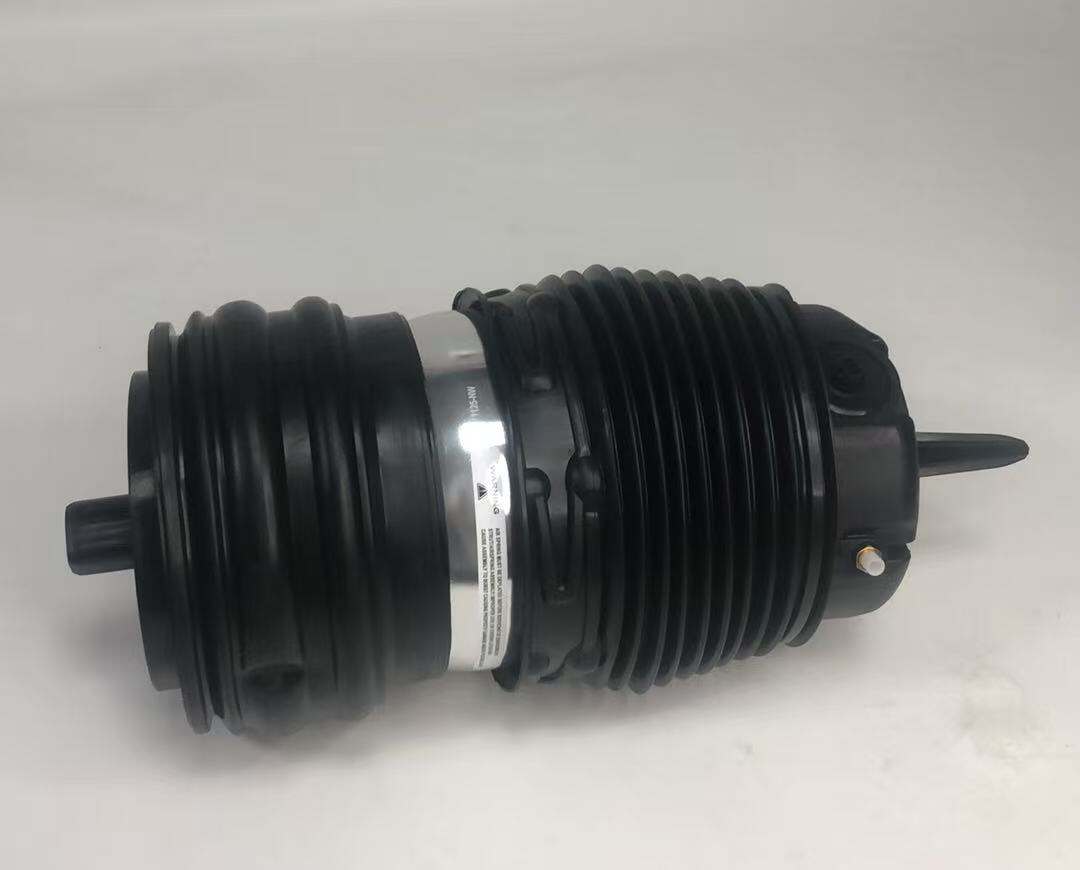
An air suspension spring represents an innovative pneumatic component that serves as a critical element in modern suspension systems across various vehicles and industrial equipment. This sophisticated device utilizes compressed air contained within a flexible rubber and fabric composite chamber to provide cushioning and support, replacing traditional metal coil or leaf springs. The air suspension spring operates on the principle of air compressibility, where pressurized air acts as the spring medium, allowing for dynamic adjustment of stiffness and ride height based on load conditions and operational requirements. The main functions of this component include load bearing, vibration isolation, shock absorption, and height adjustment capabilities that enhance overall performance and comfort. Technologically, air suspension springs feature multi-ply reinforced rubber construction with embedded fabric layers that ensure durability and resistance to fatigue under continuous cyclic loading. The design incorporates precision-engineered piston assemblies and air-tight sealing systems that maintain consistent pressure levels while preventing air leakage over extended service periods. Advanced materials such as chloroprene rubber and high-strength synthetic fabrics provide excellent resistance to environmental factors including temperature extremes, ozone exposure, oil contamination, and ultraviolet radiation. Applications for air suspension springs span multiple industries, with primary usage in commercial trucks, buses, trailers, passenger vehicles, railway systems, industrial machinery, and agricultural equipment. In automotive applications, these springs work in conjunction with electronic control systems and height sensors to automatically adjust suspension characteristics based on driving conditions, passenger load, and terrain variations. The manufacturing process involves precise layering of rubber compounds and fabric reinforcement through specialized vulcanization techniques that create a homogeneous structure capable of withstanding pressures ranging from 40 to 150 PSI depending on application requirements. Modern air suspension spring designs incorporate mounting hardware compatibility with existing suspension architectures, facilitating straightforward installation and integration with conventional damping systems and anti-roll bars.


New Products

Selecting an air suspension spring for your vehicle or equipment delivers numerous practical benefits that directly improve operational efficiency and user experience. First and foremost, these springs provide exceptional ride comfort by effectively absorbing road irregularities and vibrations that would otherwise transfer to passengers or cargo, creating a smoother and more pleasant traveling experience regardless of surface conditions. The adjustable nature of air suspension springs allows operators to modify ride height according to specific needs, enabling vehicles to lower for easier loading and unloading operations or raise to navigate challenging terrain and obstacles without compromising ground clearance. This versatility proves particularly valuable for commercial operators who handle varying cargo weights throughout their daily operations, as the system automatically compensates for load changes to maintain consistent ride quality and vehicle stance. Vehicle handling and stability receive significant improvements through air suspension spring implementation, as the system maintains optimal tire contact with road surfaces during cornering, acceleration, and braking maneuvers, enhancing safety margins and driver confidence. The weight distribution capabilities inherent in air suspension spring technology protect valuable cargo from damage caused by excessive bouncing and jarring movements during transportation, reducing product loss and insurance claims for commercial carriers. Maintenance costs decrease substantially compared to conventional spring systems because air suspension springs eliminate metal-to-metal contact that causes wear and requires frequent replacement of components such as bushings and mounting hardware. Fuel efficiency improvements result from the ability to lower vehicle height at highway speeds, reducing aerodynamic drag and wind resistance that consume additional energy, translating directly into cost savings for fleet operators and individual owners alike. The extended service life of quality air suspension springs, often exceeding 500,000 miles in commercial applications when properly maintained, provides excellent return on investment through reduced downtime and replacement expenses. Noise reduction represents another significant advantage, as air suspension springs dampen road noise and vibration transmission more effectively than metal springs, creating quieter cabin environments that reduce driver fatigue on long journeys. The system offers precise load leveling capabilities that prevent sagging under heavy loads, maintaining proper headlight aim and ensuring optimal braking performance regardless of cargo weight variations. Installation flexibility accommodates diverse vehicle platforms and retrofit applications, allowing owners to upgrade existing suspension systems without extensive modifications to vehicle frames or mounting points. Environmental benefits emerge through reduced tire wear caused by improved weight distribution and elimination of harsh suspension impacts, decreasing rubber particle pollution and extending tire replacement intervals for additional cost savings.

Practical Tips

How does air suspension enhance stability during high-speed driving operations?

27

May

How does air suspension enhance stability during high-speed driving operations?

When a vehicle travels at high speed, the margin for error shrinks dramatically. Every bump in the road, every shift in load distribution, and every gust of crosswind becomes a real threat to driver control. This is precisely where air suspension pro...
View More
How does a solenoid valve block improve airflow management in suspension setups?

03

Jun

How does a solenoid valve block improve airflow management in suspension setups?

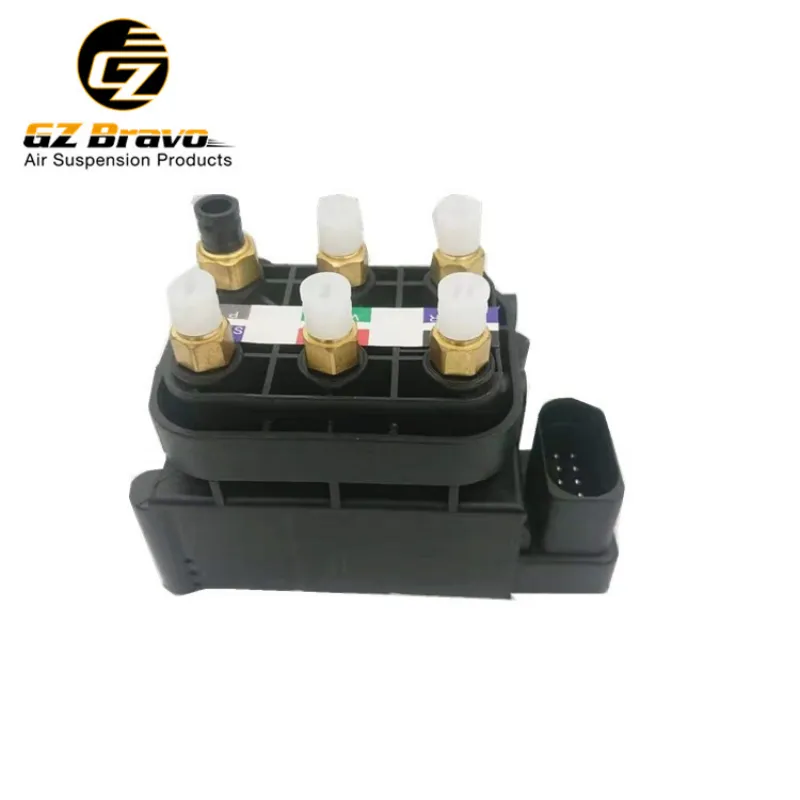
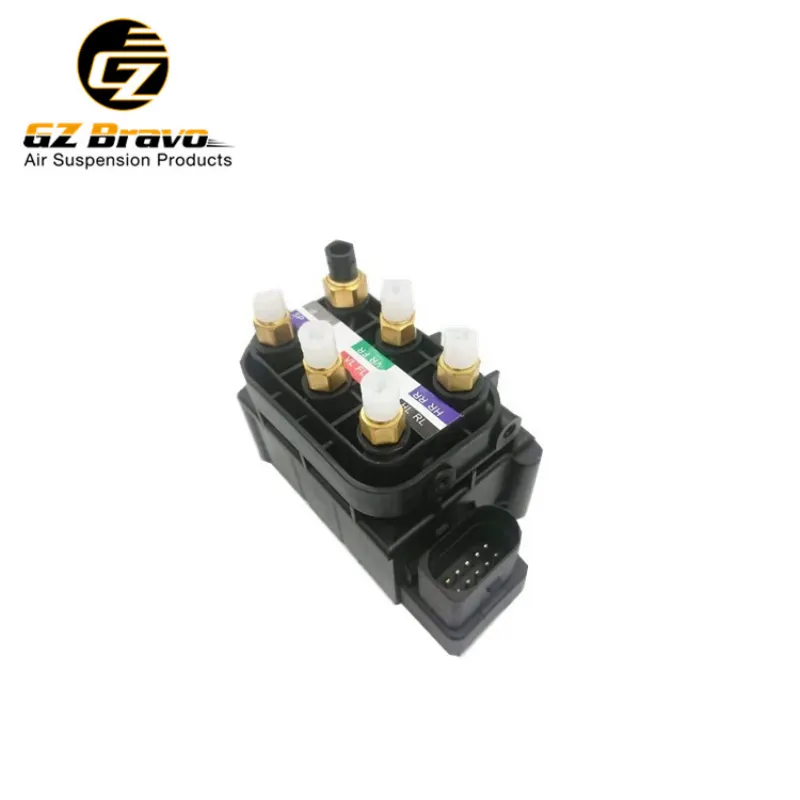
Modern air suspension systems depend on precise control of pressurized air to deliver the ride comfort and handling performance that drivers expect. At the center of this control architecture sits the solenoid valve block, a compact but critically im...
View More
Can a solenoid valve block support fast response in adaptive suspension systems?

03

Jun

Can a solenoid valve block support fast response in adaptive suspension systems?

When engineers and automotive specialists evaluate the performance ceiling of adaptive suspension systems, one component consistently emerges as a critical enabler of real-time responsiveness: the solenoid valve block. In air suspension architectures...
View More
How does an air suspension compressor improve performance in load support systems?

03

Jun

How does an air suspension compressor improve performance in load support systems?

When a vehicle carries heavy loads or navigates uneven terrain, the demands placed on its suspension system increase dramatically. An air suspension compressor sits at the heart of any pneumatic load support system, continuously managing air pressure...
View More

Get a Free Quote

Our representative will contact you soon.
Email
Name
Company Name
Message
0/1000

air suspension spring

Superior Load Management and Automatic Height Adjustment

Superior Load Management and Automatic Height Adjustment

The air suspension spring excels in providing intelligent load management capabilities that automatically adjust to changing weight conditions without requiring manual intervention from operators. This sophisticated feature utilizes compressed air pressure variations within the spring chamber to accommodate different load scenarios, ensuring that vehicles maintain optimal ride height and suspension geometry regardless of cargo weight or passenger count. When additional weight is added to a vehicle equipped with air suspension springs, the system automatically increases air pressure within the spring chambers to compensate for the increased load, preventing the vehicle from sagging and maintaining proper ground clearance and suspension travel. Conversely, when cargo is removed or passengers exit the vehicle, the system releases air pressure to prevent the vehicle from riding too high, which could negatively impact handling characteristics and aerodynamic efficiency. This dynamic adjustment capability proves invaluable for commercial transportation operators who experience constantly changing load conditions throughout their operational day, eliminating the need for manual adjustments and ensuring consistent performance across all loading scenarios. The automatic leveling function provided by air suspension springs also protects drivetrain components and chassis structures from uneven stress distribution that occurs when vehicles operate in tilted or sagging conditions, extending the service life of expensive mechanical systems. Height adjustment capabilities extend beyond simple load compensation to include operator-controlled positioning for specific operational requirements such as loading dock alignment, trailer coupling operations, and off-road obstacle navigation. Many modern air suspension spring systems incorporate multiple height presets that drivers can select with simple dashboard controls, allowing quick transitions between highway cruising height for improved fuel economy, standard height for normal driving conditions, and raised height for traversing rough terrain or deep water crossings. The precision of height adjustment available through air suspension spring technology surpasses conventional mechanical systems by significant margins, with some applications achieving adjustment accuracy within millimeters of target specifications. This level of control enables specialized vehicles such as car carriers and heavy equipment transporters to precisely position their loading surfaces for safe and efficient cargo handling operations, reducing loading times and minimizing the risk of damage during transfer procedures.
Enhanced Durability Through Advanced Material Engineering

Enhanced Durability Through Advanced Material Engineering

The construction of modern air suspension springs incorporates cutting-edge material science and engineering techniques that deliver exceptional durability and longevity under demanding operational conditions. The foundation of air suspension spring durability lies in the multi-layer composite structure that combines high-grade rubber compounds with reinforcing fabric layers arranged in precise geometric patterns to distribute stress evenly throughout the spring body. Each layer within the air suspension spring serves a specific purpose, with inner layers providing air retention and sealing capabilities while outer layers offer protection against environmental hazards and mechanical abrasion. The rubber compounds utilized in premium air suspension springs undergo specialized formulation processes that enhance resistance to ozone degradation, a common failure mode for pneumatic components exposed to atmospheric conditions over extended periods. Temperature stability represents a critical performance parameter for air suspension springs, as these components must maintain flexibility and sealing integrity across temperature ranges spanning from arctic cold to desert heat conditions. Advanced elastomer formulations in quality air suspension springs retain their elastic properties at temperatures as low as negative 40 degrees Fahrenheit while remaining structurally sound at temperatures exceeding 200 degrees Fahrenheit, ensuring reliable operation in all climatic zones. The fabric reinforcement layers embedded within air suspension springs typically consist of high-tenacity synthetic fibers such as nylon or polyester arranged in cord patterns that provide exceptional tensile strength while maintaining flexibility for the compression and extension cycles that occur during normal operation. Manufacturing processes for air suspension springs employ precision vulcanization techniques that chemically bond the rubber and fabric layers into a homogeneous structure without weak points or delamination risks that could lead to premature failure. Quality control procedures during air suspension spring production include rigorous testing protocols such as burst pressure testing, cyclic fatigue testing, and environmental exposure simulation to verify that each unit meets stringent performance specifications before reaching customers. The mounting hardware and end caps integrated into air suspension spring assemblies receive equal attention to material quality, with components manufactured from corrosion-resistant materials such as aluminum alloys or specially coated steel that withstand exposure to road salt, moisture, and chemical contaminants encountered in typical operating environments. Sealing systems within air suspension springs incorporate multiple redundant barriers against air leakage, including molded rubber seals, mechanical crimp connections, and specialized bead designs that create reliable air-tight interfaces capable of maintaining pressure integrity through millions of compression cycles.
Versatile Application Compatibility Across Multiple Industries

Versatile Application Compatibility Across Multiple Industries

Air suspension spring technology demonstrates remarkable versatility through its adaptability to diverse applications spanning automotive, commercial transportation, industrial equipment, and specialized vehicle sectors. In the commercial trucking industry, air suspension springs have become the preferred suspension solution for heavy-duty tractors and trailers due to their ability to handle extreme weight variations while providing cargo protection and driver comfort that metal spring systems cannot match. The integration of air suspension springs into Class 8 commercial vehicles enables these trucks to legally carry maximum payloads while maintaining compliance with bridge law weight distribution requirements and axle loading regulations that govern commercial transportation operations. Transit bus applications benefit tremendously from air suspension spring implementation, as the system provides passengers with a comfortable ride experience that encourages public transportation usage while reducing operator fatigue during long shifts navigating urban routes with frequent stops and starts. Luxury passenger vehicles incorporate air suspension springs to deliver premium ride quality that distinguishes high-end automobiles from standard vehicles, with sophisticated electronic control systems that adjust suspension characteristics in real-time based on driving dynamics and road conditions. The railway industry utilizes specialized air suspension spring designs in passenger rail cars and locomotives to isolate passengers and sensitive equipment from track irregularities and vibration, enhancing comfort and protecting onboard systems from damaging resonance frequencies. Industrial machinery applications for air suspension springs include vibration isolation for precision manufacturing equipment, operator seat suspension systems for construction and agricultural equipment, and shock absorption for material handling systems in warehouses and distribution centers. Agricultural equipment manufacturers specify air suspension springs for tractors and combines to protect operators from the punishing vibration and shock loads encountered when operating heavy machinery across uneven fields and rough terrain for extended periods. Specialty vehicle applications demonstrate the adaptability of air suspension spring technology, with implementations in ambulances requiring smooth patient transport, recreational vehicles seeking luxury accommodation comfort, and off-road racing vehicles needing adjustable suspension characteristics for varying terrain conditions. The retrofit market for air suspension springs continues expanding as vehicle owners recognize the performance and comfort advantages available through aftermarket suspension upgrades, with conversion kits available for popular vehicle platforms that include all necessary components and detailed installation instructions. Material handling equipment such as forklifts and warehouse tugs employ air suspension springs in operator seating systems to reduce fatigue and improve productivity by isolating drivers from the constant jolting and vibration inherent in industrial environments with concrete floors and frequent load transfers.

Get a Free Quote

Our representative will contact you soon.
Email
Name
Company Name
Message
0/1000