Integrated Design for Enhanced Reliability and Efficiency
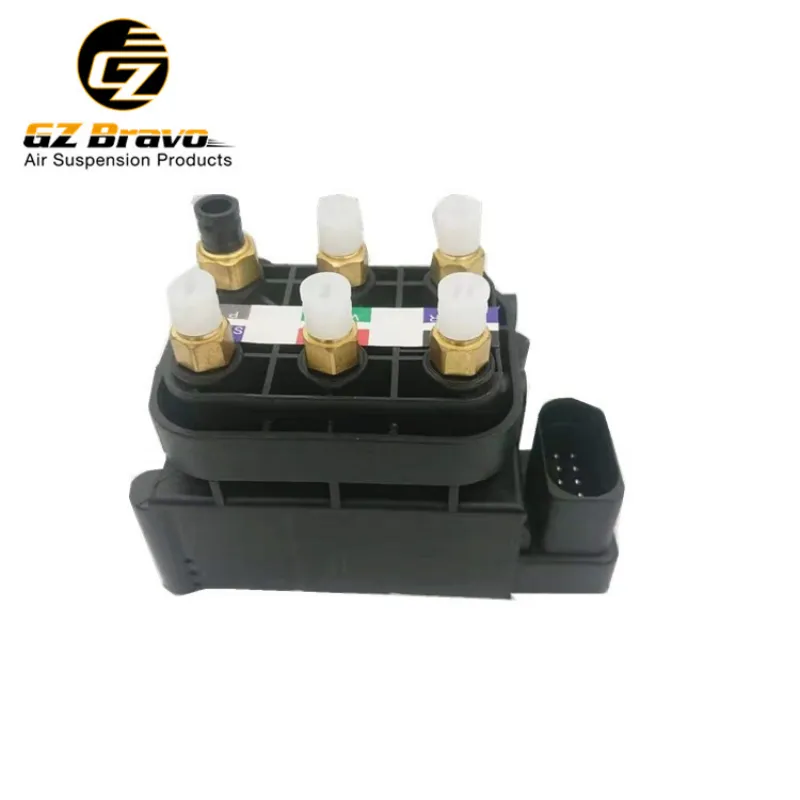
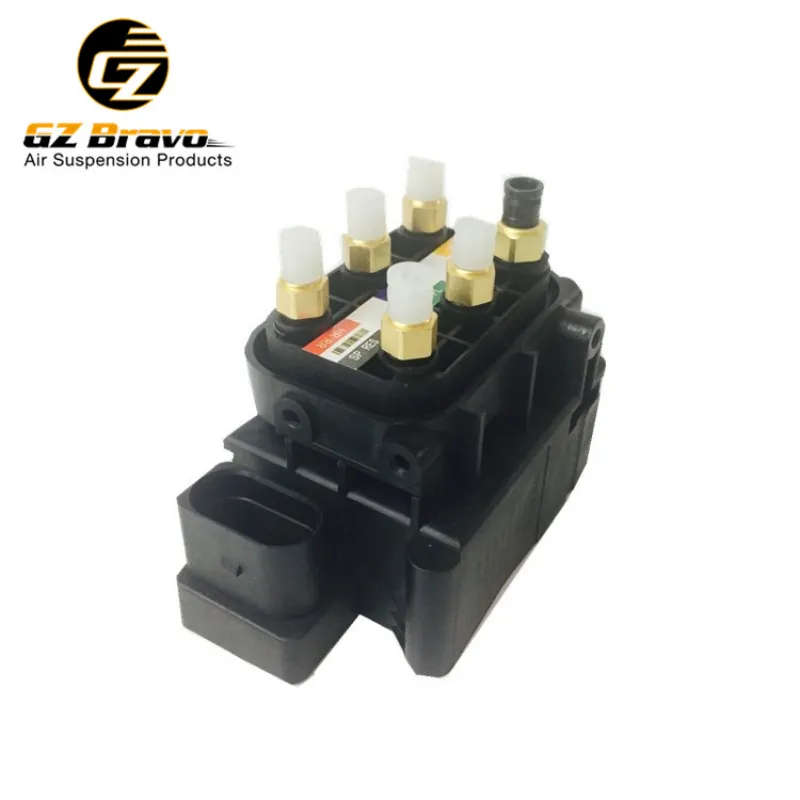
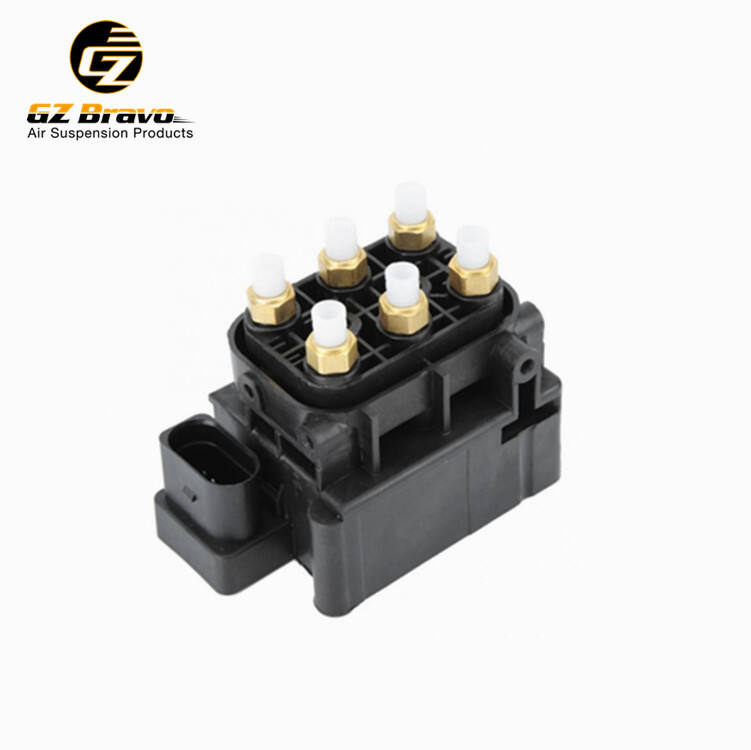
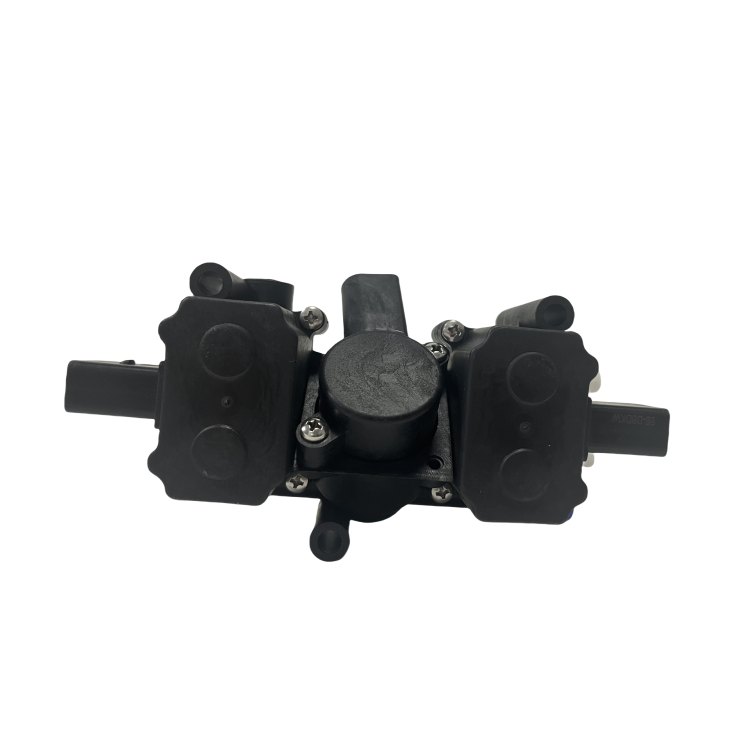
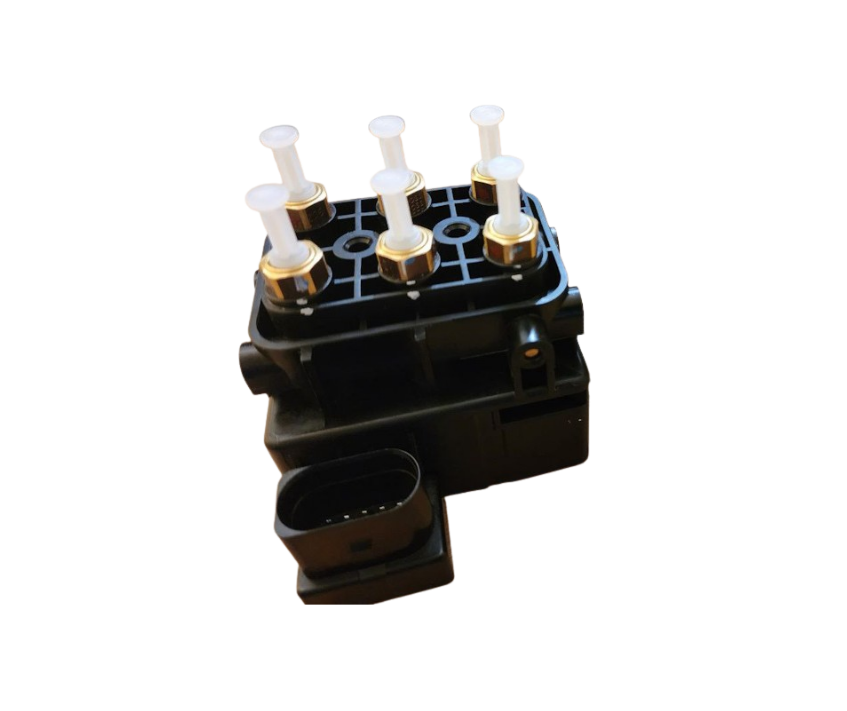
The integrated architecture of the air suspension solenoid valve block represents a fundamental advancement in suspension system design, consolidating what previously required multiple separate components into one cohesive, space-efficient unit that delivers enhanced reliability and operational efficiency. Traditional air suspension systems relied on individual solenoid valves mounted at various locations throughout the vehicle chassis, connected by extensive pneumatic lines that created numerous potential failure points where leaks could develop or connections could loosen over time. The air suspension solenoid valve block eliminates these vulnerabilities by housing all critical valves within a single robust enclosure, typically manufactured from high-grade aluminum alloys or engineered composites that resist corrosion, vibration damage, and thermal expansion issues. This centralized configuration dramatically reduces the total number of fittings, connectors, and hose segments required for system operation, directly correlating to fewer opportunities for air leaks that compromise suspension performance and require costly repairs. The integrated design philosophy extends to the electrical connections as well, with the air suspension solenoid valve block typically featuring a single wiring harness connector that simplifies installation and reduces the complexity of the vehicle's electrical system. Manufacturers benefit from faster production line assembly times, while vehicle owners appreciate the reduced maintenance requirements over the lifespan of their vehicles. The compact footprint of the integrated air suspension solenoid valve block also provides vehicle designers with greater flexibility in chassis packaging, freeing up valuable space for other components or allowing for more optimal placement that improves weight distribution. From a thermal management perspective, grouping valves together enables more effective heat dissipation strategies, as the valve block can be positioned in locations with better airflow or equipped with dedicated cooling features that would be impractical for dispersed individual valves. The manufacturing precision possible with integrated valve blocks surpasses what can be achieved with field-assembled systems, as the critical internal passages and valve seats are machined or molded under controlled factory conditions with tight tolerances that ensure consistent performance characteristics across production batches. Quality control becomes more straightforward as well, since manufacturers can test the entire air suspension solenoid valve block as a complete assembly before installation, verifying that all valves operate correctly and that internal sealing meets specifications. This comprehensive testing approach catches potential defects before they reach customers, enhancing overall product reliability. The efficiency gains extend to diagnostic procedures, as modern air suspension solenoid valve blocks often incorporate integrated sensors and electronic circuits that monitor valve operation and report performance data to the vehicle's onboard computer system. When issues do arise, technicians can quickly identify which specific valve or circuit within the block requires attention, reducing diagnostic time and preventing unnecessary parts replacement. The integrated design of the air suspension solenoid valve block thus represents a holistic approach to system optimization that benefits manufacturers, technicians, and end users through improved reliability, simplified maintenance, and more efficient use of vehicle space and resources.

 EN