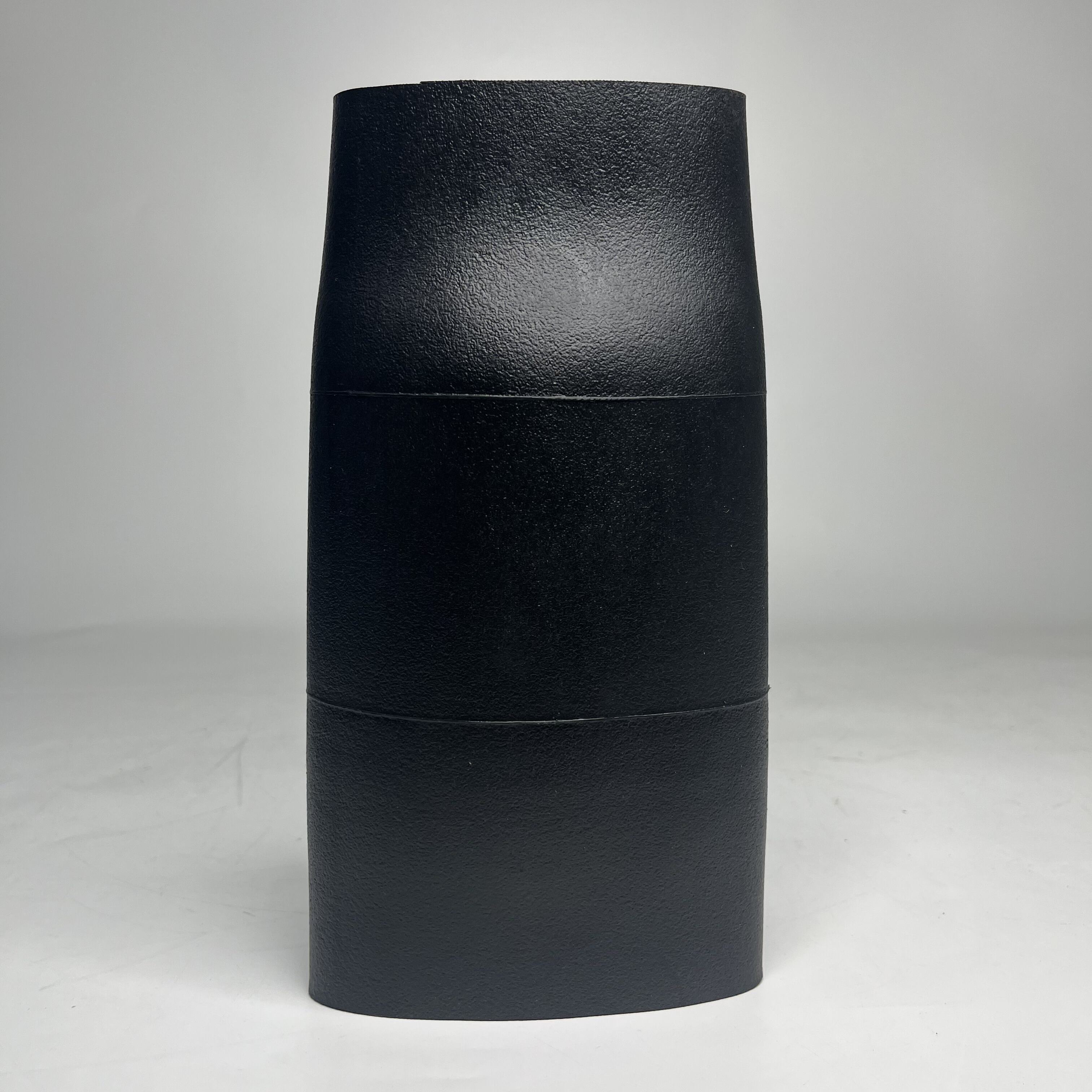
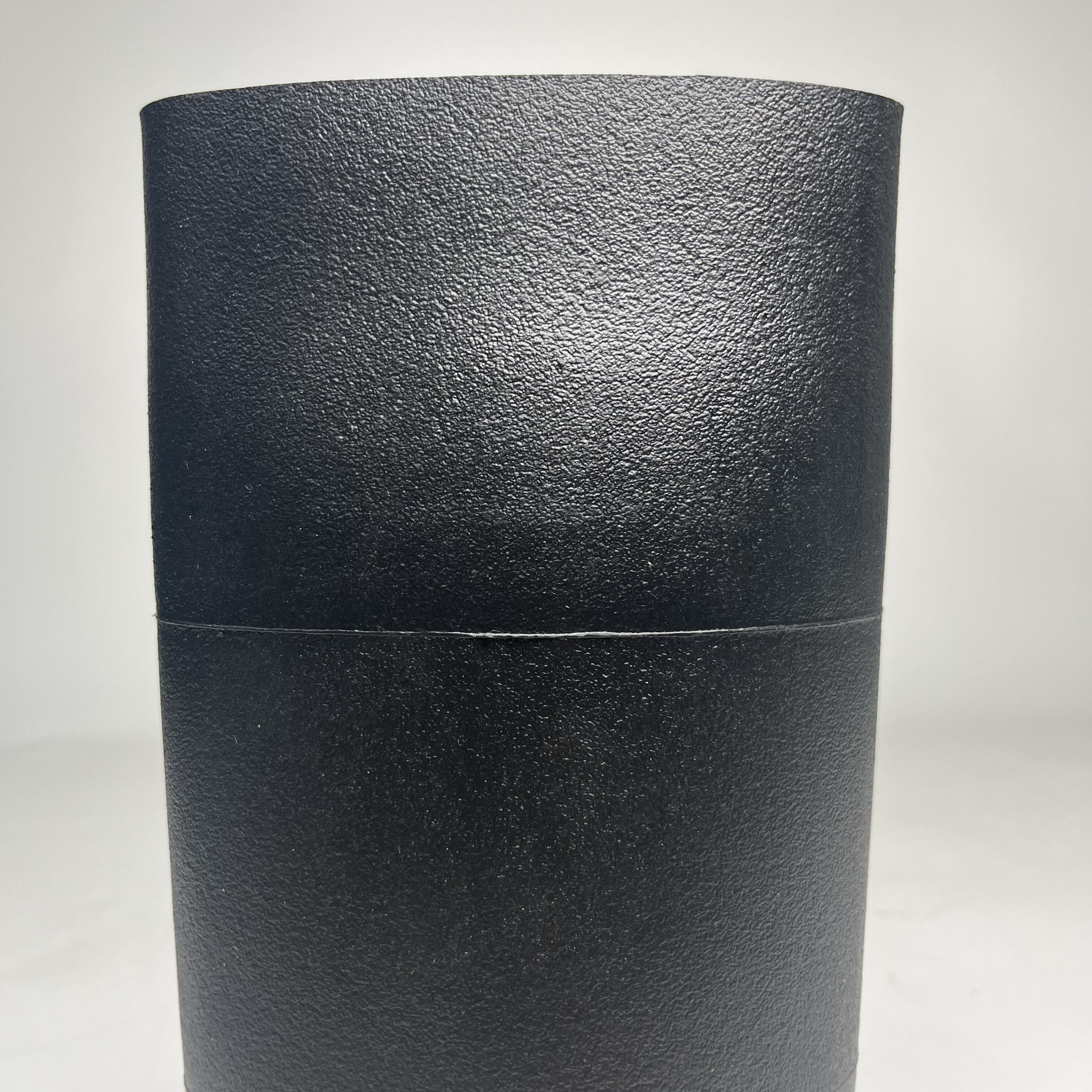
Air Suspension Sleeves: Advanced Pneumatic Solutions for Superior Ride Quality and Load Management

Get a Free Quote

Our representative will contact you soon.
Email
Name
Company Name
Message
0/1000

air suspension sleeve

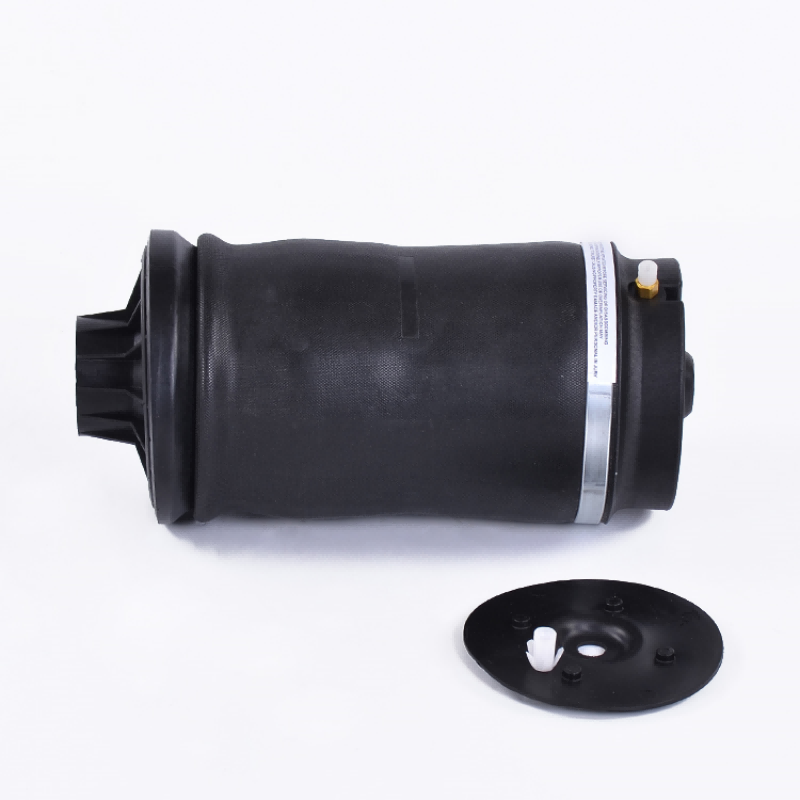
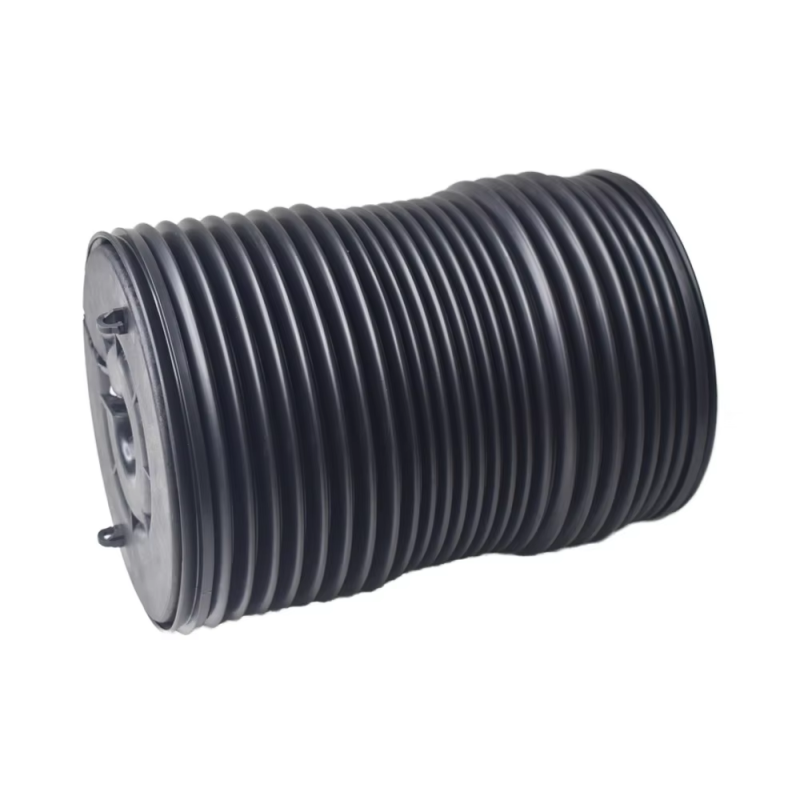
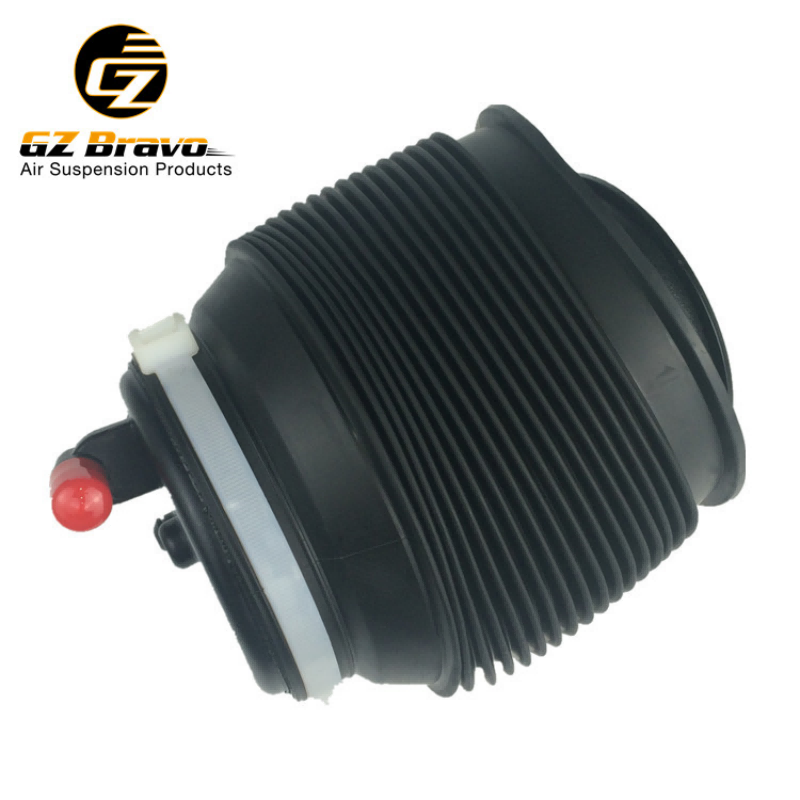
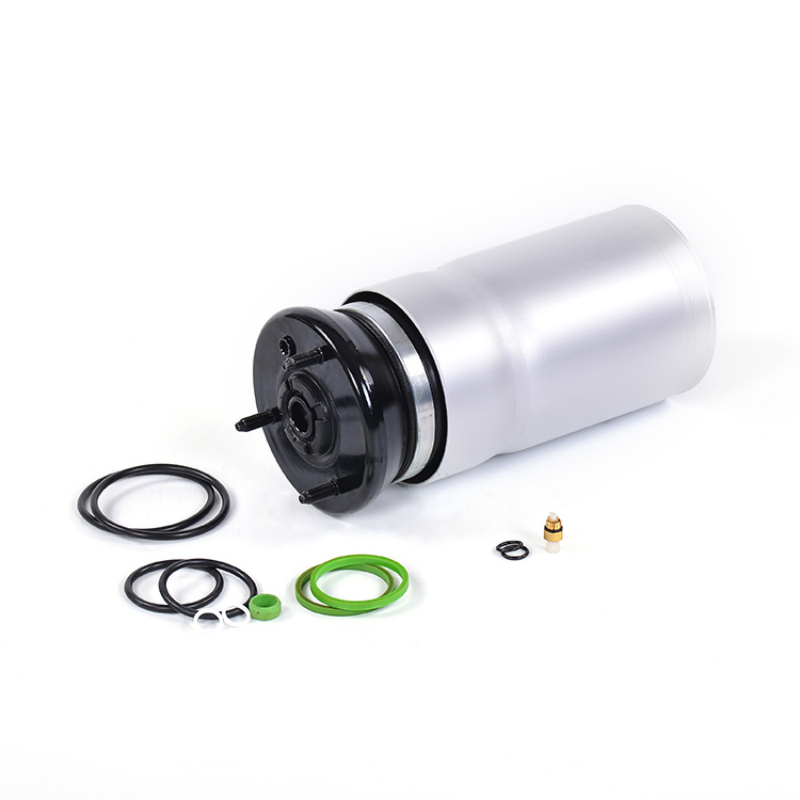
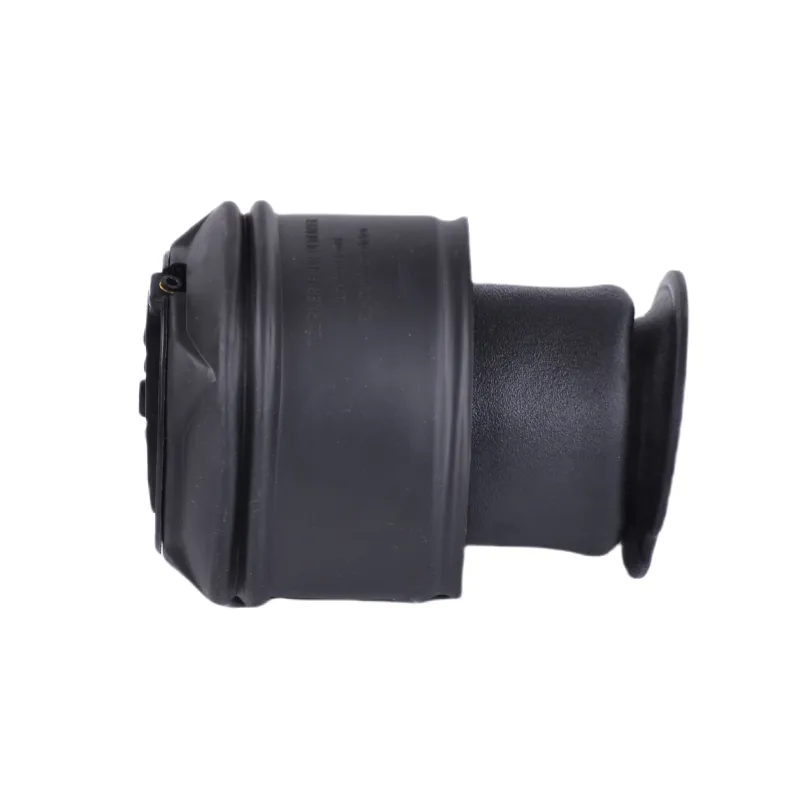
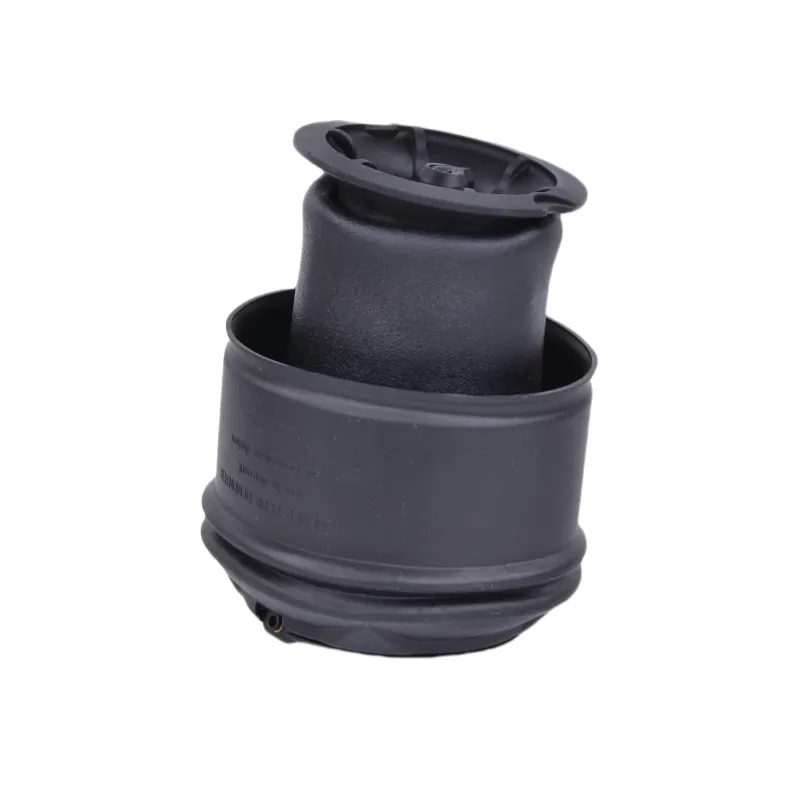
The air suspension sleeve represents a critical component in modern pneumatic suspension systems, serving as the flexible barrier between compressed air and the mechanical framework of vehicles and industrial equipment. This engineered rubber-composite element functions as the primary load-bearing and shock-absorbing interface, replacing traditional steel springs with a sophisticated air-filled chamber that adapts to varying weight distributions and road conditions. At its core, the air suspension sleeve operates through controlled air pressure manipulation, allowing real-time adjustments to ride height, load capacity, and damping characteristics. The technological foundation rests on advanced polymer compounds reinforced with high-strength textile cords, typically aramid or polyester fibers, arranged in precise geometrical patterns to withstand extreme pressures while maintaining flexibility. Manufacturing processes involve multi-layer vulcanization techniques that bond rubber compounds with reinforcement materials, creating a hermetically sealed envelope capable of containing pressurized air ranging from 20 to 150 PSI depending on application requirements. The design incorporates strategically positioned mounting plates, typically aluminum or steel, vulcanized directly into the rubber structure to ensure secure attachment points and prevent air leakage. Modern air suspension sleeves feature convoluted or rolling lobe configurations, each offering distinct performance characteristics suited to specific vehicle types and operational demands. Applications span commercial trucking, luxury passenger vehicles, buses, railway systems, industrial machinery, and specialized equipment where traditional suspension systems prove inadequate. The aerospace-grade materials and precision engineering enable these components to endure millions of compression cycles while maintaining structural integrity and air retention properties. Contemporary designs integrate electronic control compatibility, allowing seamless communication with vehicle management systems for automated adjustments based on sensor inputs detecting load changes, speed variations, and road surface conditions.


Popular Products

Air suspension sleeves deliver transformative benefits that directly impact operational efficiency, comfort, and cost management across diverse applications. The most immediate advantage manifests in ride quality enhancement, where the pneumatic cushioning absorbs road irregularities far more effectively than conventional metal springs, reducing vibration transmission to cargo and passengers by up to 80 percent compared to traditional systems. This superior dampening translates to decreased product damage during transportation, lower insurance claims, and extended vehicle component lifespan through reduced stress on chassis, drivetrain, and body structures. Load adaptability stands as another compelling benefit, enabling operators to adjust suspension characteristics instantaneously through simple air pressure modifications without mechanical intervention. A delivery truck can lower its deck height for easier loading access, then raise the platform for optimal ground clearance during transit, all accomplished through electronic controls or manual valve adjustments. This versatility eliminates the need for multiple specialized vehicles, maximizing fleet utilization and reducing capital expenditure. Fuel economy improvements emerge from the weight reduction achieved by replacing heavy steel spring assemblies with lightweight air suspension sleeves, typically saving 150 to 300 pounds per axle. The adjustable nature also allows vehicles to maintain optimal aerodynamic profiles regardless of load conditions, further enhancing fuel efficiency by minimizing drag coefficients. Maintenance advantages become evident through the simplified replacement procedures and extended service intervals, with quality air suspension sleeves lasting 500,000 to 1,000,000 miles under normal operating conditions. The absence of metal-to-metal contact eliminates wear-related noise and prevents the gradual performance degradation characteristic of conventional springs that sag over time. Safety enhancements include improved vehicle stability through automatic leveling systems that prevent dangerous tilting during cornering or emergency maneuvers, while the consistent ride height maintains headlight aim and optimizes braking performance. Environmental benefits accrue through reduced tire wear resulting from more even weight distribution and decreased road surface damage caused by lower dynamic loading forces. The pneumatic system's ability to isolate vibrations also reduces driver fatigue on long hauls, contributing to safer operations and lower accident rates. Installation flexibility allows retrofitting existing vehicles without major structural modifications, providing cost-effective upgrades to aging fleets while immediately capturing performance improvements.

Tips And Tricks

How does air suspension improve ride comfort in commercial vehicle applications?

27

May

How does air suspension improve ride comfort in commercial vehicle applications?

In commercial vehicle applications, driver comfort and cargo protection are not luxuries — they are operational necessities. Rough roads, heavy payloads, and long-haul routes place extraordinary stress on both the vehicle and the people inside ...
View More
What factors affect durability of air suspension components in daily use?

27

May

What factors affect durability of air suspension components in daily use?

When it comes to vehicle ride quality and load management, air suspension components play a central role in delivering comfort, stability, and adaptability across a wide range of driving conditions. Unlike traditional coil spring setups, air-based sy...
View More
How does a solenoid valve block improve airflow management in suspension setups?

03

Jun

How does a solenoid valve block improve airflow management in suspension setups?

Modern air suspension systems depend on precise control of pressurized air to deliver the ride comfort and handling performance that drivers expect. At the center of this control architecture sits the solenoid valve block, a compact but critically im...
View More
Is a solenoid valve block essential for precise control in air suspension systems?

03

Jun

Is a solenoid valve block essential for precise control in air suspension systems?

The question of whether a solenoid valve block is truly essential for precise control in air suspension systems is one that every vehicle owner, fleet manager, and automotive technician should understand clearly. Air suspension systems are complex, p...
View More

Get a Free Quote

Our representative will contact you soon.
Email
Name
Company Name
Message
0/1000

air suspension sleeve

Advanced Load Management and Height Control Capabilities

Advanced Load Management and Height Control Capabilities

The air suspension sleeve excels in providing unprecedented control over vehicle dynamics through its sophisticated load management system that automatically compensates for weight variations and distribution changes. This intelligent adaptability stems from the fundamental principle of pneumatic compression, where increasing air pressure within the sleeve raises load-bearing capacity proportionally while simultaneously elevating the vehicle chassis to maintain optimal ride height regardless of cargo weight. Professional operators appreciate this feature when transitioning between empty and fully loaded conditions, as traditional suspension systems experience significant ride height variations that affect handling characteristics, aerodynamic efficiency, and ground clearance safety margins. The air suspension sleeve eliminates these concerns through integrated leveling valves or electronic control modules that monitor chassis position relative to the axle and automatically adjust air pressure to maintain preset height parameters. This automation proves invaluable in applications involving variable loads such as delivery vehicles that make multiple stops, buses with fluctuating passenger counts, or agricultural equipment operating across diverse terrain conditions. The height adjustment range typically spans 4 to 8 inches depending on sleeve design and application requirements, providing operators with remarkable versatility for specialized tasks including loading dock alignment, obstacle clearance adjustment, and aerodynamic optimization at highway speeds. Beyond basic leveling functions, sophisticated implementations allow individual corner control where each air suspension sleeve operates independently, enabling compensation for uneven loading patterns or asymmetric cargo placement that would otherwise compromise vehicle stability and tire wear patterns. The practical implications extend to operational efficiency improvements, as drivers can lower trailer decks to waist height for ergonomic loading operations, reducing workplace injuries and accelerating cargo handling workflows. This capability becomes particularly valuable in temperature-controlled logistics where minimizing door-open time directly impacts refrigeration efficiency and product quality preservation. The precision offered by air suspension sleeves also benefits specialized transport applications such as glass hauling, electronics shipping, and pharmaceutical distribution where maintaining consistent orientation and minimizing vibration exposure prove critical to cargo integrity. Fleet managers recognize substantial cost reductions through decreased product damage claims and extended vehicle component longevity resulting from optimized weight distribution and reduced structural stress concentrations that occur when suspension systems cannot adapt to load variations.
Superior Vibration Isolation and Ride Quality Enhancement

Superior Vibration Isolation and Ride Quality Enhancement

The air suspension sleeve fundamentally transforms the driving and riding experience through its exceptional vibration isolation properties that stem from the pneumatic medium's inherent damping characteristics and the flexible envelope's ability to absorb multi-directional impact forces. Unlike metal springs that transmit shock energy directly through rigid structural pathways, the air suspension sleeve dissipates kinetic energy through air compression and rubber deflection, creating a progressive resistance curve that automatically adjusts to impact severity. This sophisticated response mechanism provides gentle cushioning for minor road irregularities while offering firm resistance against severe impacts, delivering what engineers describe as a variable-rate suspension characteristic without requiring complex mechanical linkages or adjustable dampers. The practical benefits manifest immediately in reduced cargo damage rates, as fragile products experience dramatically lower g-forces during transportation compared to vehicles equipped with conventional suspension systems. Research data demonstrates that air suspension sleeves can reduce peak acceleration forces by 60 to 75 percent when traversing railroad crossings, potholes, and expansion joints, translating directly to decreased product breakage and fewer insurance claims for shippers. This protection extends beyond fragile goods to include sensitive electronic equipment, medical supplies, and any cargo susceptible to vibration-induced degradation or structural fatigue. Driver comfort improvements prove equally significant, as the isolated cabin environment reduces fatigue factors associated with constant vibration exposure during long-haul operations. Studies indicate that professional drivers operating vehicles equipped with air suspension sleeves report 40 percent less back pain and fatigue-related symptoms compared to those driving conventional suspension vehicles over equivalent distances and time periods. This health benefit translates to improved driver retention rates, reduced absenteeism, and enhanced safety profiles as alert, comfortable operators demonstrate better decision-making and faster reaction times in critical situations. The vibration isolation capabilities also extend vehicle component lifespan by protecting sensitive systems such as electronic control modules, wiring harnesses, and mechanical assemblies from damaging resonance frequencies that accelerate wear and precipitate premature failures. Fleet maintenance managers document 25 to 35 percent reductions in unscheduled repairs and component replacements after converting to air suspension sleeve systems, with particular improvements noted in electrical system reliability and body structure integrity. Passenger transport applications benefit enormously from the refined ride quality, as buses and coaches equipped with air suspension sleeves provide comfort levels approaching luxury automobiles despite their substantial size and weight, enhancing the travel experience and supporting premium service positioning in competitive markets.
Durability Engineering and Cost-Effective Lifecycle Performance

Durability Engineering and Cost-Effective Lifecycle Performance

The air suspension sleeve demonstrates remarkable durability through advanced materials engineering and precision manufacturing processes that enable extended service intervals and reliable performance across demanding operational environments. Modern air suspension sleeves incorporate multi-ply reinforcement structures featuring high-tenacity synthetic cords embedded within specialized rubber compounds formulated to resist ozone degradation, ultraviolet radiation exposure, petroleum product contact, and temperature extremes ranging from minus 40 to plus 180 degrees Fahrenheit. This robust construction methodology ensures that the flexible envelope maintains structural integrity and air retention properties throughout service lives often exceeding one million miles in commercial applications, representing a dramatic improvement over conventional steel springs that gradually lose their spring rate and require replacement at 300,000 to 500,000-mile intervals. The economic advantages become apparent when analyzing total cost of ownership rather than initial purchase price alone, as the air suspension sleeve's extended service life, reduced maintenance requirements, and operational efficiency improvements generate substantial savings over the vehicle's operational lifespan. Replacement procedures prove remarkably straightforward compared to conventional suspension system overhauls, typically requiring only 30 to 60 minutes per corner using basic hand tools without specialized equipment or extensive disassembly of surrounding components. This serviceability advantage minimizes vehicle downtime and allows maintenance operations to occur during normal service intervals rather than requiring dedicated shop time that removes vehicles from revenue-generating activities. The modular design philosophy ensures that individual air suspension sleeves can be replaced independently without affecting other system components, contrasting sharply with integrated suspension assemblies where single component failure often necessitates replacement of entire assemblies at significantly higher costs. Quality air suspension sleeves feature redundant sealing systems and reinforced mounting interfaces that resist the common failure modes including air leakage, mounting plate separation, and rubber deterioration that plagued early pneumatic suspension designs. Contemporary manufacturing quality control processes including x-ray inspection, pressure decay testing, and accelerated aging protocols ensure that components leaving production facilities meet stringent performance specifications and reliability standards. The cost-effectiveness extends beyond direct component expenses to encompass secondary benefits such as improved fuel economy resulting from reduced unsprung weight, decreased tire wear from consistent load distribution, and lower road maintenance costs attributable to reduced dynamic loading forces that damage pavement surfaces. Environmental considerations also factor into the value proposition, as the air suspension sleeve's recyclable materials and extended service life reduce landfill waste and manufacturing energy consumption compared to frequently replaced conventional components. Fleet operators implementing air suspension sleeve systems document payback periods ranging from 18 to 36 months depending on application intensity and operational profiles, after which the ongoing savings contribute directly to profitability improvements and competitive advantages in price-sensitive transportation markets.

Get a Free Quote

Our representative will contact you soon.
Email
Name
Company Name
Message
0/1000