Gas Shock Absorber - Premium Motion Control Solutions for Industrial and Automotive Applications

Get a Free Quote

Our representative will contact you soon.
Email
Name
Company Name
Message
0/1000

gas shock absorber

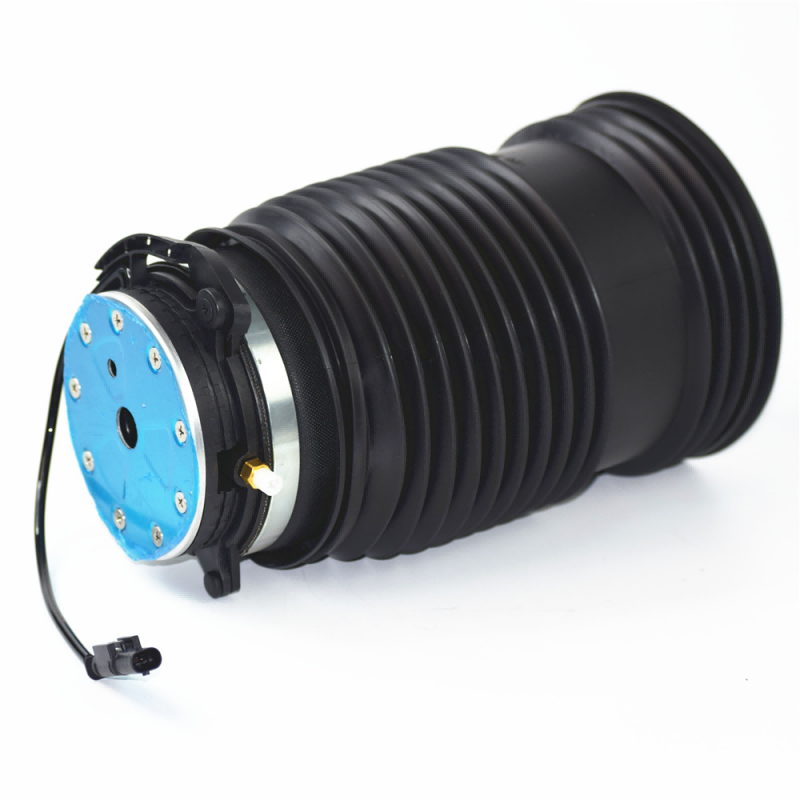
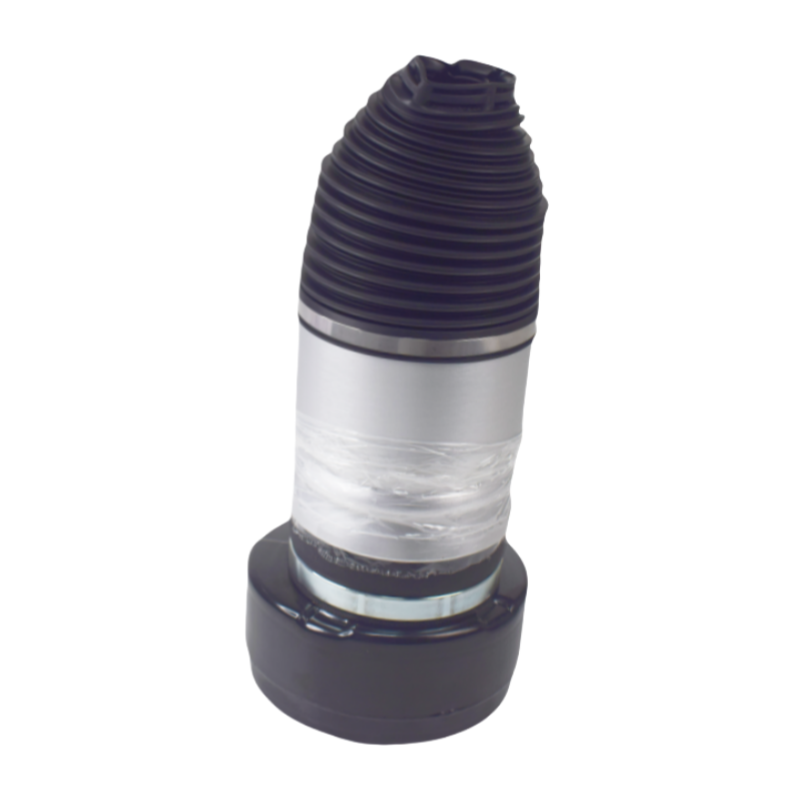
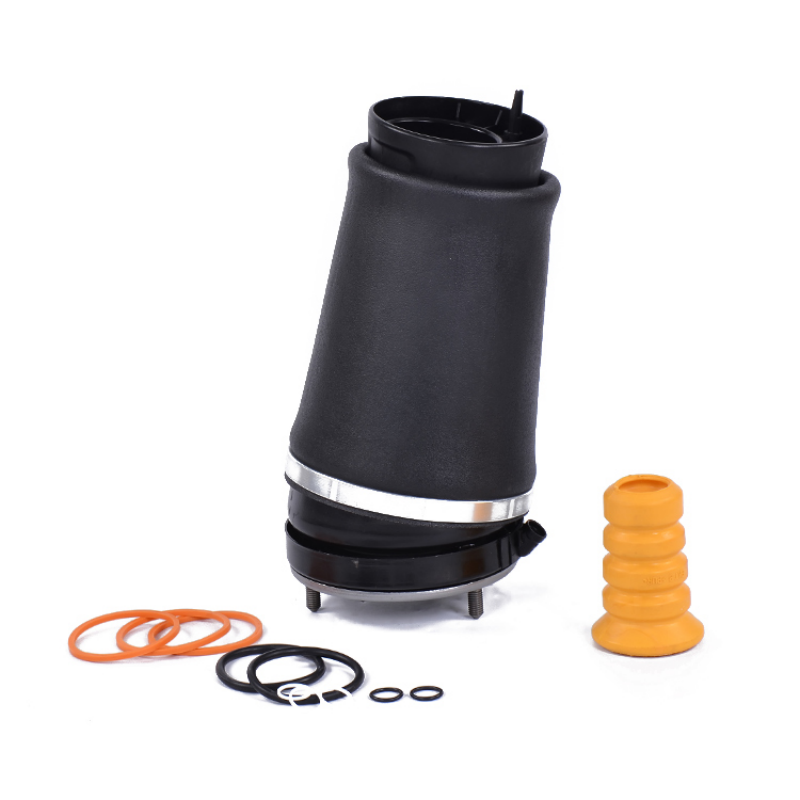
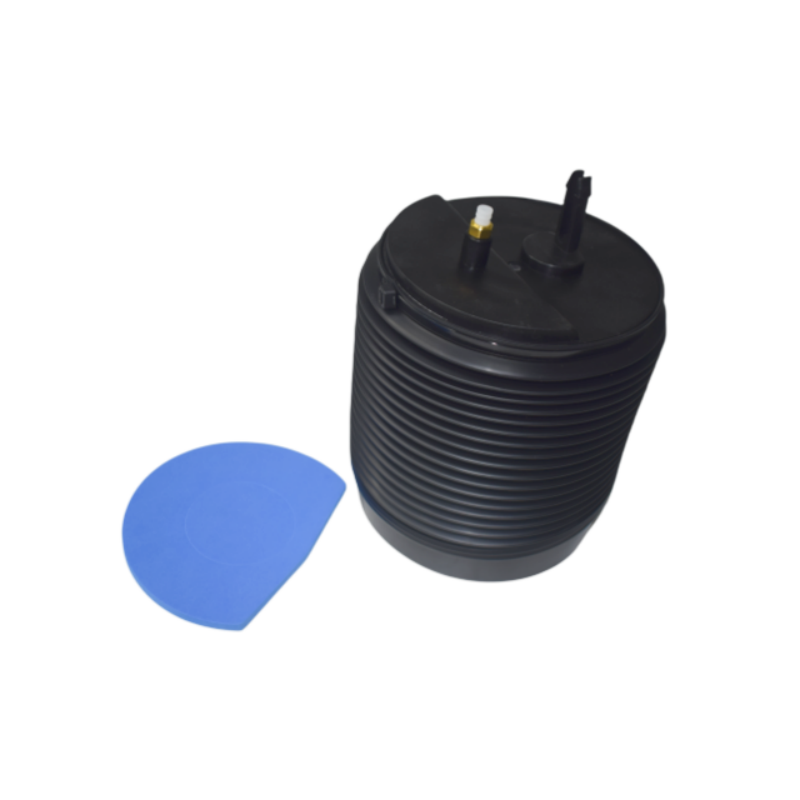
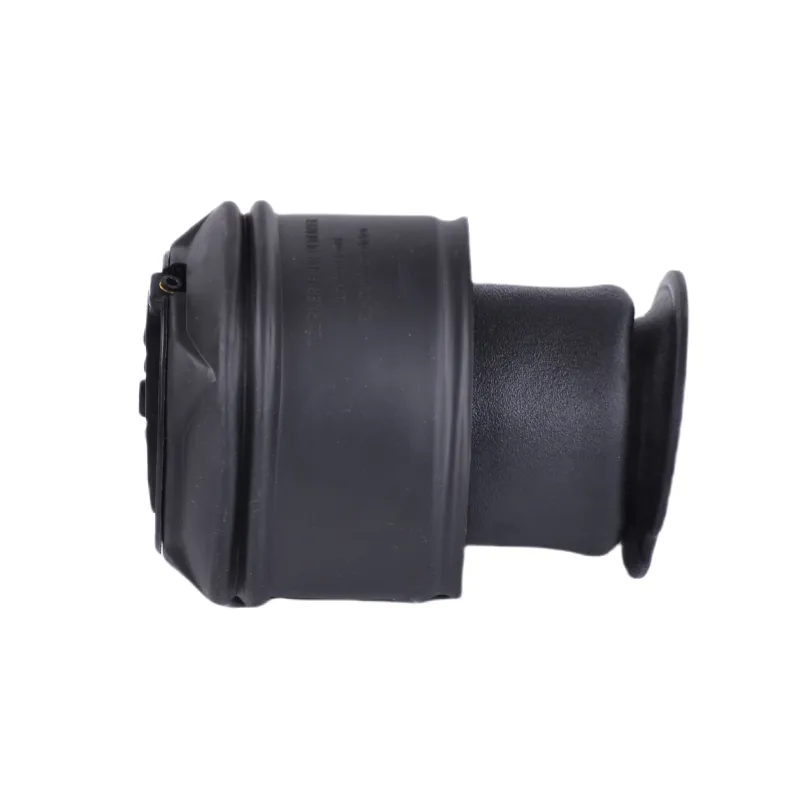
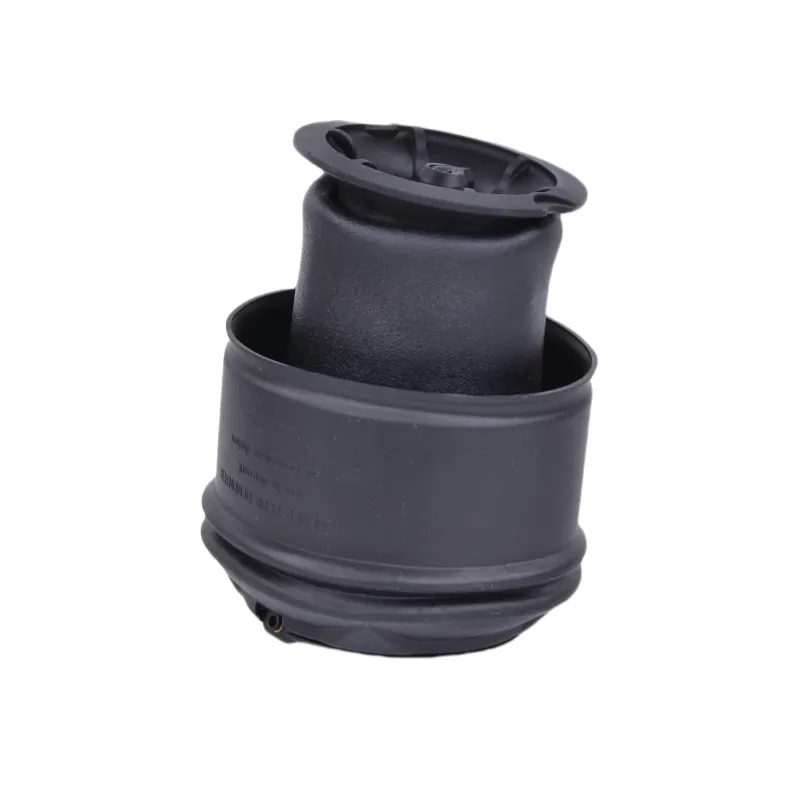
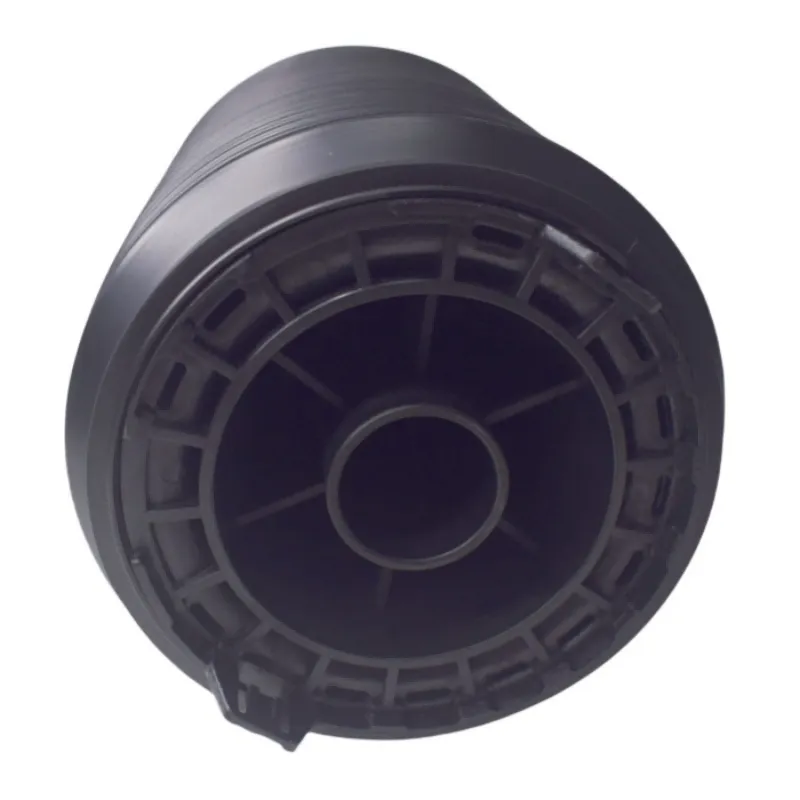
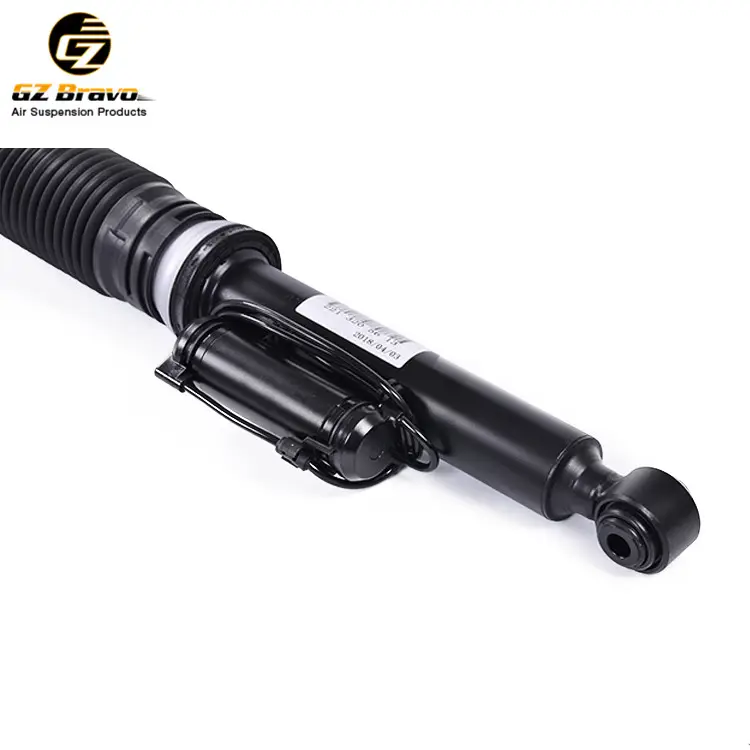
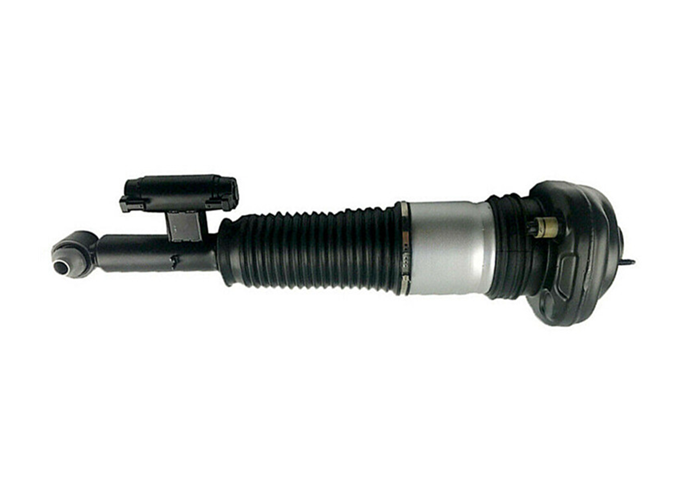
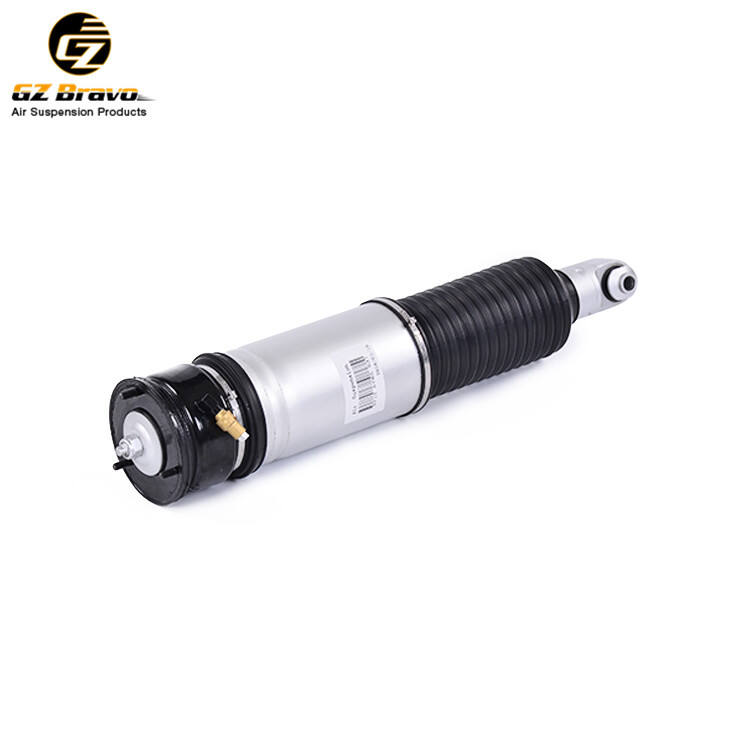
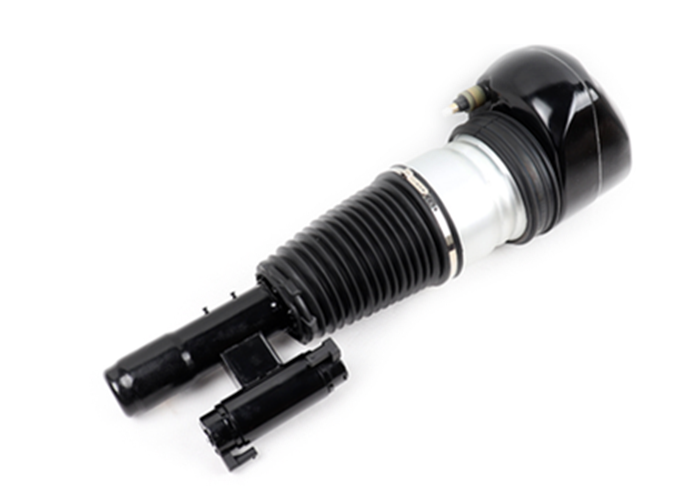
A gas shock absorber represents a sophisticated mechanical component designed to control and dampen the oscillations and vibrations within various mechanical systems. This essential device operates by converting kinetic energy into thermal energy through the compression of pressurized gas, typically nitrogen, contained within a sealed cylinder. The gas shock absorber consists of several critical components including a piston rod, cylinder tube, piston assembly, gas chamber, and sealing mechanisms that work harmoniously to deliver consistent performance. The main function of a gas shock absorber involves managing sudden impacts, controlling motion velocity, and providing smooth deceleration across numerous applications. Unlike traditional hydraulic alternatives, this technology utilizes compressed gas as the primary medium, offering superior responsiveness and reliability. The technological features of gas shock absorbers include their ability to maintain consistent damping characteristics across varying temperatures, their resistance to fluid cavitation, and their capacity to handle high-frequency vibrations effectively. These components find extensive applications across automotive suspension systems, industrial machinery, aerospace equipment, furniture manufacturing, medical devices, and architectural door systems. The design incorporates advanced engineering principles that enable the gas shock absorber to perform reliably under demanding conditions while requiring minimal maintenance. The pressurized gas chamber provides an inherent spring effect that complements the damping action, creating a dual-function system that enhances overall performance. Modern gas shock absorbers feature precision-manufactured components with tight tolerances to ensure leak-proof operation and extended service life. Their versatility makes them indispensable in applications ranging from heavy-duty industrial equipment to delicate positioning systems where precise motion control is paramount. The integration of gas shock absorber technology continues to evolve with advancements in materials science and manufacturing processes, resulting in increasingly efficient and durable solutions for motion control challenges.


New Product Releases

The gas shock absorber delivers numerous practical benefits that directly impact user experience and operational efficiency in real-world applications. First and foremost, these devices provide exceptional consistency in performance regardless of environmental conditions. Unlike fluid-based systems that may experience viscosity changes in extreme temperatures, the gas shock absorber maintains its damping characteristics whether operating in freezing conditions or high-heat environments. This reliability translates to predictable behavior that users can depend on throughout the product lifecycle. Another significant advantage involves the reduced maintenance requirements compared to traditional alternatives. The sealed design of a gas shock absorber prevents contamination and eliminates the need for regular fluid checks or replacements, saving both time and operational costs. Users benefit from this set-and-forget reliability, particularly in applications where access for maintenance is difficult or costly. The gas shock absorber also excels in providing fade-free performance during extended use. When subjected to repeated cycles, these components maintain their damping force without degradation, ensuring safety and performance remain constant. This characteristic proves especially valuable in high-frequency applications where consistent behavior is critical. The compact design of gas shock absorbers offers installation flexibility that accommodates space-constrained applications. Engineers appreciate the ability to integrate these components into tight spaces without sacrificing performance. The lightweight construction further enhances their appeal, contributing to overall system weight reduction without compromising functionality. Cost-effectiveness represents another compelling advantage, as the extended lifespan and minimal maintenance requirements result in lower total ownership costs. Businesses that implement gas shock absorber technology often realize significant savings over time compared to alternatives requiring frequent servicing. The environmental benefits should not be overlooked, as these systems eliminate concerns about hydraulic fluid leaks that could harm ecosystems or workplace safety. This eco-friendly characteristic aligns with modern sustainability goals while maintaining superior performance. The responsive nature of gas shock absorbers enables precise control over motion profiles, allowing users to achieve smooth, controlled movements that enhance user comfort and protect sensitive equipment. This precision proves invaluable in applications ranging from vehicle suspensions to delicate industrial processes. Installation simplicity further adds to their appeal, with straightforward mounting options that reduce implementation time and complexity. The gas shock absorber also demonstrates excellent durability under shock loading conditions, absorbing impacts effectively while protecting connected components from damage. This protective function extends equipment lifespan and prevents costly failures in demanding applications.

Latest News

How does air suspension improve ride comfort in commercial vehicle applications?

27

May

How does air suspension improve ride comfort in commercial vehicle applications?

In commercial vehicle applications, driver comfort and cargo protection are not luxuries — they are operational necessities. Rough roads, heavy payloads, and long-haul routes place extraordinary stress on both the vehicle and the people inside ...
View More
Is air suspension suitable for off-road and heavy-duty driving conditions?

27

May

Is air suspension suitable for off-road and heavy-duty driving conditions?

When drivers and fleet managers consider upgrading or replacing their vehicle's suspension system, one question consistently rises to the top: is air suspension genuinely capable of handling the punishment of off-road terrain and heavy-duty workloads...
View More
Why do manufacturers adopt air suspension systems for luxury vehicle platforms?

27

May

Why do manufacturers adopt air suspension systems for luxury vehicle platforms?

The decision to adopt air suspension systems in luxury vehicle platforms is not an arbitrary engineering choice. It represents a deliberate commitment to delivering a driving experience that consistently exceeds passenger expectations, meets stringen...
View More
How does air suspension enhance stability during high-speed driving operations?

27

May

How does air suspension enhance stability during high-speed driving operations?

When a vehicle travels at high speed, the margin for error shrinks dramatically. Every bump in the road, every shift in load distribution, and every gust of crosswind becomes a real threat to driver control. This is precisely where air suspension pro...
View More

Get a Free Quote

Our representative will contact you soon.
Email
Name
Company Name
Message
0/1000

gas shock absorber

Superior Temperature Stability and All-Weather Performance

Superior Temperature Stability and All-Weather Performance

One of the most significant advantages that sets the gas shock absorber apart from conventional damping solutions is its exceptional temperature stability and reliable all-weather performance characteristics. This critical feature stems from the fundamental physics of gas behavior under pressure, which exhibits far less sensitivity to temperature variations compared to hydraulic fluids. When a gas shock absorber operates in cold environments, the compressed gas maintains its compressibility and response characteristics without the sluggishness that affects fluid-based systems. Conversely, in high-temperature conditions, the gas shock absorber continues to function predictably without experiencing the thinning effects that compromise hydraulic dampers. This temperature independence becomes particularly valuable in applications exposed to diverse climatic conditions or extreme operating environments. For automotive applications, this means consistent ride quality whether driving through winter conditions or summer heat. Industrial equipment benefits from uninterrupted production cycles regardless of seasonal temperature swings or process heat. The gas shock absorber achieves this stability through careful engineering of the gas charge pressure and chamber volume, creating a system that compensates naturally for thermal expansion effects. The nitrogen gas typically used in these applications remains inert and stable across the entire operating temperature range, ensuring no chemical degradation or property changes occur over time. This stability translates directly into predictable performance that users can rely upon, eliminating concerns about seasonal adjustments or performance variations. Maintenance schedules become simplified as there is no need to account for temperature-related wear or fluid condition changes. The gas shock absorber delivers this consistent behavior cycle after cycle, year after year, providing a dependable solution that meets the demands of critical applications. Furthermore, this temperature stability contributes to enhanced safety in applications where damping performance directly affects user protection. The confidence that comes from knowing your gas shock absorber will respond identically whether the ambient temperature is minus twenty degrees or plus forty degrees Celsius provides peace of mind for designers, operators, and end users alike. This characteristic alone justifies the selection of gas shock absorber technology in demanding applications where failure is not an option.
Maintenance-Free Operation and Extended Service Life

Maintenance-Free Operation and Extended Service Life

The gas shock absorber stands out in the marketplace due to its virtually maintenance-free operation and remarkably extended service life, characteristics that deliver substantial value to customers across all application sectors. This benefit originates from the sealed construction methodology employed in gas shock absorber manufacturing, where precision-engineered seals and high-quality materials create a hermetically closed system that resists environmental intrusion throughout its operational life. Unlike hydraulic systems that may require periodic fluid checks, seal inspections, or component replacements, the gas shock absorber operates reliably from installation through to end of service without intervention. This maintenance-free characteristic generates multiple layers of value for users. The most immediate benefit appears in reduced operational costs, as the elimination of scheduled maintenance removes both the direct costs of replacement parts and fluids and the indirect costs of downtime and labor. For industrial applications where equipment accessibility may require production stoppages or specialized access equipment, these savings multiply significantly. The gas shock absorber continues performing its damping function year after year, accumulating millions of cycles without degradation in performance. This longevity stems from the absence of fluid breakdown, seal deterioration from chemical exposure, or contamination that plagues traditional dampers. The inert nitrogen gas used in a gas shock absorber cannot degrade, oxidize, or lose its properties, ensuring the internal environment remains pristine throughout the product lifespan. Manufacturers achieve this durability through careful selection of materials including corrosion-resistant cylinder materials, advanced seal compounds, and precision-machined components with tight tolerances that prevent gas migration. The result is a gas shock absorber that maintains its initial performance characteristics with minimal decline even after years of continuous operation. This reliability proves especially valuable in critical applications where unexpected failures could result in safety hazards, production losses, or expensive emergency repairs. The extended service life of gas shock absorbers also delivers environmental benefits by reducing the frequency of component replacement and associated waste generation. Fewer replacements mean less manufacturing energy consumption and reduced material use over the application lifespan. For businesses focused on sustainability metrics, the gas shock absorber contributes positively to environmental performance indicators while simultaneously reducing costs. The predictable lifespan also simplifies inventory management and replacement planning, allowing maintenance teams to schedule replacements during planned downtime rather than responding to unexpected failures.
Precise Motion Control and Consistent Damping Force

Precise Motion Control and Consistent Damping Force

The gas shock absorber excels in delivering precise motion control with consistent damping force characteristics that remain stable throughout the entire stroke length and across millions of operational cycles. This precision stems from the sophisticated interaction between the compressed gas chamber and the carefully designed piston and valve assembly that meters gas flow during compression and extension strokes. Unlike simpler damping solutions that may exhibit force variations depending on position or speed, the gas shock absorber maintains predictable behavior that engineers can rely upon when designing systems requiring controlled motion profiles. The consistent damping force provided by a gas shock absorber enables smooth deceleration of moving masses, preventing jarring stops that could damage equipment or create uncomfortable experiences for users. In automotive suspensions, this translates to comfortable ride quality with precise wheel control that maintains tire contact with road surfaces. In industrial applications, the gas shock absorber protects delicate components by cushioning impacts and controlling descent rates of heavy machinery elements. The precision offered by these components allows designers to fine-tune system behavior to exact specifications, selecting gas shock absorber models with damping characteristics matched precisely to application requirements. This customization capability ensures optimal performance rather than accepting compromise solutions that may underperform or create unnecessary resistance. The gas shock absorber achieves this precision through advanced manufacturing techniques including precision boring of cylinder tubes, accurate piston machining, and carefully calibrated orifice sizing that controls gas flow rates. Quality control processes ensure each gas shock absorber meets strict performance specifications before leaving the factory. The result is a component that behaves exactly as specified in engineering calculations, eliminating uncertainty from system design. The consistent force characteristics also simplify system tuning and adjustment, as engineers can predict system behavior accurately without extensive prototype testing. This predictability accelerates development cycles and reduces engineering costs while ensuring final products meet performance targets. In applications requiring synchronized motion of multiple elements, gas shock absorbers provide the consistency necessary to achieve coordinated movement without complex control systems. The responsive nature of gas compression allows the gas shock absorber to react instantly to velocity changes, providing adaptive damping that responds to varying operating conditions. This responsiveness proves invaluable in applications experiencing variable loads or speeds where consistent control must be maintained across different operating scenarios. The precision and consistency of gas shock absorber technology ultimately translate to superior end-user experiences, whether that means comfortable vehicle ride quality, smooth door closing action, or controlled positioning in industrial equipment.

Get a Free Quote

Our representative will contact you soon.
Email
Name
Company Name
Message
0/1000