Enhanced Durability and Low Maintenance Requirements Save Time and Money
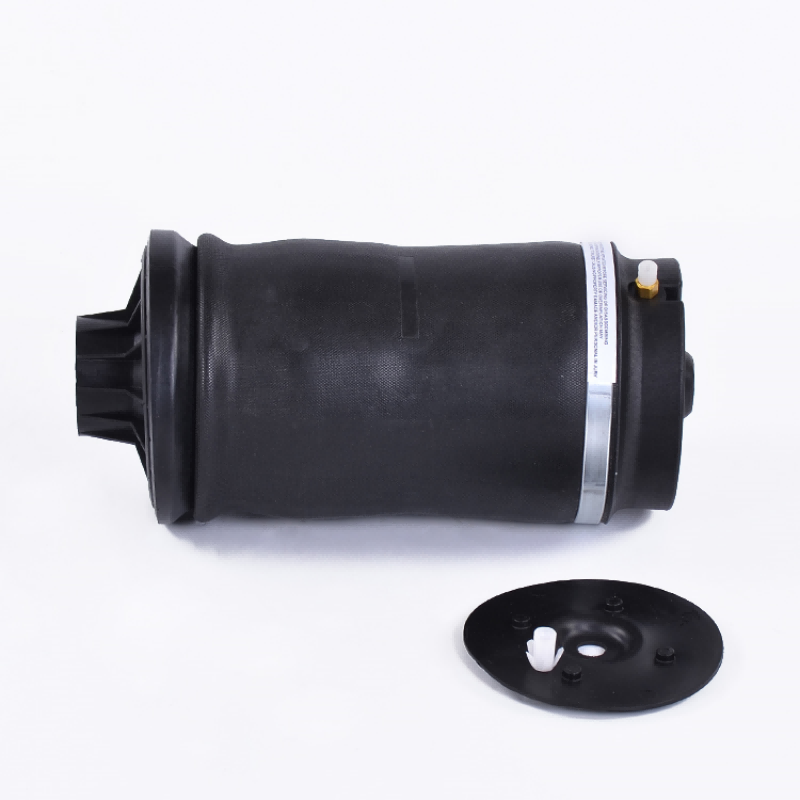
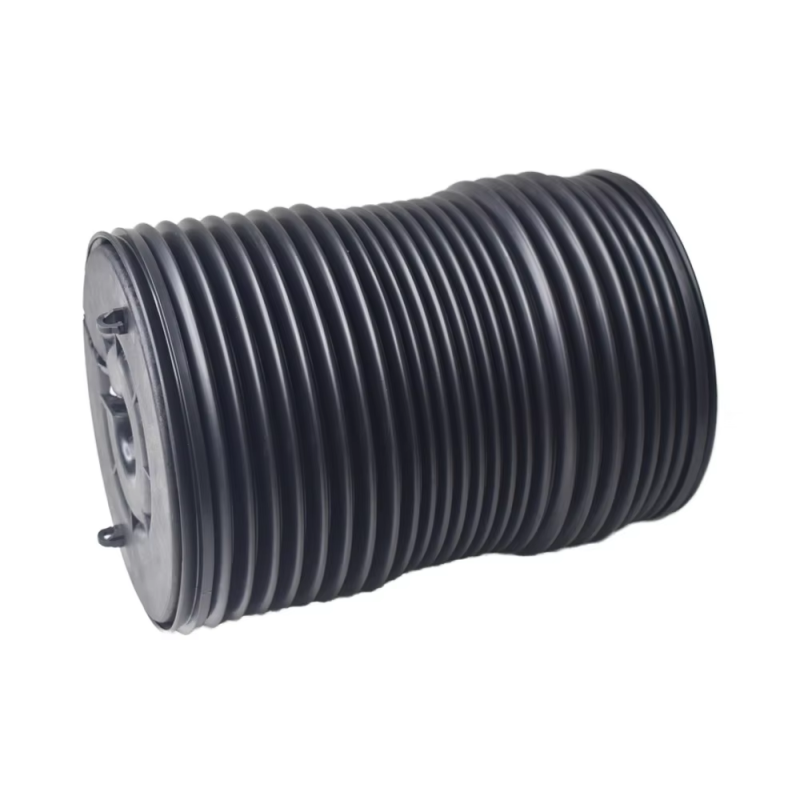
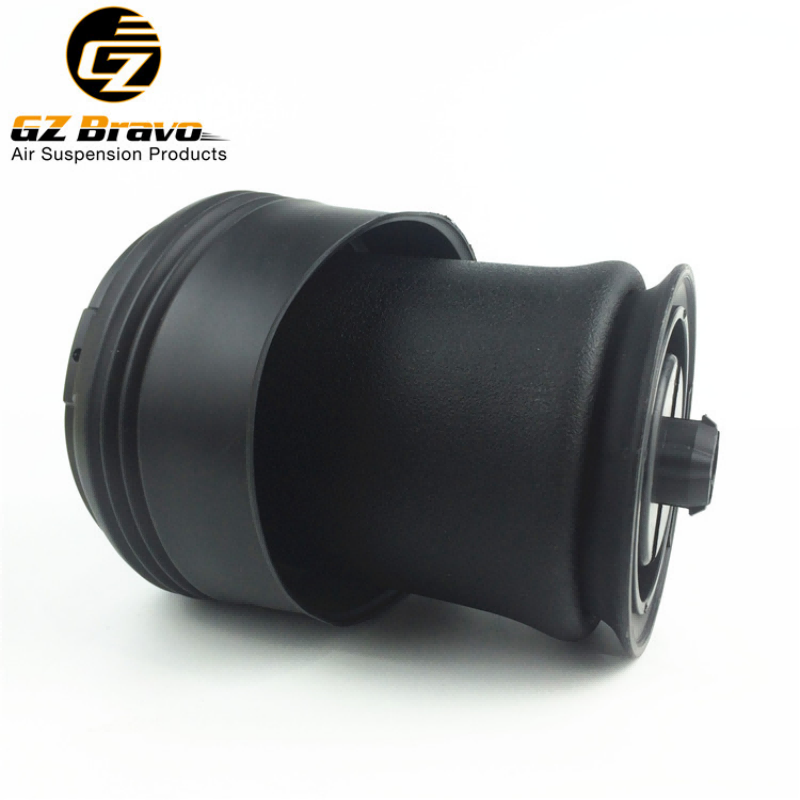
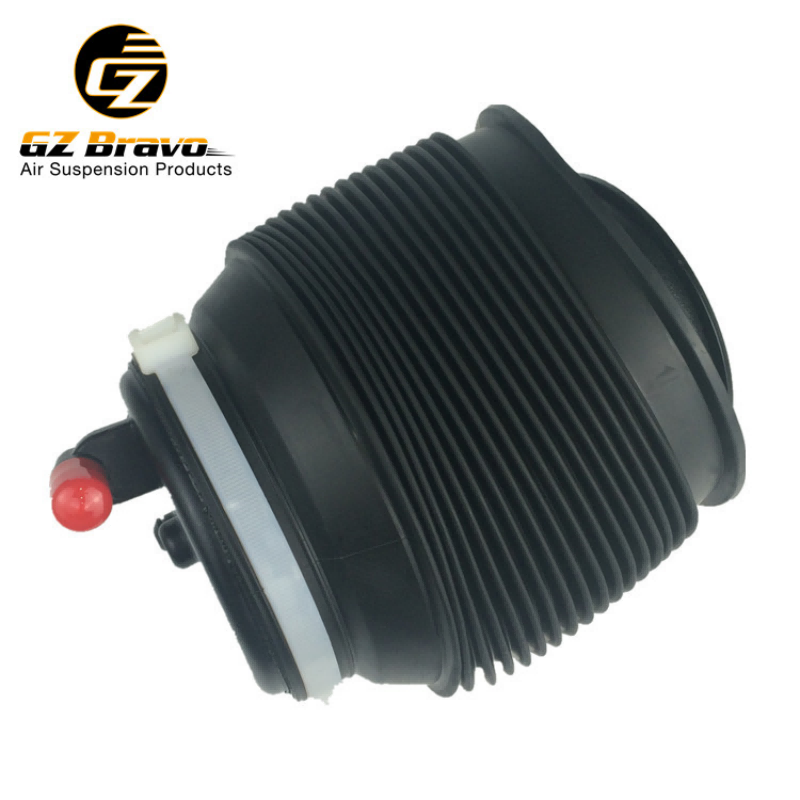
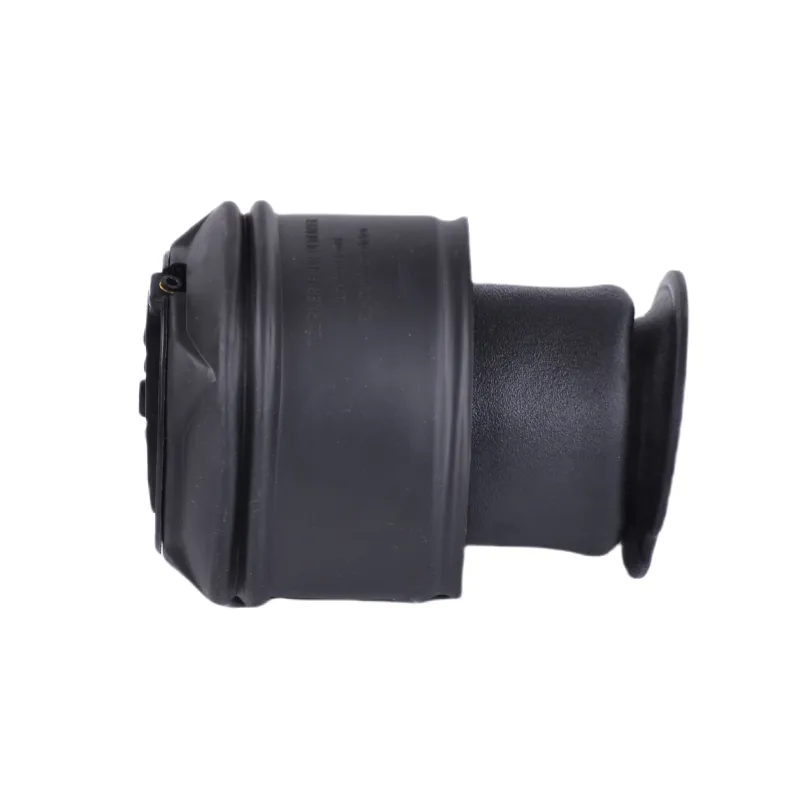
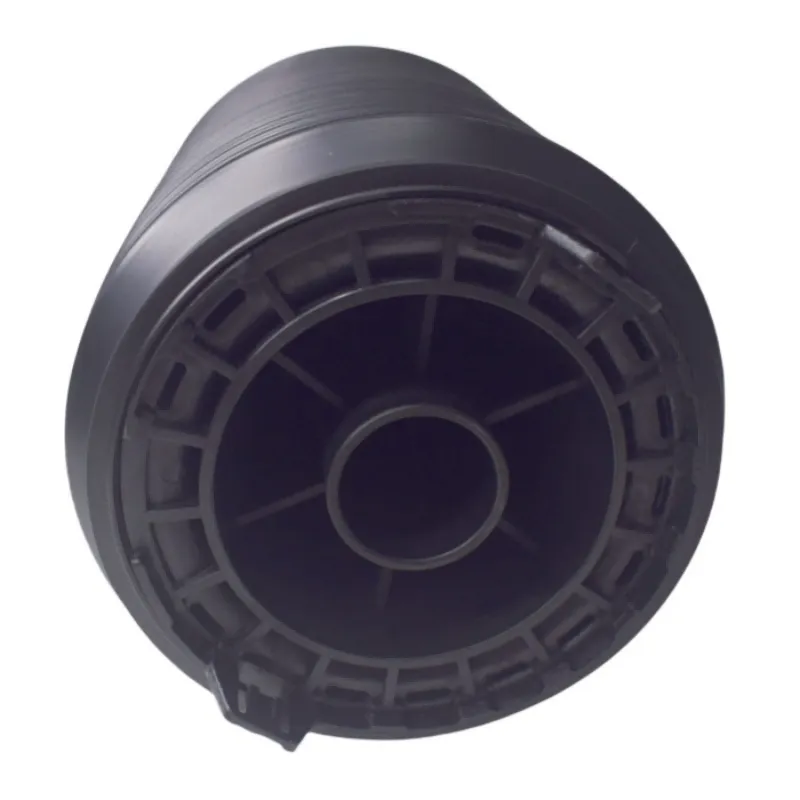
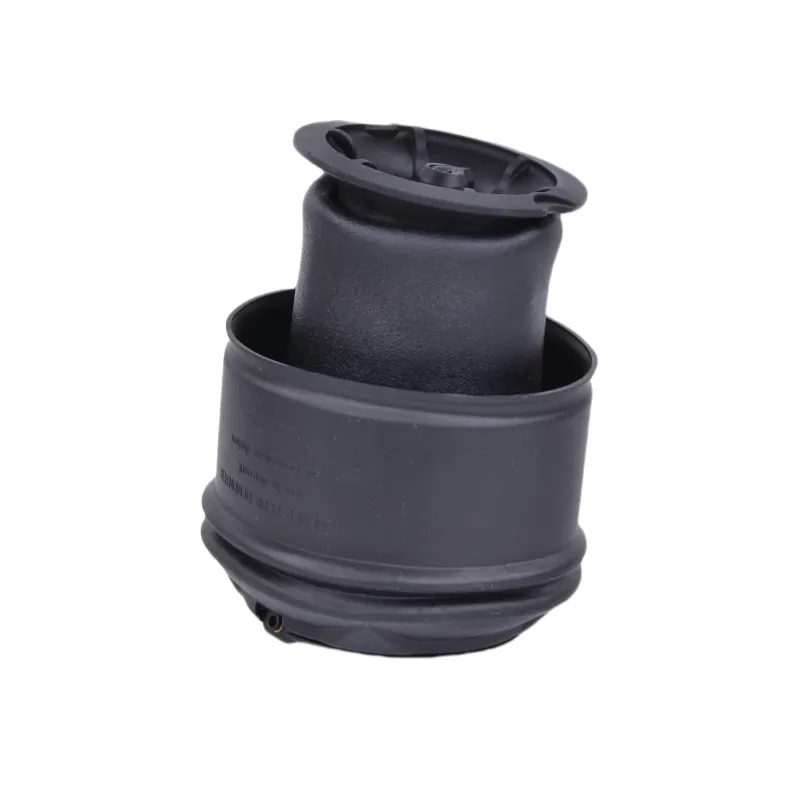
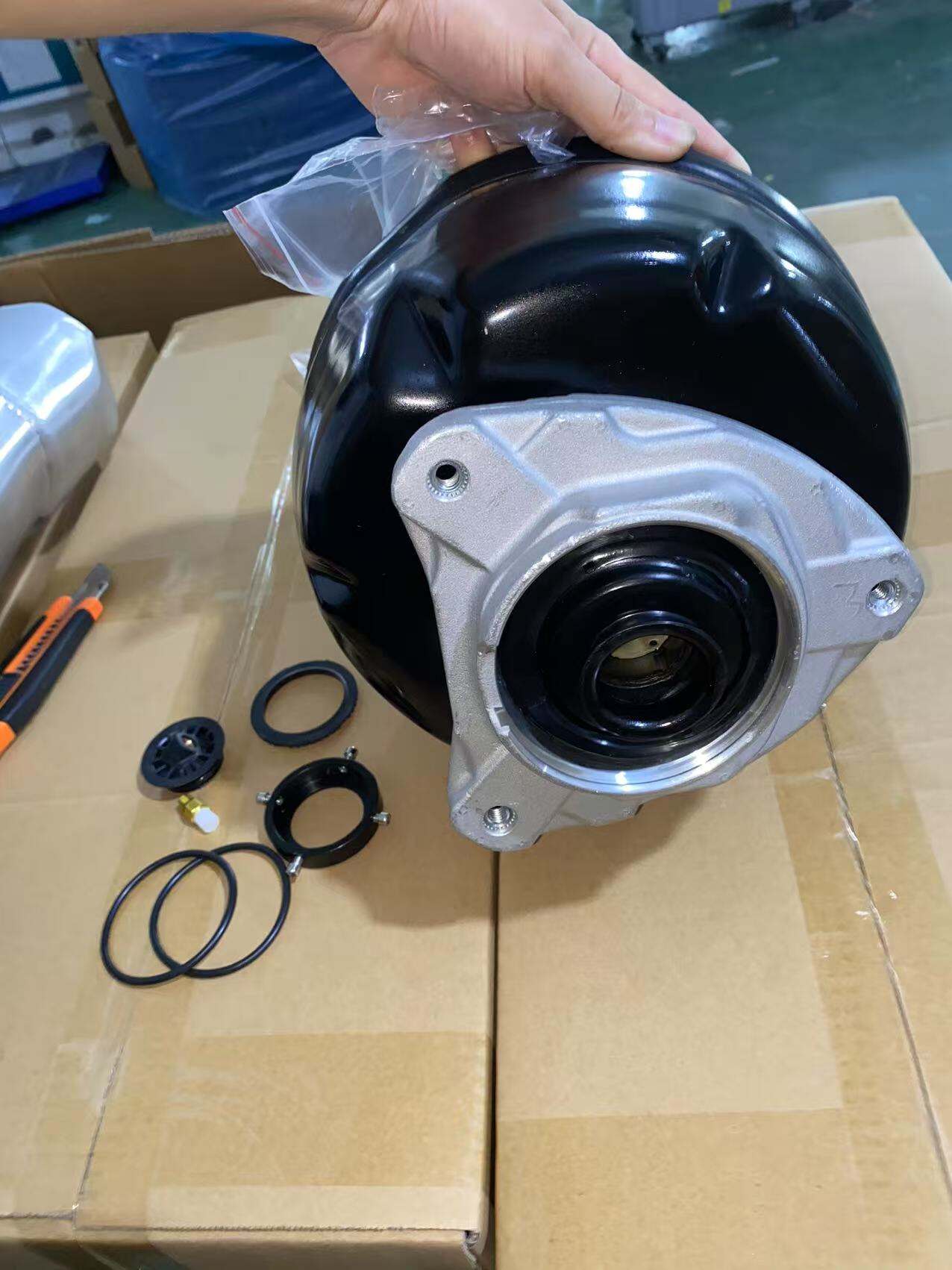
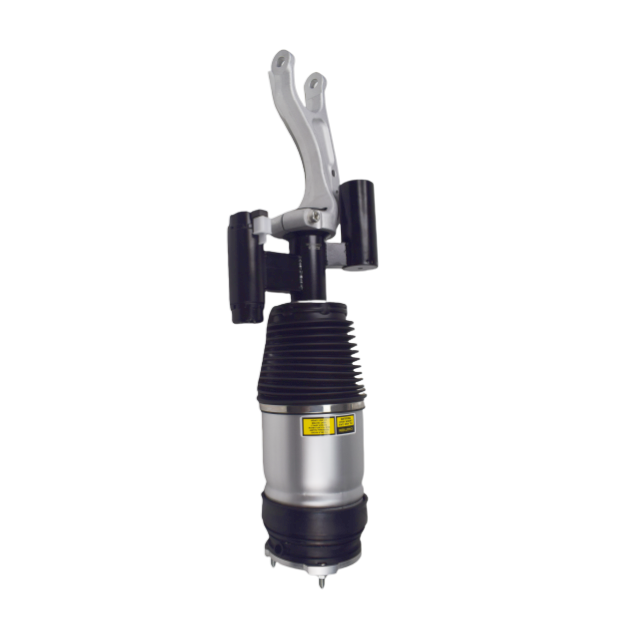
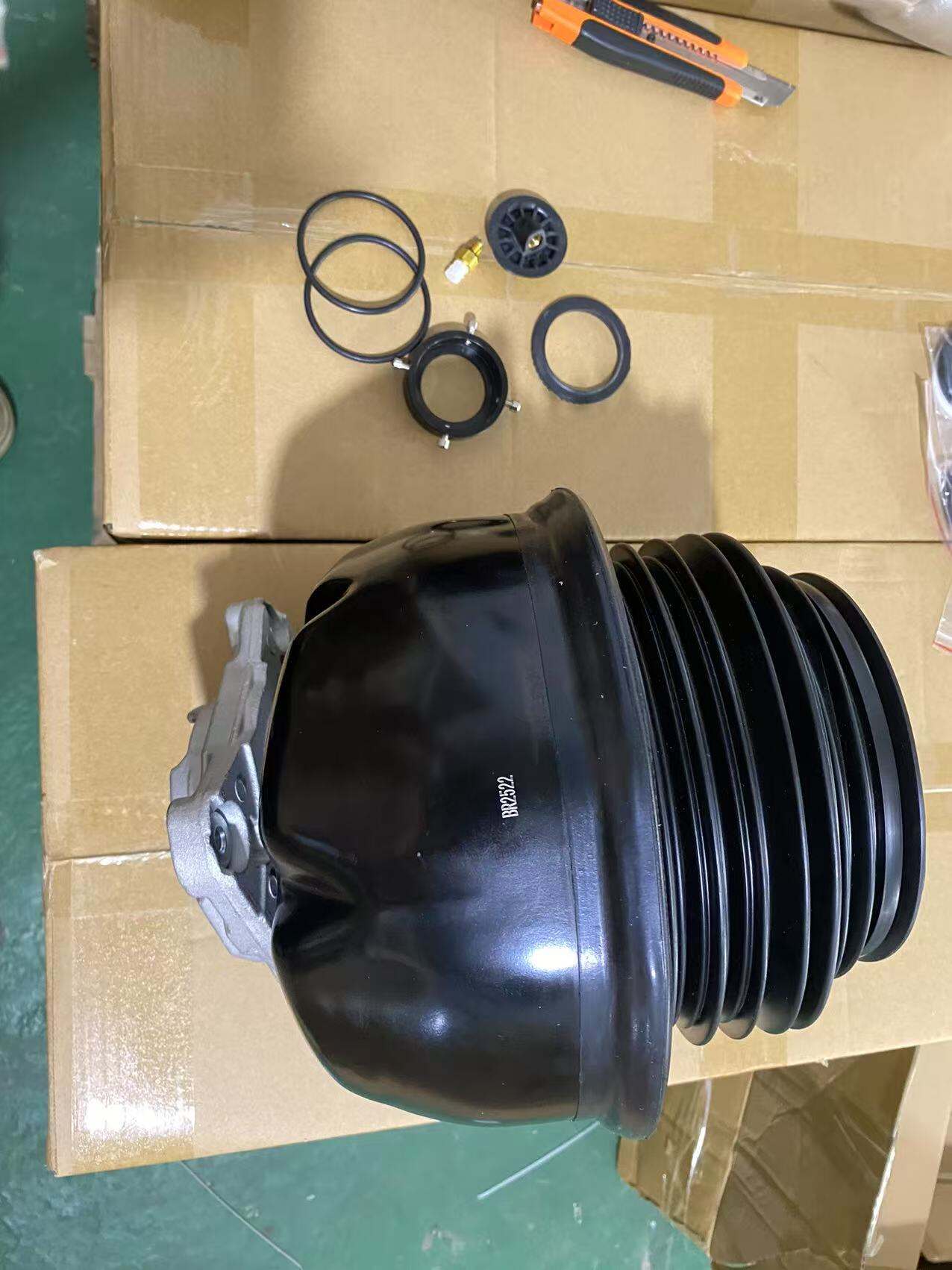
The robust construction and simplified design of modern air bag shocks deliver exceptional durability that translates directly into reduced maintenance requirements and lower total ownership costs compared to alternative suspension technologies. Manufacturers engineer these components using advanced materials specifically selected for their resistance to the harsh conditions vehicles encounter daily, including road salt exposure, temperature extremes, ultraviolet radiation, and constant flexing under dynamic loads. The air bags themselves feature multiple layers of reinforced rubber compounds, with each layer serving a specific protective function. The inner liner provides an impermeable barrier that prevents air leakage, middle layers incorporate fabric reinforcement for strength and puncture resistance, while outer layers offer protection against abrasion, ozone degradation, and chemical attack from road contaminants. This multi-layer construction ensures air bags maintain their integrity through years of service, typically outlasting traditional coil springs that can sag, crack, or break under sustained stress. The pneumatic nature of air bag shocks actually provides inherent advantages for longevity compared to mechanical springs and complex hydraulic dampers. Air compression generates no friction or wear between moving parts because the working medium is contained within flexible membranes rather than sliding against seals and bearing surfaces. This fundamental design characteristic eliminates the gradual performance degradation that afflicts hydraulic shocks as internal seals wear and fluid contamination accumulates. Metal components in air bag shock systems receive corrosion-resistant treatments including zinc plating, powder coating, or stainless steel construction that prevents rust formation even in severe marine or winter road salt environments. Mounting hardware, brackets, and air fittings all incorporate these protective measures, ensuring the entire system maintains structural integrity throughout its service life. When maintenance is required, the modular design of air bag shock systems simplifies service procedures significantly. Individual components can be replaced without disassembling entire suspension assemblies, reducing labor time and associated costs. Air lines use quick-connect fittings that allow disconnection without tools, while air bags themselves typically mount with simple brackets that require only basic hand tools for removal. This accessibility means repairs can often be completed in driveways or parking lots rather than requiring specialized shop equipment, providing convenience and flexibility for vehicle owners operating in remote locations or managing large fleets. Routine maintenance consists primarily of visual inspections to verify air line integrity, connection security, and air bag condition, tasks that take mere minutes during regular vehicle servicing. Most systems include self-diagnostic capabilities that monitor pressure levels and system operation, alerting drivers to potential issues before they become serious problems. This predictive maintenance approach prevents unexpected failures and allows you to schedule repairs during convenient times rather than dealing with emergency breakdowns. The financial value of enhanced durability and low maintenance requirements accumulates substantially over vehicle ownership periods. Reduced service visits mean less downtime for commercial vehicles, directly protecting revenue generation and customer commitments. Personal vehicle owners enjoy greater reliability and peace of mind, confident their suspension system will perform consistently without frequent attention or costly repairs. When compared to expensive active suspension systems with complex electronic components or air spring systems requiring constant compressor operation, air bag shocks provide an ideal balance of performance capability and practical serviceability that maximizes value throughout the vehicle's operational life.

 EN