
 EN
EN



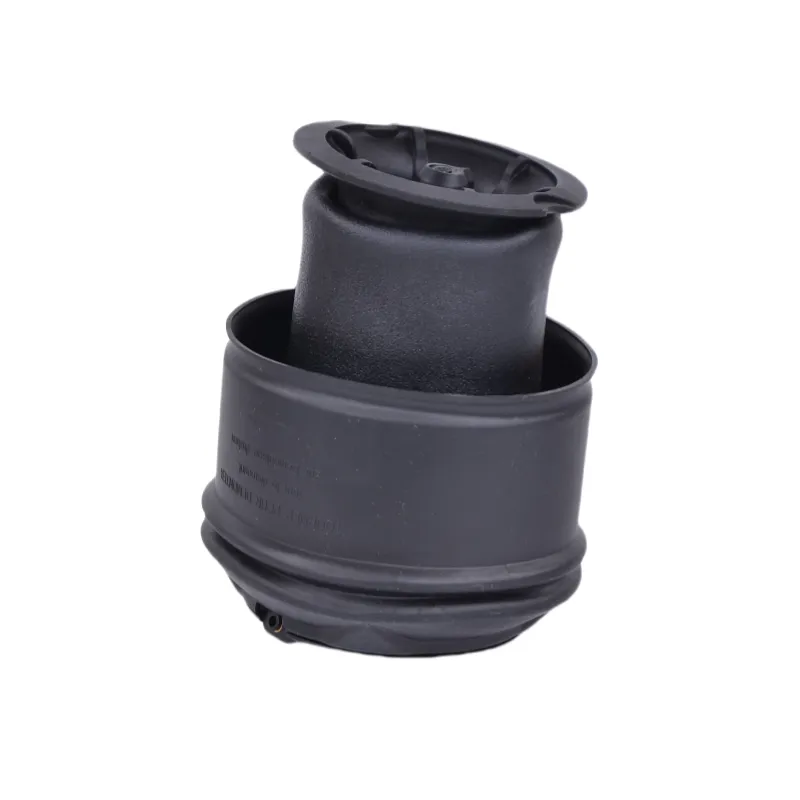
When it comes to vehicle ride quality and load management, air suspension components play a central role in delivering comfort, stability, and adaptability across a wide range of driving conditions. Unlike traditional coil spring setups, air-based systems rely on a complex interplay of pressurized bags, compressors, valves, and sensors — all of which must work in perfect harmony to maintain performance over time. Understanding what affects the longevity of these parts is essential for fleet operators, daily drivers, and automotive professionals who depend on consistent suspension behavior throughout the vehicle's lifespan.
The durability of air suspension components is not determined by a single factor, but rather by a combination of material quality, operating environment, maintenance habits, and vehicle usage patterns. In daily use, these systems are subjected to constant mechanical stress, temperature fluctuations, road contaminants, and varying load demands. Identifying which specific factors contribute most to premature wear — and understanding how to mitigate them — can dramatically extend the service life of your suspension system and reduce costly downtime or replacement cycles.
Material Composition and Build Quality
The Role of Rubber and Reinforced Fabrics in Air Spring Longevity
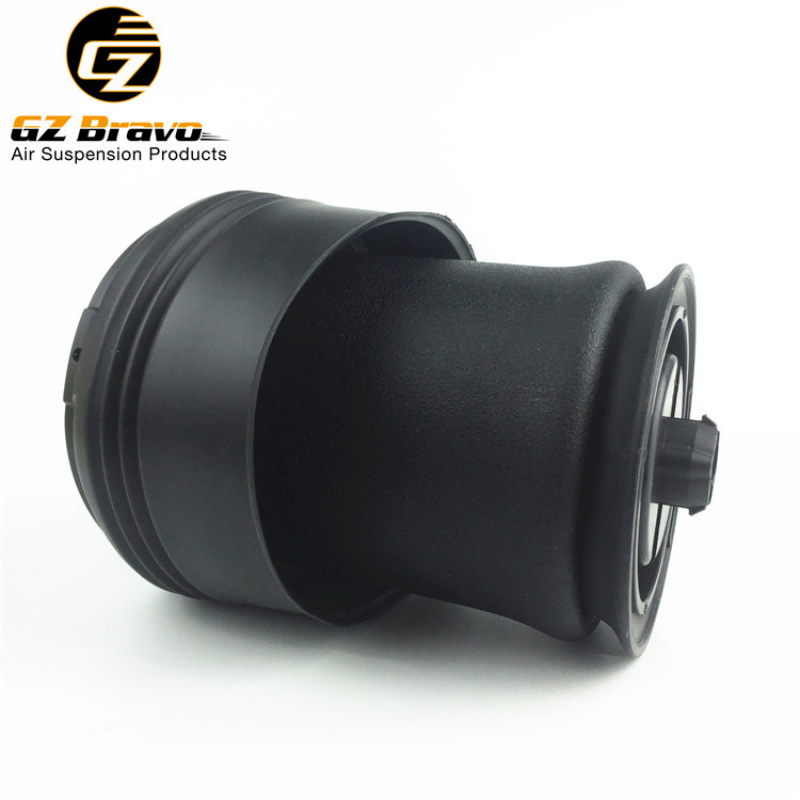
The primary structural element in most air suspension components is the air spring, or air bag, which is typically constructed from multi-layered rubber reinforced with fabric cords or steel wire. The quality of this rubber compound directly influences how well the component resists cracking, ozone degradation, and fatigue fractures under repeated inflation and deflation cycles. Higher-grade rubber formulations incorporate antioxidant and antiozonant additives that slow the chemical aging process, particularly in vehicles exposed to harsh UV radiation or extreme heat.
Inferior rubber blends, often found in budget replacement parts, may appear structurally sound during initial use but begin to show micro-cracks within months of installation. These hairline fractures eventually allow pressurized air to escape, leading to sagging ride height and compromised load support. When selecting replacement air suspension components, the specific rubber formulation and cord layering architecture are among the most reliable indicators of expected service life.
Reinforced cord angles and bead plate construction also play a major role in how the air bag handles lateral and axial stress during cornering and braking. Components engineered with tighter tolerances between the bead and mounting points resist slippage and leakage far more effectively than loosely fitted alternatives. This is especially relevant in vehicles that frequently carry heavy loads or navigate uneven terrain.
Metal Hardware, Fittings, and Corrosion Resistance
Beyond the air bag itself, air suspension components include metal brackets, end caps, air fittings, and mounting hardware that must endure constant mechanical vibration and exposure to road salts, moisture, and brake dust. Corrosion is one of the leading causes of premature component failure in regions with cold winters where de-icing chemicals are used on roadways. Metal end caps and mounting plates that lack adequate corrosion-resistant coatings or plating will develop rust, which can compromise the seal between the bag and the vehicle's mounting surface.
Stainless steel fittings and galvanized or powder-coated brackets significantly outperform bare steel equivalents in high-humidity or salt-prone environments. For vehicles like the BMW X5 and X6, where air suspension components must meet demanding OEM standards, the quality of all metal elements is as important as the rubber bag itself. A single corroded fitting can cause gradual air loss that strains the compressor and leads to system-wide deterioration.
Operating Environment and Road Conditions
Temperature Extremes and Their Impact on Air Springs
Temperature is one of the most consequential environmental factors affecting the durability of air suspension components in everyday use. In extremely cold climates, rubber compounds become stiffer and more brittle, reducing their ability to flex and conform under load without cracking. The air inside the springs also contracts in cold weather, which can cause the ride height to drop and trigger frequent compressor cycling — placing additional mechanical stress on the entire pneumatic system.
Conversely, intense heat accelerates oxidative degradation of rubber and can cause air within the bags to expand beyond normal operating pressures, stressing seals and fittings. Vehicles operating in desert or tropical climates may see accelerated wear in rubber-based air suspension components when the system is subjected to sustained high temperatures over many years. Thermal cycling — the daily expansion and contraction of materials as temperatures rise and fall — contributes cumulatively to material fatigue and micro-fracturing at joints and flex points.
Proper heat shielding near exhaust components and ensuring adequate airflow around air spring assemblies can moderate thermal exposure. Vehicles with undercarriage heat deflectors or those that receive regular undercoating treatments tend to show better long-term durability of their air suspension components compared to those without such protections.
Road Debris, Chemicals, and Physical Damage
Daily driving exposes air suspension components to an ongoing barrage of road debris including stones, grit, and fragments that can physically score rubber surfaces or damage protective sleeves. Even minor abrasions on air spring bellows can become entry points for moisture and chemical contaminants, accelerating localized degradation. Gravel roads and poorly maintained urban surfaces with frequent potholes intensify this form of wear significantly.
Road chemicals — particularly the chloride-based de-icers applied in winter — are highly corrosive to both rubber and metal components. These chemicals penetrate water films that cling to the undercarriage and can leach into the gap between rubber bellows and metal end caps, weakening adhesive bonds over time. Regular underbody washing during winter months is a practical countermeasure that meaningfully extends the service life of air suspension components.
Oil contamination from engine or differential leaks is another frequently overlooked threat. Petroleum-based oils cause rubber to swell, soften, and eventually lose structural integrity. If any drivetrain leaks are present near air spring assemblies, they should be resolved promptly to prevent secondary damage to suspension elements.
Vehicle Load, Usage Patterns, and Cycling Frequency
How Load Intensity Affects Air Spring Fatigue
The mechanical fatigue rate of air suspension components is closely tied to how consistently and heavily the vehicle is loaded. Air springs are designed to operate within defined pressure and deflection ranges — consistently overloading the vehicle beyond these parameters causes the bag to compress beyond its intended travel, straining the folded rubber sections and accelerating sidewall fatigue. Vehicles used for heavy towing, frequent cargo transport, or regular passenger loads near maximum capacity will naturally see faster wear of their pneumatic suspension elements.
Paradoxically, consistently underloading or running an air spring at very low pressure settings also introduces wear, as the rubber convolutions may fold unevenly or contact the jounce bumper in ways that cause localized abrasion. Maintaining the proper static inflation pressure for the given load is therefore an ongoing factor in maximizing the service life of air suspension components.
Compressor Duty Cycles and System Stress
The air compressor is a critical support component within any pneumatic suspension system, and its duty cycle directly impacts how hard other air suspension components must work. A worn or undersized compressor that struggles to maintain target pressure will cause the air springs to operate in a partially deflated state for prolonged periods, increasing mechanical stress and uneven rubber wear. Compressors that run excessively long duty cycles also overheat, which can degrade air dryer elements and introduce moisture-laden air into the system — a condition that accelerates internal corrosion of valves and fittings.
Slow air leaks — even very minor ones at fitting connections or valve seats — force the compressor into frequent, short cycling patterns that dramatically reduce its operational lifespan. Because the health of the compressor and the health of other air suspension components are interdependent, diagnosing and sealing even minor leaks promptly is critical to system-wide durability. Pressure testing the entire pneumatic circuit at regular service intervals is considered best practice in fleet and performance vehicle maintenance.
Maintenance Practices and Installation Quality
Inspection Intervals and Early Fault Detection
Routine inspection is one of the most impactful factors determining how long air suspension components remain serviceable. Visual checks for surface cracking, discoloration, blistering, or distortion of air spring bellows can identify developing issues before they escalate into failures. Listening for audible compressor overactivity — a sign that the system is compensating for a slow air leak — is another practical diagnostic habit that requires no specialized equipment.
Height sensor calibration is another frequently neglected maintenance task. Miscalibrated sensors cause the electronic control unit to continuously adjust air pressure in response to false ride height readings, increasing both compressor wear and the stress placed on air suspension components throughout the system. Proper calibration after any replacement, alignment, or chassis modification is essential for preventing unnecessary component cycling.
Lubrication of moving mechanical components near the air spring assembly — including control arm bushings and shock absorber mounts — also contributes indirectly to air spring longevity by reducing the transmission of lateral forces that can stress bag attachment points.
Installation Technique and OEM Specification Compliance
Even the highest-quality air suspension components will fail prematurely if installed incorrectly. Torque specifications for mounting hardware must be followed precisely — overtightening can distort metal end caps and compromise the seal with the rubber bead, while undertightening allows micro-movement that leads to abrasion and fatigue at the mounting interface. Air line fittings must be seated fully and checked for both mechanical security and airtight integrity before the system is pressurized.
Using components that match OEM reference numbers ensures dimensional compatibility with all associated mounting hardware, sensor connectors, and air line diameters. Mismatched fitment — even within close dimensional tolerance — can introduce abnormal stress concentrations that would not exist with properly specified parts. This is particularly important in precision-engineered luxury vehicles where the geometry of the suspension system is tightly integrated with the vehicle's electronic stability and ride management systems.
Finally, purging moisture from the pneumatic circuit after installation, ensuring the air dryer element is in good condition, and performing a full system pressure test before returning the vehicle to service are procedural steps that collectively establish a strong baseline for long-term durability of all air suspension components.
FAQ
How often should air suspension components be inspected in daily-use vehicles?
For most daily-use vehicles, a visual inspection of air suspension components should be performed at every oil change interval or at least twice per year. More frequent inspections are recommended for vehicles that carry heavy loads, operate in harsh climates, or cover high annual mileage. Early detection of surface cracks, moisture contamination, or compressor overactivity can prevent minor issues from developing into complete system failures.
Can road chemicals significantly shorten the life of air suspension components?
Yes, road de-icing chemicals — particularly chloride-based compounds — are one of the leading environmental threats to air suspension components. They accelerate corrosion of metal hardware and can degrade the adhesive bond between rubber and metal elements over time. Regular underbody washing during and after winter months, along with protective undercoating treatments, can meaningfully reduce chemical-induced deterioration.
Does vehicle overloading directly damage air suspension components?
Consistent overloading compresses air springs beyond their designed operating range, placing excessive stress on rubber sidewalls and accelerating fatigue cracking. Over time, this can lead to air leaks, ride height sagging, and compressor overwork. To preserve the integrity of air suspension components, it is important to stay within the vehicle manufacturer's specified load limits and to ensure proper inflation pressure for the load being carried.
How does installation quality affect the durability of air suspension components?
Installation quality has a direct and significant impact on how long air suspension components remain functional. Incorrect torque application, improperly seated air fittings, and dimensional mismatches can introduce stress concentrations and leak paths that would not exist with a proper installation. Following OEM torque specifications, verifying system airtightness after installation, and using correctly specified parts are all essential steps in ensuring maximum component longevity.
Table of Contents
- Material Composition and Build Quality
- Operating Environment and Road Conditions
- Vehicle Load, Usage Patterns, and Cycling Frequency
- Maintenance Practices and Installation Quality
-
FAQ
- How often should air suspension components be inspected in daily-use vehicles?
- Can road chemicals significantly shorten the life of air suspension components?
- Does vehicle overloading directly damage air suspension components?
- How does installation quality affect the durability of air suspension components?