
 EN
EN



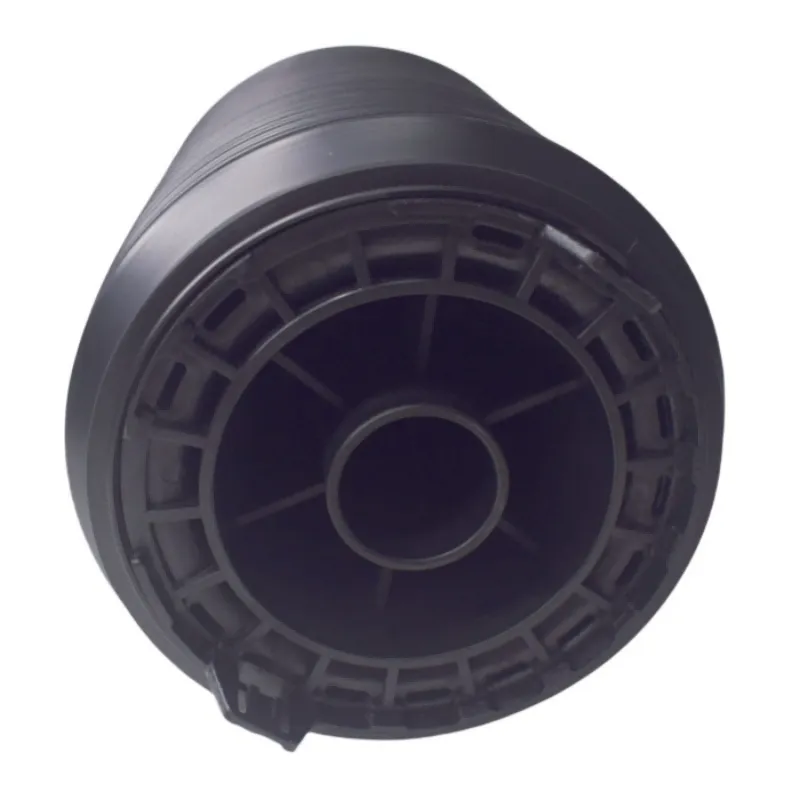
The decision to adopt air suspension systems in luxury vehicle platforms is not an arbitrary engineering choice. It represents a deliberate commitment to delivering a driving experience that consistently exceeds passenger expectations, meets stringent safety standards, and adapts dynamically to a wide range of road conditions. Across the global automotive industry, premium and luxury segments have increasingly defined their competitive edge through the sophistication of their suspension technology, and air suspension systems sit firmly at the center of that differentiation strategy.
Understanding why manufacturers adopt air suspension systems for luxury vehicle platforms requires looking beyond surface-level comfort claims. It demands an examination of engineering priorities, passenger psychology, platform economics, and the long-term brand value that precision suspension technology delivers. From flagship sedans to high-end SUVs and executive limousines, air suspension systems have become a cornerstone of what defines a truly luxury ride. This article unpacks the core reasons behind that widespread adoption and explains why the trend continues to accelerate.
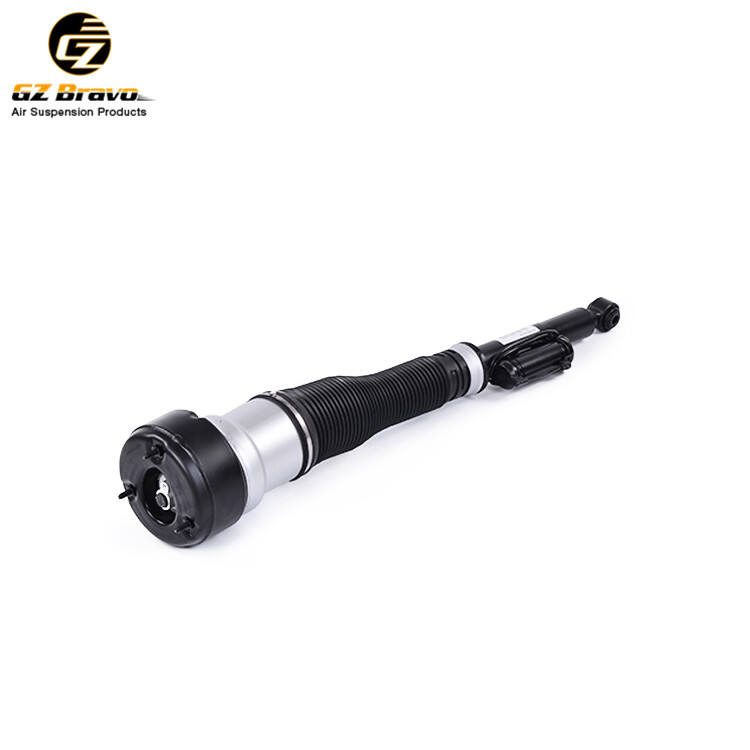
The Fundamental Engineering Case for Air Suspension Systems
Adaptive Load Management and Vehicle Stability
One of the primary reasons manufacturers choose air suspension systems for luxury platforms is the technology's inherent ability to adapt to variable load conditions. Traditional coil or leaf spring setups operate with fixed stiffness parameters, meaning the suspension behavior changes noticeably as passenger count or cargo weight increases. Air suspension systems solve this problem by automatically adjusting air pressure within the struts or bags to maintain a consistent ride height and spring rate regardless of load.
This characteristic is especially critical in luxury sedans and large SUVs, where rear-axle load fluctuates significantly depending on whether the vehicle carries one occupant or five. Maintaining a level vehicle stance under varying loads improves handling balance, braking geometry, and aerodynamic consistency. Manufacturers engineering platforms for executive or chauffeur-driven use understand that a vehicle sitting lopsided or squatting under load directly contradicts the brand promise they are trying to deliver.
Air suspension systems also contribute meaningfully to lateral stability during cornering. By electronically adjusting damping and spring rates in real time, modern air suspension platforms reduce body roll and maintain a more neutral chassis attitude through bends. This means drivers and passengers experience smoother, more controlled lateral forces, which contributes directly to the perception of vehicle composure and refinement.
Ride Height Adjustment as a Platform Feature
Luxury vehicle manufacturers frequently design their platforms around multiple use cases — highway cruising, urban driving, rough terrain, and even off-road capability in the case of high-end SUVs. Air suspension systems allow a single platform to serve all these scenarios through selectable or automatic ride height adjustment. Lowering the vehicle at highway speeds reduces aerodynamic drag and improves fuel efficiency, while raising it for rough terrain protects the undercarriage and improves ground clearance.
This multi-mode capability eliminates the need for multiple mechanical configurations and gives engineers a single unified suspension architecture that adapts to context. For manufacturers, this translates into reduced platform complexity, simplified production processes, and a consistent brand experience across diverse markets and road environments. Passengers benefit from a system that seems to anticipate conditions rather than simply react to them, which reinforces the sense of intelligent luxury that top-tier brands are built to deliver.
Passenger Comfort as a Commercial Imperative
Vibration Isolation and Road Noise Suppression
In the luxury segment, ride quality is not merely a feature — it is the primary product. Buyers of executive sedans, premium SUVs, and flagship limousines make purchasing decisions based substantially on how the vehicle feels in motion. Air suspension systems deliver measurably superior vibration isolation compared to conventional spring-based setups because air itself is a compressible medium with inherent damping properties. When paired with electronically controlled dampers, air suspension systems can suppress road noise, micro-vibrations, and harshness inputs before they reach the passenger cabin.
This matters commercially because luxury buyers use tactile and acoustic comfort as proxies for build quality and brand prestige. A vehicle that transmits road imperfections into the cabin — even minor ones — creates subconscious doubt about the manufacturer's commitment to excellence. Air suspension systems create a perceptible isolation layer between the road surface and the passenger, reinforcing the sense of being cocooned in premium quality. That sensory experience is difficult to achieve with steel springs and contributes substantially to customer satisfaction scores and brand loyalty.
Continuous Road Preview and Predictive Adjustment
Modern luxury platforms increasingly integrate camera-based road preview technology with their air suspension systems. This allows the suspension control unit to receive advance data about upcoming road irregularities — speed bumps, potholes, or surface transitions — and pre-adjust the damper and air pressure settings before the wheel encounters the obstacle. The result is a ride quality that feels almost unnaturally smooth, as though the road surface has been leveled rather than absorbed.
This predictive capability represents a significant leap beyond reactive suspension logic. Traditional systems wait for a wheel input before responding, which always introduces a delay and a residual impact transmitted to the body. Predictive air suspension systems eliminate most of that delay by acting preemptively, and the subjective improvement in ride quality is immediately noticeable. For manufacturers positioning their vehicles at the absolute top of the market, this technology differentiates their platforms in ways that are genuinely perceptible to discerning buyers.
Platform Economics and Manufacturing Rationale
Unified Platform Architecture Across Model Variants
From a manufacturing strategy perspective, air suspension systems offer substantial advantages when a single platform must support multiple body styles, wheelbases, and powertrain configurations. Luxury automakers typically build extended-wheelbase variants of their flagship models for chauffeur markets, and these longer platforms place different load and geometry demands on the suspension system. Air suspension systems accommodate these variations more gracefully than fixed-rate mechanical systems because their operating parameters are software-configurable rather than mechanically fixed.
This means engineers can tune suspension behavior differently for a standard-wheelbase sedan, a long-wheelbase variant, a plug-in hybrid version with heavier battery packs, and a performance-oriented variant — all using the same core air suspension hardware. The software handles the behavioral differences, reducing tooling costs and component proliferation. For manufacturers managing complex global product portfolios, this flexibility is a meaningful operational advantage that justifies the higher unit cost of air suspension systems compared to conventional alternatives.
Long-Term Brand Value and Customer Retention
Manufacturers in the luxury automotive space compete not just on initial product specifications but on the long-term ownership experience. Air suspension systems, when properly engineered and supported with quality components, contribute to sustained customer satisfaction across the vehicle's service life. Features like self-leveling, automatic adjustment, and ride mode customization continue to deliver value to owners years after purchase, reinforcing positive brand perception at every interaction.
The aftermarket and replacement parts ecosystem surrounding air suspension systems has also matured significantly, which reduces ownership anxiety for buyers. High-quality replacement components — such as rear air suspension struts for specific models — are available through established channels, ensuring that the premium ride experience can be maintained without excessive cost or complexity. This aftermarket support strengthens the case for manufacturers to standardize air suspension systems across their luxury lineups, knowing that long-term ownership cost concerns will not become a barrier to customer satisfaction.
Competitive Differentiation and Market Positioning
Suspension Technology as a Brand Differentiator
In a segment where interior materials, digital interfaces, and powertrain technology have all reached high levels of commoditization, air suspension systems remain a meaningful point of technical differentiation. Manufacturers that invest in proprietary air suspension development — including custom valving, unique damper calibrations, and platform-specific geometry — can credibly claim that their vehicles ride differently from competitors. This is not a marketing abstraction; it is a verifiable engineering reality that trained automotive journalists and experienced buyers can feel and validate.
Air suspension systems therefore serve as tangible evidence of engineering investment and technical commitment. When a manufacturer announces that their new flagship model features a next-generation air suspension system with predictive road scanning and adaptive multi-mode calibration, that announcement communicates genuine product advancement. Buyers in the luxury segment respond to this kind of technical storytelling because it aligns with their expectation that premium pricing should correspond to premium engineering depth.
Regulatory Compliance and Safety Standards
Increasingly stringent vehicle safety and emissions regulations also push manufacturers toward air suspension systems for luxury platforms. Electronic stability control systems, active rollover prevention, and dynamic torque vectoring all perform more effectively when the suspension can adjust in real time to optimize wheel contact and load distribution. Air suspension systems provide the electronic interfaces and adjustment speed necessary to integrate with these active safety systems in a way that conventional mechanical suspensions cannot match.
In markets where pedestrian safety regulations mandate minimum hood heights for impact absorption, air suspension systems give manufacturers the flexibility to raise or lower the vehicle as required without engineering separate static configurations. This regulatory flexibility is quietly valuable in global platform development, where a single vehicle architecture must simultaneously comply with safety standards in multiple jurisdictions. Air suspension systems simplify that compliance challenge and give engineering teams more options for meeting diverse regulatory requirements.
FAQ
Why are air suspension systems more common in luxury vehicles than standard ones?
Air suspension systems require more complex components, electronic control units, and precise manufacturing tolerances than conventional spring setups, which increases their cost. Luxury vehicle platforms can absorb that cost premium because their buyers prioritize ride quality, adaptability, and brand prestige over price sensitivity. The performance benefits of air suspension systems — including load leveling, ride height adjustment, and vibration isolation — align directly with the expectations of luxury segment buyers, making the technology a natural fit for premium platforms.
Do air suspension systems require significantly more maintenance than conventional suspensions?
Air suspension systems do have more components that require periodic attention, including air springs, compressors, solenoid valves, and sensors. However, modern air suspension systems used in luxury vehicles are engineered for long service intervals, and the quality of components in premium applications has improved substantially. When a component does require replacement — such as an air strut — the process is straightforward with the right parts, and the restored ride quality validates the maintenance investment.
Can air suspension systems improve a vehicle's safety performance beyond ride comfort?
Yes. Air suspension systems integrate directly with active safety systems to improve braking stability, reduce body roll during emergency maneuvers, and maintain optimal wheel contact under varying load conditions. By keeping the vehicle's chassis attitude more consistent and predictable, air suspension systems give active safety systems a more stable platform from which to intervene when needed. This makes air suspension systems a functional safety asset, not just a comfort feature.
Are air suspension systems suitable for vehicles used in diverse climate and terrain conditions?
Modern air suspension systems are engineered to operate across a wide range of temperatures, altitudes, and terrain types. Luxury SUVs equipped with air suspension systems are specifically designed to handle both high-speed highway use and moderate off-road terrain by adjusting ride height and damping settings accordingly. Manufacturers test these systems under extreme conditions — from desert heat to arctic cold — to ensure reliable performance. The adaptability of air suspension systems across environmental extremes is one reason they are preferred for globally deployed luxury platforms.
Table of Contents
- The Fundamental Engineering Case for Air Suspension Systems
- Passenger Comfort as a Commercial Imperative
- Platform Economics and Manufacturing Rationale
- Competitive Differentiation and Market Positioning
-
FAQ
- Why are air suspension systems more common in luxury vehicles than standard ones?
- Do air suspension systems require significantly more maintenance than conventional suspensions?
- Can air suspension systems improve a vehicle's safety performance beyond ride comfort?
- Are air suspension systems suitable for vehicles used in diverse climate and terrain conditions?