
 EN
EN



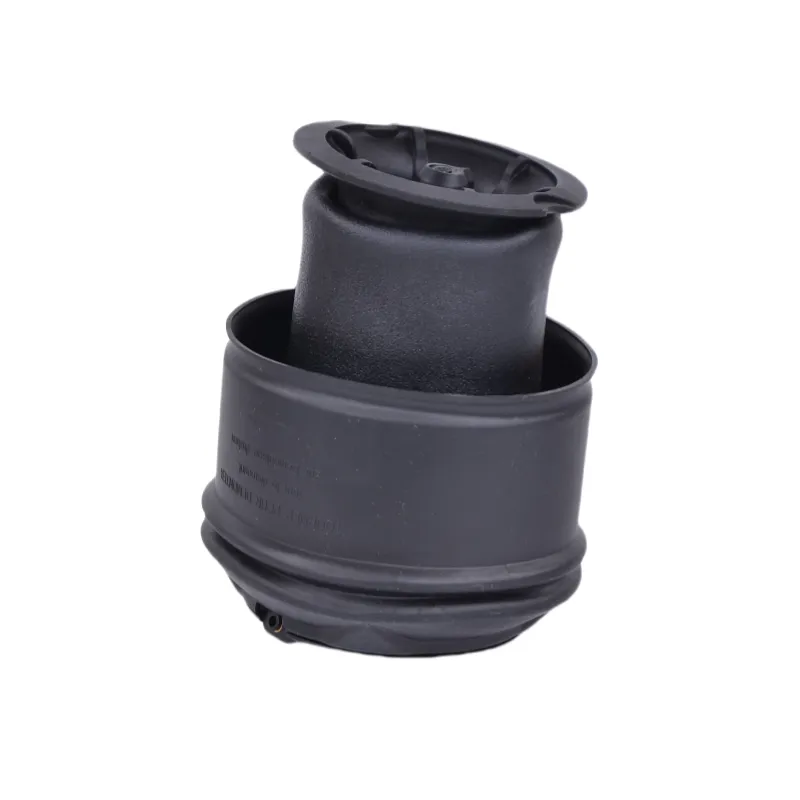
When drivers and fleet managers consider upgrading or replacing their vehicle's suspension system, one question consistently rises to the top: is air suspension genuinely capable of handling the punishment of off-road terrain and heavy-duty workloads? It is a fair and important question, especially given that air suspension technology was originally associated with luxury ride comfort rather than rugged performance. Understanding what this system can and cannot do in demanding environments requires a closer look at how it actually functions under stress, what engineering factors determine its durability, and where its real-world limitations begin.
The short answer is yes — air suspension can be suitable for both off-road and heavy-duty driving conditions, but with important nuances that every buyer and operator should understand. Modern air suspension systems have evolved significantly, incorporating reinforced air springs, intelligent load-sensing controls, and adaptive height management that make them far more capable than their early predecessors. However, suitability depends on the specific design of the system, the quality of its components, and how well the vehicle is maintained. This article explores each of these dimensions in depth so that you can make a fully informed decision.
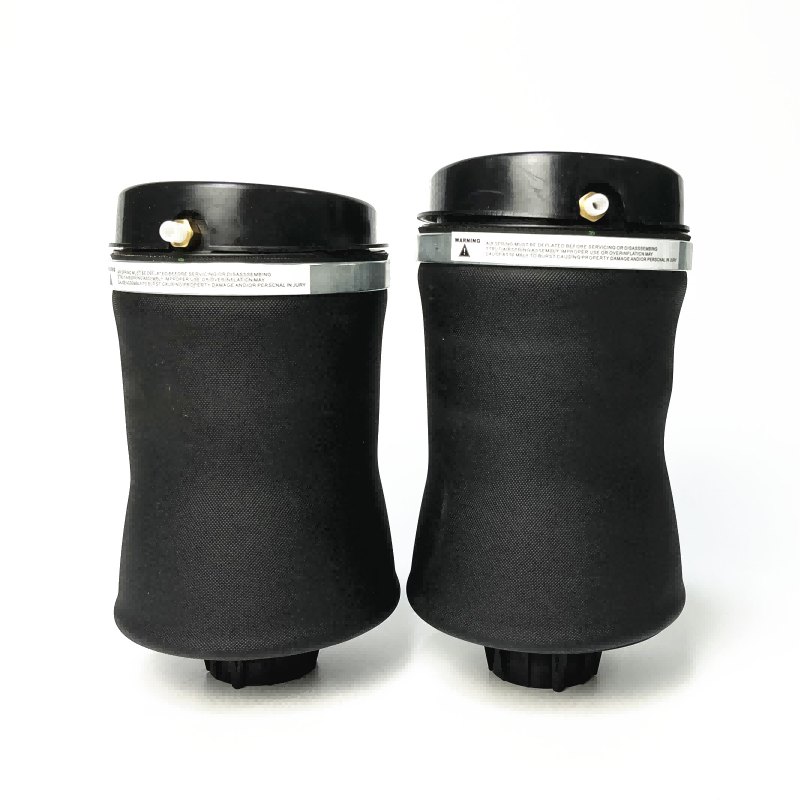
How Air Suspension Works in Demanding Conditions
The Core Mechanism Behind Adaptive Ride Management
Air suspension replaces conventional metal coil or leaf springs with pressurized rubber air bags — also called air springs or bellows — that support the vehicle's weight and absorb road shock. A compressor continuously monitors and adjusts air pressure in these bags to maintain a target ride height and comfort level. This adaptive capability is what makes air suspension fundamentally different from passive spring systems, because it can respond dynamically to changes in load, terrain, and speed.
In heavy-duty scenarios such as towing or carrying significant cargo, the compressor automatically increases air pressure to prevent the vehicle from sagging at the rear axle. This self-leveling function is one of the most valuable traits of air suspension for commercial and work vehicle applications. It keeps headlights properly aimed, maintains braking geometry, and reduces tire wear — all of which are critical concerns in professional heavy-duty use.
For off-road use, some air suspension systems allow the driver to manually or automatically raise the vehicle's ride height, increasing ground clearance for navigating rocks, ruts, and uneven surfaces. This height adjustment functionality directly addresses one of the most common challenges in off-road driving: the risk of undercarriage contact with obstacles. The ability to gain several inches of additional clearance at the push of a button is a genuine advantage over fixed-height suspension systems.
Pressure, Load Bearing, and Structural Integrity
A well-engineered air spring is designed to bear significant compressive loads while simultaneously absorbing lateral and vertical shock energy. Modern air bags used in air suspension systems are constructed from reinforced rubber compounds — typically layered with nylon or polyester cords — which give them the structural strength needed to withstand repeated compression cycles under heavy loads. The pressure ranges involved in heavy-duty truck and SUV applications can exceed those found in passenger vehicle systems by a considerable margin.
That said, pressure tolerance does have limits. Extremely harsh impacts — such as landing hard after a significant jump, or bottoming out on a deeply rutted trail — can exceed the design load of a passenger-grade air suspension system. This is why vehicles built specifically for competitive off-road use often rely on purpose-built suspension setups rather than stock air suspension. For overlanding, trail driving, and moderate off-road use, however, quality air suspension components perform reliably when properly maintained.
Off-Road Capability: Where Air Suspension Excels and Where It Has Limits
Height Adjustment as a Practical Off-Road Tool
One of the clearest advantages of air suspension in off-road contexts is the ability to adjust ride height in real time. Vehicles like the Jeep Grand Cherokee, Land Rover Range Rover, and similar platform-sharing SUVs have leveraged air suspension to deliver genuine off-road capability alongside on-road comfort. When approaching a trail section that demands maximum ground clearance, the driver raises the suspension to its highest setting. When returning to highway driving, the system lowers the vehicle to improve aerodynamics and handling stability.
This dual-purpose functionality is difficult to replicate with conventional coil springs without installing a separate lift kit, which then compromises road behavior. The air suspension approach integrates off-road capability directly into the vehicle's existing architecture without requiring aftermarket modifications. For drivers who split their time between paved roads and mild-to-moderate trail use, this represents a meaningful practical advantage.
Additionally, the soft and progressive spring rate characteristic of air springs allows the suspension to better conform to uneven surfaces, keeping all four tires in contact with the ground for longer periods. This improves traction on loose or variable terrain — a factor that many experienced off-road drivers appreciate when they have driven both air-sprung and coil-sprung vehicles on the same trail.
Vulnerability Factors in Extreme Off-Road Environments
Air suspension components do face specific vulnerability factors in extreme off-road environments that drivers should be aware of. The air bags, compressor lines, and associated sensors are more susceptible to damage from sharp rocks, debris, and deep water crossings than solid metal spring components. A punctured air bag will cause the vehicle to lose ride height on that corner immediately, which is a more sudden and complete failure mode than a fatigued coil spring.
Moisture intrusion is another concern in very wet or heavily muddy conditions. The compressor system and air dryer must be functioning properly to prevent water vapor from condensing inside the air lines and bags, which can cause corrosion and valve blockages over time. Vehicles operating in extreme cold climates face an additional challenge: frozen moisture in the air lines can prevent the system from functioning until the vehicle warms up.
These vulnerabilities do not disqualify air suspension from off-road use, but they do underscore the importance of using high-quality components and performing regular maintenance. Protective skid plates, regular inspection of air bag condition, and timely compressor servicing are all practical steps that significantly extend the service life of an air suspension system used in demanding environments.
Heavy-Duty Load Carrying: The Case for Air Suspension
Self-Leveling Under Variable Load Conditions
For heavy-duty applications — whether commercial trucks, full-size SUVs used for towing, or service vehicles carrying tools and equipment — air suspension offers a compelling load management advantage. Unlike passive coil or leaf springs, which are designed for a fixed load range, air springs can be pressurized to match virtually any load within their rated capacity. This means the vehicle maintains a level stance whether it is empty or fully loaded, which has direct implications for handling, braking, and driver comfort.
When a vehicle fitted with conventional rear springs is loaded heavily, the rear end squats downward, changing the vehicle's pitch angle and shifting weight distribution in ways that can compromise steering response and braking effectiveness. Air suspension counteracts this by increasing rear air pressure proportionally as the load increases, keeping the vehicle level and maintaining factory-specified geometry. Fleet operators who depend on consistent vehicle behavior regardless of payload find this consistency extremely valuable.
The self-leveling behavior also has safety implications for towing. When towing a trailer, the tongue weight pushes down on the rear hitch, causing the nose of the tow vehicle to lift slightly. This reduces front axle contact with the road, which can make steering feel vague and reduce braking traction. Air suspension with active load leveling counteracts this by increasing rear pressure to keep the vehicle at the correct pitch, maintaining front axle contact and improving overall towing stability.
Durability Across High-Cycle Heavy-Duty Operation
A common concern with air suspension in heavy-duty commercial contexts is long-term durability when the system is subjected to thousands of load and unload cycles over its service life. Modern air spring designs specifically address this through multi-ply reinforcement, abrasion-resistant outer surfaces, and heat-treated end caps that resist fatigue cracking. When properly installed and maintained, quality air springs used in commercial applications can achieve service lives measured in hundreds of thousands of miles.
The compressor, which is the most mechanically active component of the system, is also subject to wear over time — particularly in vehicles that experience frequent and large pressure changes. Choosing an air suspension system with a properly rated compressor for the application's duty cycle is an important specification decision. An undersized compressor that must cycle constantly to maintain pressure will wear out prematurely, while a correctly rated unit will perform reliably for years.
For vehicle owners looking to replace worn or failed components rather than an entire system, high-quality replacement air springs — such as those available through air suspension component specialists — can restore factory-level performance at a fraction of full system replacement cost. Using OE-specification replacement parts ensures that the repaired system meets the original load-bearing and durability standards.
Maintenance Considerations for Off-Road and Heavy-Duty Use
Inspection Routines That Extend System Life
Maintaining an air suspension system used in off-road or heavy-duty service requires more attention than a conventional spring setup, but the maintenance tasks themselves are straightforward. Regular visual inspection of the air bags for cracking, abrasion damage, or signs of moisture intrusion is the most fundamental step. Bags that show surface cracking or wear should be replaced before they fail, since a sudden deflation while off-road or while carrying a heavy load is a serious safety concern.
Air line connections and valve fittings should be checked periodically for leaks, especially after driving in environments where debris impact is likely. A simple soap-and-water test across all connections can reveal slow leaks that would otherwise go unnoticed until they cause a noticeable ride height drop. Addressing minor leaks early prevents progressive component stress that could shorten the life of the compressor.
The air dryer — typically an integrated component of the compressor assembly — plays a key role in keeping moisture out of the system. In high-humidity environments or after prolonged off-road use in wet conditions, the dryer's desiccant material can become saturated. Replacing the dryer at recommended service intervals keeps the air supply dry and prevents the corrosion and valve sticking issues that moisture causes in air suspension systems over time.
Choosing the Right Replacement Parts for Demanding Applications
When air suspension components require replacement after heavy use, the quality of replacement parts directly determines how well the system performs going forward. OE-equivalent air springs that match the original pressure ratings, dimensional specifications, and material standards will restore the system to its designed performance envelope. Using substandard aftermarket parts that cut corners on material quality or construction tolerances may provide short-term cost savings but will likely result in premature failure and higher total cost of ownership.
For specific vehicle platforms — such as the Jeep Grand Cherokee, which uses a well-documented air suspension setup on both front and rear axles — sourcing components that match the OE part numbers ensures compatibility with the existing compressor, height sensors, and control module. This matters because mismatched pressure characteristics or bag dimensions can confuse the height control system and cause ride quality problems or warning light activations even when the hardware is physically installed correctly.
Vehicle owners who use their SUVs or trucks in mixed-use scenarios — partly on paved roads and partly in off-road or heavy towing applications — will find that a properly functioning air suspension system delivers measurably better all-around performance than a coil spring conversion, provided the air system components are kept in good condition and replaced with quality parts when needed.
FAQ
Can air suspension handle the weight of heavy towing applications?
Yes, air suspension is well-suited for towing applications because its self-leveling capability actively counteracts the rear squat caused by tongue weight. By automatically increasing air pressure to match the added load, the system maintains proper vehicle pitch geometry, which improves steering response, braking effectiveness, and overall towing stability. It is important to ensure that the air spring components are rated for the intended load range and that the system is properly maintained to handle repeated high-load cycles.
Is air suspension more likely to fail off-road than coil springs?
Air suspension components are more complex than coil springs and can be vulnerable to specific off-road hazards such as sharp rock strikes, deep water crossings, and mud intrusion. However, in moderate off-road conditions — trail driving, overlanding, graded gravel roads — quality air suspension systems perform reliably and offer genuine advantages such as height adjustability. The risk of failure increases significantly in extreme competitive off-road environments, where specialized purpose-built suspension systems are more appropriate.
How often should air suspension components be inspected on a vehicle used for off-road driving?
For vehicles regularly used on off-road terrain, a visual inspection of the air suspension components — including air bags, lines, and connections — should be performed after every significant off-road outing and at minimum every three months. The air dryer should be serviced according to the manufacturer's schedule, and any signs of surface cracking on the bags or moisture in the lines should be addressed immediately. Proactive maintenance prevents minor wear from escalating into sudden failures.
Are OE replacement air springs necessary, or do aftermarket options work equally well?
OE-specification replacement air springs — those that match the original pressure ratings, dimensions, and material standards — deliver the most reliable results in demanding applications. Some aftermarket options meet OE standards and provide a cost-effective alternative, but buyers should verify that the replacement parts are rated for the same load and pressure specifications as the originals. For heavy-duty and off-road applications, using components that cut corners on construction quality increases the risk of premature failure, which can be both costly and unsafe.
Table of Contents
- How Air Suspension Works in Demanding Conditions
- Off-Road Capability: Where Air Suspension Excels and Where It Has Limits
- Heavy-Duty Load Carrying: The Case for Air Suspension
- Maintenance Considerations for Off-Road and Heavy-Duty Use
-
FAQ
- Can air suspension handle the weight of heavy towing applications?
- Is air suspension more likely to fail off-road than coil springs?
- How often should air suspension components be inspected on a vehicle used for off-road driving?
- Are OE replacement air springs necessary, or do aftermarket options work equally well?