
 EN
EN



In commercial vehicle applications, driver comfort and cargo protection are not luxuries — they are operational necessities. Rough roads, heavy payloads, and long-haul routes place extraordinary stress on both the vehicle and the people inside it. This is precisely where air suspension has established itself as a transformative technology, offering dynamic load adaptation and superior vibration isolation that conventional steel spring systems simply cannot match.
Understanding how air suspension improves ride comfort in commercial vehicles requires a close look at the underlying mechanics, the real-world performance differences it delivers, and the specific scenarios where its advantages become most pronounced. From transit vans and light commercial vehicles to full-scale freight carriers, air suspension technology has reshaped expectations around what smooth, controlled travel truly means in professional transport contexts.
The Mechanical Foundation of Air Suspension in Commercial Vehicles
How the Air Spring Replaces Conventional Components
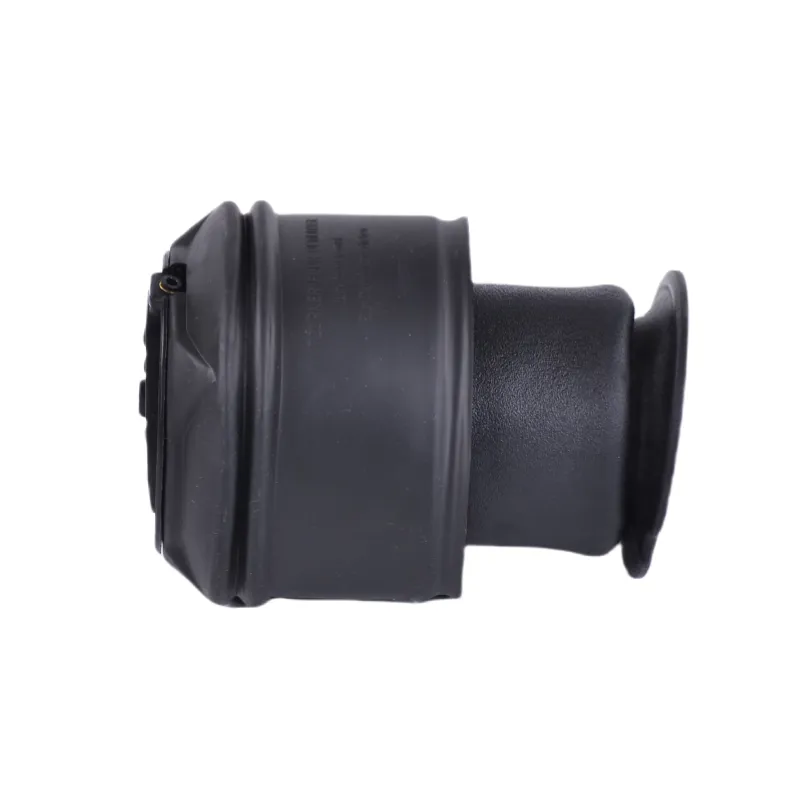
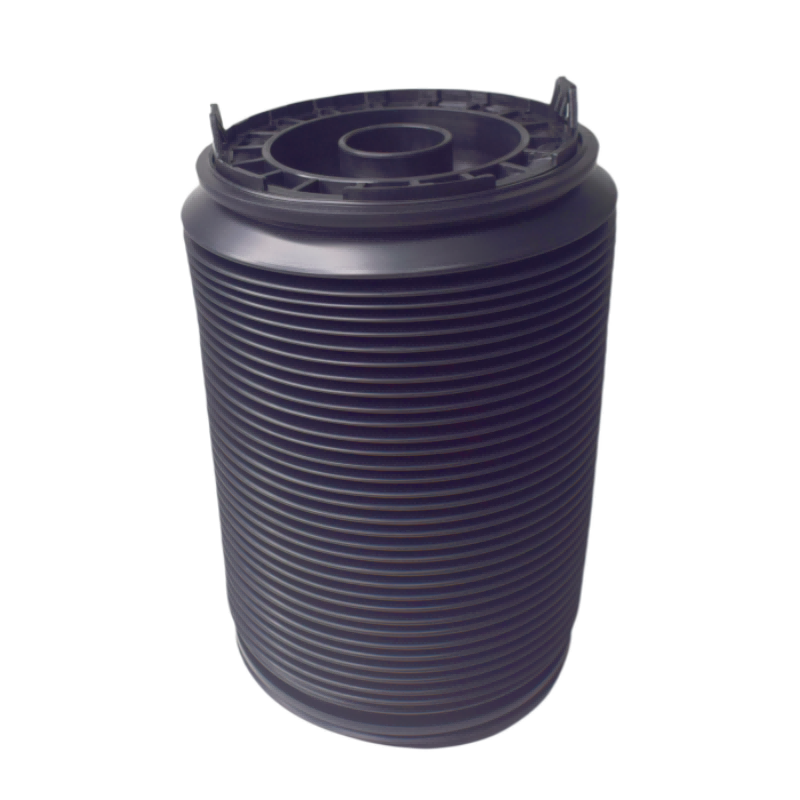
Traditional suspension systems in commercial vehicles typically rely on steel leaf springs or coil springs to absorb road shocks. These components offer a fixed spring rate, meaning their stiffness does not change regardless of load conditions or road surface. Air suspension replaces or supplements these rigid elements with pressurized rubber air bellows — commonly called air springs or air bags — that can be inflated or deflated to alter their stiffness dynamically.
The air spring functions by trapping compressed air within a flexible rubber sleeve. When a road irregularity pushes the axle upward, the compressed air within the spring absorbs and dissipates the shock energy far more gradually than a steel spring would. This gentler energy transfer is the fundamental reason air suspension delivers measurably smoother ride characteristics across varying terrain and load conditions.
In commercial vehicles, this component-level difference translates directly into reduced driver fatigue, lower cargo vibration, and less structural stress on the vehicle chassis over extended operating cycles. The air spring is not just a comfort upgrade — it is a system-level improvement that affects durability, efficiency, and safety simultaneously.
Pressure Control and Dynamic Adjustment
One of the defining characteristics of air suspension is its ability to actively modulate air pressure based on current operating conditions. An onboard compressor continuously monitors and adjusts the pressure inside each air spring, maintaining a consistent ride height regardless of payload weight. When a commercial van is fully loaded, the system increases pressure to compensate for the added mass. When it is traveling empty, pressure is reduced to maintain the same balanced ride quality.
This dynamic pressure regulation ensures that the vehicle's suspension geometry remains stable under varied loading scenarios. Unlike a steel spring, which compresses proportionally to load and effectively stiffens the ride when heavily loaded, air suspension maintains a near-constant spring rate relative to vehicle weight. The practical outcome is a consistently smooth and predictable ride whether the vehicle carries maximum cargo or travels unloaded.
Electronic control units in more advanced air suspension configurations allow for real-time monitoring of vehicle height sensors, road speed, and even steering inputs, enabling the system to preemptively adjust stiffness before a disturbance reaches the cabin. This proactive correction capability is a key reason why air suspension is increasingly specified for premium commercial vehicles and passenger transport applications.
Ride Comfort Benefits Specific to Commercial Vehicle Use Cases
Driver Fatigue Reduction on Long Routes
Commercial drivers often operate their vehicles for extended periods, sometimes covering hundreds of kilometers per shift across highways, urban roads, and rural terrain. Prolonged exposure to whole-body vibration is a recognized occupational health risk, linked to musculoskeletal disorders, reduced concentration, and increased accident risk. Air suspension directly mitigates this problem by attenuating the high-frequency vibrations that pass through the chassis and into the driver's seat.
The softer, more compliant nature of the air spring means that minor road imperfections — expansion joints, surface irregularities, light potholes — are absorbed before their energy reaches the cab. Over the course of a working day, this cumulative reduction in vibration exposure has a measurable impact on driver alertness and physical well-being. Fleet operators who have transitioned to air suspension frequently report improvements in driver satisfaction scores and reductions in driver-related sick leave.
For vehicles like transit minibuses, airport shuttles, and delivery vans covering urban routes, where stop-and-go driving and uneven surfaces are the norm, the comfort advantage of air suspension becomes even more significant. Passengers and drivers alike benefit from the smoother ride profile that air suspension maintains across these demanding duty cycles.
Cargo Integrity and Vibration Isolation
Beyond driver comfort, air suspension plays a critical role in protecting the goods being transported. Many commercial cargo categories — electronics, fragile goods, perishable products, and precision equipment — are highly sensitive to vibration and impact during transit. Steel spring suspension transmits road shocks directly to the load bed, creating acceleration spikes that can damage sensitive goods or compromise packaging integrity over long distances.
Air suspension's inherent vibration isolation properties significantly reduce the peak G-forces experienced by cargo during transit. The gradual, progressive response of the air spring cushions road inputs before they propagate upward through the load floor. This is not merely a comfort claim — it has quantifiable implications for cargo damage rates, insurance claims, and customer satisfaction in logistics operations.
For specialized applications such as medical supply transport, artwork logistics, or automotive parts delivery, specifying air suspension is often a client or contract requirement precisely because of its proven ability to maintain load integrity. The commercial value of protecting high-value or fragile cargo easily justifies the investment in air suspension technology.
How Air Suspension Handles Load Variation in Commercial Operations
Constant Ride Height Across Payload Ranges
One of the most practically valuable features of air suspension for commercial vehicles is automatic ride height leveling. When a steel-sprung vehicle is loaded unevenly — heavier on one side or at the rear — the chassis visibly tilts, altering handling dynamics, headlight alignment, and aerodynamic efficiency. Air suspension counteracts this by independently adjusting pressure in each corner of the vehicle to maintain a level, consistent ride height.
For operators of vehicles like the Ford Tourneo Custom, which serves both passenger transport and light cargo duties, consistent ride height directly affects door sealing, step height for passengers, and rear-view mirror calibration. Air suspension maintains these functional parameters regardless of how the vehicle is loaded, ensuring safety compliance and operational consistency throughout the vehicle's working life.
Fleet managers particularly value this characteristic because it reduces the need for manual suspension adjustments and helps maintain uniform vehicle behavior across a mixed fleet. When drivers can expect the same handling response regardless of their specific load configuration, route planning and driver training become more standardized and efficient.
Response to Varied Road Surfaces in Commercial Routes
Commercial vehicle routes are rarely confined to smooth motorways. Delivery schedules take vans into industrial estates with deteriorating tarmac, construction zones, rural farm tracks, and urban streets riddled with speed humps and pothole damage. Air suspension handles this surface diversity far more effectively than rigid spring systems because its variable spring rate allows it to respond proportionally to the severity of each road input.
On smooth highways, the system operates at lower pressure to maximize ride comfort. When wheel travel increases over rougher terrain, the compressed air column absorbs and returns energy more progressively, preventing the sharp impacts that would otherwise jolt through the vehicle structure. This adaptability is especially important in vehicles carrying people, where passenger comfort directly influences satisfaction and brand perception for transport operators.
The ability of air suspension to maintain composure across mixed road conditions also reduces the wear rates of other chassis components. Bushings, subframe mounts, bodywork joints, and even engine mounts experience less shock loading when air suspension isolates road disturbances at their source. This secondary benefit of air suspension contributes to lower maintenance costs and extended vehicle service life in commercial fleets.
Installation and Maintenance Considerations for Commercial Air Suspension
Component Quality and System Reliability
The long-term performance of air suspension in commercial vehicles depends heavily on the quality of the individual components used. The air spring bellow is particularly critical — it must maintain an airtight seal under constant pressure cycling, UV exposure, ozone degradation, and physical abrasion from road debris. Premium air suspension components are manufactured from reinforced rubber compounds and use precision-engineered end caps to ensure consistent sealing over high-mileage service intervals.
Compressor reliability is equally important. The onboard air compressor must deliver consistent pressure output throughout the vehicle's operational life, often in demanding temperature ranges from sub-zero winter conditions to high-temperature summer environments. For fleet operators, specifying original-quality replacement air suspension components when servicing vehicles ensures the system's comfort and leveling performance is fully restored rather than merely approximated.
Periodic inspection of air lines, fittings, solenoid valves, and height sensors is recommended as part of preventive maintenance programs for commercial vehicles fitted with air suspension. Early identification of minor air leaks or sensor drift prevents the gradual degradation of ride quality that can otherwise go unnoticed until a more serious failure occurs.
Replacement and Upgrade Pathways for Fleet Operators
For commercial vehicles already in service, air suspension repair or replacement typically involves sourcing correctly specified air spring assemblies that match the original vehicle design parameters. Using components engineered for the specific vehicle model ensures compatibility with the existing height sensors, control unit calibration, and chassis geometry. Mismatched components can introduce ride height errors, premature wear, or electronic fault codes that reduce system effectiveness.
For vehicles like the Ford Tourneo Custom operating in commercial transport roles, maintaining the air suspension system in optimal condition is particularly important because these vehicles often carry passengers or time-sensitive cargo where ride quality directly affects operational value. Sourcing purpose-built replacement air suspension components designed for the specific model and production year is the most reliable approach to preserving the ride comfort characteristics the system was designed to deliver.
Fleet procurement teams and workshop managers should ensure that replacement air suspension parts meet or exceed original equipment specifications. This is especially relevant for high-cycle commercial applications where components experience accelerated wear compared to private vehicle usage patterns. Investing in quality replacement components reduces the total cost of ownership by extending service intervals and preventing repeat failures.
FAQ
What makes air suspension better than steel springs for commercial vehicles?
Air suspension offers a variable spring rate that automatically adapts to load and road conditions, whereas steel springs have a fixed stiffness. This means air suspension can maintain consistent ride height and comfort regardless of payload weight, while steel springs become progressively stiffer and harsher as load increases. For commercial vehicles that frequently operate across different loading scenarios and road types, the adaptability of air suspension delivers a measurably superior ride experience and better cargo protection.
How does air suspension maintain ride height when a commercial vehicle is heavily loaded?
When the vehicle is loaded, weight compresses the air springs and activates height sensors that signal the onboard compressor to increase air pressure. The system inflates the springs until the vehicle returns to its calibrated ride height. This process happens automatically and continuously, ensuring the vehicle maintains consistent handling dynamics, aerodynamic efficiency, and correct geometry regardless of how much cargo or how many passengers it is carrying.
How often does air suspension need to be serviced in commercial vehicle use?
Service intervals for air suspension in commercial vehicles vary depending on operating intensity, road conditions, and component quality. As a general guideline, air springs and associated components should be inspected annually or at every major service interval in high-mileage commercial applications. Signs that air suspension requires attention include uneven ride height, excessive compressor cycling, visible air spring cracking or abrasion, or ride quality that has noticeably deteriorated. Early maintenance prevents minor issues from developing into complete system failures.
Can air suspension be fitted to commercial vehicles that originally came with steel springs?
Retrofit air suspension kits are available for a range of commercial vehicles and can significantly improve ride comfort compared to the original steel spring setup. However, the most reliable and fully integrated air suspension performance is achieved in vehicles that were designed from the factory to use air suspension, as the chassis geometry, electronic systems, and height sensors are all calibrated to work together. For vehicles that originally featured air suspension, replacing worn components with correctly specified parts is the preferred approach to restoring full system performance.
Table of Contents
- The Mechanical Foundation of Air Suspension in Commercial Vehicles
- Ride Comfort Benefits Specific to Commercial Vehicle Use Cases
- How Air Suspension Handles Load Variation in Commercial Operations
- Installation and Maintenance Considerations for Commercial Air Suspension
-
FAQ
- What makes air suspension better than steel springs for commercial vehicles?
- How does air suspension maintain ride height when a commercial vehicle is heavily loaded?
- How often does air suspension need to be serviced in commercial vehicle use?
- Can air suspension be fitted to commercial vehicles that originally came with steel springs?