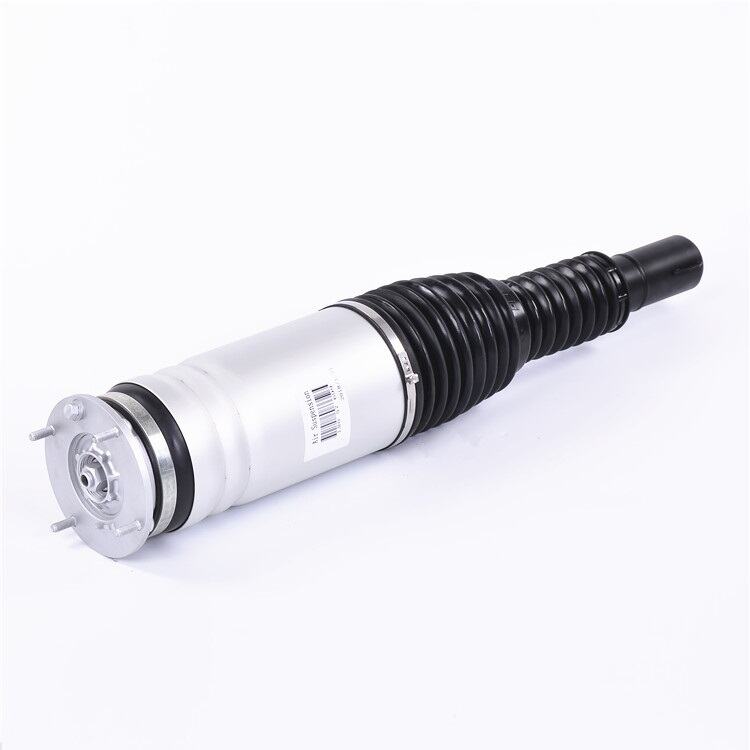
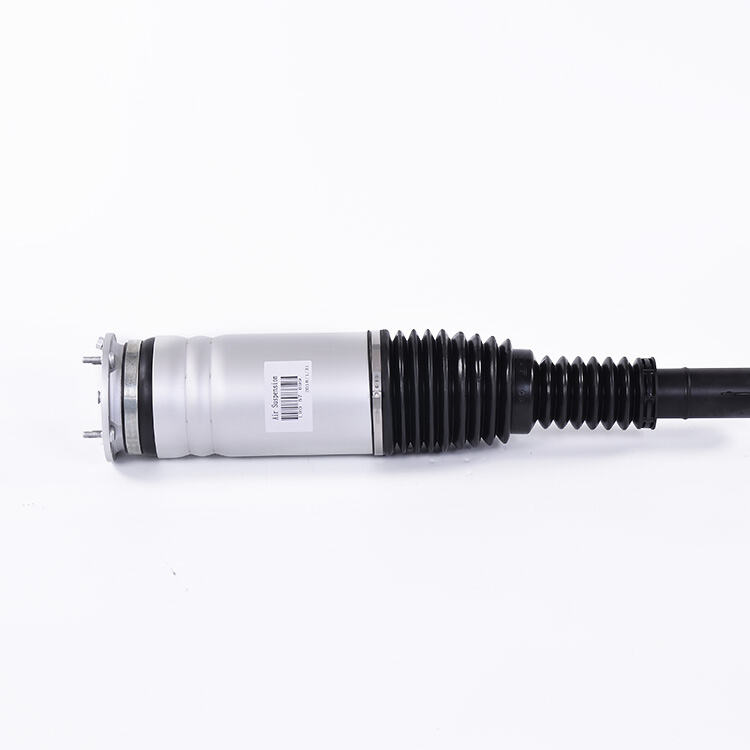
Sophisticated Multi-Link Geometry for Superior Handling and Wheel Articulation
The engineering foundation supporting Land Rover suspension performance lies in meticulously designed multi-link geometry that delivers exceptional handling precision, remarkable wheel articulation, and consistent steering response across all driving conditions. This advanced suspension architecture employs separate control arms and links for each wheel, with each component serving specific functions in controlling wheel motion and maintaining optimal tire alignment throughout the suspension travel range. The multi-link design separates forces acting on the wheel, with individual links managing longitudinal acceleration and braking forces, lateral cornering loads, and vertical suspension movement independently. This separation allows engineers to optimize each function without compromising others, creating suspension behavior tailored specifically for Land Rover's dual-purpose mission of luxury comfort and extreme off-road capability. The upper and lower control arms position the wheel precisely in relation to the vehicle body, maintaining camber angles that keep tire contact patches flat against the road surface during cornering and suspension compression. Sophisticated bushing materials at pivot points provide compliance that filters harsh impacts while maintaining sufficient stiffness to prevent unwanted suspension deflection during acceleration, braking, and cornering. These carefully calibrated bushings represent years of development, using advanced polymer compounds that exhibit different stiffness in various directions, soft for vertical movement to enhance comfort yet firm for lateral movement to preserve steering precision. The geometry calculations ensure that as suspension travels through its range, toe angles and camber remain within optimal parameters, preventing unwanted steering effects and uneven tire wear. For off-road capability, the multi-link Land Rover suspension design maximizes wheel articulation, allowing individual wheels to drop into depressions or climb over obstacles while opposite wheels remain planted, maintaining traction where simpler suspension designs would leave wheels hanging uselessly in the air. This articulation capability, often exceeding twenty inches of total wheel travel, proves critical when navigating boulder fields, deep ruts, or steep inclines where maintaining four-wheel contact determines success or failure. The suspension mounting points attach to reinforced chassis structures capable of withstanding extreme loads encountered during aggressive off-road driving, with robust construction ensuring long-term durability despite repeated stress cycles. Anti-roll bars, connected through sophisticated linkages, reduce body lean during on-road cornering while incorporating disconnect mechanisms that effectively disable them during extreme off-road situations where maximum wheel independence becomes paramount. The steering linkage integrates seamlessly with the suspension geometry, maintaining consistent steering response regardless of suspension position and preventing kickback forces that would otherwise transmit through the steering wheel. This comprehensive engineering approach creates suspension behavior that feels natural and predictable, building driver confidence through consistent responses that allow precise vehicle placement whether navigating narrow city streets or picking lines through challenging terrain.

 EN