Adaptive Air Suspension: Advanced Technology for Superior Comfort, Control, and Versatility

Get a Free Quote

Our representative will contact you soon.
Email
Name
Company Name
Message
0/1000

adaptive air suspension

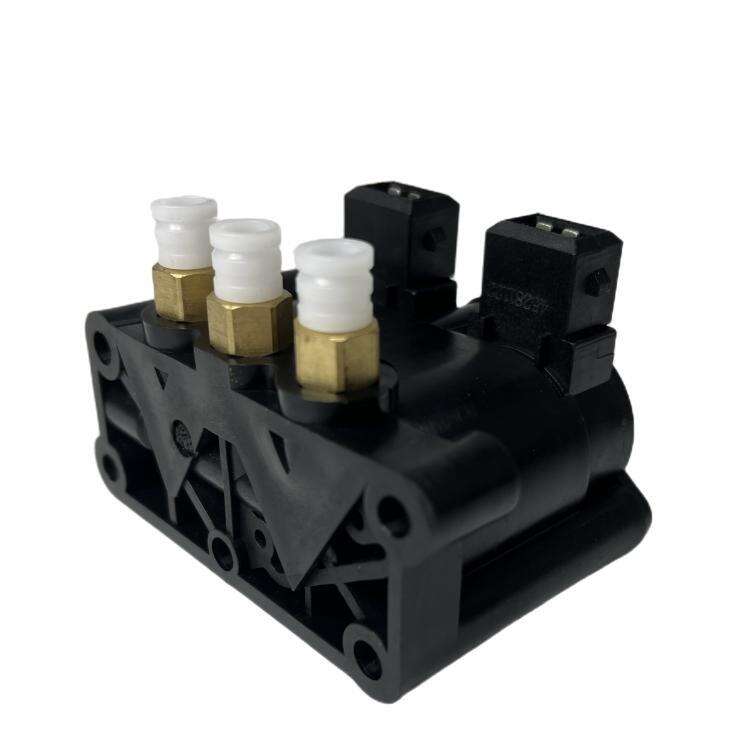
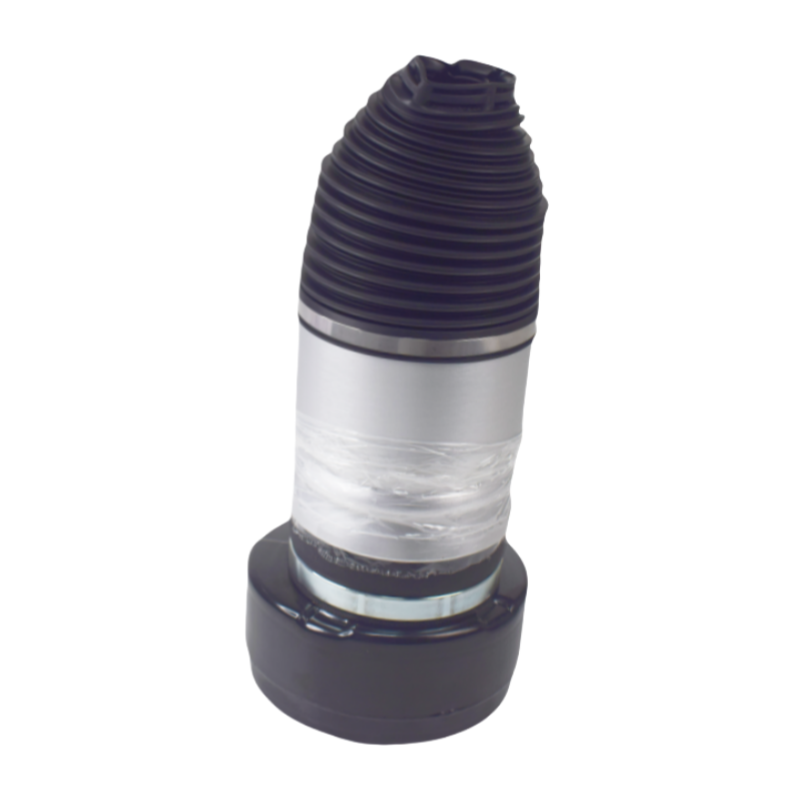
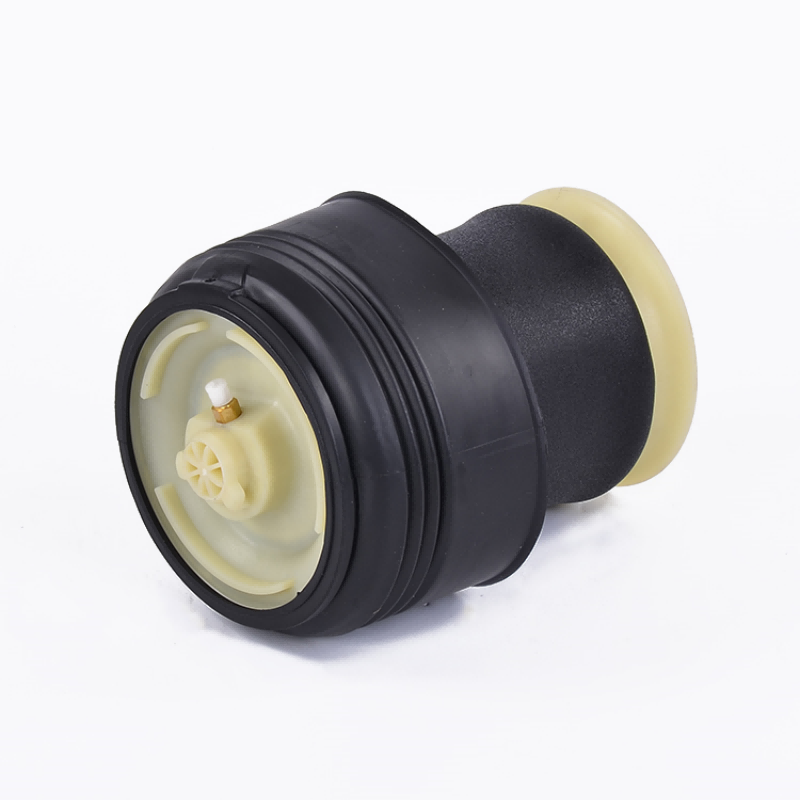
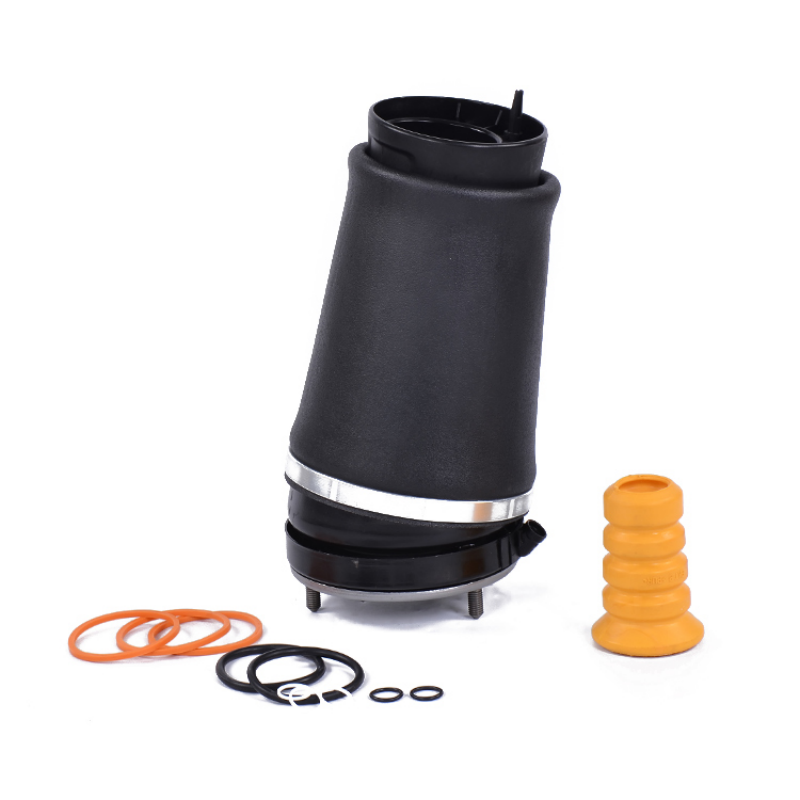
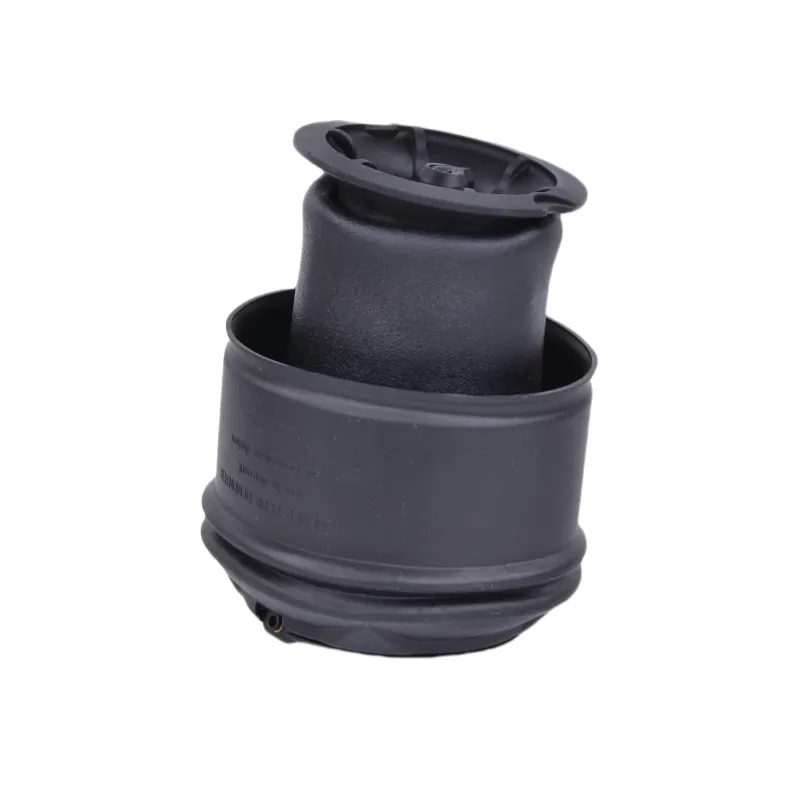
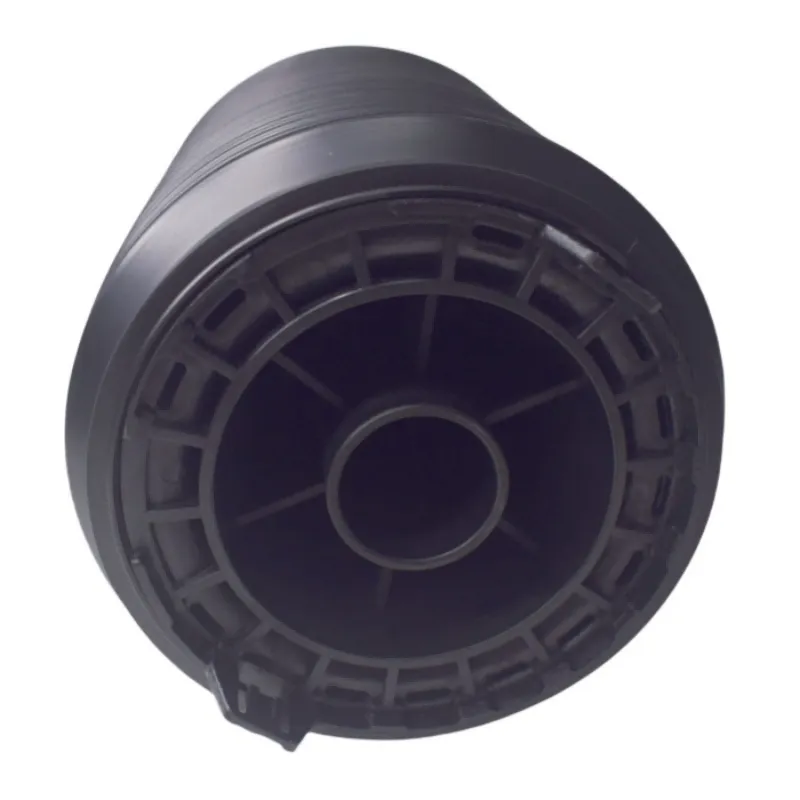
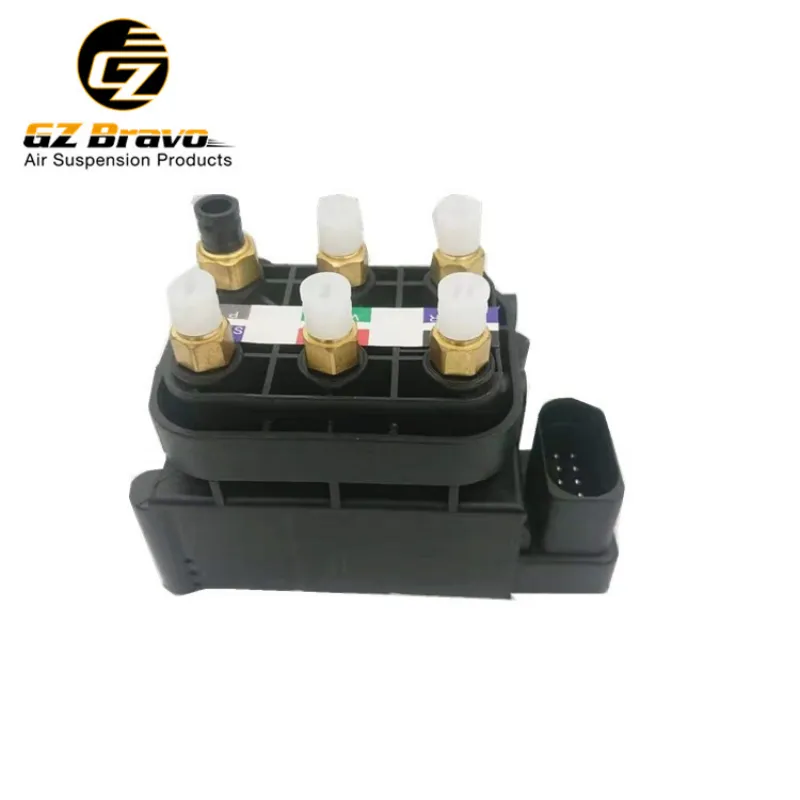
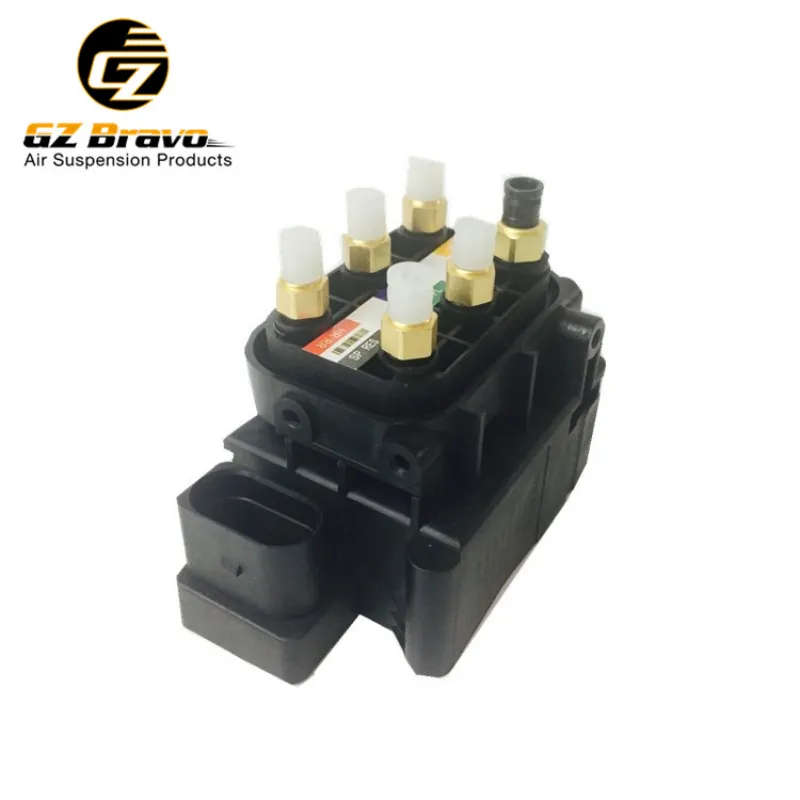
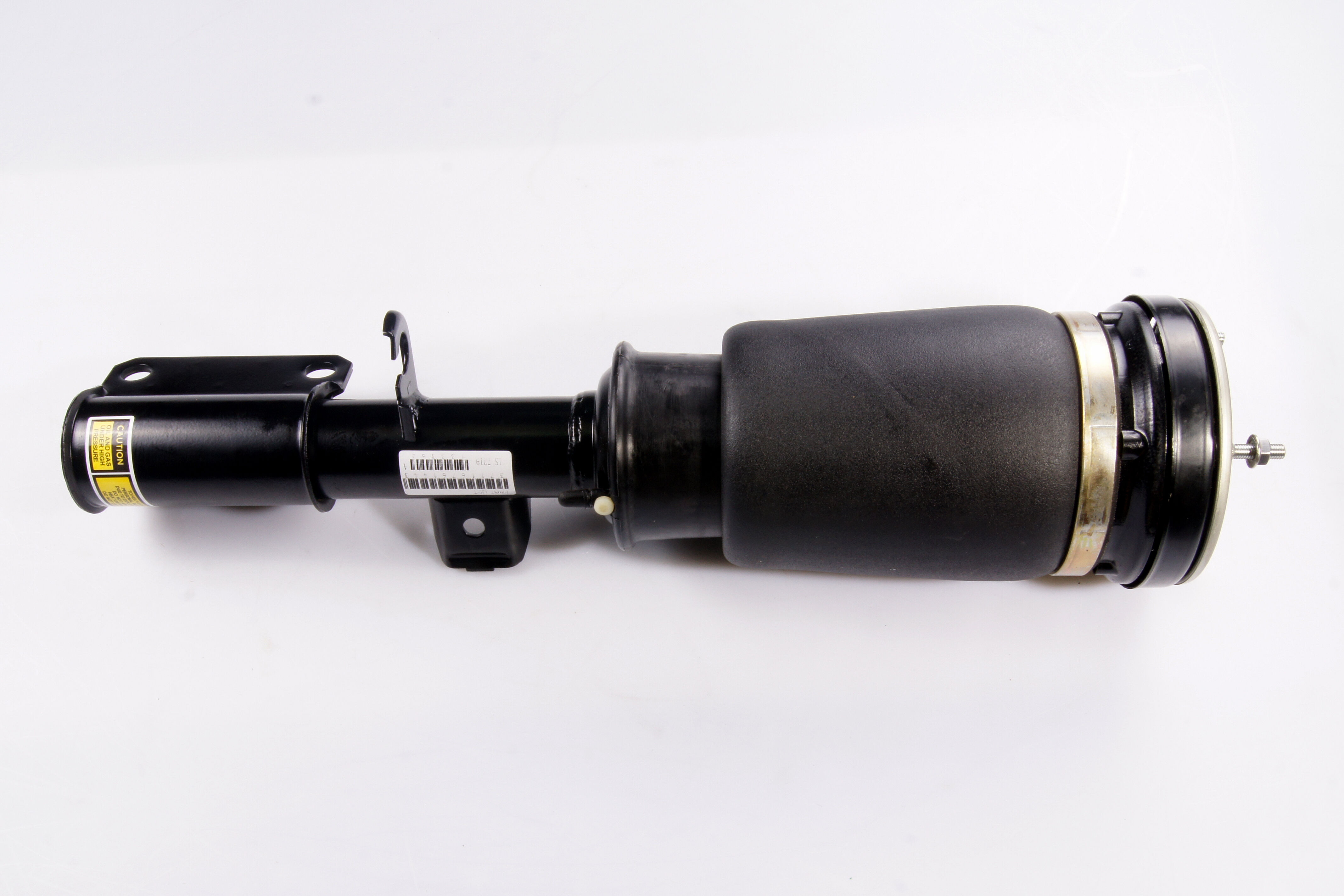
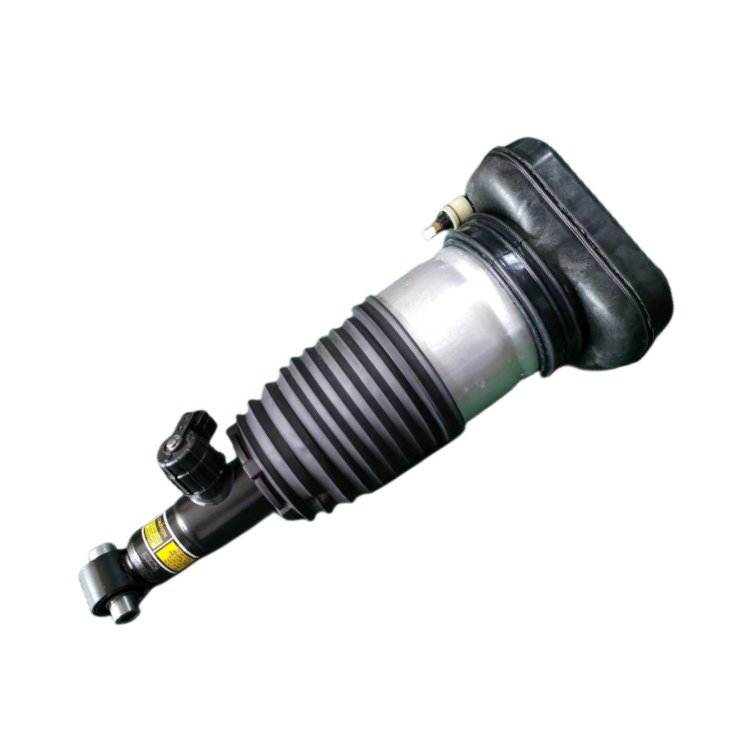
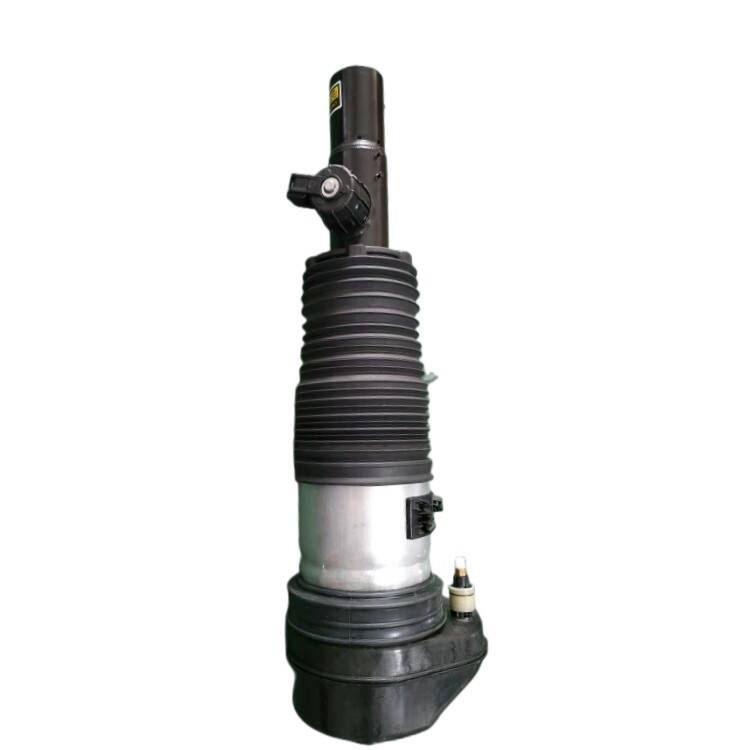
Adaptive air suspension represents a revolutionary advancement in automotive suspension technology that transforms how vehicles respond to road conditions and driver preferences. This sophisticated system replaces traditional coil springs with air-filled rubber bags, called air springs, which work in conjunction with electronic sensors and computerized control units to continuously monitor and adjust the vehicle's ride height and damping characteristics. The main functions of adaptive air suspension include automatic leveling, variable ride height adjustment, and real-time damping control that adapts to driving conditions within milliseconds. The technology features multiple sensors placed throughout the vehicle that measure parameters such as wheel position, vehicle speed, steering angle, acceleration forces, and road surface conditions. These sensors feed information to a central electronic control module that processes data instantly and commands air compressors and valves to adjust air pressure in each spring independently. The system can raise or lower the vehicle's chassis at the touch of a button or automatically based on driving mode selection. Applications of adaptive air suspension span across luxury sedans, high-performance sports cars, premium SUVs, and commercial vehicles where load-carrying capacity varies significantly. In luxury vehicles, this technology enhances comfort by isolating passengers from road imperfections while maintaining superior handling characteristics during spirited driving. Performance vehicles utilize adaptive air suspension to lower the center of gravity at high speeds for improved aerodynamics and stability, then raise the vehicle for navigating driveways and speed bumps. SUVs benefit tremendously from the load-leveling capability, maintaining consistent ride height whether empty or fully loaded with passengers and cargo. The technological features include multiple preset driving modes such as comfort, sport, and off-road settings, each optimizing suspension parameters for specific scenarios. Advanced systems incorporate predictive technology using cameras to scan the road ahead, pre-adjusting suspension settings before encountering obstacles. This proactive approach delivers an unprecedented combination of comfort and control that traditional suspension systems cannot match.

New Product Releases

The adaptive air suspension delivers remarkable benefits that directly enhance your daily driving experience in ways you will immediately notice and appreciate. First and foremost, this system provides exceptional comfort by absorbing road irregularities with remarkable efficiency, creating a smooth, quiet ride that makes every journey more pleasant regardless of distance. When you encounter potholes, expansion joints, or rough pavement, the system automatically adjusts within milliseconds to minimize impact harshness, protecting both passengers and cargo from jarring movements. This intelligent cushioning effect reduces driver fatigue on long trips and ensures passengers arrive refreshed rather than exhausted. Beyond comfort, the system dramatically improves vehicle handling and safety by maintaining optimal tire contact with the road surface at all times. During cornering, the suspension automatically stiffens to reduce body roll, keeping the vehicle planted and predictable even during aggressive maneuvers. This enhanced stability inspires confidence when navigating winding roads or making emergency lane changes. The adjustable ride height feature provides practical advantages in multiple scenarios throughout your ownership experience. You can raise the vehicle to navigate deep snow, rutted trails, or steep driveways without scraping the undercarriage, then lower it for easier passenger entry, improved fuel economy at highway speeds, or simplified cargo loading. Families particularly appreciate the lowered setting when helping elderly passengers or small children enter the vehicle safely. The load-leveling capability ensures your vehicle maintains proper stance and handling characteristics whether carrying one person or a full load of passengers and luggage. Traditional suspensions sag noticeably when loaded, compromising handling, headlight aim, and appearance, but adaptive air suspension automatically compensates to maintain factory-specified geometry. This feature proves invaluable when towing trailers, as the system prevents the rear from squatting and maintains proper weight distribution for safe, controlled towing. The system also extends tire life by ensuring even weight distribution and optimal tire-to-road contact patterns, saving money over the vehicle's lifetime. Additionally, the different driving modes allow you to customize the driving experience to match your mood or requirements, selecting a soft, luxurious feel for relaxed cruising or a firm, responsive setup for spirited driving on your favorite roads. The technology operates silently and seamlessly in the background, requiring no special knowledge or constant adjustment, making advanced suspension technology accessible and beneficial for all drivers regardless of their automotive expertise or enthusiasm level.

Practical Tips

Is air suspension suitable for off-road and heavy-duty driving conditions?

27

May

Is air suspension suitable for off-road and heavy-duty driving conditions?

When drivers and fleet managers consider upgrading or replacing their vehicle's suspension system, one question consistently rises to the top: is air suspension genuinely capable of handling the punishment of off-road terrain and heavy-duty workloads...
View More
Why do manufacturers adopt air suspension systems for luxury vehicle platforms?

27

May

Why do manufacturers adopt air suspension systems for luxury vehicle platforms?

The decision to adopt air suspension systems in luxury vehicle platforms is not an arbitrary engineering choice. It represents a deliberate commitment to delivering a driving experience that consistently exceeds passenger expectations, meets stringen...
View More
How does a solenoid valve block improve airflow management in suspension setups?

03

Jun

How does a solenoid valve block improve airflow management in suspension setups?

Modern air suspension systems depend on precise control of pressurized air to deliver the ride comfort and handling performance that drivers expect. At the center of this control architecture sits the solenoid valve block, a compact but critically im...
View More
How does a solenoid valve block improve suspension adjustment accuracy?

03

Jun

How does a solenoid valve block improve suspension adjustment accuracy?

Modern air suspension systems rely on a precise network of components to deliver a smooth, controlled ride — and at the heart of that network sits the solenoid valve block. This compact but critical assembly governs how compressed air is distri...
View More

Get a Free Quote

Our representative will contact you soon.
Email
Name
Company Name
Message
0/1000

adaptive air suspension

Intelligent Real-Time Adaptation for Superior Comfort and Control

Intelligent Real-Time Adaptation for Superior Comfort and Control

The cornerstone advantage of adaptive air suspension lies in its intelligent real-time adaptation capability, which fundamentally changes how your vehicle responds to constantly changing road conditions and driving situations. Unlike conventional suspension systems that use fixed spring rates and damping settings determined during manufacturing, adaptive air suspension employs sophisticated sensors and processors that monitor road conditions, vehicle dynamics, and driver inputs thousands of times per second. This continuous monitoring allows the system to identify exactly what the vehicle needs at any given moment and adjust accordingly before you even perceive a problem. When you encounter a pothole or road imperfection, sensors detect the wheel movement and instantly command the system to soften damping at that specific corner, absorbing the impact before it transfers to the cabin. Conversely, when you accelerate hard or enter a corner with enthusiasm, the system immediately recognizes these actions and stiffens damping to control body motion and maintain composure. This dual personality creates an ideal combination previously thought impossible, a suspension that feels luxuriously soft and compliant during normal driving yet transforms into a firm, controlled setup the moment spirited driving begins. The system analyzes steering inputs, brake applications, throttle position, and lateral acceleration to predict your intentions and prepare the suspension proactively rather than reactively. This predictive capability means the suspension is already optimized before dynamic maneuvers occur, delivering superior control and confidence. Advanced implementations include forward-facing cameras that scan the road surface ahead, identifying bumps, dips, and irregularities before the wheels reach them. The system then pre-adjusts suspension settings for each wheel independently, effectively allowing the vehicle to anticipate and prepare for road imperfections rather than simply reacting after impact. This technology represents a quantum leap in ride quality, delivering a magic carpet sensation where road imperfections seem to vanish beneath the vehicle. The intelligent adaptation extends to recognizing repetitive motions that could induce passenger discomfort, such as the rhythmic bouncing that occurs on certain road surfaces, and actively counteracts these frequencies to maintain a serene cabin environment regardless of pavement quality.
Customizable Ride Height for Enhanced Versatility and Practicality

Customizable Ride Height for Enhanced Versatility and Practicality

The adjustable ride height capability of adaptive air suspension transforms a single vehicle into multiple vehicles optimized for different scenarios, delivering unprecedented versatility that adapts to your changing needs throughout ownership. This feature allows you to electronically raise or lower the entire vehicle chassis by several inches, typically offering four to six distinct height settings ranging from a lowered sport position to a raised off-road mode. Each height setting serves specific practical purposes that enhance usability, safety, and efficiency in ways that dramatically expand your vehicle's capabilities. The raised position proves invaluable when navigating challenging terrain, deep snow, or poorly maintained roads where ground clearance becomes critical. By lifting the chassis several inches above its normal position, you gain confidence to traverse obstacles that would scrape or damage a fixed-height vehicle, protecting expensive undercarriage components and preventing embarrassing or costly incidents. This capability also improves approach, departure, and breakover angles, allowing you to navigate steep driveways, parking lot curbs, and trail obstacles without hesitation. Families and individuals with mobility considerations greatly appreciate the lowered entry mode, which drops the vehicle closer to the ground specifically to ease passenger entry and exit. This thoughtful feature reduces the step-up height by several inches, making access significantly easier for elderly family members, individuals with physical limitations, or small children who struggle with high vehicle sills. The lowered position also simplifies cargo loading, bringing the cargo floor closer to ground level and reducing the lifting height required for heavy or bulky items. At highway speeds, many systems automatically lower the vehicle to its most aerodynamic position, reducing wind resistance and improving fuel efficiency by several percent, saving money at the pump during long-distance travel. The sport or performance mode drops the vehicle to its lowest setting, lowering the center of gravity to improve handling response and reduce body roll during enthusiastic driving on winding roads or track events. This lowered stance also enhances visual appeal, giving the vehicle an aggressive, purposeful appearance that enthusiasts appreciate. The system remembers height settings and can automatically adjust based on vehicle speed, selected driving mode, or GPS location, raising automatically when you enter your steep driveway or lowering when you reach the highway, all without requiring conscious thought or manual adjustment from the driver.
Consistent Performance Through Automatic Load Leveling Technology

Consistent Performance Through Automatic Load Leveling Technology

The automatic load-leveling capability represents one of the most practical and valuable features of adaptive air suspension, ensuring your vehicle maintains optimal performance characteristics regardless of passenger count or cargo weight. Traditional suspension systems employ fixed-rate springs calibrated for average loading conditions, which means they compress noticeably when heavily loaded and perform optimally only within a narrow weight range. This compression affects multiple critical vehicle functions including handling dynamics, braking performance, headlight aim, and overall safety. Adaptive air suspension eliminates these compromises through intelligent load sensing and automatic adjustment that maintains factory-specified ride height and suspension geometry under all loading conditions. When you load luggage, passengers, or cargo into the vehicle, sensors immediately detect the increased weight and command the air compressor to add pressure to the air springs, raising the vehicle back to its optimal height within seconds. This automatic compensation ensures the suspension geometry remains correct, maintaining proper wheel alignment angles, camber, and caster settings that directly affect tire wear patterns and handling predictability. The consistent ride height means your headlights always aim correctly at the road ahead rather than pointing skyward when loaded, improving nighttime visibility and preventing you from blinding oncoming drivers. The maintained geometry also preserves optimal weight distribution across all four tires, ensuring predictable handling behavior and maximum braking effectiveness regardless of load. This consistency proves especially important for vehicles that experience dramatic load variations, such as SUVs that might carry one person during the morning commute but seven passengers plus luggage for weekend trips. Without load leveling, this variation would create dramatically different handling characteristics that require constant driver adaptation and compensation. Adaptive air suspension delivers identical handling feel whether empty or fully loaded, eliminating surprises and enhancing safety. The technology also benefits those who tow trailers regularly, as tongue weight from a trailer typically causes significant rear-end squat in conventional vehicles, disrupting weight distribution and creating dangerous handling imbalances. The automatic leveling system compensates instantly, maintaining proper stance and ensuring the vehicle remains balanced and controllable even with substantial trailer loads. This capability allows you to confidently utilize your vehicle's full towing capacity without compromising safety or control. The load-leveling function operates transparently in the background, requiring no driver input or adjustment, making this sophisticated technology completely accessible to all users regardless of their mechanical knowledge or automotive experience, while delivering tangible benefits every time the vehicle carries varying loads.

Get a Free Quote

Our representative will contact you soon.
Email
Name
Company Name
Message
0/1000