Audi Suspension Systems: Advanced Technology for Superior Comfort and Handling Performance

Get a Free Quote

Our representative will contact you soon.
Email
Name
Company Name
Message
0/1000

audi suspension

The Audi suspension system represents a cornerstone of automotive engineering excellence, designed to deliver an optimal balance between driving comfort, handling precision, and safety across diverse road conditions. At its core, the Audi suspension serves multiple critical functions that directly impact the driving experience. It absorbs road irregularities and vibrations, ensuring passengers enjoy a smooth, comfortable ride regardless of surface quality. Simultaneously, it maintains consistent tire contact with the road surface, maximizing traction for acceleration, braking, and cornering maneuvers. The system also plays a vital role in vehicle stability, controlling body roll during turns and preventing excessive pitch during acceleration or braking events. Audi suspension technology incorporates advanced materials and sophisticated engineering solutions that set it apart in the automotive landscape. Many Audi models feature adaptive damping systems that automatically adjust shock absorber firmness based on driving conditions and selected drive modes. This intelligent adaptation allows the suspension to transform from comfort-oriented softness during highway cruising to sport-tuned stiffness when spirited driving demands precise handling. The five-link front and rear suspension configurations found in numerous Audi vehicles provide superior wheel control compared to simpler designs, isolating each wheel's movement to minimize disturbances transferred to the cabin. Air suspension systems available on select models offer adjustable ride height, enabling drivers to raise the vehicle for off-road clearance or lower it for improved aerodynamics and handling at speed. The application of Audi suspension technology spans the entire model lineup, from compact sedans to performance SUVs. Each vehicle receives suspension tuning specifically calibrated for its intended purpose, whether prioritizing luxury comfort in the A8 flagship sedan or delivering track-focused agility in RS performance variants. This comprehensive approach ensures that every Audi suspension system delivers the brand's promise of sophisticated engineering and driving pleasure.

New Products

Choosing a vehicle equipped with Audi suspension delivers tangible benefits that enhance every aspect of your driving experience. The most immediate advantage you will notice is exceptional ride quality that transforms daily commutes and long journeys into remarkably comfortable experiences. The system filters out road imperfections with impressive effectiveness, preventing jarring impacts from reaching the cabin while maintaining the feedback necessary for confident vehicle control. This means you arrive at your destination feeling refreshed rather than fatigued, even after hours behind the wheel. Beyond comfort, Audi suspension provides superior handling characteristics that inspire confidence in all driving situations. The precise wheel control and responsive damping allow you to navigate curved roads with assurance, knowing the vehicle will respond predictably to steering inputs. This handling prowess does not come at the expense of everyday usability; the suspension remains compliant and forgiving during normal driving, only revealing its performance capabilities when you choose to explore them. Safety represents another crucial advantage of Audi suspension technology. The consistent tire contact maintained by the system ensures maximum grip for emergency braking and evasive maneuvers, potentially reducing stopping distances and improving accident avoidance capabilities. The stability control during cornering and lane changes provides an additional safety margin, particularly in adverse weather conditions where road surfaces become slippery. Owners of vehicles with adaptive Audi suspension enjoy remarkable versatility through selectable drive modes. You can prioritize comfort for relaxed cruising, switch to dynamic settings for engaging backroad drives, or select efficiency modes that optimize suspension settings for fuel economy. This adaptability means a single vehicle can serve multiple roles, eliminating compromises that would otherwise require owning separate vehicles for different purposes. The durability and longevity of Audi suspension components provide long-term value. Engineered to withstand years of use while maintaining performance standards, these systems minimize maintenance requirements and preserve the vehicle's handling characteristics throughout its lifespan. Quality materials resist corrosion and wear, ensuring components function properly even in harsh climates with salt exposure or extreme temperatures. For those who appreciate driving dynamics, Audi suspension delivers an engaging connection between driver and road. The system communicates surface conditions through carefully calibrated feedback, allowing you to read the road and adjust your driving accordingly. This involvement creates a more satisfying driving experience compared to systems that completely isolate occupants from road feel, striking an ideal balance between comfort and engagement that defines the Audi driving character.

Practical Tips

How does air suspension improve ride comfort in commercial vehicle applications?

27

May

How does air suspension improve ride comfort in commercial vehicle applications?

In commercial vehicle applications, driver comfort and cargo protection are not luxuries — they are operational necessities. Rough roads, heavy payloads, and long-haul routes place extraordinary stress on both the vehicle and the people inside ...
View More
Is air suspension suitable for off-road and heavy-duty driving conditions?

27

May

Is air suspension suitable for off-road and heavy-duty driving conditions?

When drivers and fleet managers consider upgrading or replacing their vehicle's suspension system, one question consistently rises to the top: is air suspension genuinely capable of handling the punishment of off-road terrain and heavy-duty workloads...
View More
How does air suspension enhance stability during high-speed driving operations?

27

May

How does air suspension enhance stability during high-speed driving operations?

When a vehicle travels at high speed, the margin for error shrinks dramatically. Every bump in the road, every shift in load distribution, and every gust of crosswind becomes a real threat to driver control. This is precisely where air suspension pro...
View More
Is a solenoid valve block essential for precise control in air suspension systems?

03

Jun

Is a solenoid valve block essential for precise control in air suspension systems?

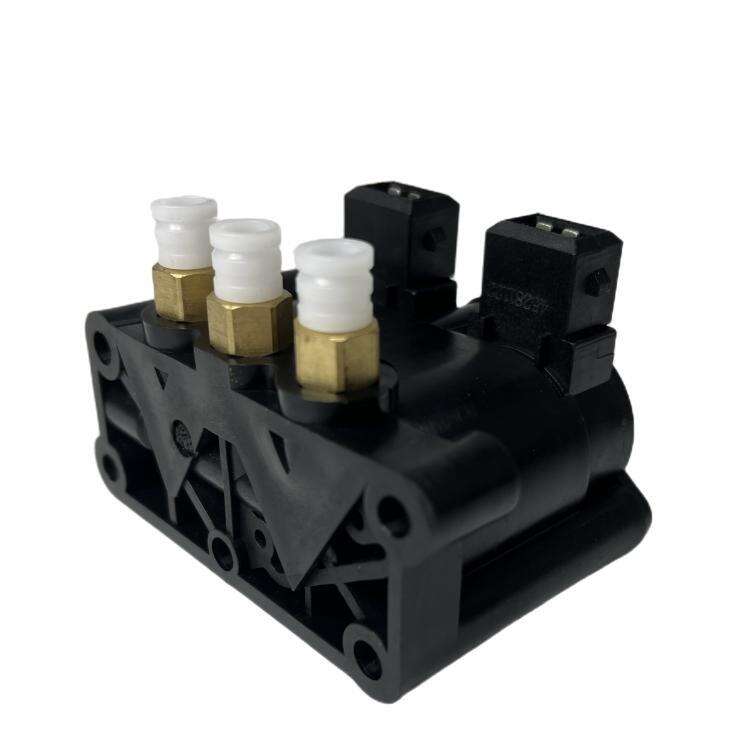
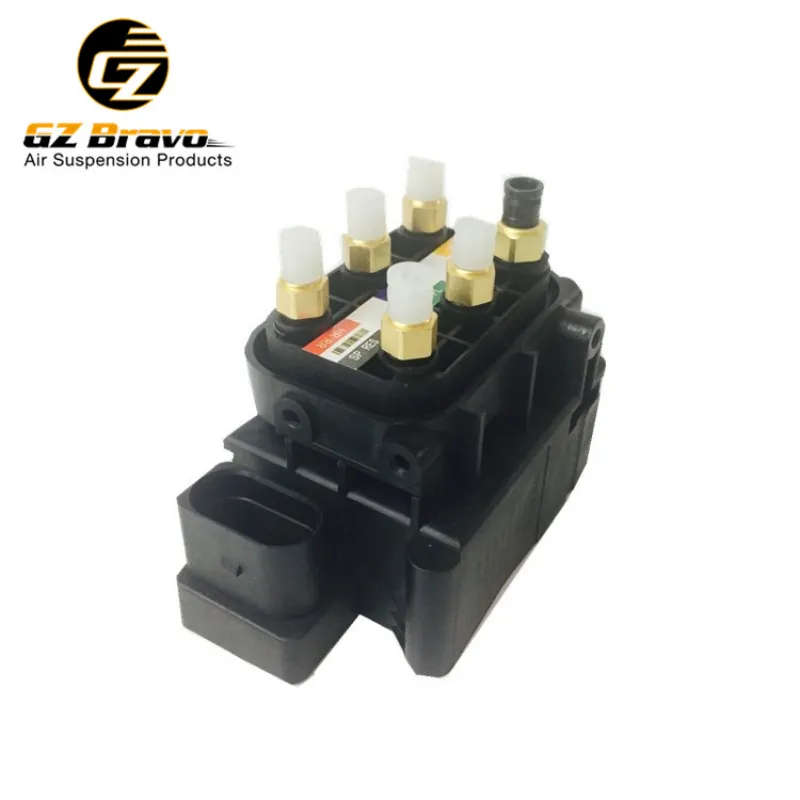
The question of whether a solenoid valve block is truly essential for precise control in air suspension systems is one that every vehicle owner, fleet manager, and automotive technician should understand clearly. Air suspension systems are complex, p...
View More

Get a Free Quote

Our representative will contact you soon.
Email
Name
Company Name
Message
0/1000

audi suspension

Adaptive Damping Technology: Intelligence That Responds to Your Driving

Adaptive Damping Technology: Intelligence That Responds to Your Driving

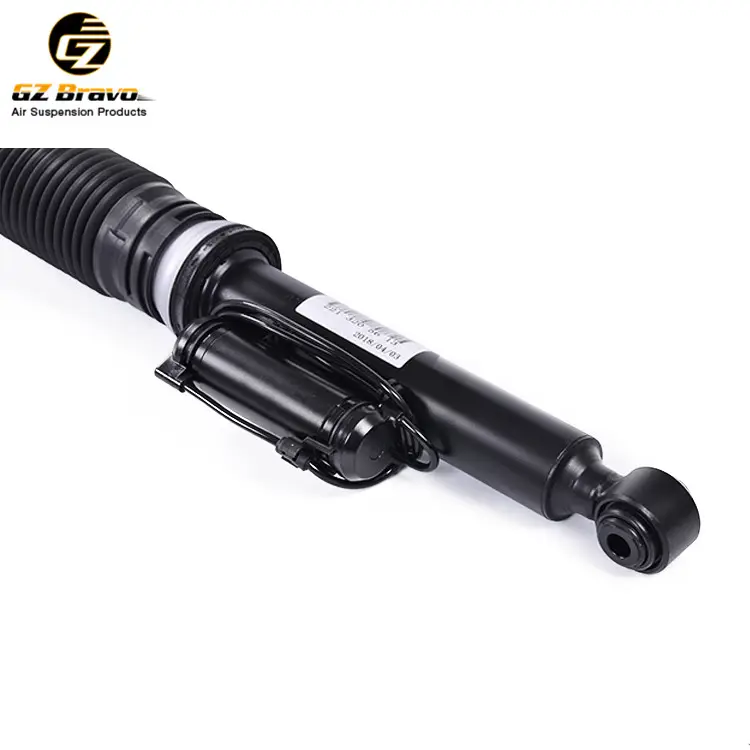
One of the most sophisticated features found in Audi suspension systems is adaptive damping technology, a breakthrough that fundamentally changes how vehicles respond to varying road conditions and driving demands. This system employs electronically controlled shock absorbers that can alter their damping characteristics in milliseconds, adjusting to road surfaces and driving style with remarkable precision. Sensors continuously monitor multiple parameters including wheel movement, vehicle speed, lateral acceleration, and steering angle, feeding this data to a control unit that calculates optimal damping settings hundreds of times per second. The practical benefit of this technology becomes evident the moment you encounter changing road surfaces. When driving on smooth highways, the adaptive Audi suspension softens damping to provide a luxurious, floating ride quality that isolates occupants from minor surface irregularities. The system allows the suspension to move freely, absorbing small bumps without transferring harshness to the cabin. However, when you approach a series of corners or transition to rougher pavement, the damping automatically firms up to control body movements and maintain tire contact. This prevents the vague, disconnected feeling that overly soft suspensions produce during dynamic driving. The intelligence extends to recognizing different driving scenarios. During hard braking, the system increases front damping to counteract nose dive while maintaining rear stability. When accelerating, it adjusts to minimize squat and keep the vehicle level. These automatic adjustments happen without driver intervention, creating an experience where the suspension always seems perfectly tuned for current conditions. Many Audi models allow you to manually select suspension settings through drive mode selectors, giving you direct control over the character of your drive. Comfort mode prioritizes plush absorption for relaxed cruising, while dynamic mode stiffens damping for sporty handling. This versatility means you are never locked into a single suspension personality, adapting the vehicle to match your mood and the driving situation. The technological sophistication of adaptive damping represents a significant advancement over conventional passive suspension systems that cannot adjust their behavior. Traditional suspensions require engineers to compromise between comfort and handling, typically landing somewhere in the middle that excels at neither. Adaptive Audi suspension eliminates this compromise, delivering the best of both worlds through intelligent real-time adjustment that responds to actual driving conditions rather than static calibration.
Multi-Link Suspension Architecture: Precision Through Advanced Geometry

Multi-Link Suspension Architecture: Precision Through Advanced Geometry

The structural foundation of Audi suspension performance lies in sophisticated multi-link architecture that provides superior wheel control compared to simpler suspension designs. This engineering approach employs multiple connection points and control arms for each wheel, creating a geometric arrangement that isolates vertical wheel movement from other directional forces. The result is exceptional handling precision, improved comfort, and enhanced tire wear characteristics that benefit both enthusiastic drivers and those prioritizing everyday usability. Understanding why multi-link Audi suspension delivers advantages requires examining how suspension geometry affects vehicle behavior. Simpler suspension designs with fewer connection points struggle to control wheel movement in all directions simultaneously. When a wheel encounters a bump, these systems may allow unwanted camber changes or toe angle shifts that reduce tire contact and compromise handling. The multi-link configuration uses additional arms and pivot points to maintain ideal wheel alignment throughout suspension travel, keeping the tire's contact patch optimally positioned regardless of road irregularities. This precise wheel control translates to noticeable real-world benefits. During cornering, the multi-link Audi suspension maintains proper camber angles that maximize the tire's contact area with the road surface, generating higher grip levels for faster, more confident turns. The system minimizes unwanted steering effects from suspension movement, preventing the vague or nervous handling characteristics that plague vehicles with less sophisticated designs. You experience this as predictable, linear steering response where the vehicle goes exactly where you point it, building confidence in the chassis and allowing you to drive with greater precision. Comfort also improves through multi-link architecture because the design better isolates wheel movements from the vehicle body. When one wheel encounters a bump or pothole, the multiple control arms absorb the impact through their geometric arrangement, preventing the disturbance from being transmitted to other wheels or the passenger compartment. This isolation is particularly noticeable on broken pavement where each wheel can react independently to surface irregularities without creating a harsh, jittery ride. The sophisticated geometry additionally benefits tire longevity by maintaining proper alignment throughout suspension travel. Wheels remain perpendicular to the road surface more consistently, ensuring even tire wear patterns that extend replacement intervals and reduce long-term operating costs. This attention to wheel control represents the engineering thoroughness that characterizes Audi suspension design, where performance considerations extend beyond immediate driving dynamics to encompass practical ownership factors.
Air Suspension Systems: Versatility That Adapts to Every Situation

Air Suspension Systems: Versatility That Adapts to Every Situation

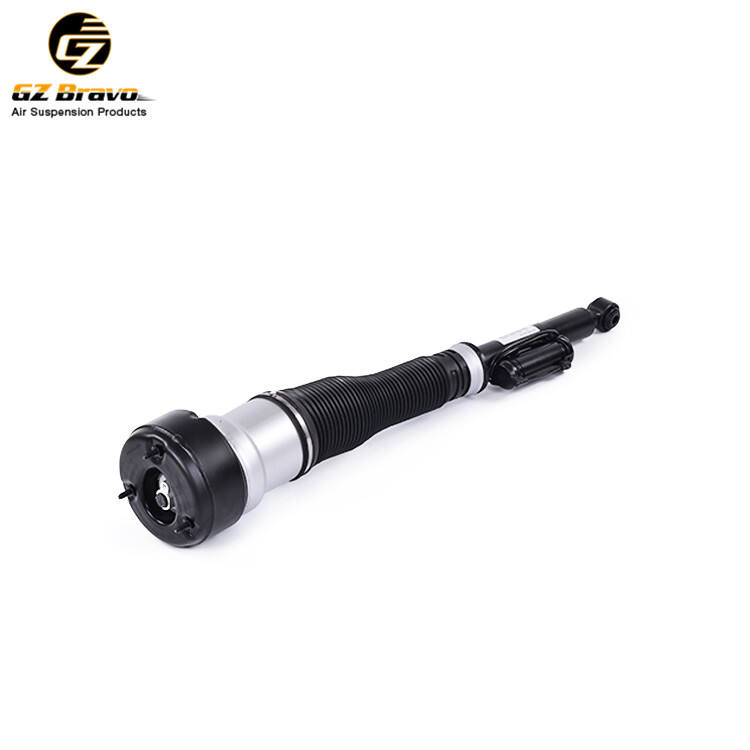
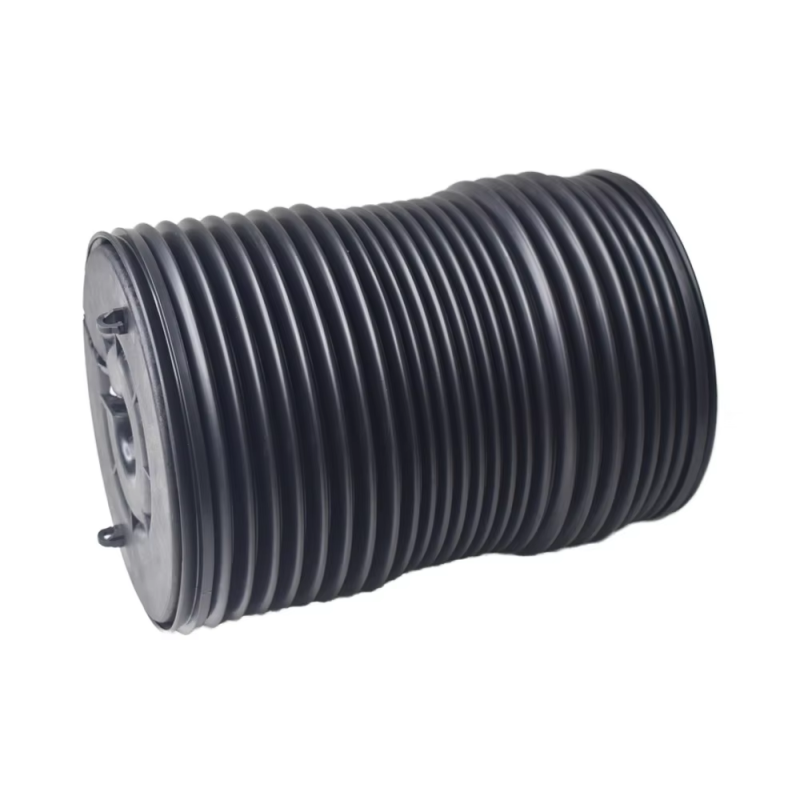
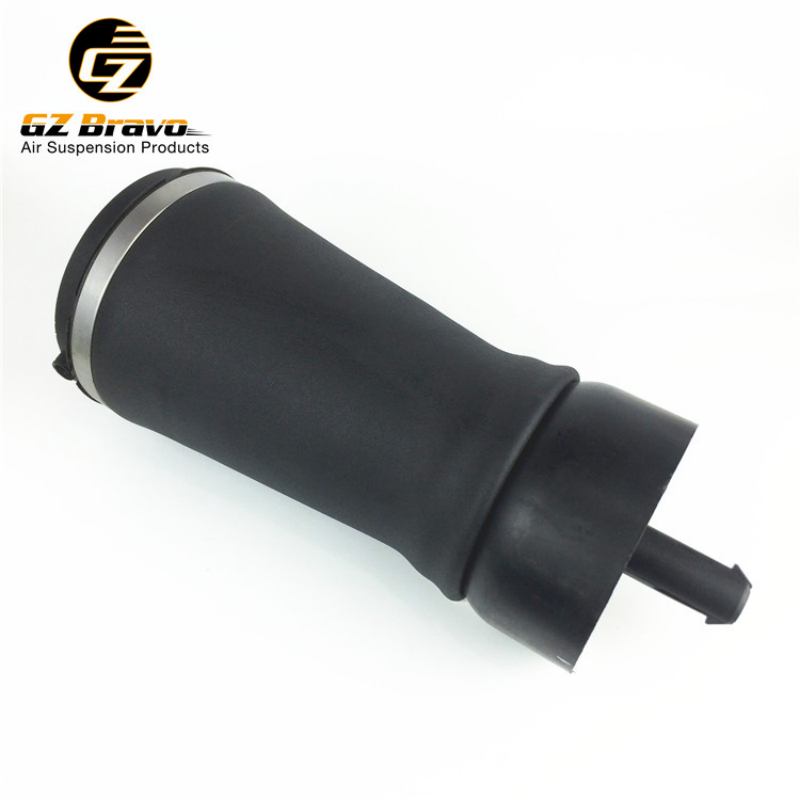
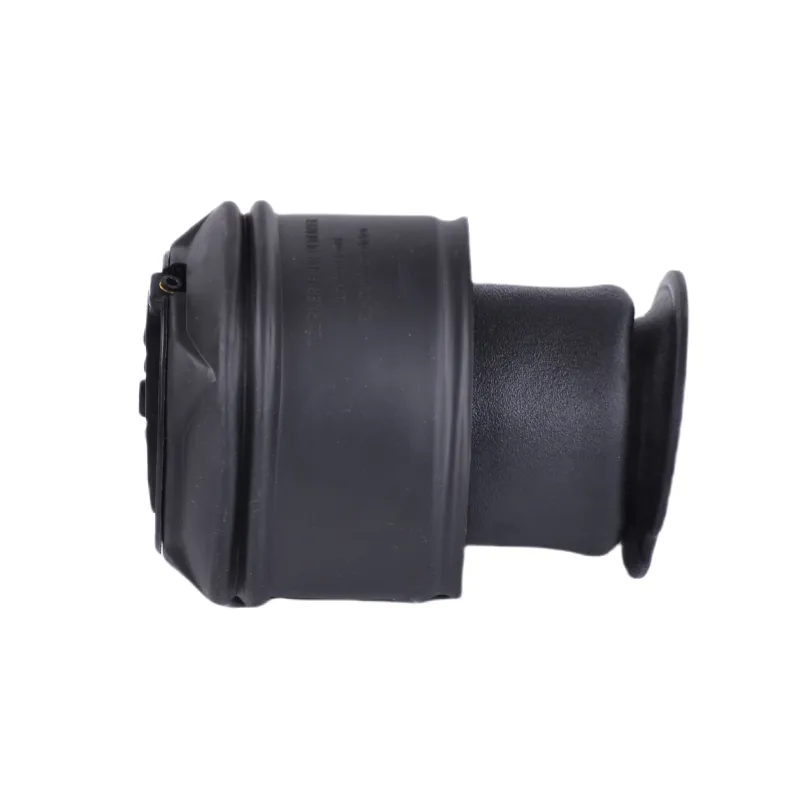
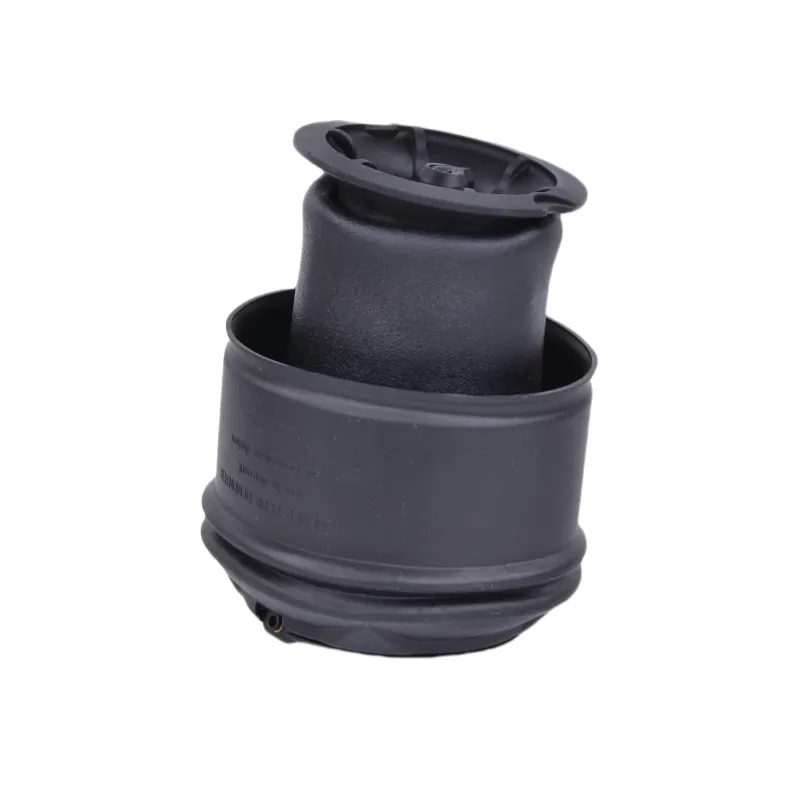
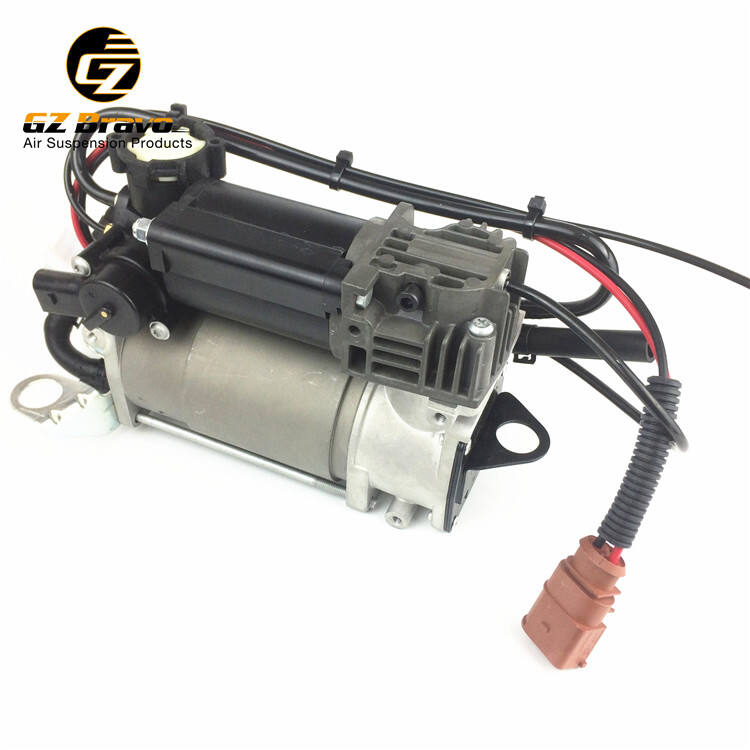
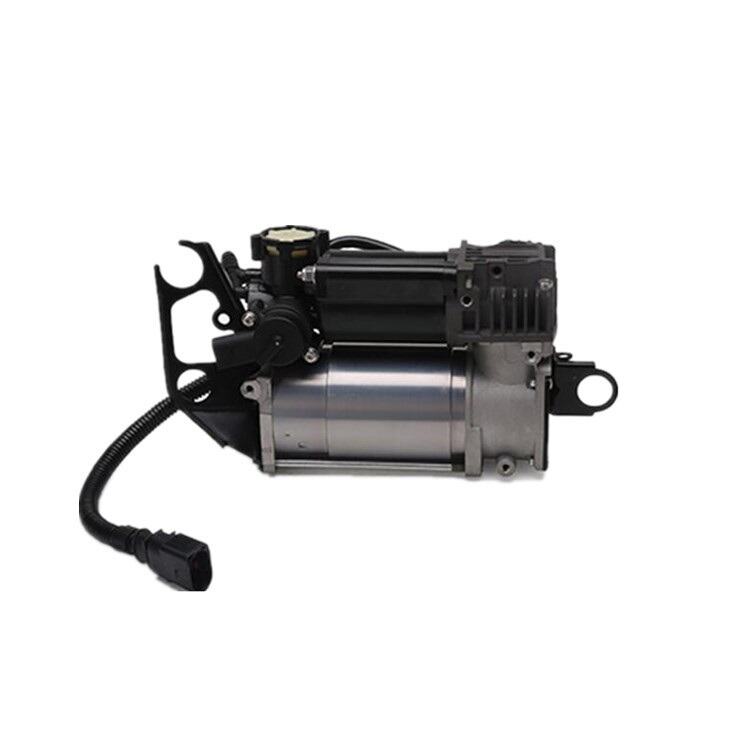
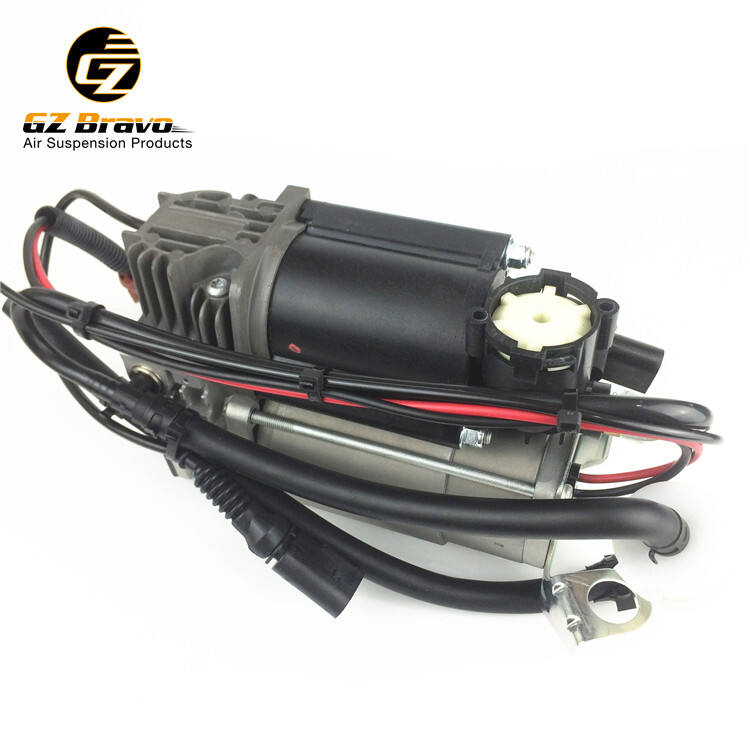
Available on select Audi models, air suspension represents the pinnacle of adaptable suspension technology, replacing conventional steel springs with air-filled chambers that offer adjustable ride height and damping characteristics. This system provides remarkable versatility that allows a single vehicle to transform its character for different situations, delivering capabilities that fixed suspension designs simply cannot match. The air suspension found in Audi vehicles demonstrates how advanced engineering can eliminate traditional compromises, creating a suspension system that excels across an unusually broad range of applications. The fundamental advantage of air Audi suspension lies in its ability to change ride height on demand. Airbags replace conventional coil springs, with an onboard compressor maintaining pressure that can be increased to raise the vehicle or decreased to lower it. This adjustability serves multiple practical purposes that enhance both capability and efficiency. When approaching obstacles like steep driveways, speed bumps, or off-road terrain, you can raise the suspension to increase ground clearance, preventing scrapes and expanding the vehicle's versatility. Conversely, at highway speeds, the system can automatically lower the body to reduce aerodynamic drag, improving fuel efficiency and high-speed stability. This automatic leveling capability also maintains consistent ride height regardless of passenger load or cargo weight, preventing the sagging rear end that occurs with conventional suspensions when heavily loaded. Beyond ride height adjustment, air suspension in Audi vehicles integrates with adaptive damping systems to provide an exceptionally wide range of ride characteristics. The combination allows extreme comfort settings where the air springs and soft damping create an almost magic carpet sensation, absorbing road irregularities with remarkable effectiveness. At the opposite end of the spectrum, sport settings lower the vehicle and firm both the air springs and dampers, creating handling characteristics that rival dedicated performance suspensions. This range means the vehicle can serve as a comfortable luxury cruiser for daily driving and transform into a capable handler for weekend driving enjoyment. The system intelligence extends to automatically adjusting for different situations without requiring driver input. When parked, some Audi air suspension systems can lower the vehicle to ease entry and exit, particularly beneficial for passengers with mobility limitations. Upon starting, the suspension rises to normal ride height. During driving, the system monitors speed and can adjust height and damping to optimize performance for current conditions. This seamless adaptation creates an experience where the suspension always seems perfectly configured, working invisibly in the background to enhance comfort, handling, and capability based on what you are doing at any given moment.


Get a Free Quote

Our representative will contact you soon.
Email
Name
Company Name
Message
0/1000