Jeep Grand Cherokee Suspension System: Complete Guide to Performance, Comfort & Capability

Get a Free Quote

Our representative will contact you soon.
Email
Name
Company Name
Message
0/1000

jeep grand cherokee suspension

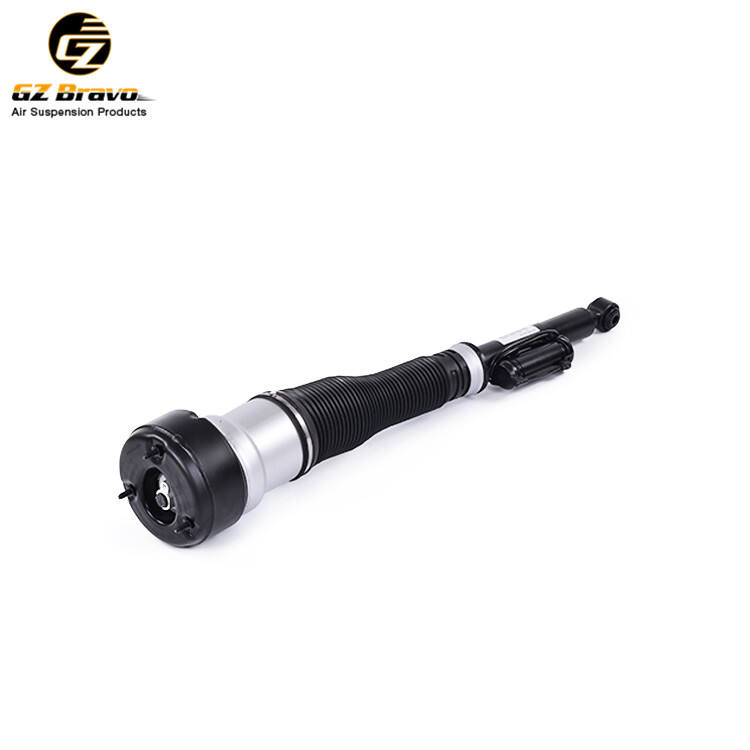
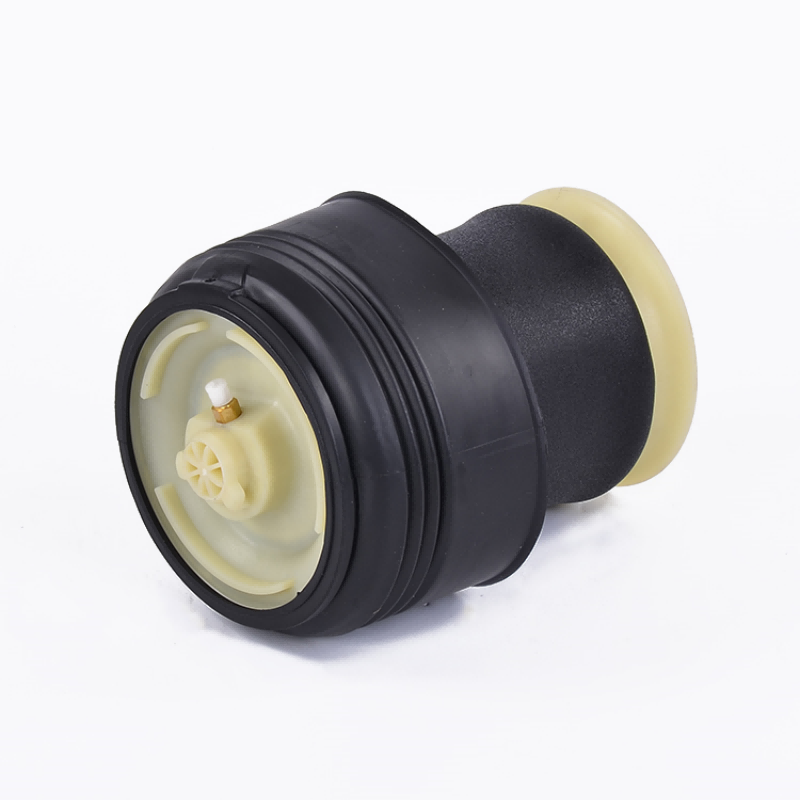
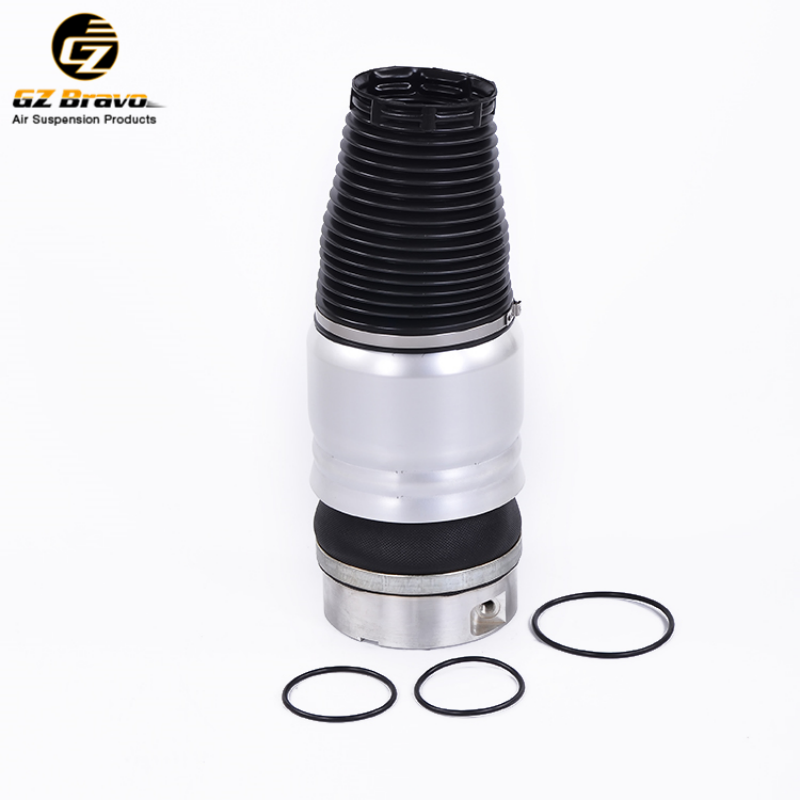
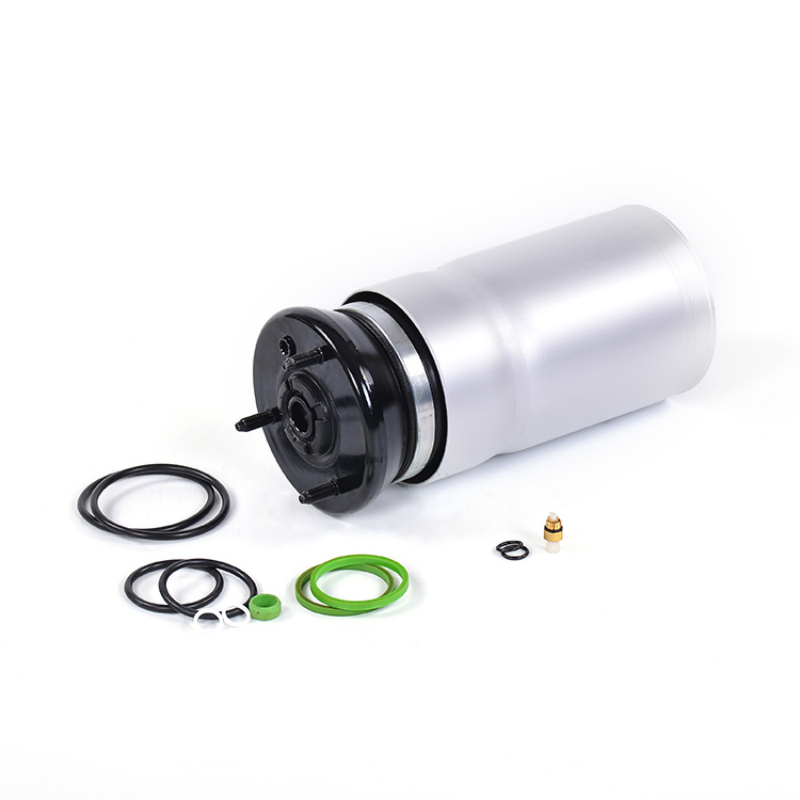
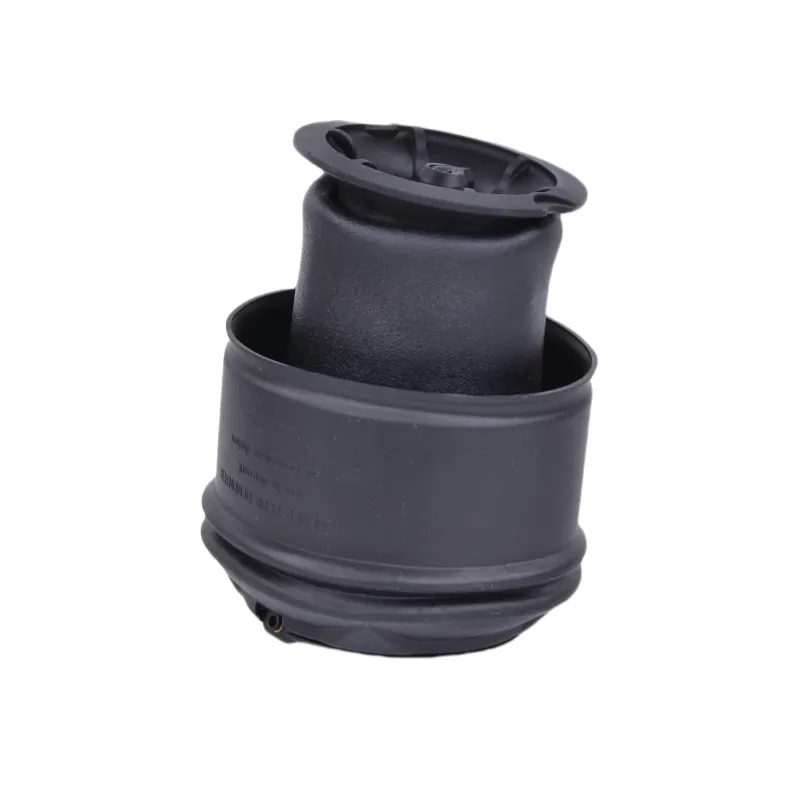
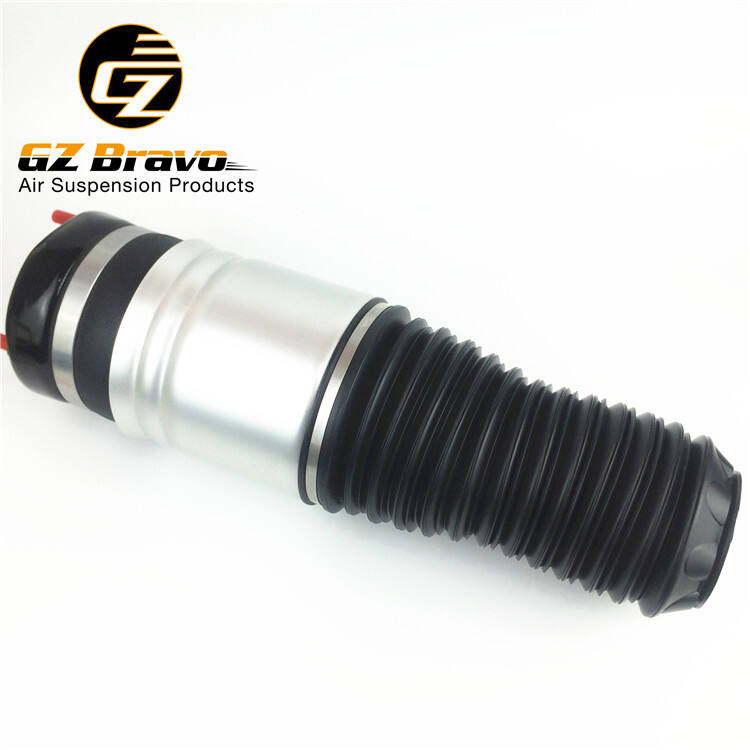
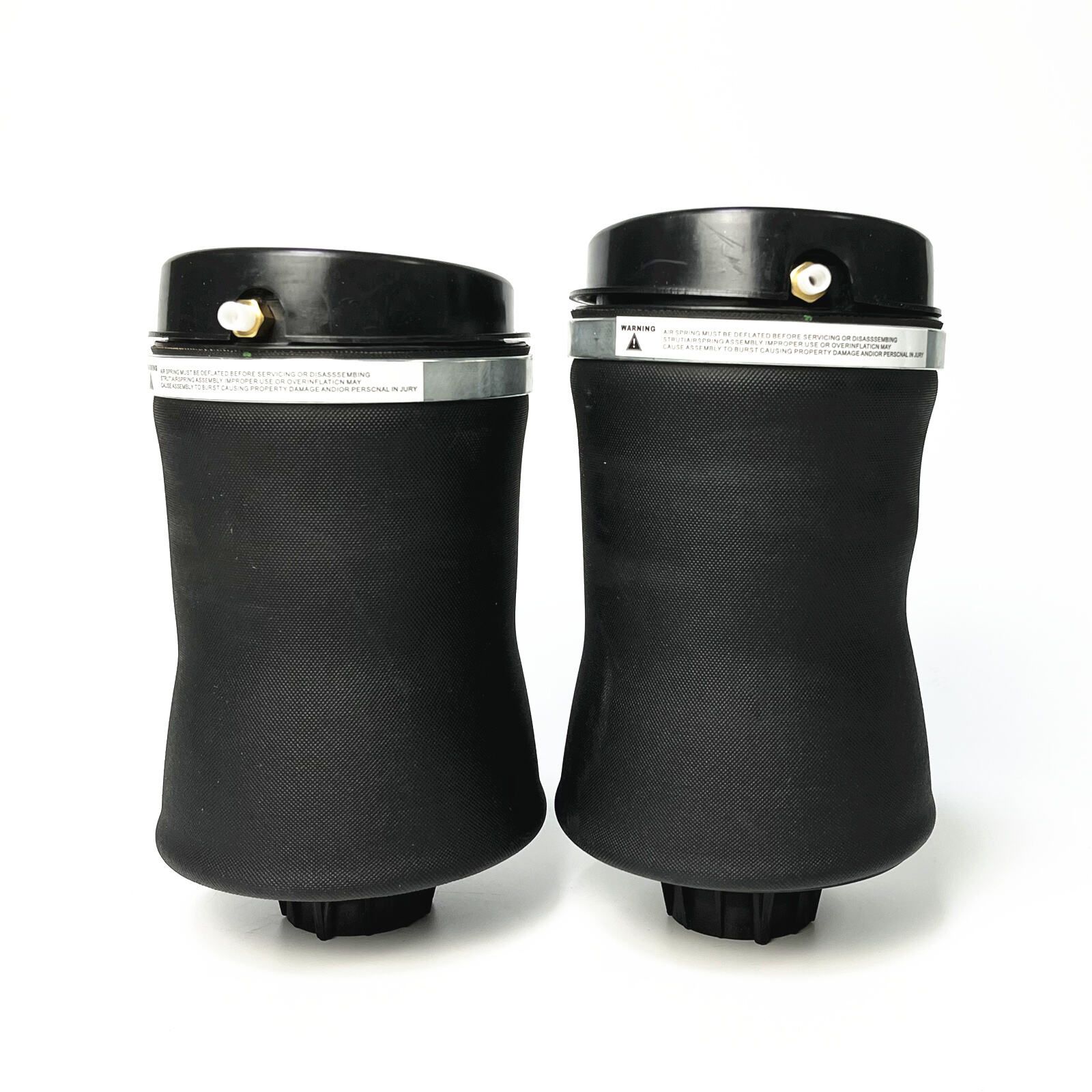
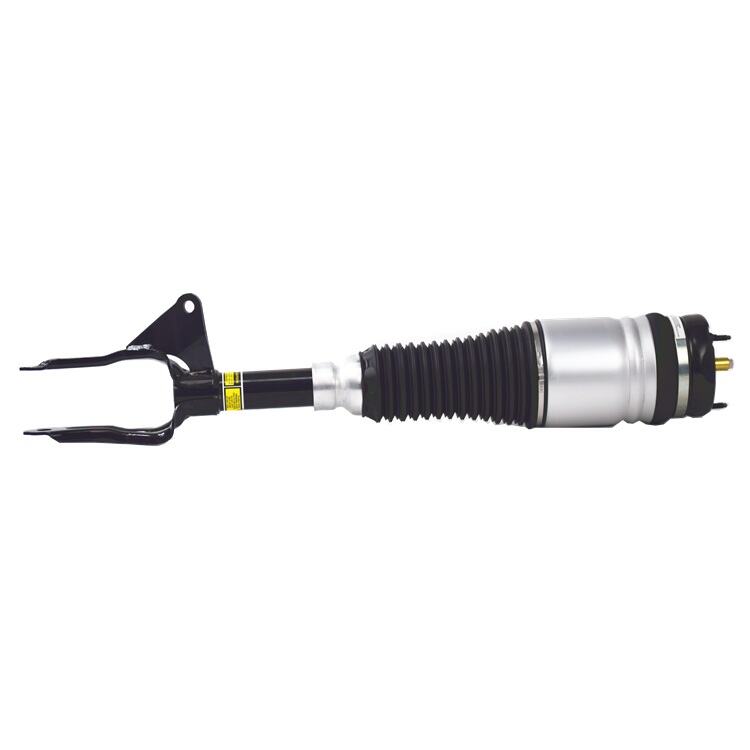
The Jeep Grand Cherokee suspension represents a sophisticated engineering achievement that balances comfort, capability, and control across diverse driving conditions. This suspension system serves as the critical link between the vehicle's chassis and wheels, managing vertical motion while maintaining tire contact with road surfaces. The primary functions include absorbing impacts from road irregularities, maintaining vehicle stability during cornering and braking, and providing a comfortable ride for passengers regardless of terrain. The Jeep Grand Cherokee suspension utilizes an independent front suspension paired with a multi-link rear suspension design, creating a foundation that excels in both on-road refinement and off-road capability. Advanced damping technology continuously adjusts to changing road conditions, while precisely engineered geometry ensures optimal wheel alignment throughout the suspension travel range. The system incorporates high-strength steel components and aluminum elements where weight reduction benefits performance without compromising durability. Applications span from daily commuting on paved highways to challenging off-road adventures, weekend camping trips, and towing scenarios where suspension performance becomes critical. The Jeep Grand Cherokee suspension integrates seamlessly with electronic stability control systems, all-wheel-drive mechanisms, and terrain management programs to deliver coordinated vehicle dynamics. Whether navigating urban environments with speed bumps and potholes, cruising on interstate highways at sustained speeds, or traversing rocky trails and steep inclines, this suspension architecture adapts to meet demands. The engineering philosophy behind the Jeep Grand Cherokee suspension prioritizes versatility, recognizing that owners require a vehicle capable of multiple roles without compromise in any single application.


New Product Releases

Owners of vehicles equipped with the Jeep Grand Cherokee suspension experience numerous practical benefits that enhance daily driving and special adventures alike. The suspension delivers exceptional ride quality by filtering out harsh impacts before they reach the cabin, transforming rough pavement into smooth travel that reduces fatigue on long journeys. This translates to passengers arriving at destinations feeling refreshed rather than exhausted from constant jarring and vibration. The system maintains precise steering response and predictable handling characteristics, giving drivers confidence when navigating winding roads or making emergency maneuvers to avoid obstacles. Unlike simpler suspension designs that compromise either comfort or capability, the Jeep Grand Cherokee suspension achieves both simultaneously through intelligent engineering and quality components. The multi-link rear suspension design allows each wheel to react independently to terrain variations, preventing disturbances on one side from affecting the opposite wheel and maintaining better overall stability. This independence proves invaluable when driving on uneven surfaces where one wheel encounters a pothole while others remain on smooth pavement. The suspension geometry reduces body roll during cornering, keeping the vehicle flat and composed even when taking curves at higher speeds, which enhances both safety and driving enjoyment. Ground clearance remains sufficient for light off-road use without requiring modifications, enabling spontaneous adventures down unpaved roads without concern for bottoming out or damaging undercarriage components. The durability of components means fewer repairs and replacements over the vehicle's lifespan, reducing ownership costs and minimizing inconvenient breakdowns. Towing becomes more manageable as the suspension helps control trailer sway and maintains level vehicle attitude even when pulling heavy loads, expanding the practical utility of the vehicle. The Jeep Grand Cherokee suspension adapts to load conditions, whether carrying passengers, cargo, or both, maintaining consistent ride height and handling characteristics regardless of weight distribution. This adaptability eliminates the need for manual adjustments or aftermarket modifications that other vehicles might require. The system integrates with advanced driver assistance features, working in concert with electronic aids to maximize safety during emergency situations when quick suspension response becomes critical for maintaining control and preventing accidents.

Latest News

Is air suspension suitable for off-road and heavy-duty driving conditions?

27

May

Is air suspension suitable for off-road and heavy-duty driving conditions?

When drivers and fleet managers consider upgrading or replacing their vehicle's suspension system, one question consistently rises to the top: is air suspension genuinely capable of handling the punishment of off-road terrain and heavy-duty workloads...
View More
Why do manufacturers adopt air suspension systems for luxury vehicle platforms?

27

May

Why do manufacturers adopt air suspension systems for luxury vehicle platforms?

The decision to adopt air suspension systems in luxury vehicle platforms is not an arbitrary engineering choice. It represents a deliberate commitment to delivering a driving experience that consistently exceeds passenger expectations, meets stringen...
View More
Is a solenoid valve block essential for precise control in air suspension systems?

03

Jun

Is a solenoid valve block essential for precise control in air suspension systems?

The question of whether a solenoid valve block is truly essential for precise control in air suspension systems is one that every vehicle owner, fleet manager, and automotive technician should understand clearly. Air suspension systems are complex, p...
View More
Can a solenoid valve block support fast response in adaptive suspension systems?

03

Jun

Can a solenoid valve block support fast response in adaptive suspension systems?

When engineers and automotive specialists evaluate the performance ceiling of adaptive suspension systems, one component consistently emerges as a critical enabler of real-time responsiveness: the solenoid valve block. In air suspension architectures...
View More

Get a Free Quote

Our representative will contact you soon.
Email
Name
Company Name
Message
0/1000

jeep grand cherokee suspension

Advanced Multi-Link Rear Suspension Architecture

Advanced Multi-Link Rear Suspension Architecture

The Jeep Grand Cherokee suspension employs a sophisticated multi-link rear suspension configuration that represents a significant advancement over traditional solid axle or simpler independent designs. This architecture utilizes multiple control arms and links positioned at carefully calculated angles to manage wheel motion throughout the suspension travel range. Each rear wheel connects to the chassis through five separate links, creating a kinematic system that controls wheel movement in all directions with precision. The upper and lower control arms manage vertical motion and maintain proper camber angles, while lateral links control side-to-side positioning and prevent unwanted steering effects from rear suspension movement. A trailing arm handles longitudinal forces during acceleration and braking, isolating these forces from other suspension functions. This separation of duties allows engineers to optimize each link for its specific role without compromise. The geometry creates a virtual pivot point that changes position throughout suspension travel, automatically adjusting suspension characteristics to match current conditions. During normal highway driving, the Jeep Grand Cherokee suspension provides compliant ride quality by allowing generous wheel travel over minor surface irregularities. When cornering forces increase, the geometry stiffens progressively to resist body roll and maintain tire contact patches at optimal angles for maximum grip. The multi-link design also enables precise toe control throughout suspension articulation, preventing the rear wheels from steering themselves during compression or extension cycles that would create unstable handling. This level of control proves especially valuable during emergency maneuvers when predictable vehicle response becomes critical for accident avoidance. The independent nature of this Jeep Grand Cherokee suspension design means that bumps affecting one rear wheel do not transmit through a solid axle to disturb the opposite wheel, resulting in superior ride comfort and stability on uneven surfaces. Off-road capability benefits tremendously as individual wheels can droop into depressions or climb over obstacles without lifting the opposite wheel off the ground, maintaining better traction in challenging terrain. The system accommodates significant wheel travel without binding or reaching geometric limits that would compromise performance, giving the vehicle impressive articulation for a modern SUV.
Adaptive Damping and Ride Comfort Optimization

Adaptive Damping and Ride Comfort Optimization

The damping system within the Jeep Grand Cherokee suspension represents a critical component that determines ride quality, handling precision, and overall vehicle behavior across varying conditions. Modern shock absorbers utilize advanced valving technology that automatically adjusts damping force in response to suspension velocity and amplitude. When the suspension encounters small, high-frequency inputs like chip seal pavement texture, the dampers remain relatively soft to absorb these minor disturbances without transmitting harshness to the vehicle structure. As suspension velocities increase from larger bumps or more aggressive driving, the damping force increases progressively to control body motion and prevent excessive oscillation. This velocity-sensitive damping creates a suspension character that feels supple over small irregularities yet remains controlled during more aggressive maneuvers. The Jeep Grand Cherokee suspension dampers feature separate compression and rebound valving circuits, allowing independent optimization of each stroke direction. Compression damping controls how quickly the suspension compresses when encountering bumps, with softer compression allowing the wheel to rise quickly and absorb the impact without jolting occupants. Rebound damping controls extension speed as the suspension returns to ride height after compression, preventing the vehicle from bouncing or porpoising after hitting bumps. Engineers calibrate these damping curves through extensive testing on various road surfaces and driving conditions to achieve an ideal balance. The physical construction of dampers includes precision-machined pistons with carefully sized orifices that control fluid flow, creating consistent performance throughout the operating temperature range. Gas charging prevents damper fluid from foaming during high-frequency operation, maintaining performance consistency even during extended periods of rough road driving. The monotube or twin-tube design choices reflect specific performance priorities, with each configuration offering distinct advantages for the Jeep Grand Cherokee suspension application. Mounting locations and angles result from careful optimization to minimize side loading and maximize effective damping along the wheel's primary motion path. This attention to damper placement ensures that the full capability of these components translates into real-world performance benefits rather than being compromised by poor geometric integration.
Structural Integration and Load Path Engineering

Structural Integration and Load Path Engineering

The structural aspects of the Jeep Grand Cherokee suspension extend beyond individual components to encompass how forces transfer through the system into the vehicle chassis. Load path engineering determines how suspension forces distribute throughout the structure, affecting everything from ride quality to long-term durability and crash safety performance. The front suspension towers connect to reinforced areas of the unibody structure, creating stiff mounting points that resist deflection under load while the surrounding structure provides energy absorption during frontal impacts. These mounting locations position the suspension geometry optimally for both ride comfort and handling precision, with engineers considering factors like roll center height, scrub radius, and caster angle during the design phase. The rear suspension subframe bolts to the main chassis through isolated mounting points that include elastomeric bushings, creating a filtered connection that blocks high-frequency vibrations from reaching the passenger compartment. This subframe carries all rear suspension loads while providing a stable foundation for consistent geometry throughout suspension travel. The Jeep Grand Cherokee suspension utilizes hydroformed steel tubes and precision stampings for control arms, creating components that offer high strength-to-weight ratios and enable complex shapes impossible with traditional manufacturing methods. Aluminum components appear in select locations where unsprung weight reduction provides measurable benefits to ride quality and handling response, as lighter suspension components react more quickly to road surface changes. Bushing selection and placement represent critical decisions that balance compliance for comfort against precision for handling, with different durometer ratings and bushing designs at various locations throughout the Jeep Grand Cherokee suspension system. Some bushings allow controlled deflection to absorb minor inputs while others provide rigid connections where movement would compromise handling precision. The spring mounting points and shock tower structures undergo extensive finite element analysis to ensure adequate strength under maximum load conditions while minimizing mass. Cross-car structural members tie the left and right suspension mounting points together, creating a rigid foundation that prevents asymmetric loading from causing chassis flex that would alter suspension geometry. These beams also contribute to overall vehicle torsional rigidity, which enhances handling precision and impact safety performance. The entire Jeep Grand Cherokee suspension integration demonstrates how modern vehicle engineering considers countless interrelated factors simultaneously to achieve performance targets across multiple domains without compromise.

Get a Free Quote

Our representative will contact you soon.
Email
Name
Company Name
Message
0/1000