Adaptive Suspension Technology: Enhanced Comfort, Performance & Safety

Get a Free Quote

Our representative will contact you soon.
Email
Name
Company Name
Message
0/1000

adaptive suspension

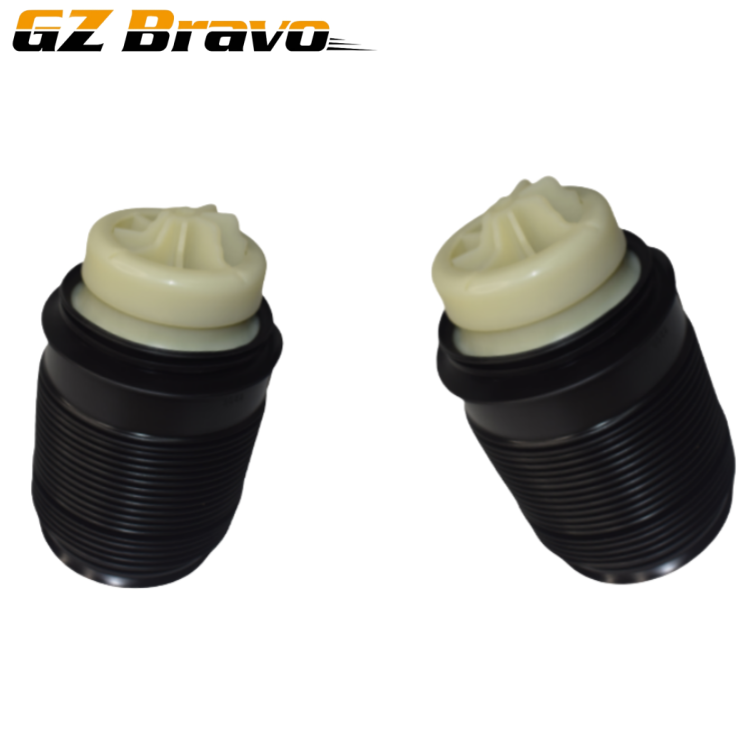
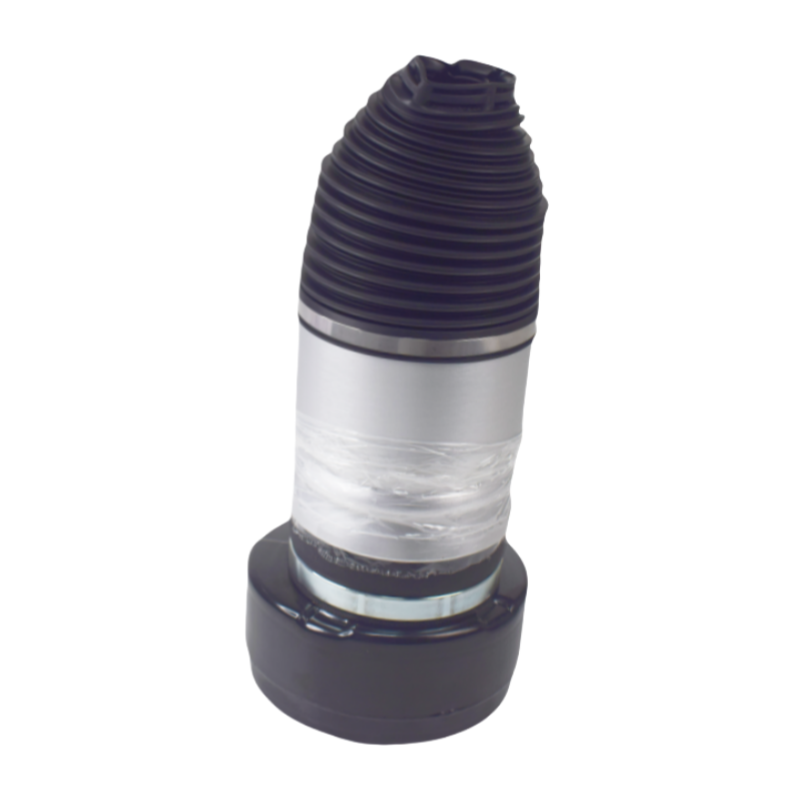
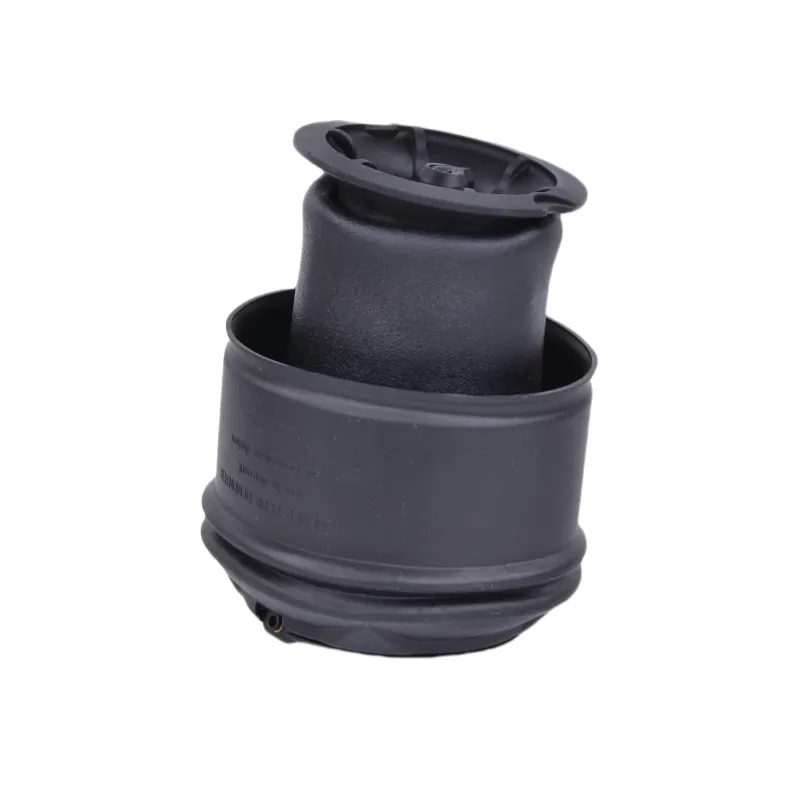
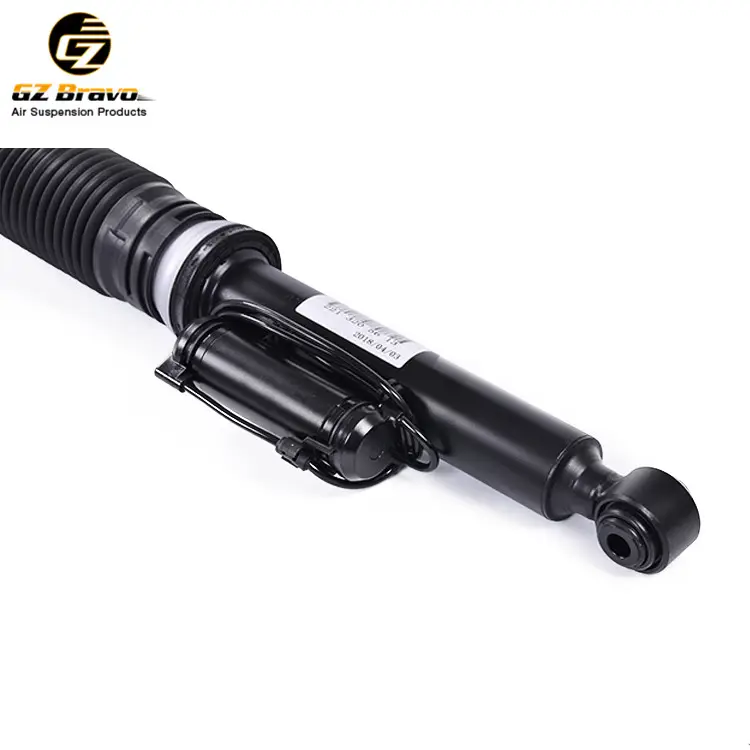
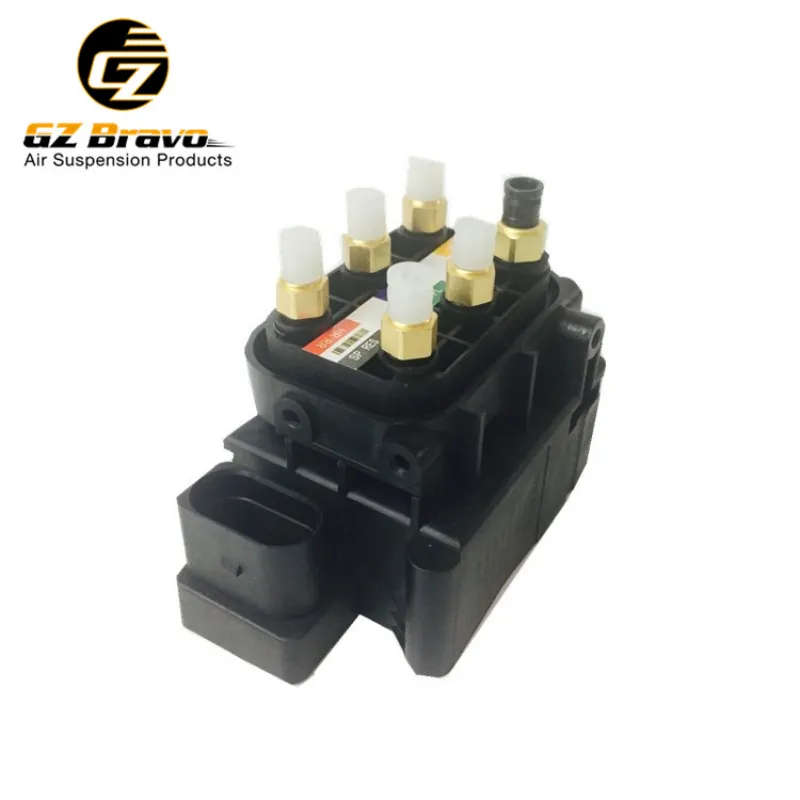
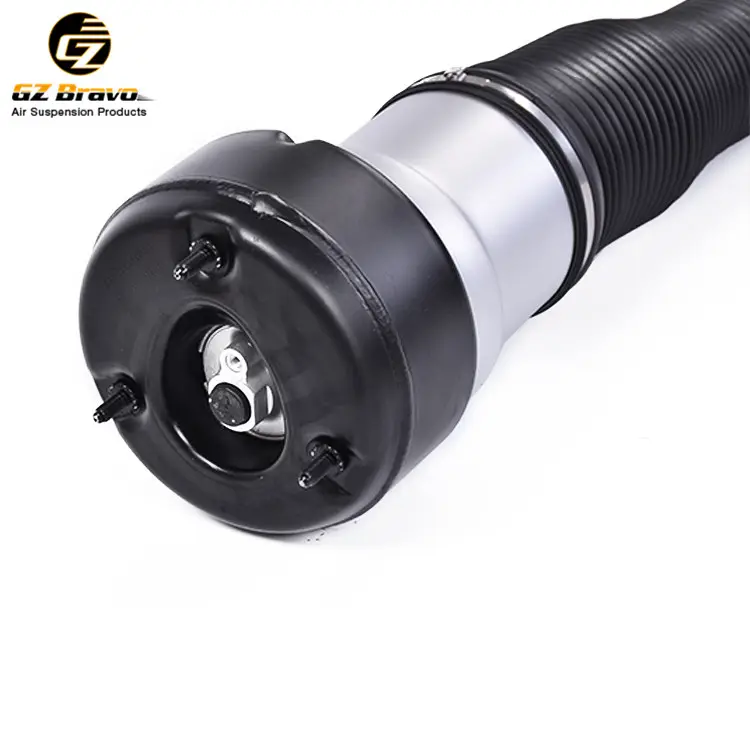
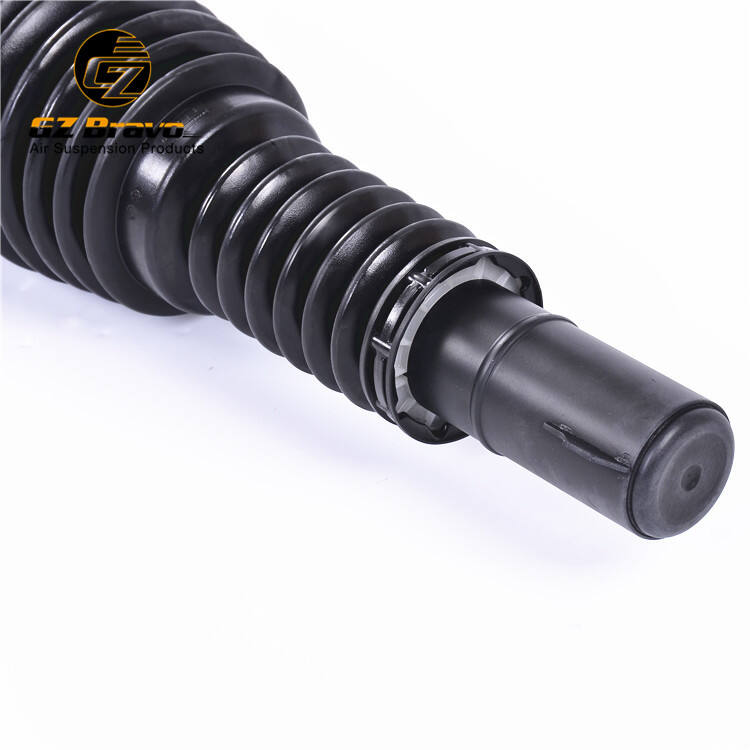
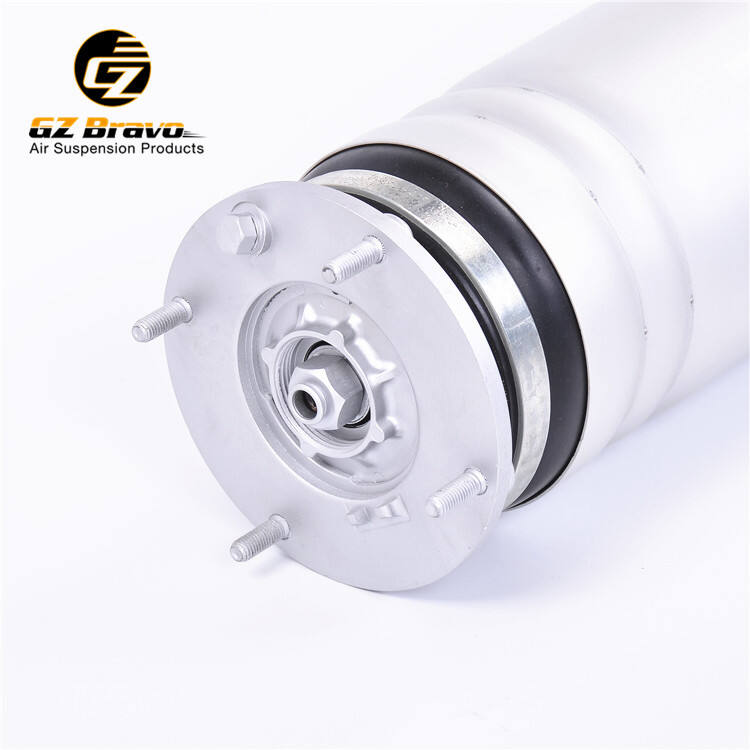
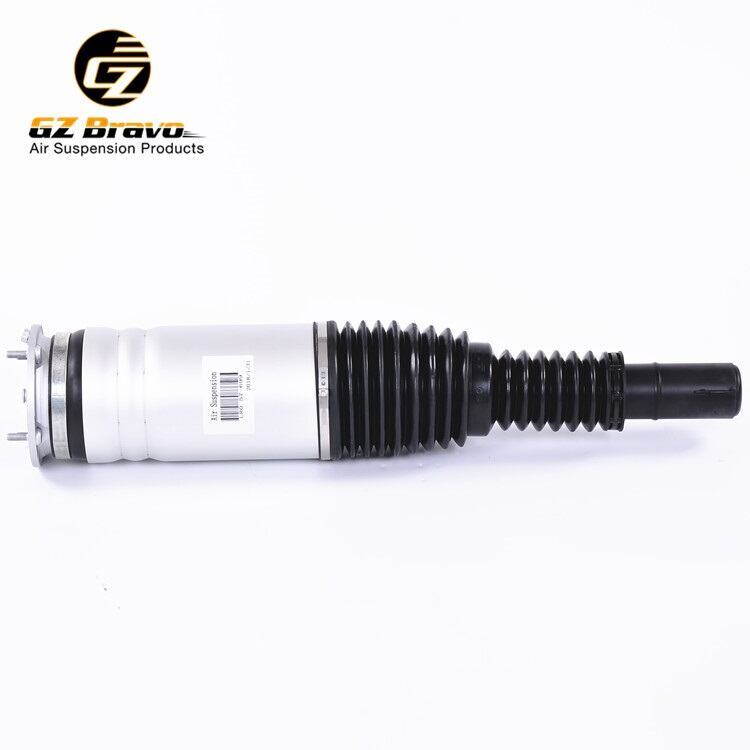
Adaptive suspension represents a revolutionary advancement in vehicle ride control technology that automatically adjusts damping forces in real-time based on road conditions and driving dynamics. This intelligent system uses electronic sensors, control units, and adjustable dampers to continuously monitor vehicle movement, wheel position, body acceleration, and steering input. By processing this data instantly, adaptive suspension modifies the suspension characteristics to deliver optimal performance across varying driving scenarios. The main functions include automatic ride height adjustment, variable damping control, and dynamic stability enhancement. When cruising on smooth highways, the system softens the suspension for maximum comfort, absorbing minor road imperfections seamlessly. During aggressive cornering or sudden maneuvers, it instantly firms up the dampers to minimize body roll and maintain vehicle composure. The technological features encompass sophisticated algorithms that predict road surface changes before they impact ride quality, utilizing inputs from multiple sensors positioned throughout the chassis. Modern adaptive suspension systems can adjust individual wheel damping independently, providing corner-specific tuning that enhances both handling precision and passenger comfort. Applications span luxury sedans, performance sports cars, premium SUVs, and even commercial vehicles where load-carrying capacity varies significantly. The system proves particularly valuable in vehicles that must balance contradictory requirements like sporty handling and comfortable cruising. Advanced implementations integrate with other vehicle systems including electronic stability control, active steering, and powertrain management to create a cohesive driving experience. Some adaptive suspension configurations offer driver-selectable modes, allowing manual selection between comfort-oriented, sport-focused, or balanced settings. The technology continues evolving with additions like predictive capabilities using camera-based road scanning and GPS data integration that pre-adjusts suspension settings based on known road conditions ahead. This proactive approach represents the cutting edge of suspension technology, transforming how vehicles interact with road surfaces while maintaining safety and driver confidence across all conditions.

New Products

The primary advantage of adaptive suspension lies in its ability to eliminate the traditional compromise between ride comfort and handling performance. Conventional suspension systems force manufacturers to choose a fixed setup that either prioritizes smooth, comfortable cruising or sharp, responsive handling. Adaptive suspension resolves this limitation by dynamically switching between characteristics as needed, delivering plush comfort during daily commuting while transforming into a taut, performance-oriented setup when spirited driving begins. This versatility means drivers no longer sacrifice one quality for another, enjoying the best of both worlds in a single vehicle. The system dramatically improves safety by maintaining optimal tire contact with road surfaces across varying conditions. When encountering uneven pavement, potholes, or sudden elevation changes, the suspension responds within milliseconds to keep all four wheels planted firmly, maximizing available grip for braking, accelerating, and cornering. This enhanced contact reduces stopping distances and improves emergency maneuver capability, providing crucial safety margins when unexpected situations arise. Passenger comfort receives substantial enhancement as the system actively filters out harsh impacts and vibrations that would otherwise transmit into the cabin. Long-distance travel becomes less fatiguing as occupants experience fewer jarring motions and sustained body movements. The suspension adapts to load changes automatically, maintaining consistent ride height and handling characteristics whether carrying one person or a full complement of passengers and cargo. This automatic leveling proves especially beneficial for SUVs and crossovers that frequently transition between light daily use and heavy weekend loading. Fuel efficiency benefits emerge from optimized aerodynamics as the system maintains ideal vehicle ride height, reducing air resistance at highway speeds. Lower ride height settings decrease drag coefficient, contributing to improved fuel economy during sustained cruising. The technology also extends vehicle component lifespan by reducing stress on chassis elements, tires, and other suspension components through more controlled movement and reduced impact forces. Tires wear more evenly as the system maintains proper contact patches and prevents excessive scrubbing during cornering. Driver confidence increases substantially as the vehicle feels more stable, predictable, and composed across diverse driving conditions. Whether navigating twisty mountain roads, cruising on interstate highways, or maneuvering through urban traffic, drivers experience consistent, reassuring vehicle behavior that encourages relaxed, confident operation. The system enhances resale value as adaptive suspension remains a highly desirable premium feature that distinguishes vehicles in the used market.

Practical Tips

Is air suspension suitable for off-road and heavy-duty driving conditions?

27

May

Is air suspension suitable for off-road and heavy-duty driving conditions?

When drivers and fleet managers consider upgrading or replacing their vehicle's suspension system, one question consistently rises to the top: is air suspension genuinely capable of handling the punishment of off-road terrain and heavy-duty workloads...
View More
How does air suspension enhance stability during high-speed driving operations?

27

May

How does air suspension enhance stability during high-speed driving operations?

When a vehicle travels at high speed, the margin for error shrinks dramatically. Every bump in the road, every shift in load distribution, and every gust of crosswind becomes a real threat to driver control. This is precisely where air suspension pro...
View More
Is a solenoid valve block essential for precise control in air suspension systems?

03

Jun

Is a solenoid valve block essential for precise control in air suspension systems?

The question of whether a solenoid valve block is truly essential for precise control in air suspension systems is one that every vehicle owner, fleet manager, and automotive technician should understand clearly. Air suspension systems are complex, p...
View More
How does an air suspension compressor improve performance in load support systems?

03

Jun

How does an air suspension compressor improve performance in load support systems?

When a vehicle carries heavy loads or navigates uneven terrain, the demands placed on its suspension system increase dramatically. An air suspension compressor sits at the heart of any pneumatic load support system, continuously managing air pressure...
View More

Get a Free Quote

Our representative will contact you soon.
Email
Name
Company Name
Message
0/1000

adaptive suspension

Real-Time Road Adaptation Technology

Real-Time Road Adaptation Technology

The cornerstone capability of adaptive suspension centers on its sophisticated real-time road adaptation technology that transforms vehicle dynamics instantaneously. This feature employs an extensive network of accelerometers, position sensors, and pressure transducers distributed throughout the vehicle chassis to monitor suspension movement with extraordinary precision. These sensors capture data hundreds of times per second, detecting even subtle changes in wheel position, body acceleration, and damper velocity. The collected information feeds into a powerful electronic control unit that analyzes patterns, identifies road surface characteristics, and calculates optimal damping forces for each wheel independently. What makes this technology particularly valuable is its predictive capability combined with reactive speed. The system does not merely respond to impacts after they occur but anticipates upcoming road irregularities based on patterns detected by front wheel sensors, pre-adjusting rear suspension before those wheels encounter the same disturbances. This forward-thinking approach virtually eliminates the unsettling secondary motions that plague conventional suspension systems. During highway driving over expansion joints or bridge transitions, the suspension softens precisely when needed to absorb impacts smoothly, then immediately returns to optimal firmness for stability. When cornering, lateral acceleration sensors detect the initial steering input and instantly stiffen outside dampers to counteract body roll before it becomes noticeable. The importance of this feature extends beyond comfort to fundamental vehicle control and safety. By maintaining optimal damping at every moment, the system ensures maximum tire contact patch area, which directly translates to superior braking performance, enhanced acceleration traction, and improved cornering grip. Drivers experience this as a vehicle that feels planted and confident across all road surfaces and driving conditions. The value proposition becomes especially clear during emergency maneuvers where split-second suspension response can mean the difference between maintaining control and losing it. Real-time adaptation also reduces driver fatigue significantly during extended journeys as the suspension actively works to isolate occupants from road harshness while maintaining the vehicle stability necessary for relaxed, confident driving.
Multi-Mode Performance Customization

Multi-Mode Performance Customization

Multi-mode performance customization represents another defining advantage of adaptive suspension, offering drivers unprecedented control over vehicle character and behavior. This feature typically provides three to five distinct operating modes, each calibrated to deliver specific driving experiences tailored to different preferences and situations. Comfort mode prioritizes ride smoothness above all else, configuring the suspension with maximum compliance to absorb road irregularities and isolate cabin occupants from harsh impacts. In this setting, the system permits more suspension travel and uses softer damping rates that allow wheels to follow road contours closely while preventing motion from transmitting into the passenger compartment. This mode proves ideal for relaxed cruising, urban commuting, and situations where passenger comfort takes priority over dynamic performance. Sport mode transforms vehicle character completely, firming dampers substantially to minimize body motion during aggressive driving. Reduced suspension compliance creates immediate response to steering inputs, delivering precise, connected handling that enthusiasts appreciate. Body roll during cornering decreases dramatically as stiffer damping resists lateral weight transfer, keeping the chassis level and maintaining optimal tire contact angles. The vehicle feels more agile, responsive, and engaged, encouraging spirited driving on challenging roads. Auto or adaptive mode represents the intelligent middle ground, continuously adjusting suspension characteristics based on driving style and road conditions without driver intervention. This setting monitors throttle application, brake pressure, steering angle, and vehicle speed to infer driver intent, automatically selecting appropriate suspension firmness moment by moment. When driving calmly, it provides comfort-oriented tuning, but immediately transitions to sport calibration when detecting aggressive inputs. Individual mode allows drivers to customize specific parameters, selecting preferred steering weight, throttle response, and suspension firmness independently to create personalized combinations. The practical value of multi-mode customization lies in vehicle versatility, allowing one vehicle to serve multiple purposes effectively. A single car can provide serene, luxurious transportation during weekday commutes while transforming into an engaging performance machine for weekend driving enjoyment. This adaptability eliminates the need to compromise or own multiple vehicles for different purposes, delivering exceptional value and ownership satisfaction.
Load-Leveling and Height Adjustment Capability

Load-Leveling and Height Adjustment Capability

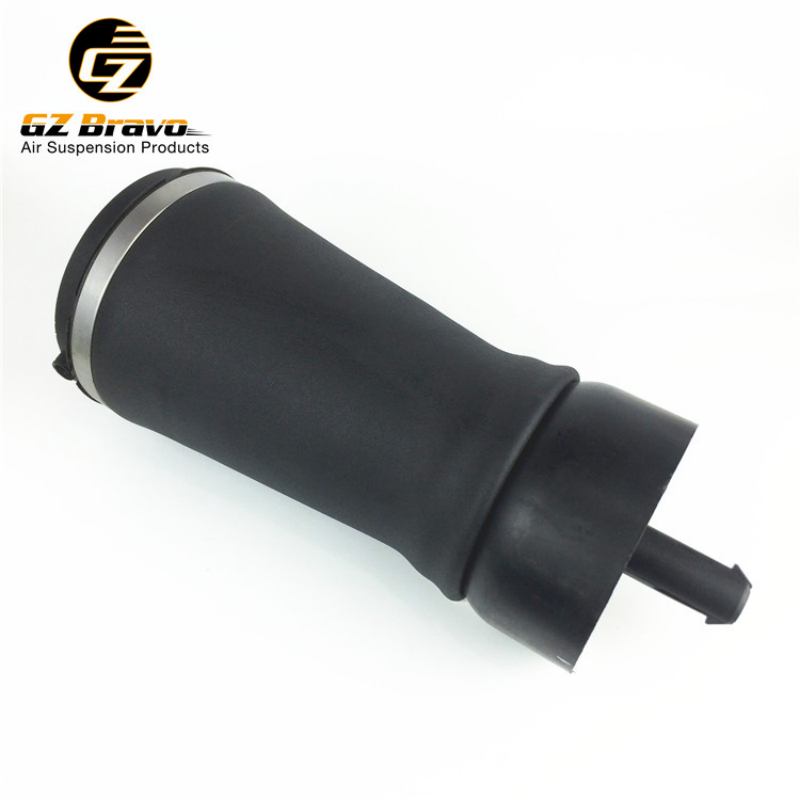
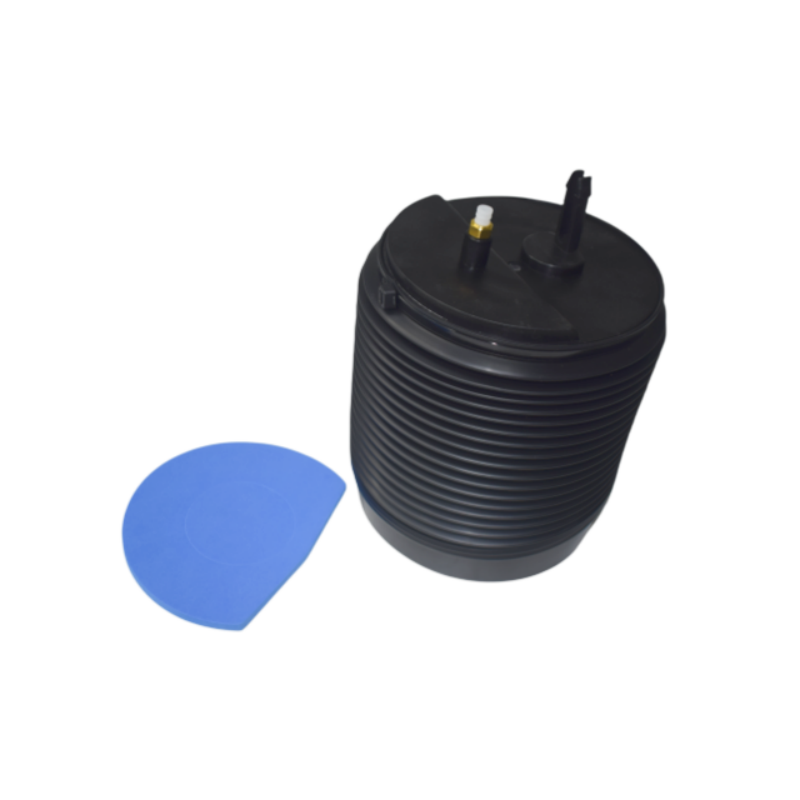
Load-leveling and height adjustment capability distinguishes adaptive suspension as particularly valuable for maintaining optimal vehicle geometry regardless of cargo or passenger load variations. This feature employs air springs or electronically controlled hydraulic systems that can raise or lower each corner of the vehicle independently, maintaining proper ride height and suspension geometry under all loading conditions. When additional passengers enter the vehicle or cargo fills the trunk, weight sensors detect the increased load and automatically inflate air springs or adjust hydraulic pressure to compensate, returning the vehicle to its designed ride height within seconds. This automatic leveling ensures consistent handling characteristics, headlight aim, and aerodynamic efficiency regardless of how much weight the vehicle carries. The importance of this capability becomes immediately apparent in practical scenarios. SUVs and crossovers frequently transition between lightly loaded daily driving and heavy weekend use carrying passengers, luggage, recreational equipment, or towing trailers. Without load-leveling, rear suspension sags under heavy loads, tilting the vehicle backward, reducing steering responsiveness, causing headlights to aim upward into oncoming traffic, and creating potentially dangerous handling imbalances. Adaptive suspension eliminates these concerns entirely, maintaining level stance and proper weight distribution automatically. Height adjustment extends benefits beyond load compensation to include multiple practical advantages. Ground clearance can increase when traversing rough terrain, deep snow, or steep driveways, protecting underbody components from damage. Conversely, lowering ride height at highway speeds reduces aerodynamic drag, improving fuel efficiency and high-speed stability. Entry and exit convenience improves significantly as the vehicle can lower itself when parked, reducing step-in height for passengers and simplifying cargo loading. Elderly passengers and those with mobility limitations particularly appreciate this accessibility enhancement. The system also facilitates wheel changes and maintenance by raising individual corners as needed. Performance benefits emerge from maintaining optimal suspension geometry as the system prevents excessive squat during hard acceleration and nose-dive during aggressive braking, keeping the chassis level and tires properly loaded for maximum traction. This geometric consistency ensures predictable, confidence-inspiring handling across all driving situations and load conditions, making vehicles equipped with adaptive suspension significantly more versatile and capable than those with conventional fixed suspension systems.

Get a Free Quote

Our representative will contact you soon.
Email
Name
Company Name
Message
0/1000