Enhanced Safety Through Superior Vehicle Dynamics
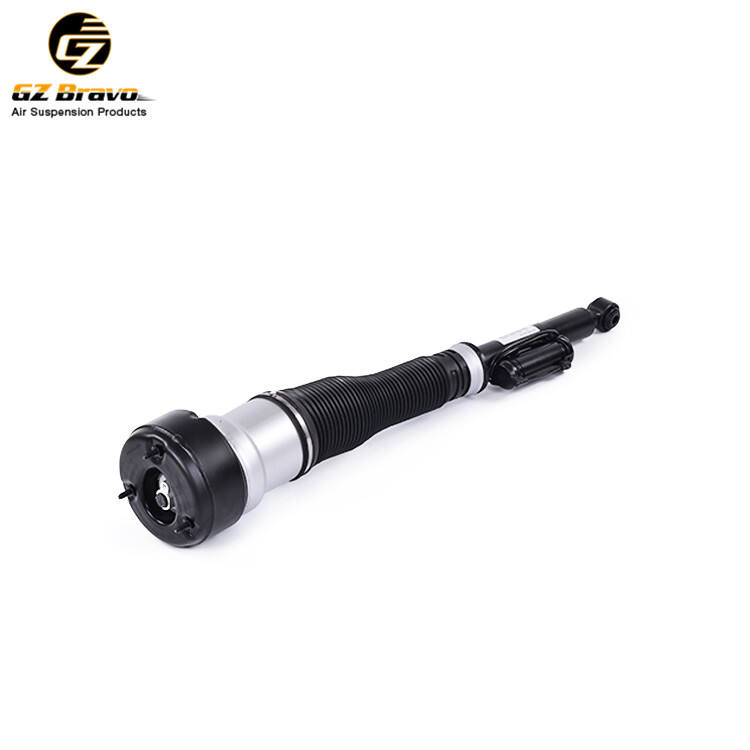
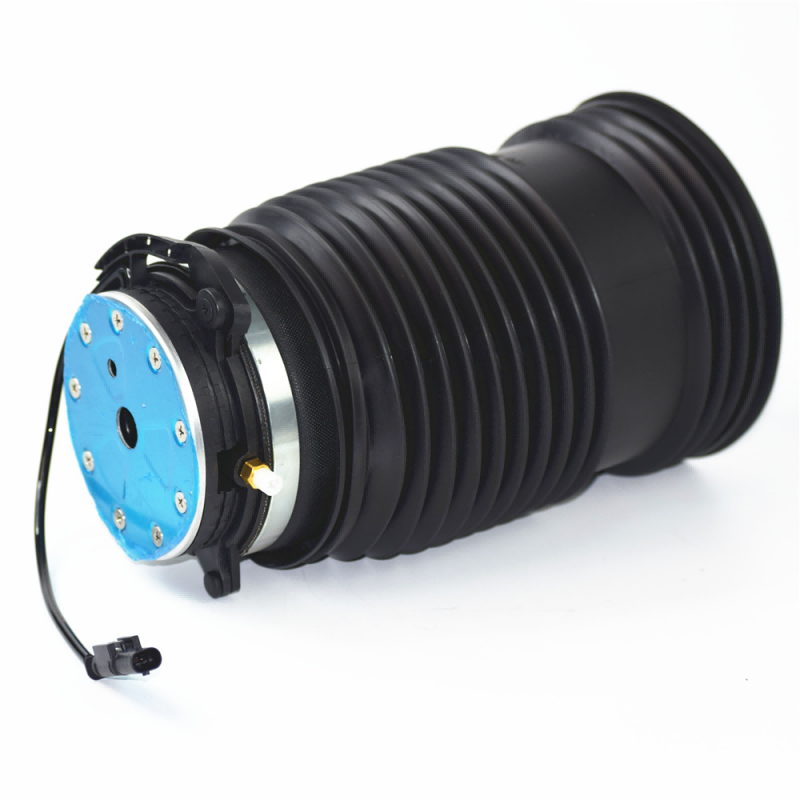
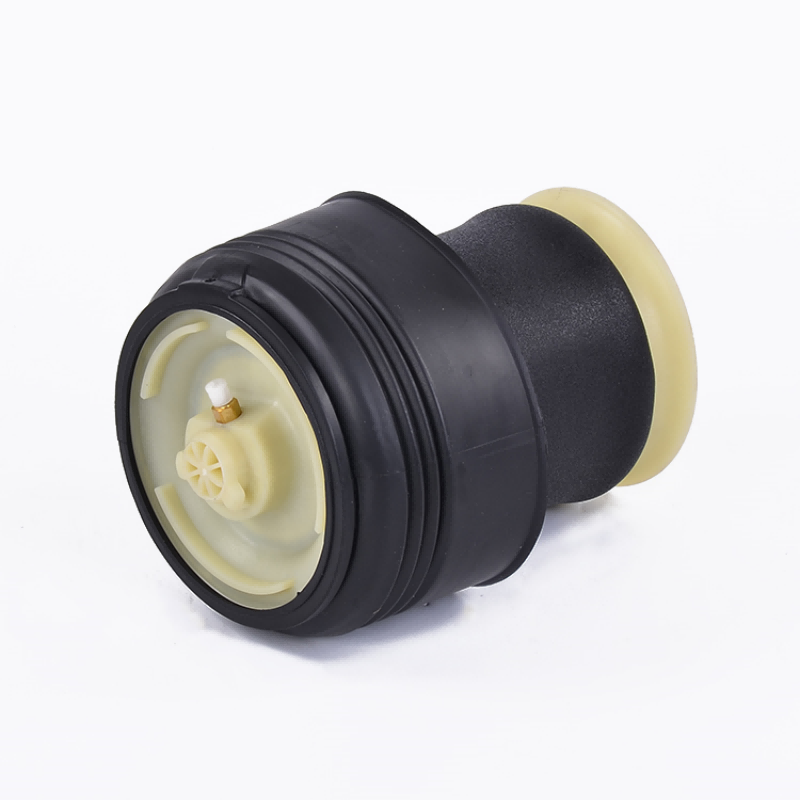
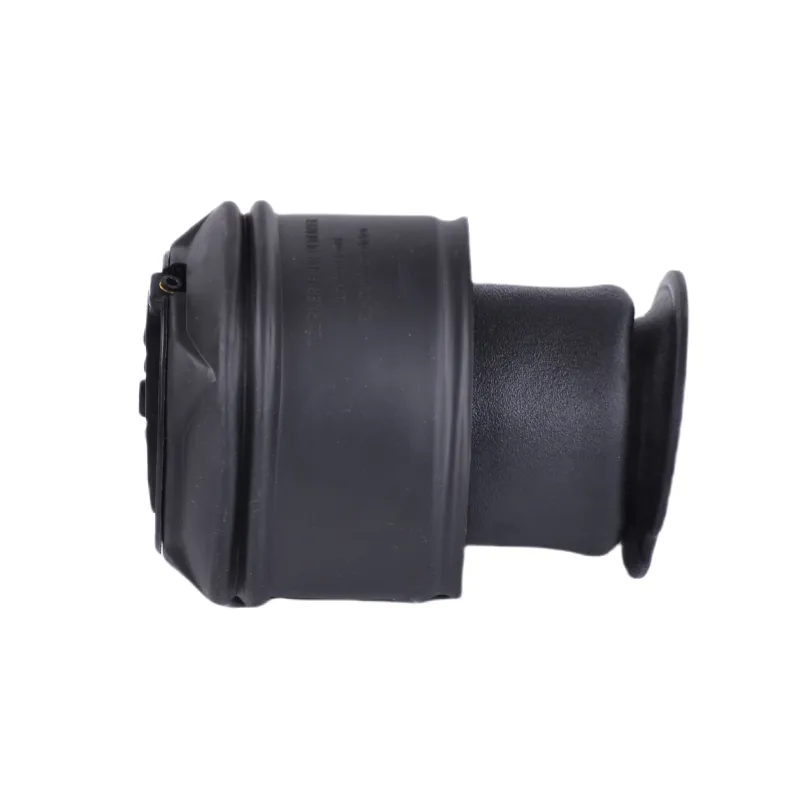
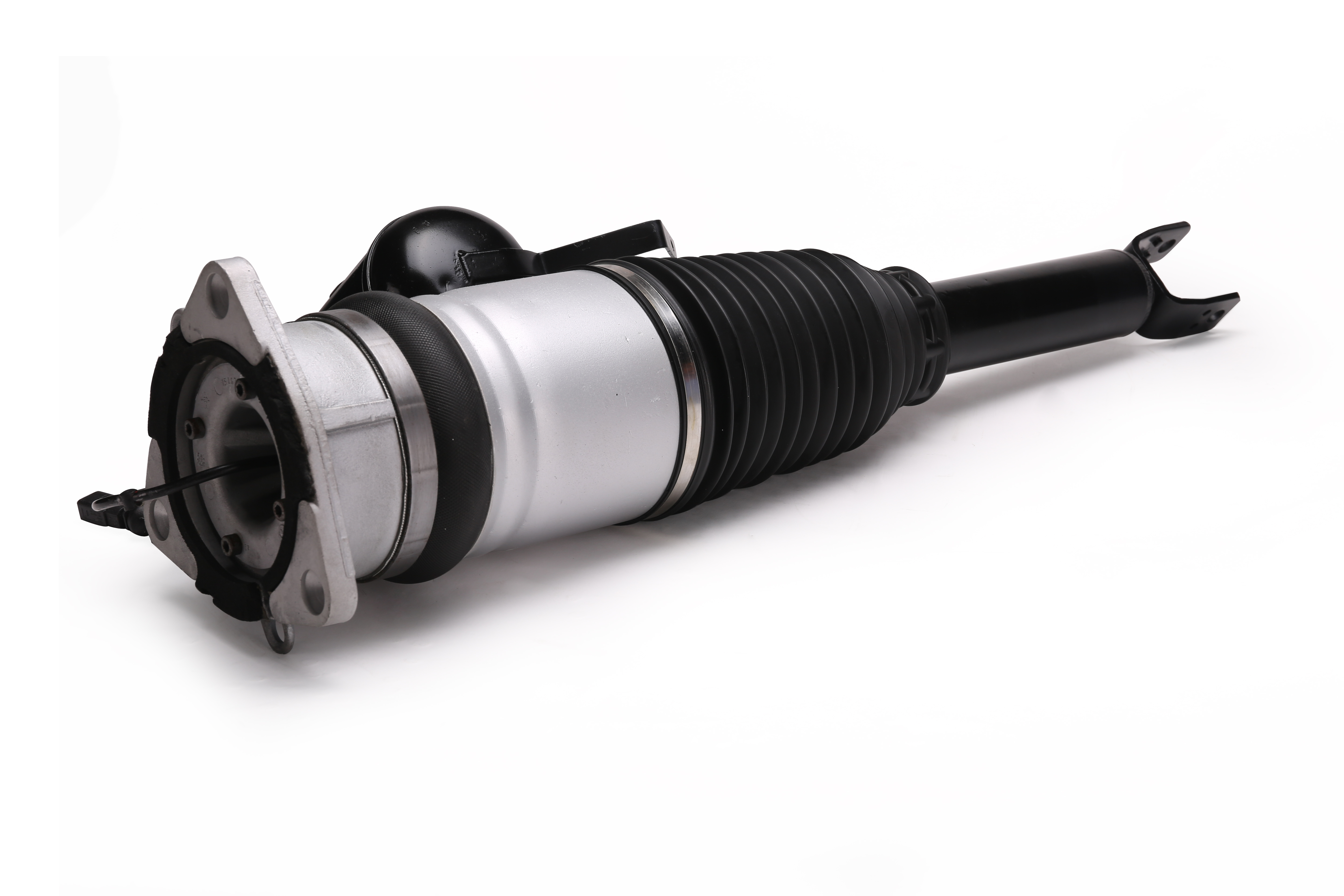
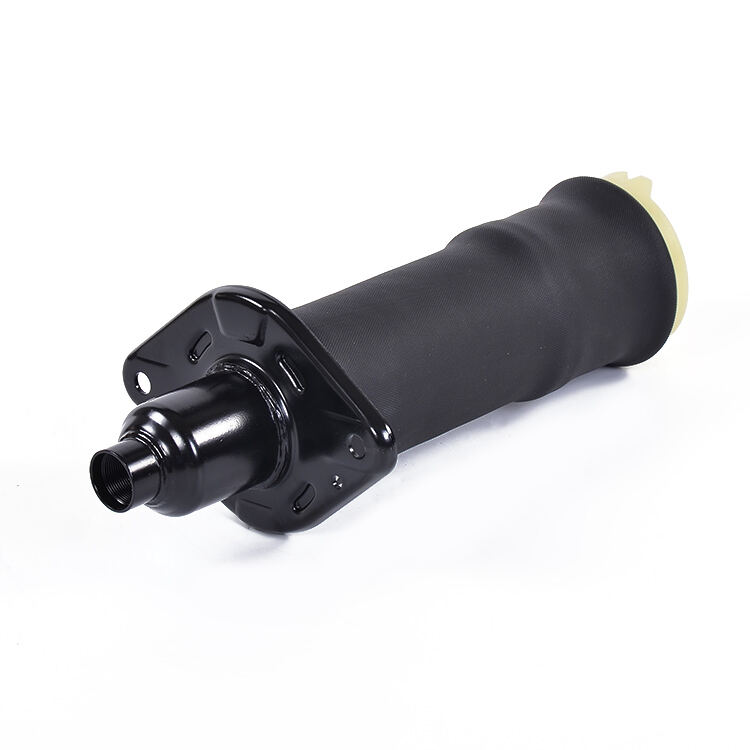
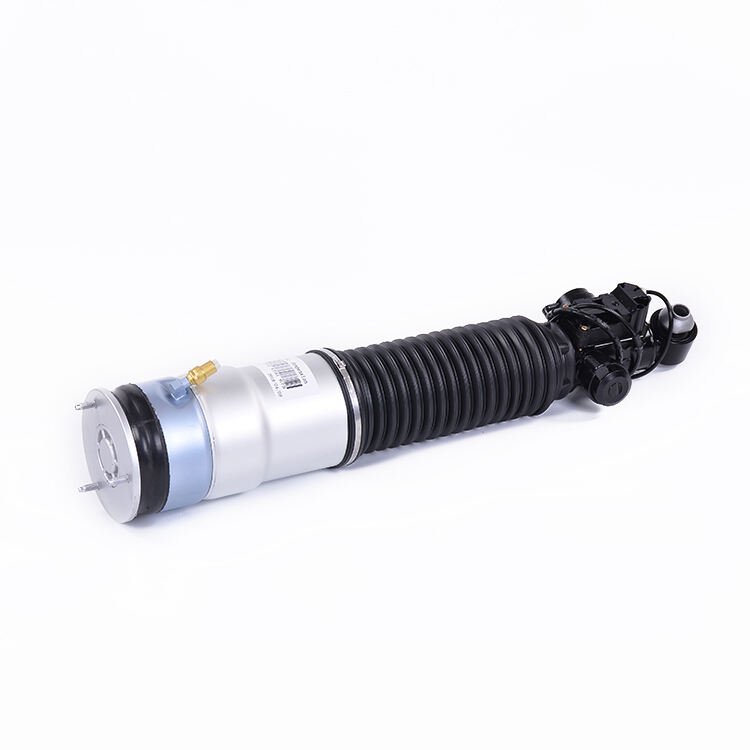
Safety represents the paramount concern in suspension for cars design, with every component and calculation focused on maintaining vehicle control under all circumstances. The suspension for cars system directly influences how your vehicle responds during critical safety situations, making it an essential active safety feature rather than merely a comfort amenity. When emergency maneuvers become necessary, the suspension for cars determines whether your vehicle responds predictably or dangerously. Proper suspension geometry keeps tires oriented correctly relative to the road surface during cornering, braking, and acceleration. This optimal tire positioning maximizes the contact patch, the small area where rubber meets pavement, ensuring maximum available grip. The suspension for cars controls body roll during cornering, preventing excessive lean that transfers weight away from inside tires and reduces overall grip. Anti-roll bars, also called sway bars, connect left and right suspension sides, helping distribute forces more evenly and maintaining balanced handling characteristics. During hard braking, weight transfers forward dramatically, compressing front suspension while extending rear suspension. Well-designed suspension for cars systems manage this weight transfer to maintain braking stability and prevent dangerous pitch angles that could lead to loss of control. The suspension for cars also plays a critical role in modern electronic safety systems. Anti-lock braking systems, traction control, and electronic stability control all depend on consistent tire contact maintained by proper suspension function. When suspension for cars components wear or fail, these electronic systems cannot compensate effectively, compromising their protective capabilities. Regular maintenance ensures your suspension for cars continues providing the foundation these advanced safety technologies require. Furthermore, the suspension for cars prevents dangerous situations from developing in the first place by maintaining stable, predictable handling that keeps drivers confident and in control. Worn suspension components create vague steering feel, unpredictable handling responses, and reduced feedback that makes anticipating vehicle behavior difficult. Fresh, properly functioning suspension for cars components restore precise control and clear communication between driver and vehicle, enabling proactive accident avoidance rather than reactive crisis management.

 EN