Electronic Shock Absorber Technology: Advanced Suspension Systems for Superior Ride Comfort and Performance

Get a Free Quote

Our representative will contact you soon.
Email
Name
Company Name
Message
0/1000

electronic shock absorber

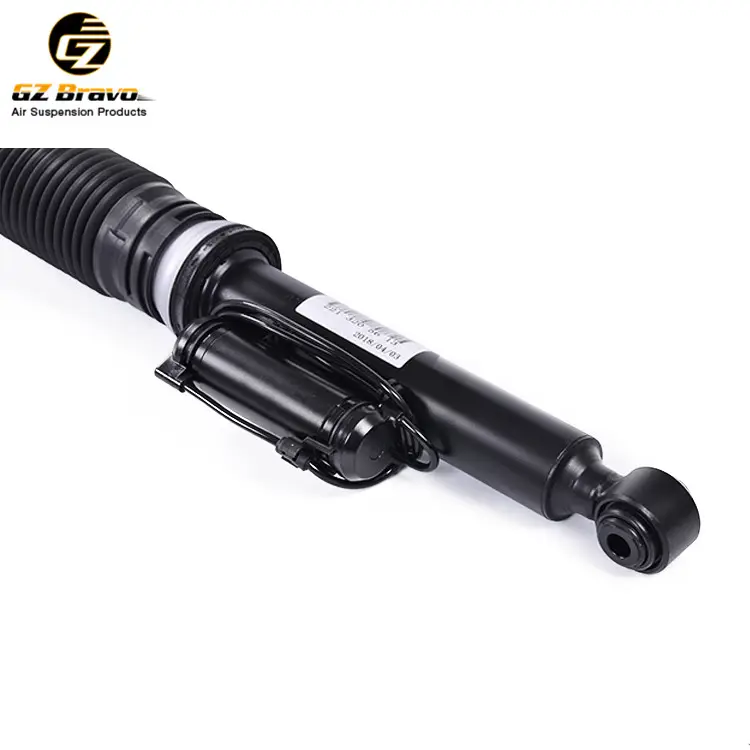
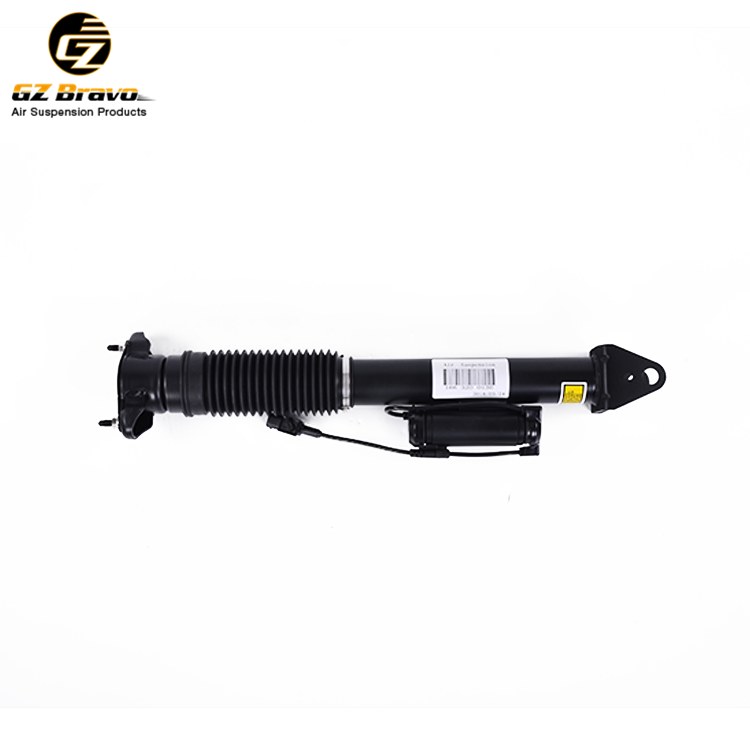
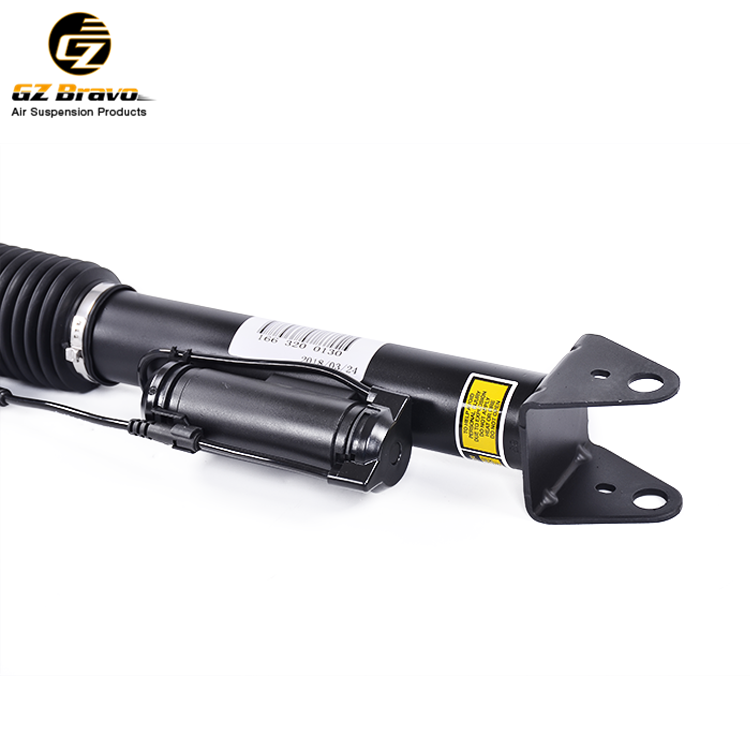
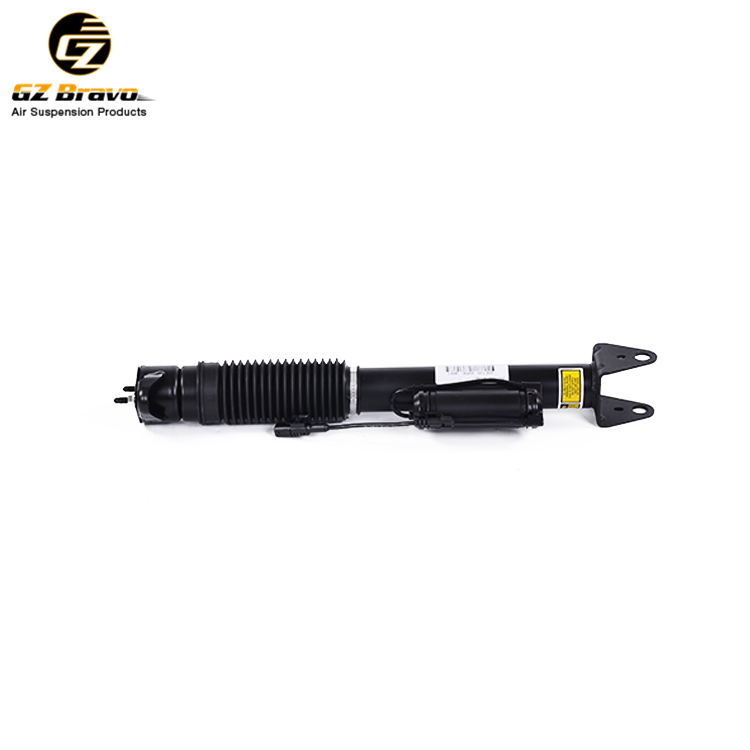
An electronic shock absorber represents a significant advancement in vehicle suspension technology, combining traditional damping principles with sophisticated electronic control systems. Unlike conventional passive shock absorbers that operate with fixed damping characteristics, an electronic shock absorber continuously adjusts its damping force in real-time based on road conditions, driving style, and vehicle dynamics. This intelligent suspension component utilizes sensors, electronic control units, and adjustable valves to optimize ride comfort and handling performance simultaneously. The main functions of an electronic shock absorber include actively controlling vehicle body movements, minimizing pitch and roll during acceleration and cornering, reducing vibrations transmitted from road irregularities, and maintaining optimal tire contact with the road surface. The technological features of this system incorporate advanced algorithms that process data from multiple sensors measuring wheel position, vehicle speed, steering angle, and acceleration forces. Within milliseconds, the electronic shock absorber modifies its damping characteristics to match current driving conditions. The system typically offers multiple driving modes, allowing drivers to select between comfort-oriented settings for smooth highway cruising or sport-oriented configurations for dynamic driving on winding roads. Applications of electronic shock absorbers extend across various vehicle categories, from luxury sedans and high-performance sports cars to SUVs and commercial vehicles. In premium automotive applications, these systems integrate seamlessly with other chassis control technologies such as active anti-roll bars and adaptive air suspension. The electronic shock absorber has become increasingly popular in modern vehicles as manufacturers strive to deliver superior ride quality without compromising handling precision. This technology addresses the traditional compromise between comfort and performance, enabling vehicles to adapt their suspension characteristics instantaneously. As automotive technology continues evolving toward fully connected and autonomous vehicles, electronic shock absorbers play a crucial role in ensuring passenger comfort and vehicle stability across all driving scenarios.

New Product Releases

The electronic shock absorber delivers remarkable benefits that transform your driving experience in ways that conventional suspension systems simply cannot match. First and foremost, this technology provides exceptional adaptability that responds instantly to changing road conditions. When you encounter smooth highway surfaces, the system automatically softens damping to deliver cloud-like comfort, absorbing minor imperfections effortlessly. Conversely, when you navigate rough terrain or pothole-riddled city streets, the electronic shock absorber firms up within milliseconds to prevent harsh impacts from reaching the cabin, protecting both passengers and cargo from uncomfortable jolts. This intelligent responsiveness means you no longer face the traditional trade-off between a cushy ride and precise handling. Another significant advantage lies in enhanced safety performance. The electronic shock absorber actively works to keep your tires in optimal contact with the road surface, which directly improves braking distances, cornering grip, and overall vehicle stability. During emergency maneuvers, the system instantly adjusts to minimize body roll and pitch, helping you maintain control when it matters most. This proactive approach to suspension management provides an extra margin of safety that passive systems cannot offer. Fuel efficiency also benefits from electronic shock absorber technology, as the system optimizes suspension movement to reduce aerodynamic drag and mechanical resistance, contributing to lower fuel consumption over time. Drivers appreciate the customizable nature of these systems, which typically feature selectable driving modes accessible through simple dashboard controls or smartphone apps. Whether you prioritize maximum comfort for long highway journeys, balanced performance for daily commuting, or sporty responsiveness for spirited weekend drives, the electronic shock absorber adapts to your preferences instantly. Long-term ownership costs often prove favorable because these systems experience less wear on related suspension components, as the intelligent damping prevents excessive stress on bushings, springs, and mounting points. The technology also maintains consistent performance throughout its lifespan, unlike conventional shock absorbers that gradually deteriorate and compromise ride quality. Vehicle resale value typically remains stronger when equipped with electronic shock absorbers, as buyers increasingly recognize the tangible benefits of advanced suspension technology. Overall, investing in a vehicle with electronic shock absorbers means investing in comfort, safety, performance, and long-term satisfaction that elevates every journey.

Latest News

Why do manufacturers adopt air suspension systems for luxury vehicle platforms?

27

May

Why do manufacturers adopt air suspension systems for luxury vehicle platforms?

The decision to adopt air suspension systems in luxury vehicle platforms is not an arbitrary engineering choice. It represents a deliberate commitment to delivering a driving experience that consistently exceeds passenger expectations, meets stringen...
View More
How does air suspension enhance stability during high-speed driving operations?

27

May

How does air suspension enhance stability during high-speed driving operations?

When a vehicle travels at high speed, the margin for error shrinks dramatically. Every bump in the road, every shift in load distribution, and every gust of crosswind becomes a real threat to driver control. This is precisely where air suspension pro...
View More
Is a solenoid valve block essential for precise control in air suspension systems?

03

Jun

Is a solenoid valve block essential for precise control in air suspension systems?

The question of whether a solenoid valve block is truly essential for precise control in air suspension systems is one that every vehicle owner, fleet manager, and automotive technician should understand clearly. Air suspension systems are complex, p...
View More
How does an air suspension compressor improve performance in load support systems?

03

Jun

How does an air suspension compressor improve performance in load support systems?

When a vehicle carries heavy loads or navigates uneven terrain, the demands placed on its suspension system increase dramatically. An air suspension compressor sits at the heart of any pneumatic load support system, continuously managing air pressure...
View More

Get a Free Quote

Our representative will contact you soon.
Email
Name
Company Name
Message
0/1000

electronic shock absorber

Real-Time Adaptive Damping Control

Real-Time Adaptive Damping Control

The cornerstone feature of any electronic shock absorber system is its ability to continuously adjust damping forces in real-time, creating a suspension that thinks and reacts faster than humanly possible. This adaptive damping control operates through a sophisticated network of sensors positioned throughout the vehicle chassis, constantly monitoring parameters such as wheel displacement, body acceleration, steering inputs, and brake application. The electronic control unit processes this flood of data using advanced algorithms that predict suspension needs microseconds before they occur. When you approach a speed bump, for example, the front sensors detect the obstacle first, and the system instantly softens the front electronic shock absorbers to absorb the initial impact gently. Simultaneously, the system prepares the rear shock absorbers for the upcoming rear wheel impact, creating a seamlessly smooth passage over the obstacle. This predictive capability extends to all driving situations, whether you are accelerating hard from a standstill, braking aggressively for a traffic light, or navigating a series of sweeping curves. The electronic shock absorber adjusts compression and rebound damping independently, allowing for unprecedented precision in controlling body movements. During cornering, the outer shock absorbers stiffen to resist body roll while the inner units maintain optimal damping to preserve tire contact and traction. This dynamic adjustment happens continuously throughout the corner, adapting to changing lateral forces as you modulate throttle and steering inputs. The system intelligence extends to recognizing driving patterns and road surface characteristics, learning to anticipate your needs based on accumulated driving data. On washboard roads with repetitive undulations, the electronic shock absorber identifies the frequency pattern and adjusts its response to minimize resonance and prevent the uncomfortable bouncing sensation common with passive systems. The speed of adjustment is truly remarkable, with modern electronic shock absorbers capable of changing damping characteristics in as little as two milliseconds, ensuring the suspension always operates at optimal settings regardless of how quickly conditions change. This real-time adaptive capability fundamentally redefines what suspension systems can achieve, delivering a driving experience that feels simultaneously supple and controlled, comfortable yet sporty, protective yet engaging.
Multi-Mode Driving Customization

Multi-Mode Driving Customization

Modern electronic shock absorbers excel in providing drivers with unprecedented control over their vehicle personality through sophisticated multi-mode driving customization features. This flexibility recognizes that different driving situations demand different suspension characteristics, and no single setup can be perfect for all circumstances. Through intuitive interfaces, drivers can select from various preset modes that reconfigure the electronic shock absorber behavior instantly. Comfort mode represents the softest setting, programming the electronic shock absorbers to prioritize ride smoothness above all else. In this configuration, the system allows more suspension travel and uses gentler damping rates to isolate passengers from road imperfections maximally. This mode excels during long highway cruises, urban commuting in traffic, or any situation where relaxation takes priority over dynamic performance. The electronic shock absorbers in comfort mode absorb bumps and undulations so effectively that passengers often comment on the remarkable difference compared to vehicles with conventional suspension. Normal or balanced mode strikes a middle ground, providing good comfort while maintaining respectable handling capabilities for everyday driving situations. This versatile setting suits most drivers most of the time, offering responsive handling when needed without sacrificing ride quality unnecessarily. Sport mode transforms vehicle character dramatically by stiffening the electronic shock absorbers to minimize body movements and maximize road feedback. In this configuration, the suspension communicates road surface texture clearly through the chassis, allowing enthusiast drivers to place their vehicle precisely and feel connected to the driving experience. The electronic shock absorbers resist body roll aggressively during cornering, keeping the vehicle flat and composed through even challenging curves. Some advanced systems offer even more specialized modes such as individual or custom settings, where drivers can fine-tune specific parameters to create their perfect suspension setup. Off-road or rough road modes appear in SUVs and trucks equipped with electronic shock absorbers, optimizing the suspension for low-speed travel over extremely uneven terrain by allowing maximum wheel articulation while controlling rebound to prevent harsh topping out. Track modes in performance vehicles push the electronic shock absorbers to their stiffest settings, prioritizing ultimate handling precision and lap time performance. The ability to switch between these modes instantly means one vehicle can effectively serve multiple purposes, eliminating the compromises that traditionally forced buyers to choose between comfort-oriented or performance-focused vehicles. This customization extends the versatility and value proposition of vehicles equipped with electronic shock absorbers significantly.
Enhanced Safety and Tire Performance

Enhanced Safety and Tire Performance

Perhaps the most compelling yet underappreciated advantage of electronic shock absorbers lies in their substantial contribution to vehicle safety and tire performance optimization. The fundamental principle underlying this benefit is simple yet profound maintaining optimal tire contact with the road surface directly influences every safety-critical vehicle function, from braking and acceleration to steering response and stability. Electronic shock absorbers excel at this task through their ability to control wheel movements with extraordinary precision across all driving conditions. When a tire encounters a bump or depression, conventional shock absorbers may allow excessive wheel bounce or allow the tire to momentarily lose contact with the pavement. The electronic shock absorber system detects these disturbances instantly and adjusts damping forces to keep the tire pressed against the road surface consistently. This continuous contact maximizes the available grip for braking, particularly important during emergency stops where every meter of braking distance matters. Testing has demonstrated that vehicles equipped with electronic shock absorbers can achieve shorter stopping distances compared to identical vehicles with passive suspension, especially on uneven road surfaces where conventional systems struggle to maintain tire contact. The safety benefits extend to cornering performance, where the electronic shock absorber actively manages weight transfer to optimize grip distribution across all four tires. During a sudden lane change maneuver to avoid an obstacle, the system instantly stiffens the appropriate shock absorbers to minimize body roll and prevent excessive weight shift that could overwhelm the tires and trigger a skid. This proactive stability management works in concert with electronic stability control systems but operates at a more fundamental level by mechanically controlling chassis movements rather than simply applying brakes to correct detected instability. The electronic shock absorber therefore prevents problems before they escalate to the point where corrective intervention becomes necessary. Tire wear patterns also improve with electronic shock absorbers because the system prevents excessive suspension movements that can cause irregular tire scrubbing and premature wear. By maintaining optimal suspension geometry throughout the operating range, the electronic shock absorbers help ensure even tire contact patches and uniform wear across the tread surface. This extends tire life and maintains consistent grip characteristics throughout the tire lifespan. For families and safety-conscious drivers, the peace of mind that comes from knowing your vehicle suspension actively works to maximize safety in all conditions represents an invaluable benefit that transcends simple comfort considerations.

Get a Free Quote

Our representative will contact you soon.
Email
Name
Company Name
Message
0/1000