
 EN
EN



When a vehicle carries heavy loads or navigates uneven terrain, the demands placed on its suspension system increase dramatically. An air suspension compressor sits at the heart of any pneumatic load support system, continuously managing air pressure to keep the vehicle level, stable, and responsive. Understanding how this component improves performance requires looking closely at the mechanics of load distribution, ride quality, and system responsiveness under real-world operating conditions.
A load support system is only as effective as the component that supplies and regulates its air. The air suspension compressor is responsible for pressurizing the air springs or airbags that replace or supplement conventional coil or leaf springs. When this component functions correctly, the entire system can adapt dynamically to changing load conditions, road surfaces, and driving speeds. When it underperforms or fails, the consequences ripple through every aspect of vehicle handling and cargo protection.
The Mechanical Role of an Air Suspension Compressor in Load Support
How the Compressor Generates and Maintains Pressure
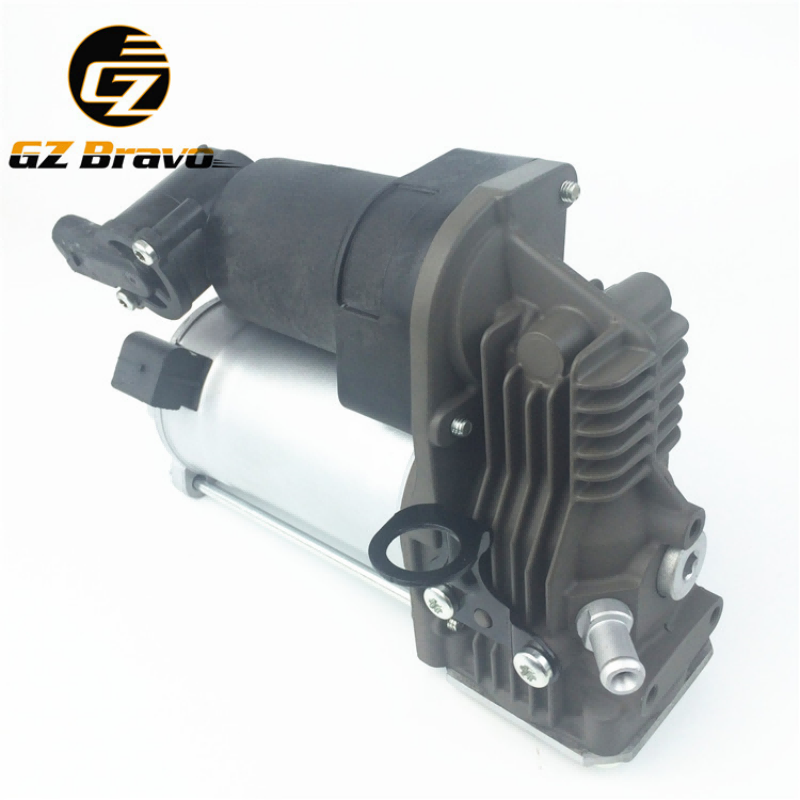
The air suspension compressor draws in ambient air, compresses it to the required operating pressure, and delivers it to the air springs through a network of valves and lines. This process happens continuously or on demand, depending on the system design and the load conditions detected by height sensors. The compressor must generate consistent pressure output to ensure that each air spring receives the correct volume of air at the right time.
In load support applications, pressure consistency is not a luxury — it is a functional requirement. If the compressor delivers uneven pressure, individual air springs will inflate to different levels, causing the vehicle to sit unevenly under load. This imbalance affects steering geometry, braking performance, and the structural stress placed on the chassis. A well-functioning air suspension compressor eliminates this variability by maintaining precise, repeatable pressure output across all operating conditions.
The compressor also works in coordination with the system's electronic control unit, which monitors ride height and load distribution in real time. When sensors detect a drop in ride height due to added weight, the control unit signals the air suspension compressor to activate and restore the correct pressure. This closed-loop feedback mechanism is what gives air suspension systems their adaptive capability.
Pressure Regulation and the Role of the Dryer
Most air suspension compressor assemblies include an integrated air dryer, which removes moisture from the compressed air before it enters the system. This is particularly important in load support systems that operate in varying climates or experience frequent pressure cycling. Moisture in the air lines can cause corrosion, valve sticking, and inconsistent pressure delivery — all of which degrade system performance over time.
The dryer uses a desiccant material to absorb water vapor from the compressed air stream. Over time, this desiccant can become saturated, reducing its effectiveness. A healthy air suspension compressor with a functioning dryer ensures that the air delivered to the springs is clean and dry, which directly extends the service life of the valves, air lines, and airbag membranes. In heavy-duty load support applications, this protection is critical to long-term reliability.
How the Air Suspension Compressor Improves Load Distribution
Dynamic Load Leveling Under Variable Weight Conditions
One of the most significant performance benefits delivered by an air suspension compressor in a load support system is dynamic load leveling. When cargo weight shifts — whether due to loading, unloading, or movement during transit — the compressor responds by adjusting air pressure in individual springs to maintain a level platform. This is fundamentally different from passive spring systems, which simply deflect under load without any corrective response.
Dynamic load leveling has direct implications for vehicle safety and cargo integrity. A vehicle that sags at the rear under heavy load experiences altered headlight aim, reduced braking efficiency, and increased wear on rear suspension components. The air suspension compressor prevents this by continuously compensating for weight changes, keeping the vehicle geometry within its designed operating parameters regardless of how much weight is being carried.
For vehicles like the Mercedes-Benz W164 and X164 platform SUVs — which are designed to carry both passengers and substantial cargo loads — this capability is built into the factory air suspension system. The air suspension compressor on these vehicles manages both comfort and load support simultaneously, making it a dual-purpose component that serves the driver's experience and the vehicle's structural health at the same time.
Preventing Overload Stress on Structural Components
When a vehicle's suspension cannot adapt to load changes, the excess stress is transferred directly to the chassis, subframe, and body mounts. Over time, this leads to fatigue cracking, bushing wear, and premature failure of structural components. The air suspension compressor mitigates this by absorbing load variation through controlled air pressure rather than allowing it to be transmitted as mechanical shock.
This protective function is especially valuable in applications where loads are applied suddenly — such as when a vehicle is loaded by forklift or when cargo shifts during cornering. The compressor's ability to respond quickly to pressure drops means that the air springs can re-inflate before the chassis experiences the full mechanical impact of the load change. This responsiveness is a direct performance improvement over static spring systems.
Ride Quality and Handling Performance Under Load
Maintaining Suspension Travel and Compliance
A conventional spring system becomes progressively stiffer as load increases, which reduces suspension travel and compliance. This means that as the vehicle carries more weight, the ride becomes harsher and the suspension's ability to absorb road irregularities diminishes. The air suspension compressor addresses this limitation by allowing the system to maintain a consistent spring rate regardless of load, achieved by adjusting air volume and pressure to match the weight being carried.
Maintaining suspension travel under load is important not just for comfort but for traction and control. A suspension that has run out of travel cannot absorb bumps, which means the wheel loses contact with the road surface momentarily. This reduces braking and steering effectiveness at exactly the moment when the vehicle's increased mass makes control most critical. The air suspension compressor keeps the suspension in its optimal operating range, preserving both ride quality and dynamic safety.
Cornering Stability and Body Roll Control
Load support systems equipped with a properly functioning air suspension compressor can also contribute to cornering stability. By maintaining correct ride height and spring rate on both sides of the vehicle, the system reduces body roll during cornering maneuvers. This is particularly noticeable in loaded conditions, where a high center of gravity would otherwise amplify body roll significantly.
Some advanced air suspension systems use the compressor in combination with active damping controls to further reduce body roll by selectively stiffening the outer springs during cornering. Even in systems without active damping, the baseline contribution of the air suspension compressor to consistent ride height and spring rate provides a measurable improvement in cornering behavior compared to a deflated or underperforming system.
For drivers who regularly carry near-maximum payload, this handling improvement translates into greater confidence and reduced fatigue, particularly on long journeys or in demanding driving environments. The air suspension compressor is the enabling component that makes this level of performance possible.
System Longevity and the Compressor's Role in Protecting Other Components
Reducing Wear on Air Springs and Valves
An air suspension compressor that operates efficiently reduces the workload placed on every other component in the system. When the compressor maintains correct pressure with minimal cycling, the air springs spend less time in partially deflated states that cause membrane stress and premature cracking. Valves experience fewer pressure differentials, which reduces seat wear and the risk of leakage. The overall system operates within its design envelope rather than being pushed to compensate for a weak or failing compressor.
Conversely, a compressor that runs excessively — due to slow leaks or insufficient output — generates heat that degrades its own motor windings and piston seals. This creates a cycle of accelerating wear that eventually leads to complete compressor failure and, in many cases, collateral damage to the air springs and valves that were stressed during the period of underperformance. Keeping the air suspension compressor in good condition is therefore a system-wide maintenance priority, not just a component-level concern.
Thermal Management and Duty Cycle Considerations
The air suspension compressor generates heat during operation, and its duty cycle — the ratio of operating time to rest time — directly affects its thermal load. In load support applications where the vehicle is frequently loaded and unloaded, the compressor may be called upon to cycle more frequently than in standard passenger car use. This increases thermal stress and accelerates wear on the motor and piston assembly.
Quality compressor designs incorporate thermal protection circuits that prevent the motor from overheating by limiting run time when temperatures exceed safe thresholds. Understanding the duty cycle requirements of a specific load support application is important when selecting or replacing an air suspension compressor, as a unit designed for light passenger use may not be adequate for heavy or frequent load cycling. Matching the compressor's rated duty cycle to the application's actual demands is a key factor in achieving long-term performance and reliability.
FAQ
What symptoms indicate that an air suspension compressor is no longer supporting loads effectively?
Common symptoms include the vehicle sagging at one or more corners under load, longer-than-normal compressor run times, audible compressor noise without pressure recovery, and warning lights on the dashboard indicating suspension faults. In load support applications, uneven ride height under cargo weight is often the first visible sign that the air suspension compressor is losing output capacity.
Can a failing air suspension compressor cause damage to other suspension components?
Yes. When the air suspension compressor cannot maintain adequate pressure, the air springs operate in a partially deflated state that places abnormal stress on the membrane and end caps. This accelerates airbag wear and can lead to premature failure. Additionally, the vehicle's altered geometry under deflated conditions increases stress on control arm bushings, ball joints, and wheel bearings, leading to broader suspension wear.
How does the air suspension compressor respond to sudden load changes during driving?
The compressor works in conjunction with height sensors and an electronic control unit to detect ride height changes caused by load shifts. When a sensor detects a drop below the target ride height, the control unit activates the air suspension compressor to restore pressure. The speed of this response depends on the compressor's output capacity and the volume of air required, but modern systems are designed to correct load-induced sag within seconds under normal operating conditions.
Is it necessary to replace the air dryer when replacing the air suspension compressor?
In most cases, yes. The air dryer's desiccant material has a finite service life and is often saturated by the time the compressor requires replacement. Installing a new air suspension compressor with a spent dryer allows moisture to enter the system, which can damage the new compressor's valves and piston seals prematurely. Replacing both components together ensures that the system starts fresh and that the new compressor operates in the clean, dry air conditions it was designed for.
Table of Contents
- The Mechanical Role of an Air Suspension Compressor in Load Support
- How the Air Suspension Compressor Improves Load Distribution
- Ride Quality and Handling Performance Under Load
- System Longevity and the Compressor's Role in Protecting Other Components
-
FAQ
- What symptoms indicate that an air suspension compressor is no longer supporting loads effectively?
- Can a failing air suspension compressor cause damage to other suspension components?
- How does the air suspension compressor respond to sudden load changes during driving?
- Is it necessary to replace the air dryer when replacing the air suspension compressor?