Integration with Vehicle Systems: Creating a Cohesive Driving Experience
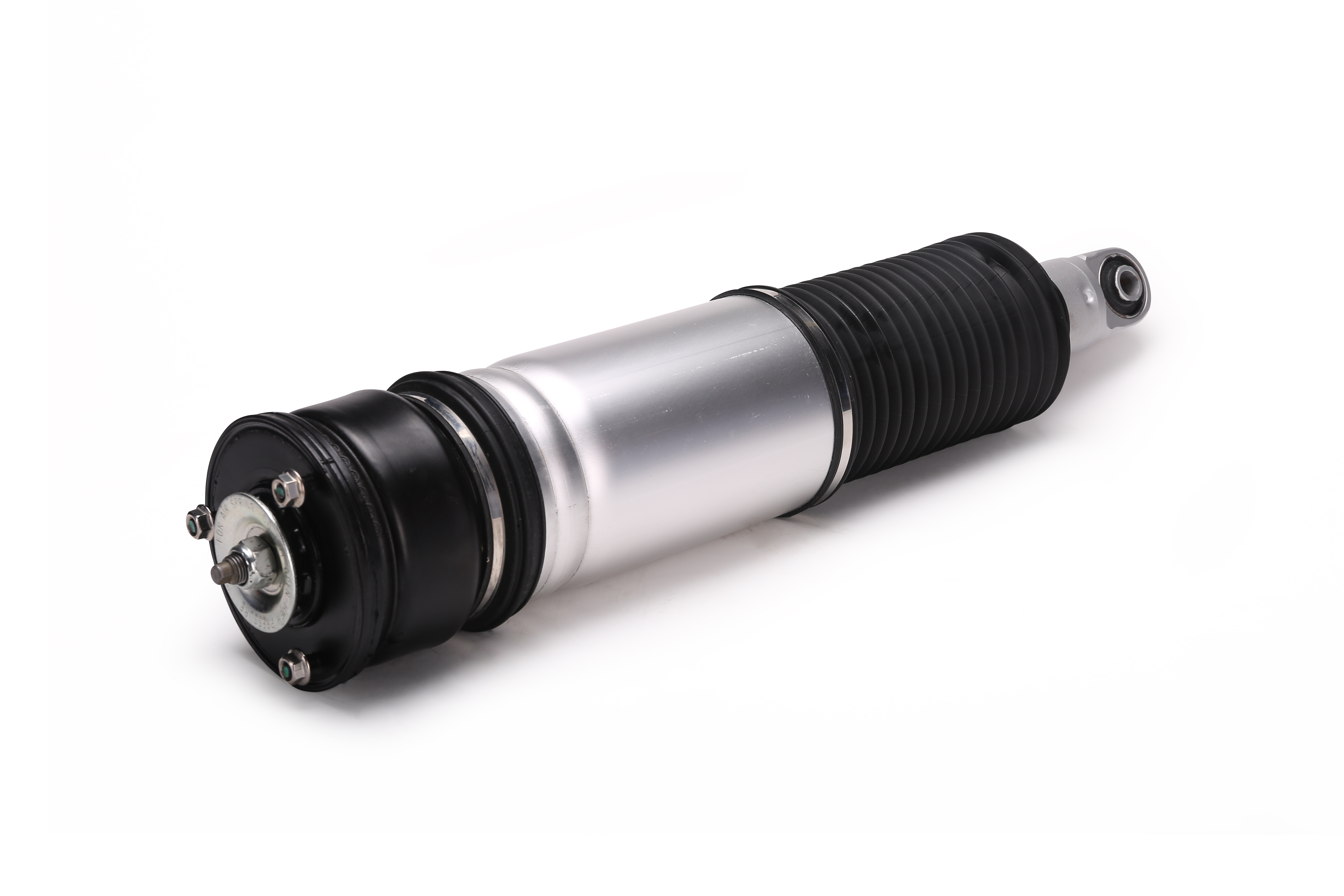
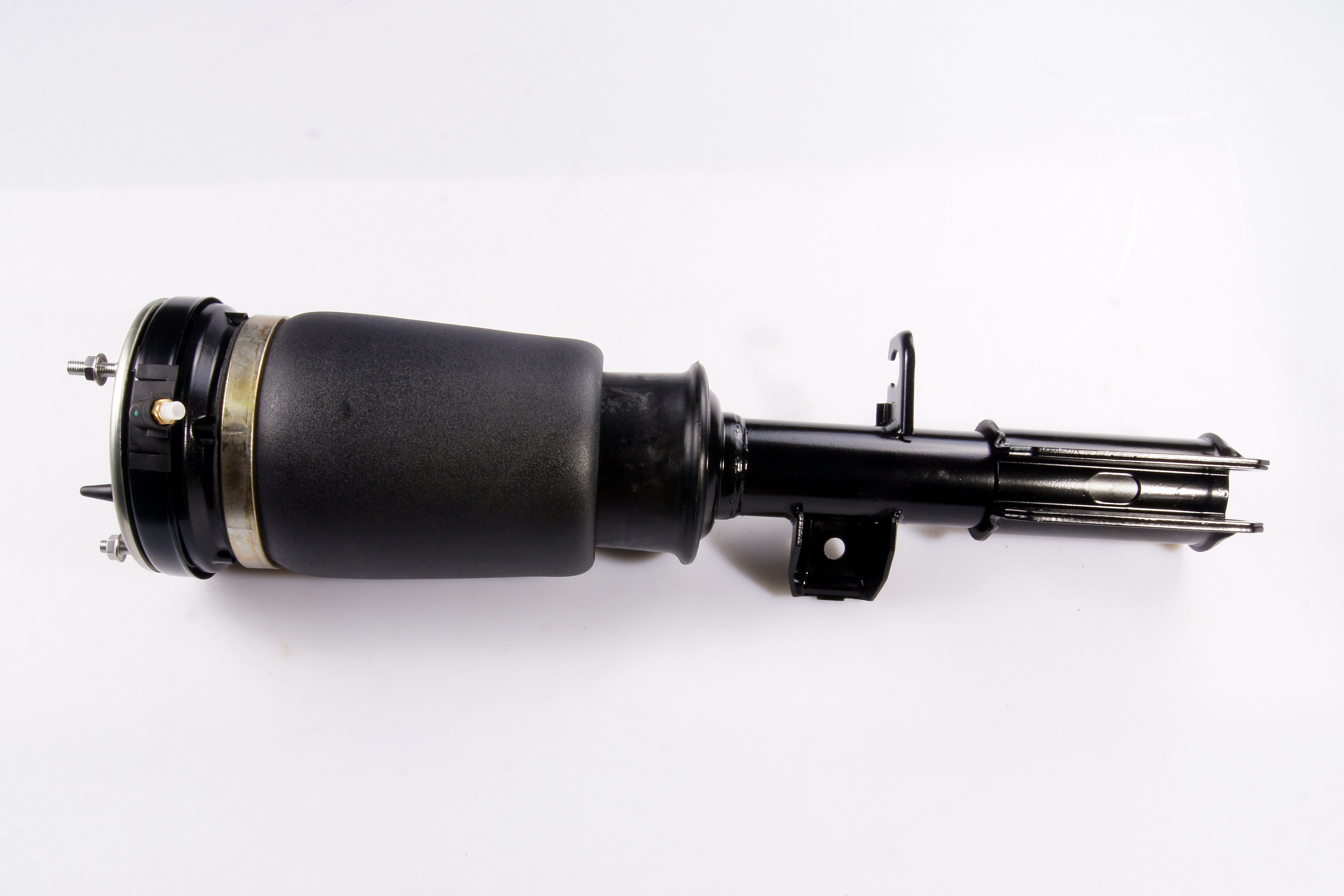
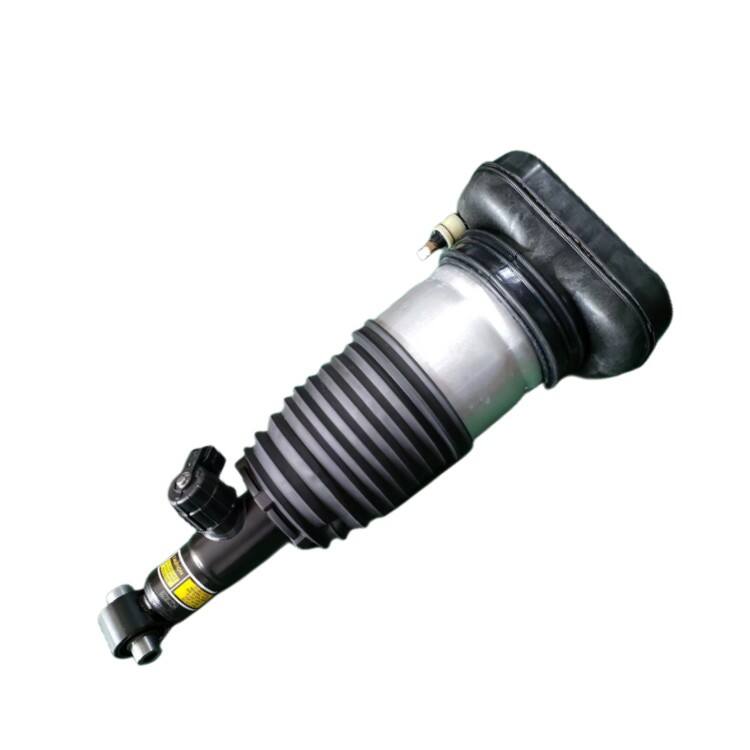
The modern BMW suspension does not operate in isolation but rather functions as a central component within an integrated network of vehicle systems that work together to deliver optimal performance, safety, and comfort. This systems integration approach represents a paradigm shift from traditional suspension design, where the chassis operated somewhat independently from other vehicle functions. Today's BMW suspension communicates continuously with the engine management system, transmission control unit, stability control system, and even the navigation unit to anticipate driver needs and road conditions before they become apparent. The integration between BMW suspension and the Dynamic Stability Control system exemplifies this collaborative approach. When the stability system detects the onset of understeer or oversteer through comparisons between intended and actual vehicle path, it can request specific damper adjustments from the suspension system to help restore control. Simultaneously, the suspension provides feedback about wheel load conditions that help the stability system make more accurate intervention decisions. This bidirectional communication creates a safety net that is more effective than either system could achieve independently. The BMW suspension also interfaces with the vehicle's drive mode selector, which allows drivers to choose between Comfort, Sport, and Eco Pro modes. When a mode is selected, the suspension adjusts its characteristics to match the overall vehicle personality for that mode. In Eco Pro, the BMW suspension may raise ride height slightly to reduce aerodynamic drag and select softer damper settings to minimize rolling resistance. Sport mode lowers the vehicle for improved aerodynamics and handling while firming the dampers for maximum control. The integration extends to the navigation system in vehicles equipped with predictive suspension technology. By reading map data ahead of the current position, the BMW suspension can anticipate curves and adjust damper settings proactively, preparing the vehicle for upcoming cornering forces before the driver even begins to steer. This predictive capability enhances both comfort and handling by eliminating the reactive lag inherent in systems that respond only to sensor inputs. The adaptive cruise control and lane-keeping assistance systems also benefit from BMW suspension integration, as suspension data about road surface conditions helps these systems make smoother, more natural-feeling interventions. The result of this comprehensive integration is a BMW suspension that contributes to a cohesive, intelligent driving experience where all vehicle systems work in harmony toward common goals of safety, efficiency, and driver satisfaction, representing the future direction of automotive chassis engineering.

 EN