Front Suspension Systems: Advanced Engineering for Superior Ride Comfort, Handling, and Safety

Get a Free Quote

Our representative will contact you soon.
Email
Name
Company Name
Message
0/1000

front suspension

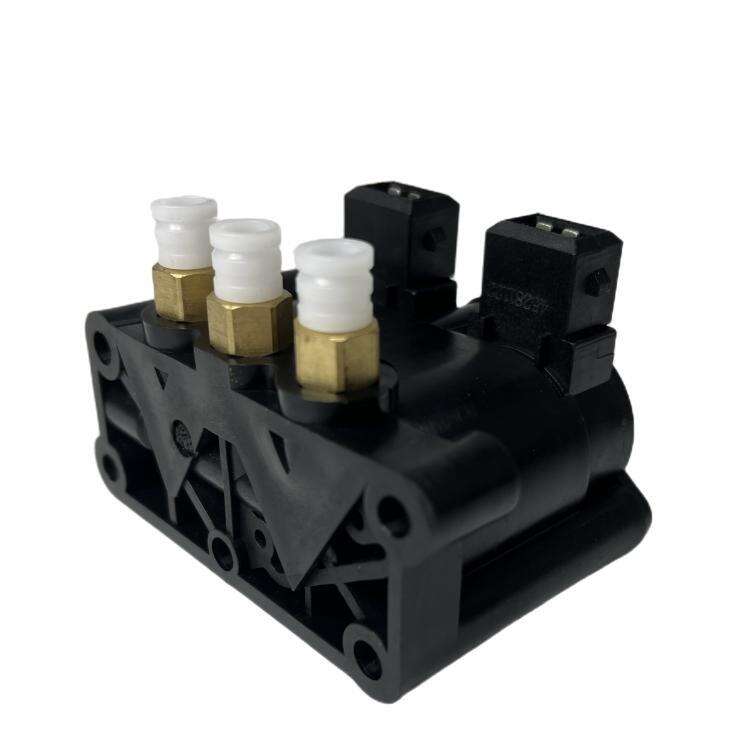
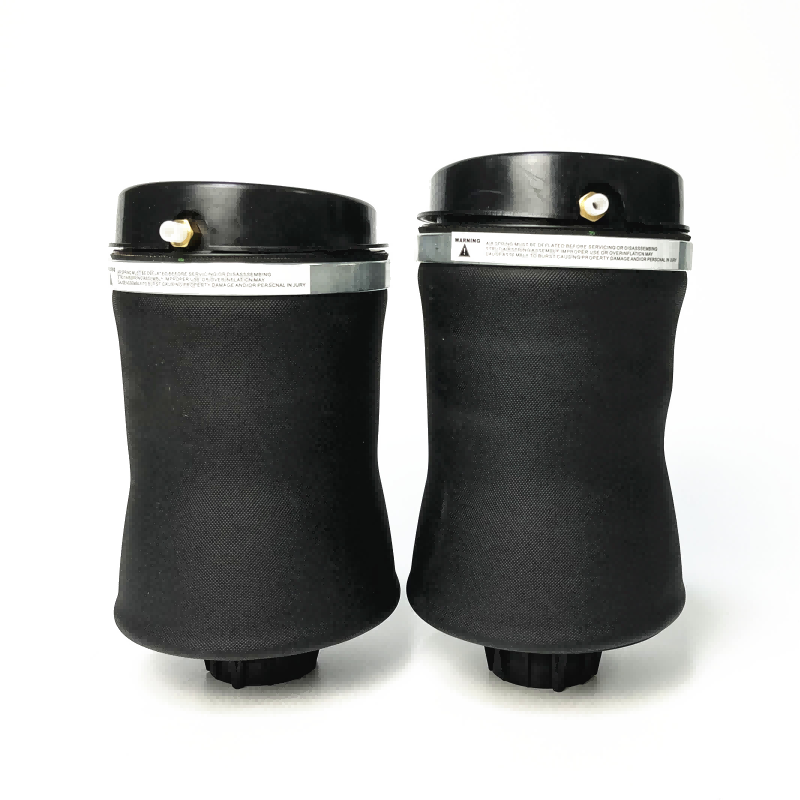
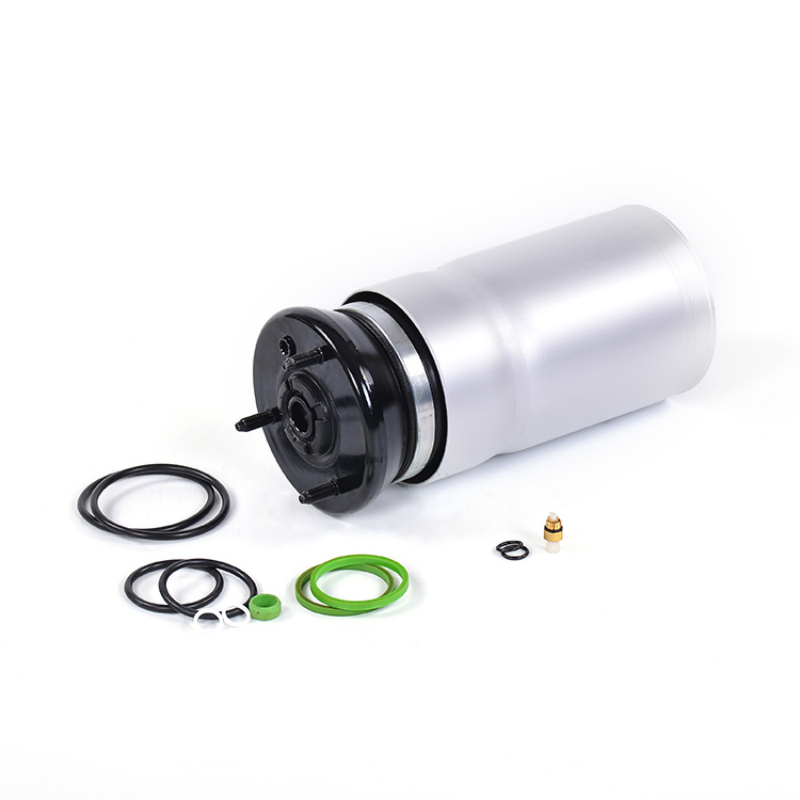
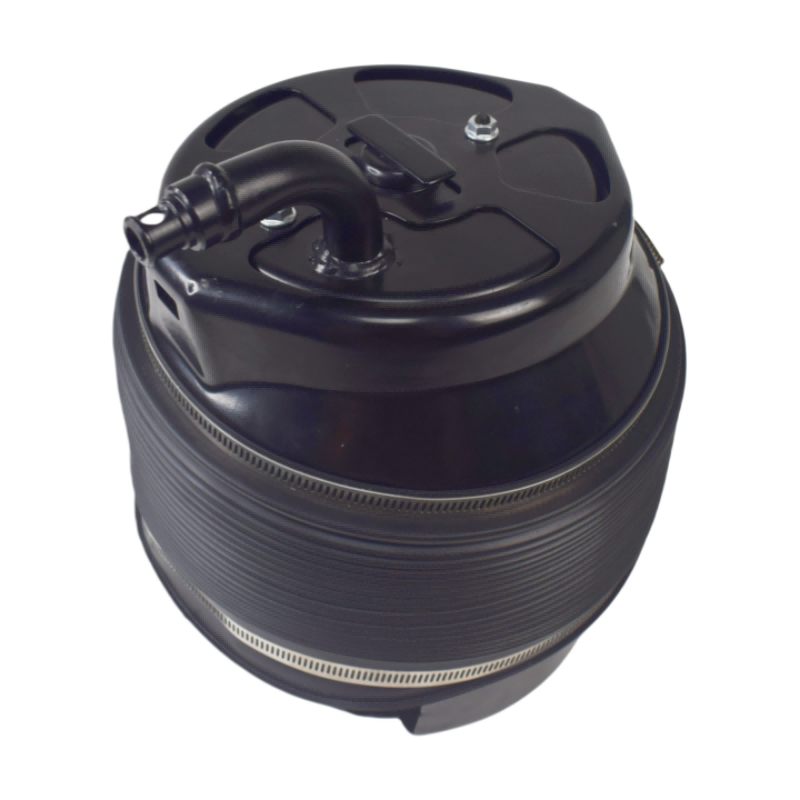
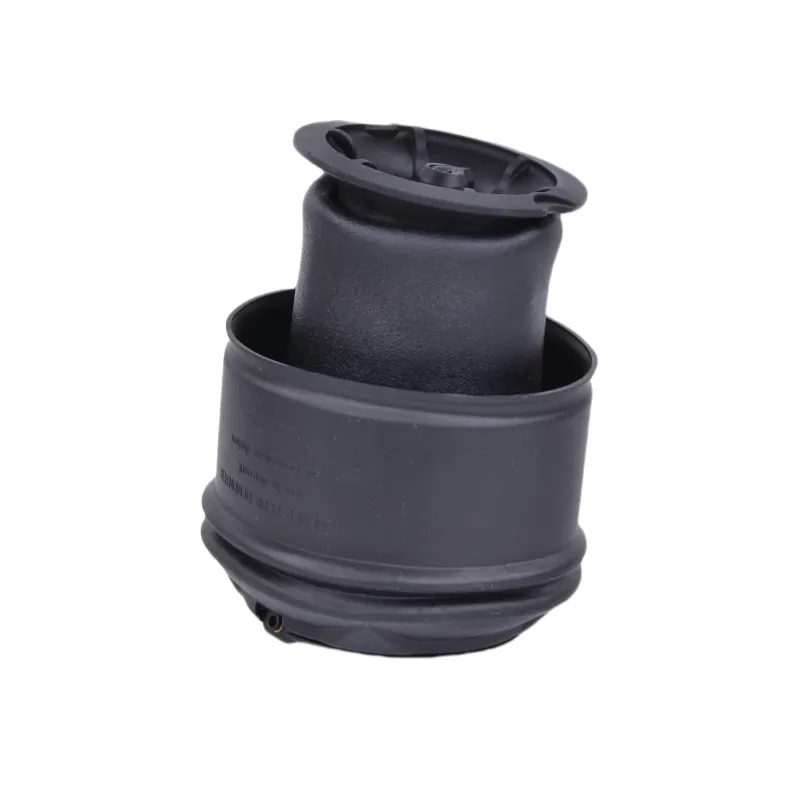
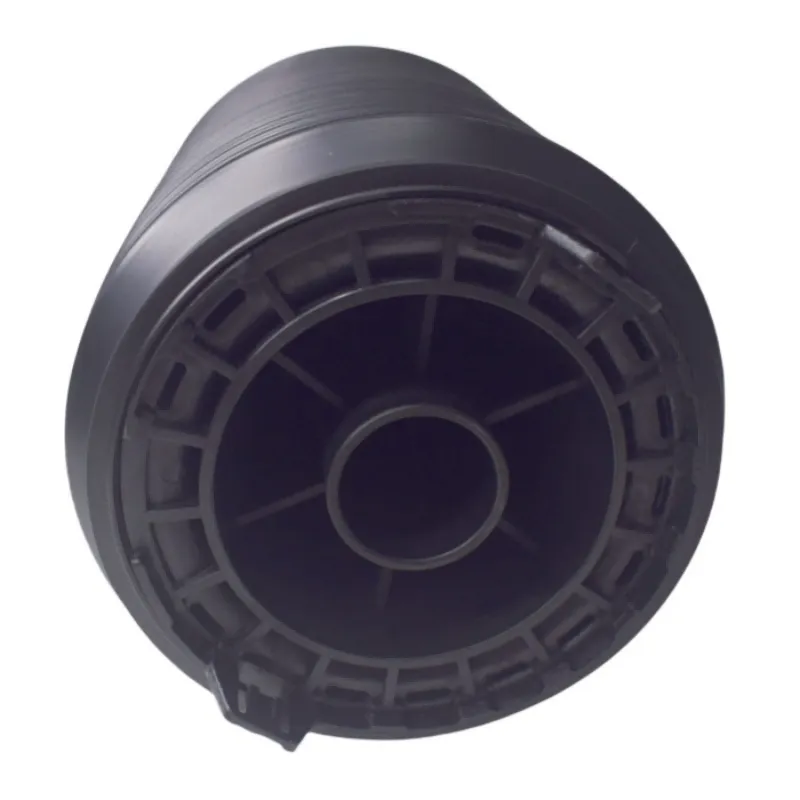
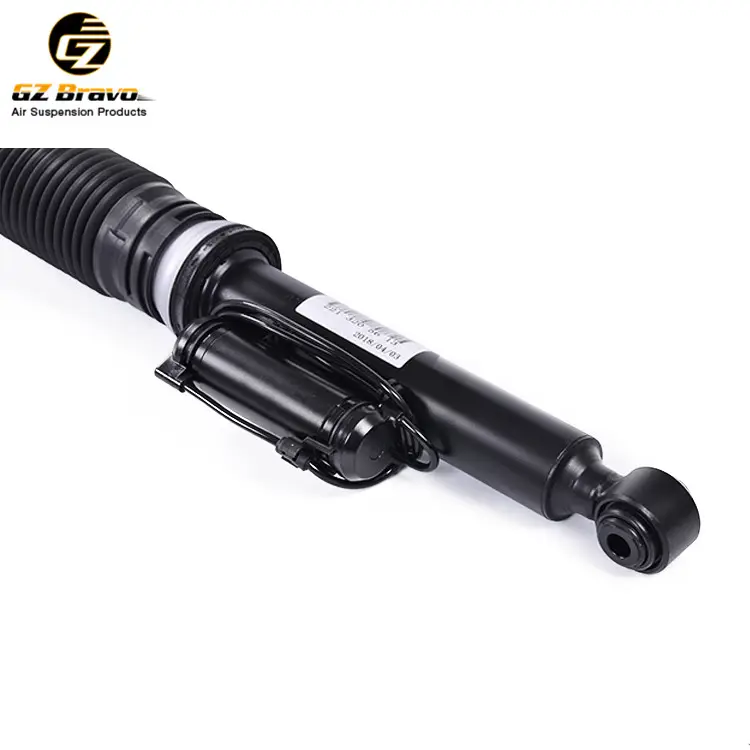
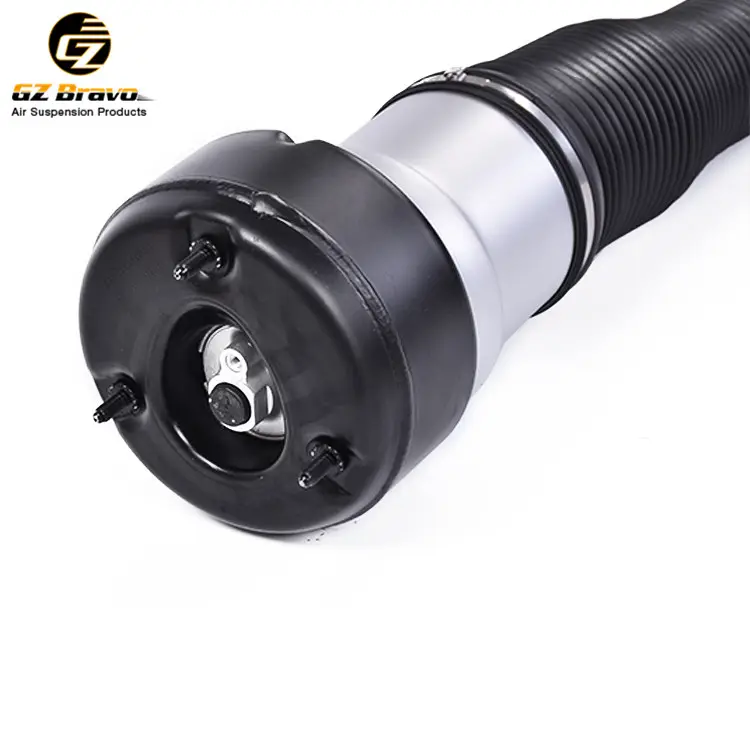
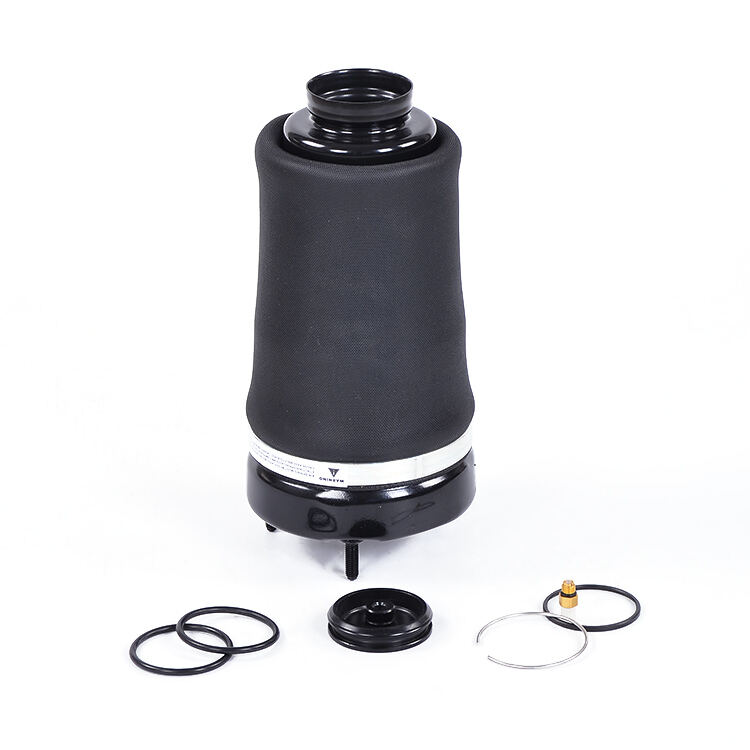
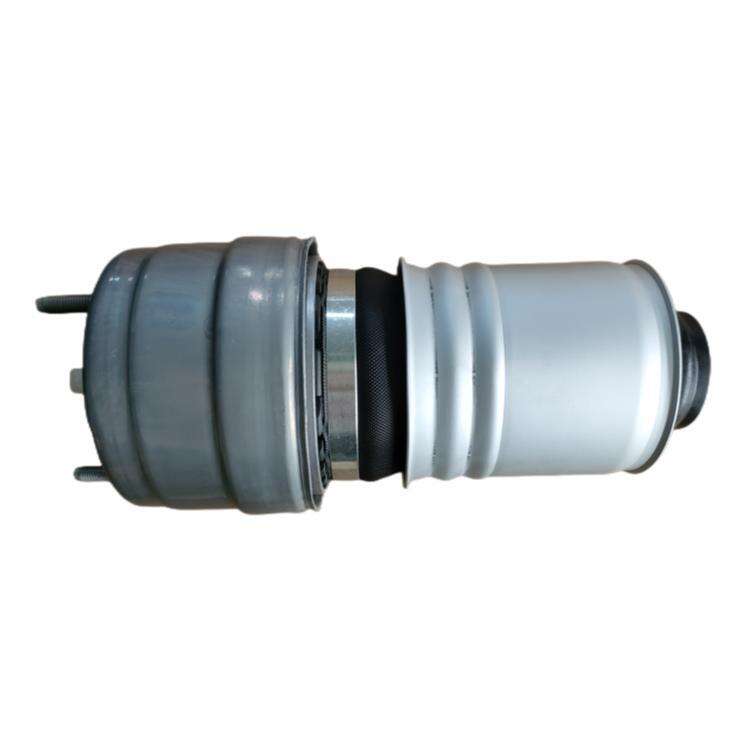
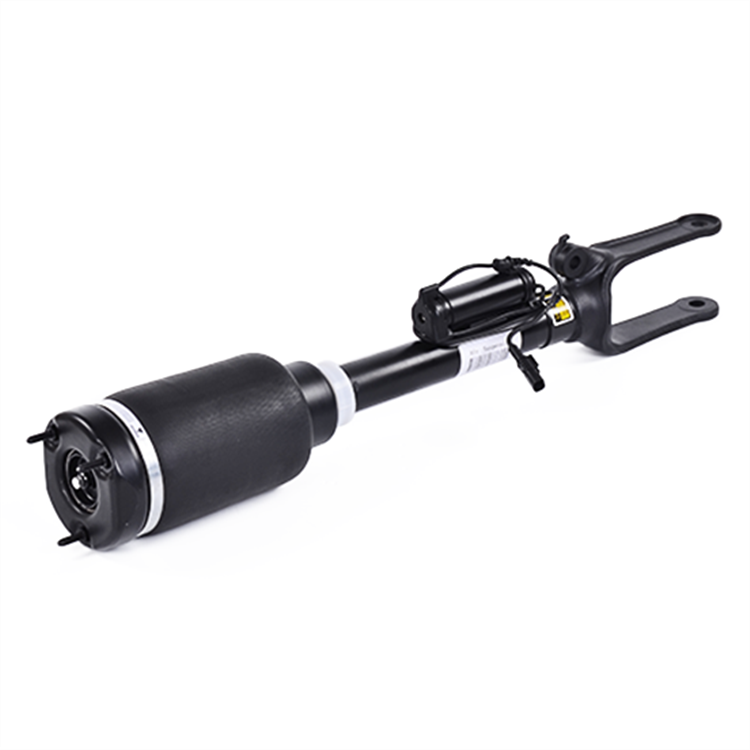
The front suspension system serves as a critical component in modern vehicles, acting as the primary interface between the road surface and the vehicle's chassis. This sophisticated mechanical assembly absorbs impacts, maintains tire contact with the road, and ensures optimal handling characteristics during various driving conditions. The front suspension plays multiple essential roles that directly influence vehicle performance, safety, and passenger comfort. Its primary function involves cushioning the cabin from road irregularities, including potholes, bumps, and uneven surfaces, thereby creating a smoother and more pleasant driving experience. Beyond comfort, the front suspension maintains proper wheel alignment and steering geometry, which proves crucial for predictable vehicle behavior and responsive handling. The system also manages weight transfer during acceleration, braking, and cornering, helping to optimize traction and stability. Modern front suspension designs incorporate advanced engineering principles and materials to achieve superior performance. These systems typically feature components such as control arms, springs, shock absorbers, and stabilizer bars working in harmony. The springs support the vehicle's weight while allowing vertical wheel movement, whereas shock absorbers control the rate of spring compression and rebound, preventing excessive bouncing. Control arms connect the wheels to the chassis while permitting controlled movement, and stabilizer bars reduce body roll during cornering. Various front suspension configurations exist, including MacPherson strut, double wishbone, and multi-link designs, each offering distinct characteristics suited to different vehicle types and performance requirements. MacPherson struts provide a compact, cost-effective solution popular in mainstream vehicles, while double wishbone systems offer superior handling precision preferred in performance applications. The front suspension also accommodates the steering system, allowing drivers to change direction smoothly and accurately. Proper maintenance of the front suspension ensures consistent performance, extends tire life, and maintains safety standards throughout the vehicle's operational lifetime.


New Products

Investing in a quality front suspension delivers substantial benefits that enhance your daily driving experience and long-term vehicle value. First and foremost, a well-designed front suspension significantly improves ride comfort by effectively isolating passengers from road imperfections. When you drive over bumps, cracks, or rough pavement, the system absorbs these disturbances before they reach the cabin, resulting in a noticeably smoother journey. This comfort advantage becomes particularly apparent during long trips, where reduced vibration and jarring translates to less fatigue and greater enjoyment. The front suspension also plays a vital role in vehicle safety by maintaining consistent tire contact with the road surface. This continuous contact maximizes available grip, which directly affects your ability to accelerate, brake, and corner effectively. During emergency maneuvers, a responsive front suspension can make the difference between maintaining control and losing it. The system helps your vehicle track straight and true, reducing the need for constant steering corrections and making highway driving more relaxing. Enhanced handling represents another significant advantage, as modern front suspension designs allow vehicles to change direction precisely and predictably. Whether navigating tight parking lots or sweeping highway curves, you will appreciate the confidence that comes from knowing your vehicle will respond accurately to steering inputs. The front suspension also protects other vehicle components from excessive stress and wear. By absorbing road shocks, it shields the chassis, body panels, and interior components from damage that would otherwise occur from constant jarring. This protection extends the lifespan of numerous vehicle parts and reduces long-term maintenance costs. Additionally, a properly functioning front suspension promotes even tire wear, maximizing tire life and ensuring consistent performance. Uneven wear patterns often indicate suspension problems, so maintaining this system helps you get full value from your tire investment. The front suspension also contributes to better fuel efficiency by maintaining optimal wheel alignment and reducing rolling resistance. When wheels remain properly aligned and tires maintain even contact with the road, your vehicle requires less energy to move forward. Modern front suspension technology incorporates advanced materials and designs that reduce weight without sacrificing strength or performance. Lighter suspension components decrease overall vehicle weight, which improves acceleration, braking, and fuel economy. Furthermore, a quality front suspension enhances your vehicle's resale value, as potential buyers recognize the importance of this system and will pay premium prices for vehicles with well-maintained, high-performance suspension components.

Tips And Tricks

Is air suspension suitable for off-road and heavy-duty driving conditions?

27

May

Is air suspension suitable for off-road and heavy-duty driving conditions?

When drivers and fleet managers consider upgrading or replacing their vehicle's suspension system, one question consistently rises to the top: is air suspension genuinely capable of handling the punishment of off-road terrain and heavy-duty workloads...
View More
Why do manufacturers adopt air suspension systems for luxury vehicle platforms?

27

May

Why do manufacturers adopt air suspension systems for luxury vehicle platforms?

The decision to adopt air suspension systems in luxury vehicle platforms is not an arbitrary engineering choice. It represents a deliberate commitment to delivering a driving experience that consistently exceeds passenger expectations, meets stringen...
View More
How does air suspension enhance stability during high-speed driving operations?

27

May

How does air suspension enhance stability during high-speed driving operations?

When a vehicle travels at high speed, the margin for error shrinks dramatically. Every bump in the road, every shift in load distribution, and every gust of crosswind becomes a real threat to driver control. This is precisely where air suspension pro...
View More
How does an air suspension compressor improve performance in load support systems?

03

Jun

How does an air suspension compressor improve performance in load support systems?

When a vehicle carries heavy loads or navigates uneven terrain, the demands placed on its suspension system increase dramatically. An air suspension compressor sits at the heart of any pneumatic load support system, continuously managing air pressure...
View More

Get a Free Quote

Our representative will contact you soon.
Email
Name
Company Name
Message
0/1000

front suspension

Superior Impact Absorption and Ride Quality Enhancement

Superior Impact Absorption and Ride Quality Enhancement

The front suspension excels at transforming harsh road conditions into a comfortable driving environment through sophisticated impact absorption mechanisms. This capability stems from the carefully engineered interaction between multiple components working in concert to manage vertical wheel movement. When your vehicle encounters a bump or depression, the front suspension compresses and extends in a controlled manner, preventing sudden jolts from reaching the passenger compartment. The springs within the system store and release energy gradually, while shock absorbers regulate the speed of this motion to prevent excessive bouncing or oscillation. This coordinated response happens instantaneously and continuously as you drive, adapting to changing road conditions without requiring any input from you. The quality of ride comfort provided by the front suspension directly impacts your driving experience, especially during extended journeys where cumulative fatigue from vibration and jarring can significantly diminish enjoyment and alertness. Modern front suspension designs utilize advanced damping technologies that automatically adjust to different driving scenarios, providing softer responses on smooth roads for maximum comfort while firming up when encountering larger disturbances to maintain control. This adaptability ensures optimal performance across diverse conditions, from city streets with numerous potholes to rural roads with uneven surfaces. The front suspension also manages different types of impacts distinctly, distinguishing between small, high-frequency vibrations and larger, low-frequency disturbances. Small vibrations from rough pavement texture are filtered out almost entirely, while larger bumps are cushioned progressively to avoid harsh impacts. This sophisticated filtering capability prevents driver fatigue and protects sensitive cargo or passengers from discomfort. Beyond immediate comfort, the impact absorption provided by the front suspension protects the vehicle's structural integrity and extends the lifespan of interior components that would otherwise suffer from constant vibration. Electronic components, dashboard elements, and trim pieces all benefit from this isolation, reducing rattles and mechanical failures over time.
Precise Steering Response and Directional Stability Control

Precise Steering Response and Directional Stability Control

The front suspension delivers exceptional steering precision and directional stability through its geometric design and component integration with the steering system. This characteristic proves essential for confident vehicle control in all driving situations, from parking maneuvers to highway cruising. The front suspension maintains specific angles between the wheels and road surface, known as alignment parameters, which determine how the vehicle responds to steering inputs and external forces. These parameters include caster, camber, and toe settings that work together to create predictable handling characteristics. When you turn the steering wheel, the front suspension allows the wheels to pivot smoothly while maintaining optimal tire contact patches with the road, ensuring maximum grip throughout the turning process. The system's design minimizes unwanted geometry changes during suspension travel, preventing the steering from feeling vague or disconnected. This consistency means you can predict exactly how the vehicle will respond to your inputs, building confidence and reducing stress during dynamic driving situations. The front suspension also counteracts destabilizing forces that arise during acceleration, braking, and cornering. When you brake hard, weight transfers forward, compressing the front suspension. The system manages this weight transfer to maintain balanced tire loading and prevent the vehicle from nosediving excessively. Similarly, during cornering, the front suspension works with stabilizer bars to control body roll and keep the vehicle level, ensuring that both front tires contribute equally to cornering grip. This balanced load distribution maximizes available traction and prevents premature tire wear. The front suspension's role in directional stability extends to highway driving, where crosswinds and road crown can push the vehicle off course. A well-designed system resists these external forces, reducing the need for constant steering corrections and making long-distance driving less tiring. The precise steering response enabled by quality front suspension components also enhances safety during emergency maneuvers, allowing you to avoid obstacles quickly and accurately when split-second decisions matter most.
Optimized Traction Management and Weight Distribution

Optimized Traction Management and Weight Distribution

The front suspension excels at managing traction and optimizing weight distribution across all driving conditions, which directly impacts acceleration capability, braking performance, and cornering grip. This functionality relies on the suspension's ability to keep tires pressed firmly against the road surface with appropriate force, regardless of what the vehicle is doing. During acceleration, particularly in front-wheel-drive vehicles, the front suspension must maintain sufficient weight on the driving wheels to prevent wheelspin while allowing the rear to lighten naturally. The system accomplishes this through controlled compression rates that balance weight transfer with traction needs. When braking, the front suspension absorbs the forward weight transfer that occurs as the vehicle decelerates, preventing excessive nose-dive while ensuring the front tires receive adequate load to maximize braking force. This weight management becomes critically important during emergency stops, where every fraction of available grip contributes to shorter stopping distances. The front suspension also plays a crucial role in cornering traction by managing lateral weight transfer and maintaining optimal tire contact patches. As you navigate a curve, centrifugal force pushes weight toward the outside wheels. The front suspension, working with springs and stabilizer bars, controls how quickly this transfer occurs and how much body roll results. By limiting excessive roll, the system keeps both front tires engaged with the road, maximizing total available grip. This balanced traction distribution allows you to carry more speed through corners safely and comfortably. The front suspension's traction management capabilities extend to varied surface conditions, adapting to wet, dry, or uneven roads. On bumpy surfaces, the suspension allows each wheel to move independently, maintaining contact even when one wheel encounters a depression or obstacle. This independent movement, facilitated by modern suspension designs, ensures consistent traction availability regardless of road irregularities. The system also accommodates different loading conditions, maintaining appropriate ride height and geometry whether the vehicle is empty or fully loaded with passengers and cargo, ensuring predictable handling characteristics across all scenarios.

Get a Free Quote

Our representative will contact you soon.
Email
Name
Company Name
Message
0/1000