Tesla Suspension Systems: Advanced Technology for Superior Ride, Handling, and Efficiency

Get a Free Quote

Our representative will contact you soon.
Email
Name
Company Name
Message
0/1000

tesla suspension

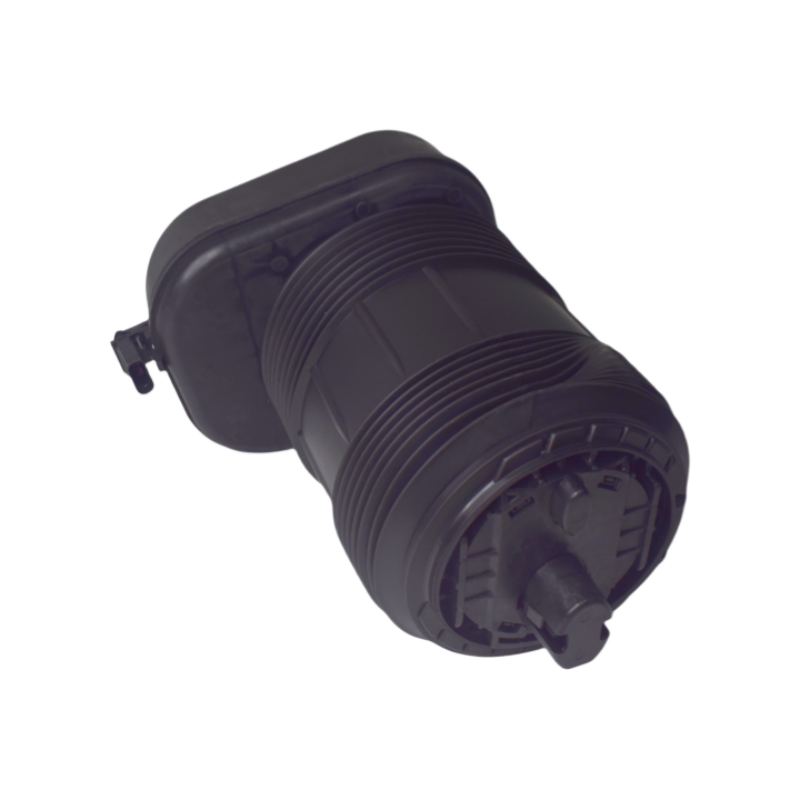
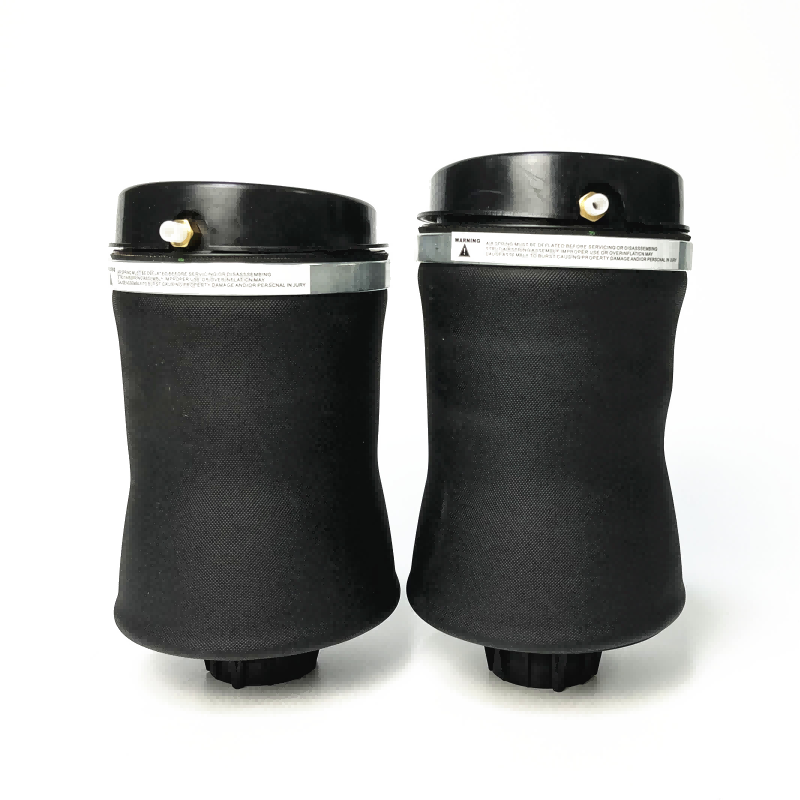
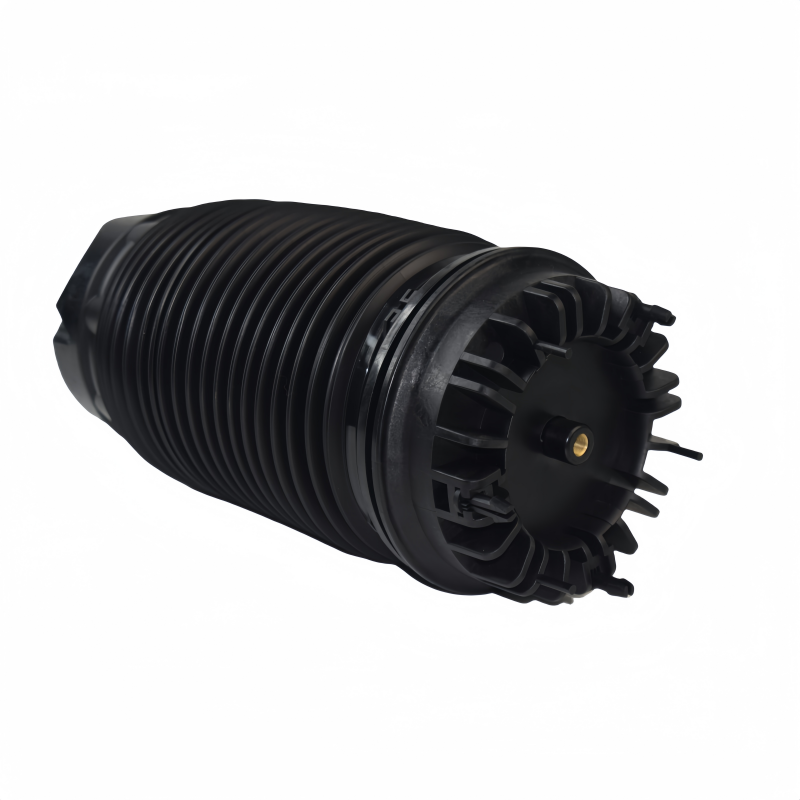
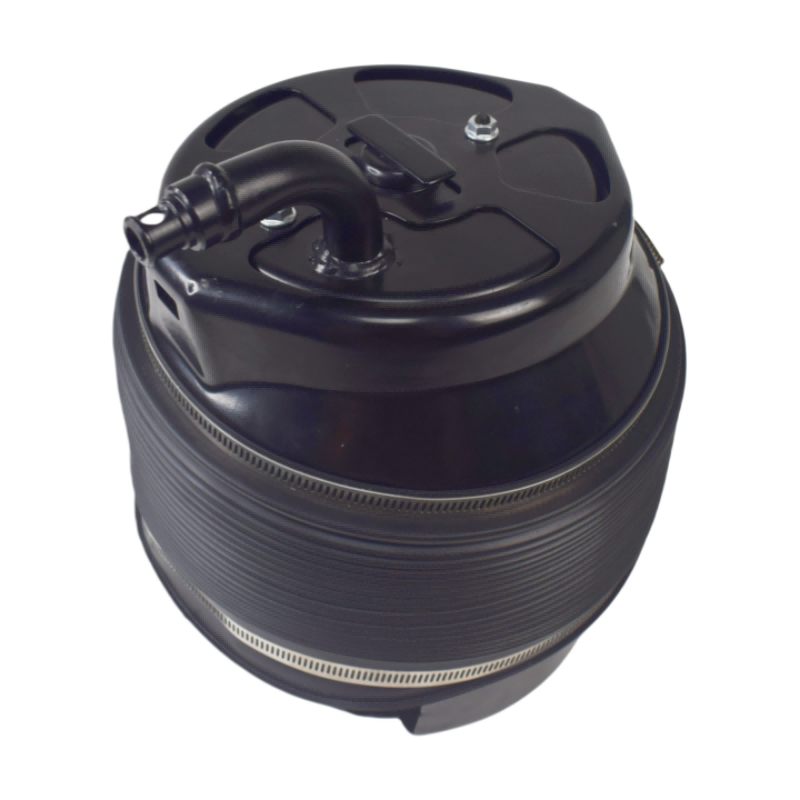
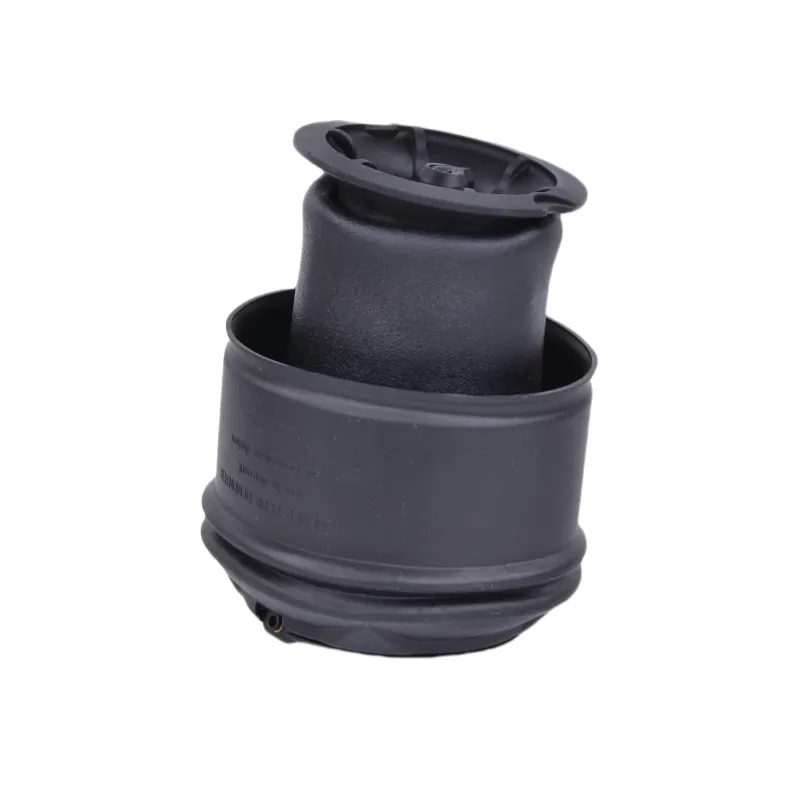
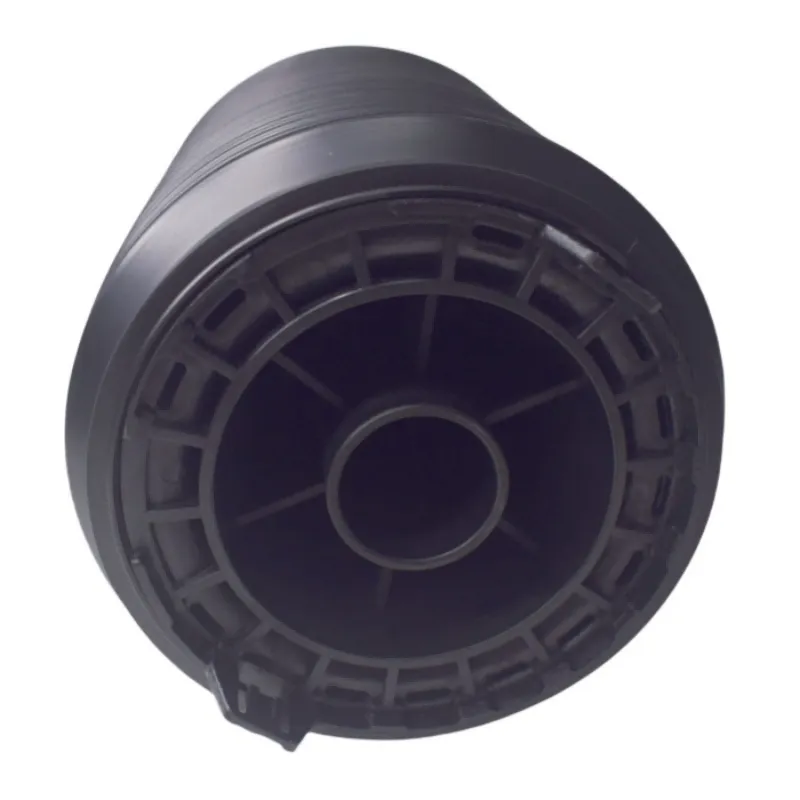
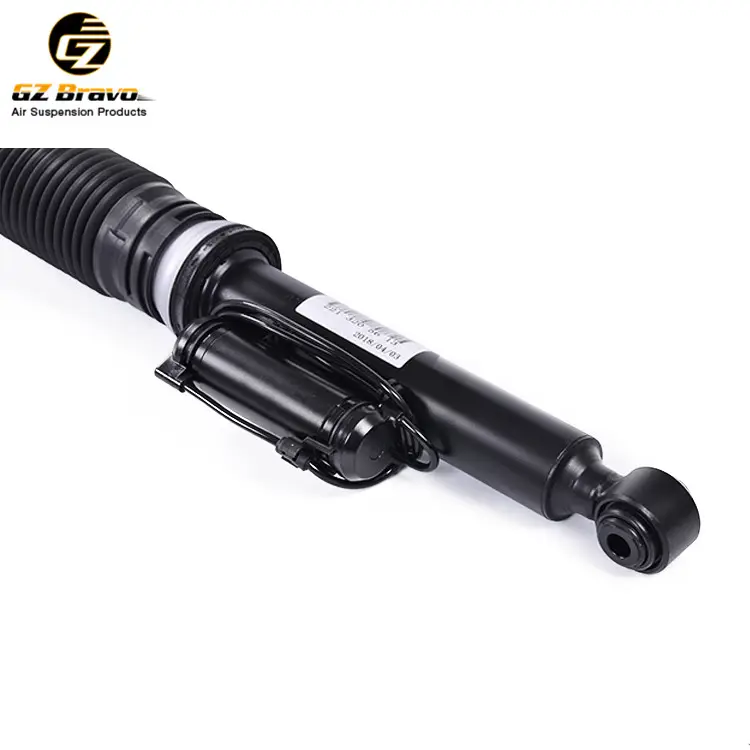
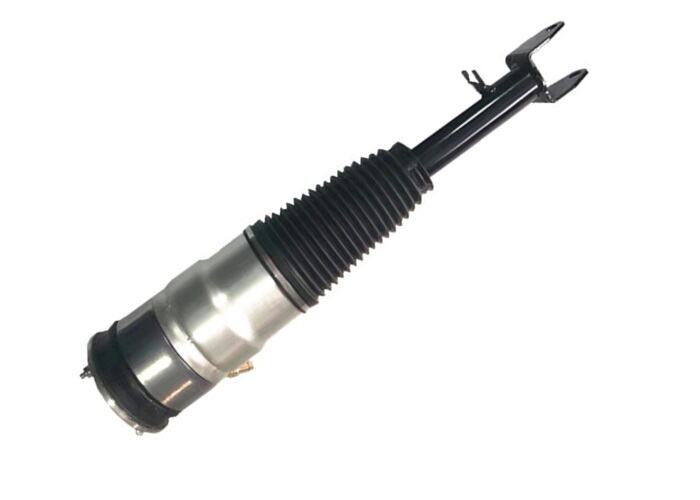
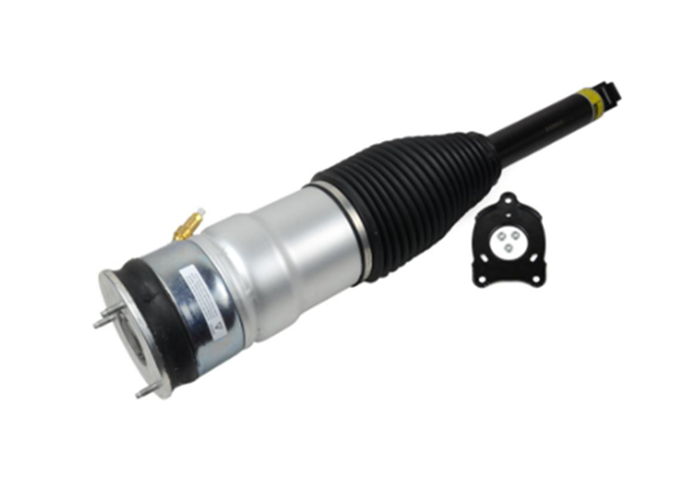
Tesla suspension systems represent a significant advancement in automotive engineering, combining cutting-edge technology with practical performance benefits. At its core, the Tesla suspension serves multiple essential functions: it absorbs road imperfections to provide a smooth ride, maintains tire contact with the road surface for optimal handling, supports the vehicle's weight while allowing controlled movement, and contributes to overall vehicle stability during acceleration, braking, and cornering. Tesla vehicles utilize sophisticated suspension architectures that vary across different models, incorporating double wishbone front suspension designs in performance-oriented variants and multi-link configurations in others. The technological features integrated into Tesla suspension systems distinguish them from conventional automotive suspensions. Many Tesla models offer adaptive air suspension as an available or standard feature, which automatically adjusts ride height based on driving conditions and speed. This intelligent system lowers the vehicle at highway speeds to reduce aerodynamic drag and improve efficiency, while raising it for increased ground clearance when navigating obstacles or entering driveways. The suspension system works in harmony with Tesla's advanced computer systems, utilizing sensors and algorithms to monitor road conditions in real-time and make instantaneous adjustments. Applications of Tesla suspension technology extend across the entire vehicle lineup, from the agile Model 3 and Model Y to the luxurious Model S and Model X, and the robust Cybertruck. Each application is specifically tuned to match the vehicle's intended purpose and performance characteristics. Performance variants like the Model S Plaid feature specially calibrated suspension settings that prioritize handling precision and cornering capability, while maintaining acceptable ride comfort for daily driving. The integration of suspension control with Tesla's overall vehicle management system enables features like automatic leveling when charging and preset ride height profiles that drivers can customize for different scenarios, demonstrating how Tesla suspension technology serves both functional and convenience-oriented purposes in modern electric vehicles.

New Products

The primary advantage of Tesla suspension systems lies in their ability to deliver an exceptionally smooth and comfortable ride quality that passengers immediately notice. Unlike traditional suspensions that operate with fixed settings, Tesla's adaptive systems continuously monitor and respond to changing road conditions, absorbing bumps and irregularities before occupants feel them. This means your daily commute becomes more relaxing, longer road trips cause less fatigue, and passengers arrive at their destination feeling refreshed rather than worn out from constant jostling. The suspension accomplishes this through rapid adjustments that happen hundreds of times per second, working silently in the background to enhance your driving experience. Another significant benefit comes from improved handling and safety performance. Tesla suspension systems maintain optimal tire contact with the road surface during various driving situations, which translates directly into better control when you need it most. Whether navigating a sharp corner, making an emergency maneuver, or simply changing lanes on the highway, the suspension keeps your vehicle stable and predictable. This confidence-inspiring behavior makes driving more enjoyable and less stressful, particularly in challenging weather conditions or unfamiliar roads. The active nature of the system means it adapts to your driving style and current conditions, providing the right balance between comfort and control for each moment. Energy efficiency represents another practical advantage that directly impacts your ownership experience. The air suspension's ability to lower the vehicle at higher speeds reduces wind resistance, which extends your driving range on each charge. This might seem like a small detail, but over months and years of ownership, this efficiency gain adds up to meaningful savings in energy costs and fewer charging stops during long trips. The suspension essentially pays for itself through improved efficiency while simultaneously providing better performance. Convenience features built into Tesla suspension systems add real value to daily ownership. The automatic ride height adjustment makes it easier to load cargo, helps when driving over speed bumps or steep driveways, and can even assist with tire changes. You can save custom height settings for locations you visit regularly, and the vehicle remembers these preferences automatically. This level of customization and automation removes small frustrations from vehicle ownership and demonstrates how advanced suspension technology delivers tangible, everyday benefits beyond just ride quality and handling performance.

Practical Tips

Is air suspension suitable for off-road and heavy-duty driving conditions?

27

May

Is air suspension suitable for off-road and heavy-duty driving conditions?

When drivers and fleet managers consider upgrading or replacing their vehicle's suspension system, one question consistently rises to the top: is air suspension genuinely capable of handling the punishment of off-road terrain and heavy-duty workloads...
View More
Why do manufacturers adopt air suspension systems for luxury vehicle platforms?

27

May

Why do manufacturers adopt air suspension systems for luxury vehicle platforms?

The decision to adopt air suspension systems in luxury vehicle platforms is not an arbitrary engineering choice. It represents a deliberate commitment to delivering a driving experience that consistently exceeds passenger expectations, meets stringen...
View More
How does air suspension enhance stability during high-speed driving operations?

27

May

How does air suspension enhance stability during high-speed driving operations?

When a vehicle travels at high speed, the margin for error shrinks dramatically. Every bump in the road, every shift in load distribution, and every gust of crosswind becomes a real threat to driver control. This is precisely where air suspension pro...
View More
Can a solenoid valve block support fast response in adaptive suspension systems?

03

Jun

Can a solenoid valve block support fast response in adaptive suspension systems?

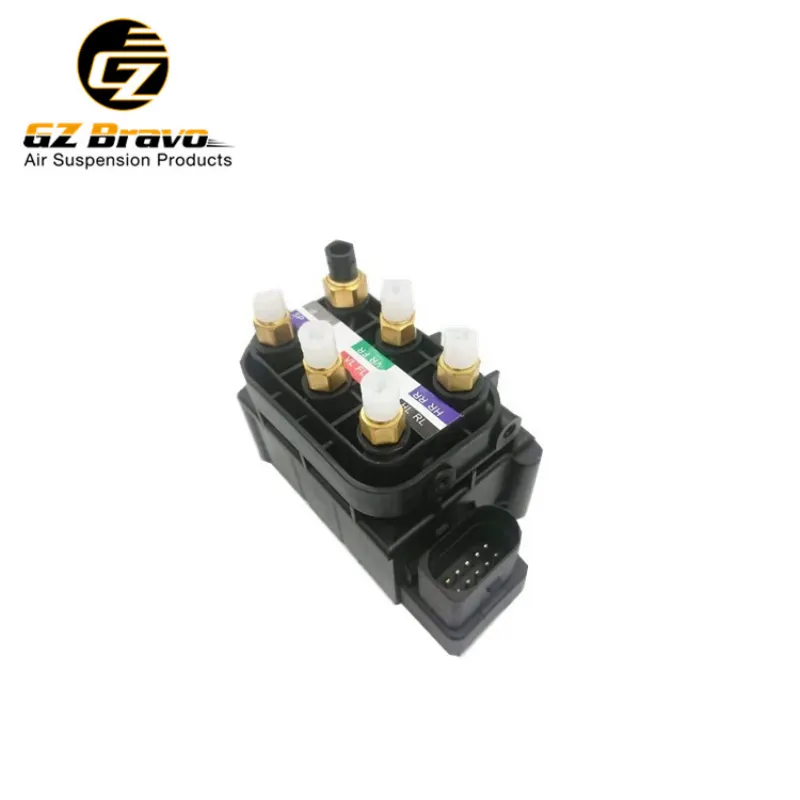
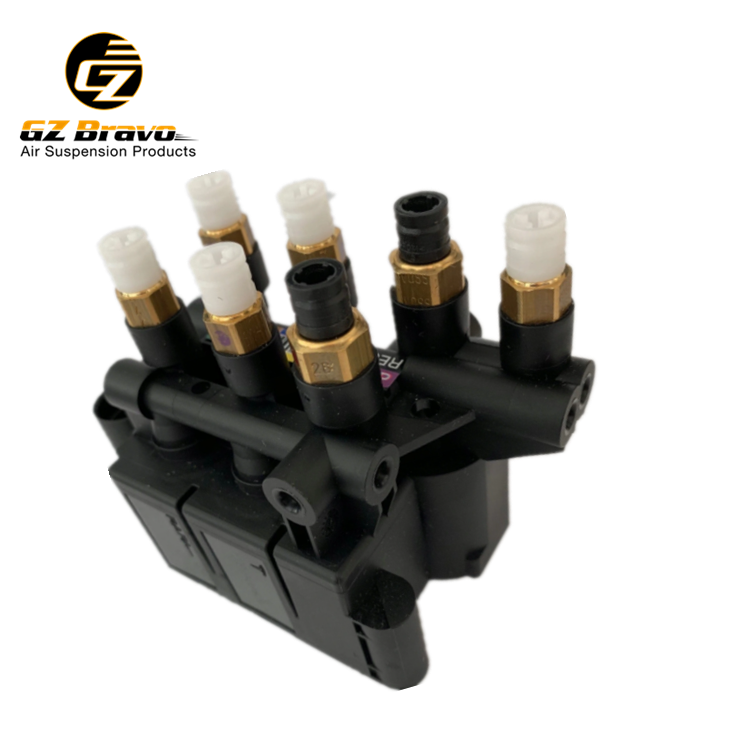
When engineers and automotive specialists evaluate the performance ceiling of adaptive suspension systems, one component consistently emerges as a critical enabler of real-time responsiveness: the solenoid valve block. In air suspension architectures...
View More

Get a Free Quote

Our representative will contact you soon.
Email
Name
Company Name
Message
0/1000

tesla suspension

Adaptive Air Suspension Technology Creates Dynamic Ride Optimization

Adaptive Air Suspension Technology Creates Dynamic Ride Optimization

Tesla's adaptive air suspension represents a revolutionary approach to vehicle ride control that fundamentally changes how suspension systems operate. Traditional suspensions use fixed springs and dampers that provide a compromise between comfort and handling, forcing manufacturers to choose settings that attempt to satisfy multiple conflicting requirements. Tesla suspension technology eliminates this compromise through active adjustment capability. The system employs air springs at each wheel that can be inflated or deflated independently, combined with electronically controlled dampers that adjust their firmness in milliseconds. This combination allows the suspension to transform its character based on current needs. When cruising on smooth highways, the suspension softens to provide a cloud-like ride quality that isolates occupants from minor road surface variations. When aggressive cornering or sudden maneuvers occur, the system instantly firms up to control body roll and maintain precise handling characteristics. The intelligence behind this system comes from an array of sensors monitoring wheel position, body acceleration, steering angle, brake application, and throttle input. Advanced algorithms process this data stream continuously, predicting what the suspension needs to do next rather than simply reacting to what already happened. This predictive capability means the suspension prepares for bumps and road changes before the vehicle fully encounters them, resulting in superior isolation compared to reactive systems. The air suspension also enables automatic ride height adjustment across a significant range, typically offering several inches of variation. At highway speeds above 70 mph, the vehicle automatically lowers itself to reduce aerodynamic drag, cutting through the air more efficiently and extending range. When approaching your home or a location with a steep driveway that you've saved in the system, the vehicle raises itself automatically to prevent scraping. You can also manually trigger height changes through the touchscreen interface, raising the vehicle for off-road situations or deep snow, or lowering it for easier entry and exit or cargo loading. This versatility means one vehicle can adapt to vastly different situations, providing the ground clearance of an SUV when needed and the aerodynamic efficiency of a sports car when appropriate, all through intelligent Tesla suspension management.
Precision Handling Through Advanced Suspension Geometry and Control

Precision Handling Through Advanced Suspension Geometry and Control

The engineering excellence of Tesla suspension systems extends beyond adjustable components to include sophisticated geometric designs that optimize tire contact and handling precision. Tesla employs double wishbone and multi-link suspension architectures that allow precise control over wheel movement throughout the suspension's travel range. These designs ensure that as the suspension compresses and extends over bumps and through corners, the wheel maintains an optimal angle relative to the road surface. This attention to suspension geometry directly translates into predictable handling behavior that drivers can trust in all situations. The front suspension typically uses a double wishbone configuration in performance models, which provides excellent camber control during cornering and allows engineers to tune understeer and oversteer characteristics precisely. The rear suspension employs multi-link designs that balance ride comfort with handling precision, using multiple connection points to control wheel movement in all directions. This sophisticated geometry works in concert with the electronic damper control system to deliver handling that feels connected and responsive without becoming harsh or uncomfortable. The integration of suspension control with Tesla's stability control and traction management systems creates a unified approach to vehicle dynamics. When the stability system detects the beginning of a slide or loss of traction, it can work with the suspension system to adjust damping forces at individual wheels, helping to maintain or restore control. This coordination happens faster than human reaction time, providing an additional safety margin during emergency maneuvers. The suspension system also communicates with the motor control systems, allowing coordinated adjustments when launching hard or during regenerative braking, maintaining optimal weight distribution and traction throughout these events. Performance enthusiasts appreciate how Tesla suspension tuning provides engaging handling characteristics while remaining comfortable enough for daily use. The steering response feels immediate and linear, with the suspension controlling body movements precisely without excessive firmness. During spirited driving on winding roads, the vehicle remains flat and composed through corners, with minimal body roll despite the relatively high center of gravity typical of electric vehicles with floor-mounted batteries. The suspension allows you to place the vehicle exactly where intended, with feedback through the steering and chassis that communicates grip levels and road conditions clearly, enabling confident driving at speed while maintaining the comfort expected in a premium vehicle.
Smart Integration Enhancing Safety, Efficiency, and Everyday Usability

Smart Integration Enhancing Safety, Efficiency, and Everyday Usability

Beyond the mechanical sophistication of Tesla suspension components, the system's integration with the vehicle's computer systems and software creates advantages that extend into safety, efficiency, and daily usability. The suspension system serves as both a source of data and an actuator within Tesla's comprehensive vehicle management network. Sensors embedded in the suspension continuously measure wheel position, suspension travel, and damper forces, feeding this information to central processors that coordinate responses across multiple vehicle systems. This data integration enables features that would be impossible with conventional suspension designs. One significant integration benefit involves GPS location awareness combined with suspension memory. When you regularly navigate a particular driveway with challenging angles or clearance requirements, you can manually raise the suspension the first time and save that location. Subsequently, whenever you approach that location, the vehicle recognizes where you are and automatically adjusts ride height appropriately, eliminating the need to remember to make manual adjustments. This same location-based adjustment works for parking garages with height restrictions, off-road trails, or any situation where a specific ride height proves optimal. The vehicle essentially learns your preferences and applies them automatically, removing small inconveniences from daily driving. The suspension system also contributes to vehicle security and protection. When parked, the suspension can activate a jack mode that makes the vehicle extremely difficult to tow or move without authorization, as it lowers to minimum height and locks the suspension system. If someone attempts to jack up the vehicle, the system can detect the unusual movement and trigger security alerts. This integration of suspension control with security systems demonstrates how Tesla approaches vehicle engineering holistically rather than treating each system in isolation. Energy management represents another area where intelligent suspension integration provides tangible benefits. By automatically lowering the vehicle at highway speeds, the system reduces aerodynamic drag by several percentage points, which directly translates into extended range. Over the lifetime of the vehicle, this efficiency improvement saves significant energy costs and reduces charging frequency. The suspension system essentially makes the vehicle more aerodynamic when it matters most, without requiring any driver input or attention. Diagnostic capabilities built into the Tesla suspension system provide ongoing monitoring and predictive maintenance benefits. The system can detect developing problems with suspension components before they become serious, alerting you through the vehicle interface when service becomes necessary. This proactive monitoring helps prevent unexpected breakdowns and allows you to schedule maintenance at convenient times rather than dealing with emergency repairs, contributing to lower ownership costs and higher reliability throughout the vehicle's lifespan.


Get a Free Quote

Our representative will contact you soon.
Email
Name
Company Name
Message
0/1000