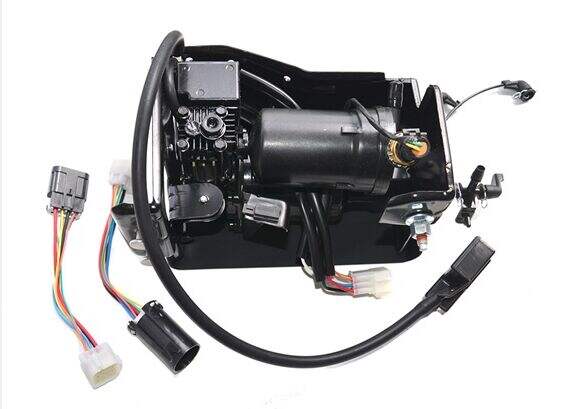
Active Suspension System: Advanced Technology for Superior Ride Comfort and Handling Performance

Get a Free Quote

Our representative will contact you soon.
Email
Name
Company Name
Message
0/1000

active suspension system

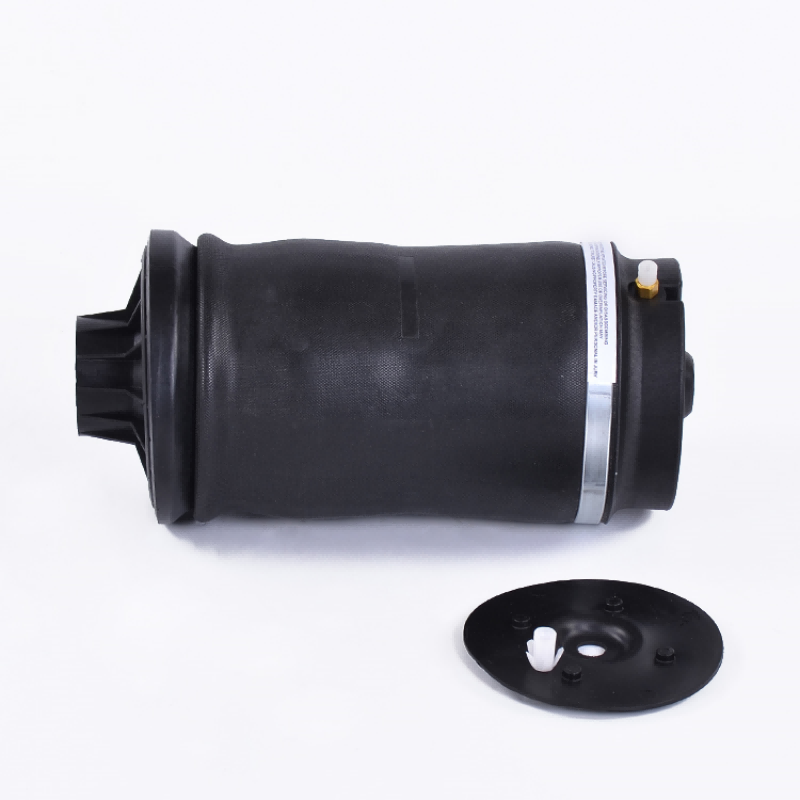
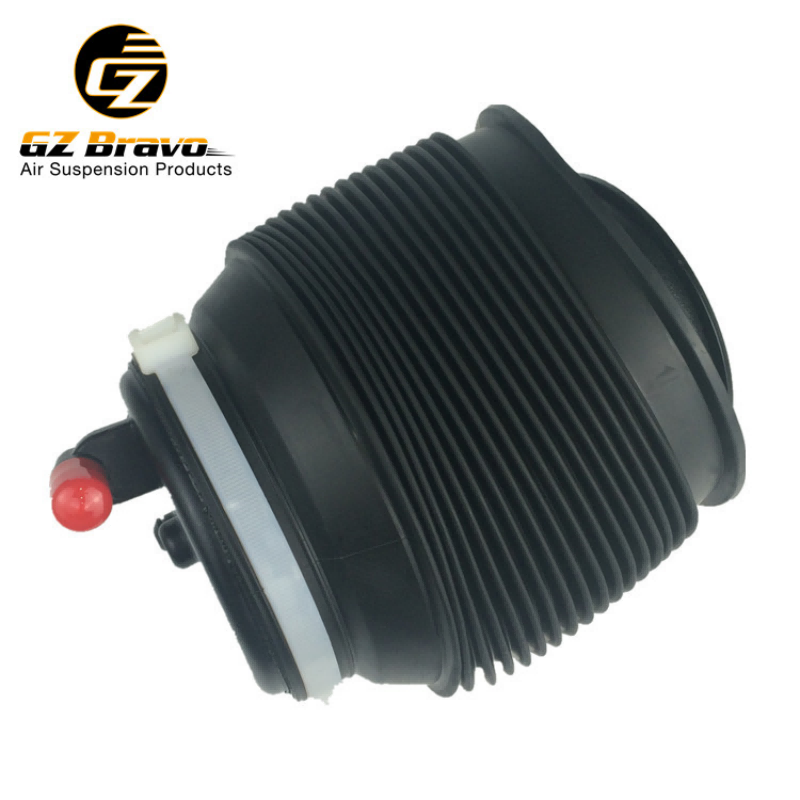
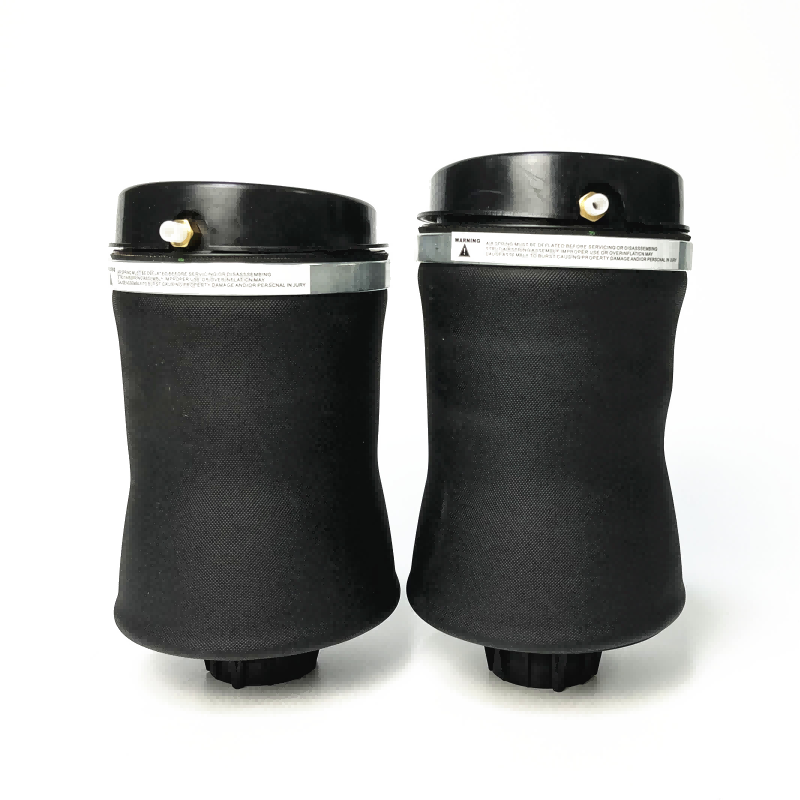
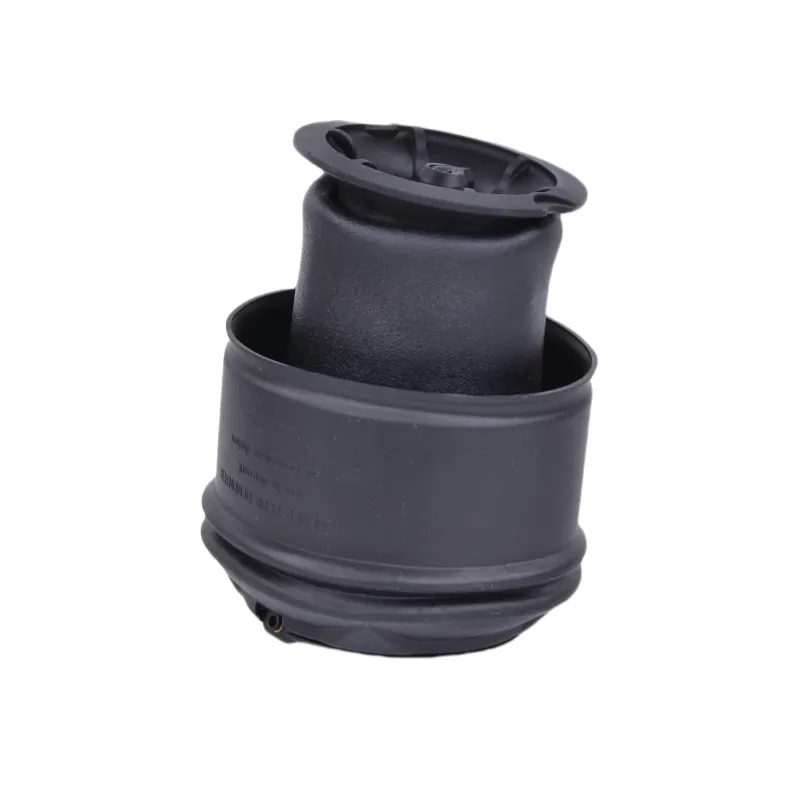
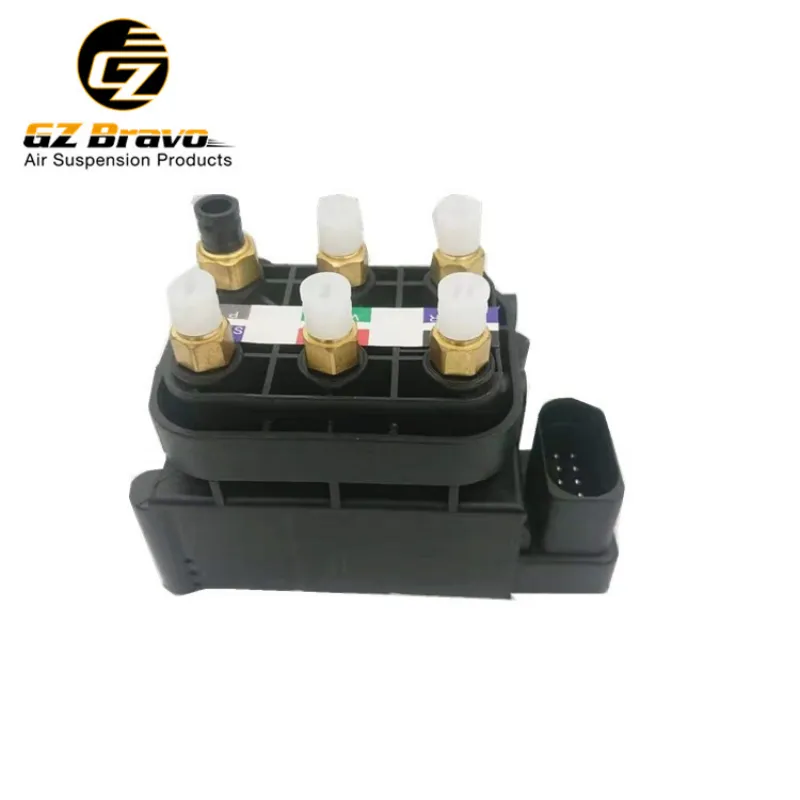
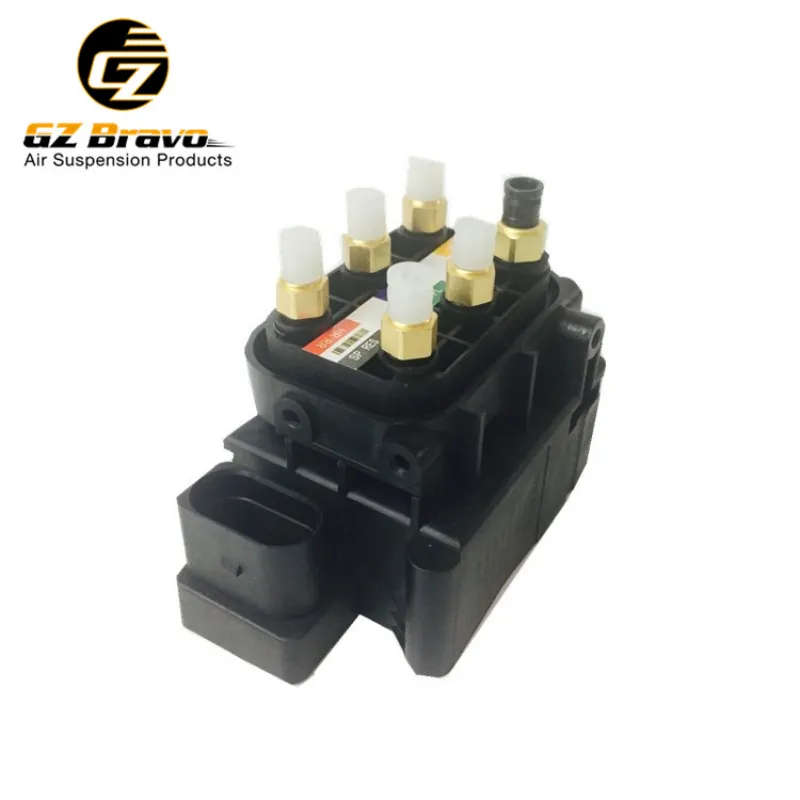
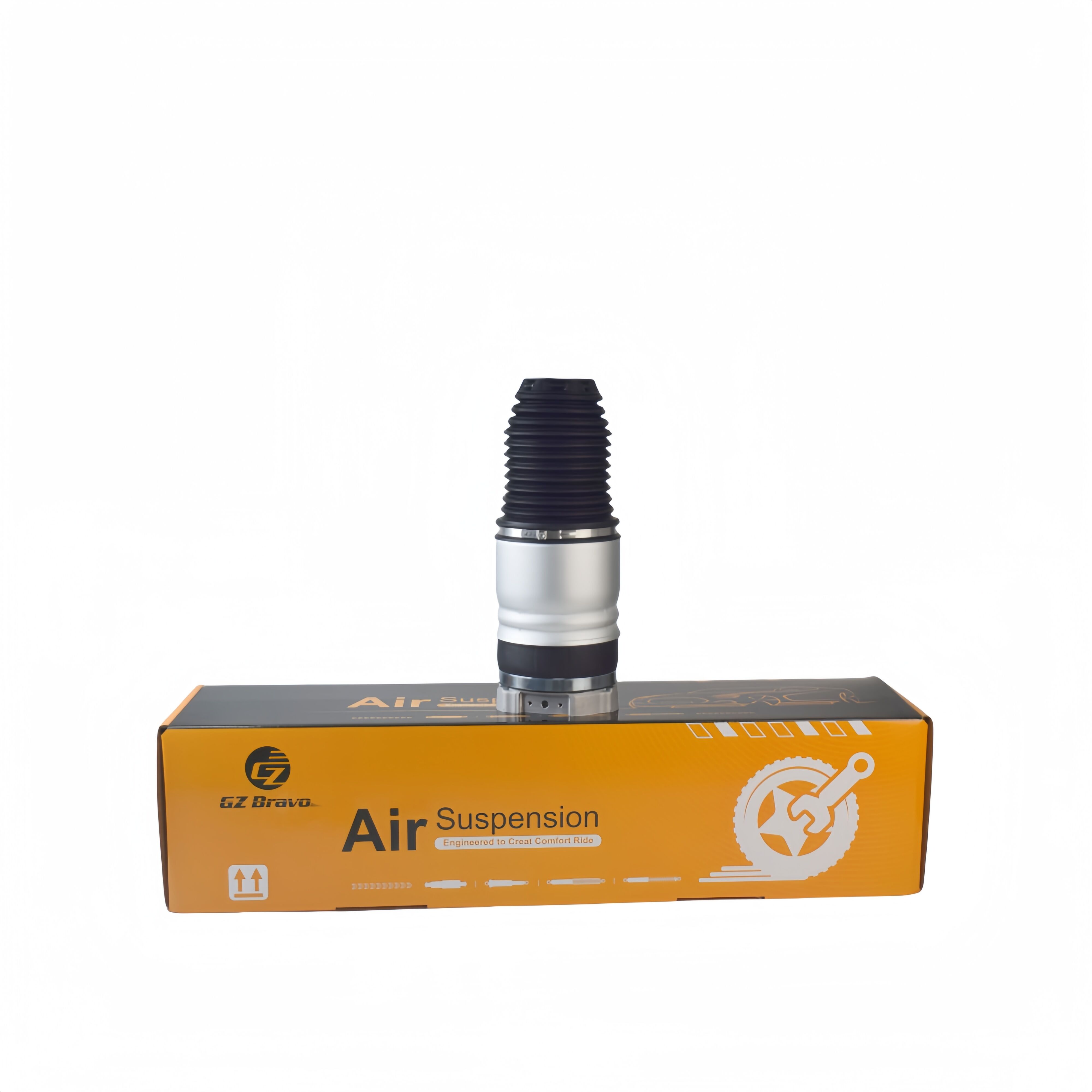
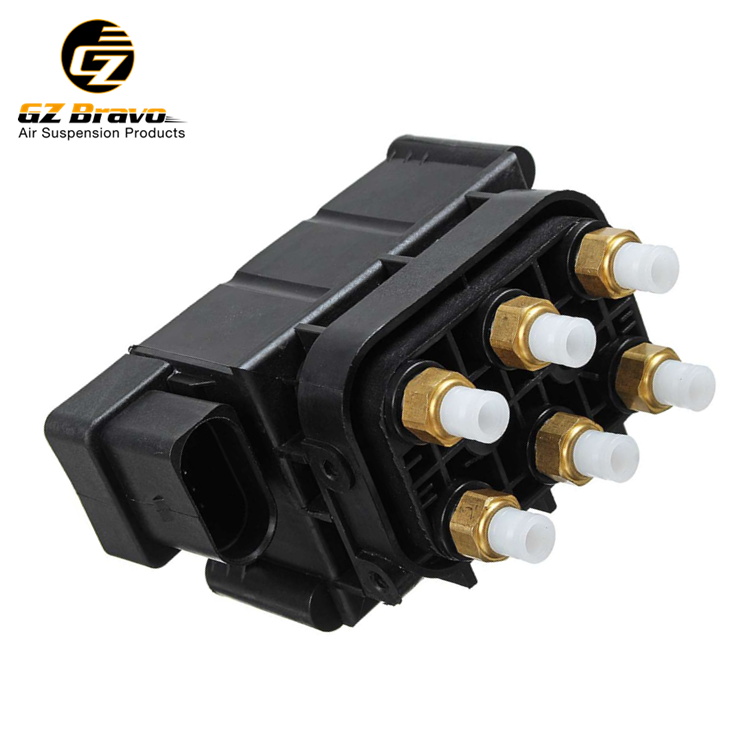
An active suspension system represents a sophisticated automotive technology that continuously adjusts vehicle suspension characteristics in real-time to optimize ride quality, handling performance, and vehicle stability. Unlike traditional passive suspension systems that rely on fixed spring rates and damping coefficients, an active suspension system employs electronic sensors, actuators, and control units to monitor road conditions, driving dynamics, and vehicle behavior thousands of times per second. The system intelligently responds to changing circumstances by adjusting damping forces and suspension geometry instantaneously. The core components of an active suspension system include advanced sensors that detect wheel position, body motion, steering angle, and acceleration forces. These sensors feed data to a central electronic control unit that processes information and commands hydraulic or electromagnetic actuators at each wheel. The actuators can add or remove energy from the suspension system, enabling it to counteract body roll during cornering, minimize pitch during acceleration and braking, and absorb road irregularities more effectively than conventional systems. Applications of active suspension systems span various vehicle segments, from luxury sedans and sports cars to SUVs and commercial vehicles. High-performance vehicles benefit from improved cornering stability and reduced body movements, while luxury vehicles gain enhanced comfort through superior isolation from road imperfections. The technology has evolved significantly since its introduction, with modern systems incorporating predictive capabilities using forward-facing cameras and GPS data to anticipate road conditions ahead. This proactive approach allows the active suspension system to prepare for upcoming bumps, dips, or corners before the vehicle encounters them, delivering an unprecedented level of ride refinement and control that transforms the driving experience across different road surfaces and driving conditions.

New Product Recommendations

The primary advantage of an active suspension system lies in its ability to deliver both exceptional comfort and outstanding handling performance simultaneously, eliminating the traditional compromise between these two qualities. With conventional suspension designs, engineers must choose between soft settings for comfort or firm settings for sporty handling. An active suspension system intelligently adapts to provide plush cushioning over rough roads while instantly firming up when spirited driving demands precise control. Drivers experience a noticeably smoother ride quality as the system actively counters road imperfections before they transfer harshly into the cabin. Passengers enjoy reduced fatigue on long journeys because the vehicle maintains a stable, level platform regardless of road conditions. The system dramatically reduces body roll when navigating curves, keeping the vehicle flat and composed through corners that would cause traditional suspensions to lean significantly. This improved body control translates directly into enhanced safety, as the vehicle remains more predictable and easier to control during emergency maneuvers or sudden direction changes. Braking performance improves because the active suspension system minimizes nose-dive, keeping more weight distributed across all four tires for better stopping power and shorter distances. Acceleration benefits similarly, with reduced rear squat maintaining optimal tire contact and traction. The technology adapts seamlessly to different driving scenarios, automatically adjusting when carrying heavy loads or towing trailers to maintain proper ride height and handling characteristics. Drivers gain confidence knowing their vehicle will respond consistently whether lightly loaded or fully packed. The system contributes to reduced tire wear by maintaining optimal tire contact patches and preventing uneven loading that accelerates degradation. Fuel efficiency can improve slightly because the vehicle maintains better aerodynamic positioning and reduces energy losses from excessive body movements. Modern active suspension systems also enhance the effectiveness of other safety technologies, providing a stable platform that allows antilock brakes, stability control, and collision avoidance systems to function more effectively. The technology offers adjustable ride height capabilities, raising the vehicle for off-road clearance or lowering it for improved highway aerodynamics and easier entry and exit. Ultimately, an active suspension system transforms every journey into a more refined, controlled, and enjoyable experience that justifies its advanced engineering through tangible daily benefits that drivers and passengers immediately notice and appreciate.

Practical Tips

Is air suspension suitable for off-road and heavy-duty driving conditions?

27

May

Is air suspension suitable for off-road and heavy-duty driving conditions?

When drivers and fleet managers consider upgrading or replacing their vehicle's suspension system, one question consistently rises to the top: is air suspension genuinely capable of handling the punishment of off-road terrain and heavy-duty workloads...
View More
What factors affect durability of air suspension components in daily use?

27

May

What factors affect durability of air suspension components in daily use?

When it comes to vehicle ride quality and load management, air suspension components play a central role in delivering comfort, stability, and adaptability across a wide range of driving conditions. Unlike traditional coil spring setups, air-based sy...
View More
How does a solenoid valve block improve airflow management in suspension setups?

03

Jun

How does a solenoid valve block improve airflow management in suspension setups?

Modern air suspension systems depend on precise control of pressurized air to deliver the ride comfort and handling performance that drivers expect. At the center of this control architecture sits the solenoid valve block, a compact but critically im...
View More
How does a solenoid valve block improve suspension adjustment accuracy?

03

Jun

How does a solenoid valve block improve suspension adjustment accuracy?

Modern air suspension systems rely on a precise network of components to deliver a smooth, controlled ride — and at the heart of that network sits the solenoid valve block. This compact but critical assembly governs how compressed air is distri...
View More

Get a Free Quote

Our representative will contact you soon.
Email
Name
Company Name
Message
0/1000

active suspension system

Intelligent Real-Time Adaptation for Superior Ride Quality

Intelligent Real-Time Adaptation for Superior Ride Quality

The defining characteristic of an active suspension system is its remarkable ability to analyze and respond to changing road conditions and driving situations in real-time, delivering an unmatched combination of comfort and control. Traditional suspension systems operate with fixed characteristics that represent a compromise between competing priorities, but an active suspension system continuously monitors vehicle dynamics through an array of sophisticated sensors positioned throughout the chassis. These sensors measure vertical acceleration, lateral forces, steering inputs, brake application, throttle position, and individual wheel movements at rates exceeding one thousand times per second. The electronic control unit processes this massive data stream using advanced algorithms that predict how the vehicle will respond and calculate the optimal suspension settings for the current moment. Within milliseconds, the system commands actuators at each wheel to adjust damping forces or actively push and pull the suspension to counteract unwanted motions. When the vehicle encounters a pothole, the system detects the impact beginning at the front wheels and instantly softens the rear suspension before those wheels reach the same location, virtually eliminating the secondary impact passengers would otherwise feel. During aggressive cornering, the active suspension system detects the initial steering input and body lean, then immediately stiffens the outside suspension and can even push down on the outer wheels while lifting the inner wheels to keep the body remarkably flat and level. This intelligent adaptation means drivers no longer choose between comfort and performance modes because the system delivers both simultaneously based on what the driving situation demands. The technology particularly shines during mixed driving conditions, such as transitioning from smooth highways to deteriorated urban streets, where conventional suspensions struggle to provide adequate performance across the varying surfaces. An active suspension system seamlessly adjusts its character dozens of times per mile, constantly optimizing for the immediate conditions without any input from the driver. This creates a driving experience that feels remarkably refined and sophisticated, as if the vehicle is actively thinking and responding rather than passively reacting to external forces, providing value that customers immediately recognize and appreciate every time they drive.
Enhanced Safety Through Superior Vehicle Stability and Control

Enhanced Safety Through Superior Vehicle Stability and Control

Safety represents one of the most compelling advantages of an active suspension system, as the technology fundamentally improves vehicle stability and driver control in situations where conventional suspensions struggle to maintain composure. The system's ability to actively manage body motions means the vehicle remains more predictable and easier to control during emergency maneuvers that could otherwise lead to accidents. When a driver must swerve suddenly to avoid an obstacle, conventional suspensions allow significant body roll and weight transfer that can overwhelm tire grip and cause loss of control. An active suspension system detects the emergency input and instantly counters the weight transfer by pushing down on the appropriate wheels and stiffening damping rates, keeping the vehicle stable and maintaining tire contact throughout the maneuver. This active stability management works in harmony with electronic stability control systems, providing a physical foundation that makes those electronic interventions more effective and less intrusive. During hard braking, the system prevents excessive nose-dive that would otherwise reduce rear tire grip and potentially cause the rear end to become unstable, especially on slippery surfaces. By maintaining a level attitude under braking, an active suspension system helps all four tires contribute equally to stopping power, reducing stopping distances and improving control. The technology also enhances safety during evasive lane changes, where rapid directional transitions can cause conventional suspensions to oscillate and temporarily reduce tire grip at critical moments. The active system actively damps these oscillations, keeping the tires firmly planted throughout the maneuver. For vehicles equipped with advanced driver assistance features like automatic emergency braking or collision avoidance, an active suspension system provides crucial support by maintaining optimal vehicle attitude and tire loading, allowing these systems to function more reliably and effectively. The benefits extend to everyday driving situations as well, such as navigating curved highway entrance ramps where conventional suspensions might allow uncomfortable lean angles that cause passengers to brace themselves, while an active suspension system keeps everyone comfortable and secure. In adverse weather conditions, the improved body control helps drivers maintain better feel for the road surface and vehicle limits, reducing the likelihood of overconfidence or sudden loss of control that occurs when suspension behavior becomes unpredictable on wet or icy roads.
Adaptive Load Management and Versatile Performance Capabilities

Adaptive Load Management and Versatile Performance Capabilities

An active suspension system delivers exceptional versatility by automatically adapting to different load conditions and use cases, providing consistent performance whether the vehicle is empty, fully loaded with passengers and cargo, or towing a trailer. This adaptive capability represents significant practical value for customers who use their vehicles for diverse purposes and need reliable performance across varying situations. Conventional suspensions are engineered for an average load condition, which means they compromise performance when lightly loaded or heavily burdened. An active suspension system continuously monitors vehicle load through sensors that detect suspension compression and body position, then adjusts spring rates and damping characteristics to maintain optimal ride height and handling behavior regardless of cargo weight. When passengers and luggage fill the vehicle for a family vacation, the system automatically stiffens to prevent excessive sagging and maintains proper suspension travel, ensuring the same responsive handling and comfortable ride quality as when driving solo. This load-leveling capability proves particularly valuable for SUVs and trucks that frequently carry varying loads, as the vehicle always sits at the proper height for optimal aerodynamics, lighting alignment, and aesthetic appearance. For vehicles equipped with towing capability, an active suspension system provides tremendous benefits by compensating for trailer tongue weight that would otherwise cause the rear to squat significantly and the front to lift, creating dangerous handling characteristics and reduced headlight effectiveness. The system detects the added load and adjusts accordingly, keeping the vehicle level and maintaining safe, predictable handling even when towing near maximum capacity. Many active suspension systems also offer adjustable ride height functionality, allowing drivers to raise the vehicle for increased ground clearance when venturing off-road or navigating deep snow, then lower it for improved aerodynamics and fuel efficiency during highway cruising. This height adjustment typically happens automatically based on speed, with the vehicle lowering itself at highway speeds to reduce air resistance and improve stability, then raising back to normal height when speed decreases. The convenience of automatic load compensation means drivers never need to manually adjust suspension settings or worry about how vehicle loading might affect handling and safety, as the active suspension system handles these considerations seamlessly in the background, delivering consistent, optimal performance that adapts intelligently to how the vehicle is being used at any given moment.


Get a Free Quote

Our representative will contact you soon.
Email
Name
Company Name
Message
0/1000