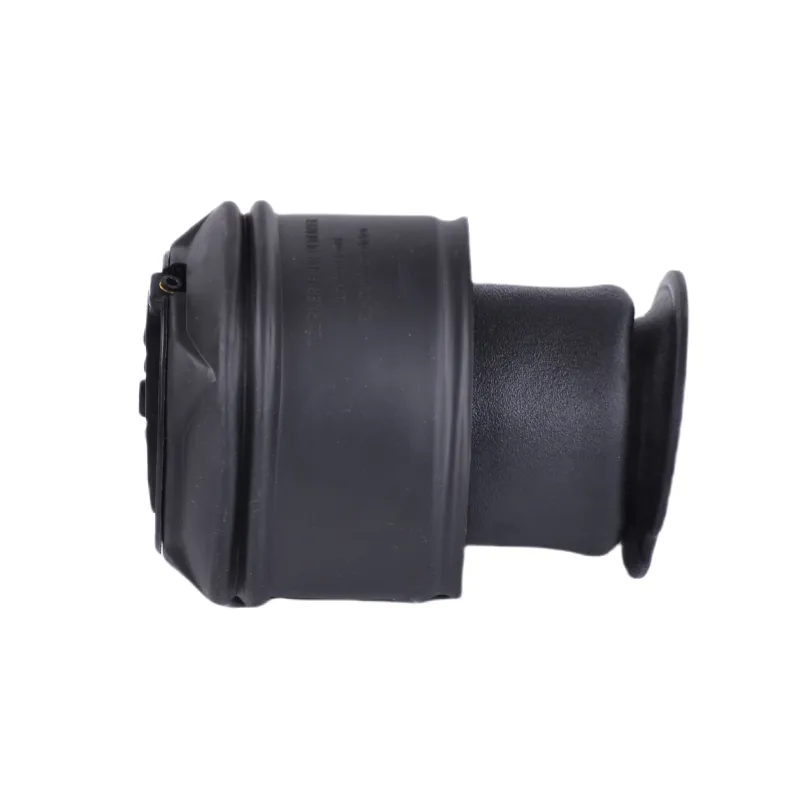
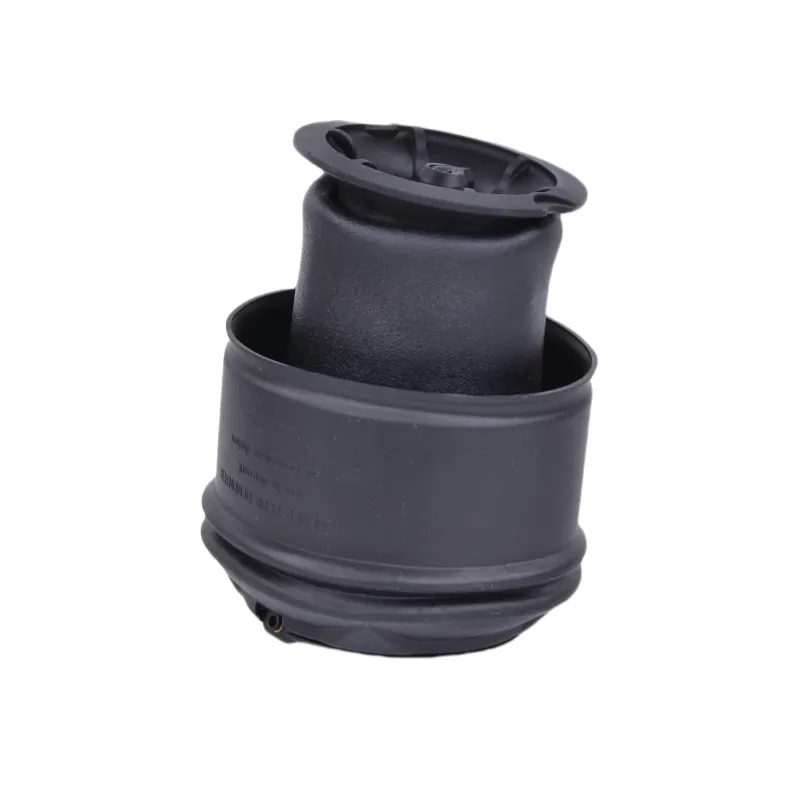
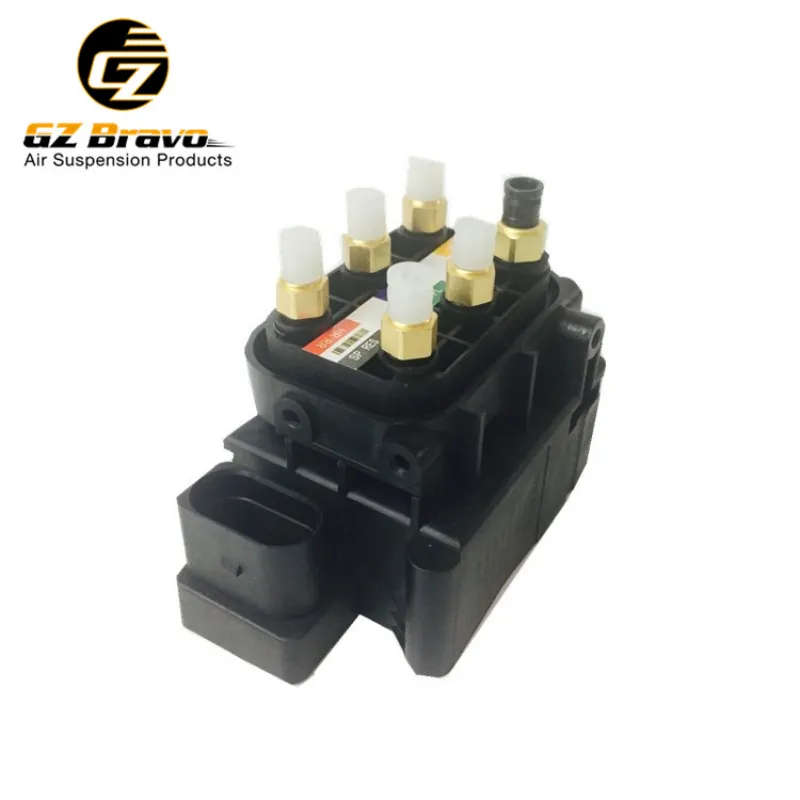
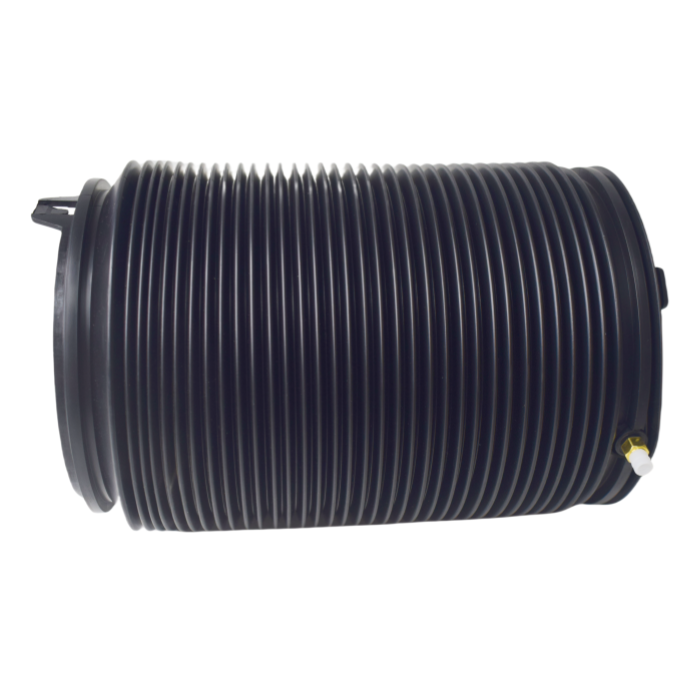
VW Suspension Systems - Advanced Engineering for Superior Comfort and Handling Performance

Get a Free Quote

Our representative will contact you soon.
Email
Name
Company Name
Message
0/1000

vw suspension

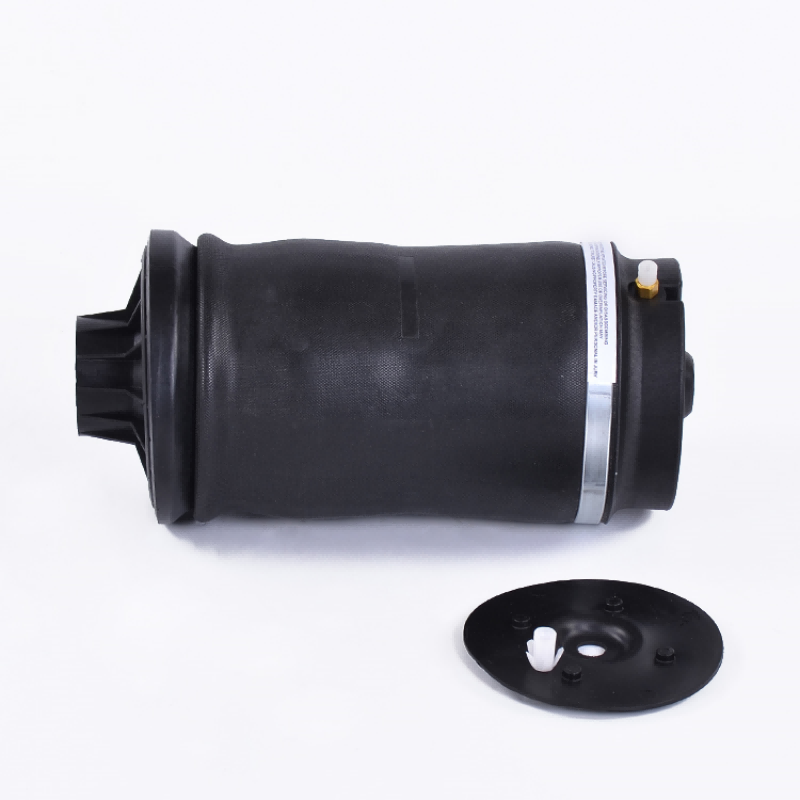
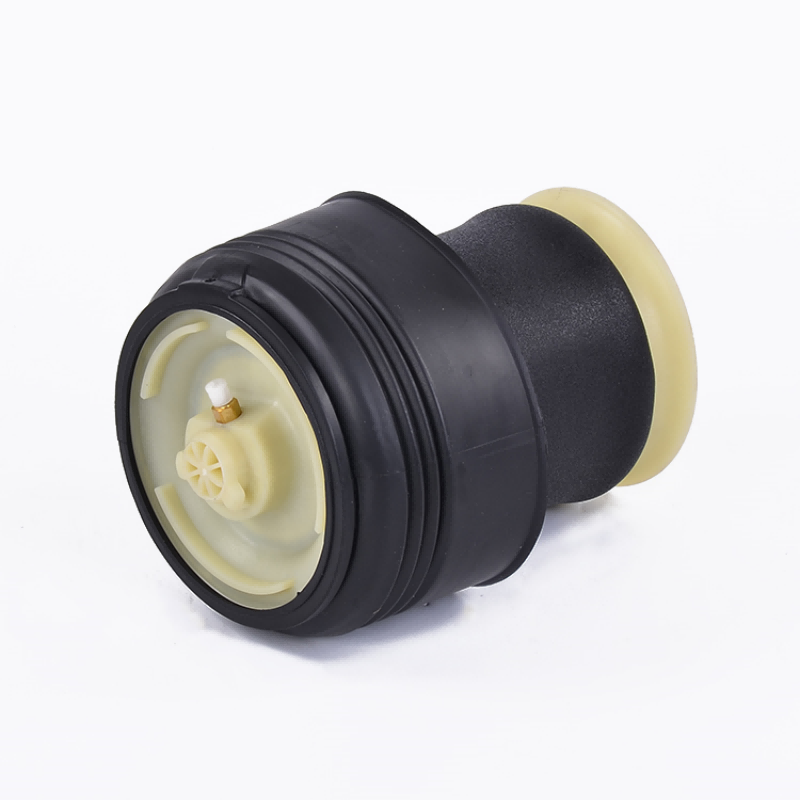
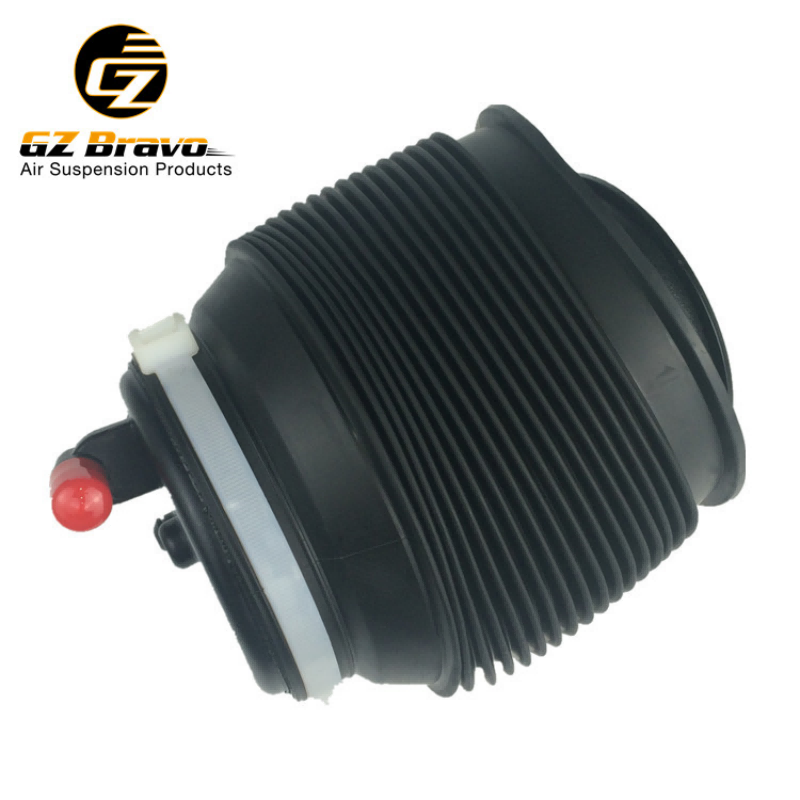
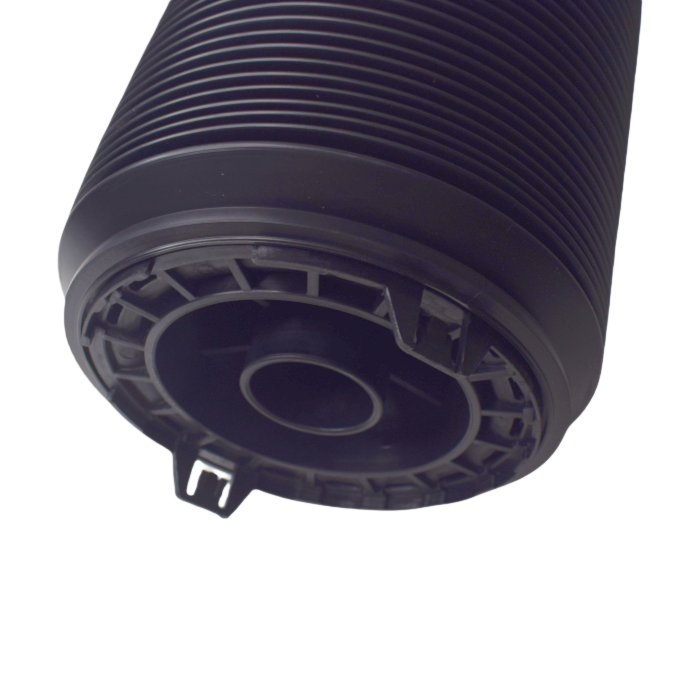
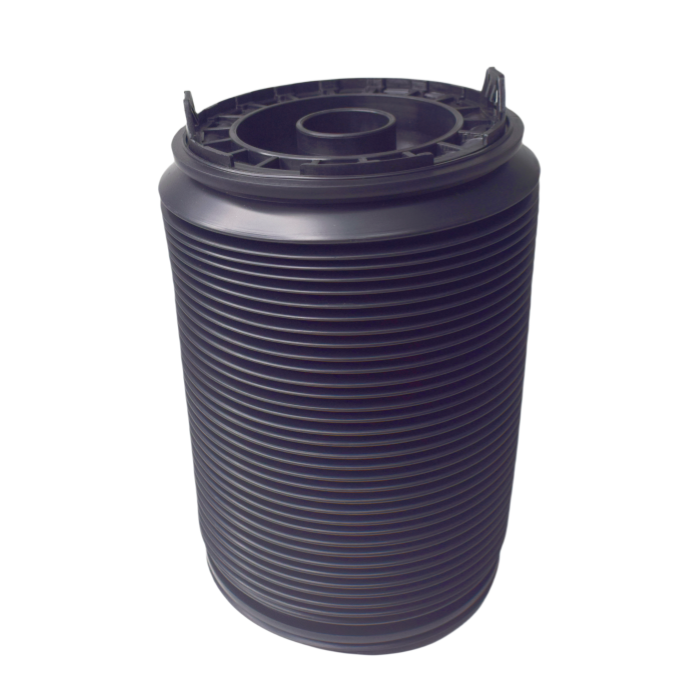
The VW suspension system represents a cornerstone of Volkswagen's commitment to delivering exceptional driving experiences across their vehicle lineup. This sophisticated assembly of components works harmoniously to connect the vehicle body to its wheels, managing the complex relationship between road surface irregularities and passenger comfort. The VW suspension serves multiple critical functions that extend far beyond simple shock absorption. It maintains optimal tire contact with the road surface, ensuring maximum traction during acceleration, braking, and cornering maneuvers. The system also plays a vital role in vehicle stability, preventing excessive body roll during turns and maintaining proper weight distribution across all four corners of the vehicle. Modern VW suspension technology incorporates advanced engineering principles, including MacPherson strut configurations in front assemblies and multi-link independent setups in rear applications. These designs allow each wheel to react independently to road conditions, significantly improving overall ride quality and handling precision. The VW suspension utilizes precision-engineered springs, dampers, control arms, stabilizer bars, and bushings that work together seamlessly. The springs support vehicle weight while absorbing impact energy from road imperfections. Dampers control spring oscillation, preventing excessive bouncing and maintaining vehicle composure. Control arms position wheels accurately, while stabilizer bars reduce body lean during cornering. High-quality bushings isolate vibrations and allow controlled movement within suspension joints. Volkswagen engineers continuously refine suspension tuning to balance comfort and sportiness, creating systems that adapt to diverse driving conditions. The VW suspension finds applications across the entire Volkswagen range, from compact city cars to full-sized SUVs, with each application carefully calibrated to match the vehicle's intended purpose and character. Whether navigating urban streets, cruising highways, or exploring winding mountain roads, the VW suspension provides reliable performance that enhances safety, comfort, and driving enjoyment.


New Products

The VW suspension delivers numerous practical benefits that directly impact your daily driving experience. First and foremost, this system significantly enhances passenger comfort by effectively filtering out road imperfections. When you drive over bumps, potholes, or uneven pavement, the VW suspension absorbs these impacts before they can transmit harsh jolts into the cabin. This means you and your passengers enjoy a smoother, more pleasant journey regardless of road conditions. The system reduces fatigue during long drives, making those extended road trips or daily commutes considerably more comfortable. Safety represents another major advantage of the VW suspension. The system keeps your tires firmly planted on the road surface, maximizing available grip for acceleration, braking, and cornering. This consistent tire contact means shorter stopping distances in emergency situations and better control when navigating curves or avoiding obstacles. The VW suspension prevents dangerous situations where wheels might lose contact with the pavement, which could lead to loss of control. Vehicle handling receives substantial improvement through the VW suspension design. The system maintains proper wheel alignment and geometry throughout the full range of suspension travel, ensuring predictable and responsive steering feel. You experience precise turn-in characteristics, reduced body roll in corners, and stable straight-line tracking at highway speeds. This confidence-inspiring behavior makes driving more enjoyable while simultaneously increasing safety margins. Durability stands as a key practical benefit, as VW suspension components undergo rigorous testing to ensure long service life. The system withstands daily stresses, temperature extremes, and exposure to road salt and debris without premature failure. This reliability translates to lower maintenance costs and fewer unexpected repairs over your ownership period. Quality materials and robust construction mean your VW suspension continues performing optimally for many years and thousands of miles. The VW suspension also contributes to vehicle efficiency by maintaining proper ride height and wheel alignment, which reduces rolling resistance and optimizes aerodynamics, potentially improving fuel economy. Additionally, the system protects other vehicle components by isolating them from road shock and vibration, extending the lifespan of everything from interior trim pieces to electronic systems.

Tips And Tricks

How does air suspension improve ride comfort in commercial vehicle applications?

27

May

How does air suspension improve ride comfort in commercial vehicle applications?

In commercial vehicle applications, driver comfort and cargo protection are not luxuries — they are operational necessities. Rough roads, heavy payloads, and long-haul routes place extraordinary stress on both the vehicle and the people inside ...
View More
What factors affect durability of air suspension components in daily use?

27

May

What factors affect durability of air suspension components in daily use?

When it comes to vehicle ride quality and load management, air suspension components play a central role in delivering comfort, stability, and adaptability across a wide range of driving conditions. Unlike traditional coil spring setups, air-based sy...
View More
Is a solenoid valve block essential for precise control in air suspension systems?

03

Jun

Is a solenoid valve block essential for precise control in air suspension systems?

The question of whether a solenoid valve block is truly essential for precise control in air suspension systems is one that every vehicle owner, fleet manager, and automotive technician should understand clearly. Air suspension systems are complex, p...
View More
How does a solenoid valve block improve suspension adjustment accuracy?

03

Jun

How does a solenoid valve block improve suspension adjustment accuracy?

Modern air suspension systems rely on a precise network of components to deliver a smooth, controlled ride — and at the heart of that network sits the solenoid valve block. This compact but critical assembly governs how compressed air is distri...
View More

Get a Free Quote

Our representative will contact you soon.
Email
Name
Company Name
Message
0/1000

vw suspension

Advanced Multi-Link Independent Design for Superior Road Handling

Advanced Multi-Link Independent Design for Superior Road Handling

The VW suspension employs sophisticated multi-link independent architecture that represents a significant technological advancement in automotive engineering. This design philosophy separates each wheel's suspension operation from the others, allowing independent response to road surface variations. When one wheel encounters a bump or depression, it moves through its travel range without directly affecting the opposite wheel or those on the other axle. This independence delivers transformative benefits for both comfort and handling characteristics. The multi-link configuration utilizes multiple control arms positioned at carefully calculated angles to manage wheel movement precisely throughout the suspension travel range. Each link serves a specific purpose in controlling camber, caster, and toe alignment as the wheel moves up and down. This geometric precision ensures the tire contact patch remains optimally positioned against the road surface, maximizing available grip regardless of suspension position. The VW suspension benefits from extensive computer simulation and real-world testing that optimizes link placement, length, and attachment points. Engineers analyze countless variables to achieve the ideal balance between comfort, handling, and durability. The result is a system that absorbs small road irregularities with compliant, comfortable motion while maintaining firm control during aggressive driving maneuvers. The independent design of the VW suspension significantly reduces unsprung weight compared to older solid axle configurations. Less unsprung weight means suspension components respond more quickly to road surface changes, maintaining better tire contact and improving ride quality. This responsiveness translates directly to enhanced driver confidence and control. Installation of the VW suspension utilizes robust subframe mounting points that provide structural rigidity while incorporating carefully designed isolation bushings. These bushings filter vibrations before they reach the passenger compartment while still maintaining the precise wheel control necessary for sharp handling. The multi-link VW suspension architecture accommodates a wide range of tuning possibilities, allowing Volkswagen engineers to customize characteristics for different models within the lineup while maintaining fundamental design benefits across the entire range.
Precision-Engineered Damping Technology for Optimal Comfort Control

Precision-Engineered Damping Technology for Optimal Comfort Control

The damping system within the VW suspension represents critical technology that separates excellent suspension performance from merely adequate functionality. Dampers, commonly called shock absorbers, control the rate at which suspension springs compress and extend, preventing uncontrolled oscillation that would create an uncomfortable, bouncy ride. The VW suspension incorporates advanced damper designs featuring velocity-sensitive valving that automatically adjusts damping force based on suspension movement speed. During slow suspension movements over gentle road undulations, valving provides relatively light damping force, allowing compliant motion that maintains comfort. When suspension movement occurs rapidly, such as when hitting a sharp bump or during aggressive cornering, the damper valving restricts fluid flow more aggressively, providing firmer control that prevents excessive body motion. This intelligent response happens automatically through clever hydraulic valve design, requiring no electronic sensors or actuators. The VW suspension dampers utilize high-quality hydraulic fluid and precision-manufactured internal components including pistons, valves, and seals. Manufacturing tolerances are extremely tight to ensure consistent performance across the full operating temperature range. The damper bodies incorporate protective coatings that resist corrosion from road salt and environmental exposure, ensuring long service life even in harsh climates. Twin-tube damper construction in many VW suspension applications provides reliable performance with excellent durability characteristics. This design incorporates an inner pressure tube and outer reserve tube, allowing efficient heat dissipation during extended operation. The twin-tube configuration manages the hydraulic fluid volume changes that occur as the damper piston rod moves in and out during suspension travel. Some performance-oriented VW suspension systems utilize monotube damper technology that offers enhanced thermal management and more consistent performance during spirited driving. The VW suspension damping calibration undergoes extensive development on various road surfaces and driving conditions. Engineers fine-tune compression and rebound damping characteristics separately, optimizing response for different scenarios. The result is a system that provides comfortable compliance over rough surfaces while maintaining composure during dynamic driving situations, delivering the balanced performance that characterizes the Volkswagen driving experience.
Integrated Stabilizer Bar System for Reduced Body Roll and Enhanced Stability

Integrated Stabilizer Bar System for Reduced Body Roll and Enhanced Stability

The stabilizer bar system integrated into the VW suspension plays an essential role in controlling body roll during cornering while maintaining ride comfort during straight-line driving. Also known as anti-roll bars or sway bars, these components connect the left and right sides of the suspension through a torsion spring mechanism. The stabilizer bars resist the twisting motion that occurs when one side of the vehicle rises while the other compresses during cornering maneuvers. The VW suspension employs carefully sized and positioned stabilizer bars at both front and rear axles, with diameters and stiffness levels specifically calibrated for each vehicle model. Thicker bars provide more roll resistance but can reduce independent wheel movement over uneven surfaces, while thinner bars allow more compliance but permit increased body lean. Volkswagen engineers optimize this balance to achieve responsive handling without compromising ride quality. The stabilizer bars in the VW suspension attach to the chassis through rubber-isolated mounting brackets that allow the bar to rotate while filtering vibrations. Adjustable end links connect the stabilizer bar to the suspension control arms or struts, transmitting forces between the bar and suspension assembly. These end links incorporate ball joints or bushings that accommodate the complex motion occurring as the suspension moves through its travel range. High-quality materials ensure the stabilizer bars maintain their precise mechanical properties throughout their service life. The VW suspension stabilizer bars undergo heat treatment processes that create optimal spring characteristics while preventing premature fatigue failure. Protective coatings shield the bars from corrosion that could compromise structural integrity or alter their carefully calibrated stiffness. During straight-line driving over uneven surfaces, the stabilizer bar system in the VW suspension allows relatively free independent movement of left and right wheels because both sides compress or extend together, minimizing twisting forces on the bar. This means the stabilizer bar does not significantly impair ride comfort in typical driving conditions. However, during cornering when weight transfers to the outside wheels, the bar resists the differential motion between suspension sides, reducing body roll and maintaining more level vehicle attitude. This keeps weight distribution more balanced across all four tires, maximizing available grip and enhancing handling precision. The integrated approach of the VW suspension stabilizer bar system works synergistically with springs, dampers, and suspension geometry to create cohesive performance characteristics that drivers appreciate every time they navigate a curve.

Get a Free Quote

Our representative will contact you soon.
Email
Name
Company Name
Message
0/1000