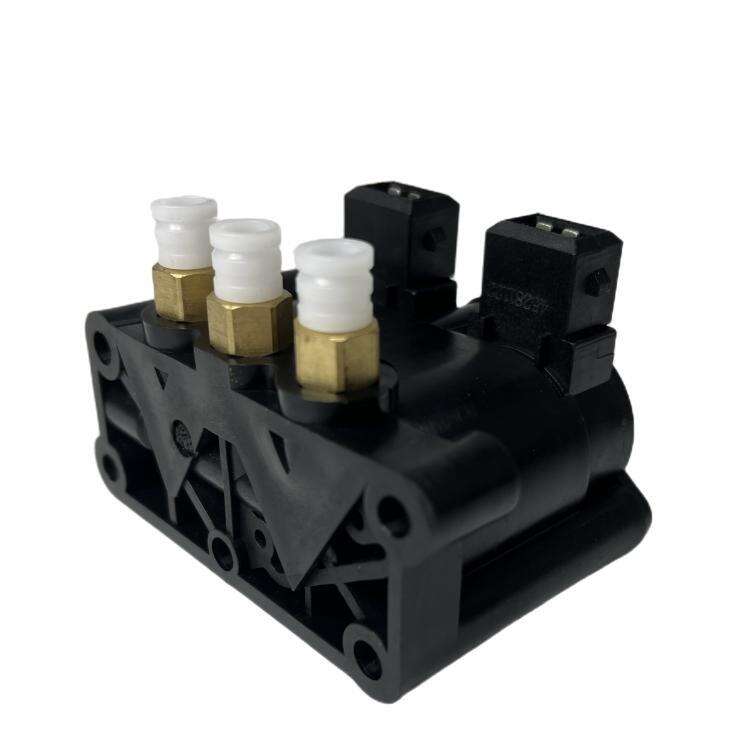
Solenoid Valve Block: Integrated Hydraulic Control Solutions for Industrial Automation

Get a Free Quote

Our representative will contact you soon.
Email
Name
Company Name
Message
0/1000

solenoid valve block

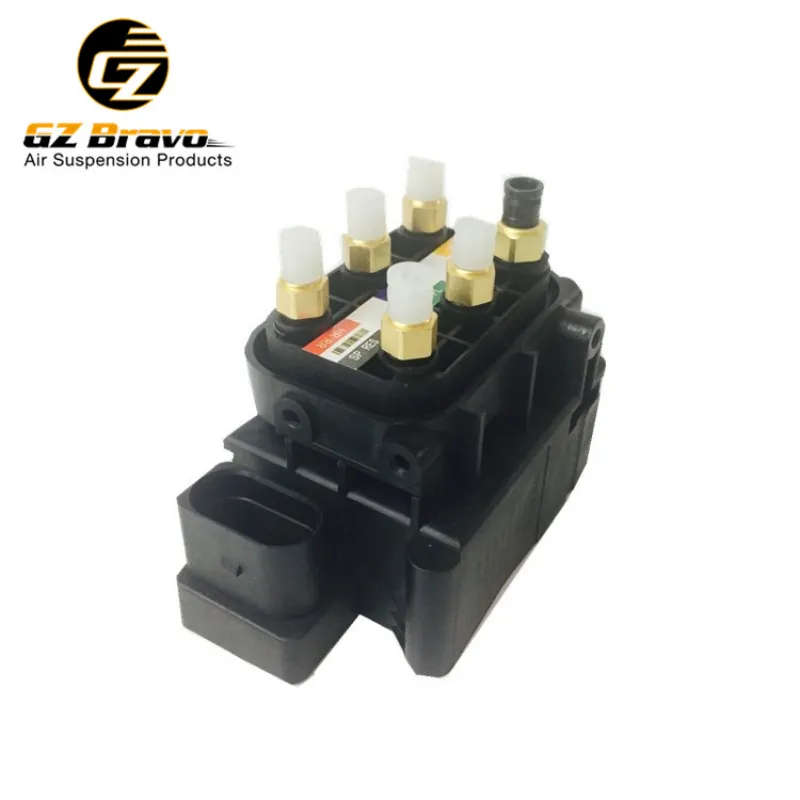
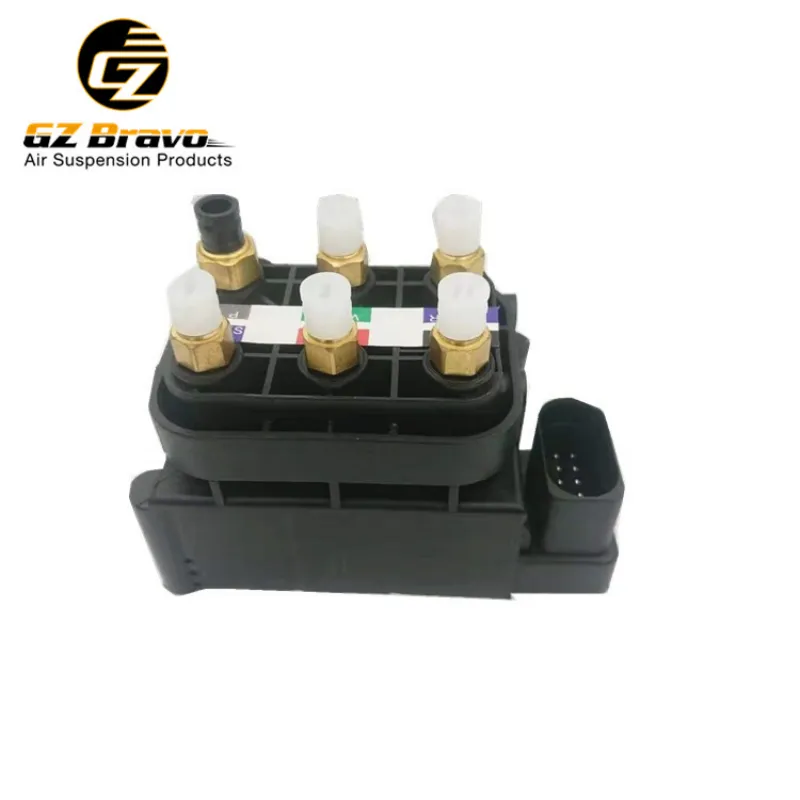
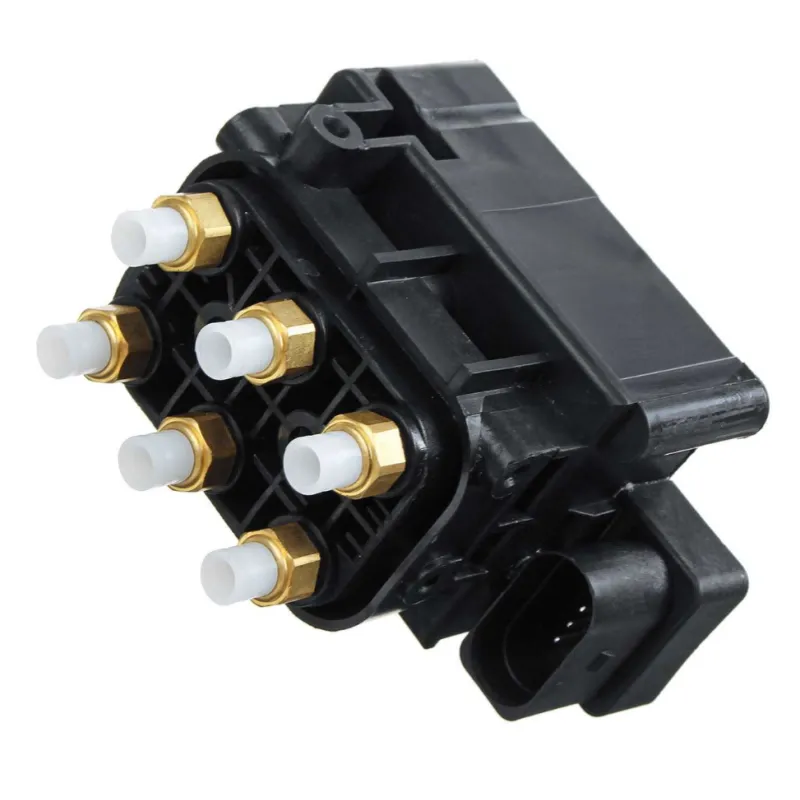
A solenoid valve block represents an integrated hydraulic or pneumatic control system that combines multiple solenoid valves into a single, compact assembly. This sophisticated component serves as the central control hub for fluid power systems, managing the direction, pressure, and flow of hydraulids or compressed air throughout industrial machinery. The solenoid valve block consists of a manifold base that houses several individual solenoid valves, connecting ports, and internal passages that create a unified control platform. By consolidating multiple valves into one unit, this system eliminates the need for extensive piping and individual valve installations. The main functions of a solenoid valve block include precise control of actuator movements, regulation of system pressure, and coordination of complex sequential operations. Modern solenoid valve blocks incorporate advanced electronic controls that enable programmable logic controller integration, allowing for sophisticated automation sequences. The technological features of these assemblies include modular construction that permits easy customization, corrosion-resistant materials such as anodized aluminum or stainless steel, and options for different voltage configurations to match various electrical systems. Many contemporary solenoid valve blocks feature LED indicators for visual status monitoring, manual override capabilities for maintenance purposes, and protective sealing to withstand harsh industrial environments. Applications for solenoid valve blocks span numerous industries, including manufacturing automation, where they control robotic arms and automated assembly lines. In mobile hydraulics, these blocks manage the functions of construction equipment, agricultural machinery, and material handling vehicles. The packaging industry relies on solenoid valve blocks for precise control of filling, capping, and labeling operations. Chemical processing plants utilize these systems for automated mixing, dosing, and transfer operations. The automotive industry incorporates solenoid valve blocks in testing equipment and assembly line tooling. Medical device manufacturing employs these components in sterilization equipment and diagnostic machinery, where reliability and precision are paramount for patient safety and product quality assurance.


New Product Recommendations

The solenoid valve block delivers substantial space savings that transform how you design and organize your equipment. Instead of mounting numerous individual valves across your machinery, you consolidate everything into one compact unit that occupies a fraction of the space. This reduction in footprint means you can build smaller machines or free up valuable room for additional components and easier operator access. Your installation time drops dramatically because you connect to a single manifold rather than running separate lines to each valve. This streamlined approach reduces the number of fittings, hoses, and connections by up to seventy percent, which means fewer potential leak points and significantly less time spent on assembly. The simplified plumbing translates directly into lower installation costs and faster project completion. Maintenance becomes remarkably straightforward with a solenoid valve block configuration. When a valve requires servicing or replacement, technicians can quickly identify the problem through integrated diagnostic features and swap out individual cartridge valves without disrupting the entire system. This modularity means your equipment experiences shorter downtime periods, keeping your production running smoothly and protecting your bottom line. The centralized design also makes troubleshooting faster because all control points are located in one accessible area rather than scattered throughout the machine. Cost efficiency extends beyond installation savings. The integrated manifold design eliminates dozens of individual components, reducing both initial purchase costs and ongoing inventory requirements. You stock fewer part numbers and simplify your supply chain management. Energy consumption typically decreases because the optimized internal passages reduce pressure drops and improve flow efficiency compared to assemblies using multiple fittings and hoses. These efficiency gains compound over time, delivering measurable reductions in operating expenses. Performance improvements become immediately noticeable as the solenoid valve block provides faster response times and more precise control. The shorter internal pathways allow quicker signal transmission and fluid movement, enabling your machinery to operate with greater accuracy and speed. This enhanced performance translates into higher production rates and improved product quality. System reliability increases substantially because the reduced number of connections minimizes potential failure points. Each eliminated fitting represents one less opportunity for leaks, contamination, or pressure loss. The robust manifold construction withstands vibration and shock better than assemblies of individual components connected by flexible hoses. Environmental benefits also deserve consideration. The compact design requires fewer raw materials for manufacturing and reduces packaging waste. The improved energy efficiency lowers your carbon footprint, and the reduced risk of leaks protects against fluid spills that could harm the environment. These sustainability advantages increasingly matter to environmentally conscious customers and help you meet corporate responsibility goals while improving operational excellence across your facility.

Practical Tips

How does air suspension improve ride comfort in commercial vehicle applications?

27

May

How does air suspension improve ride comfort in commercial vehicle applications?

In commercial vehicle applications, driver comfort and cargo protection are not luxuries — they are operational necessities. Rough roads, heavy payloads, and long-haul routes place extraordinary stress on both the vehicle and the people inside ...
View More
Is air suspension suitable for off-road and heavy-duty driving conditions?

27

May

Is air suspension suitable for off-road and heavy-duty driving conditions?

When drivers and fleet managers consider upgrading or replacing their vehicle's suspension system, one question consistently rises to the top: is air suspension genuinely capable of handling the punishment of off-road terrain and heavy-duty workloads...
View More
How does air suspension enhance stability during high-speed driving operations?

27

May

How does air suspension enhance stability during high-speed driving operations?

When a vehicle travels at high speed, the margin for error shrinks dramatically. Every bump in the road, every shift in load distribution, and every gust of crosswind becomes a real threat to driver control. This is precisely where air suspension pro...
View More
How does an air suspension compressor improve performance in load support systems?

03

Jun

How does an air suspension compressor improve performance in load support systems?

When a vehicle carries heavy loads or navigates uneven terrain, the demands placed on its suspension system increase dramatically. An air suspension compressor sits at the heart of any pneumatic load support system, continuously managing air pressure...
View More

Get a Free Quote

Our representative will contact you soon.
Email
Name
Company Name
Message
0/1000

solenoid valve block

Superior Integration and Modularity for Maximum Flexibility

Superior Integration and Modularity for Maximum Flexibility

The solenoid valve block achieves exceptional integration by combining all pneumatic or hydraulic control functions into a unified platform that adapts to your specific operational requirements. This modular architecture allows you to configure the exact number and type of valves needed for your application without paying for unnecessary capacity or compromising on functionality. Each valve position within the manifold can accommodate different valve types, including directional control valves, pressure relief valves, flow control valves, and check valves, all working together in perfect harmony. The standardized mounting interfaces ensure compatibility across valve generations, protecting your investment as technology evolves. When your production needs change, you can easily reconfigure the solenoid valve block by adding or replacing valve cartridges without redesigning the entire system. This adaptability proves invaluable in industries where product lines shift frequently or where machinery must perform multiple tasks. The integration extends to electrical connections as well, with many solenoid valve blocks featuring centralized wiring harnesses or fieldbus connectivity that eliminates the tangled wire bundles typical of distributed valve installations. This electrical consolidation simplifies cable management, reduces electromagnetic interference, and makes system diagnostics more straightforward. The unified design also facilitates standardization across your facility, allowing maintenance teams to develop expertise with a consistent platform rather than learning the quirks of numerous different valve types and mounting configurations. This standardization accelerates training for new technicians and reduces the likelihood of errors during maintenance or troubleshooting. The modularity of the solenoid valve block extends to mounting options as well, with configurations available for direct machine integration, DIN rail mounting, or standalone panel installation. Accessory modules can be added to provide additional functionality such as pressure gauges, manual test buttons, or advanced diagnostic displays. The flexibility inherent in this modular approach means you can start with a basic configuration and expand capabilities as your operations grow or as new automation opportunities emerge. This scalability makes the solenoid valve block an investment that grows with your business rather than becoming obsolete as requirements evolve, delivering lasting value that extends far beyond the initial purchase decision.
Enhanced Reliability and Reduced Maintenance Requirements

Enhanced Reliability and Reduced Maintenance Requirements

The solenoid valve block delivers exceptional reliability through its engineered design that minimizes potential failure modes while maximizing operational lifespan. The solid manifold construction eliminates the mechanical wear associated with threaded connections that can loosen over time due to vibration and thermal cycling. Internal passages machined directly into the manifold body create smooth flow paths without the turbulence and restrictions caused by multiple fittings and adapters. This optimized fluid dynamics reduces component stress and extends seal life throughout the system. The centralized configuration protects individual valves from external damage that might occur when components are mounted in exposed locations across a machine. The manifold acts as a shield, guarding sensitive valve mechanisms from impacts, contaminants, and environmental hazards. Many solenoid valve blocks incorporate filtration at the inlet port, ensuring that all valves receive clean fluid and preventing particle contamination that causes premature wear. The shared pressure supply and return passages within the manifold provide inherent pressure stabilization, damping pressure spikes that could damage valve seals or electronic components. This protection extends component life and maintains consistent performance over millions of operating cycles. Maintenance requirements decrease substantially because the solenoid valve block consolidates service points into a single accessible location. Technicians can inspect, test, and service all valves without navigating through machinery or working in confined spaces. The cartridge-style valve design allows quick replacement without breaking multiple hydraulic or pneumatic connections, reducing service time from hours to minutes. Preventive maintenance becomes more systematic because all service points follow the same schedule rather than tracking individual components scattered throughout equipment. The visual indicators integrated into many solenoid valve blocks provide immediate status feedback, allowing operators to identify developing issues before they cause unexpected downtime. Diagnostic capabilities built into electronically controlled versions enable predictive maintenance strategies where sensor data reveals performance trends that indicate when service will soon be needed. This proactive approach minimizes emergency repairs and allows maintenance activities to be scheduled during planned downtime rather than interrupting production. The long-term cost savings from reduced maintenance labor, fewer replacement parts, and decreased downtime often exceed the initial cost differential between a solenoid valve block system and traditional distributed valve installations, making it a financially sound choice that improves operational efficiency throughout the equipment lifecycle.
Optimized Performance Through Advanced Control Technology

Optimized Performance Through Advanced Control Technology

The solenoid valve block leverages cutting-edge control technology to deliver performance levels unattainable with conventional valve installations. Modern blocks incorporate sophisticated electronic control modules that provide precise timing, proportional control, and intelligent diagnostic capabilities that optimize machine operation. The integrated electronics eliminate signal delays caused by long cable runs to distributed valves, ensuring that commands translate into mechanical action with minimal lag. This responsiveness proves critical in high-speed manufacturing processes where split-second timing differences affect product quality and production rates. The centralized control architecture enables advanced functions such as synchronized multi-axis motion, where multiple actuators must move in precisely coordinated patterns. The solenoid valve block can execute complex sequences programmed into its onboard controller or receive real-time commands from a master programmable logic controller through industrial communication protocols like EtherCAT, PROFINET, or EtherNet/IP. These digital communication interfaces provide bidirectional data exchange, allowing the valve block to report status information, diagnostic codes, and performance metrics back to the control system. This data visibility enables operators and engineers to monitor system health, optimize cycle times, and identify opportunities for efficiency improvements. The proportional control capabilities available in advanced solenoid valve blocks allow infinitely variable regulation of speed and force rather than simple on-off operation. This proportional functionality enables smooth acceleration and deceleration of actuators, reducing mechanical shock and extending machine life while improving process quality. Energy management features built into intelligent solenoid valve blocks monitor power consumption and optimize valve actuation timing to minimize compressed air or hydraulic fluid usage. These systems can implement pressure reduction strategies during idle periods, activate energy-saving modes when full system capacity is not required, and provide detailed energy consumption reports that support sustainability initiatives. The diagnostic capabilities extend beyond simple fault detection to sophisticated condition monitoring that tracks valve response times, coil resistance, and switching frequency. Deviations from normal parameters trigger alerts before complete failure occurs, supporting predictive maintenance strategies that prevent unexpected downtime. Some advanced solenoid valve blocks include self-learning algorithms that adapt to changing system conditions, automatically adjusting parameters to maintain optimal performance as seals wear or fluid properties change with temperature. This intelligent adaptation ensures consistent machine behavior throughout the service interval, eliminating the performance degradation typical of systems without adaptive control. The integration of these advanced technologies within the solenoid valve block creates a smart fluid power control system that serves as a foundation for Industry 4.0 manufacturing initiatives, providing the connectivity, intelligence, and performance required for next-generation automated production systems.

Get a Free Quote

Our representative will contact you soon.
Email
Name
Company Name
Message
0/1000