Air Suspension Solenoid Valve: Precision Control for Superior Ride Quality and Performance

Get a Free Quote

Our representative will contact you soon.
Email
Name
Company Name
Message
0/1000

air suspension solenoid valve

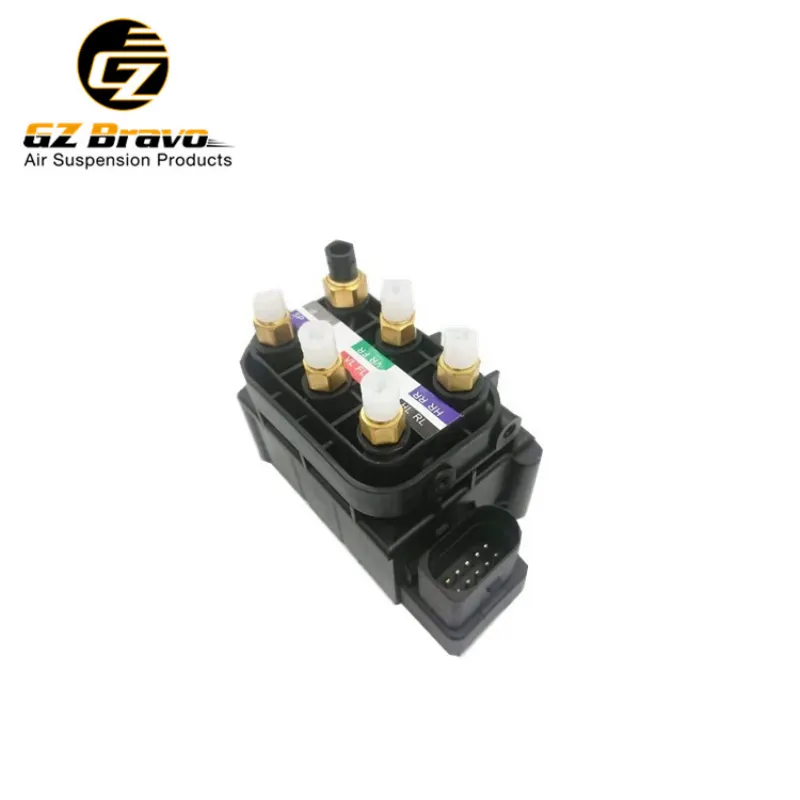
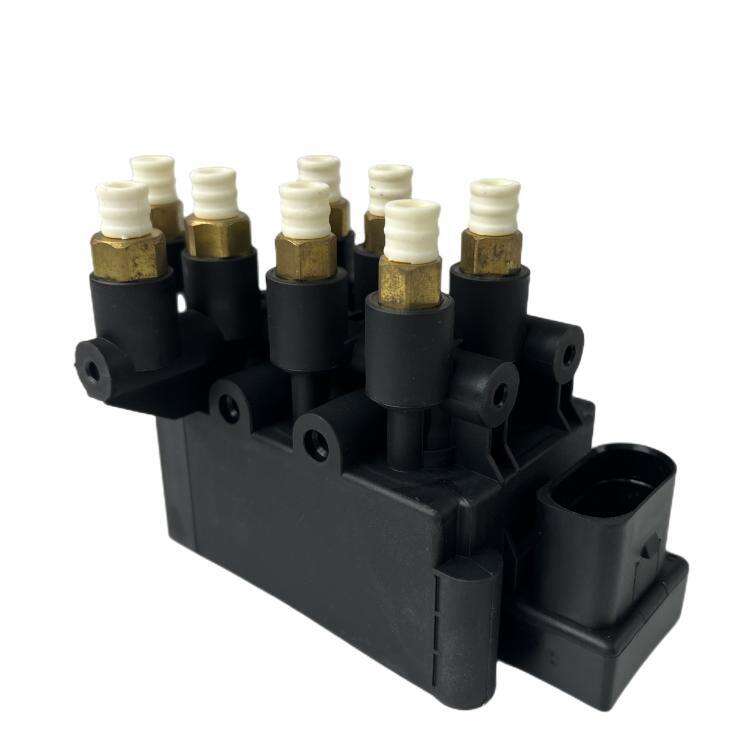
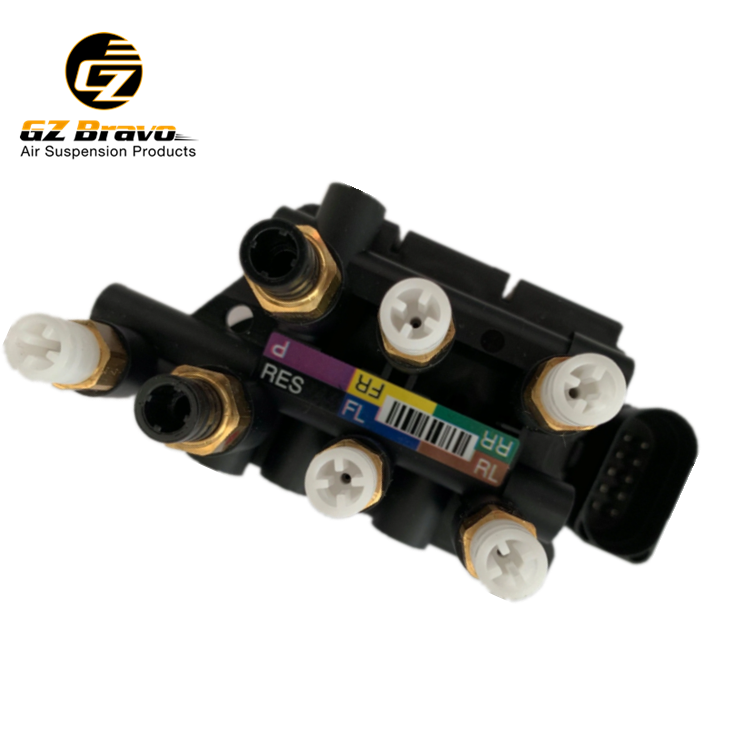
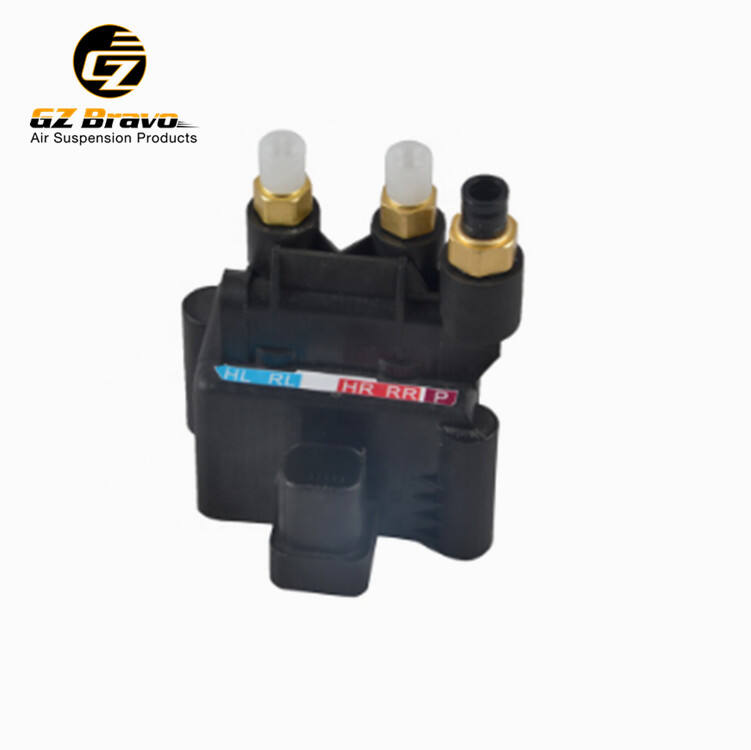
The air suspension solenoid valve represents a critical component in modern vehicle suspension systems, serving as the electronic control mechanism that regulates air flow within pneumatic suspension setups. This sophisticated device functions as an electromechanical switch, opening and closing air passages to adjust the suspension height and stiffness based on driving conditions and load requirements. At its core, the air suspension solenoid valve operates through electromagnetic principles, where an electrical current energizes a coil that generates a magnetic field, pulling or pushing a plunger to control airflow. The primary functions of this valve include controlling air intake from the compressor, releasing air from the air springs, and maintaining precise pressure levels within the suspension system. Technologically, these valves feature rapid response times, typically operating within milliseconds to ensure smooth and immediate adjustments. They incorporate durable materials such as corrosion-resistant metals and high-grade polymers to withstand harsh operating environments, including exposure to road salt, moisture, and temperature extremes ranging from negative forty to over one hundred fifty degrees Fahrenheit. The air suspension solenoid valve finds extensive applications across multiple vehicle categories, from luxury sedans and SUVs seeking enhanced ride comfort, to commercial trucks requiring load-leveling capabilities, and specialty vehicles like motorhomes and buses where passenger comfort is paramount. In automotive applications, these valves work in concert with electronic control units that monitor vehicle speed, acceleration, and road conditions to automatically adjust suspension settings. The technology has evolved to include features like multiple port configurations for controlling different air springs independently, integrated pressure sensors for feedback control, and fail-safe mechanisms that ensure the vehicle maintains a safe ride height even during system malfunctions. Modern air suspension solenoid valves also support advanced driving modes, allowing drivers to select between comfort-oriented soft settings for highway cruising or firmer configurations for spirited driving on winding roads, demonstrating their versatility in meeting diverse performance requirements.

New Product Releases

Choosing an air suspension solenoid valve delivers substantial practical benefits that directly impact your vehicle's performance, comfort, and long-term value. First and foremost, these valves enable precise ride height adjustment, allowing your vehicle to adapt to varying load conditions automatically. When you load cargo or passengers, the system compensates by adding air pressure, maintaining optimal ground clearance and preventing the vehicle from sagging. This capability proves invaluable for truck owners who regularly haul heavy loads, as it ensures consistent handling characteristics regardless of weight distribution. The result is improved safety through better tire contact with the road surface and reduced wear on suspension components caused by bottoming out. Beyond load management, air suspension solenoid valves enhance ride quality significantly. By controlling air pressure dynamically, they absorb road imperfections more effectively than traditional coil or leaf spring systems. You experience fewer jolts and vibrations when driving over potholes, speed bumps, or rough pavement, translating to reduced driver fatigue on long journeys and greater passenger comfort. This advantage becomes especially noticeable in luxury vehicles where refinement is a key selling point, but it benefits any driver who values a smooth, composed ride. The valves also contribute to improved vehicle handling and stability. During cornering, the system can adjust individual air spring pressures to reduce body roll, keeping the vehicle flatter through turns. When accelerating or braking, the system compensates for weight transfer, maintaining a level stance that optimizes tire grip and braking performance. These dynamic adjustments happen automatically and instantaneously, requiring no driver input while delivering measurable improvements in vehicle control. From a maintenance perspective, air suspension solenoid valves offer durability advantages. Quality valves feature sealed designs that protect internal components from contaminants, extending service life and reducing the frequency of replacements. Their electronic nature means fewer moving parts compared to mechanical alternatives, translating to increased reliability over time. When maintenance is eventually required, the modular design of most systems allows for straightforward valve replacement without disassembling major suspension components. Economic benefits also factor into the equation. While the initial investment in air suspension technology may exceed conventional systems, the long-term savings become apparent through reduced tire wear, extended component lifespan, and decreased fuel consumption due to optimized ride height at highway speeds. Additionally, vehicles equipped with air suspension often command higher resale values, as buyers recognize the comfort and capability advantages these systems provide. The versatility of air suspension solenoid valves extends to supporting multiple driving modes, from economy settings that lower the vehicle for reduced aerodynamic drag, to off-road modes that raise ground clearance for navigating obstacles. This adaptability means one vehicle can serve multiple purposes effectively, eliminating the need for compromise in design or the expense of owning separate vehicles for different tasks.

Latest News

How does air suspension improve ride comfort in commercial vehicle applications?

27

May

How does air suspension improve ride comfort in commercial vehicle applications?

In commercial vehicle applications, driver comfort and cargo protection are not luxuries — they are operational necessities. Rough roads, heavy payloads, and long-haul routes place extraordinary stress on both the vehicle and the people inside ...
View More
Why do manufacturers adopt air suspension systems for luxury vehicle platforms?

27

May

Why do manufacturers adopt air suspension systems for luxury vehicle platforms?

The decision to adopt air suspension systems in luxury vehicle platforms is not an arbitrary engineering choice. It represents a deliberate commitment to delivering a driving experience that consistently exceeds passenger expectations, meets stringen...
View More
Can a solenoid valve block support fast response in adaptive suspension systems?

03

Jun

Can a solenoid valve block support fast response in adaptive suspension systems?

When engineers and automotive specialists evaluate the performance ceiling of adaptive suspension systems, one component consistently emerges as a critical enabler of real-time responsiveness: the solenoid valve block. In air suspension architectures...
View More
How does an air suspension compressor improve performance in load support systems?

03

Jun

How does an air suspension compressor improve performance in load support systems?

When a vehicle carries heavy loads or navigates uneven terrain, the demands placed on its suspension system increase dramatically. An air suspension compressor sits at the heart of any pneumatic load support system, continuously managing air pressure...
View More

Get a Free Quote

Our representative will contact you soon.
Email
Name
Company Name
Message
0/1000

air suspension solenoid valve

Advanced Pressure Control Technology for Optimal Performance

Advanced Pressure Control Technology for Optimal Performance

The air suspension solenoid valve incorporates cutting-edge pressure control technology that sets it apart from conventional suspension components, delivering unmatched precision in managing your vehicle's ride characteristics. At the heart of this technology lies a sophisticated electromagnetic actuator that responds to electronic signals within milliseconds, enabling real-time adjustments that keep pace with changing road conditions and driving dynamics. This rapid response capability means the valve can modulate air pressure dozens of times per second if needed, creating a continuously adaptive suspension system that reacts faster than any mechanical alternative. The precision of modern air suspension solenoid valves extends to their ability to maintain exact pressure levels within narrow tolerances, typically plus or minus two percent of the target value. This accuracy ensures consistent vehicle height and ride quality, preventing the gradual sagging that affects conventional suspensions over time. The valve achieves this through integration with pressure sensors and electronic control modules that constantly monitor system performance, making micro-adjustments to compensate for temperature changes, minor leaks, or variations in load distribution. What makes this technology particularly valuable is its ability to support segmented control, where each wheel or axle can be managed independently. This means the system can address specific needs at each corner of the vehicle, such as compensating for uneven cargo loading or adjusting stiffness on the outside wheels during cornering to reduce body roll. The sophisticated valve design accommodates multiple air passages and ports, allowing simultaneous inflation and deflation operations across different air springs without interference. From a durability standpoint, the advanced materials used in these valves ensure reliable operation across extreme temperature ranges and challenging environmental conditions. The electromagnetic coils feature specialized insulation that maintains electrical properties from arctic cold to desert heat, while the valve body utilizes corrosion-resistant alloys that withstand road salt, moisture, and chemical exposure. Internal sealing components employ advanced elastomers engineered specifically for air suspension applications, maintaining their flexibility and sealing capability through hundreds of thousands of actuation cycles. The technology also incorporates fail-safe features that protect both the valve and the broader suspension system. If electrical power is lost or the control module detects a malfunction, the valve automatically assumes a default position that maintains a safe, drivable ride height. Some designs include mechanical bypass mechanisms that allow limited manual control in emergency situations, ensuring you are never stranded with an inoperable suspension system.
Enhanced Durability and Reliability for Long-Term Value

Enhanced Durability and Reliability for Long-Term Value

Durability stands as a defining characteristic of quality air suspension solenoid valves, directly impacting the total cost of ownership and user satisfaction over a vehicle's lifetime. Engineers design these components to withstand the punishing conditions found in automotive environments, where constant vibration, thermal cycling, and exposure to contaminants would quickly degrade lesser components. The valve housing typically employs aerospace-grade aluminum alloys or stainless steel, materials chosen for their excellent strength-to-weight ratios and natural resistance to oxidation and corrosion. These metals undergo specialized surface treatments such as anodizing or passivation that create protective barriers against salt, water, and industrial chemicals encountered on roadways. Inside the valve, critical wear surfaces receive additional protection through advanced coatings or the use of exotic materials like ceramics in high-friction areas. The moving plunger, which cycles potentially millions of times throughout the valve's service life, often features diamond-like carbon coatings or nitrided surfaces that dramatically reduce friction and wear. These treatments extend component life while maintaining precise tolerances essential for accurate pressure control. The electromagnetic coil, another critical element, incorporates multiple layers of protection against the electrical and thermal stresses it experiences. High-temperature wire insulation prevents short circuits, while encapsulation in thermally conductive epoxy compounds both protects the coil from moisture and efficiently dissipates heat generated during operation. This thermal management proves crucial for reliability, as excessive heat accelerates insulation degradation and can lead to premature failure. Sealing technology represents another area where advanced engineering delivers tangible durability benefits. Modern air suspension solenoid valves employ multiple redundant seals at critical junctions, creating barriers that prevent air leakage and contaminant ingress. These seals utilize fluorocarbon elastomers or perfluoroelastomers, materials that maintain their sealing properties across temperature extremes and resist degradation from ozone, oils, and fuels. The seal designs themselves often incorporate spring energizers or backup rings that compensate for wear and thermal expansion, maintaining sealing force throughout the component's life. Quality manufacturers subject their valves to rigorous testing protocols that simulate years of real-world operation in compressed timeframes. These tests include millions of actuation cycles, thermal shock exposure alternating between temperature extremes, salt spray corrosion testing, and vibration profiles that replicate harsh road conditions. Only designs that successfully complete these torture tests reach production, giving you confidence that the valve will perform reliably over the long term. The modular construction of most air suspension solenoid valves further enhances their long-term value proposition. Should a component eventually wear out or fail, the design typically allows replacement of individual elements like coils or seals rather than requiring complete valve replacement. This serviceability reduces maintenance costs and minimizes vehicle downtime, particularly important for commercial applications where every hour of operation counts toward profitability.
Seamless Integration with Modern Vehicle Systems

Seamless Integration with Modern Vehicle Systems

Today's air suspension solenoid valves excel in their ability to integrate seamlessly with sophisticated vehicle electronic architectures, enabling advanced features that enhance safety, comfort, and efficiency. Modern valves incorporate standardized electrical connectors and communication protocols that allow plug-and-play installation with vehicle control modules, eliminating compatibility concerns and simplifying both original equipment installation and aftermarket upgrades. The valves communicate via established automotive networks such as Controller Area Network protocols, exchanging data with the vehicle's electronic control unit regarding valve status, pressure levels, and diagnostic information. This digital communication enables predictive maintenance capabilities, where the system monitors valve performance parameters and alerts you to potential issues before they result in failures. You receive advance warning when a valve shows signs of wear or when system pressure deviations suggest developing problems, allowing scheduled maintenance that prevents inconvenient breakdowns. Integration extends to supporting advanced driver assistance systems that rely on precise vehicle height and attitude control. When equipped with adaptive cruise control or autonomous driving features, the air suspension solenoid valve works in concert with these systems to maintain optimal vehicle geometry for sensor operation. The suspension automatically adjusts to keep cameras and radar units at their calibrated positions, ensuring accurate environmental perception regardless of load conditions. Similarly, integration with electronic stability control systems allows the suspension to complement active safety interventions, adjusting air pressures to enhance traction during emergency maneuvers. The valves also interface with user-facing technologies that put control at your fingertips. Through smartphone applications or in-vehicle touchscreen displays, you can manually select ride height settings, adjust firmness preferences, or activate special modes for specific situations like loading cargo or navigating difficult terrain. Some systems even incorporate GPS integration that automatically adjusts suspension settings based on location, lowering the vehicle for garage clearance or raising it when approaching known rough road sections on your regular routes. From an installation perspective, the standardized interfaces and comprehensive documentation provided with quality air suspension solenoid valves streamline the integration process. Wiring harnesses include clearly labeled connectors that correspond to detailed installation guides, while mounting provisions accommodate various vehicle architectures without requiring custom fabrication. This ease of integration reduces installation time and costs, whether you are a vehicle manufacturer designing a new model or an enthusiast upgrading an existing vehicle. The valves are also designed to coexist with other aftermarket modifications, featuring compact dimensions and flexible mounting options that accommodate lifted suspensions, custom wheel setups, or performance brake upgrades. Diagnostic capabilities represent another crucial aspect of system integration. The air suspension solenoid valve continuously performs self-checks and reports status information to the vehicle's onboard diagnostic system. When technicians connect diagnostic scanners, they access detailed fault codes and live data streams that pinpoint issues quickly, dramatically reducing troubleshooting time compared to systems without such capabilities. This transparency benefits both professional repair facilities and do-it-yourself enthusiasts who perform their own maintenance, making air suspension systems more accessible and less intimidating to service than their reputation might suggest.


Get a Free Quote

Our representative will contact you soon.
Email
Name
Company Name
Message
0/1000