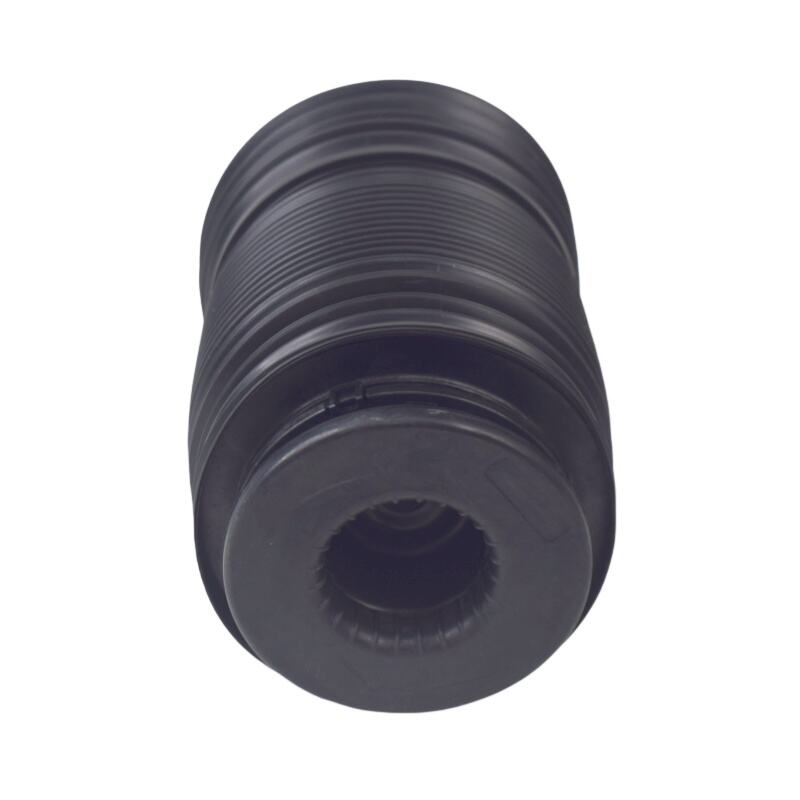
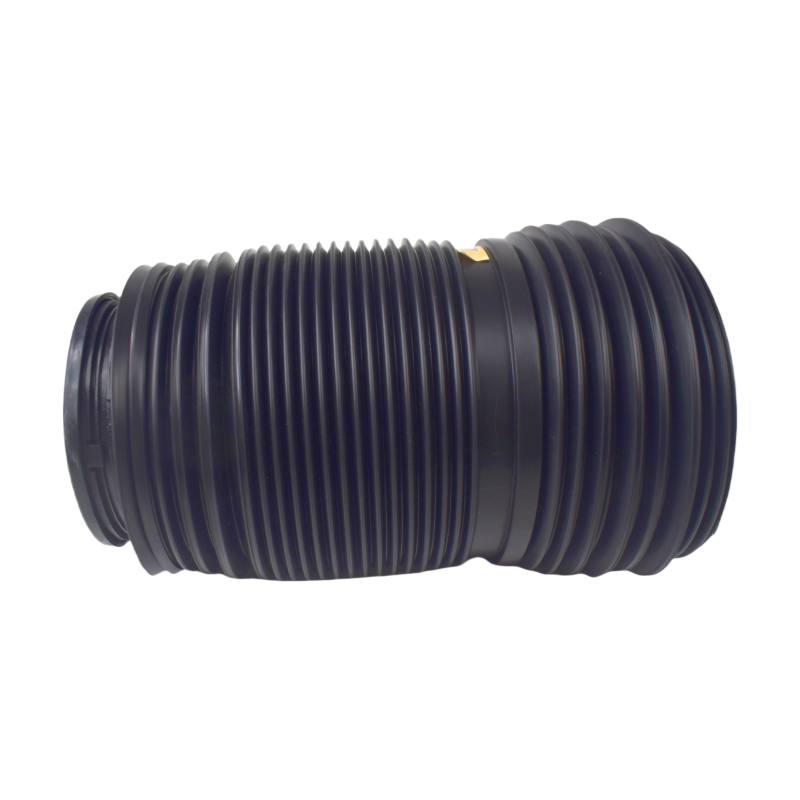
air spring
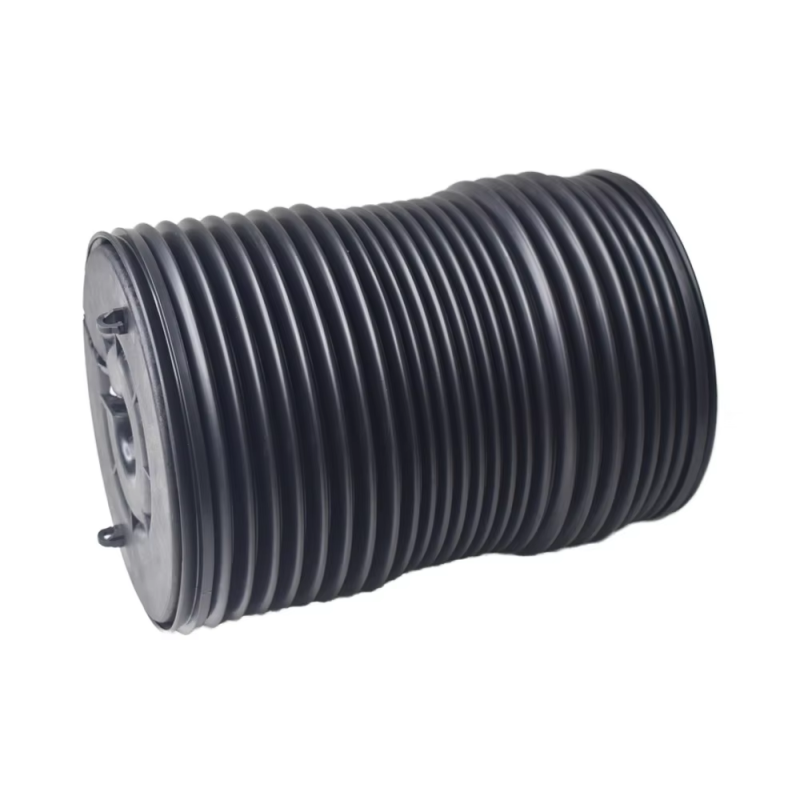
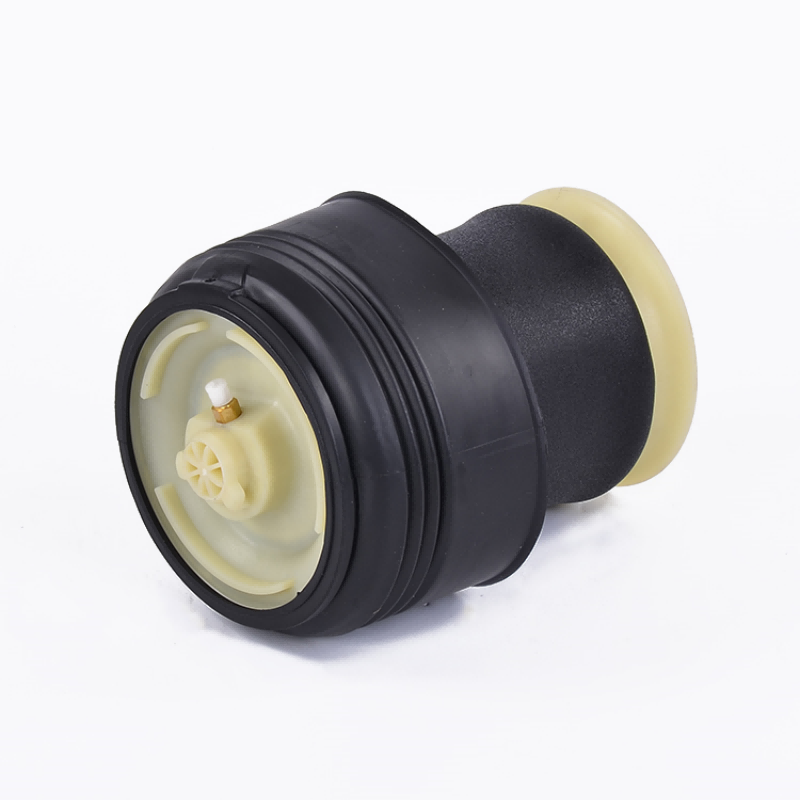
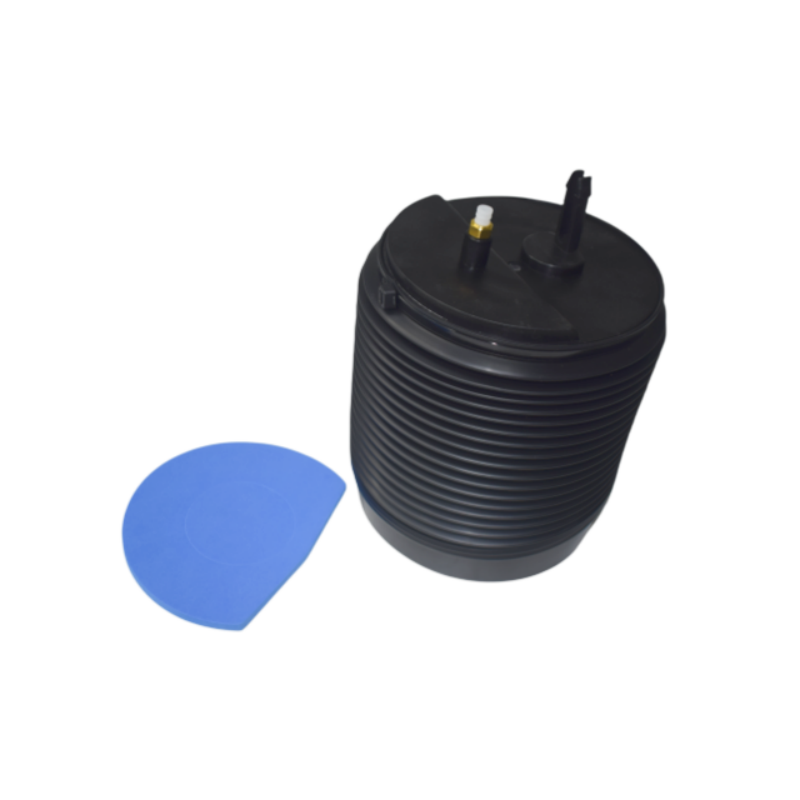
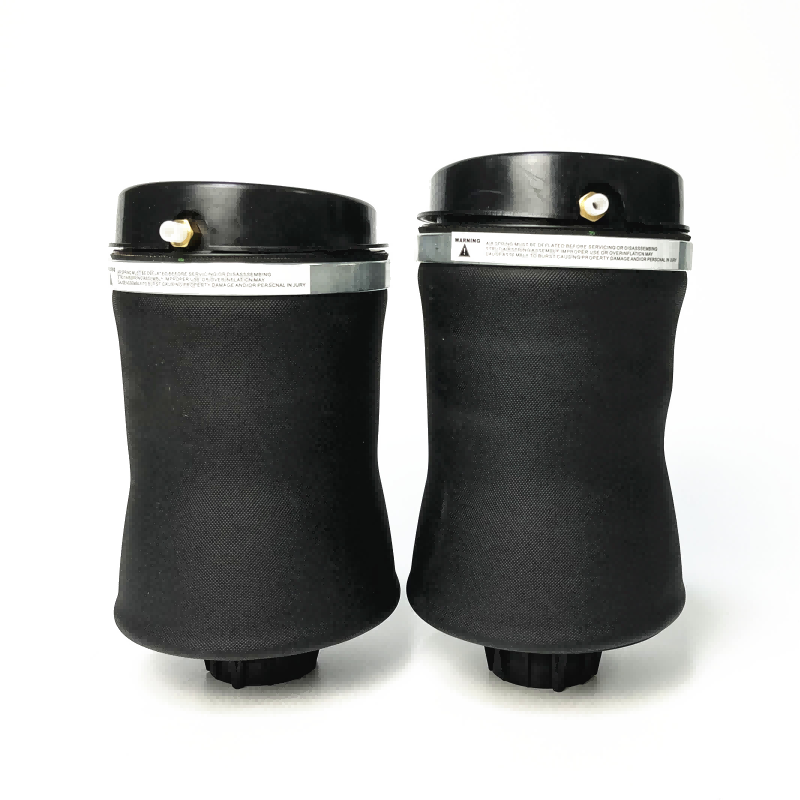
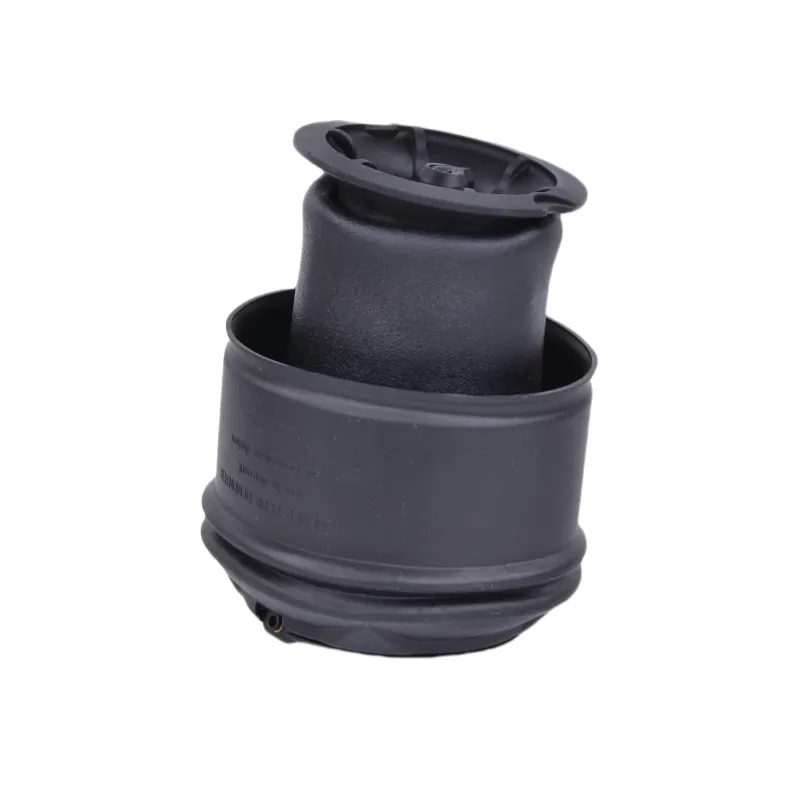
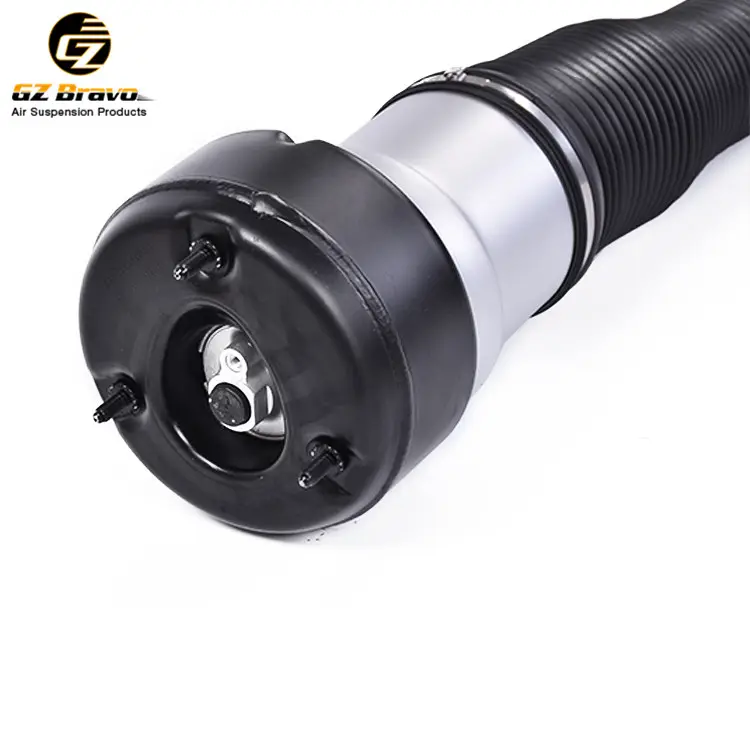
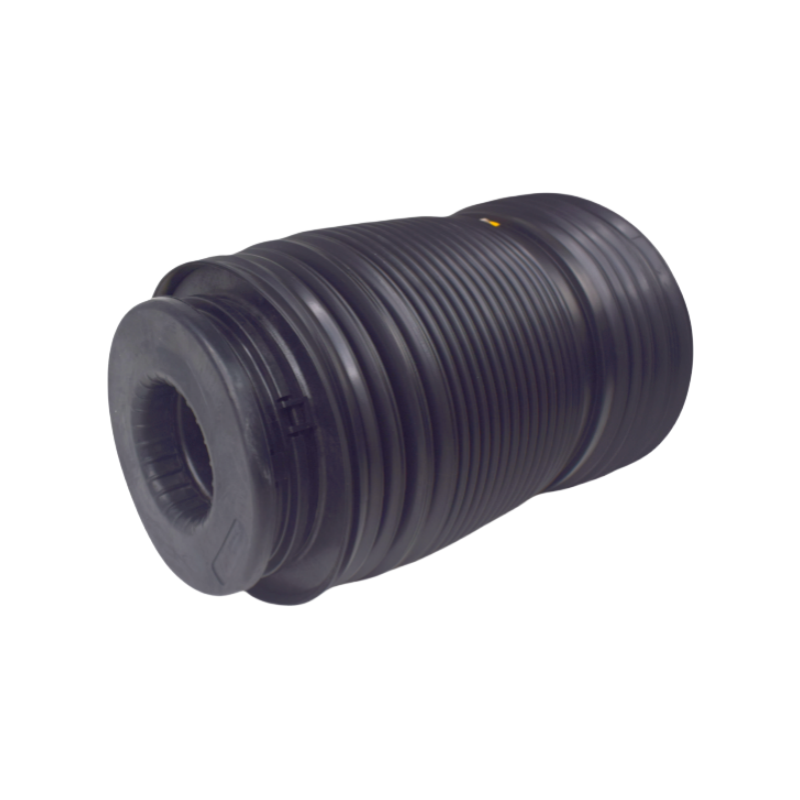
An air spring represents a sophisticated pneumatic suspension component that utilizes compressed air contained within a flexible rubber bellows or cylinder to provide cushioning and support. This innovative technology serves as an alternative to traditional metal coil springs and leaf springs, offering superior ride quality and adjustable load-bearing capabilities. The air spring operates on a fundamental principle where compressed air acts as the spring medium, with the pressure inside the chamber determining the load capacity and stiffness characteristics. The flexible rubber-fabric composite construction allows the air spring to expand and compress smoothly, absorbing road shocks and vibrations effectively. Modern air springs feature advanced engineering designs that incorporate multiple convolutions in the rubber bellows, creating optimal spring rates and progressive damping characteristics. These components find extensive applications across transportation sectors including commercial vehicles, buses, luxury automobiles, railway systems, and industrial machinery. The primary functions of an air spring encompass load support, vibration isolation, height adjustment, and dynamic response management. When integrated into vehicle suspension systems, the air spring maintains consistent ride height regardless of load variations, ensuring optimal handling and stability. The technology enables precise control over suspension characteristics through electronic monitoring systems that automatically adjust air pressure based on load conditions and driving dynamics. Air springs deliver exceptional performance in isolating high-frequency vibrations and low-frequency oscillations, protecting both cargo and passengers from harsh impacts. The adjustable nature of pneumatic suspension allows operators to modify vehicle height for loading operations, aerodynamic efficiency, or ground clearance requirements. Manufacturing processes for air springs involve specialized rubber compounding, precision fabric reinforcement layering, and rigorous quality testing to ensure durability under demanding operational conditions. The sealed chamber design prevents moisture ingress and contamination, maintaining consistent performance throughout the service life of the component.

 EN