Advanced Load Management and Height Control Capabilities
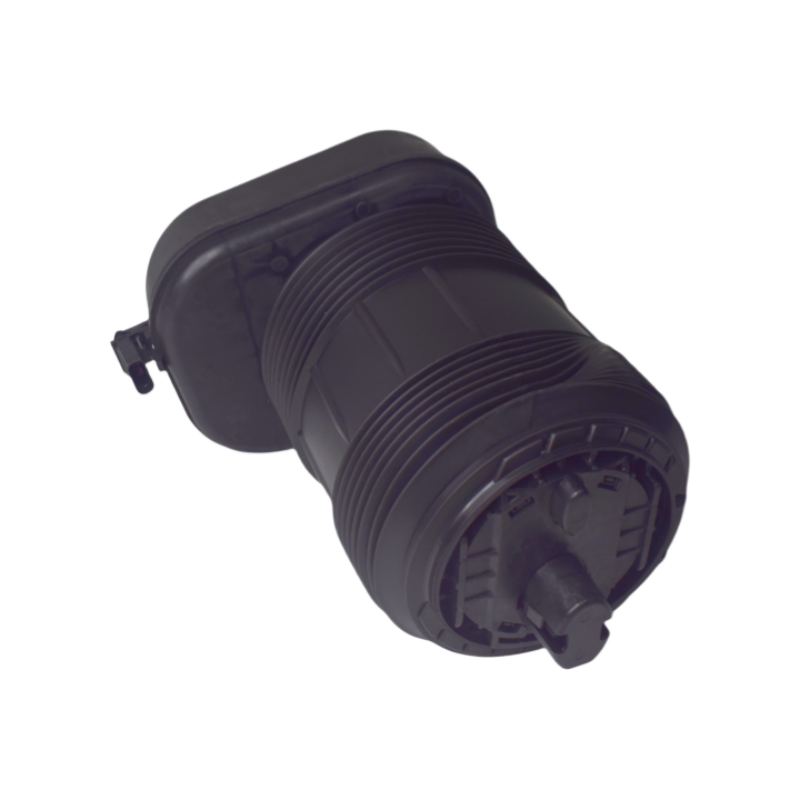
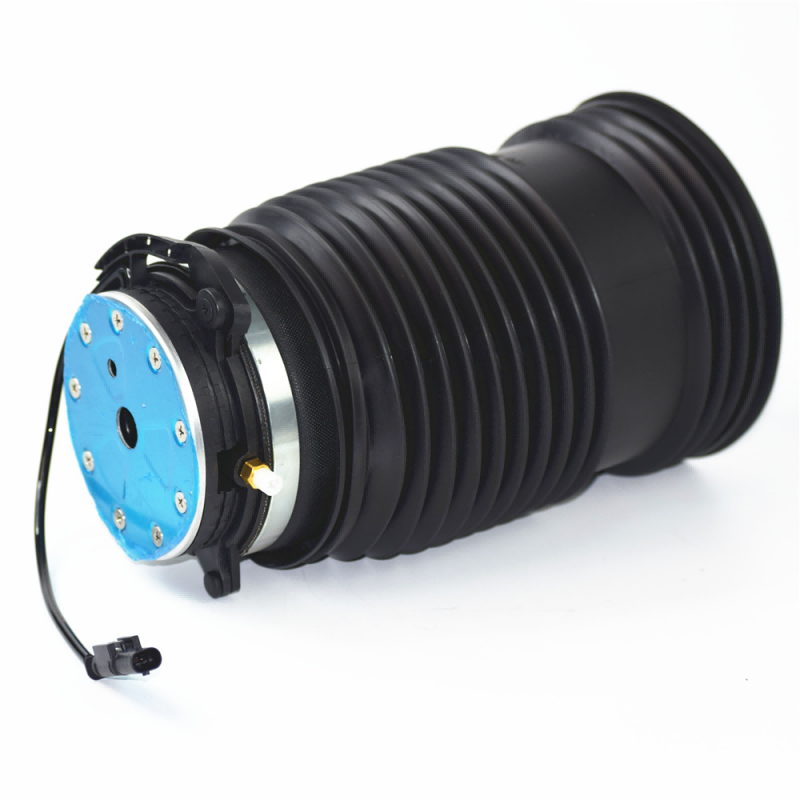
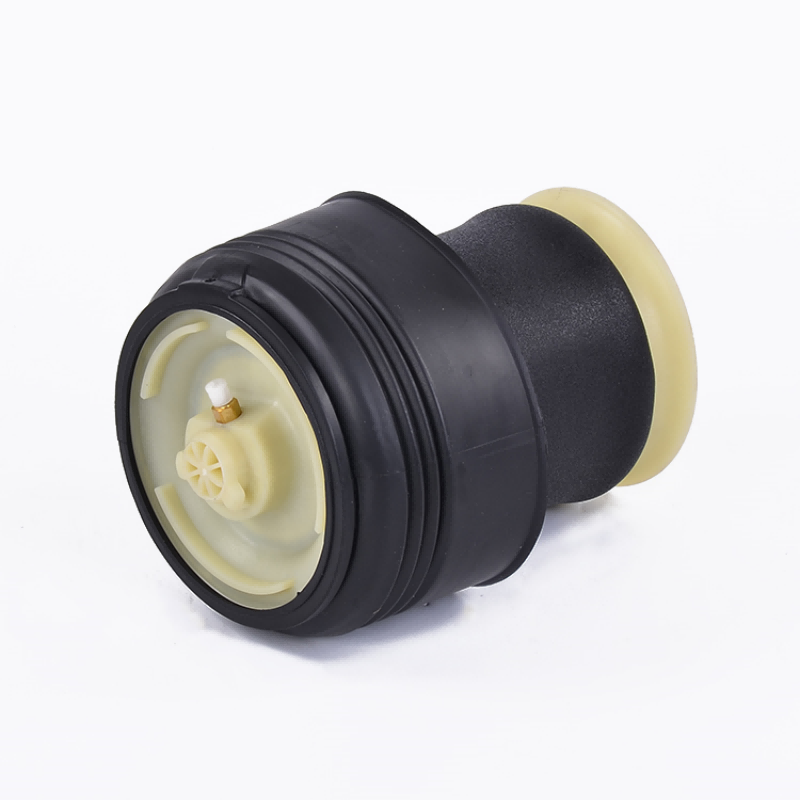
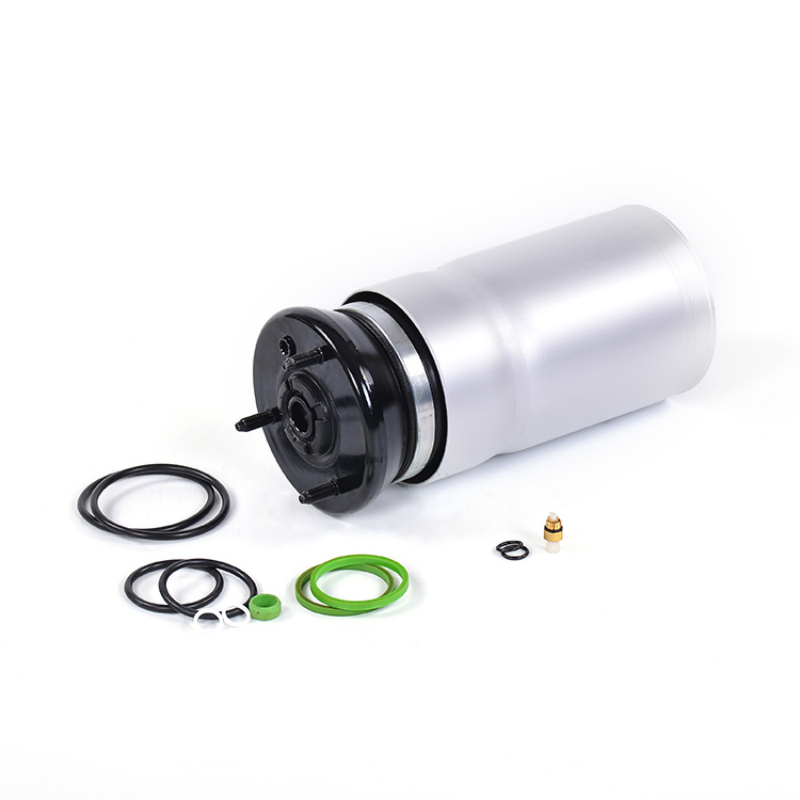
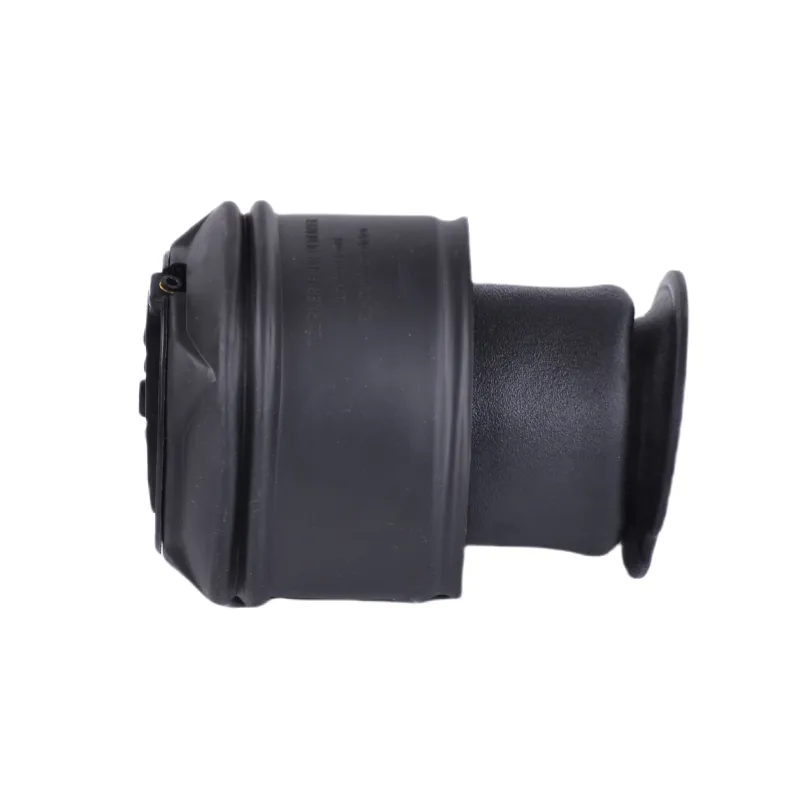
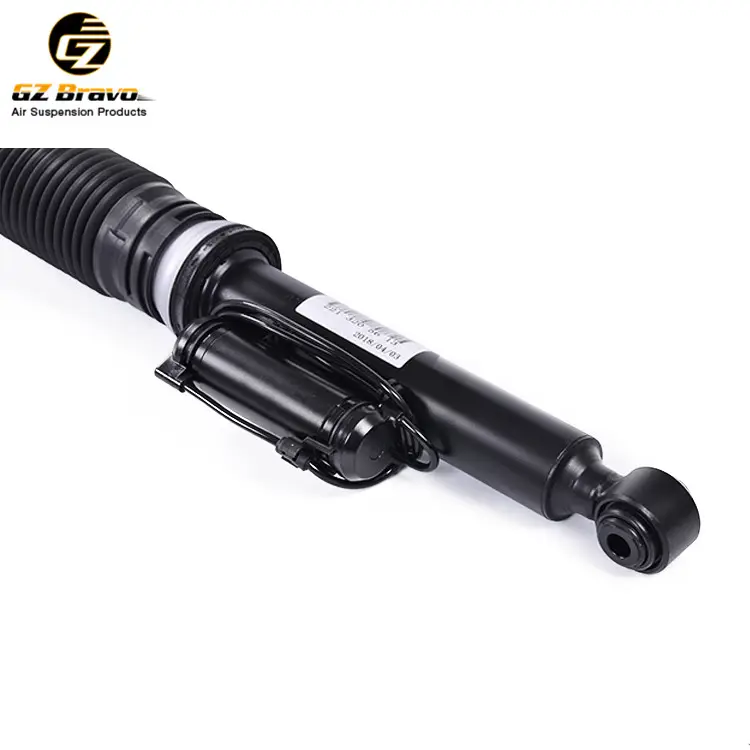
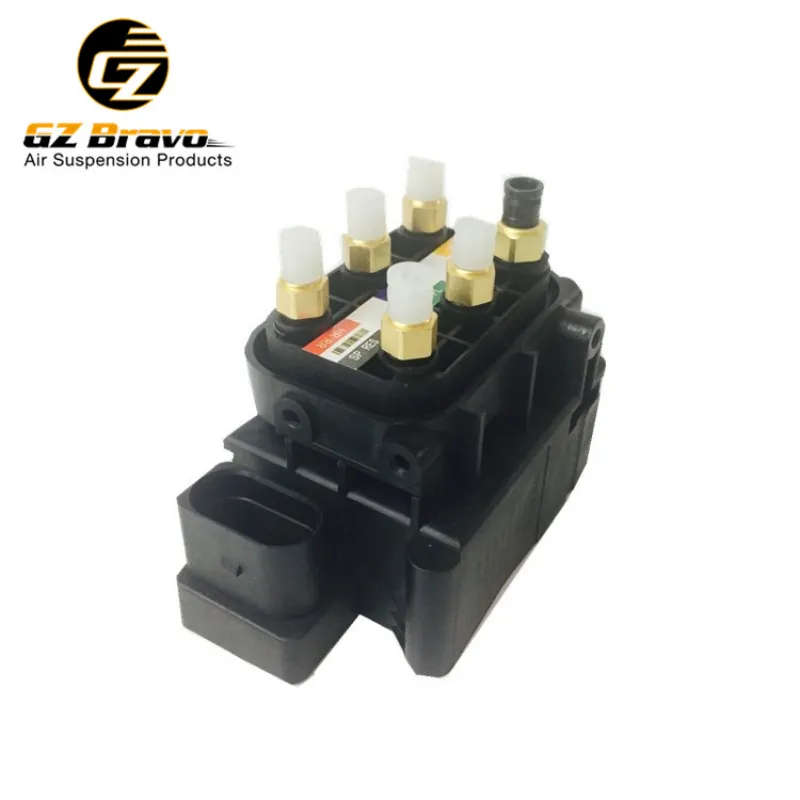
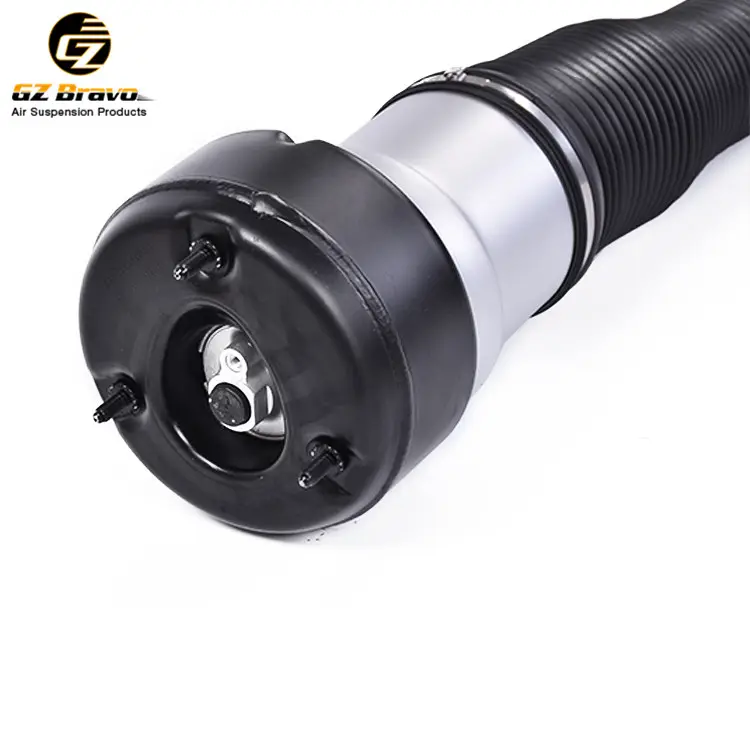
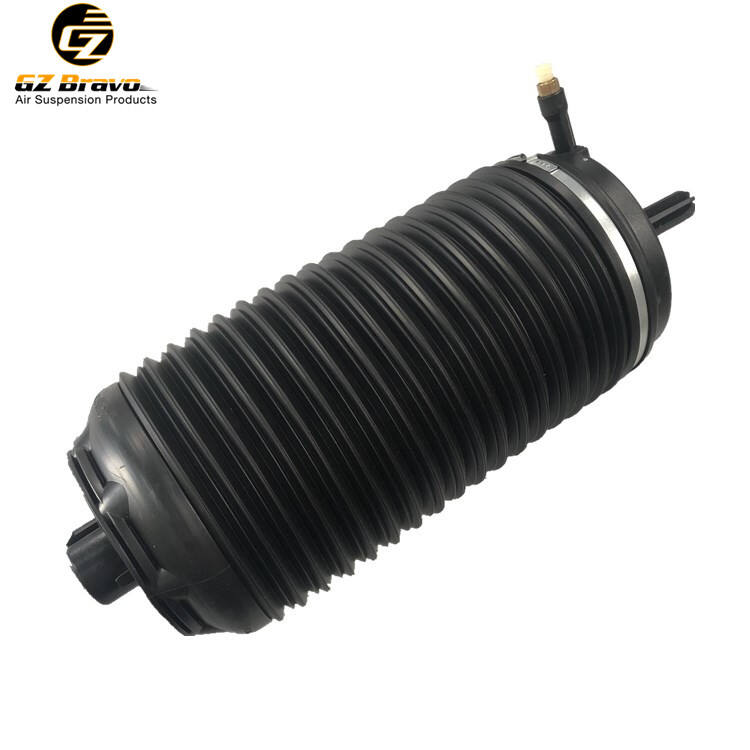
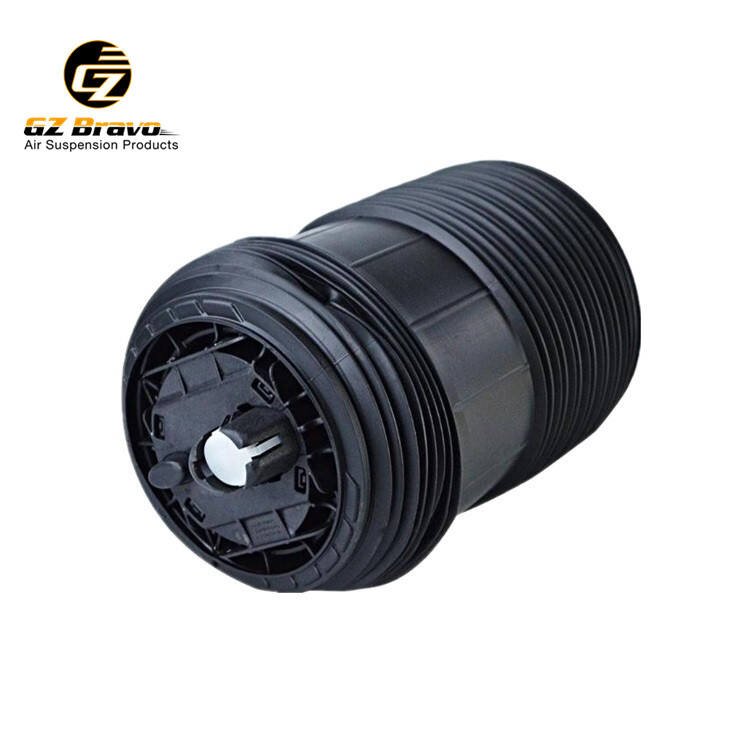
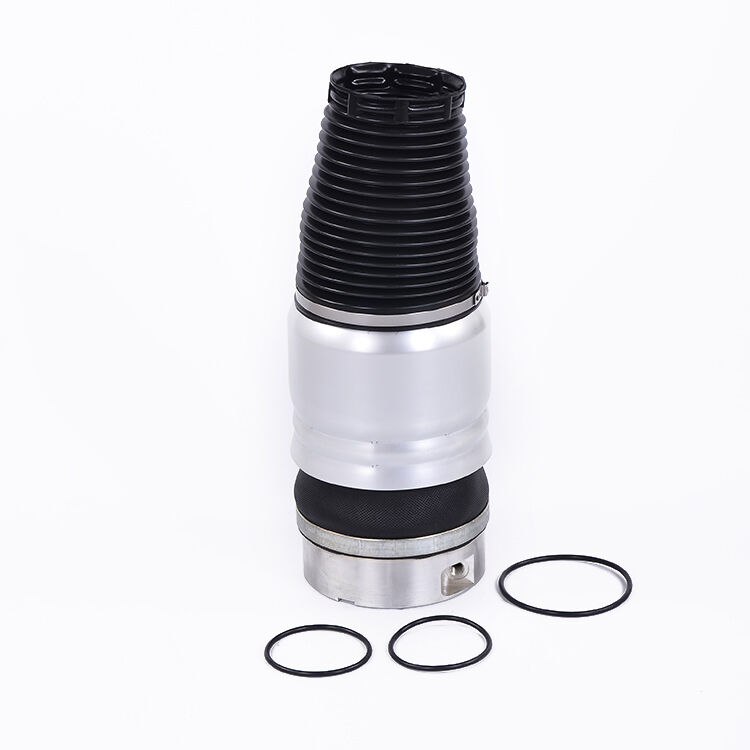
The air spring assembly excels in providing sophisticated load management that revolutionizes how systems handle variable weight conditions and maintain optimal operational geometry. This capability stems from the fundamental physics of compressed air, which responds proportionally to applied loads while maintaining internal pressure equilibrium. When additional weight is introduced, the air spring assembly compresses slightly, increasing internal pressure and generating greater resistance to balance the new load. This automatic response occurs instantaneously without mechanical intervention, creating a self-leveling effect that keeps platforms, vehicle bodies, or equipment housings at predetermined heights regardless of cargo weight or passenger count. The practical implications of this technology extend far beyond simple convenience. In commercial transportation, maintaining consistent floor heights facilitates safer loading and unloading operations, reduces worker fatigue, and minimizes the risk of cargo shifting during transit. Manufacturing operations benefit from stable working heights that keep production equipment aligned with feeding mechanisms and automated handling systems, preventing costly misalignments that compromise product quality or cause production stoppages. The height control precision achievable with modern air spring assembly designs reaches millimeter-level accuracy, enabling applications that demand exact positioning. Electronic leveling systems integrated with these assemblies monitor position continuously and adjust air pressure dynamically to compensate for weight distribution changes, terrain variations, or operational movements. This active control transforms static suspension components into intelligent systems that anticipate and respond to changing conditions. The load management advantages also encompass weight distribution optimization. Multiple air spring assemblies working in coordination can balance loads across axles or support points, preventing overloading of individual components and extending overall system life. This distributed load approach reduces stress concentrations that lead to premature failure, while simultaneously improving handling characteristics and operational stability. For mobile equipment, the ability to adjust ride height on demand provides tactical advantages. Lowering the center of gravity enhances stability during high-speed operation or when navigating challenging terrain, while raising height improves ground clearance for obstacle negotiation or off-road travel. These adjustments occur within seconds, giving operators versatile capability from a single integrated system. The economic benefits of superior load management accumulate substantially over time through reduced tire wear, decreased fuel consumption from optimized aerodynamics, and extended component life resulting from minimized stress cycles and impact forces.

 EN