Air Spring Suspension Systems: Advanced Comfort, Load Management & Performance Technology

Get a Free Quote

Our representative will contact you soon.
Email
Name
Company Name
Message
0/1000

air spring suspension

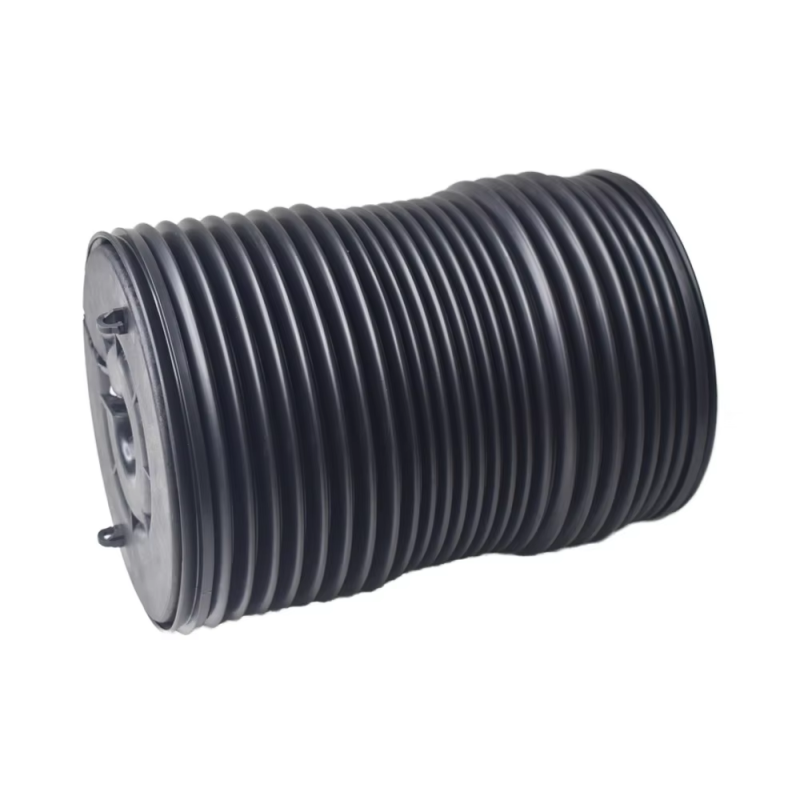
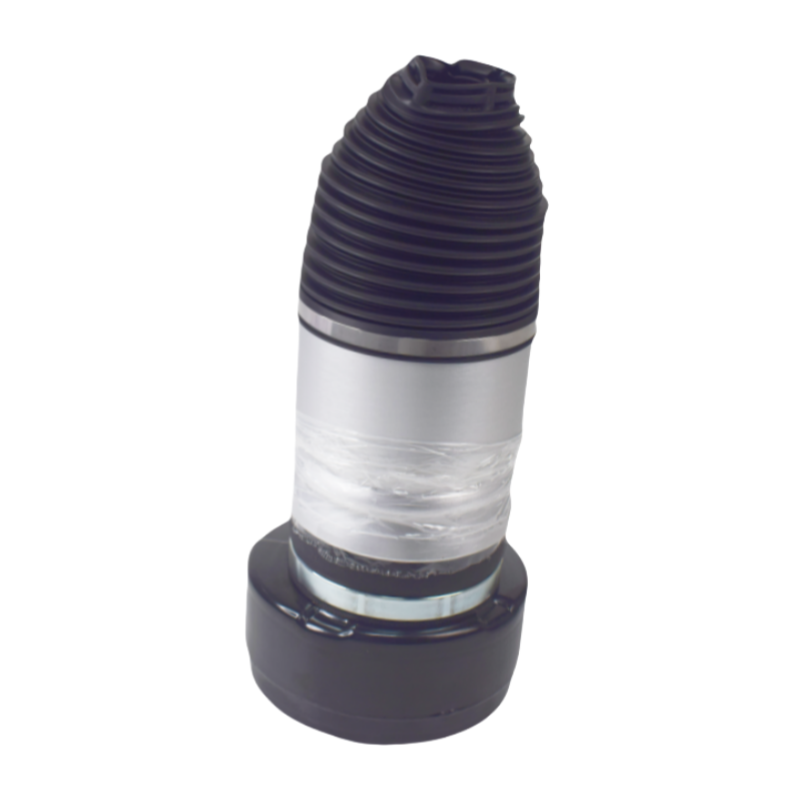
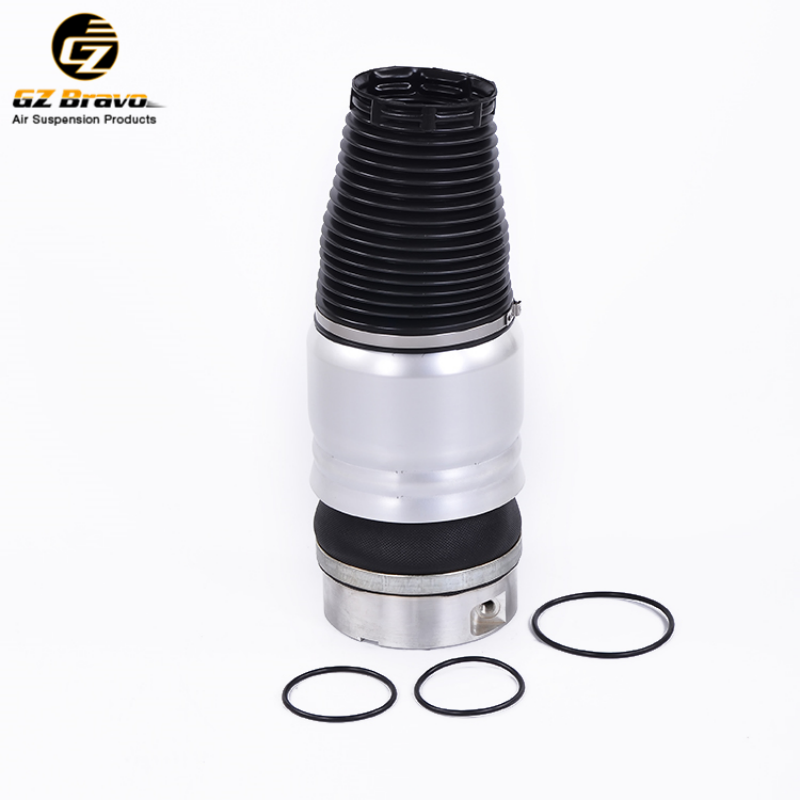
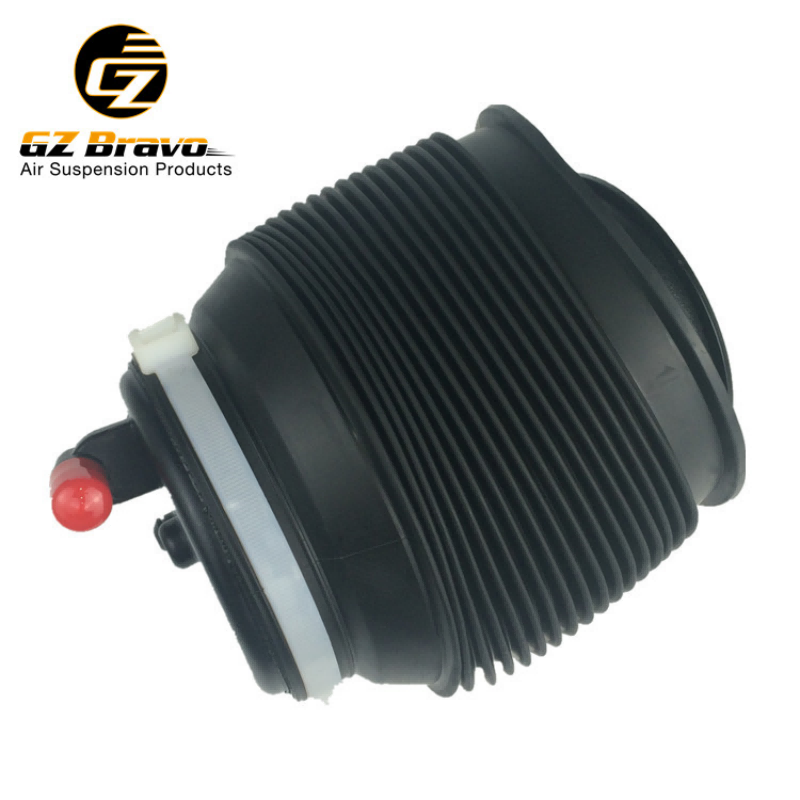
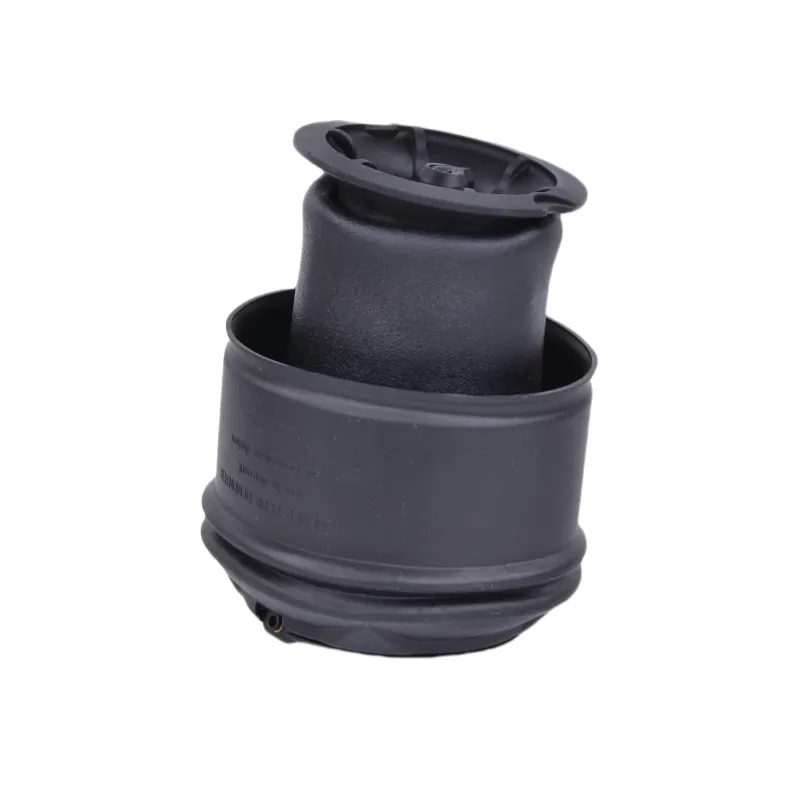
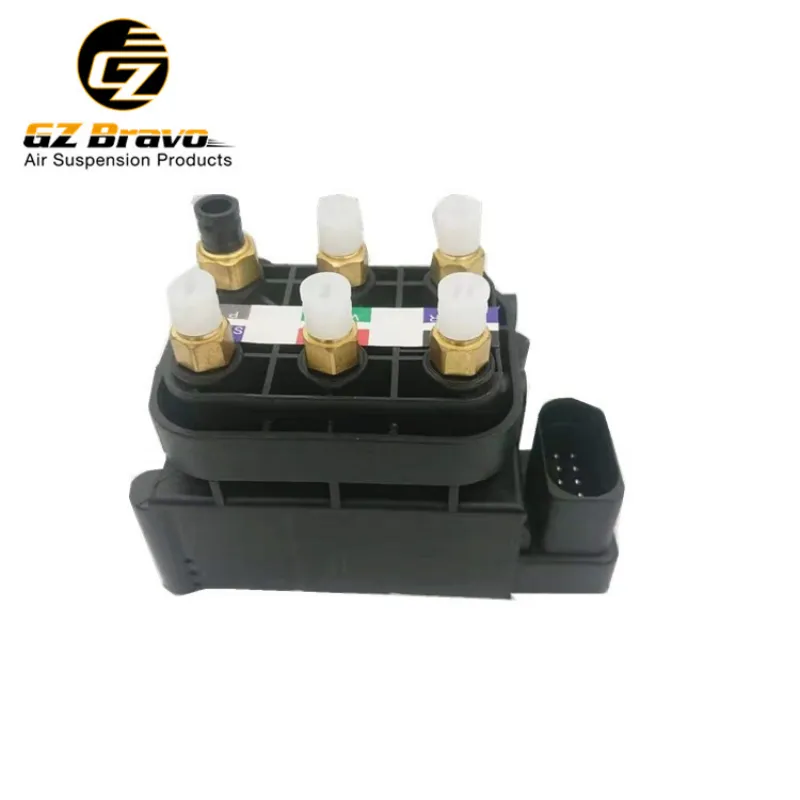
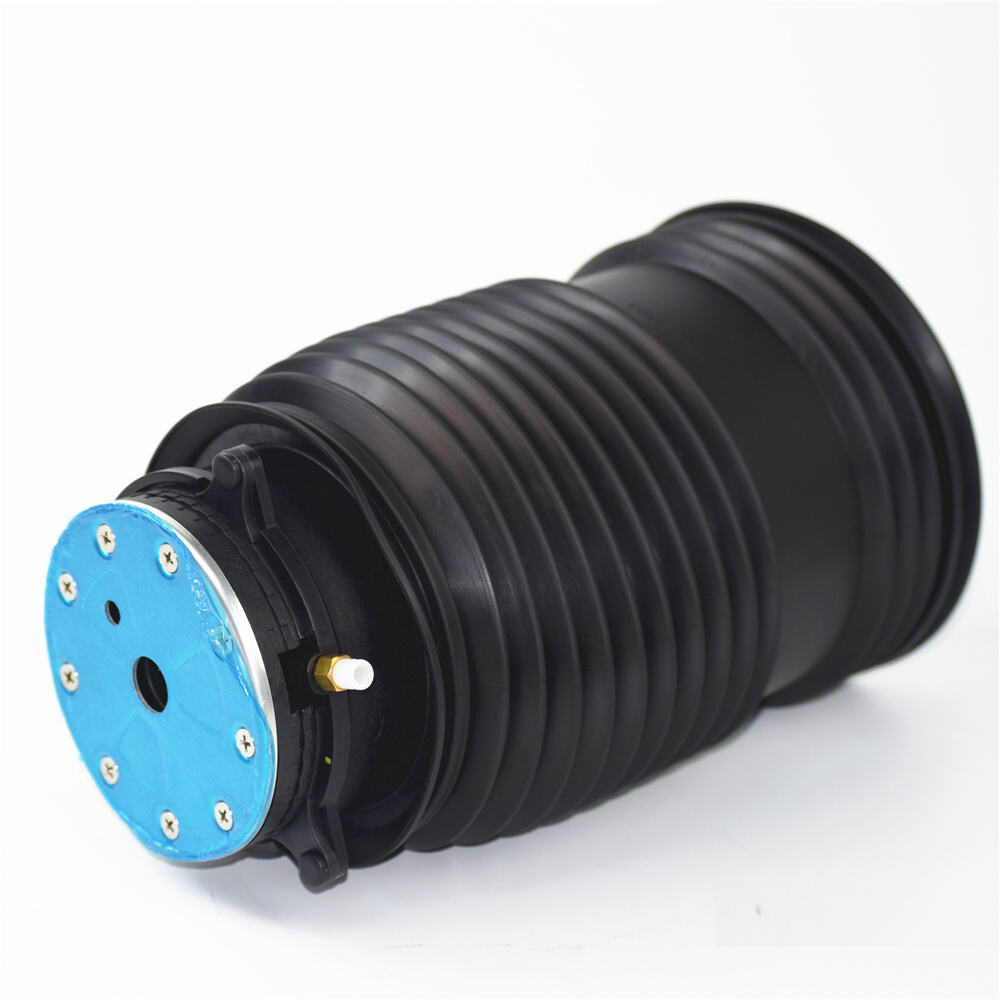
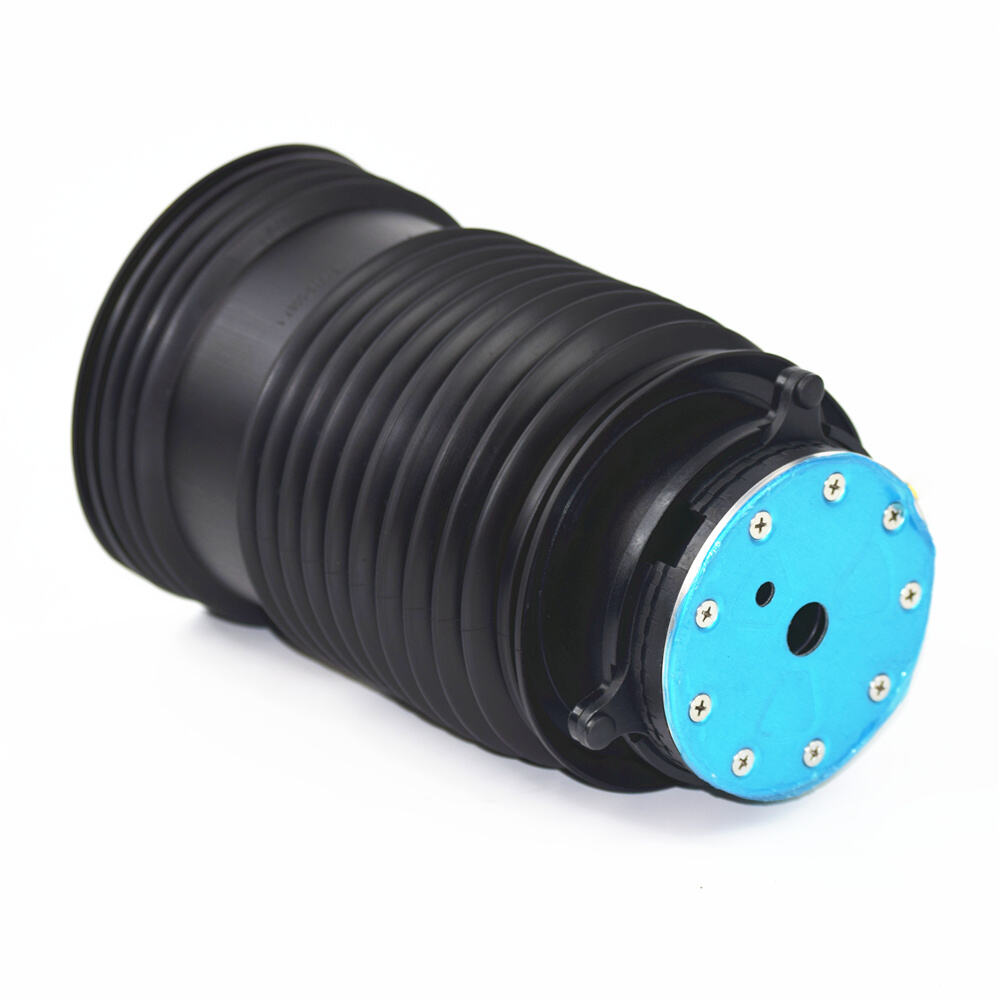
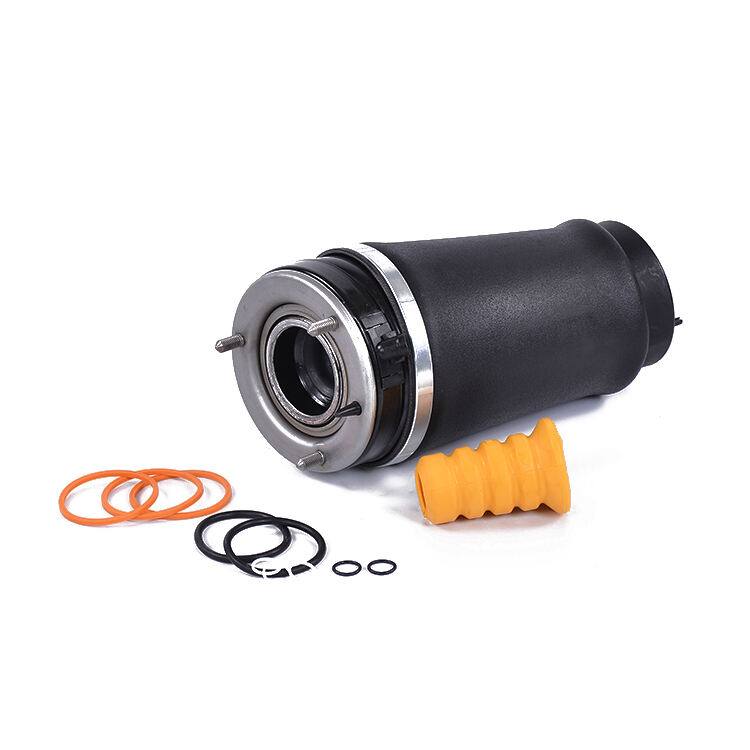
Air spring suspension represents a sophisticated advancement in vehicle suspension technology that utilizes compressed air contained within flexible rubber and fabric bladders to support vehicle weight and absorb road impacts. This innovative system replaces traditional steel coil or leaf springs with air-filled chambers that can be precisely adjusted to accommodate varying load conditions and driving requirements. The air spring suspension operates through a network of components including air compressor units, pneumatic lines, electronic control modules, and height sensors that work together to maintain optimal ride characteristics. The fundamental principle involves compressing air within durable elastomeric bellows that expand and contract in response to road conditions, providing a cushioning effect that significantly enhances comfort and vehicle control. Modern air spring suspension systems incorporate advanced electronic controls that continuously monitor vehicle height, load distribution, and driving dynamics to automatically adjust air pressure within each spring assembly. This technology finds extensive applications across diverse vehicle categories including luxury automobiles, commercial trucks, buses, recreational vehicles, and specialized transportation equipment. The system's ability to maintain consistent ride height regardless of payload makes it particularly valuable for commercial applications where load variations are substantial. Air spring suspension technology has evolved considerably since its initial development, with contemporary systems featuring rapid response times, exceptional durability, and integration with broader vehicle stability and safety systems. The core components demonstrate remarkable longevity when properly maintained, with rubber bladders engineered to withstand millions of compression cycles while maintaining air-tight integrity. Manufacturing processes utilize advanced composite materials that combine natural and synthetic rubbers with reinforcing fabric layers to create springs capable of supporting substantial weights while remaining flexible enough to provide superior ride comfort compared to conventional metal spring alternatives.


New Product Recommendations

The primary advantage of air spring suspension lies in its exceptional adaptability to changing load conditions, allowing vehicles to maintain optimal ride height and handling characteristics whether empty or fully loaded. This adjustability eliminates the compromised performance inherent in fixed-rate spring systems that must balance empty-vehicle comfort against loaded-vehicle capability. Drivers experience noticeably smoother rides as air springs absorb road irregularities more effectively than metal springs, translating pavement imperfections into gentle, controlled motions rather than harsh jolts transmitted through the vehicle chassis. The system automatically compensates for additional passengers or cargo by increasing air pressure within the spring chambers, preventing the vehicle from sagging and maintaining proper suspension geometry that keeps tires in optimal contact with road surfaces. This consistent geometry preservation enhances safety by ensuring predictable handling characteristics and reducing tire wear patterns that occur when suspension components operate outside their designed parameters. Vehicle owners appreciate the customizable ride quality that allows adjustment between softer settings for highway cruising and firmer configurations for improved body control during spirited driving or when navigating challenging terrain. The air spring suspension contributes to reduced maintenance costs over the vehicle's lifetime because the system eliminates metal-to-metal contact points that generate wear in conventional suspensions, and the absence of mechanical springs means no spring fatigue or breakage concerns. Commercial operators realize significant economic benefits through improved cargo protection, as the superior vibration isolation prevents damage to sensitive freight and reduces insurance claims related to shipping damage. The technology enables vehicles to achieve better fuel efficiency by maintaining optimal aerodynamic profiles through consistent ride height control, preventing the increased drag that occurs when heavily loaded vehicles sag. Installation flexibility represents another practical benefit, as air spring suspension systems can be retrofitted to many existing vehicles, allowing older models to gain modern ride quality and load management capabilities without requiring complete vehicle replacement. The system's electronic controls integrate seamlessly with existing vehicle networks, providing drivers with intuitive interfaces for monitoring and adjusting suspension settings according to immediate needs or preferences.

Tips And Tricks

Is air suspension suitable for off-road and heavy-duty driving conditions?

27

May

Is air suspension suitable for off-road and heavy-duty driving conditions?

When drivers and fleet managers consider upgrading or replacing their vehicle's suspension system, one question consistently rises to the top: is air suspension genuinely capable of handling the punishment of off-road terrain and heavy-duty workloads...
View More
How does a solenoid valve block improve airflow management in suspension setups?

03

Jun

How does a solenoid valve block improve airflow management in suspension setups?

Modern air suspension systems depend on precise control of pressurized air to deliver the ride comfort and handling performance that drivers expect. At the center of this control architecture sits the solenoid valve block, a compact but critically im...
View More
Can a solenoid valve block support fast response in adaptive suspension systems?

03

Jun

Can a solenoid valve block support fast response in adaptive suspension systems?

When engineers and automotive specialists evaluate the performance ceiling of adaptive suspension systems, one component consistently emerges as a critical enabler of real-time responsiveness: the solenoid valve block. In air suspension architectures...
View More
How does a solenoid valve block improve suspension adjustment accuracy?

03

Jun

How does a solenoid valve block improve suspension adjustment accuracy?

Modern air suspension systems rely on a precise network of components to deliver a smooth, controlled ride — and at the heart of that network sits the solenoid valve block. This compact but critical assembly governs how compressed air is distri...
View More

Get a Free Quote

Our representative will contact you soon.
Email
Name
Company Name
Message
0/1000

air spring suspension

Superior Load Management and Automatic Leveling Capabilities

Superior Load Management and Automatic Leveling Capabilities

Air spring suspension delivers unmatched load management through its intelligent automatic leveling functionality that maintains consistent vehicle height across dramatically varying weight conditions. This capability proves invaluable for commercial vehicles that experience significant load fluctuations throughout daily operations, from empty return trips to maximum capacity hauls. The system employs sophisticated height sensors positioned at each corner of the vehicle that continuously measure the distance between chassis and axle, feeding this information to electronic control units that calculate required air pressure adjustments within milliseconds. When additional weight is added to the vehicle, sensors detect the resulting height decrease and trigger the air compressor to deliver pressurized air into the spring chambers until the vehicle returns to its programmed ride height. This automatic response occurs seamlessly without driver intervention, ensuring that vehicle geometry remains optimized regardless of loading conditions. The practical benefits extend beyond mere convenience, as maintaining proper ride height directly impacts vehicle safety, tire longevity, headlight aim, and overall driving dynamics. Commercial truck operators particularly value this feature because it prevents the dangerous handling characteristics associated with overloaded rear suspensions, where excessive squat can lift front wheels and reduce steering control. The system's ability to individually control each air spring allows for sophisticated load distribution management, automatically compensating for uneven cargo placement that would otherwise cause vehicle lean and asymmetric tire wear. Recreational vehicle owners discover that automatic leveling eliminates the tedious manual adjustments previously required when parking on uneven campsites, with the system rapidly achieving a level platform for comfortable habitation. The load management capabilities also enable vehicles to legally carry heavier payloads by preventing the suspension bottoming that triggers weight restriction violations, effectively increasing revenue potential for commercial operators. Air spring suspension systems can be programmed with multiple ride height presets, allowing drivers to lower vehicles for improved aerodynamics during highway driving or raise them for increased ground clearance when traversing rough terrain or loading docks.
Enhanced Ride Comfort and Vibration Isolation Technology

Enhanced Ride Comfort and Vibration Isolation Technology

The ride comfort improvements delivered by air spring suspension technology represent a transformative upgrade that fundamentally changes the driving and passenger experience compared to conventional metal spring systems. Air springs function as variable-rate dampers that automatically adjust their spring rate in response to the magnitude of inputs they receive, providing soft, compliant responses to small road imperfections while progressively firming to control larger impacts. This progressive rate characteristic eliminates the harsh secondary impacts often experienced with linear-rate metal springs that can transmit shock loads directly through vehicle structures. The pneumatic nature of air springs creates inherent vibration isolation properties, as compressed air naturally absorbs and dissipates energy across a broader frequency spectrum than metal springs which can amplify certain vibration frequencies through mechanical resonance. Passengers notice dramatic reductions in the road noise and vibration that typically penetrate vehicle cabins, creating a serene environment that reduces fatigue during extended journeys. The superior isolation proves particularly beneficial for commercial applications transporting sensitive equipment or perishable goods, where vibration-induced damage represents substantial economic losses. Medical transport vehicles equipped with air spring suspension provide smoother rides for patients, reducing discomfort and potential complications during emergency transports. Luxury automobile manufacturers increasingly specify air spring suspension as standard equipment because the technology delivers the refined ride quality that discerning customers expect, rivaling the comfort traditionally associated with premium sedans. The system's electronic controls allow manufacturers to program distinct ride modes that alter damping characteristics, enabling drivers to select between comfort-oriented settings that prioritize smooth ride quality and sport-oriented configurations that reduce body roll during cornering. This versatility means a single vehicle can serve multiple purposes effectively, from comfortable daily commuting to confident performance driving when desired. The vibration isolation benefits extend to vehicle longevity, as reduced structural stress from constant vibration translates to fewer rattles, squeaks, and component failures over the vehicle's operational lifetime.
Improved Vehicle Dynamics and Handling Precision

Improved Vehicle Dynamics and Handling Precision

Air spring suspension technology delivers substantial improvements in vehicle dynamics and handling precision through its ability to maintain optimal suspension geometry across all operating conditions while actively managing body motions during dynamic maneuvers. The system's capacity to adjust individual spring rates at each wheel position enables sophisticated roll control strategies that reduce body lean during cornering without compromising ride comfort during straight-line driving. Traditional suspension systems must compromise between these competing objectives, accepting increased body roll to achieve acceptable ride comfort or tolerating harsh ride quality to minimize cornering lean. Air spring suspension eliminates this compromise through electronic control systems that monitor lateral acceleration and preemptively increase spring rates at the outside wheels during turns, effectively creating an anti-roll effect that keeps the vehicle flatter through corners. This active geometry management ensures that tire contact patches remain optimally loaded throughout cornering maneuvers, maximizing available grip and enabling higher cornering speeds with greater stability margins. Drivers experience more predictable handling characteristics because the suspension maintains consistent geometry rather than allowing dramatic position changes that alter steering response and weight distribution. The technology particularly benefits larger vehicles like SUVs and commercial trucks that inherently possess higher centers of gravity making them more susceptible to rollover in emergency maneuvers. Air spring suspension systems can be programmed to automatically lower vehicles at highway speeds, reducing the center of gravity and improving aerodynamic efficiency while simultaneously enhancing stability. The improved dynamics extend to braking performance, as the system prevents the forward weight transfer and nose-dive that degrades braking effectiveness in conventional suspensions by actively managing spring rates during deceleration. Commercial vehicle operators report reduced cargo shifting and improved lane stability, particularly in crosswind conditions where the system's rapid adjustments help maintain intended vehicle trajectory. The precision control enables advanced safety features including electronic stability control systems to function more effectively because the suspension provides a stable, predictable platform for these interventions.

Get a Free Quote

Our representative will contact you soon.
Email
Name
Company Name
Message
0/1000