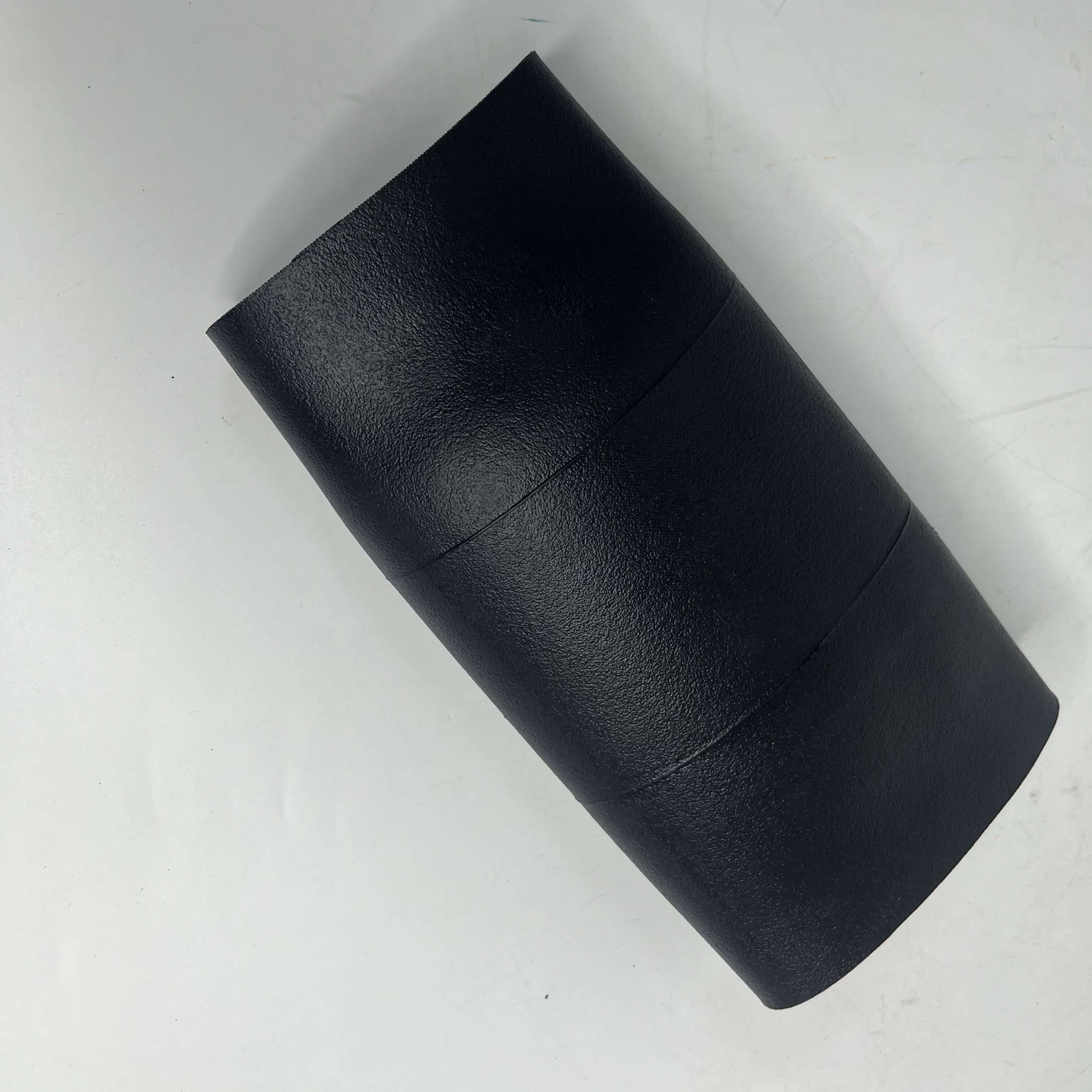
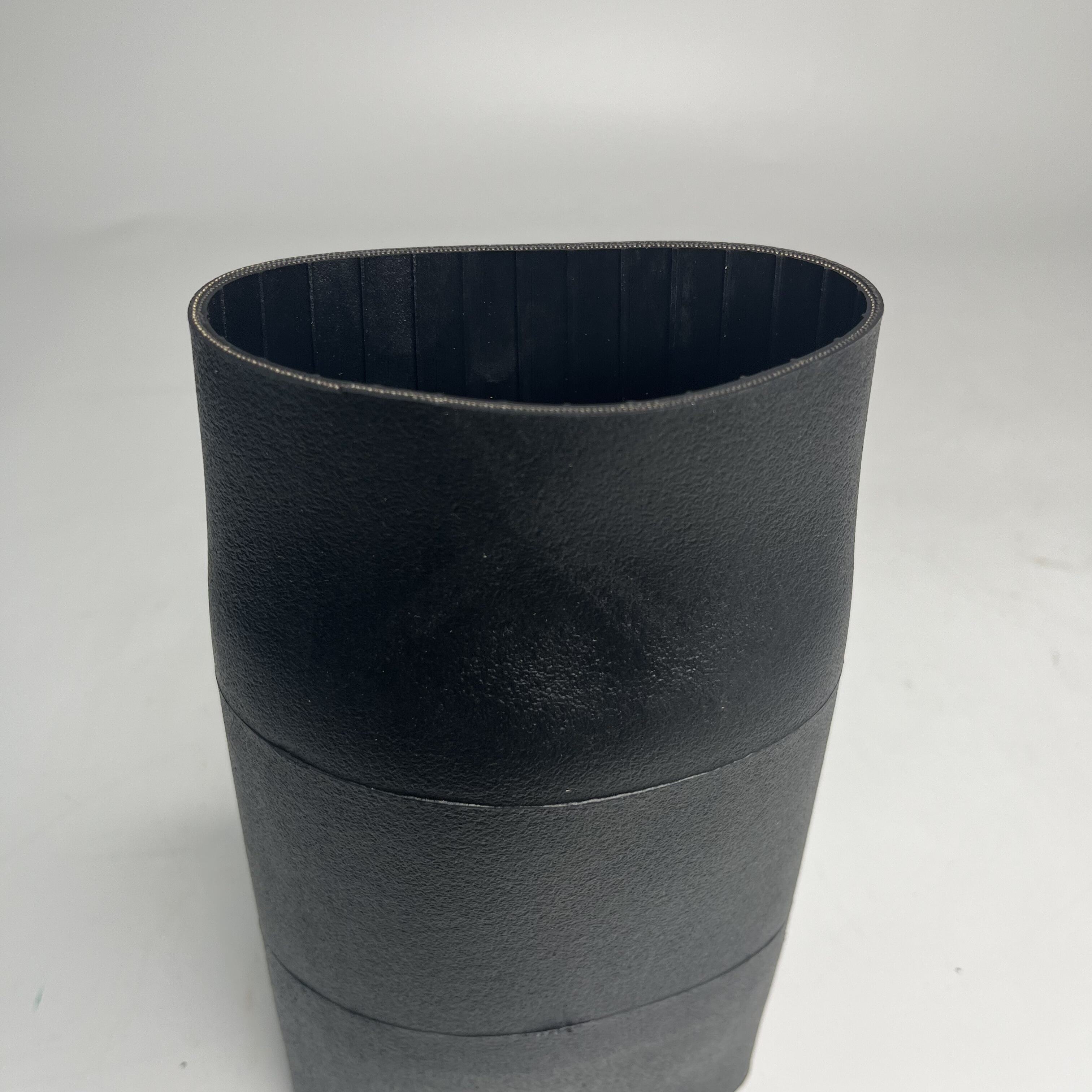
Air Suspension Bellows: Advanced Pneumatic Technology for Superior Ride Quality and Load Management

Get a Free Quote

Our representative will contact you soon.
Email
Name
Company Name
Message
0/1000

air suspension bellows

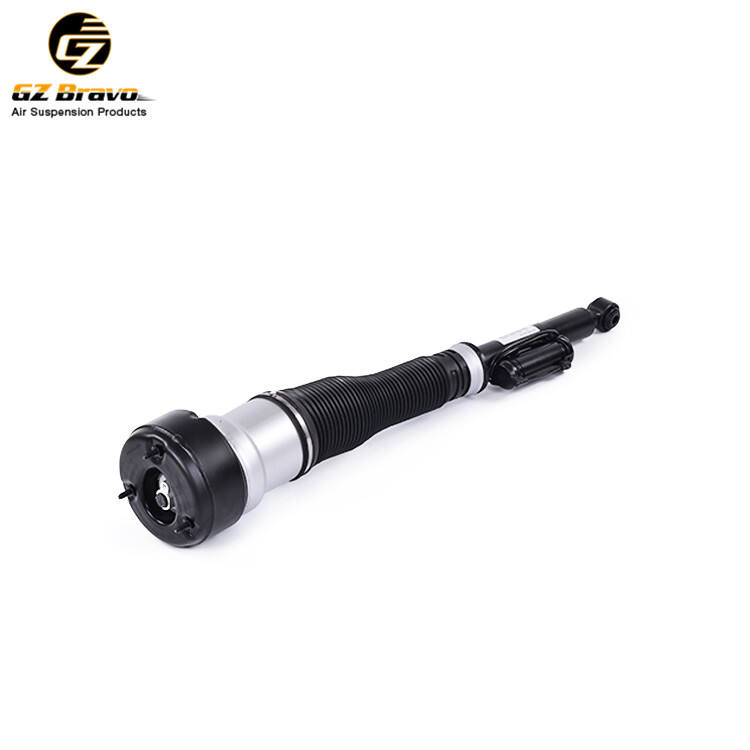
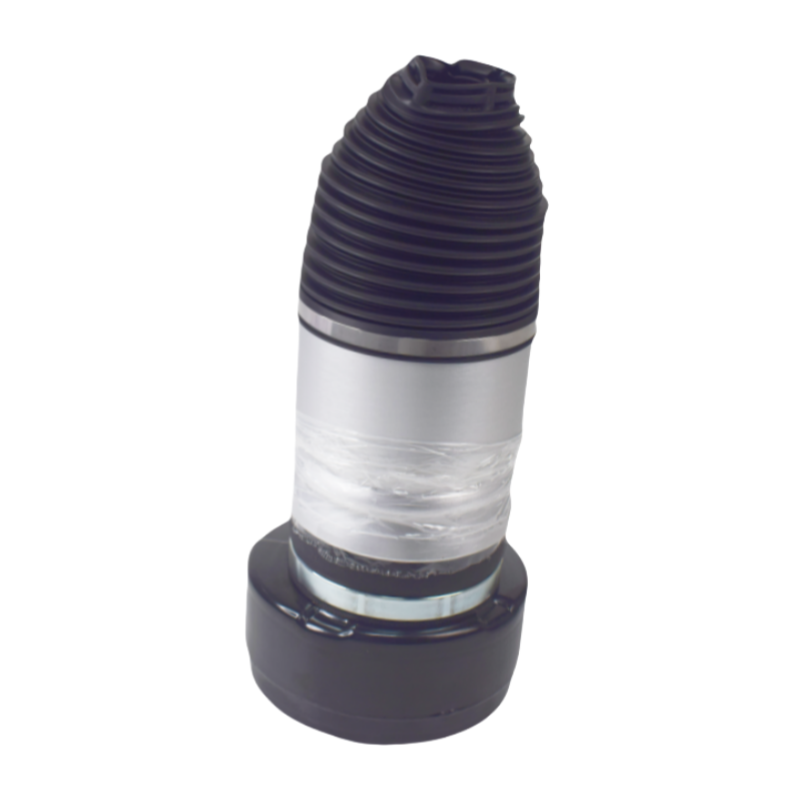
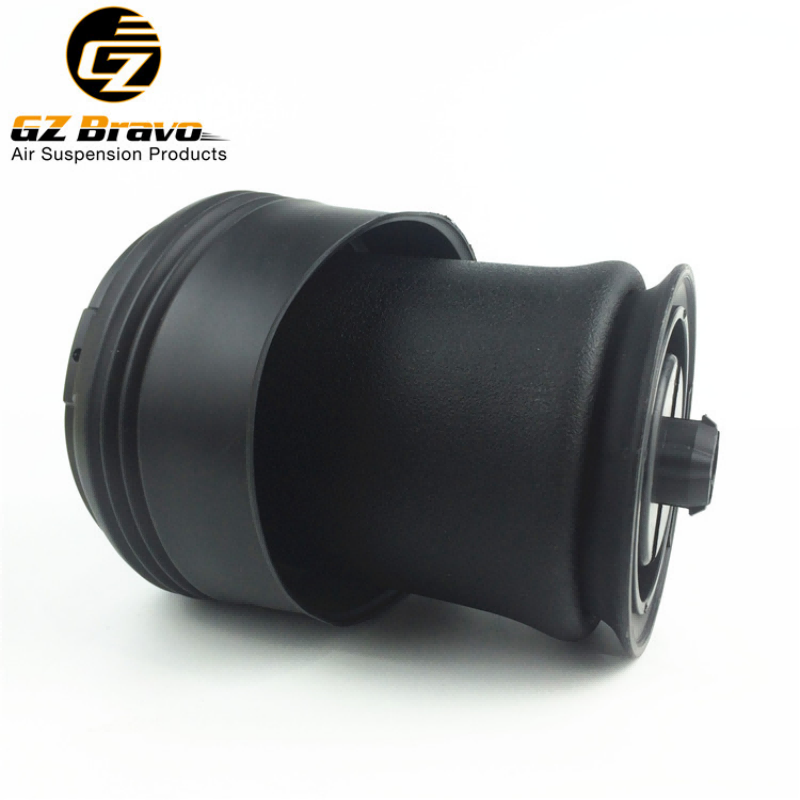
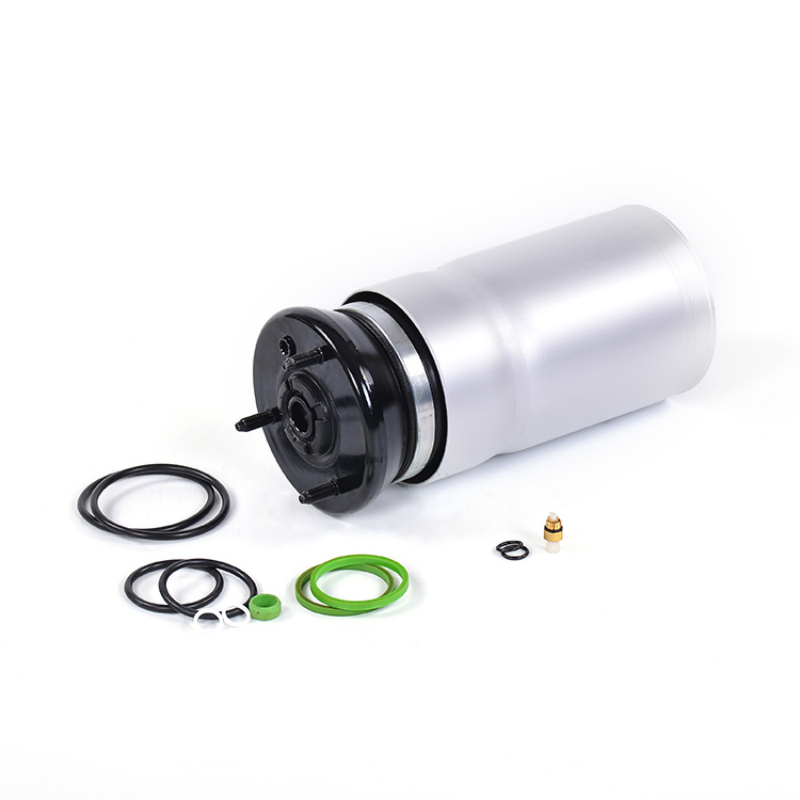
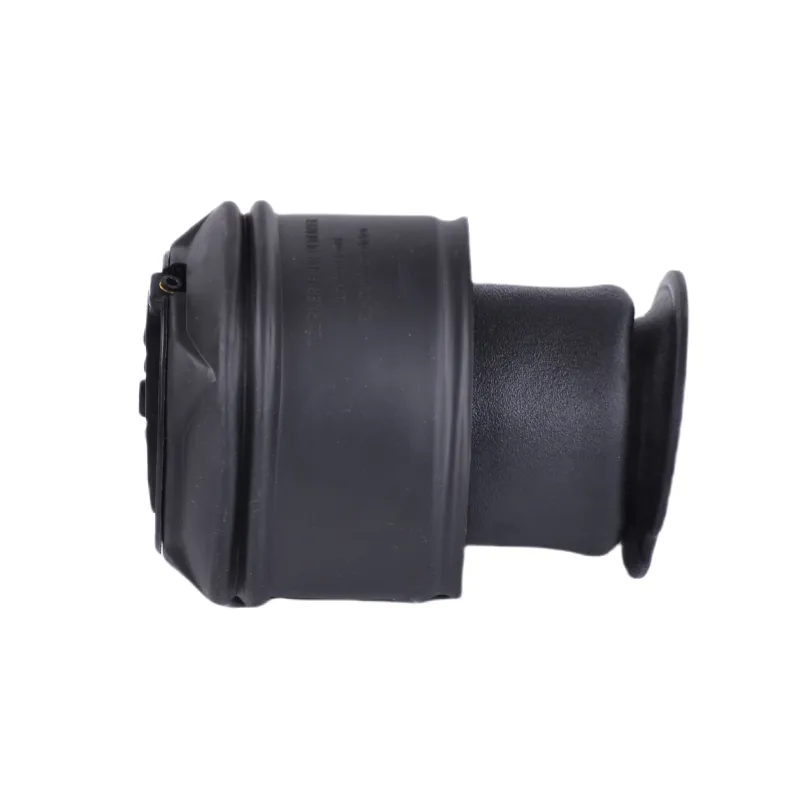
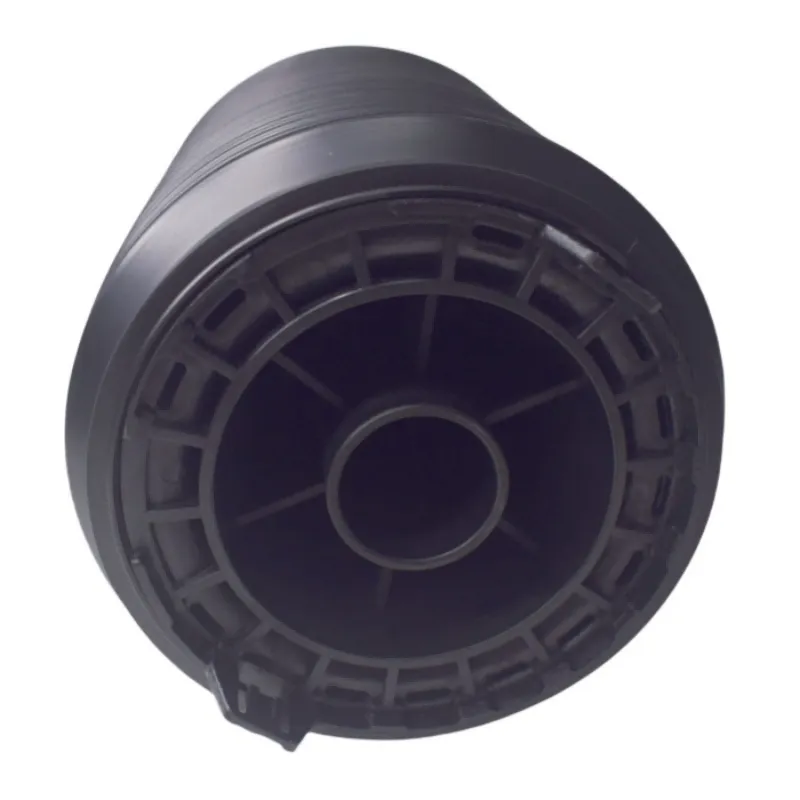
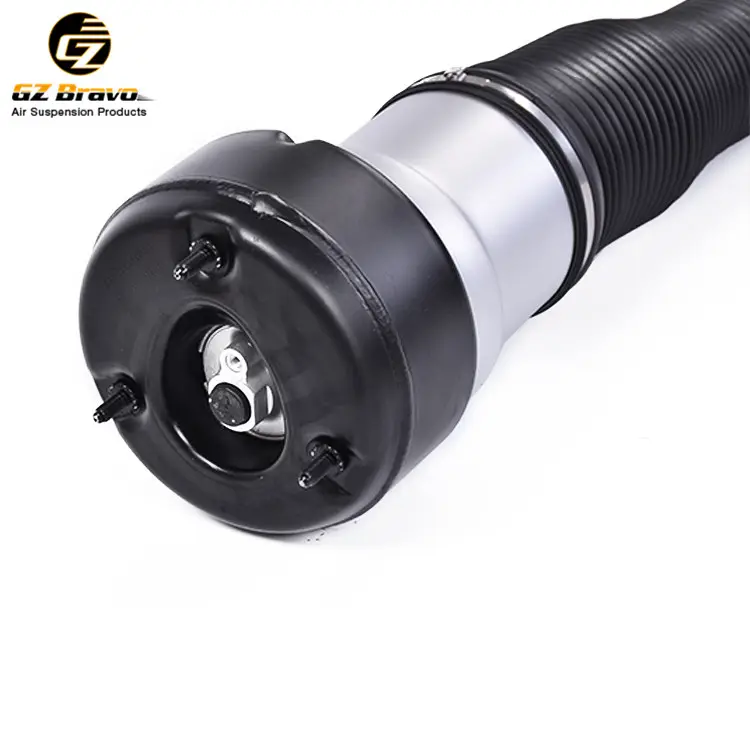
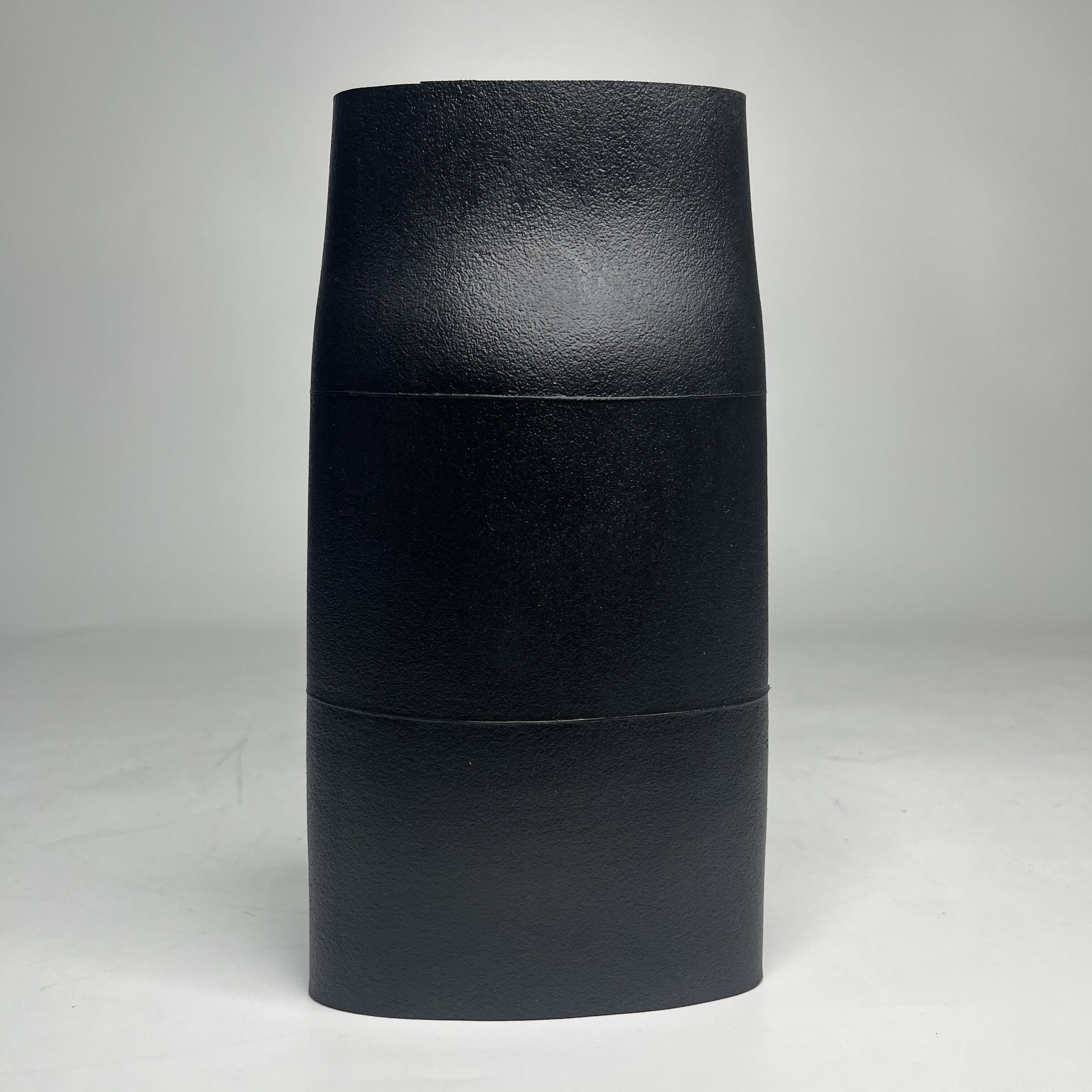
Air suspension bellows represent a revolutionary advancement in vehicle suspension technology, offering superior comfort and performance compared to traditional spring-based systems. These flexible, reinforced rubber components work by using compressed air to support vehicle weight and absorb road impacts. The air suspension bellows consists of multiple layers of rubber and fabric reinforcement, creating a durable yet flexible structure that can adjust to varying load conditions and road surfaces. At its core, the system functions by containing pressurized air within the bellows chamber, which expands and contracts to provide cushioning effects. The main functions include load leveling, ride height adjustment, and vibration damping. Load leveling ensures that vehicles maintain consistent height regardless of cargo weight, while ride height adjustment allows drivers to raise or lower their vehicles for different driving conditions. The vibration damping function absorbs shocks from uneven surfaces, protecting both passengers and cargo from harsh impacts. Technologically, modern air suspension bellows incorporate advanced materials such as chloroprene rubber and multi-ply nylon reinforcement, ensuring exceptional durability and resistance to environmental factors. The bellows design allows for a progressive spring rate, meaning the suspension becomes firmer as it compresses, providing optimal comfort across all load ranges. Applications span numerous industries and vehicle types. Commercial trucks utilize air suspension bellows to protect freight during transport and comply with road-friendly suspension regulations. Luxury automobiles employ these systems to deliver premium ride quality and adjustable driving dynamics. Buses benefit from improved passenger comfort on long journeys, while industrial equipment uses air suspension bellows to isolate sensitive machinery from vibrations. Agricultural vehicles, emergency vehicles, and recreational vehicles all leverage this technology to enhance performance and comfort. The versatility of air suspension bellows makes them indispensable in modern transportation and industrial applications, where ride quality, load management, and equipment protection are paramount concerns for operators and manufacturers alike.

New Product Releases

Choosing air suspension bellows delivers measurable benefits that directly impact your bottom line and operational efficiency. The primary advantage centers on comfort enhancement. Unlike metal springs that transmit road shocks directly to the cabin, air suspension bellows cushion impacts progressively, reducing driver fatigue during long hauls and protecting passengers from jarring movements. This comfort translates to increased productivity, as drivers remain alert and focused throughout their shifts. Load flexibility represents another significant benefit. Traditional suspensions perform optimally only within narrow weight ranges, but air suspension bellows adapt automatically to varying loads. Whether your truck runs empty or fully loaded, the system maintains ideal ride height and handling characteristics. This adaptability eliminates the need for manual adjustments and ensures consistent performance across all operating conditions. The technology also extends vehicle lifespan considerably. By absorbing vibrations and impacts that would otherwise stress the chassis and body, air suspension bellows reduce wear on critical components. This protection minimizes maintenance costs and delays the need for expensive repairs or replacements. Your investment in air suspension bellows pays dividends through reduced downtime and lower total cost of ownership. Fuel efficiency improvements emerge from the aerodynamic advantages of maintaining consistent vehicle height. When trucks sag under heavy loads, air resistance increases and fuel consumption rises. Air suspension bellows keep vehicles level, optimizing airflow and reducing drag. Over thousands of miles, these savings accumulate substantially. Cargo protection stands as a crucial advantage for businesses transporting sensitive goods. The smooth ride provided by air suspension bellows prevents damage to fragile items, reducing insurance claims and customer complaints. Electronics, glassware, pharmaceuticals, and other delicate products arrive intact, preserving your reputation and profit margins. Driver retention benefits should not be overlooked. Professional drivers prefer vehicles equipped with air suspension bellows because they reduce physical strain and provide superior working conditions. In competitive labor markets, offering comfortable equipment helps attract and retain qualified personnel. The adjustability feature enhances versatility across diverse applications. Lower your vehicle for easier loading and unloading, then raise it for improved ground clearance on rough terrain. This flexibility allows single vehicles to handle multiple tasks that might otherwise require specialized equipment. Environmental advantages include reduced road wear. Air suspension bellows distribute weight more evenly and absorb impacts that would otherwise damage pavement, contributing to infrastructure preservation and potentially qualifying for regulatory incentives in jurisdictions with road-friendly suspension requirements.

Practical Tips

How does air suspension improve ride comfort in commercial vehicle applications?

27

May

How does air suspension improve ride comfort in commercial vehicle applications?

In commercial vehicle applications, driver comfort and cargo protection are not luxuries — they are operational necessities. Rough roads, heavy payloads, and long-haul routes place extraordinary stress on both the vehicle and the people inside ...
View More
Why do manufacturers adopt air suspension systems for luxury vehicle platforms?

27

May

Why do manufacturers adopt air suspension systems for luxury vehicle platforms?

The decision to adopt air suspension systems in luxury vehicle platforms is not an arbitrary engineering choice. It represents a deliberate commitment to delivering a driving experience that consistently exceeds passenger expectations, meets stringen...
View More
Can a solenoid valve block support fast response in adaptive suspension systems?

03

Jun

Can a solenoid valve block support fast response in adaptive suspension systems?

When engineers and automotive specialists evaluate the performance ceiling of adaptive suspension systems, one component consistently emerges as a critical enabler of real-time responsiveness: the solenoid valve block. In air suspension architectures...
View More
How does an air suspension compressor improve performance in load support systems?

03

Jun

How does an air suspension compressor improve performance in load support systems?

When a vehicle carries heavy loads or navigates uneven terrain, the demands placed on its suspension system increase dramatically. An air suspension compressor sits at the heart of any pneumatic load support system, continuously managing air pressure...
View More

Get a Free Quote

Our representative will contact you soon.
Email
Name
Company Name
Message
0/1000

air suspension bellows

Advanced Load Leveling Technology Ensures Optimal Performance

Advanced Load Leveling Technology Ensures Optimal Performance

The load leveling capability of air suspension bellows represents a breakthrough in vehicle dynamics management, offering consistent performance that mechanical systems simply cannot match. This feature automatically adjusts air pressure within the bellows chambers to maintain predetermined ride height regardless of cargo weight variations. When you load freight onto your vehicle, sensors detect the increased weight and signal the compressor to add more air into the suspension bellows. Conversely, when unloading, the system releases excess pressure to prevent the vehicle from sitting too high. This automatic adjustment happens seamlessly without driver intervention, ensuring optimal handling characteristics at all times. The practical implications are substantial for commercial operators. Vehicles equipped with air suspension bellows maintain proper headlight aim even when heavily loaded, improving nighttime safety. Trailer connections remain at consistent heights, simplifying coupling procedures and reducing wear on fifth wheels or hitches. Most importantly, load leveling prevents the rear-end sag that compromises steering response and braking performance in overloaded conventional suspensions. The technology utilizes sophisticated electronic control units that monitor multiple parameters simultaneously, including individual wheel loads, vehicle speed, and acceleration patterns. This comprehensive monitoring enables precise adjustments that optimize weight distribution across all axles, maximizing tire contact with road surfaces and enhancing traction in all weather conditions. For businesses operating mixed fleets with varying load requirements, air suspension bellows eliminate the compromise inherent in traditional spring selections. You no longer need to choose between soft springs that provide comfort when empty but bottom out when loaded, or stiff springs that handle heavy loads but deliver punishing rides when empty. The adaptive nature of air suspension bellows provides ideal performance across the entire load spectrum, from completely empty to maximum gross vehicle weight. This versatility translates to operational flexibility, allowing single vehicles to handle diverse assignments without performance degradation. The load leveling function also contributes to regulatory compliance in jurisdictions with axle weight restrictions, as the system can be programmed to distribute loads optimally across all axles, preventing overweight violations that result in fines and operational delays.
Superior Vibration Isolation Protects Equipment and Cargo

Superior Vibration Isolation Protects Equipment and Cargo

Vibration isolation stands as one of the most valuable yet underappreciated benefits of air suspension bellows technology. The pneumatic nature of these components provides inherent damping characteristics that metal springs cannot replicate, creating a buffer between road irregularities and vehicle payload. This isolation occurs through multiple mechanisms working simultaneously to absorb and dissipate energy from impacts and oscillations. The compressible air within the bellows acts as a progressive spring, becoming gradually firmer as compression increases. This progressive characteristic means gentle bumps receive soft cushioning while harsh impacts encounter increasing resistance that prevents bottoming out. The result is smooth, controlled motion that protects both vehicle structure and transported goods. The rubber construction of air suspension bellows adds another isolation layer, as the material itself absorbs high-frequency vibrations that would otherwise transmit through rigid metal components. For industries transporting sensitive equipment or fragile products, this vibration isolation delivers tangible economic benefits. Electronics manufacturers shipping delicate circuit boards, pharmaceutical companies transporting temperature-sensitive medications, and food distributors moving fresh produce all rely on air suspension bellows to minimize damage during transit. Reduced product damage means fewer insurance claims, less waste, and improved customer satisfaction. The financial impact extends beyond cargo protection. Vibration isolation significantly reduces fatigue damage to vehicle components, particularly chassis frames, body panels, and mounting points for auxiliary equipment. Over vehicle lifetimes measured in hundreds of thousands of miles, this protection prevents stress fractures and mounting failures that would otherwise require costly repairs. Drivers also benefit directly from superior vibration isolation. Extended exposure to whole-body vibration causes measurable health effects including lower back pain, circulatory problems, and digestive issues. By minimizing vibration transmission to the cabin, air suspension bellows create healthier working environments that reduce driver turnover and workers' compensation claims. The technology proves particularly valuable in specialized applications such as mobile medical units, where vibration isolation enables sensitive diagnostic equipment to function accurately even while vehicles are in motion. Similarly, mobile laboratories, broadcast vehicles, and military command centers all depend on air suspension bellows to create stable platforms for precision equipment operation.
Exceptional Durability Through Advanced Materials Engineering

Exceptional Durability Through Advanced Materials Engineering

The longevity and reliability of air suspension bellows stem from sophisticated materials engineering that addresses the demanding conditions these components endure throughout their service lives. Modern bellows construction employs multiple layers of specialized compounds, each engineered to resist specific degradation mechanisms while contributing to overall structural integrity. The primary air-containing chamber utilizes chloroprene or natural rubber compounds selected for their impermeability to air molecules and resistance to pressure cycling. These elastomers maintain flexibility across temperature extremes, from arctic cold to desert heat, ensuring consistent performance in all climates where vehicles operate. Embedded within the rubber matrix are multiple plies of high-strength fabric reinforcement, typically nylon or polyester cords arranged in specific patterns to control expansion characteristics. This reinforcement prevents the bellows from ballooning under pressure while allowing the controlled flexing necessary for suspension function. The fabric orientation determines how the bellows deforms under load, with manufacturers precisely engineering these patterns to achieve desired spring rates and durability characteristics. External surfaces receive special compounds formulated to resist ozone, ultraviolet radiation, petroleum products, and road chemicals that would rapidly degrade unprotected rubber. These protective layers extend service life significantly, allowing air suspension bellows to function reliably for years despite constant exposure to harsh environmental conditions. The manufacturing process involves vulcanization under controlled temperature and pressure, creating molecular bonds between rubber layers and fabric reinforcement that produce homogeneous structures resistant to delamination. Quality control procedures include pressure testing, flexibility assessment, and accelerated aging protocols that ensure only components meeting stringent durability standards reach customers. Field performance data demonstrates that properly maintained air suspension bellows routinely exceed 500,000 miles of service in commercial applications, with many installations surpassing one million miles before replacement becomes necessary. This exceptional longevity results from the inherent advantages of pneumatic suspension combined with advanced materials that resist wear mechanisms affecting conventional components. The absence of metal-to-metal contact eliminates friction wear, while the distributed stress patterns in air suspension bellows prevent the stress concentration that causes fatigue failures in coil springs and leaf springs. For fleet operators, this durability translates to predictable maintenance schedules and reduced lifecycle costs, as air suspension bellows replacements can be planned during routine service intervals rather than requiring emergency roadside repairs that disrupt operations and incur premium labor charges.

Get a Free Quote

Our representative will contact you soon.
Email
Name
Company Name
Message
0/1000