Rear Air Spring Systems - Advanced Suspension Technology for Superior Ride Quality and Load Leveling

Get a Free Quote

Our representative will contact you soon.
Email
Name
Company Name
Message
0/1000

rear air spring

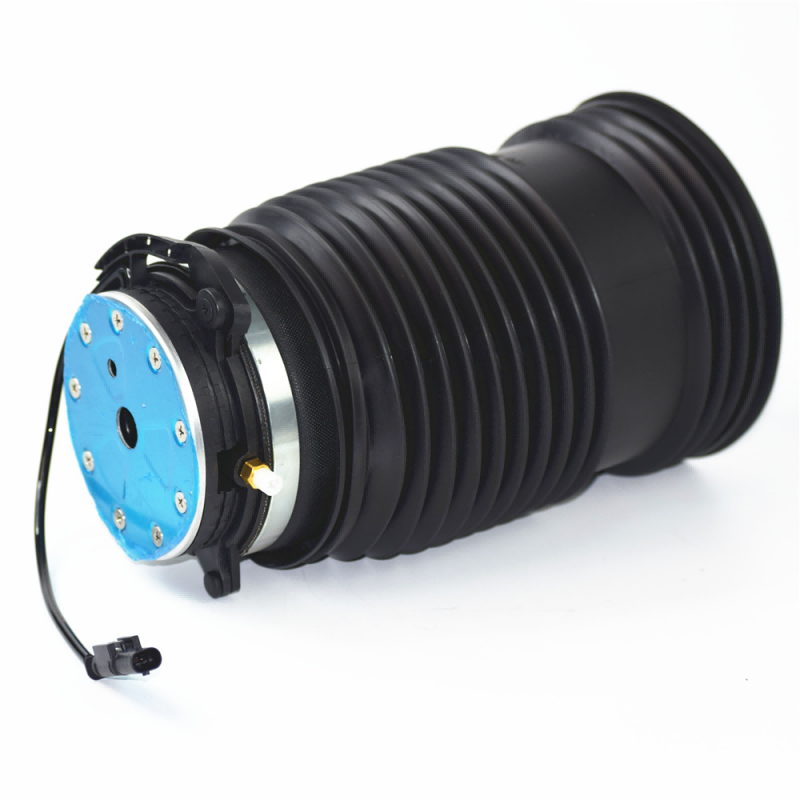
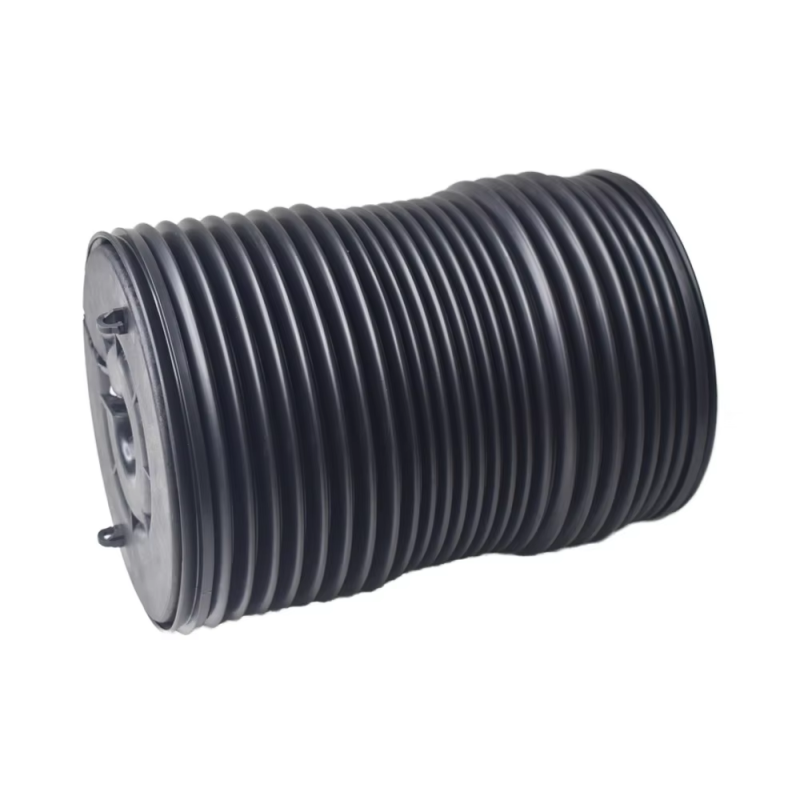
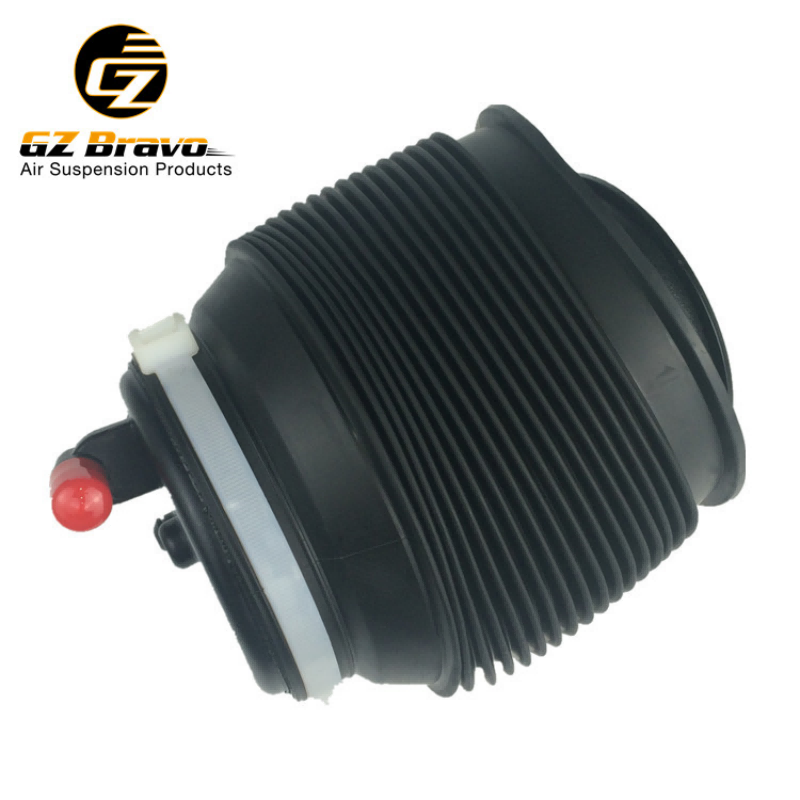
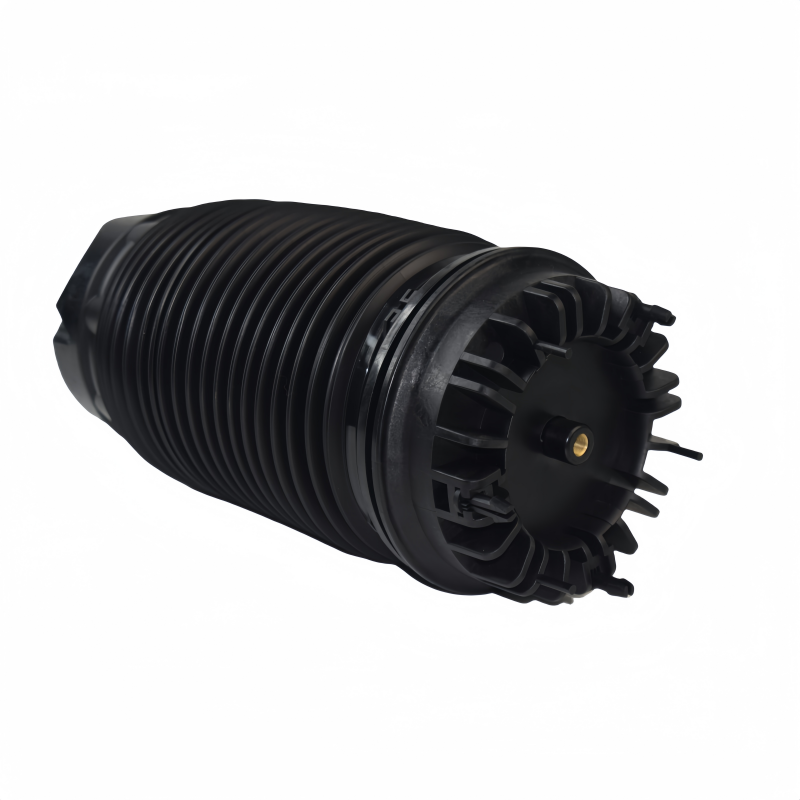
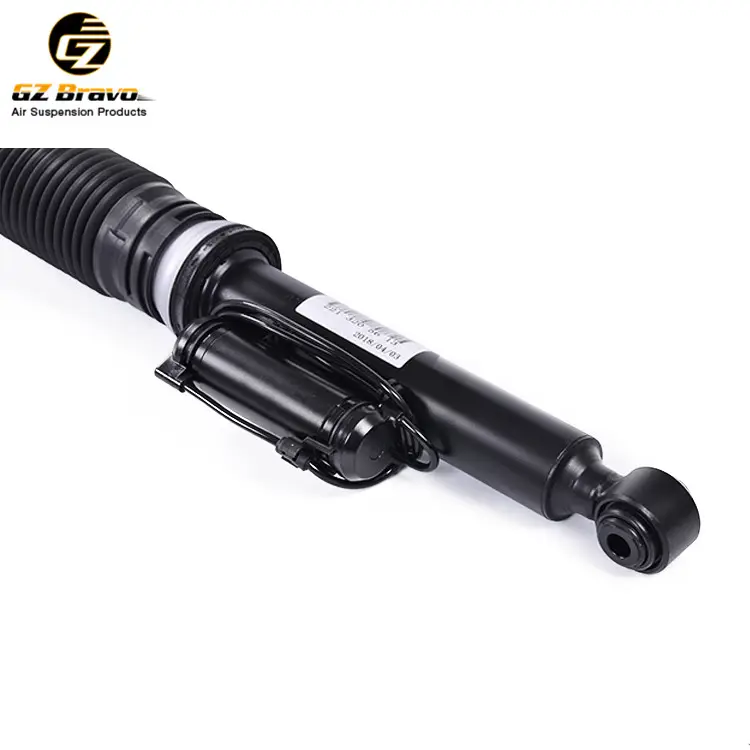
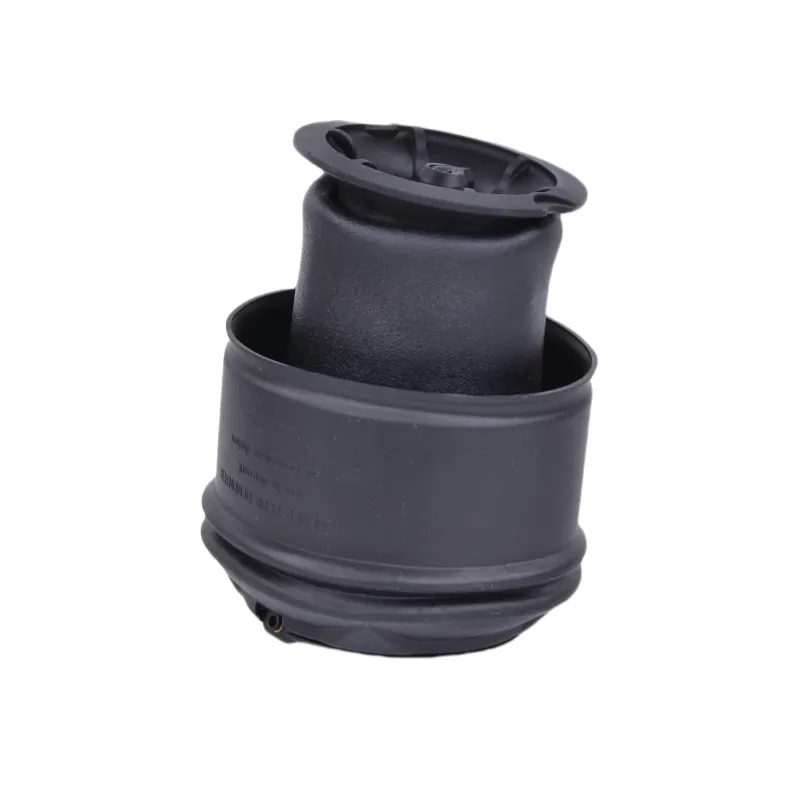
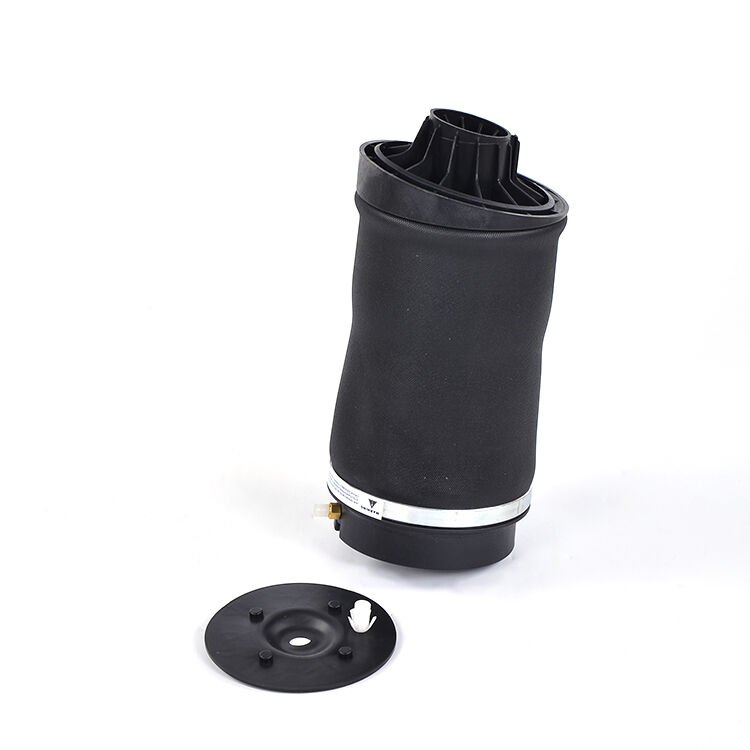
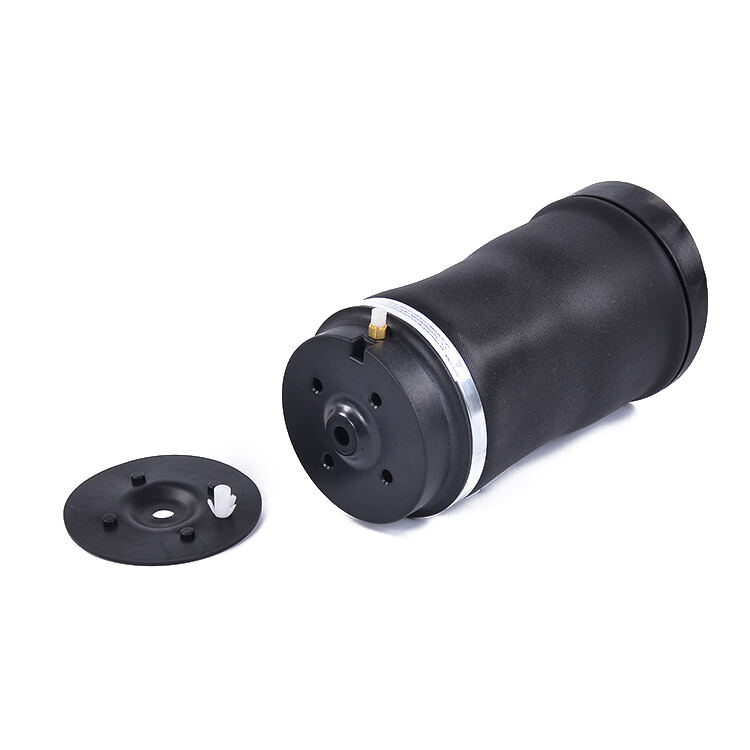
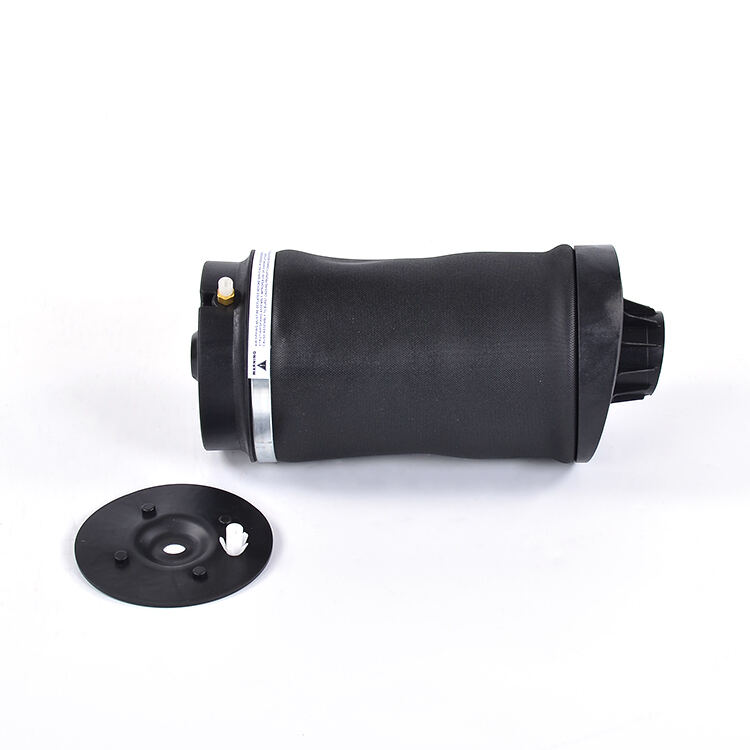
The rear air spring represents a sophisticated suspension component designed to replace traditional coil or leaf springs in modern vehicles. This innovative technology utilizes compressed air contained within a durable rubber and fabric reinforced bladder to provide variable support for the rear axle. The rear air spring system consists of several key elements including the air spring bag itself, air lines, height sensors, an air compressor, and an electronic control module that manages the entire operation. The main function of a rear air spring is to maintain optimal vehicle ride height regardless of load conditions while simultaneously absorbing road irregularities and vibrations. When cargo weight increases or passengers enter the vehicle, the system automatically adjusts air pressure within the spring to compensate for the added load, ensuring consistent ground clearance and handling characteristics. Technologically, rear air springs feature advanced materials engineered to withstand extreme temperatures, continuous flexing, and exposure to road contaminants such as salt, oil, and debris. The rubber compounds used in manufacturing are specifically formulated for longevity and resistance to cracking or degradation. Modern rear air spring designs incorporate multiple convolutions or pleats that allow for significant compression and extension travel, providing superior ride quality compared to conventional suspension systems. Applications for rear air springs span numerous vehicle categories including luxury sedans, SUVs, commercial trucks, buses, recreational vehicles, and trailer systems. In commercial transportation, rear air springs enable operators to maximize payload capacity while maintaining legal ride height requirements and ensuring driver comfort during long hauls. For passenger vehicles, the technology delivers a premium driving experience by eliminating the harsh impacts associated with traditional springs, particularly when traveling over rough or uneven surfaces. The adaptability of rear air spring systems makes them invaluable for vehicles that experience varying load conditions throughout their operational life, providing consistent performance whether empty or fully loaded.


New Products

Choosing a rear air spring system delivers remarkable benefits that directly improve your daily driving experience and vehicle performance. First and foremost, these systems automatically level your vehicle regardless of how much weight you carry in the trunk or cargo area. When you load heavy equipment, luggage for a family vacation, or tow a trailer, the rear air spring instantly compensates by adding pressure to maintain proper stance. This automatic adjustment prevents the rear end from sagging, which would otherwise cause headlight aim to point upward, potentially blinding oncoming traffic and reducing your forward visibility. The ride quality improvement stands out as another substantial advantage. Unlike rigid metal springs that transmit every bump and pothole directly into the cabin, rear air springs absorb impacts with cushioning air pressure that adapts to road conditions in real time. Your passengers will notice the difference immediately, experiencing a smoother, quieter ride that reduces fatigue during long journeys. This comfort factor becomes especially apparent when driving on deteriorated road surfaces or when transitioning between different pavement types. Vehicle handling and safety receive significant enhancement through rear air spring technology. Maintaining optimal ride height ensures that suspension geometry remains within designed parameters, preserving proper tire contact with the road surface. This consistency translates to predictable steering response, reduced body roll during cornering, and shorter braking distances. When your vehicle sits at the correct height, weight distribution across all four tires remains balanced, maximizing traction and stability in various driving conditions including emergency maneuvers. The versatility of rear air springs allows you to adjust ride height on demand in certain systems. You can raise the vehicle for increased ground clearance when navigating rough terrain, driveways with steep angles, or when loading and unloading cargo. Conversely, lowering capability improves aerodynamics at highway speeds, reducing wind resistance and potentially improving fuel economy. This adjustability also facilitates easier entry and exit for passengers with mobility challenges. Durability and longevity represent additional practical advantages. Quality rear air springs are engineered to outlast traditional springs in many applications, particularly in vehicles subjected to variable loads. The absence of metal-to-metal contact eliminates the spring fatigue and potential breakage associated with coil springs. Maintenance requirements remain minimal, typically involving occasional visual inspections and ensuring the air compressor operates correctly. For commercial vehicle operators, rear air springs provide measurable economic benefits by protecting cargo from excessive vibration and allowing maximum legal payload capacity without compromising vehicle dynamics or component longevity.

Latest News

How does air suspension enhance stability during high-speed driving operations?

27

May

How does air suspension enhance stability during high-speed driving operations?

When a vehicle travels at high speed, the margin for error shrinks dramatically. Every bump in the road, every shift in load distribution, and every gust of crosswind becomes a real threat to driver control. This is precisely where air suspension pro...
View More
What factors affect durability of air suspension components in daily use?

27

May

What factors affect durability of air suspension components in daily use?

When it comes to vehicle ride quality and load management, air suspension components play a central role in delivering comfort, stability, and adaptability across a wide range of driving conditions. Unlike traditional coil spring setups, air-based sy...
View More
How does a solenoid valve block improve airflow management in suspension setups?

03

Jun

How does a solenoid valve block improve airflow management in suspension setups?

Modern air suspension systems depend on precise control of pressurized air to deliver the ride comfort and handling performance that drivers expect. At the center of this control architecture sits the solenoid valve block, a compact but critically im...
View More
Is a solenoid valve block essential for precise control in air suspension systems?

03

Jun

Is a solenoid valve block essential for precise control in air suspension systems?

The question of whether a solenoid valve block is truly essential for precise control in air suspension systems is one that every vehicle owner, fleet manager, and automotive technician should understand clearly. Air suspension systems are complex, p...
View More

Get a Free Quote

Our representative will contact you soon.
Email
Name
Company Name
Message
0/1000

rear air spring

Automatic Load Leveling Technology for Consistent Performance

Automatic Load Leveling Technology for Consistent Performance

The automatic load leveling capability of rear air springs stands as one of the most valuable features for vehicle owners who regularly experience changing weight conditions. This sophisticated technology employs height sensors strategically positioned at the rear axle that continuously monitor the distance between the chassis and the ground. When these sensors detect that the vehicle has dropped below the programmed ride height due to added cargo, passengers, or towing loads, they send signals to the electronic control module which immediately activates the air compressor. Within seconds, compressed air flows through dedicated lines into the rear air spring bags, increasing internal pressure and lifting the vehicle back to its optimal position. This process occurs seamlessly without any driver intervention, ensuring that your vehicle always maintains the correct stance regardless of load variations. The importance of maintaining proper ride height extends far beyond aesthetics. When a vehicle sags in the rear due to heavy loads, the suspension geometry becomes compromised, leading to uneven tire wear patterns that can cost hundreds of dollars in premature replacement. Additionally, improper ride height affects steering precision and braking efficiency since weight distribution shifts away from the designed balance point. The headlight alignment becomes problematic as well, with beams pointing skyward rather than illuminating the road ahead, creating safety hazards for both the driver and other road users. Rear air springs eliminate these concerns entirely by constantly adjusting to maintain manufacturer-specified ride height within millimeters of accuracy. For those who frequently tow trailers or haul equipment, this feature proves invaluable. Traditional suspension systems often require manual intervention such as installing helper springs or load-leveling devices that remain in place even when not needed, compromising unloaded ride quality. Rear air spring systems provide the perfect solution by offering support only when necessary, reverting to optimal settings for everyday driving once the load is removed. This adaptability ensures that you never sacrifice ride comfort during normal operation while still having robust load capacity available whenever circumstances demand it.
Superior Ride Comfort Through Progressive Air Cushioning

Superior Ride Comfort Through Progressive Air Cushioning

The exceptional ride comfort delivered by rear air springs represents a transformative improvement over conventional metal spring systems, fundamentally changing how vehicles absorb and dissipate impact energy from road irregularities. Unlike coil or leaf springs that possess fixed spring rates determined by their physical properties, rear air springs provide progressive cushioning that automatically adapts to impact severity. When encountering minor road imperfections such as small cracks or slight pavement variations, the air spring compresses gently with minimal resistance, allowing the tire to follow the road contour without transmitting shock into the vehicle structure. As impact forces increase from larger potholes or expansion joints, the air within the spring compresses further, and the spring rate naturally increases due to the physics of gas compression, providing stronger resistance to prevent bottoming out while still maintaining a cushioned response. This progressive characteristic creates a remarkably refined ride quality that passengers immediately recognize as premium. The dampening effect of compressed air surpasses metal springs in isolating vibrations across a broad frequency spectrum. High-frequency vibrations from coarse road surfaces that typically create a buzzing sensation in the cabin are effectively filtered out before reaching passenger compartments. Low-frequency motions from undulating roads that can cause motion sickness in sensitive passengers are controlled with smooth, measured suspension movements that keep the vehicle stable without jarring inputs. The result is a driving environment where conversation occurs without interruption, beverages remain steady in cup holders, and passengers arrive at destinations feeling refreshed rather than fatigued from constant jostling. For commercial applications, the ride quality advantages of rear air springs translate directly into product protection and reduced damage claims. Fragile cargo such as electronics, glassware, or precision instruments benefit enormously from the vibration isolation provided by air suspension, arriving at destinations intact rather than suffering from cumulative damage caused by sustained vibration exposure. Livestock transportation also benefits significantly, as animals experience less stress during transit when ride quality improves, resulting in better health outcomes and reduced weight loss. The comfort factor extends to drivers as well, reducing physical strain and fatigue during long-haul operations, which contributes to improved safety and alertness behind the wheel.
Extended Component Life and Reduced Maintenance Requirements

Extended Component Life and Reduced Maintenance Requirements

Investing in rear air springs delivers substantial long-term value through extended component longevity and minimized maintenance demands compared to traditional suspension systems. The fundamental design of air spring technology eliminates metal-to-metal contact and the associated wear patterns that plague conventional springs. Traditional coil springs gradually weaken over time through microscopic crack formation caused by millions of compression and extension cycles, eventually leading to spring sag that compromises ride height and handling characteristics. Leaf springs experience similar degradation along with additional issues such as interleaf friction, bushing wear, and mounting point stress that necessitate periodic replacement of multiple components. Rear air springs avoid these failure modes entirely through their flexible bladder construction that distributes forces evenly across the entire surface area rather than concentrating stress at specific points. The high-grade rubber compounds and reinforcing fabric layers used in manufacturing rear air springs are engineered specifically for resilience against environmental factors that destroy other suspension components. Extreme temperature fluctuations from below freezing to over one hundred degrees, constant exposure to road salt and chemical deicers, oil and fuel contamination, and ultraviolet radiation all contribute to material breakdown in conventional suspension bushings and spring coatings. Quality rear air springs incorporate materials tested to withstand these harsh conditions for hundreds of thousands of miles without significant degradation. The protective bellows design shields internal surfaces from direct exposure to contaminants, further enhancing durability. Maintenance requirements for rear air spring systems remain remarkably minimal when compared to alternative suspension configurations. Traditional springs often require periodic inspection of multiple wear points including spring eyes, shackles, bushings, and mounting brackets, with component replacement needed when wear exceeds acceptable limits. Rear air spring maintenance typically involves visual inspection of the air spring bags for cuts or abrasions, verification that air lines remain securely connected without leaks, and confirmation that the compressor operates within normal parameters. Many modern systems include self-diagnostic capabilities that alert drivers to potential issues before they result in system failure, allowing for proactive maintenance scheduling. The economic implications of reduced maintenance extend beyond parts costs to include labor savings and vehicle downtime reduction, particularly valuable for commercial fleet operators where every hour out of service represents lost revenue opportunity.

Get a Free Quote

Our representative will contact you soon.
Email
Name
Company Name
Message
0/1000