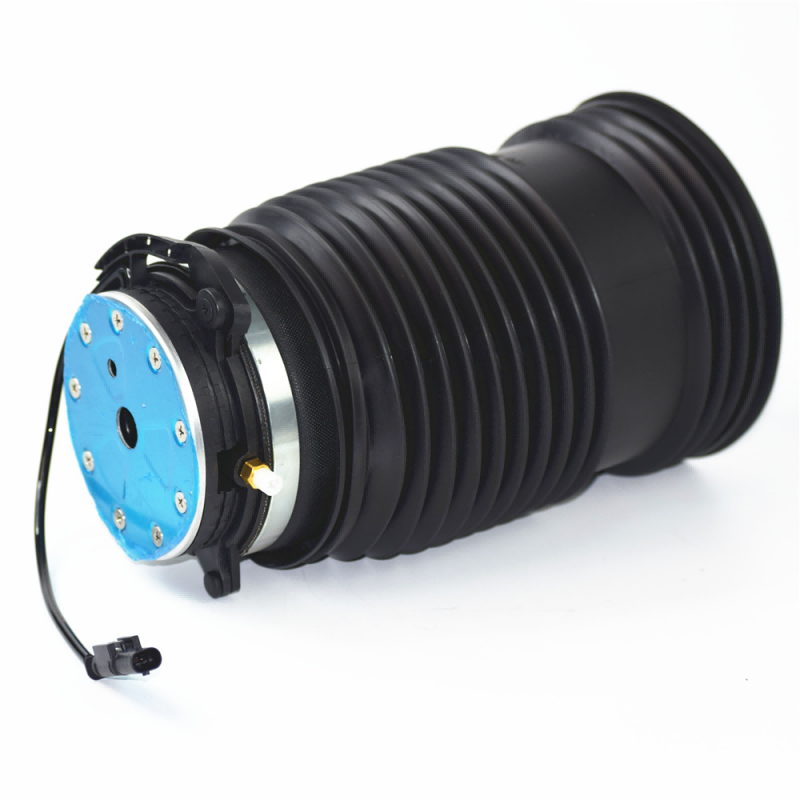
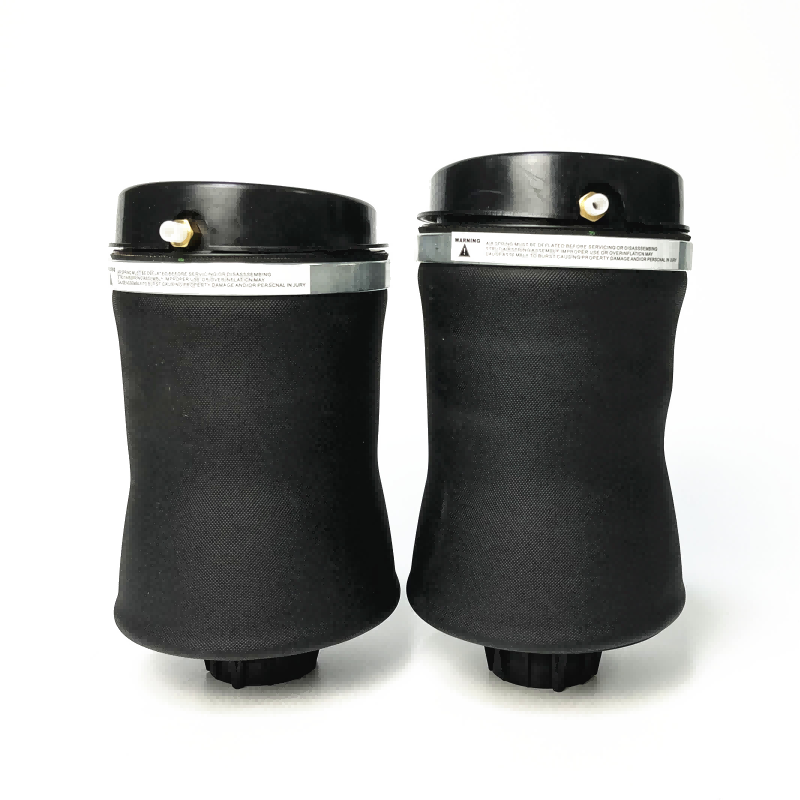
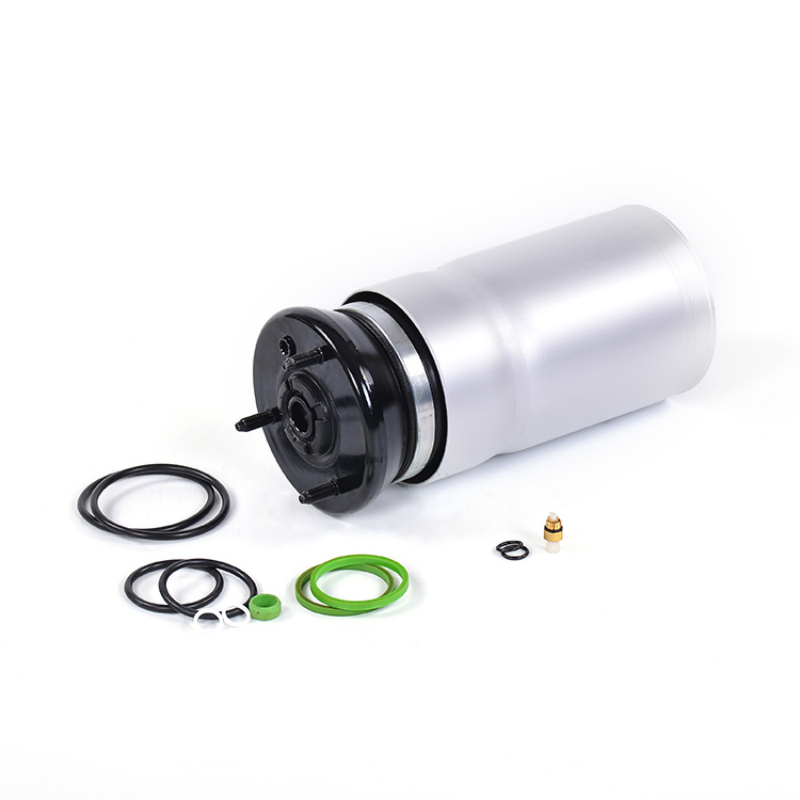
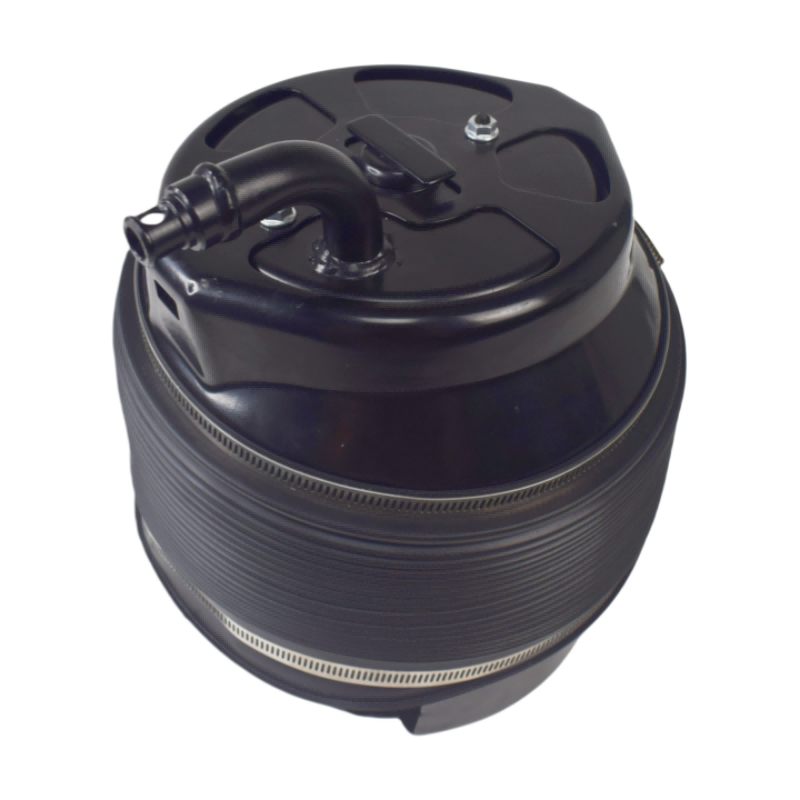
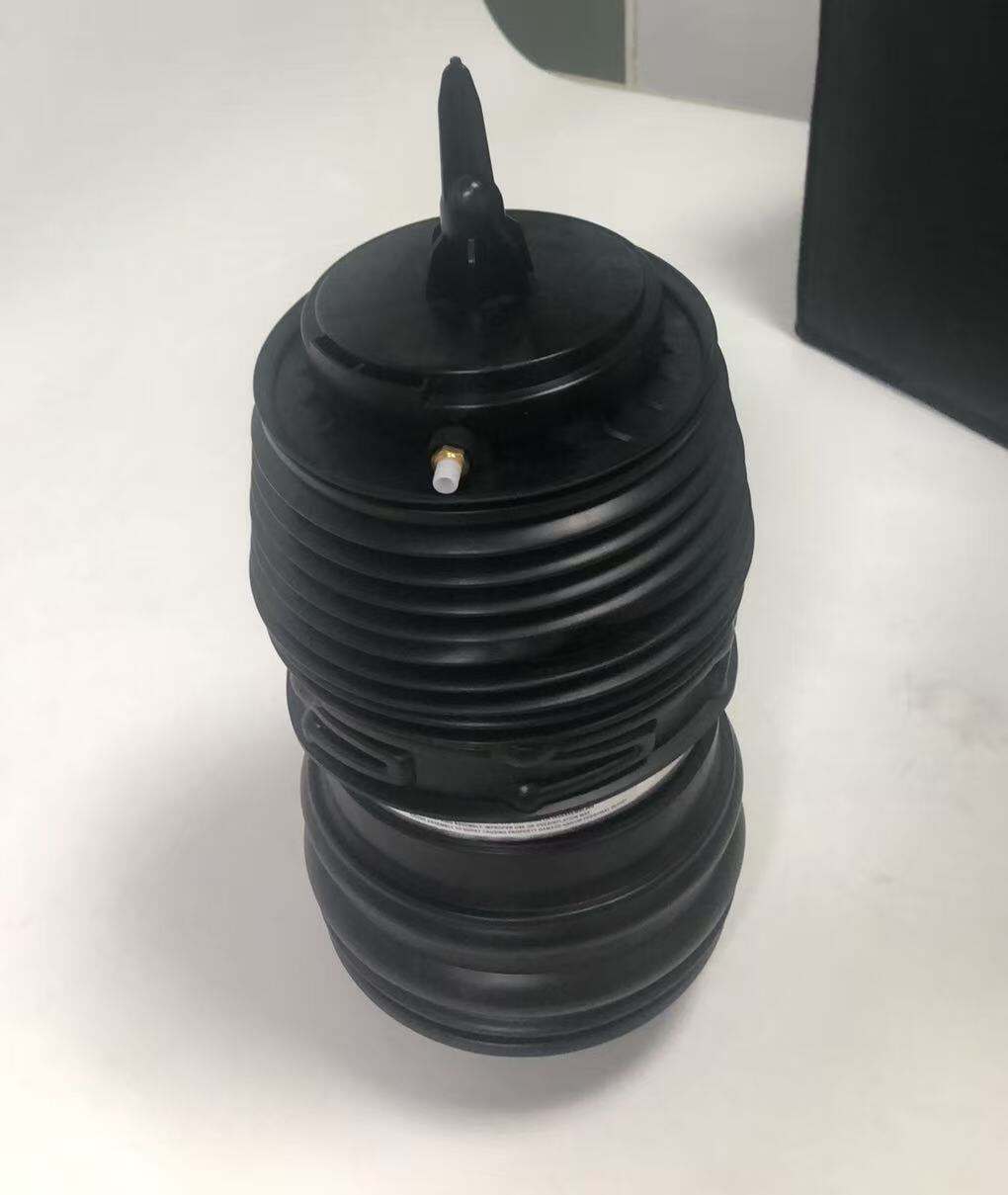
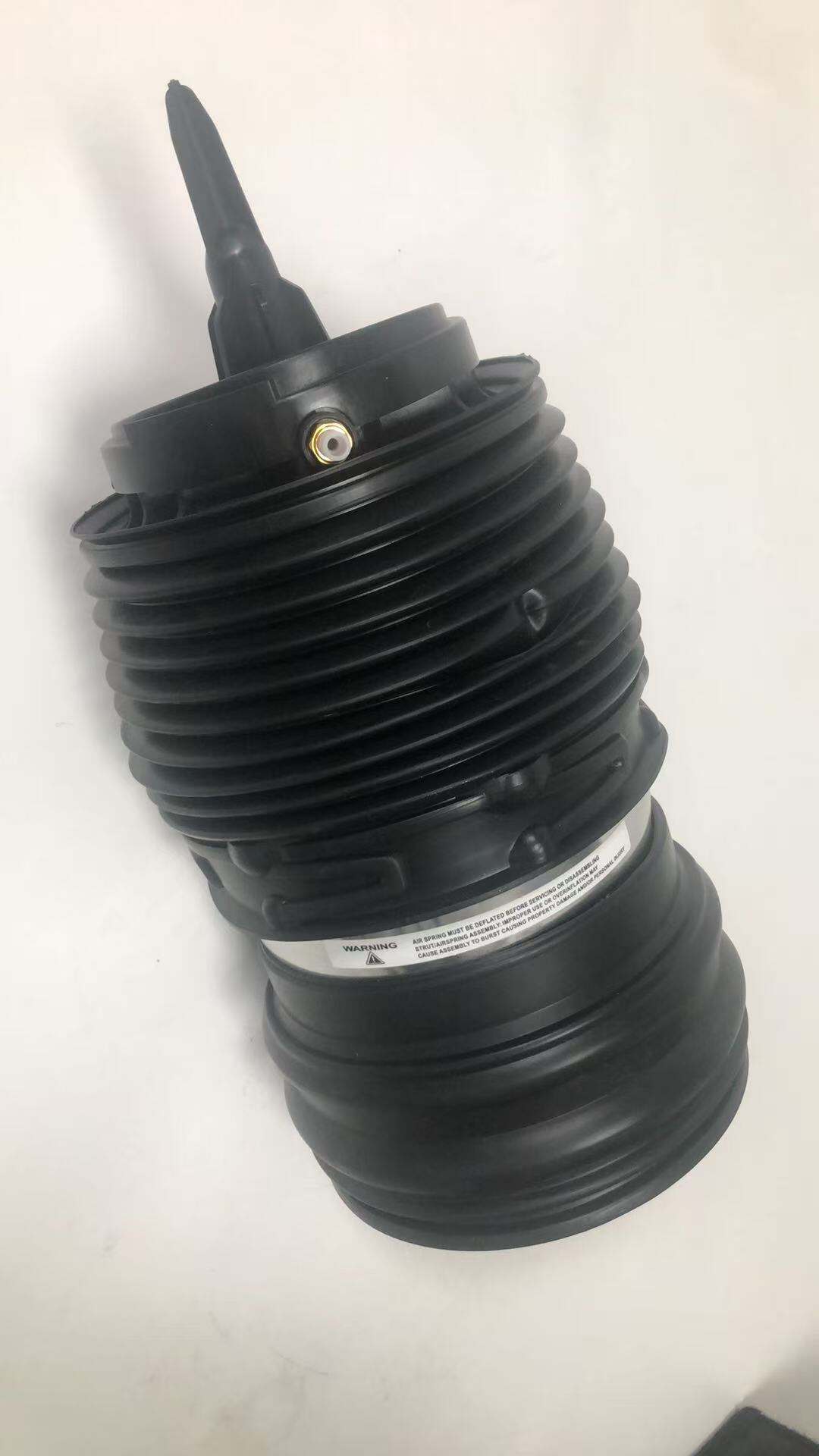
Premium Suspension Springs - Enhanced Performance, Comfort & Durability for All Vehicles

Get a Free Quote

Our representative will contact you soon.
Email
Name
Company Name
Message
0/1000

suspension spring

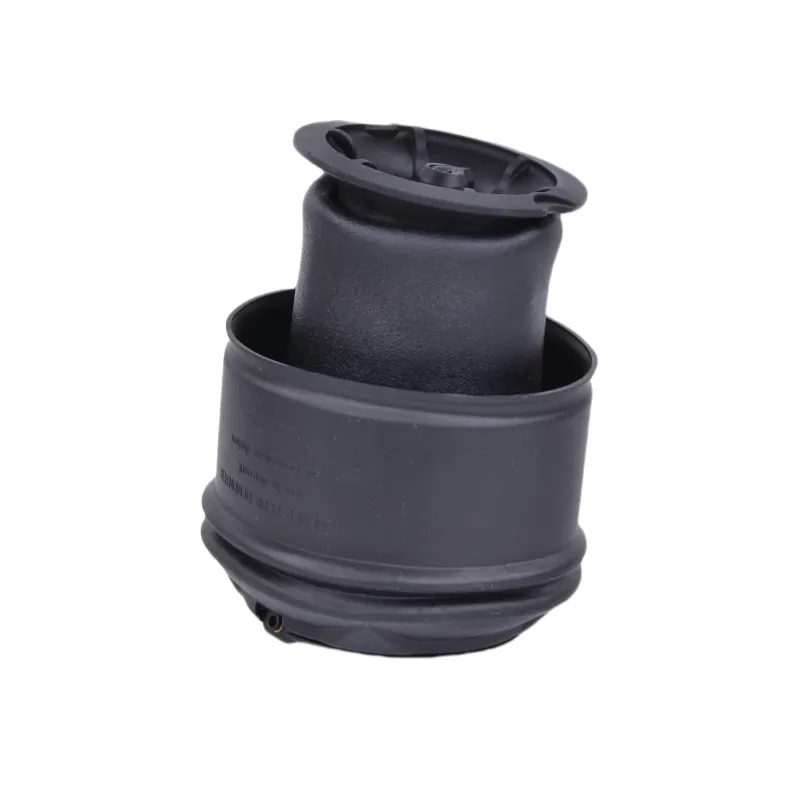
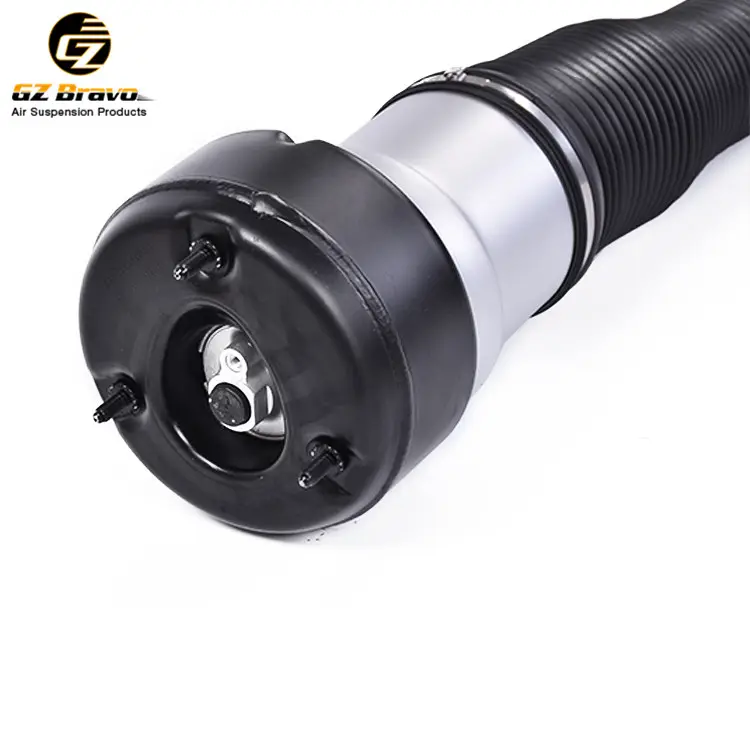
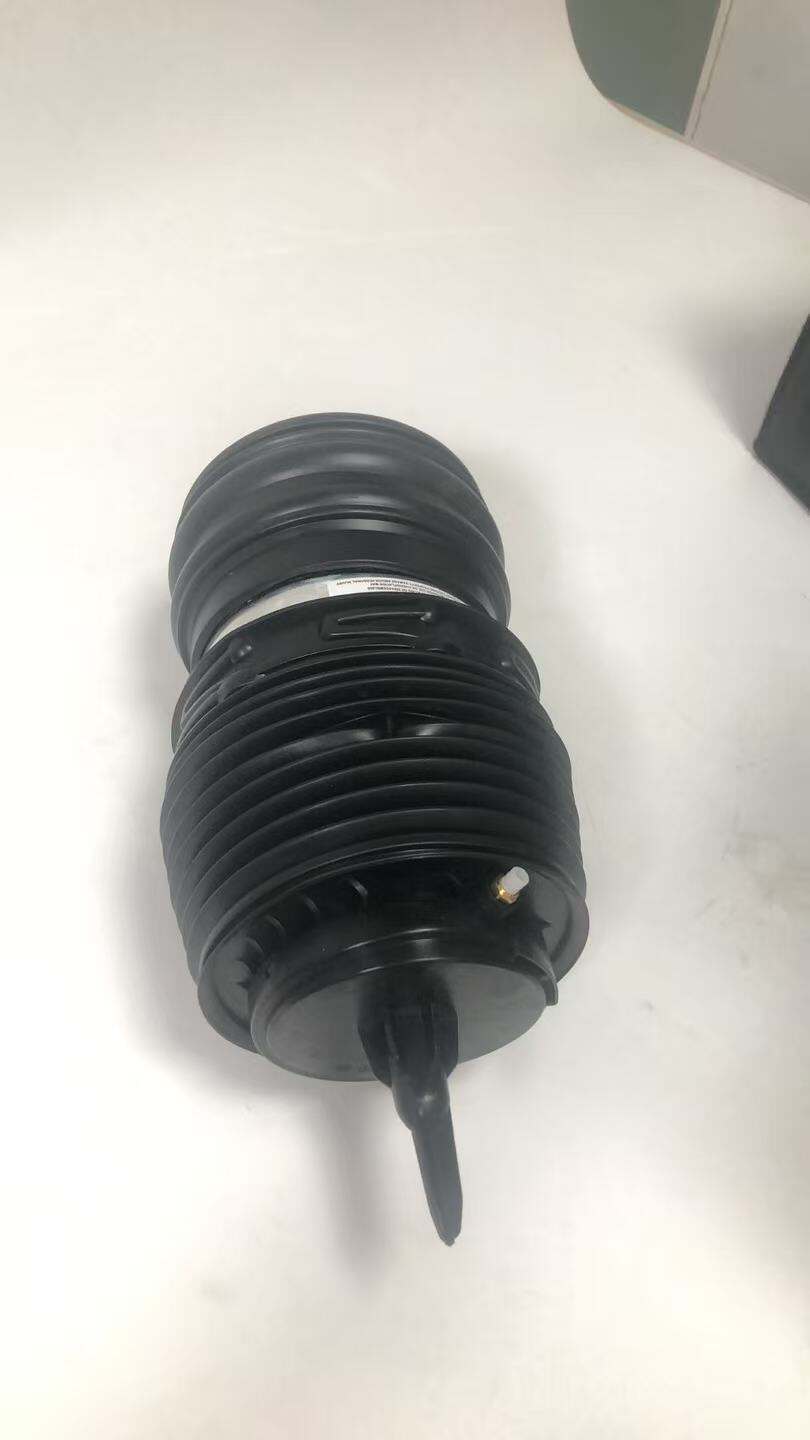
A suspension spring serves as a critical mechanical component designed to absorb shocks, maintain vehicle stability, and provide comfort during transportation. This essential element functions as the bridge between a vehicle's chassis and its wheels, managing the energy generated from road irregularities and uneven surfaces. The suspension spring works by compressing and expanding in response to external forces, effectively dampening vibrations and preventing direct transmission of impact forces to the vehicle body. Modern suspension springs come in various configurations including coil springs, leaf springs, and air springs, each engineered to meet specific load requirements and performance standards. The primary function involves supporting the vehicle's weight while allowing controlled vertical movement of the wheels. This component plays a vital role in maintaining tire contact with road surfaces, ensuring optimal traction and handling characteristics. The technological features of contemporary suspension springs incorporate advanced metallurgy, precision manufacturing processes, and computer-aided design techniques. High-grade steel alloys undergo heat treatment procedures to achieve desired strength and elasticity properties. Surface treatments such as shot peening and coating applications enhance durability and corrosion resistance. The spring rate, which determines compression resistance, is carefully calibrated to match vehicle specifications and intended applications. Suspension springs find widespread use across multiple industries including automotive manufacturing, commercial transportation, railway systems, and industrial machinery. In passenger vehicles, they contribute to ride comfort and handling precision. Heavy-duty trucks rely on robust suspension springs to manage substantial payload capacities while maintaining stability. Off-road vehicles utilize specialized suspension springs engineered to withstand extreme terrain challenges. The manufacturing process involves precise coiling operations, tempering treatments, and quality control inspections to ensure consistent performance standards. Environmental considerations have driven innovations in suspension spring technology, with manufacturers developing lighter components that reduce overall vehicle weight and improve fuel efficiency without compromising structural integrity or safety performance.

New Product Recommendations

Choosing quality suspension springs delivers numerous practical benefits that directly impact your vehicle's performance and your overall driving experience. First and foremost, these components significantly enhance ride comfort by absorbing road shocks and vibrations before they reach passengers. When you drive over bumps, potholes, or uneven pavement, the suspension spring compresses to cushion the impact, creating a smoother journey for everyone inside the vehicle. This comfort advantage becomes especially noticeable during long-distance travel or when navigating rough road conditions. The improved handling characteristics provided by properly functioning suspension springs give you better control over your vehicle. During cornering maneuvers, these springs help maintain tire contact with the road surface, reducing body roll and improving stability. This translates to safer driving conditions and increased confidence behind the wheel, particularly in challenging weather or emergency situations. The load-carrying capability of suspension springs allows vehicles to transport heavy cargo without excessive sagging or bottoming out. This feature proves invaluable for commercial applications, work trucks, and any situation requiring consistent performance under varying weight conditions. The springs automatically adjust their resistance based on the load applied, maintaining appropriate ride height and ensuring even weight distribution across all wheels. Durability represents another significant advantage, as high-quality suspension springs withstand millions of compression cycles throughout their service life. The robust construction and protective coatings resist corrosion, fatigue, and environmental damage, minimizing maintenance requirements and replacement costs. This longevity provides excellent value for your investment, reducing total ownership expenses over time. The versatility of suspension springs accommodates diverse applications and customization options. Whether you need soft springs for comfort-oriented driving, stiff springs for performance applications, or heavy-duty springs for commercial use, appropriate options exist to match your specific requirements. This adaptability ensures optimal performance regardless of your vehicle type or intended purpose. Modern suspension springs contribute to vehicle safety by maintaining proper alignment and preventing excessive chassis movement. They work in conjunction with shock absorbers and other suspension components to create a coordinated system that responds effectively to dynamic driving conditions. The predictable behavior of quality springs allows precise tuning of suspension characteristics, enabling manufacturers and aftermarket specialists to optimize performance parameters. Finally, upgrading to premium suspension springs can enhance your vehicle's resale value by demonstrating proper maintenance and improved performance capabilities.

Practical Tips

Is air suspension suitable for off-road and heavy-duty driving conditions?

27

May

Is air suspension suitable for off-road and heavy-duty driving conditions?

When drivers and fleet managers consider upgrading or replacing their vehicle's suspension system, one question consistently rises to the top: is air suspension genuinely capable of handling the punishment of off-road terrain and heavy-duty workloads...
View More
What factors affect durability of air suspension components in daily use?

27

May

What factors affect durability of air suspension components in daily use?

When it comes to vehicle ride quality and load management, air suspension components play a central role in delivering comfort, stability, and adaptability across a wide range of driving conditions. Unlike traditional coil spring setups, air-based sy...
View More
Is a solenoid valve block essential for precise control in air suspension systems?

03

Jun

Is a solenoid valve block essential for precise control in air suspension systems?

The question of whether a solenoid valve block is truly essential for precise control in air suspension systems is one that every vehicle owner, fleet manager, and automotive technician should understand clearly. Air suspension systems are complex, p...
View More
How does an air suspension compressor improve performance in load support systems?

03

Jun

How does an air suspension compressor improve performance in load support systems?

When a vehicle carries heavy loads or navigates uneven terrain, the demands placed on its suspension system increase dramatically. An air suspension compressor sits at the heart of any pneumatic load support system, continuously managing air pressure...
View More

Get a Free Quote

Our representative will contact you soon.
Email
Name
Company Name
Message
0/1000

suspension spring

Superior Shock Absorption and Vibration Control

Superior Shock Absorption and Vibration Control

The exceptional shock absorption capability of suspension springs represents one of their most valuable characteristics for vehicle owners and operators. This fundamental benefit stems from the spring's ability to store and release energy in a controlled manner, effectively managing the forces generated when wheels encounter road irregularities. When your vehicle travels over a bump or depression, the suspension spring compresses rapidly, converting the kinetic energy of the impact into potential energy stored within the coiled metal structure. This energy transformation prevents the sudden jolt from transferring directly to the vehicle chassis and passenger compartment. The spring then gradually releases this stored energy as it returns to its original shape, dissipating the impact force over a longer time period and creating a gentle, controlled motion rather than a harsh bump. This sophisticated energy management system operates continuously as you drive, processing countless minor and major impacts every mile. The vibration control aspect extends beyond single large impacts to address the constant stream of smaller disturbances from road texture, pavement joints, and surface irregularities. Modern suspension springs utilize precisely calculated spring rates and progressive resistance characteristics that provide different levels of cushioning depending on impact severity. Light bumps encounter softer initial resistance for maximum comfort, while larger impacts engage progressively stiffer resistance to prevent bottoming out and maintain control. The material properties of heat-treated steel alloys used in suspension spring manufacturing contribute significantly to these performance characteristics. The crystalline structure of the metal allows elastic deformation across a wide range of forces, ensuring consistent performance from the first compression cycle to the millionth. Advanced manufacturing techniques create uniform material properties throughout the entire spring, eliminating weak points that could compromise shock absorption effectiveness. The geometric design of suspension springs, whether coil, leaf, or torsion bar configuration, optimizes the load distribution and stress patterns during compression. Engineers carefully calculate wire diameter, coil spacing, and overall dimensions to achieve desired performance characteristics while maintaining structural integrity under extreme conditions. This attention to detail ensures that the shock absorption capability remains consistent across the spring's entire service life, providing reliable performance year after year. The practical benefits of superior shock absorption extend to reduced wear on other vehicle components, as the suspension spring protects steering systems, drivetrain elements, and body panels from excessive vibration damage. This protective function contributes to lower maintenance costs and extended component longevity throughout the entire vehicle.
Enhanced Vehicle Stability and Handling Performance

Enhanced Vehicle Stability and Handling Performance

Vehicle stability and handling performance receive substantial improvements through the strategic implementation of properly engineered suspension springs. These components serve as the foundation for maintaining optimal tire contact with road surfaces across diverse driving conditions and dynamic load situations. The stability enhancement begins with the suspension spring's role in controlling body roll during cornering maneuvers. When you turn the steering wheel, centrifugal forces push the vehicle's mass toward the outside of the turn, causing the chassis to lean or roll in that direction. Suspension springs resist this rolling motion by providing opposing force that limits excessive lean while still allowing necessary suspension articulation. This controlled body movement keeps the center of gravity more stable, reducing the likelihood of loss of control or rollover situations. The spring's resistance characteristics directly influence how quickly and dramatically the vehicle responds to steering inputs, contributing to predictable handling behavior that drivers can anticipate and manage effectively. The load distribution capability of suspension springs plays a crucial role in maintaining balanced weight across all four wheels. Uneven weight distribution causes some tires to lose grip while others become overloaded, compromising traction and control. Quality suspension springs automatically adjust their compression to equalize load distribution, ensuring each tire maintains appropriate contact pressure for maximum grip. This dynamic balancing act occurs continuously as weight shifts during acceleration, braking, and cornering, providing consistent handling characteristics regardless of driving conditions. The suspension spring's interaction with other chassis components creates a coordinated system that manages multiple aspects of vehicle dynamics simultaneously. Working alongside shock absorbers, anti-roll bars, and suspension linkages, the springs provide the elastic foundation that allows these components to function effectively. The spring rate determines how quickly the suspension reacts to inputs, influencing both comfort and responsiveness. Stiffer springs provide more immediate response and reduced body motion for performance applications, while softer springs prioritize comfort and compliance over rough surfaces. This tunability allows customization to match specific driving preferences and vehicle applications. The vertical wheel travel permitted by suspension springs enables the wheels to follow road contours while keeping the chassis relatively level. This articulation capability proves essential when navigating uneven terrain, speed bumps, or railroad crossings, allowing the wheels to move independently without causing excessive chassis disruption. The spring's ability to extend and compress through its designed range maintains tire contact even when opposite wheels encounter dramatically different surface heights. Performance driving situations particularly benefit from optimized suspension spring characteristics, as consistent handling behavior allows drivers to push vehicles to higher limits with confidence. Track enthusiasts, motorsport competitors, and performance-oriented drivers rely on precisely calibrated suspension springs to achieve desired handling balance and responsiveness.
Exceptional Durability and Long-Term Reliability

Exceptional Durability and Long-Term Reliability

The durability and long-term reliability of quality suspension springs represent critical factors that distinguish superior products from basic alternatives in the marketplace. These characteristics directly impact ownership costs, maintenance requirements, and overall satisfaction throughout the vehicle's operational life. The exceptional longevity of properly manufactured suspension springs stems from multiple engineering and material science advances that protect against common failure modes. Fatigue resistance stands as the primary durability concern for suspension springs, as these components endure millions of compression and extension cycles during normal service. Each time the wheel encounters a road irregularity, the suspension spring flexes, creating internal stress patterns within the metal structure. Inferior materials or manufacturing processes can develop microscopic cracks at stress concentration points, gradually propagating until catastrophic failure occurs. Premium suspension springs utilize specially formulated alloy steels with optimized chemical compositions that resist crack initiation and propagation. The manufacturing process includes precision heat treatment procedures that create favorable residual stress patterns within the material, actually strengthening the spring against fatigue damage. Shot peening operations bombard the spring surface with tiny metal spheres, creating a compressed surface layer that prevents crack formation and dramatically extends service life. Corrosion protection represents another essential aspect of suspension spring durability, particularly for vehicles operating in harsh environments with road salt exposure, high humidity, or chemical contaminants. Rust formation on spring surfaces creates stress risers that accelerate fatigue crack development while also reducing the effective cross-sectional area of the spring material. Multiple protective coating options provide barriers against corrosive attack, including powder coating, electroplating, and advanced polymer applications. These protective layers seal the metal surface from moisture and chemical exposure while maintaining flexibility to accommodate the spring's movement without cracking or delaminating. Environmental testing procedures subject suspension springs to accelerated corrosion exposure, temperature cycling, and simulated service conditions to verify long-term performance before products reach customers. The dimensional stability of suspension springs ensures consistent performance characteristics throughout their service life. Unlike components that wear or degrade gradually, properly manufactured springs maintain their designed spring rate and load capacity with minimal change over hundreds of thousands of miles. This consistency means the handling characteristics, ride comfort, and load-carrying capability you experience when the springs are new remain essentially unchanged years later. Quality control procedures during manufacturing verify that each suspension spring meets precise specifications for dimensions, material properties, and performance characteristics. Automated testing equipment measures spring rate under load, checks free height and coil dimensions, and confirms surface finish quality. These verification steps eliminate defective components before they reach customers, ensuring reliable performance from every suspension spring installed. The economic benefits of durable suspension springs extend beyond simple replacement cost savings to include reduced labor expenses, minimized vehicle downtime, and prevention of secondary damage to related components. When suspension springs fail prematurely, the resulting suspension collapse can damage shock absorbers, control arms, and other expensive chassis components while potentially creating dangerous driving conditions.


Get a Free Quote

Our representative will contact you soon.
Email
Name
Company Name
Message
0/1000