Air Suspension Cylinder Systems - Advanced Pneumatic Solutions for Superior Load Management and Ride Control

Get a Free Quote

Our representative will contact you soon.
Email
Name
Company Name
Message
0/1000

air suspension cylinder

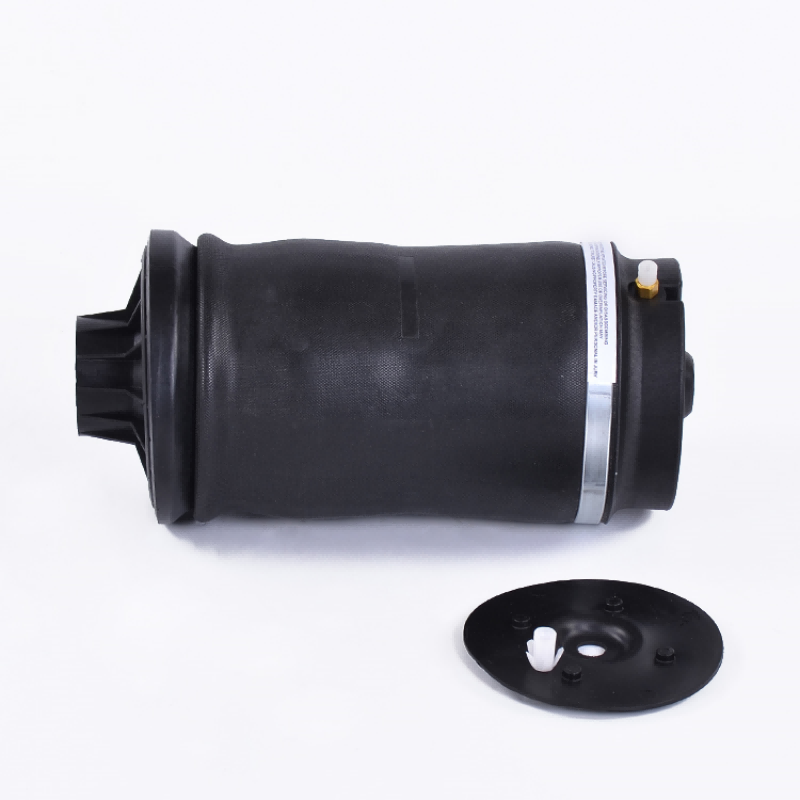
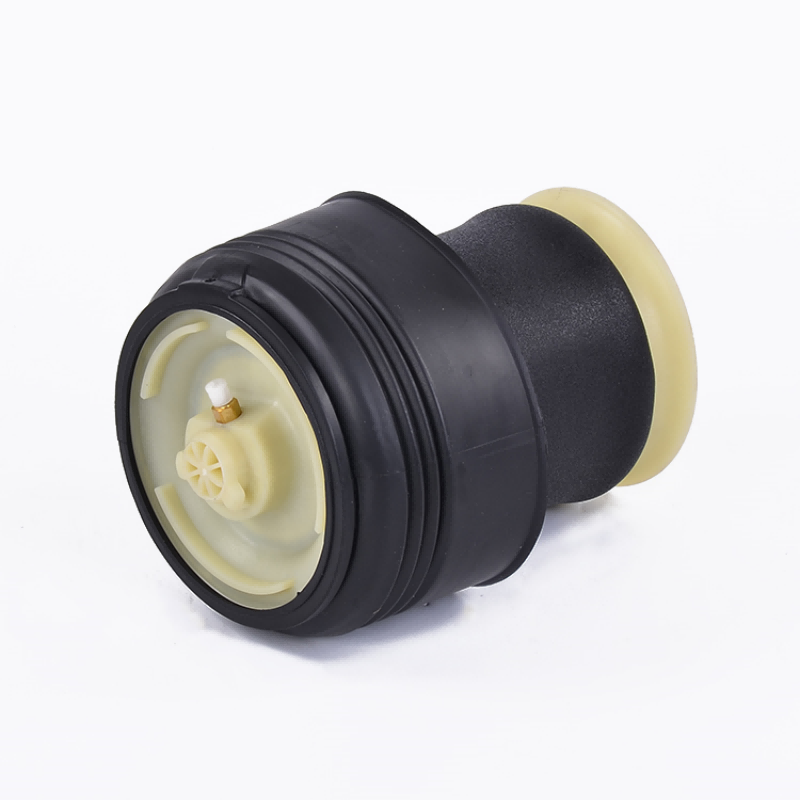
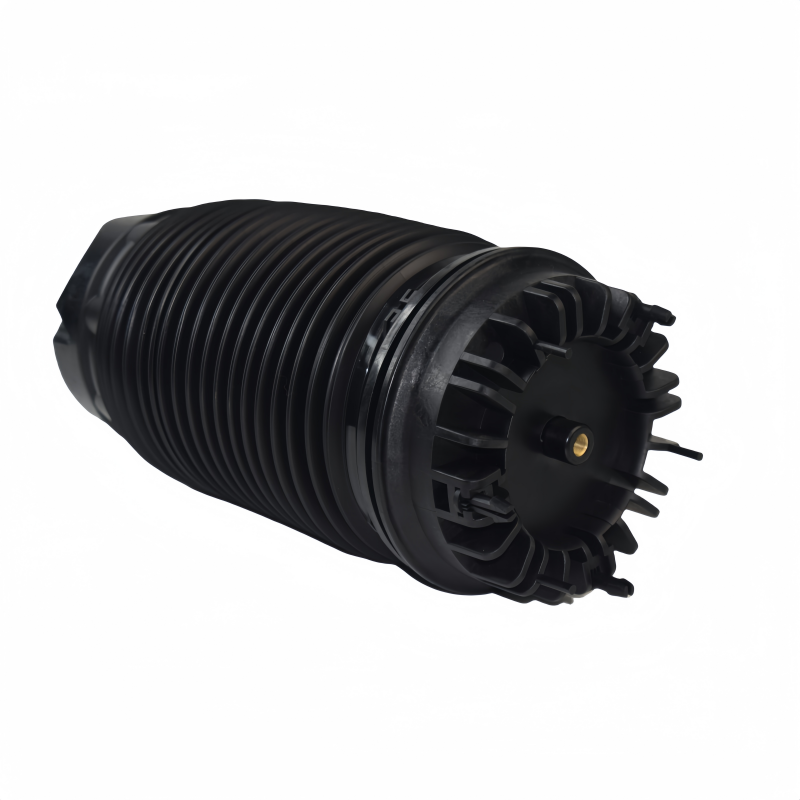
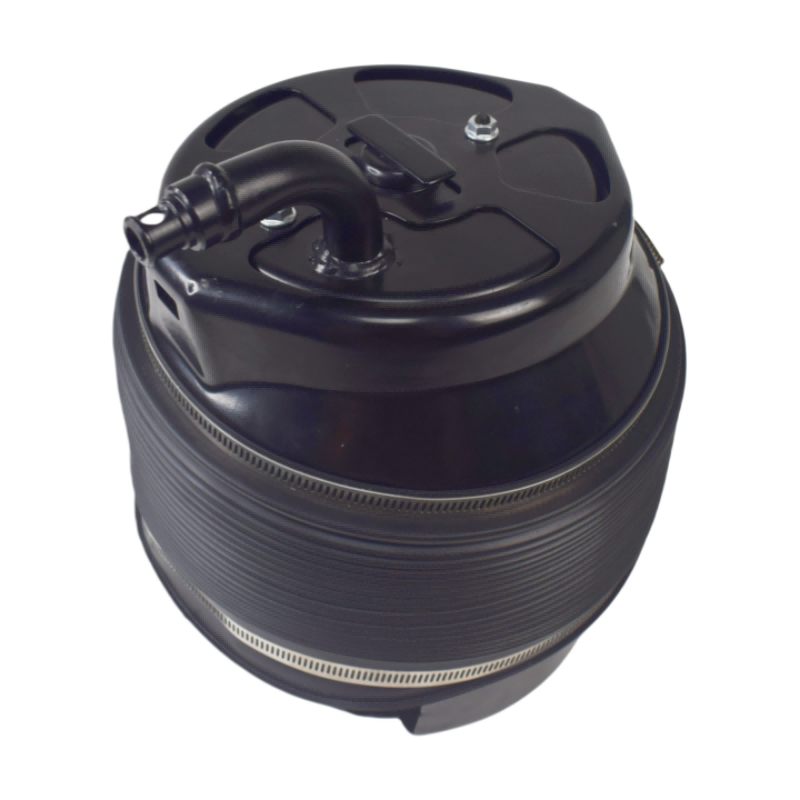
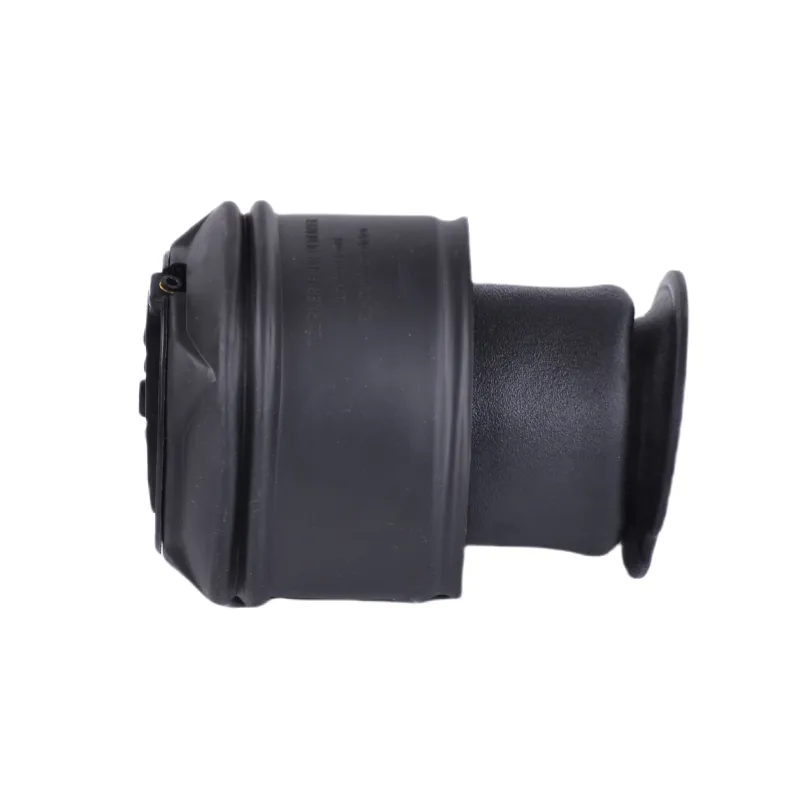
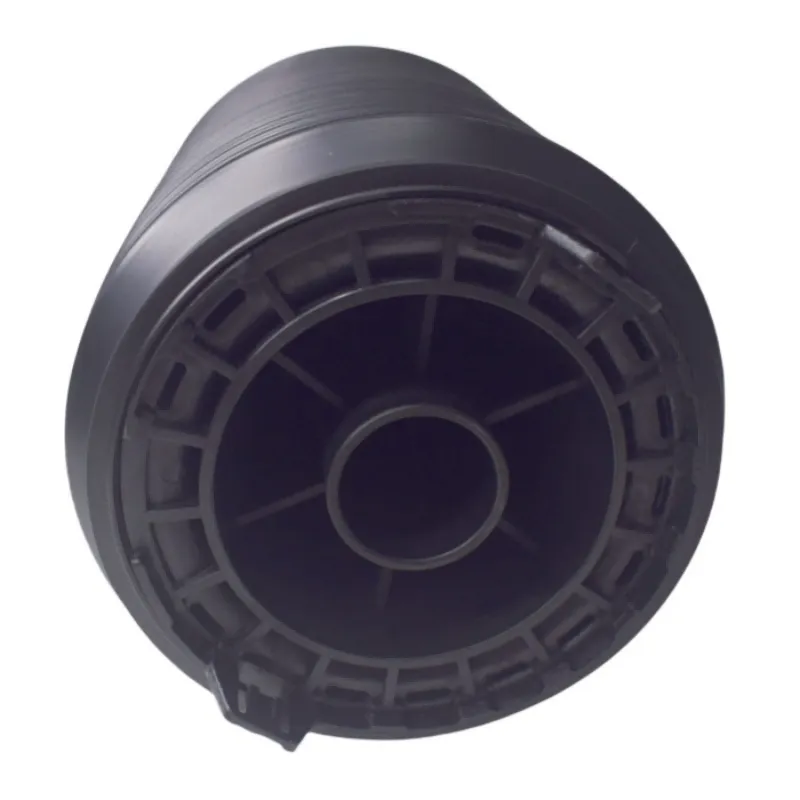
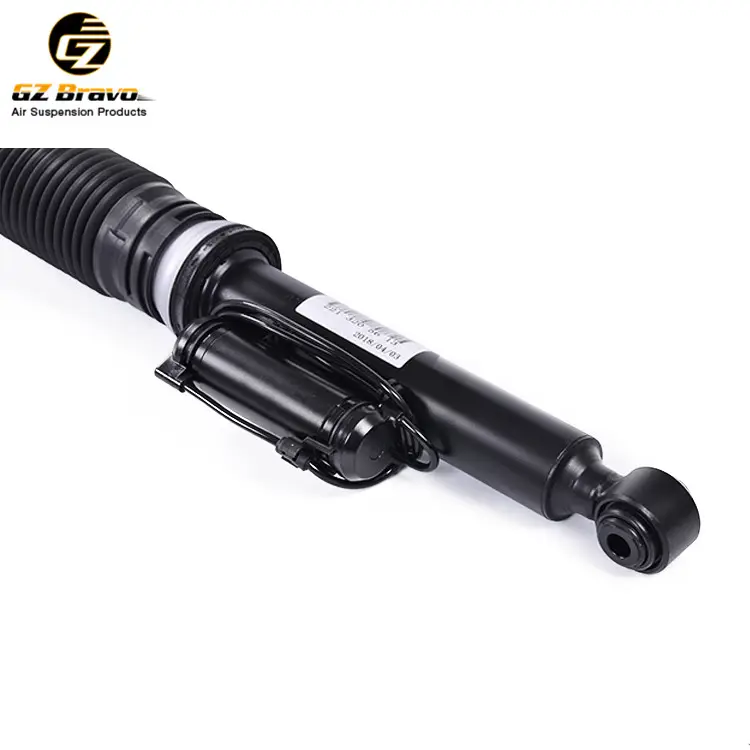
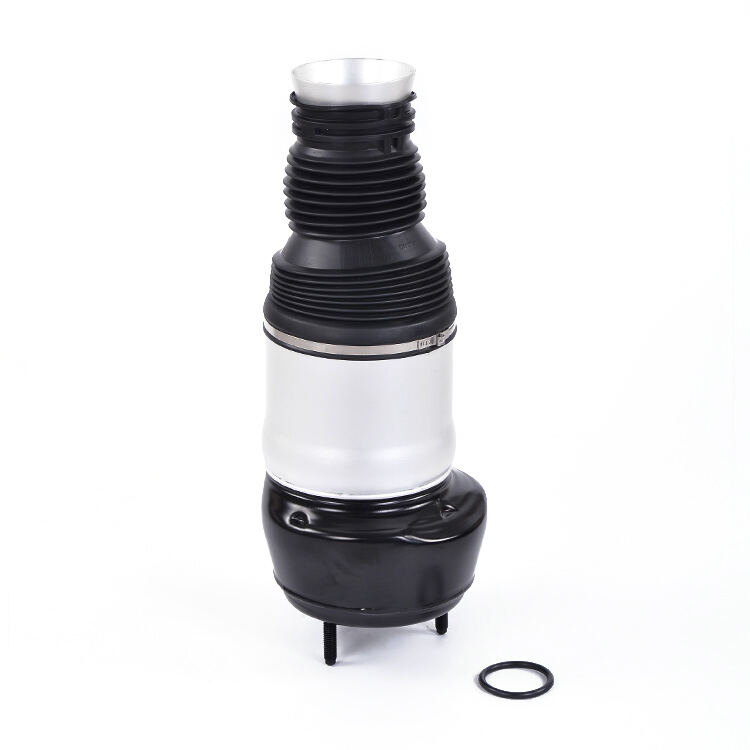
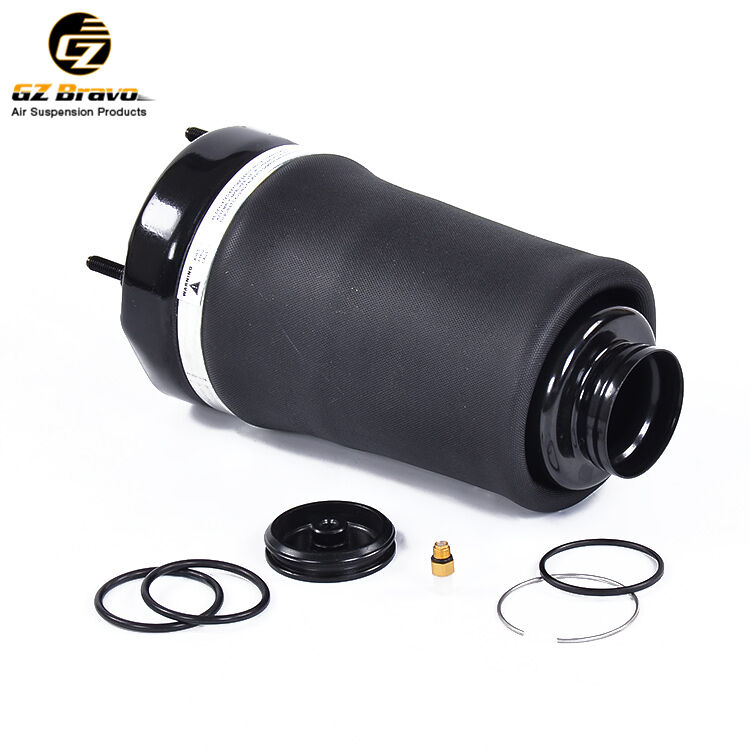
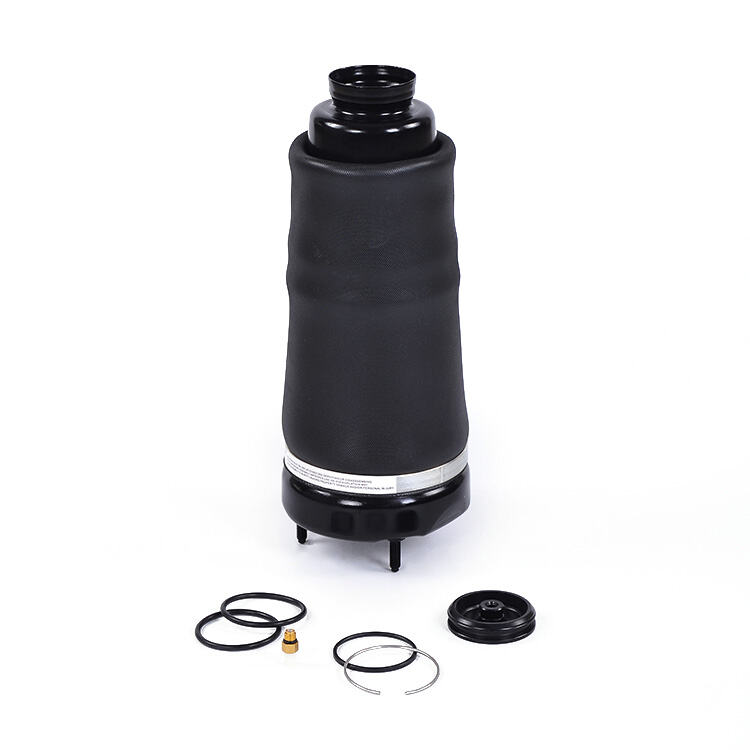
An air suspension cylinder represents a sophisticated pneumatic component that serves as the cornerstone of modern suspension systems across various industrial and automotive applications. This innovative device operates by utilizing compressed air to provide cushioning, support, and height adjustment capabilities for vehicles, machinery, and equipment. The air suspension cylinder functions as a flexible air chamber that can be inflated or deflated to modify load-carrying capacity and ride characteristics. At its core, the system comprises a durable rubber and fabric composite bellows or sleeve, mounted between two end plates, with air fittings that connect to an air supply system. The primary functions of an air suspension cylinder include load leveling, vibration isolation, shock absorption, and adjustable ride height control. Technologically, these cylinders feature advanced materials such as reinforced rubber compounds with multiple fabric layers, providing exceptional strength and flexibility. The design incorporates precision-engineered piston assemblies and sealing systems that maintain air pressure while allowing controlled movement. Modern air suspension cylinders integrate seamlessly with electronic control systems, enabling real-time adjustments based on load conditions and road surfaces. Applications span across commercial transportation, where trucks and buses utilize these cylinders for improved cargo protection and passenger comfort. In industrial settings, manufacturing equipment, printing presses, and automated assembly lines depend on air suspension cylinders for precision positioning and vibration dampening. The automotive aftermarket has embraced this technology for custom vehicles seeking enhanced performance and aesthetics. Railway systems incorporate air suspension cylinders in passenger coaches and freight cars to ensure smooth travel and protect sensitive cargo. Material handling equipment, including forklifts and container handlers, benefit from the load-leveling capabilities that air suspension cylinders provide. The technology continues evolving with smart sensors and adaptive algorithms that optimize performance across diverse operating conditions, making the air suspension cylinder an indispensable component in modern engineering solutions.


New Products

The air suspension cylinder delivers remarkable benefits that directly impact operational efficiency and cost savings for users across multiple sectors. One of the most significant advantages is the exceptional load-carrying flexibility these systems provide. Unlike traditional steel springs that have fixed characteristics, an air suspension cylinder can be adjusted instantly to accommodate varying weights. When your vehicle or equipment carries light loads, you can reduce air pressure to maintain optimal ride quality. Conversely, when hauling heavy cargo, increasing air pressure ensures the system does not bottom out and maintains proper ground clearance. This adaptability eliminates the need for multiple spring rates or constant hardware changes, saving both time and money. The vibration isolation properties of an air suspension cylinder far exceed conventional suspension methods. The pneumatic cushioning effect absorbs road irregularities and operational vibrations more effectively than metal springs, protecting sensitive cargo and reducing wear on vehicle components. This translates to fewer damaged goods during transport and lower maintenance costs over the equipment's lifespan. Operators and passengers experience significantly improved comfort levels, reducing fatigue during long journeys or extended work shifts. The adjustable ride height capability offers practical advantages in numerous scenarios. Loading docks become easier to access when you can lower your vehicle to align perfectly with platform heights. Ground clearance can be increased when traversing rough terrain or obstacles, then lowered for improved aerodynamics during highway travel. This versatility enhances operational flexibility without requiring separate equipment for different tasks. Installation and maintenance of an air suspension cylinder system proves straightforward compared to complex mechanical alternatives. The modular design allows for quick replacement of individual components without dismantling entire suspension assemblies. Diagnostic procedures are simplified through pressure monitoring, making troubleshooting efficient and reducing downtime. The longevity of quality air suspension cylinders means fewer replacements over time, with many systems operating reliably for hundreds of thousands of miles or operational hours. Energy efficiency represents another compelling advantage, as the air suspension cylinder requires minimal power to maintain pressure once inflated. Modern systems incorporate efficient compressors that operate only when adjustments are needed, consuming less energy than continuously active systems. The weight savings compared to heavy-duty steel spring assemblies improves fuel economy in transportation applications. Environmental benefits include reduced tire wear due to better load distribution and improved handling characteristics that enhance safety. The smooth operation reduces stress on road surfaces and infrastructure. For businesses, these advantages combine to deliver measurable returns on investment through reduced operational costs, increased productivity, and enhanced reliability across diverse applications where an air suspension cylinder provides the optimal suspension solution.

Tips And Tricks

How does air suspension improve ride comfort in commercial vehicle applications?

27

May

How does air suspension improve ride comfort in commercial vehicle applications?

In commercial vehicle applications, driver comfort and cargo protection are not luxuries — they are operational necessities. Rough roads, heavy payloads, and long-haul routes place extraordinary stress on both the vehicle and the people inside ...
View More
Why do manufacturers adopt air suspension systems for luxury vehicle platforms?

27

May

Why do manufacturers adopt air suspension systems for luxury vehicle platforms?

The decision to adopt air suspension systems in luxury vehicle platforms is not an arbitrary engineering choice. It represents a deliberate commitment to delivering a driving experience that consistently exceeds passenger expectations, meets stringen...
View More
How does air suspension enhance stability during high-speed driving operations?

27

May

How does air suspension enhance stability during high-speed driving operations?

When a vehicle travels at high speed, the margin for error shrinks dramatically. Every bump in the road, every shift in load distribution, and every gust of crosswind becomes a real threat to driver control. This is precisely where air suspension pro...
View More
How does a solenoid valve block improve airflow management in suspension setups?

03

Jun

How does a solenoid valve block improve airflow management in suspension setups?

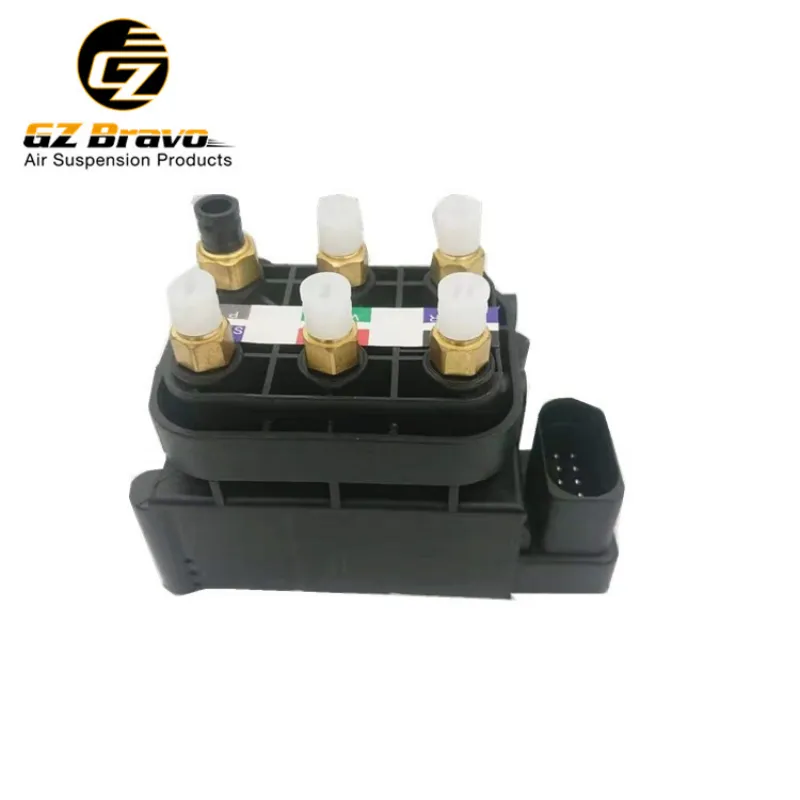
Modern air suspension systems depend on precise control of pressurized air to deliver the ride comfort and handling performance that drivers expect. At the center of this control architecture sits the solenoid valve block, a compact but critically im...
View More

Get a Free Quote

Our representative will contact you soon.
Email
Name
Company Name
Message
0/1000

air suspension cylinder

Superior Load Management and Automatic Leveling Capabilities

Superior Load Management and Automatic Leveling Capabilities

The air suspension cylinder excels in providing intelligent load management that adapts to changing conditions without manual intervention. This remarkable capability stems from the fundamental pneumatic principles governing how compressed air responds to load variations. When weight is added to a vehicle or equipment platform supported by an air suspension cylinder, the system automatically compensates by adjusting internal pressure to maintain the desired ride height and handling characteristics. This automatic leveling function proves invaluable in commercial transportation where cargo weights fluctuate significantly throughout the day. A delivery truck making multiple stops experiences constantly changing loads as packages are delivered, yet the air suspension cylinder maintains consistent vehicle attitude and optimal tire contact with the road surface. The technology behind this feature incorporates pressure sensors and control valves that monitor system parameters hundreds of times per second, making micro-adjustments that keep the platform level regardless of how weight is distributed. Asymmetrical loading, which causes traditional suspensions to tilt or sag on one side, is effectively neutralized by independent air suspension cylinder control at each corner. This prevents dangerous handling characteristics and ensures even tire wear across all positions. In industrial applications, precision machinery relies on the air suspension cylinder to maintain exact positioning despite varying operational loads. Manufacturing equipment that processes materials of different weights throughout production cycles benefits from the stable platform that air suspension cylinders provide, ensuring consistent product quality and dimensional accuracy. The load management extends to protecting the air suspension cylinder itself through pressure relief mechanisms that prevent over-inflation damage. When maximum load capacity is approached, the system alerts operators or automatically limits further loading, preventing equipment damage and maintaining safety margins. The economic implications of superior load management are substantial, as businesses can optimize payload capacity without compromising safety or component longevity. Fleet operators report significant reductions in suspension-related maintenance costs and extended tire life when utilizing air suspension cylinder technology. The ability to carry maximum legal loads while maintaining proper ground clearance and compliance with transportation regulations provides competitive advantages in freight operations. The air suspension cylinder transforms load management from a passive mechanical function into an active system that continuously optimizes performance parameters for maximum efficiency and safety.
Enhanced Vibration Isolation and Shock Absorption Performance

Enhanced Vibration Isolation and Shock Absorption Performance

The air suspension cylinder provides unmatched vibration isolation and shock absorption characteristics that protect cargo, equipment, and occupants from the damaging effects of impacts and oscillations. This superior performance results from the inherent properties of compressed air as a suspension medium, which behaves as a progressive-rate spring with excellent damping characteristics. Unlike metal springs that transmit vibrations directly through their rigid structure, an air suspension cylinder cushions disturbances through the compressibility of the air volume contained within the flexible bellows. When encountering a road irregularity or sudden impact, the air suspension cylinder compresses smoothly, absorbing energy gradually rather than transferring shock loads to the mounted structure. This progressive absorption prevents the harsh jolts that characterize rigid suspension systems. The frequency isolation capabilities of an air suspension cylinder are particularly impressive, effectively filtering vibrations across a wide spectrum from low-frequency road undulations to high-frequency surface texture inputs. This broad-spectrum isolation protects sensitive electronic equipment, prevents fatigue damage to structural components, and dramatically improves comfort for passengers and operators. In transportation of fragile goods such as electronics, medical equipment, or precision instruments, the air suspension cylinder reduces product damage claims significantly compared to conventional suspension methods. The reduced vibration transmission extends to the vehicle chassis and body, decreasing the likelihood of stress cracks and connection failures that plague vehicles with harsh suspension systems. Long-term durability of the entire vehicle or equipment improves measurably when an air suspension cylinder isolates operational vibrations. The shock absorption capacity proves essential in applications involving variable terrain or sudden load changes. Construction equipment traversing job sites benefits from the air suspension cylinder's ability to cushion impacts from uneven ground, protecting both the machine and the operator from excessive jarring. Emergency vehicles equipped with air suspension cylinders can maintain higher speeds over poor road surfaces while protecting occupants and onboard equipment. The customizable damping characteristics of modern air suspension cylinder systems allow tuning for specific applications, balancing between soft, compliant ride quality and firm, responsive handling as operational requirements dictate. Electronic controls can alter damping rates in real-time, providing comfort during smooth operation and firmer control during demanding maneuvers. The health and safety implications of superior vibration isolation should not be underestimated, as reduced operator exposure to whole-body vibration decreases fatigue and long-term health risks associated with prolonged vibration exposure. Regulatory compliance with occupational vibration limits becomes easier to achieve with air suspension cylinder technology, and the improved working environment contributes to operator retention and productivity in commercial applications.
Versatile Height Adjustment and Multi-Purpose Functionality

Versatile Height Adjustment and Multi-Purpose Functionality

The air suspension cylinder delivers exceptional versatility through its infinitely adjustable height control capability, enabling a single system to serve multiple functions that would otherwise require separate mechanical solutions. This remarkable flexibility stems from the ability to precisely control the air volume within the cylinder, allowing height adjustments ranging from fully compressed to maximum extension within seconds. The practical applications of this versatility span numerous scenarios that enhance operational efficiency and expand equipment capabilities. In commercial transportation, drivers can lower their vehicles to facilitate easier loading and unloading operations, reducing physical strain on workers and minimizing the risk of cargo damage during transfer. The air suspension cylinder can drop the vehicle deck to align perfectly with warehouse loading docks of varying heights, eliminating the need for ramps or lift gates in many situations. When traveling on highways, the same air suspension cylinder can be adjusted to lower the vehicle profile, reducing aerodynamic drag and improving fuel efficiency by measurable percentages that accumulate into significant cost savings over thousands of miles. Off-road capability is enhanced by raising the air suspension cylinder to maximum height, increasing ground clearance to navigate obstacles, rough terrain, or flooded areas that would be impassable with fixed-height suspensions. This multi-environment adaptability means a single vehicle can transition seamlessly from urban delivery routes to rural areas with challenging road conditions. The manufacturing and industrial sectors leverage air suspension cylinder height adjustment for precision positioning of equipment and workpieces. Automated assembly lines use these systems to position components at ergonomically optimal heights for workers, reducing repetitive strain injuries and improving assembly quality. The same equipment can adjust to accommodate products of different sizes without lengthy changeover procedures. Printing presses and material processing machinery rely on the air suspension cylinder to maintain exact vertical positioning that ensures consistent product quality despite variations in material thickness or weight. The adjustment capability extends to compensating for wear over time, allowing operators to maintain factory specifications throughout the equipment's service life. Agricultural equipment benefits from air suspension cylinder versatility when transitioning between field operations requiring high clearance and road transport where lower profiles improve stability. The rapid adjustment capability means these transitions occur in moments rather than requiring manual mechanical changes. Entertainment and specialty vehicle applications showcase the dramatic visual impact possible with air suspension cylinder systems, enabling custom cars and show vehicles to achieve ground-hugging stances for display, then raise to practical driving heights with the push of a button. Beyond the immediate functional benefits, the versatile height adjustment capability of an air suspension cylinder reduces the need for multiple specialized vehicles or equipment variations, delivering substantial capital cost savings while simplifying fleet management and reducing inventory requirements for spare parts and maintenance supplies across diverse operational environments.

Get a Free Quote

Our representative will contact you soon.
Email
Name
Company Name
Message
0/1000