Air Suspension Air Spring Systems: Advanced Pneumatic Technology for Superior Vehicle Performance and Comfort

Get a Free Quote

Our representative will contact you soon.
Email
Name
Company Name
Message
0/1000

air suspension air spring

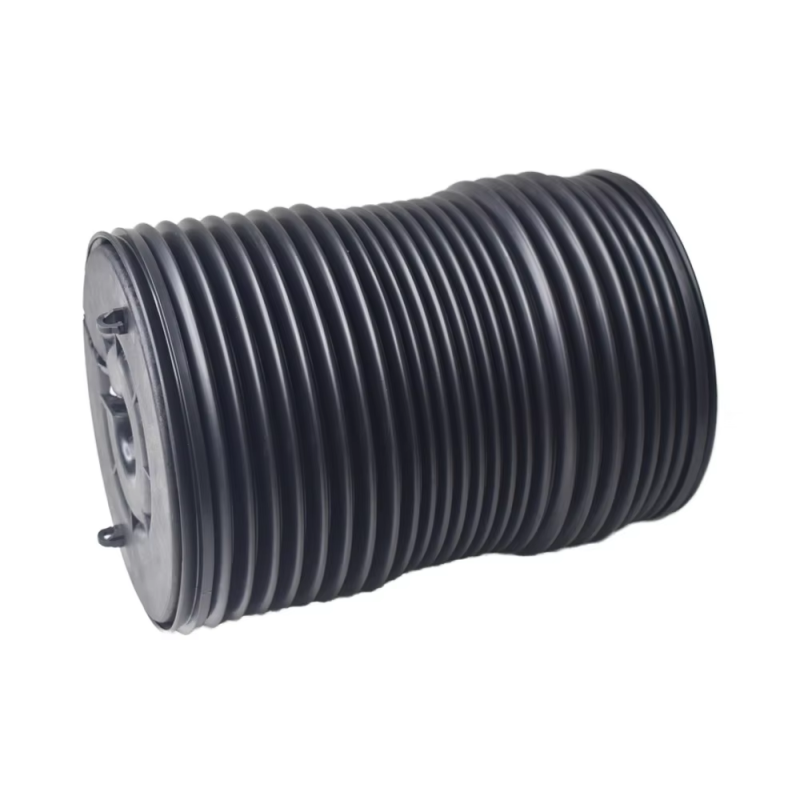
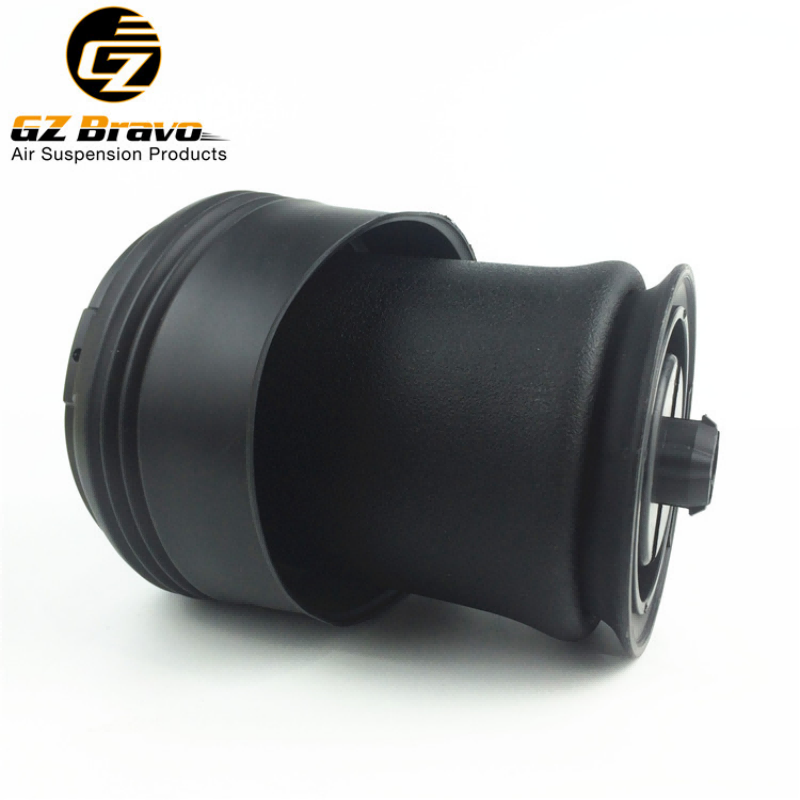
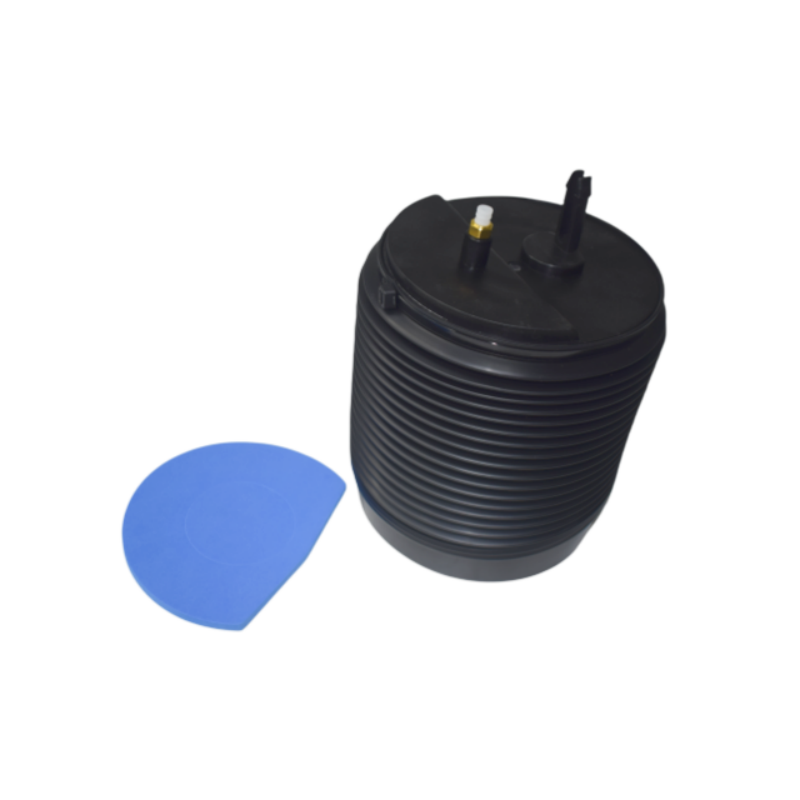
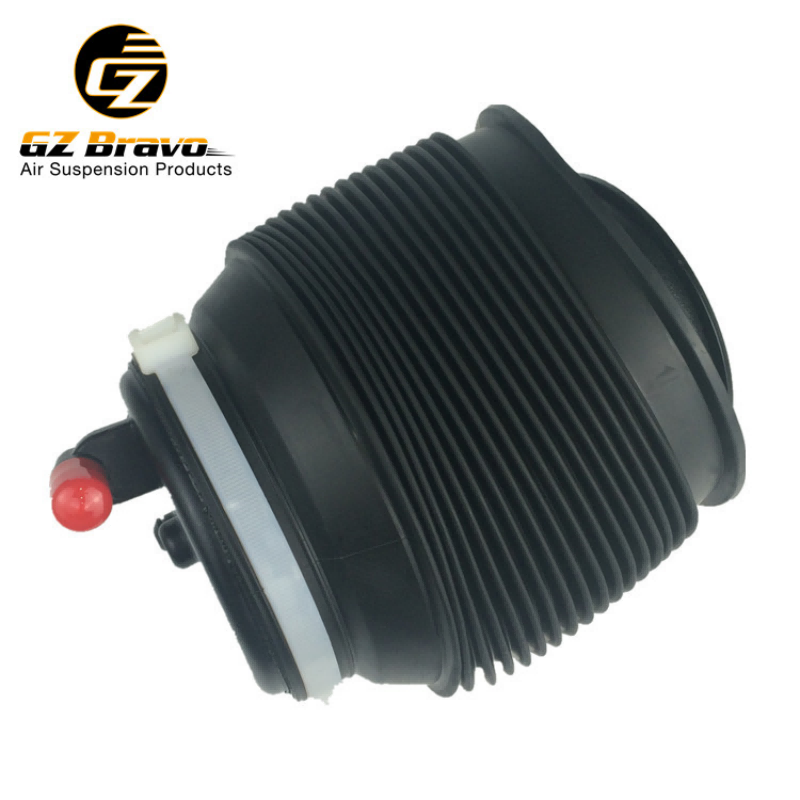
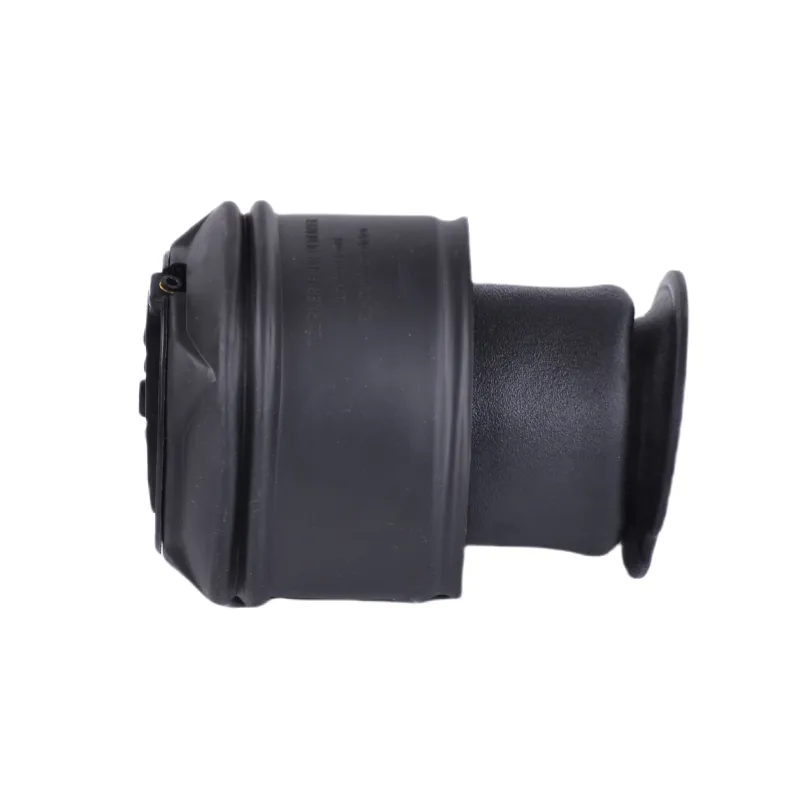
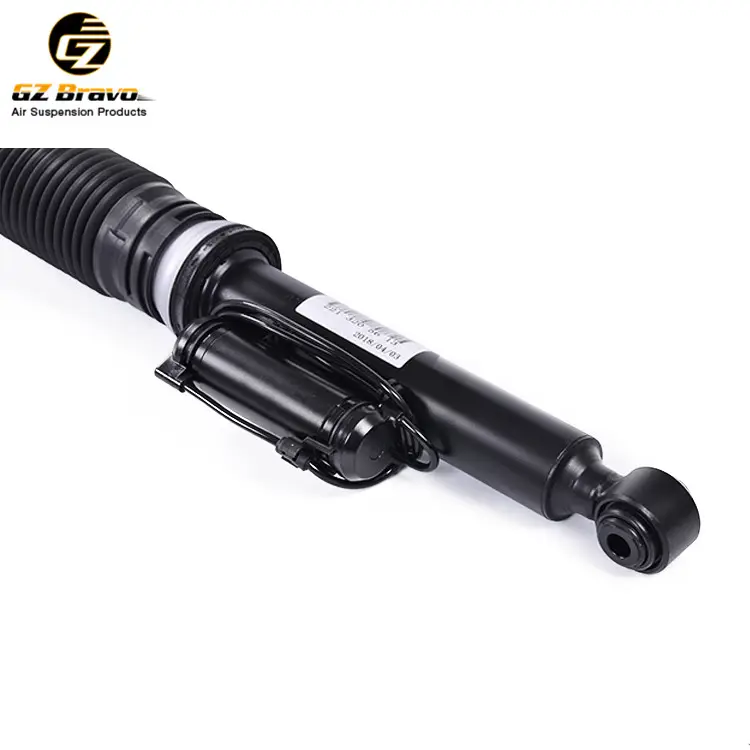
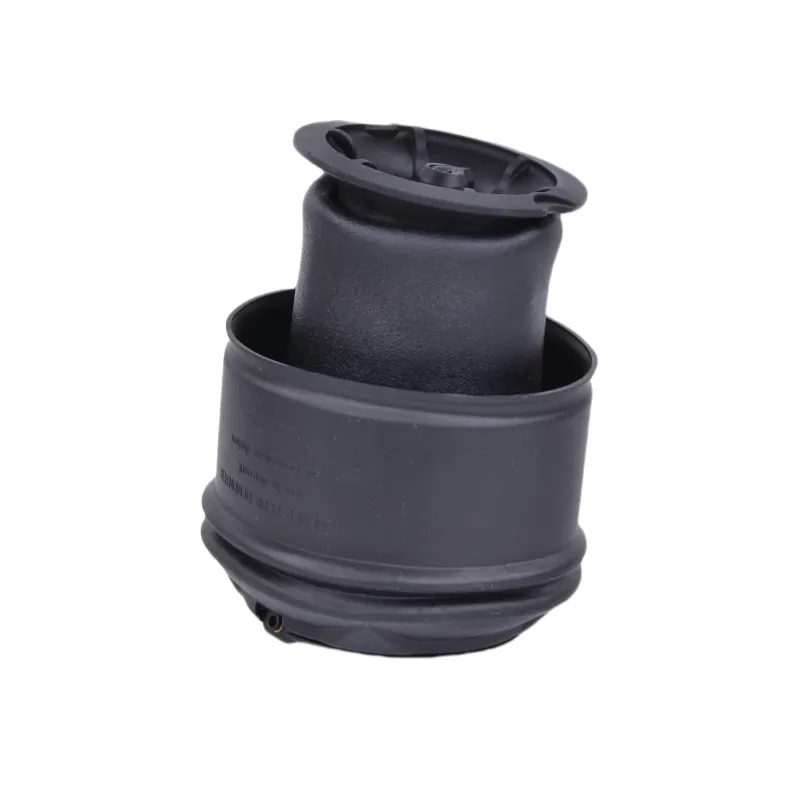
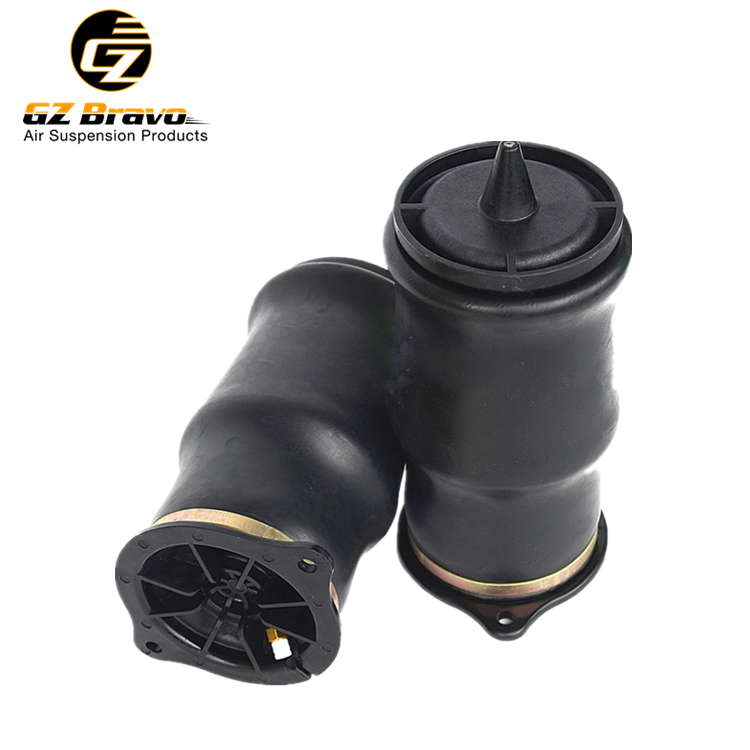
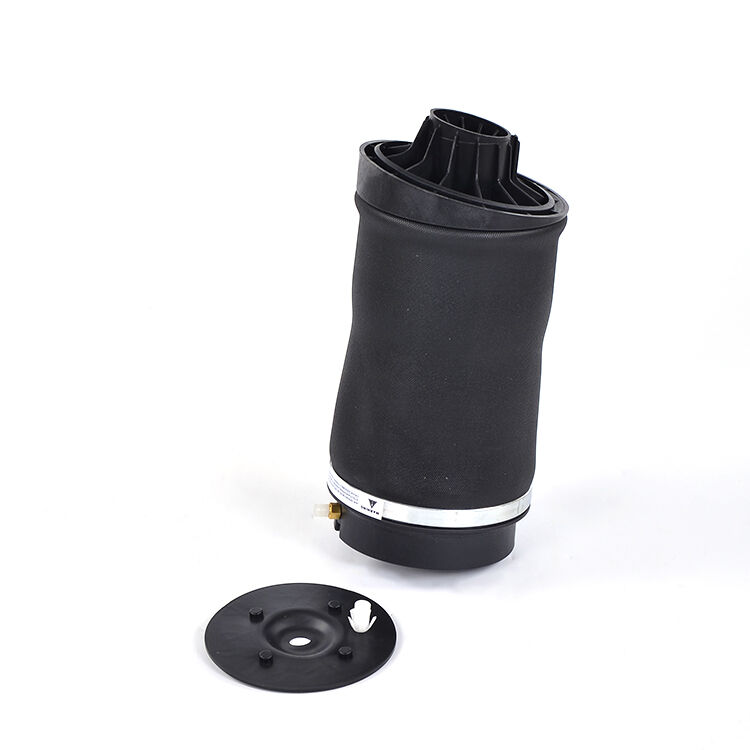
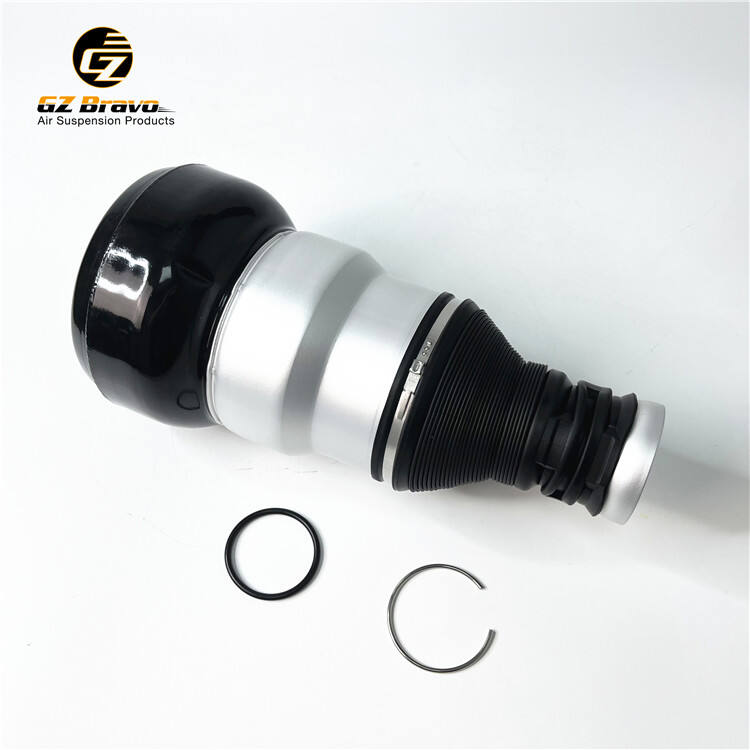
An air suspension air spring represents a sophisticated pneumatic component that serves as the core element in modern air suspension systems. This innovative device replaces traditional coil or leaf springs by using compressed air contained within a flexible, reinforced rubber bellows to support vehicle weight and absorb road impacts. The air suspension air spring operates on fundamental pneumatic principles, where pressurized air acts as the primary load-bearing medium. The component typically consists of a durable rubber bladder reinforced with multiple layers of high-strength fabric, metal end caps for secure mounting, and precision-engineered air fittings that connect to the vehicle's air management system. When air pressure increases inside the chamber, the air suspension air spring extends and stiffens, providing greater load capacity and raising the vehicle's height. Conversely, reducing air pressure allows the spring to compress, lowering the vehicle and creating a softer ride quality. This fundamental capability makes the air suspension air spring exceptionally versatile across numerous applications. The technology finds widespread use in commercial trucks, luxury passenger vehicles, buses, recreational vehicles, and specialized industrial equipment. In commercial transportation, the air suspension air spring enables operators to adjust ride height for loading dock compatibility while maintaining optimal suspension performance under varying cargo weights. Luxury automobiles incorporate this technology to deliver superior ride comfort by automatically adjusting suspension firmness based on driving conditions and road surface quality. The air suspension air spring also plays a critical role in maintaining vehicle stability during cornering, acceleration, and braking events. Advanced systems integrate electronic sensors and control modules that continuously monitor vehicle dynamics, automatically adjusting air pressure in each spring to optimize handling characteristics and passenger comfort in real-time scenarios.


New Product Releases

The air suspension air spring delivers substantial practical benefits that directly impact vehicle performance, operational costs, and user experience. First and foremost, this technology provides adjustable ride height capability that allows drivers to raise or lower their vehicle with simple controls. This feature proves invaluable when navigating challenging terrain, entering parking structures with height restrictions, or aligning with loading docks at distribution facilities. The ability to modify ground clearance on demand eliminates the compromises inherent in fixed-height suspension systems. Another significant advantage comes from the air suspension air spring's capacity to maintain consistent ride quality regardless of load variations. Traditional spring systems compress progressively as weight increases, often resulting in harsh, uncomfortable rides when vehicles carry heavy loads. The air suspension air spring compensates automatically by increasing internal pressure to maintain the desired ride height and firmness level, ensuring passengers experience smooth travel whether the vehicle is empty or fully loaded. This self-leveling characteristic also enhances safety by preventing the rear-end sagging that can impair headlight aim, reduce steering responsiveness, and create dangerous handling imbalances. Vehicle owners appreciate the extended component lifespan that air suspension air spring systems often provide compared to conventional springs. Because the air spring absorbs impacts through air compression rather than metal flexing, mechanical wear occurs more gradually, reducing maintenance frequency and replacement costs over the vehicle's lifetime. The improved vibration isolation offered by the air suspension air spring also protects cargo from damage during transport, which becomes particularly important when hauling sensitive electronics, fragile goods, or precision equipment. Transportation companies report reduced product damage claims and lower insurance costs when operating vehicles equipped with air suspension air spring technology. Additionally, the enhanced ride comfort translates to reduced driver fatigue on long-haul routes, improving safety and productivity. The air suspension air spring contributes to better fuel efficiency as well, since maintaining optimal ride height reduces aerodynamic drag and rolling resistance. The system's ability to lower the vehicle at highway speeds creates measurable fuel savings that accumulate significantly across extended operational periods.

Practical Tips

How does air suspension improve ride comfort in commercial vehicle applications?

27

May

How does air suspension improve ride comfort in commercial vehicle applications?

In commercial vehicle applications, driver comfort and cargo protection are not luxuries — they are operational necessities. Rough roads, heavy payloads, and long-haul routes place extraordinary stress on both the vehicle and the people inside ...
View More
How does air suspension enhance stability during high-speed driving operations?

27

May

How does air suspension enhance stability during high-speed driving operations?

When a vehicle travels at high speed, the margin for error shrinks dramatically. Every bump in the road, every shift in load distribution, and every gust of crosswind becomes a real threat to driver control. This is precisely where air suspension pro...
View More
What factors affect durability of air suspension components in daily use?

27

May

What factors affect durability of air suspension components in daily use?

When it comes to vehicle ride quality and load management, air suspension components play a central role in delivering comfort, stability, and adaptability across a wide range of driving conditions. Unlike traditional coil spring setups, air-based sy...
View More
Can a solenoid valve block support fast response in adaptive suspension systems?

03

Jun

Can a solenoid valve block support fast response in adaptive suspension systems?

When engineers and automotive specialists evaluate the performance ceiling of adaptive suspension systems, one component consistently emerges as a critical enabler of real-time responsiveness: the solenoid valve block. In air suspension architectures...
View More

Get a Free Quote

Our representative will contact you soon.
Email
Name
Company Name
Message
0/1000

air suspension air spring

Superior Load Management and Automatic Leveling Capabilities

Superior Load Management and Automatic Leveling Capabilities

The air suspension air spring excels at managing variable load conditions through its intelligent automatic leveling functionality, which represents one of the most valuable features for commercial and recreational vehicle operators. Unlike conventional spring systems that rely on fixed spring rates, the air suspension air spring adjusts its internal pressure dynamically to compensate for weight changes, ensuring the vehicle maintains its optimal ride height and handling characteristics regardless of cargo or passenger load. This sophisticated capability stems from the air suspension air spring's integration with electronic control systems that continuously monitor vehicle position using height sensors mounted at each corner. When the system detects the vehicle sitting lower than the target height due to added weight, it automatically commands the air compressor to increase pressure within the air suspension air spring until proper height restoration occurs. This process happens seamlessly within seconds, requiring no driver intervention. The practical implications of this automatic leveling feature extend far beyond mere convenience. For commercial truck operators hauling variable loads throughout the day, the air suspension air spring eliminates the handling inconsistencies and safety concerns associated with rear-end sag. When a truck's rear suspension compresses excessively under heavy cargo, the vehicle's weight distribution shifts rearward, reducing steering precision and increasing stopping distances. The headlight aim also tilts upward, potentially blinding oncoming drivers during nighttime operation. The air suspension air spring prevents these dangerous conditions by maintaining level vehicle attitude regardless of load. Recreational vehicle owners particularly value how the air suspension air spring compensates for uneven weight distribution when loading camping equipment, water tanks, and supplies. The system ensures the vehicle remains level even when weight concentrates on one side or toward the rear, preventing the tilted stance that compromises both appearance and driving dynamics. This leveling capability also proves essential when parking on sloped terrain, as the air suspension air spring can be adjusted to create a level living space inside the recreational vehicle.
Enhanced Ride Comfort Through Adaptive Damping Characteristics

Enhanced Ride Comfort Through Adaptive Damping Characteristics

The air suspension air spring revolutionizes ride comfort by providing adaptive damping characteristics that continuously optimize the suspension response based on driving conditions, road surface quality, and vehicle speed. This dynamic adaptability represents a fundamental advantage over traditional coil or leaf spring systems, which offer fixed damping rates that compromise between comfort and control. The air suspension air spring achieves this versatility through its unique ability to alter both spring rate and damping characteristics by modifying internal air pressure and volume. When driving on smooth highways at cruising speeds, the air suspension air spring can be configured to operate with lower pressure and increased air volume, creating a soft, compliant ride that isolates passengers from minor road imperfections and vibrations. This configuration allows the air suspension air spring to absorb small bumps and surface irregularities without transmitting harsh impacts into the vehicle cabin, resulting in a serene, luxurious travel experience that reduces fatigue on extended journeys. Conversely, when encountering winding roads or aggressive driving situations that demand precise vehicle control, the air suspension air spring automatically increases internal pressure to stiffen the suspension response. This firmer setting reduces body roll during cornering, minimizes nose-dive under heavy braking, and prevents excessive squat during acceleration. The air suspension air spring accomplishes these adjustments in milliseconds, responding faster than human reflexes to changing road conditions. Advanced implementations of air suspension air spring technology incorporate multiple air chambers within a single unit, enabling even finer control over damping characteristics. By selectively pressurizing different chambers, the system can independently tune compression and rebound damping, optimizing the suspension response for both upward and downward wheel movements. This sophisticated control allows the air suspension air spring to provide the seemingly contradictory combination of plush ride comfort over rough surfaces while simultaneously delivering sports-car-like handling precision when needed. The result is a suspension system that adapts seamlessly to driver preferences and environmental conditions without requiring manual intervention or compromise.
Exceptional Durability and Reduced Maintenance Requirements

Exceptional Durability and Reduced Maintenance Requirements

The air suspension air spring demonstrates remarkable durability and longevity that translates directly into lower total ownership costs and reduced maintenance burdens for vehicle operators. This reliability stems from the fundamental design principles underlying air suspension air spring technology, which eliminates many failure modes common in conventional metal spring systems. Traditional coil springs and leaf springs fail through metal fatigue, where repeated stress cycles gradually weaken the material until cracks develop and catastrophic failure occurs. The air suspension air spring avoids this vulnerability entirely by using compressed air rather than mechanical deformation as the primary load-bearing mechanism. The flexible rubber bladder that contains the pressurized air in an air suspension air spring does experience flexing during operation, but the stress levels remain far below those encountered in metal springs, significantly extending component lifespan. Modern air suspension air spring designs incorporate advanced materials and construction techniques that further enhance durability. The rubber compounds used in contemporary air suspension air spring bladders feature exceptional resistance to ozone degradation, ultraviolet radiation, temperature extremes, and chemical exposure from road salts and automotive fluids. Multiple reinforcing fabric layers embedded within the rubber provide structural strength while maintaining flexibility, preventing the ballooning or rupturing that could occur under high pressure. The metal end caps that seal the air suspension air spring and provide mounting points utilize corrosion-resistant materials and protective coatings that withstand harsh operating environments for years without deterioration. These engineering improvements enable many air suspension air spring installations to exceed 500,000 miles of service life in commercial applications, far surpassing the replacement intervals typical of conventional springs. The reduced maintenance requirements associated with air suspension air spring systems extend beyond the spring components themselves. Because the air suspension air spring provides superior vibration isolation compared to metal springs, other chassis components experience less stress during vehicle operation. Shock absorbers, bushings, and mounting hardware all benefit from the gentler operating environment created by the air suspension air spring, resulting in extended service intervals across the entire suspension system. Vehicle operators report fewer unexpected breakdowns and reduced maintenance costs when utilizing air suspension air spring technology, as the system's reliability minimizes both scheduled and emergency repair requirements.

Get a Free Quote

Our representative will contact you soon.
Email
Name
Company Name
Message
0/1000