Valve Blocks: Integrated Hydraulic Control Solutions for Enhanced Equipment Performance

Get a Free Quote

Our representative will contact you soon.
Email
Name
Company Name
Message
0/1000

valve blocks

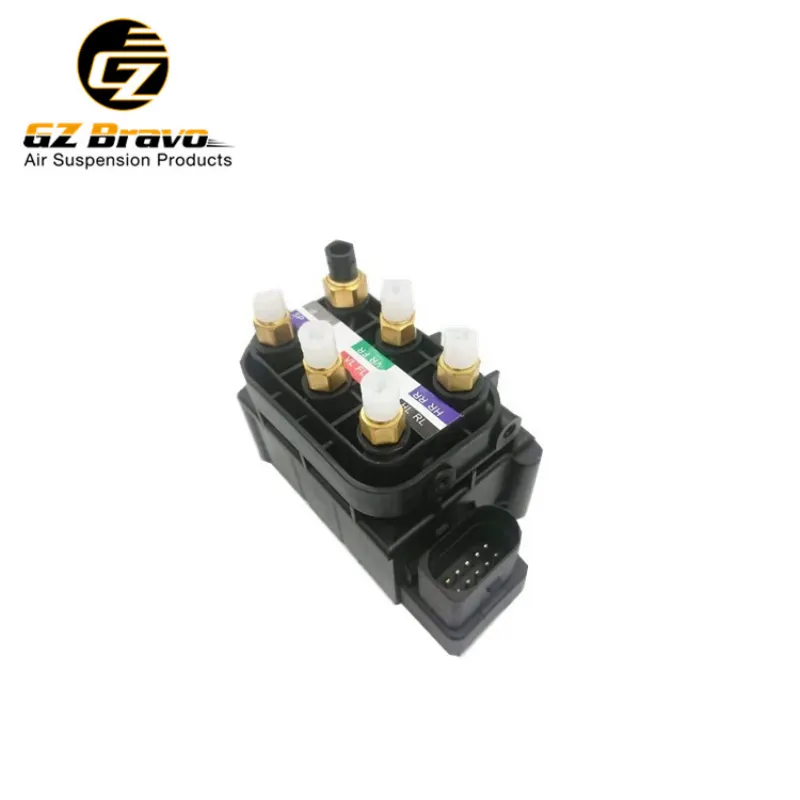
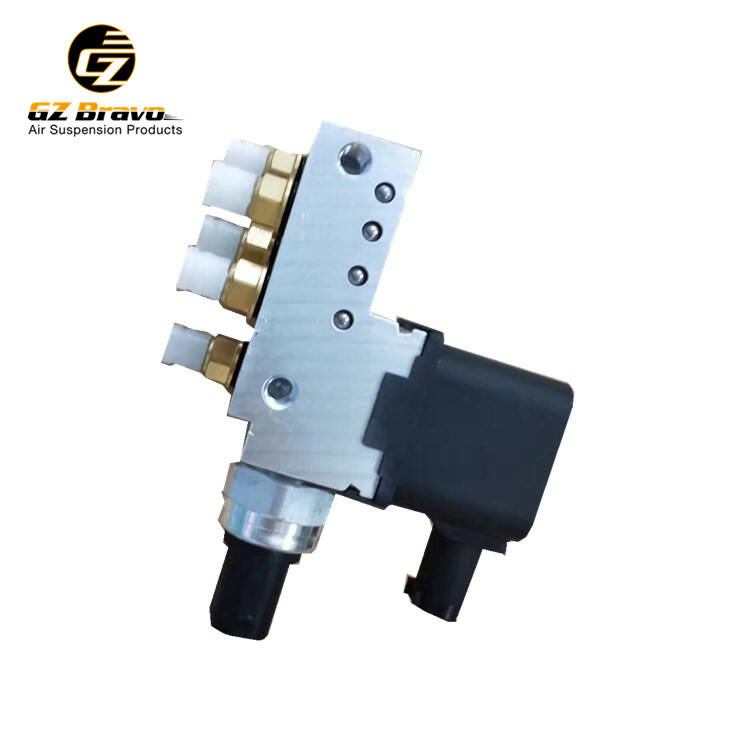
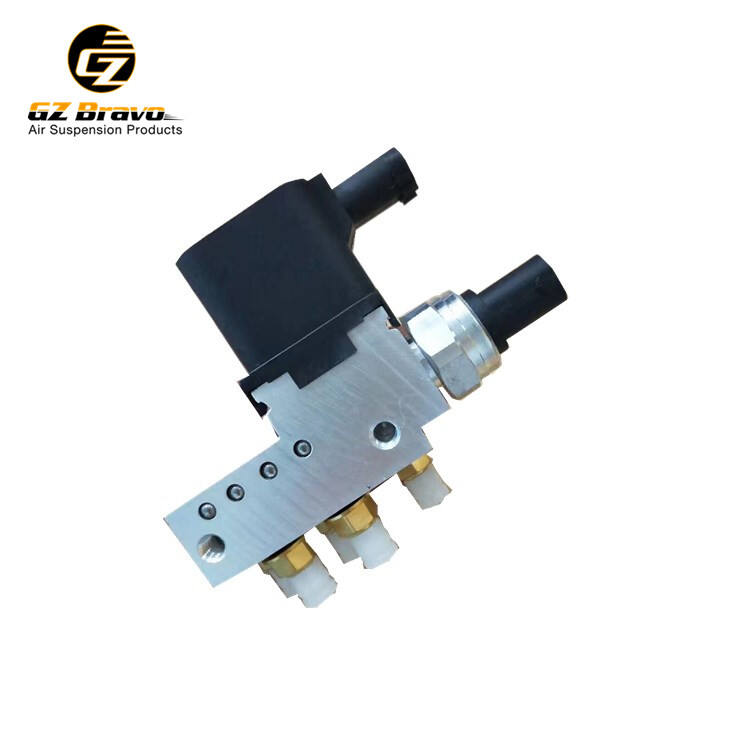
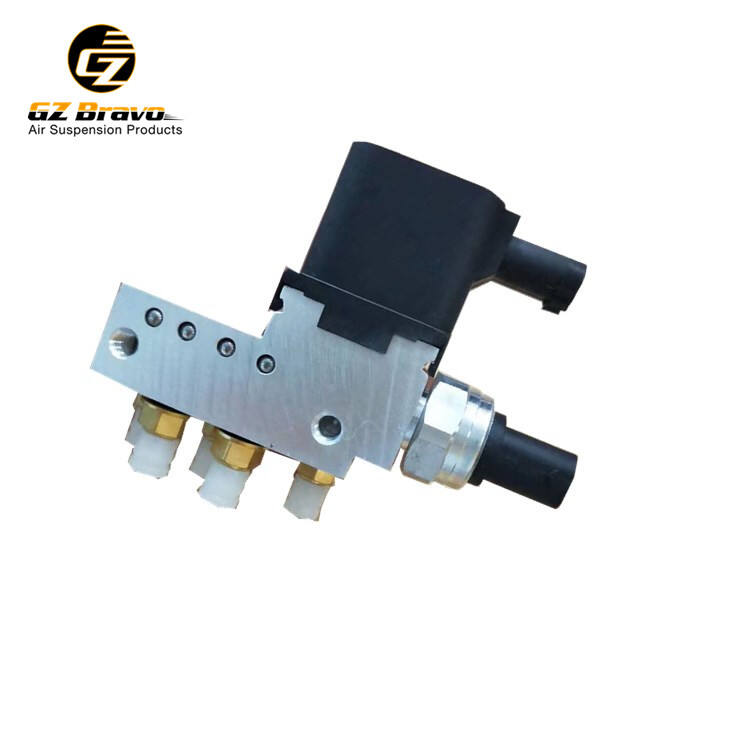
Valve blocks represent essential hydraulic components that integrate multiple valve functions into a single, compact housing unit. These engineered assemblies consolidate directional control valves, pressure relief valves, and flow control mechanisms within one machined block, creating a centralized hydraulic control system. Manufacturing processes involve precision machining of aluminum or steel blocks with intersecting passages that replace traditional tube and fitting connections. This integrated design eliminates numerous connection points, reducing potential leak paths while streamlining system assembly. Valve blocks serve critical roles in mobile equipment, industrial machinery, and manufacturing automation where space constraints and reliability demands are paramount. The technology enables engineers to customize hydraulic circuits by selecting specific valve cartridges that insert directly into the machined cavities, allowing tailored solutions for diverse applications. Modern valve blocks incorporate advanced sealing technologies and pressure ratings extending to 5000 PSI or higher, supporting demanding operational environments. These components function as the central nervous system of hydraulic equipment, directing fluid flow to actuators, controlling system pressure, and managing operational sequences. Applications span construction equipment like excavators and loaders, agricultural machinery including tractors and harvesters, material handling systems such as forklifts and cranes, plus manufacturing equipment ranging from injection molding machines to metal forming presses. The compact footprint of valve blocks proves particularly valuable in mobile applications where weight and space directly impact equipment performance and fuel efficiency. By consolidating multiple functions, these assemblies reduce installation time, minimize maintenance requirements, and enhance system diagnostics. Engineers appreciate how valve blocks simplify troubleshooting since all control functions exist in one accessible location rather than scattered throughout the machine. The standardization of cavity dimensions across manufacturers ensures compatibility and facilitates component sourcing, while the modular nature supports future system modifications without complete redesigns.


New Products

Valve blocks deliver substantial practical benefits that directly impact equipment performance, operational costs, and maintenance efficiency. The consolidated design dramatically reduces the number of hydraulic connections compared to traditional manifold systems assembled from individual components and connecting hoses. Fewer connections translate to fewer potential failure points, significantly improving system reliability and reducing downtime. Equipment operators benefit from enhanced uptime since leak-related issues decrease substantially when hydraulic passages exist within solid machined blocks rather than through external fittings subject to vibration loosening. Installation time drops considerably because technicians mount one integrated assembly instead of routing multiple hoses and installing numerous individual valves, cutting commissioning schedules and labor costs. The weight reduction achieved through valve block integration proves especially valuable in mobile equipment where every pound affects fuel consumption and payload capacity. Compact dimensions free up valuable space within equipment enclosures, allowing designers to optimize machine layouts or add additional features within existing footprints. Maintenance becomes more straightforward since technicians access all hydraulic control functions at a single location rather than tracing circuits throughout the machine. This centralization speeds diagnosis when problems arise, reducing troubleshooting time and getting equipment back into production faster. The cleaner installation appearance eliminates the visual clutter of external plumbing, presenting a more professional equipment aesthetic that customers appreciate. Valve blocks enhance safety by containing pressurized fluid within robust machined passages rather than flexible hoses that could rupture if damaged. The reduced number of dynamic seal points minimizes contamination entry risks, protecting hydraulic fluid cleanliness and extending component life throughout the system. Customization flexibility allows engineers to specify exactly the valve functions needed without purchasing unnecessary features, optimizing both performance and costs. Standardized cartridge valves enable easy specification changes during design phases without redesigning the entire block, accelerating product development cycles. The modular approach supports phased equipment upgrades where operators can enhance system capabilities by replacing specific cartridge valves rather than overhauling complete hydraulic circuits. Thermal management improves since the solid block mass acts as a heat sink, dissipating heat more effectively than discrete components. This thermal characteristic reduces the need for additional cooling systems in many applications. The precision manufacturing of valve blocks ensures consistent performance across production runs, supporting quality control in equipment manufacturing. Reduced external plumbing also means fewer opportunities for installation errors during assembly, improving first-time quality rates on production lines.

Latest News

How does air suspension improve ride comfort in commercial vehicle applications?

27

May

How does air suspension improve ride comfort in commercial vehicle applications?

In commercial vehicle applications, driver comfort and cargo protection are not luxuries — they are operational necessities. Rough roads, heavy payloads, and long-haul routes place extraordinary stress on both the vehicle and the people inside ...
View More
Is air suspension suitable for off-road and heavy-duty driving conditions?

27

May

Is air suspension suitable for off-road and heavy-duty driving conditions?

When drivers and fleet managers consider upgrading or replacing their vehicle's suspension system, one question consistently rises to the top: is air suspension genuinely capable of handling the punishment of off-road terrain and heavy-duty workloads...
View More
What factors affect durability of air suspension components in daily use?

27

May

What factors affect durability of air suspension components in daily use?

When it comes to vehicle ride quality and load management, air suspension components play a central role in delivering comfort, stability, and adaptability across a wide range of driving conditions. Unlike traditional coil spring setups, air-based sy...
View More
Can a solenoid valve block support fast response in adaptive suspension systems?

03

Jun

Can a solenoid valve block support fast response in adaptive suspension systems?

When engineers and automotive specialists evaluate the performance ceiling of adaptive suspension systems, one component consistently emerges as a critical enabler of real-time responsiveness: the solenoid valve block. In air suspension architectures...
View More

Get a Free Quote

Our representative will contact you soon.
Email
Name
Company Name
Message
0/1000

valve blocks

Space Optimization and Weight Reduction Benefits

Space Optimization and Weight Reduction Benefits

The space-saving characteristics of valve blocks provide transformative advantages for equipment designers facing increasingly stringent dimensional constraints. Traditional hydraulic systems utilizing individual valves connected through hoses and tubes consume considerable space due to the physical volume of components plus the clearance required for hose routing and service access. Valve blocks consolidate these functions into a single compact unit, often reducing the envelope by sixty percent or more compared to equivalent conventional assemblies. This dramatic space reduction enables engineers to design more capable machines within existing size classifications or to add functionality without increasing overall equipment dimensions. In mobile equipment sectors where dimensional regulations govern road transport and job site maneuverability, this compactness delivers competitive advantages. The weight benefits prove equally significant, particularly for applications where equipment must be transported frequently or where payload capacity directly affects profitability. Aluminum valve blocks offer exceptional strength-to-weight ratios, with complete assemblies weighing substantially less than equivalent systems built from steel valves and associated plumbing hardware. This weight savings directly improves fuel efficiency in mobile equipment, reducing operational costs over the equipment lifecycle while also supporting environmental sustainability initiatives. For aerial work platforms and material handling equipment, lower component weight increases available payload capacity, allowing operators to accomplish more work per cycle. The compact integration also improves weight distribution within machines, supporting better balance and stability during operation. Engineers gain flexibility to position hydraulic controls optimally for machine dynamics rather than compromising placement due to the bulk of traditional valve arrangements. The reduced spatial requirements facilitate easier maintenance access to surrounding components since valve blocks occupy less room and eliminate the maze of hoses that typically obstruct service procedures. Equipment manufacturers benefit during assembly operations as well, since mounting a single integrated valve block requires fewer installation steps, less precise hose length cutting, and reduced inventory management compared to systems requiring numerous individual components. The streamlined design supports cleaner equipment interiors that resist dirt accumulation and simplify cleaning procedures, particularly important in food processing and pharmaceutical manufacturing applications where hygiene standards are rigorous.
Enhanced Reliability Through Integrated Design

Enhanced Reliability Through Integrated Design

Reliability improvements delivered by valve blocks stem fundamentally from the elimination of mechanical connections that represent the primary failure modes in hydraulic systems. Each threaded fitting, hose end, and tube connection introduces potential leak paths where seal degradation, vibration loosening, or installation errors can cause fluid loss and system failures. Traditional hydraulic circuits might contain fifty or more connection points, each requiring proper torque, appropriate sealant, and correct orientation. Valve blocks reduce these vulnerable connections by integrating fluid passages within the machined block body, replacing external plumbing with internal passages that exist as part of the solid metal structure. The result is dramatic reliability enhancement, with field data from construction equipment manufacturers showing leak-related service calls dropping by seventy percent after transitioning to valve block architectures. This reliability directly translates to increased equipment availability, reducing costly downtime that impacts customer productivity and satisfaction. The integrated passages also eliminate pressure drops associated with multiple fittings and hose transitions, maintaining consistent system performance throughout operational life. Vibration resistance improves substantially since the solid block construction cannot loosen like threaded connections, making valve blocks ideal for high-vibration environments such as off-road equipment and industrial machinery operating near impact processes. The robust construction withstands shock loads that might damage conventional valve assemblies, extending service life in demanding applications. Contamination resistance benefits from the reduced number of dynamic seals where dirt and debris could enter the system, protecting expensive hydraulic pumps and actuators from premature wear. The precision manufacturing processes used to create valve blocks ensure accurate alignment of internal passages and valve cavities, eliminating the tolerance stack-up issues that can occur when assembling systems from multiple components. This precision supports consistent performance across production volumes, important for equipment manufacturers maintaining quality standards. The cartridge valve design incorporated in valve blocks allows quick replacement of failed components without breaking numerous connections, reducing repair time and minimizing fluid loss during service. Diagnostic capabilities improve since pressure test ports can be integrated strategically throughout the block, enabling technicians to pinpoint problems quickly without disassembling the system.
Customization Flexibility and Future Adaptability

Customization Flexibility and Future Adaptability

The modular architecture of valve blocks provides unprecedented flexibility for tailoring hydraulic systems to specific application requirements while maintaining options for future modifications and upgrades. Engineers specify valve blocks by selecting from standardized cavity configurations and then choosing appropriate cartridge valves that deliver desired flow rates, pressure settings, and control characteristics. This approach allows precise matching of hydraulic performance to application demands without purchasing unnecessary capabilities or compromising on critical functions. The standardization of cavity dimensions according to international standards ensures that cartridge valves from multiple manufacturers can be specified, promoting competitive sourcing and avoiding vendor lock-in situations. Design flexibility extends to block configuration itself, with manufacturers offering custom machining services that create passages and mounting features optimized for specific equipment layouts. This customization supports innovative machine designs that would be impractical with off-the-shelf valve assemblies and standard plumbing approaches. The ability to integrate pressure ports, temperature sensors, and flow measurement points directly into the valve block enhances system monitoring capabilities without adding external components that consume space and create additional connection points. Future adaptability represents a significant but often overlooked advantage of valve block technology. As equipment requirements evolve due to changing application demands or regulatory requirements, operators can upgrade system capabilities by replacing specific cartridge valves rather than redesigning complete hydraulic circuits. This upgrade path protects equipment investment by extending useful life through capability enhancements that would be economically impractical with conventional hydraulic architectures. The modular approach also supports equipment versatility where single machine platforms serve multiple applications through valve configuration changes rather than requiring completely different models. This flexibility reduces manufacturing complexity and inventory requirements for equipment builders serving diverse market segments. Prototyping and development cycles accelerate since engineers can evaluate different valve combinations quickly by swapping cartridge valves without redesigning plumbing arrangements or fabricating new mounting structures. The ability to test performance variations rapidly supports optimization efforts that improve final product competitiveness. Documentation and training benefit from standardization as well, since technicians learn one valve block architecture applicable across multiple equipment models rather than unique hydraulic layouts for each machine variant.

Get a Free Quote

Our representative will contact you soon.
Email
Name
Company Name
Message
0/1000