Air Suspension Valve: Advanced Pneumatic Control Solutions for Superior Vehicle Performance and Comfort

Get a Free Quote

Our representative will contact you soon.
Email
Name
Company Name
Message
0/1000

air suspension valve

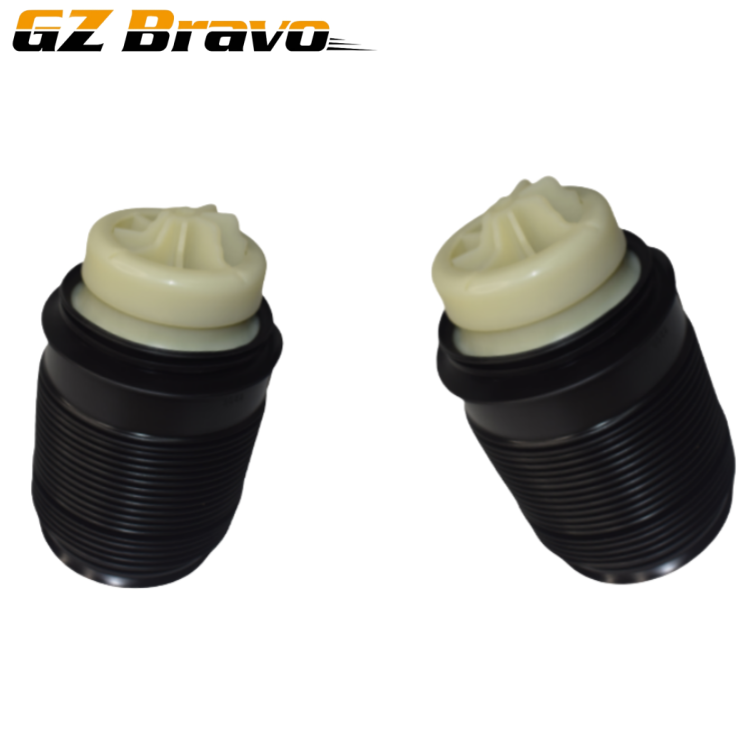
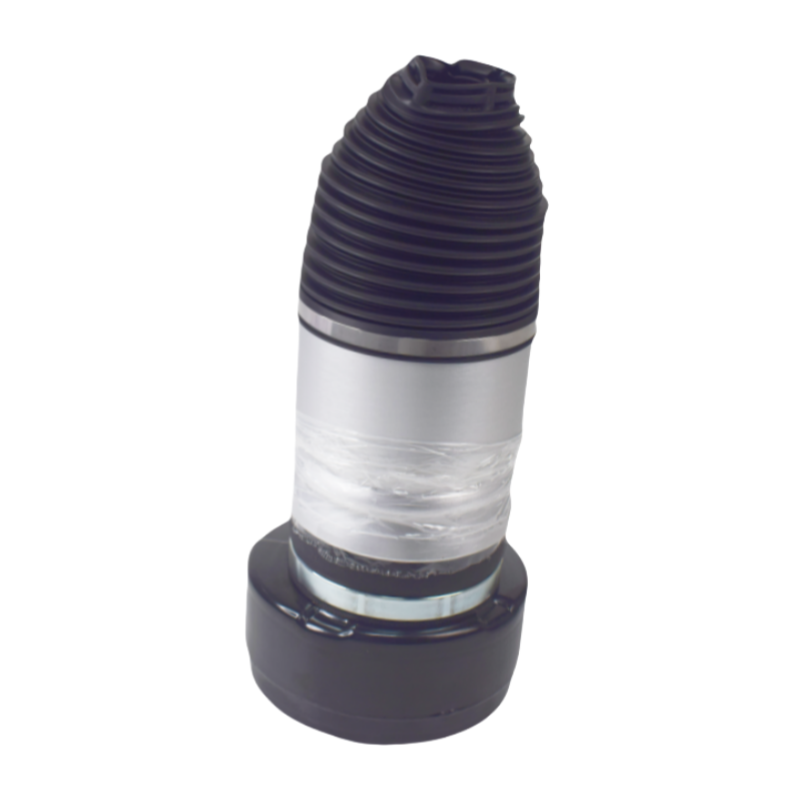
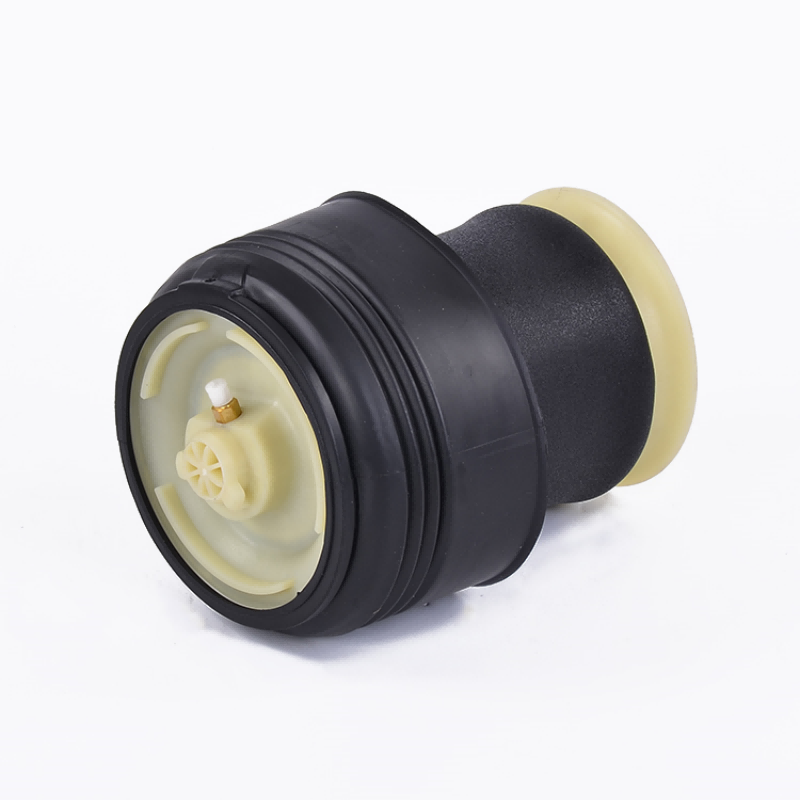
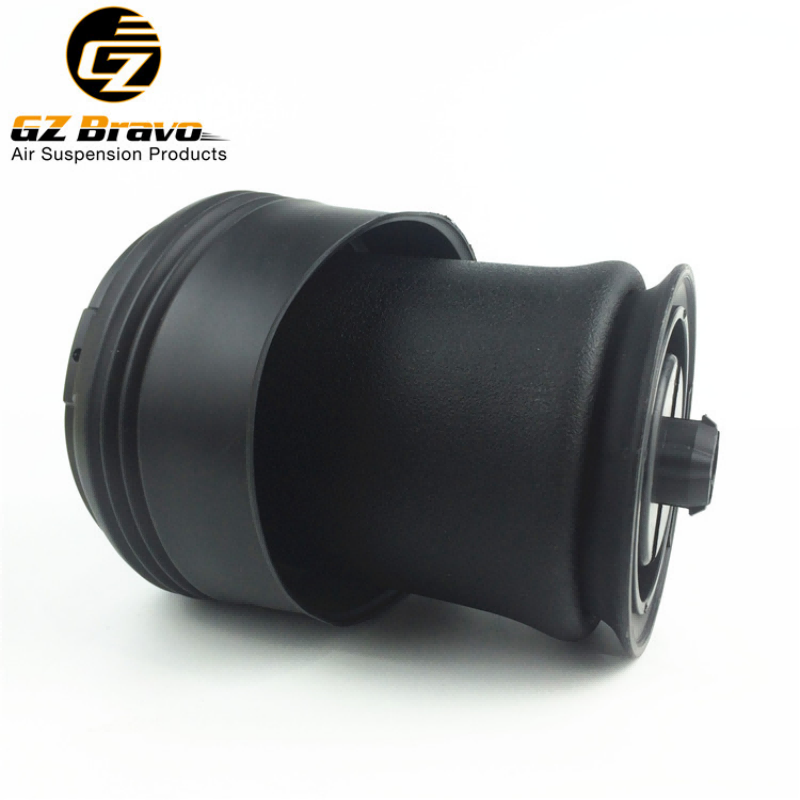
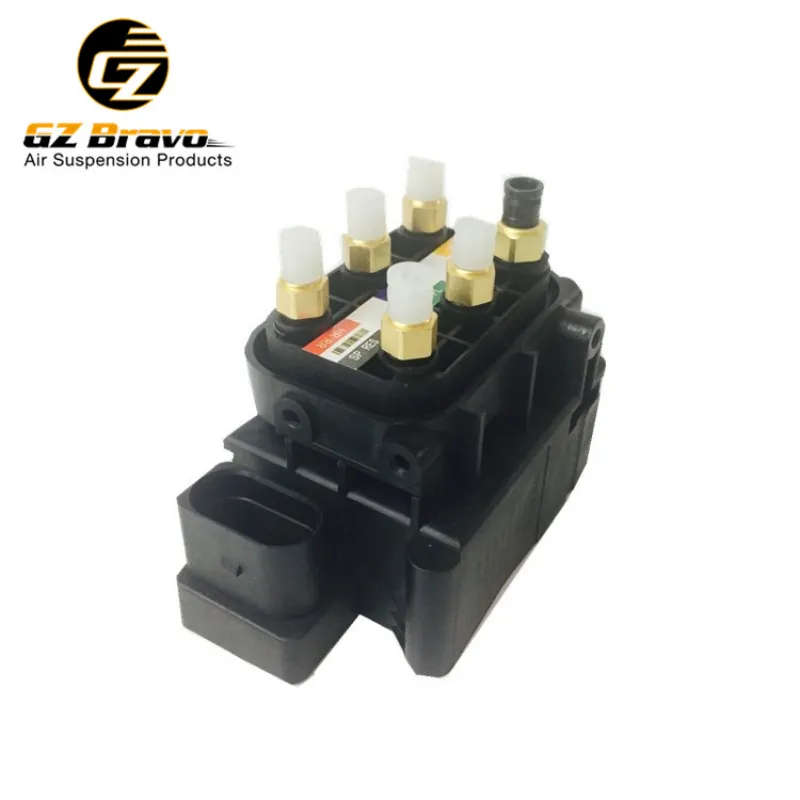
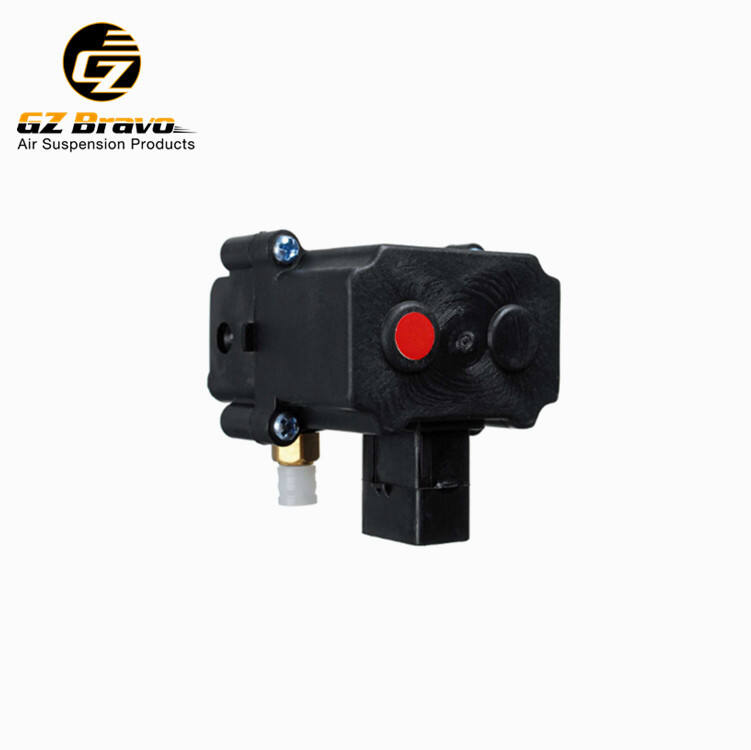
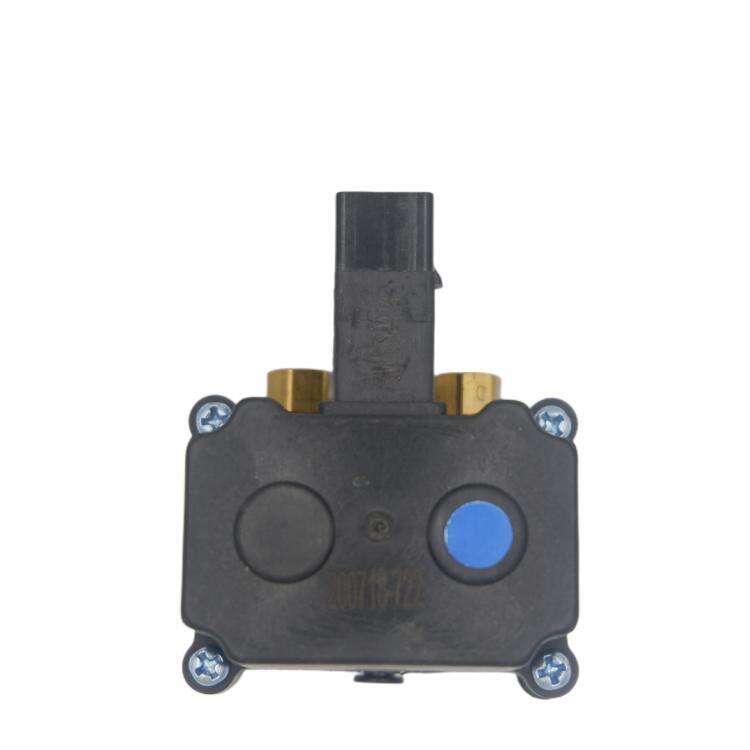
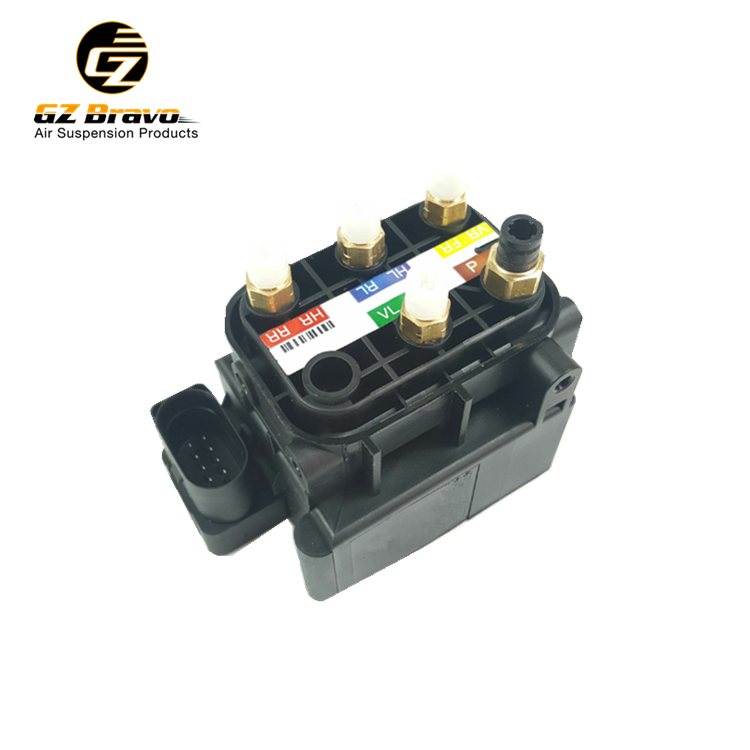
The air suspension valve represents a critical component in modern pneumatic suspension systems, serving as the intelligent control mechanism that regulates air flow and pressure distribution throughout the entire suspension network. This sophisticated device functions as the central management point for adjusting vehicle ride height, maintaining optimal load distribution, and ensuring consistent comfort levels across varying road conditions and cargo weights. The air suspension valve operates by precisely controlling the admission and release of compressed air into suspension airbags or bellows, responding to both manual inputs and automated sensor feedback to deliver real-time adjustments. The technological architecture of these valves incorporates advanced materials resistant to corrosion and extreme temperatures, ensuring reliable performance in demanding environments ranging from commercial trucking operations to luxury passenger vehicles. Modern air suspension valve designs feature multiple port configurations that allow simultaneous control of different suspension zones, enabling independent adjustment of front and rear axles or individual wheel positions. The integration of electronic solenoid actuators within contemporary air suspension valve assemblies provides millisecond-response capabilities, allowing the system to react instantly to changing road surfaces, cornering forces, and braking dynamics. These valves find extensive application across diverse sectors including heavy-duty commercial vehicles, recreational vehicles, buses, agricultural equipment, luxury automobiles, and specialty transportation solutions. The precision engineering behind air suspension valve technology ensures minimal air leakage, reduced energy consumption, and extended service intervals, contributing to lower total ownership costs. Manufacturing standards for these components typically adhere to rigorous international quality certifications, guaranteeing consistent performance and safety compliance across global markets. The air suspension valve has evolved from simple mechanical devices into sophisticated electro-pneumatic systems capable of communicating with vehicle management computers, integrating seamlessly with stability control systems, adaptive damping mechanisms, and load-sensing technologies to create comprehensive ride management solutions.


New Product Releases

The air suspension valve delivers remarkable improvements in vehicle performance and passenger comfort that translate directly into tangible benefits for operators and occupants alike. First and foremost, these valves enable precise ride height adjustment, allowing drivers to compensate for varying load conditions by maintaining optimal ground clearance regardless of cargo weight. This capability proves especially valuable for commercial operators who experience significant weight variations throughout their operational cycles, ensuring consistent handling characteristics and preventing suspension bottoming that could damage vehicle components or cargo. The responsive nature of the air suspension valve system dramatically enhances ride quality by absorbing road irregularities more effectively than traditional mechanical suspension, reducing driver fatigue during long journeys and minimizing cargo damage from vibration and shock. Vehicle stability receives substantial enhancement through the air suspension valve's ability to actively manage body roll during cornering and pitch during acceleration or braking, creating a more planted and predictable driving experience that increases safety margins. Maintenance requirements decrease significantly compared to conventional suspension systems because the air suspension valve eliminates many wear-prone mechanical components like leaf springs and shock absorbers, resulting in fewer replacement cycles and reduced downtime. Energy efficiency improves through the valve's capability to lower vehicle ride height at highway speeds, reducing aerodynamic drag and delivering measurable fuel savings over thousands of operational miles. The modularity of air suspension valve systems simplifies repairs and upgrades, as technicians can replace individual components without dismantling entire suspension assemblies, minimizing labor costs and expediting service procedures. Load distribution becomes more balanced through intelligent air pressure management, extending tire life by preventing uneven wear patterns and reducing stress on chassis components. The air suspension valve facilitates easier loading and unloading operations by allowing vehicles to kneel or lower their cargo beds to dock height, eliminating the need for specialized equipment and accelerating turnaround times at distribution facilities. Versatility stands as another significant advantage, as the same air suspension valve platform adapts to different vehicle configurations through simple calibration changes rather than requiring completely different hardware solutions. The durability of modern air suspension valve construction withstands harsh environmental conditions including temperature extremes, moisture exposure, and road salt contamination, maintaining reliable operation throughout extended service lives. Operators appreciate the diagnostic capabilities integrated into electronic air suspension valve systems, which provide early warning of potential issues before they escalate into costly failures, supporting predictive maintenance strategies that optimize fleet availability and reduce emergency repair expenses.

Practical Tips

Why do manufacturers adopt air suspension systems for luxury vehicle platforms?

27

May

Why do manufacturers adopt air suspension systems for luxury vehicle platforms?

The decision to adopt air suspension systems in luxury vehicle platforms is not an arbitrary engineering choice. It represents a deliberate commitment to delivering a driving experience that consistently exceeds passenger expectations, meets stringen...
View More
Is a solenoid valve block essential for precise control in air suspension systems?

03

Jun

Is a solenoid valve block essential for precise control in air suspension systems?

The question of whether a solenoid valve block is truly essential for precise control in air suspension systems is one that every vehicle owner, fleet manager, and automotive technician should understand clearly. Air suspension systems are complex, p...
View More
How does a solenoid valve block improve suspension adjustment accuracy?

03

Jun

How does a solenoid valve block improve suspension adjustment accuracy?

Modern air suspension systems rely on a precise network of components to deliver a smooth, controlled ride — and at the heart of that network sits the solenoid valve block. This compact but critical assembly governs how compressed air is distri...
View More
How does an air suspension compressor improve performance in load support systems?

03

Jun

How does an air suspension compressor improve performance in load support systems?

When a vehicle carries heavy loads or navigates uneven terrain, the demands placed on its suspension system increase dramatically. An air suspension compressor sits at the heart of any pneumatic load support system, continuously managing air pressure...
View More

Get a Free Quote

Our representative will contact you soon.
Email
Name
Company Name
Message
0/1000

air suspension valve

Advanced Pressure Regulation Technology for Optimal Performance

Advanced Pressure Regulation Technology for Optimal Performance

The core technological innovation within the air suspension valve centers on its sophisticated pressure regulation capabilities that maintain precise control over suspension characteristics across all operating conditions. This advanced regulation system employs precision-machined internal passages and calibrated orifices that meter air flow with exceptional accuracy, ensuring consistent pressure delivery to each suspension component regardless of external temperature fluctuations or system demand variations. The air suspension valve incorporates multiple pressure sensing points that continuously monitor system conditions, feeding real-time data to control algorithms that make instantaneous adjustments to maintain target specifications. This closed-loop feedback mechanism eliminates the pressure drift common in simpler systems, guaranteeing that suspension settings remain stable throughout extended operation. The pressure regulation architecture within the air suspension valve utilizes multi-stage design principles, separating supply pressure from control pressure to create independent circuits that prevent interference between different suspension zones. This isolation ensures that adjustments to one axle or corner do not inadvertently affect other areas, providing truly independent control that optimizes vehicle dynamics. The valve's internal components feature specialized coatings and surface treatments that minimize friction and wear, extending service intervals while maintaining precise control authority even after years of continuous operation. Thermal management represents another critical aspect of the pressure regulation system, with the air suspension valve engineered to dissipate heat generated during rapid cycling operations, preventing performance degradation under demanding conditions. The response characteristics of the pressure regulation system have been carefully calibrated to balance speed against smoothness, delivering quick adjustments when necessary while avoiding abrupt changes that could compromise ride comfort or stability. Engineering refinements in modern air suspension valve designs have reduced internal volume and optimized flow paths to minimize response lag, creating systems that react almost instantaneously to control inputs or sensor signals. The pressure regulation technology incorporates fail-safe mechanisms that default to predetermined safe positions in the event of electrical failure or sensor malfunction, ensuring that vehicles maintain basic suspension functionality even under fault conditions. This redundancy provides peace of mind for operators who depend on reliable transportation for critical operations where unexpected failures could have serious consequences.
Comprehensive Environmental Protection and Longevity Design

Comprehensive Environmental Protection and Longevity Design

The air suspension valve distinguishes itself through exceptional environmental protection features that ensure reliable operation across the full spectrum of conditions encountered in real-world applications. Manufacturers employ advanced sealing technologies throughout the valve assembly, utilizing multiple O-ring barriers, specialized gaskets, and precision-fitted components that create robust defenses against moisture intrusion, dust contamination, and chemical exposure. These protective measures prove essential for maintaining consistent performance in applications ranging from desert environments with abrasive sand particles to coastal regions with corrosive salt spray and northern climates where road de-icing chemicals attack metal surfaces. The exterior housing of the air suspension valve typically features powder-coated or anodized finishes that provide durable corrosion resistance while maintaining electrical grounding where required for electronic components. Internal passages receive specialized surface treatments that prevent oxidation and scale buildup, maintaining smooth air flow even when exposed to humid or contaminated air supplies. The air suspension valve design anticipates thermal cycling challenges, incorporating materials with matched thermal expansion coefficients that prevent seal degradation and maintain tight tolerances across temperature ranges from arctic cold to extreme heat. Vibration resistance represents another crucial environmental consideration, with the valve assembly incorporating isolation features and robust mounting provisions that withstand the constant mechanical stress encountered in mobile applications. Electronic components integrated into modern air suspension valve designs receive comprehensive protection through conformal coatings, sealed connectors, and reinforced circuit board construction that resists moisture, vibration, and electromagnetic interference. The filtration provisions associated with air suspension valve installations play vital roles in system longevity, with recommended inlet filters removing contaminants before they can enter the valve mechanism and cause premature wear. Service life projections for quality air suspension valve assemblies typically extend well beyond a decade of normal operation, with many units remaining functional through multiple vehicle overhauls or equipment rebuilds. The modular construction philosophy employed in contemporary air suspension valve designs facilitates maintenance and component replacement, allowing technicians to refresh wear items like seals and solenoids without replacing entire assemblies, maximizing return on investment while minimizing waste.
Intelligent Integration Capabilities for Modern Vehicle Systems

Intelligent Integration Capabilities for Modern Vehicle Systems

Contemporary air suspension valve technology embraces intelligent integration with broader vehicle management systems, transforming these components from simple pneumatic devices into sophisticated networked elements within comprehensive vehicle control architectures. The integration capabilities begin with standardized communication protocols that allow the air suspension valve to exchange data with electronic control units, transmitting status information while receiving command inputs through established automotive networks like CAN bus or proprietary communication standards. This connectivity enables the air suspension valve to participate in coordinated vehicle dynamics management strategies, where suspension adjustments synchronize with throttle inputs, braking commands, and steering angles to optimize handling characteristics and maintain stability during aggressive maneuvers. The diagnostic capabilities embedded within intelligent air suspension valve systems provide unprecedented visibility into suspension performance, recording operational parameters, tracking cycle counts, and logging fault conditions that support comprehensive maintenance planning and troubleshooting procedures. Fleet managers particularly value the integration features that allow remote monitoring of air suspension valve status across multiple vehicles, enabling predictive maintenance scheduling that prevents unexpected failures and optimizes service resource allocation. The air suspension valve's integration extends to driver interface systems, providing intuitive controls through dashboard switches or touchscreen interfaces that allow operators to select preset ride height positions, manually adjust individual corners, or activate specialized modes for off-road travel or loading operations. Safety system integration represents a critical application area, where the air suspension valve coordinates with stability control systems to actively manage body roll during emergency maneuvers, potentially preventing rollovers by temporarily stiffening outside suspension corners during extreme cornering. The programmable nature of modern air suspension valve controllers allows customization for specific applications, with parameters adjustable to accommodate unique vehicle configurations, loading patterns, or operational requirements without hardware modifications. Integration with telematics platforms extends the air suspension valve's utility into fleet optimization realms, where suspension performance data combines with location information, fuel consumption metrics, and driver behavior analysis to support comprehensive operational efficiency initiatives. The forward compatibility designed into current air suspension valve platforms anticipates emerging technologies like autonomous vehicle systems, where suspension management will play crucial roles in optimizing passenger comfort and cargo protection without human intervention.

Get a Free Quote

Our representative will contact you soon.
Email
Name
Company Name
Message
0/1000