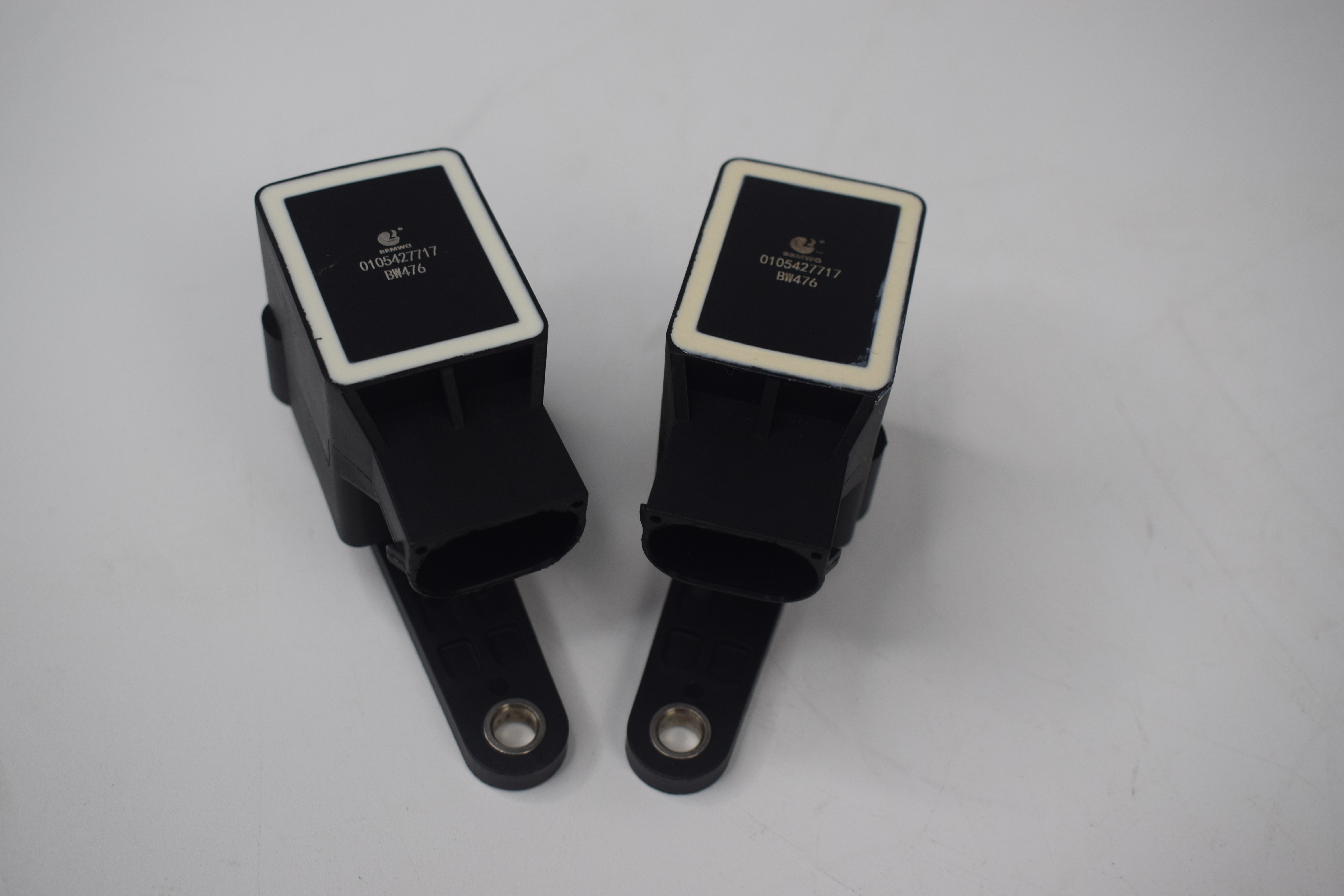
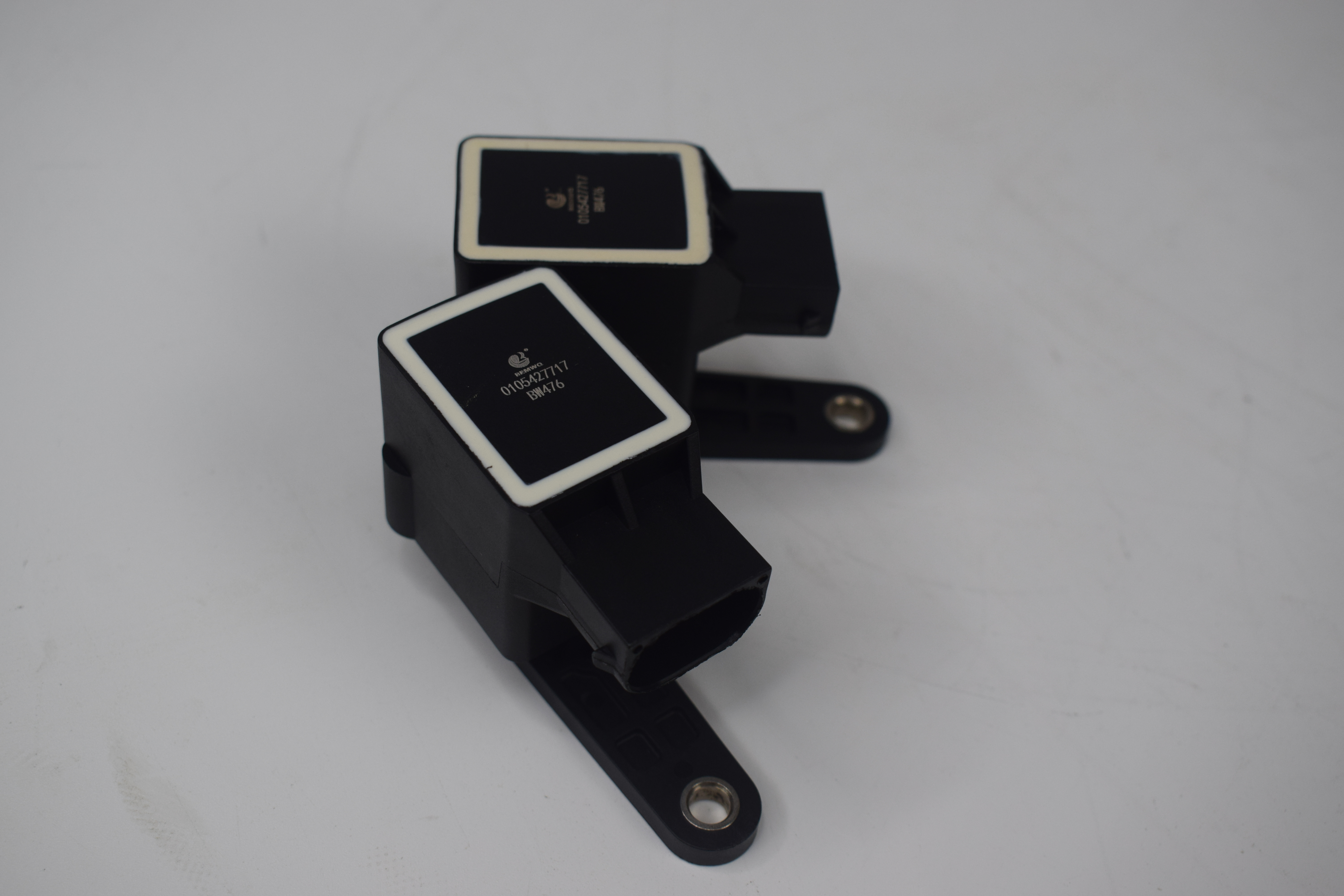
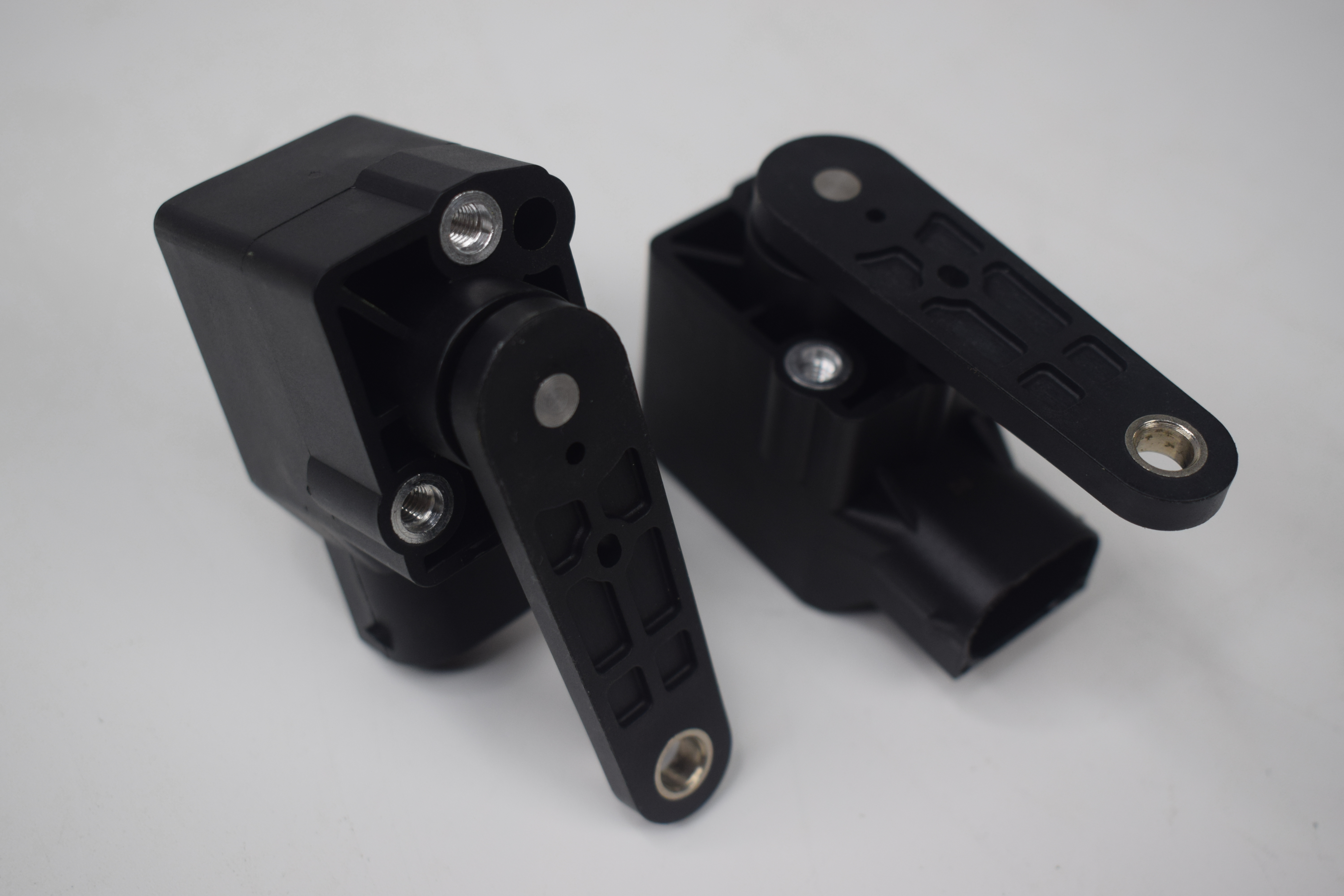
Leveling Valve: Automatic Height Control for Vehicle Suspension Systems | Enhanced Stability and Safety

Get a Free Quote

Our representative will contact you soon.
Email
Name
Company Name
Message
0/1000

leveling valve

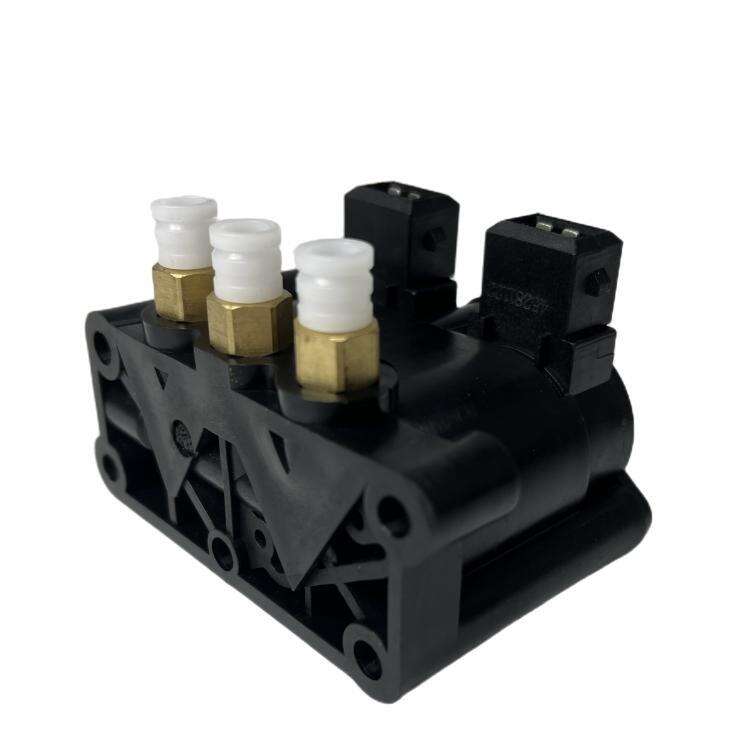
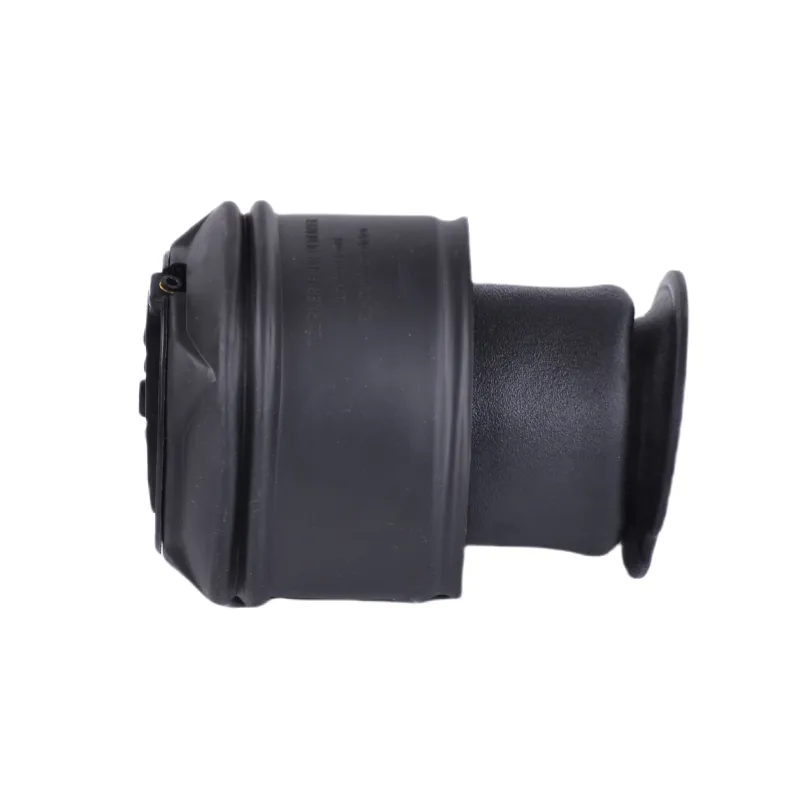
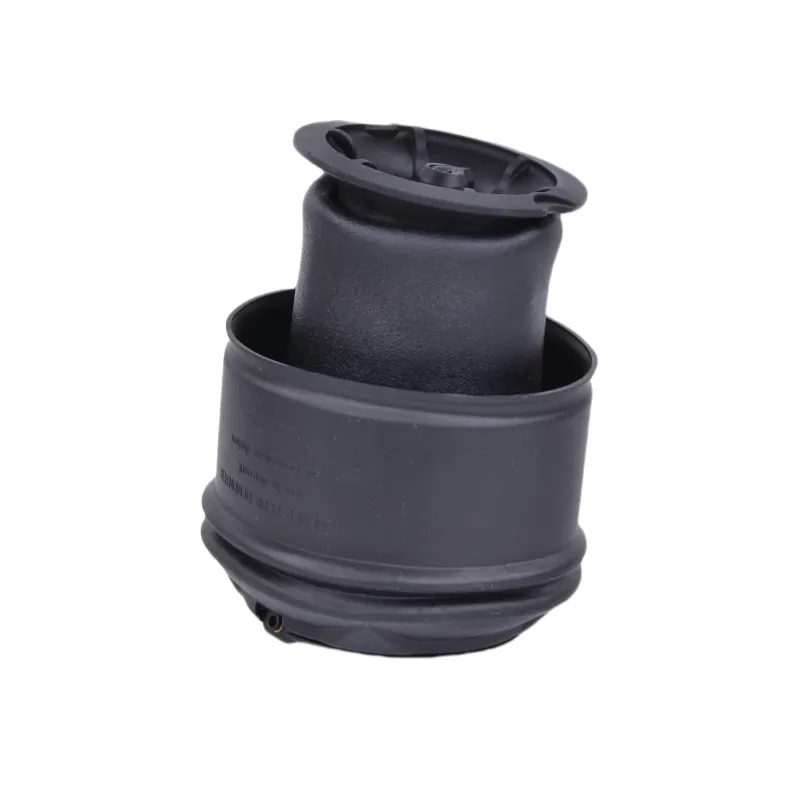
A leveling valve serves as an essential pneumatic component designed to automatically maintain consistent vehicle height regardless of load variations. This sophisticated device operates within air suspension systems to regulate air pressure in suspension airbags, ensuring optimal ride quality and vehicle stability across different loading conditions. The leveling valve continuously monitors the distance between the vehicle chassis and axle, making instantaneous adjustments to air pressure levels when weight changes occur. When a vehicle experiences increased loading, the leveling valve detects the corresponding decrease in ride height and responds by introducing additional compressed air into the suspension system. Conversely, when cargo is removed or passengers exit, the valve releases excess air to prevent the vehicle from riding too high. This automated height regulation mechanism proves particularly valuable in commercial transportation, heavy-duty trucks, buses, trailers, and recreational vehicles where payload weights fluctuate significantly during operation. The technological sophistication of modern leveling valve designs incorporates precision-engineered internal components including control pistons, exhaust ports, inlet passages, and spring-loaded mechanisms that work in harmony to deliver accurate height adjustments. These valves typically connect directly to the vehicle frame and link to the axle through mechanical linkages or arms that translate vertical movement into valve actuation. The applications of leveling valve technology extend across numerous vehicle categories, from municipal buses requiring consistent floor height for passenger accessibility to commercial delivery trucks that experience varying cargo weights throughout daily routes. Agricultural equipment, construction machinery, and specialized transport vehicles also benefit significantly from leveling valve implementation, as these applications demand stable operation across diverse terrain and loading scenarios while maintaining optimal ground clearance and equipment functionality.

New Product Recommendations

The implementation of a leveling valve delivers numerous practical benefits that directly enhance vehicle performance, safety, and operational efficiency. First and foremost, this device ensures consistent ride height maintenance, which translates to improved handling characteristics and driving comfort regardless of how much weight your vehicle carries. When your truck, bus, or trailer maintains proper suspension geometry, you experience better steering response, reduced body roll during cornering, and enhanced overall stability that makes driving safer and more predictable. The automatic nature of leveling valve operation means you do not need to manually adjust suspension settings when loading or unloading cargo, saving valuable time and eliminating the risk of human error in suspension setup. This automation proves especially beneficial for fleet operations where multiple drivers operate the same vehicles with varying loads throughout each day. Another significant advantage involves tire wear reduction, as proper vehicle height ensures even weight distribution across all tires, preventing premature wear patterns that occur when suspension geometry becomes compromised due to overloading or uneven loading. The leveling valve protects your suspension components from excessive stress and damage by preventing the suspension from bottoming out under heavy loads or extending beyond safe limits when empty. This protective function extends the service life of expensive suspension parts including airbags, shock absorbers, and structural components, resulting in lower maintenance costs over the vehicle lifespan. Fuel efficiency improvements represent another tangible benefit, as maintaining optimal ride height reduces aerodynamic drag and ensures the vehicle operates within designed parameters where rolling resistance remains minimized. For commercial operators, the leveling valve contributes to regulatory compliance by helping maintain legal ride heights and preventing clearance issues with bridges, overpasses, and loading dock equipment. The device also enhances cargo protection by minimizing bouncing and excessive movement during transport, which proves particularly important when hauling fragile or sensitive materials. Passenger comfort receives substantial improvement in bus and motorhome applications, as the leveling valve eliminates the uncomfortable sagging that occurs when vehicles fill with passengers or the harsh ride quality experienced in empty vehicles. The relatively simple mechanical design of most leveling valve systems ensures reliable operation with minimal maintenance requirements, typically needing only periodic inspection and basic cleaning to maintain optimal performance throughout many years of service.

Latest News

How does air suspension improve ride comfort in commercial vehicle applications?

27

May

How does air suspension improve ride comfort in commercial vehicle applications?

In commercial vehicle applications, driver comfort and cargo protection are not luxuries — they are operational necessities. Rough roads, heavy payloads, and long-haul routes place extraordinary stress on both the vehicle and the people inside ...
View More
Is air suspension suitable for off-road and heavy-duty driving conditions?

27

May

Is air suspension suitable for off-road and heavy-duty driving conditions?

When drivers and fleet managers consider upgrading or replacing their vehicle's suspension system, one question consistently rises to the top: is air suspension genuinely capable of handling the punishment of off-road terrain and heavy-duty workloads...
View More
Why do manufacturers adopt air suspension systems for luxury vehicle platforms?

27

May

Why do manufacturers adopt air suspension systems for luxury vehicle platforms?

The decision to adopt air suspension systems in luxury vehicle platforms is not an arbitrary engineering choice. It represents a deliberate commitment to delivering a driving experience that consistently exceeds passenger expectations, meets stringen...
View More
How does air suspension enhance stability during high-speed driving operations?

27

May

How does air suspension enhance stability during high-speed driving operations?

When a vehicle travels at high speed, the margin for error shrinks dramatically. Every bump in the road, every shift in load distribution, and every gust of crosswind becomes a real threat to driver control. This is precisely where air suspension pro...
View More

Get a Free Quote

Our representative will contact you soon.
Email
Name
Company Name
Message
0/1000

leveling valve

Automatic Height Adjustment Technology for Superior Load Management

Automatic Height Adjustment Technology for Superior Load Management

The automatic height adjustment capability of a leveling valve represents a breakthrough in suspension management technology that revolutionizes how vehicles respond to changing load conditions. This sophisticated mechanism operates through a precisely calibrated system that continuously monitors the relationship between your vehicle chassis and axle assembly, detecting even minor variations in ride height that indicate load changes. When weight is added to your vehicle, whether through cargo loading, passenger boarding, or equipment installation, the chassis naturally moves closer to the axle as the suspension compresses under the additional mass. The leveling valve sensing arm immediately detects this positional change and triggers the valve internal mechanism to open air inlet passages, allowing compressed air from your vehicle air supply system to flow into the suspension airbags. This air injection process continues until the vehicle returns to its predetermined optimal height, at which point the sensing arm reaches its neutral position and the valve closes, maintaining the newly established pressure level. The precision of this adjustment process ensures that your vehicle maintains consistent geometry regardless of whether you are carrying maximum payload capacity or operating empty. This consistency proves crucial for maintaining proper headlight aim, preventing trailer hitch angle problems, ensuring adequate ground clearance over obstacles, and preserving the designed suspension travel characteristics that engineers intended for optimal performance. The reverse process occurs with equal precision when weight is removed from the vehicle, as the suspension extends beyond the target height due to reduced load. The leveling valve sensing arm movement in this direction opens exhaust ports within the valve body, releasing excess air pressure from the suspension airbags until the vehicle settles back to the correct operating height. This bidirectional adjustment capability ensures your vehicle never operates with compromised suspension geometry, whether fully loaded or completely empty. The speed of these adjustments typically occurs within seconds of load changes, providing immediate response that enhances safety and prevents the vehicle from operating even briefly in suboptimal configurations. This rapid response time proves particularly valuable in loading dock situations where cargo is added or removed quickly, or in passenger transportation where boarding and disembarking creates sudden weight shifts that could otherwise compromise vehicle stability and ride quality.
Enhanced Vehicle Stability and Safety Through Consistent Suspension Geometry

Enhanced Vehicle Stability and Safety Through Consistent Suspension Geometry

Vehicle stability and safety receive dramatic improvements through the consistent suspension geometry maintained by a properly functioning leveling valve system. The relationship between chassis height, axle position, and suspension component angles directly influences how your vehicle responds to steering inputs, road irregularities, and dynamic forces encountered during operation. When a vehicle sags under heavy loads without leveling valve correction, the suspension geometry shifts away from optimal specifications, causing numerous handling compromises that increase accident risk and reduce driver control. The steering linkage angles change in ways that create unpredictable steering response, making the vehicle feel unstable and difficult to control, particularly during emergency maneuvers or when navigating challenging road conditions. Weight distribution shifts toward the rear axle or loaded area, reducing steering effectiveness and potentially causing the front wheels to lose adequate traction for reliable directional control. The leveling valve eliminates these dangerous scenarios by ensuring suspension geometry remains within engineered specifications regardless of payload variations. This geometric consistency means your vehicle steering response remains predictable and reliable whether you are hauling maximum cargo capacity or traveling empty between job sites. Brake performance also benefits significantly from proper ride height maintenance, as weight distribution affects braking force distribution between axles and influences anti-lock braking system operation. When your vehicle maintains level stance through leveling valve action, braking forces apply more evenly across all wheel positions, reducing stopping distances and preventing dangerous brake fade or lock-up conditions that occur with improper weight distribution. Trailer applications receive particular safety benefits from leveling valve technology, as proper trailer height ensures correct hitch angles that prevent dangerous sway conditions, reduce tongue weight variations, and maintain proper weight distribution between tow vehicle and trailer. The stability improvements extend to crosswind resistance, as vehicles maintaining proper ride height present consistent aerodynamic profiles that resist side forces more effectively than vehicles with compromised suspension geometry. For high-profile vehicles like buses and recreational vehicles, this crosswind stability can mean the difference between safe highway operation and dangerous handling characteristics that create white-knuckle driving experiences for operators and passengers.
Extended Component Lifespan and Reduced Maintenance Through Load Protection

Extended Component Lifespan and Reduced Maintenance Through Load Protection

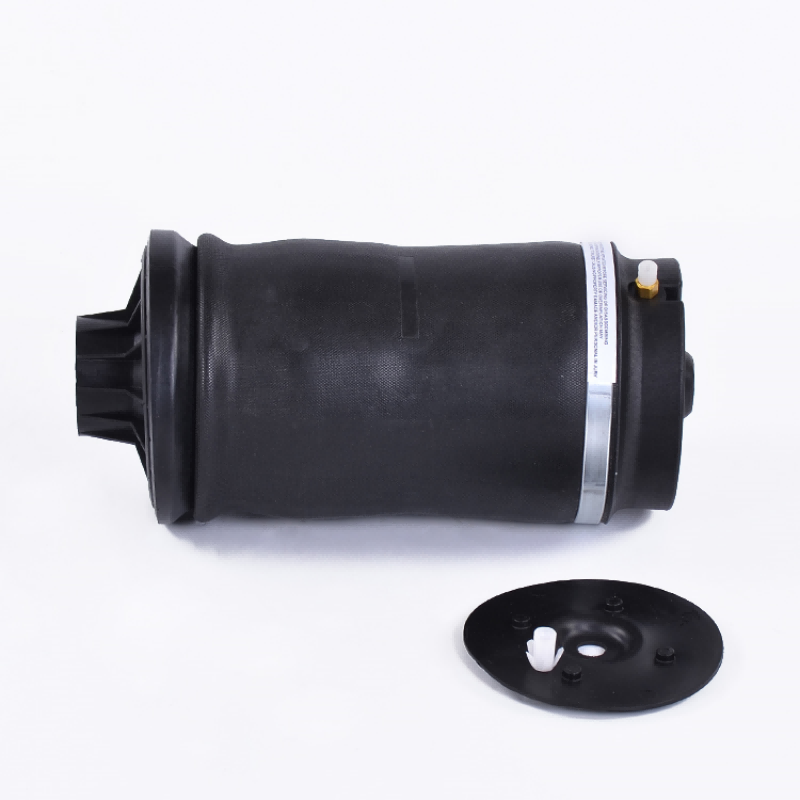
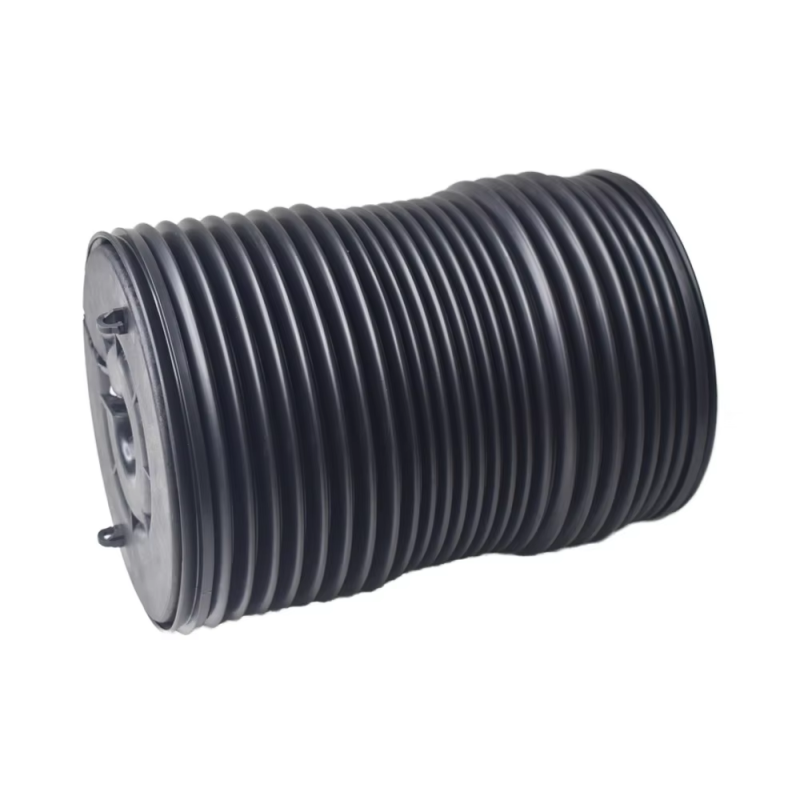
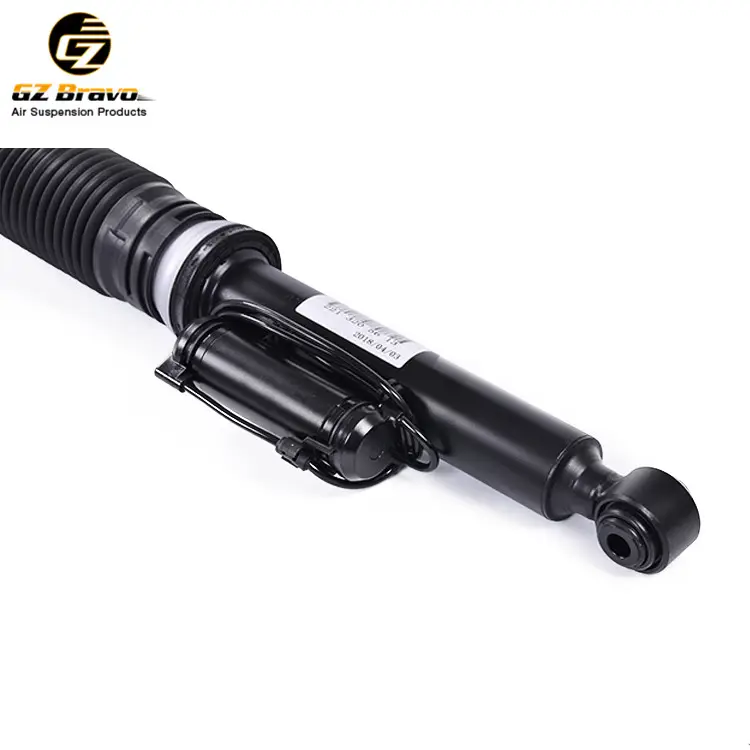
The protective benefits provided by a leveling valve extend far beyond immediate ride quality improvements, delivering substantial long-term value through extended component lifespan and reduced maintenance requirements across your entire suspension system. Suspension components experience dramatically different stress levels depending on ride height and loading conditions, with extreme positions causing accelerated wear and potential failure of expensive parts. When a vehicle operates in a sagging condition due to heavy loads without leveling valve correction, the suspension airbags or springs compress to their travel limits, creating excessive stress on the flexible materials and structural components that were never designed for continuous operation at maximum compression. This constant extreme compression causes airbag rubber compounds to fatigue rapidly, developing cracks and weak points that lead to premature failure requiring costly replacement. The leveling valve prevents this destructive scenario by maintaining airbag position within the optimal operating range where material stress remains moderate and component longevity is maximized. Shock absorbers and dampers also benefit tremendously from leveling valve protection, as these components function most effectively within specific travel ranges where damping characteristics match the suspension velocity and displacement encountered during normal operation. When suspension geometry shifts due to load-induced sagging, shock absorbers operate outside their designed parameters, experiencing excessive velocity that causes overheating, seal degradation, and internal component wear that shortens service life. Frame and structural mounting points experience reduced stress when leveling valve systems maintain proper ride height, as the force vectors and load paths remain within engineered specifications rather than shifting to positions that create concentrated stress points capable of causing frame cracks, bracket failures, and mounting point deformation. The mechanical linkages, bushings, and pivot points throughout your suspension system also enjoy extended service life when operating at consistent geometric relationships maintained by leveling valve action. These components wear most rapidly when operating at extreme angles where binding forces and uneven load distribution accelerate deterioration of bearing surfaces and flexible components. The financial impact of these component lifespan extensions proves substantial over vehicle lifetime, as suspension repairs represent some of the most expensive maintenance items commercial vehicle operators face, with airbag replacements, shock absorber installations, and frame repairs each costing hundreds or thousands of dollars depending on vehicle size and configuration.


Get a Free Quote

Our representative will contact you soon.
Email
Name
Company Name
Message
0/1000