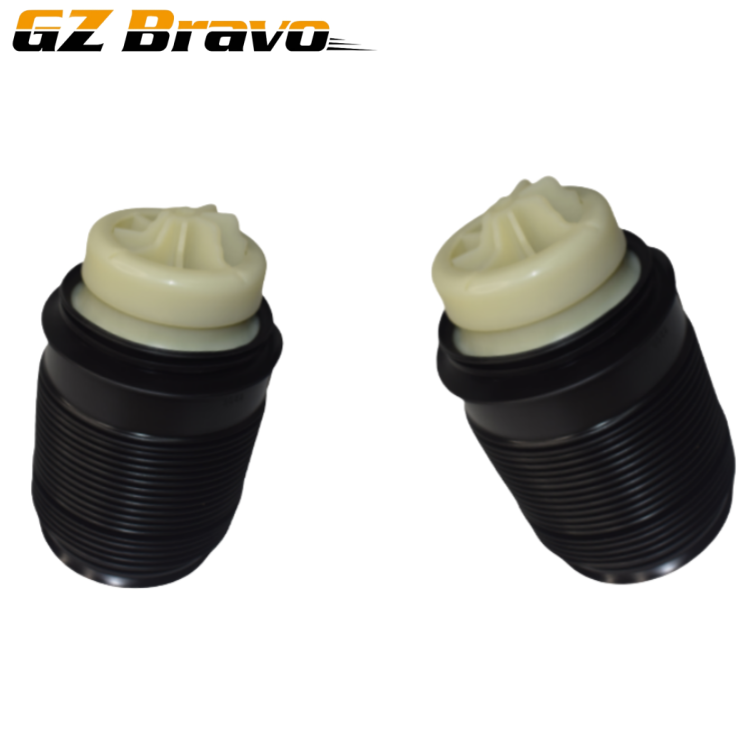
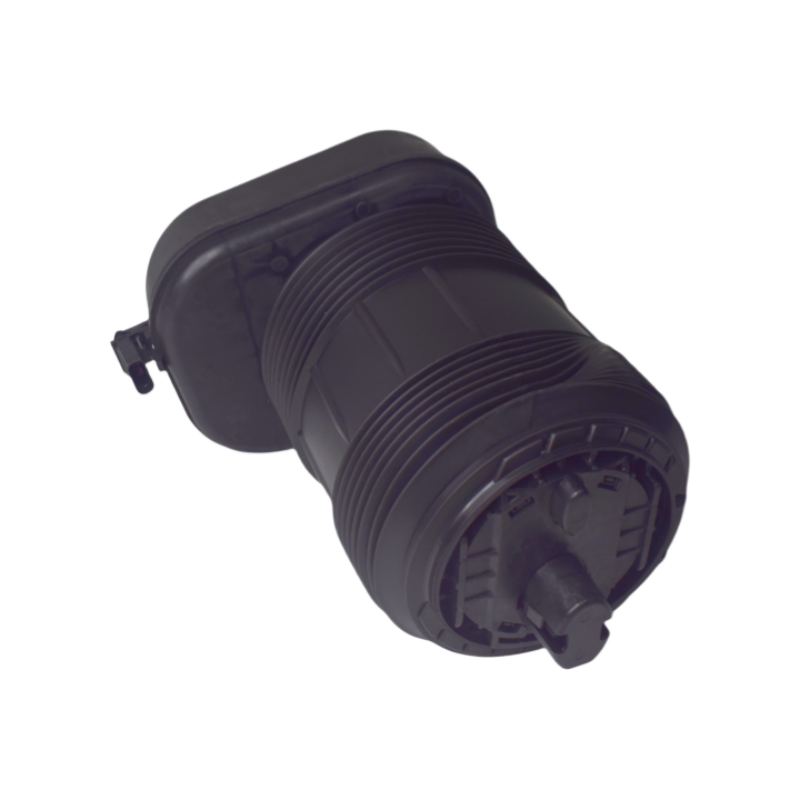
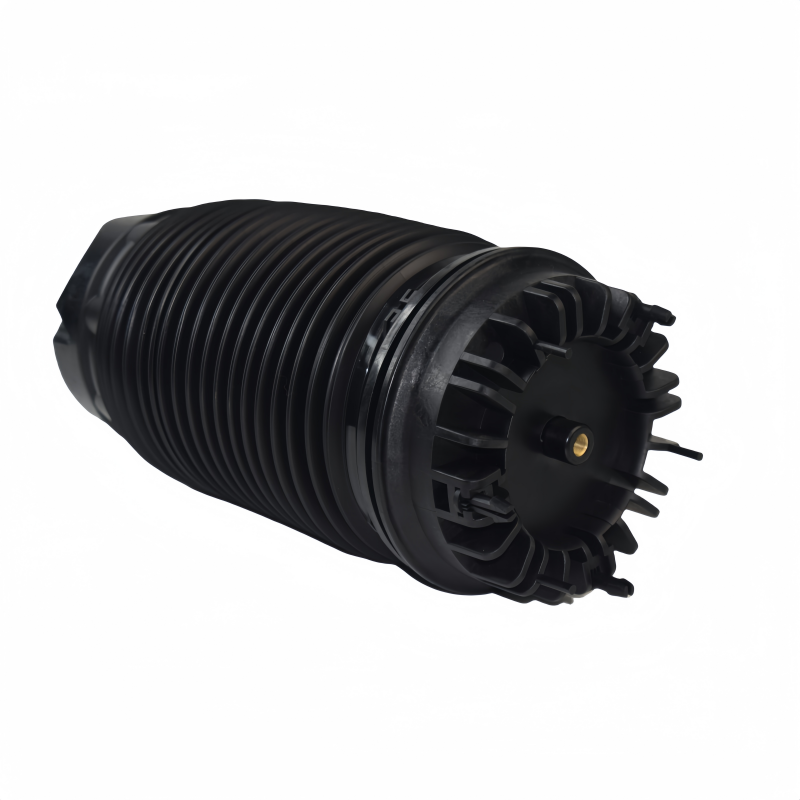
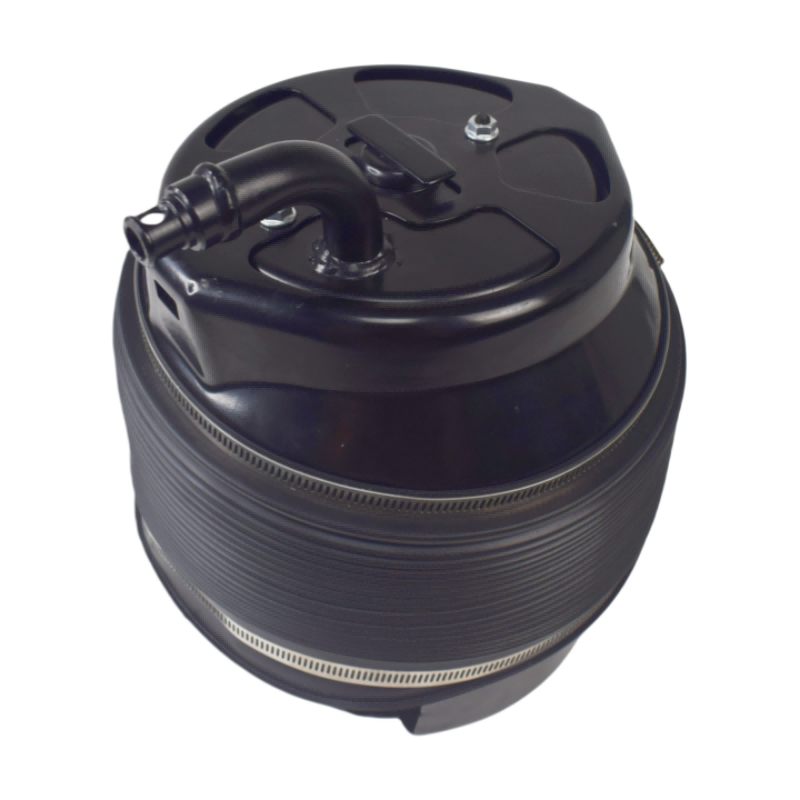
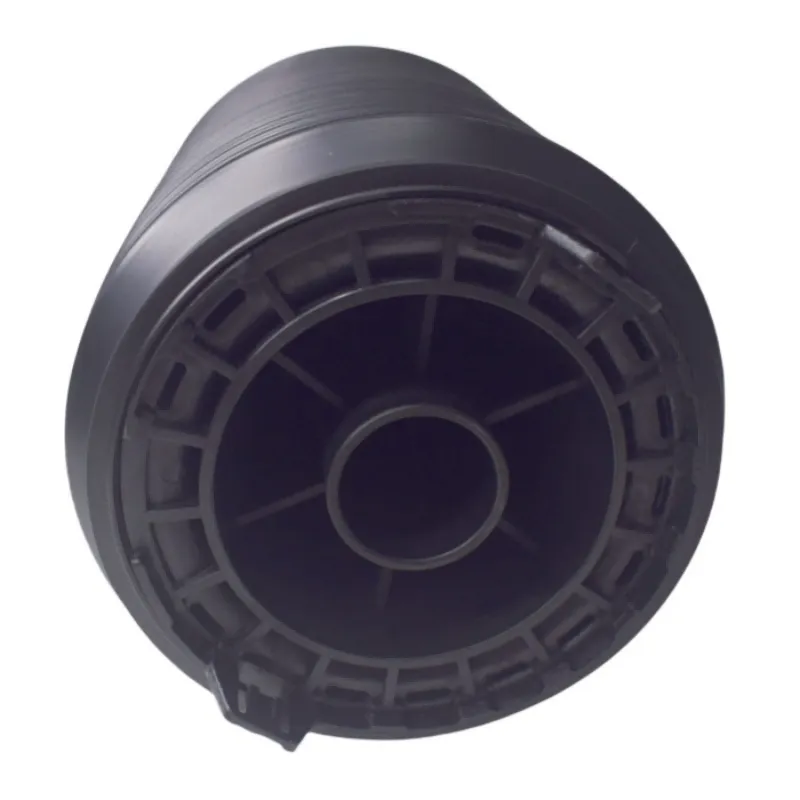
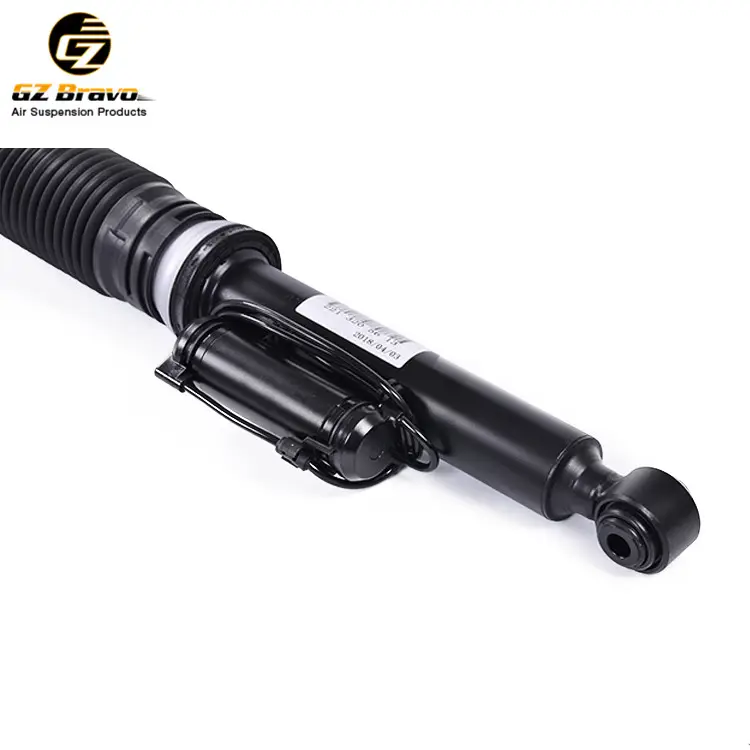
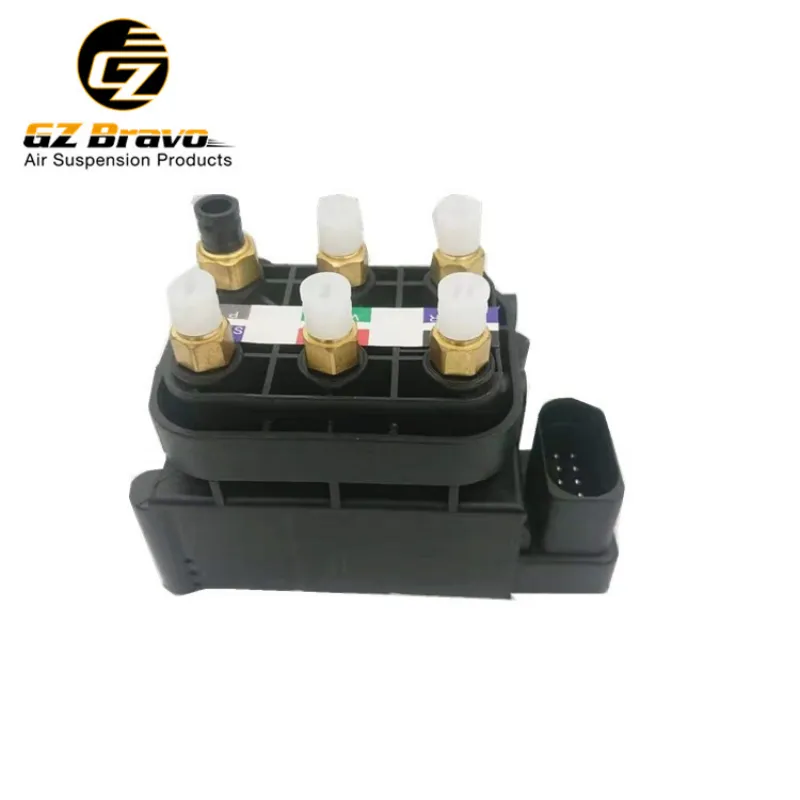
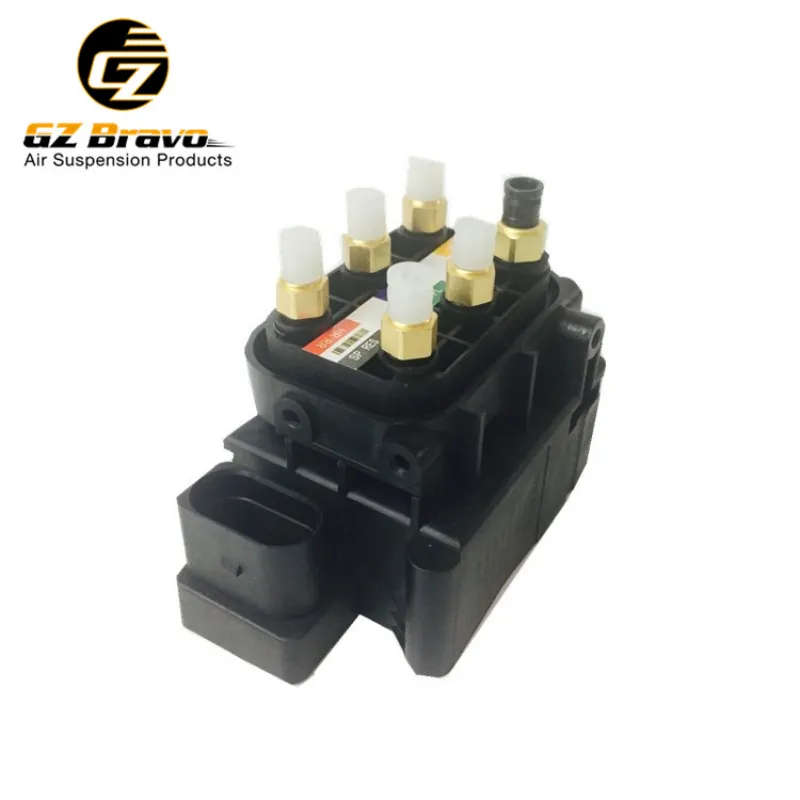
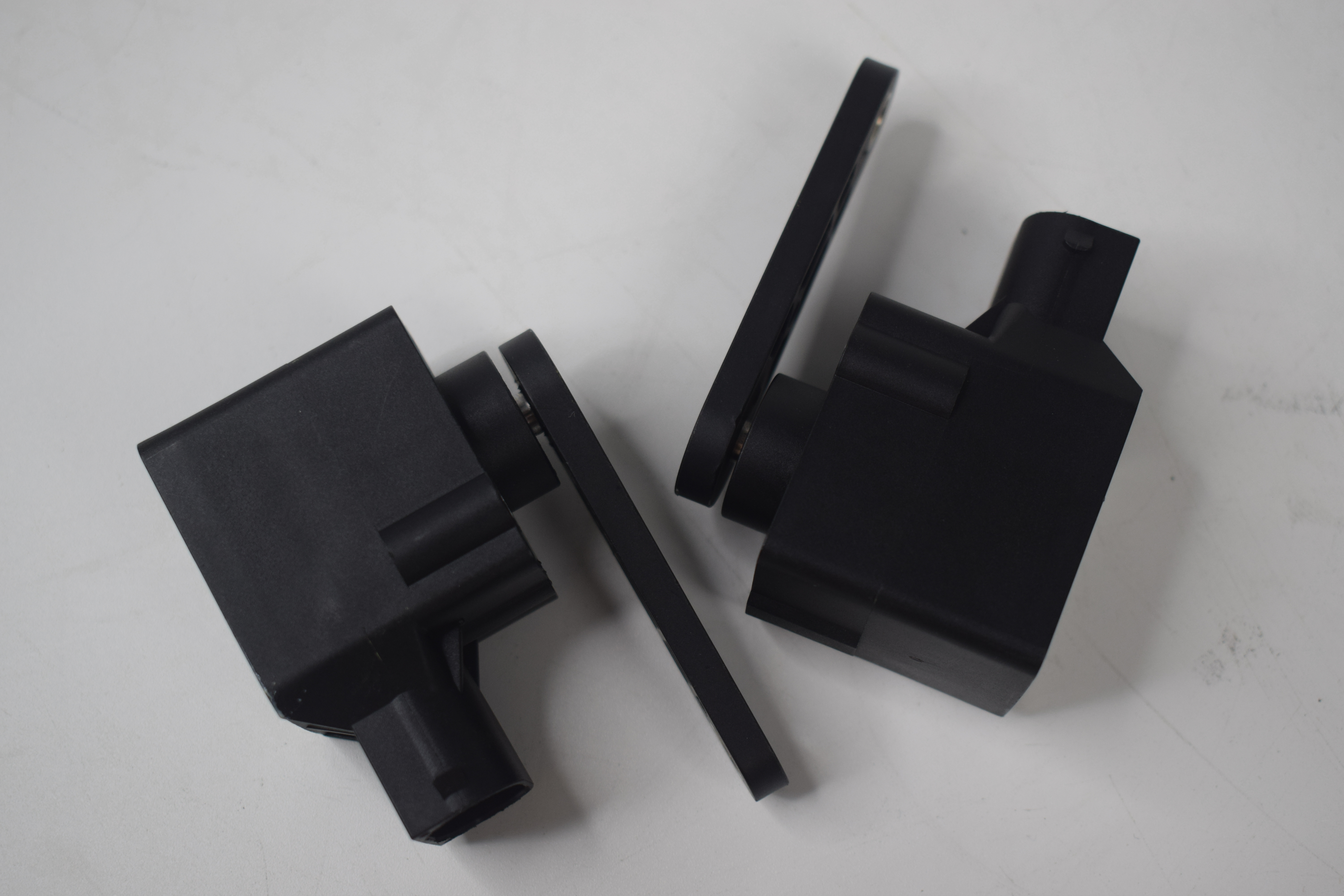
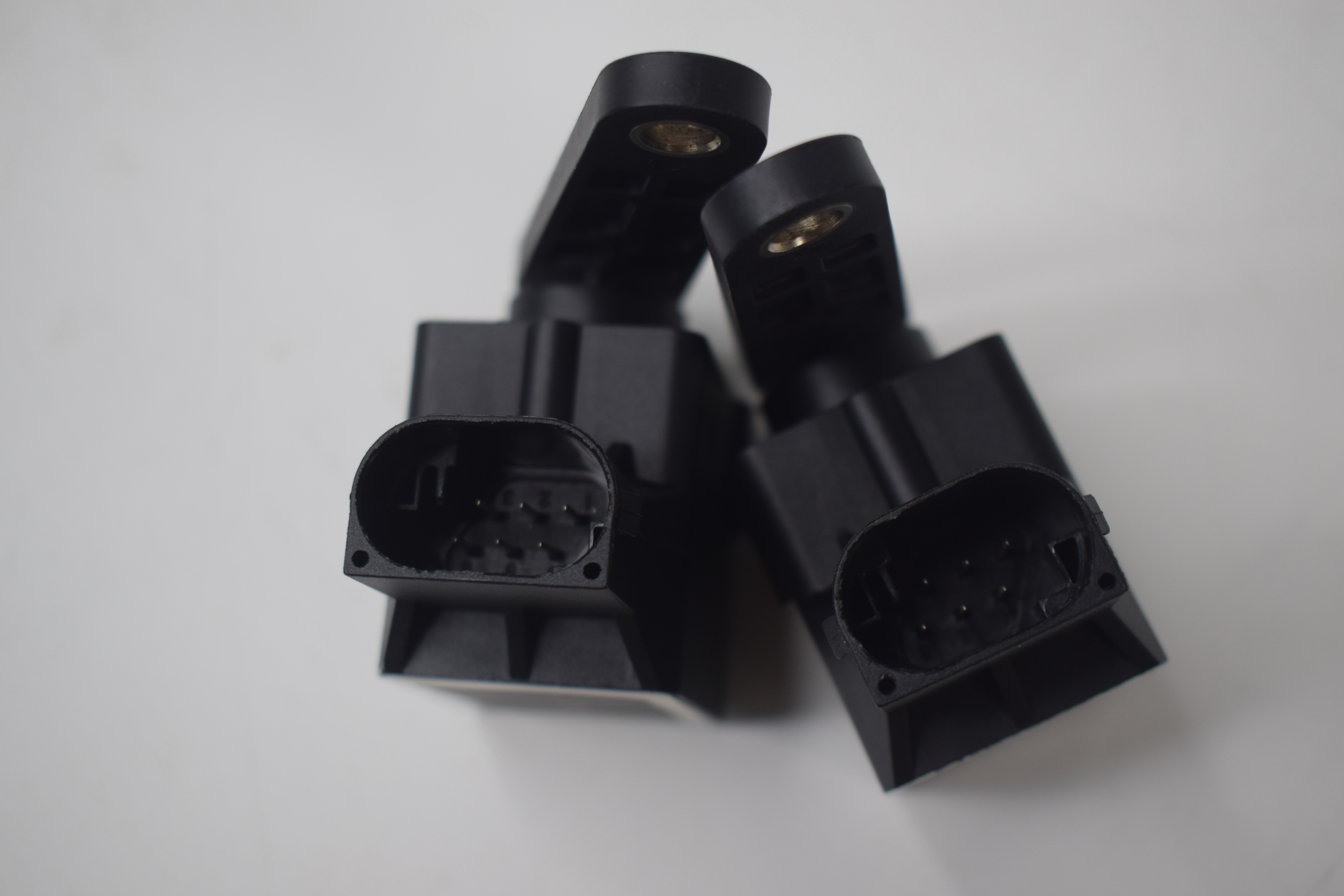
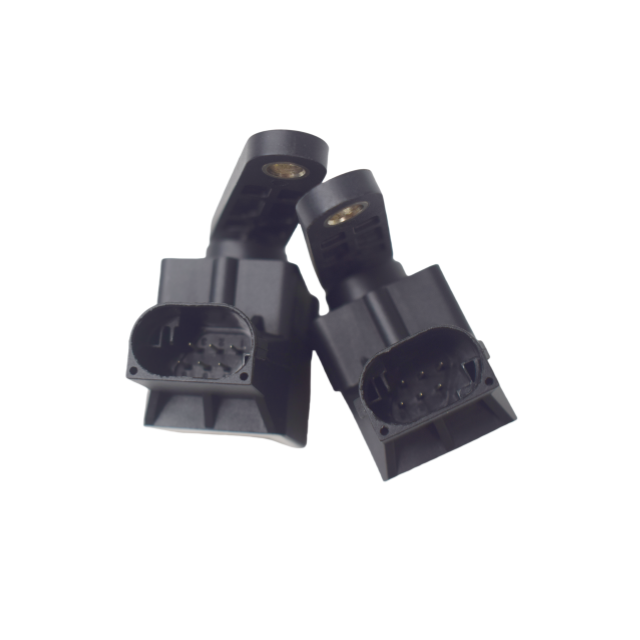
height control valve
A height control valve represents a sophisticated pneumatic component designed to maintain consistent vehicle ride height regardless of load variations. This mechanical device automatically regulates air pressure within suspension systems, ensuring optimal ground clearance and vehicle stability across different operating conditions. The valve functions by monitoring the distance between the vehicle chassis and axle, making real-time adjustments to air spring pressure to compensate for weight changes. When cargo is loaded onto a vehicle, the chassis naturally compresses toward the axle, triggering the height control valve to increase air pressure and restore proper ride height. Conversely, when load decreases, the valve releases excess pressure to prevent the vehicle from sitting too high. This automated adjustment process occurs continuously during operation, providing seamless adaptation to changing conditions. Modern height control valves incorporate precision-engineered internal mechanisms including pistons, springs, and sealing components that work together to deliver reliable performance. The valve connects directly to the vehicle's air supply system and mounts strategically between the chassis and suspension components where it can accurately sense height variations. Installation typically requires minimal modification to existing suspension systems, making these valves compatible with various vehicle platforms including commercial trucks, buses, trailers, and specialty vehicles. The technology behind height control valves has evolved significantly, with contemporary designs offering enhanced durability, faster response times, and improved accuracy compared to earlier generations. These valves play a critical role in vehicle safety by maintaining proper headlight aim, preventing excessive body roll during cornering, and ensuring consistent brake performance. Beyond safety considerations, height control valves contribute to operational efficiency by reducing tire wear, minimizing cargo damage from excessive bouncing, and improving overall ride comfort for drivers and passengers.

 EN