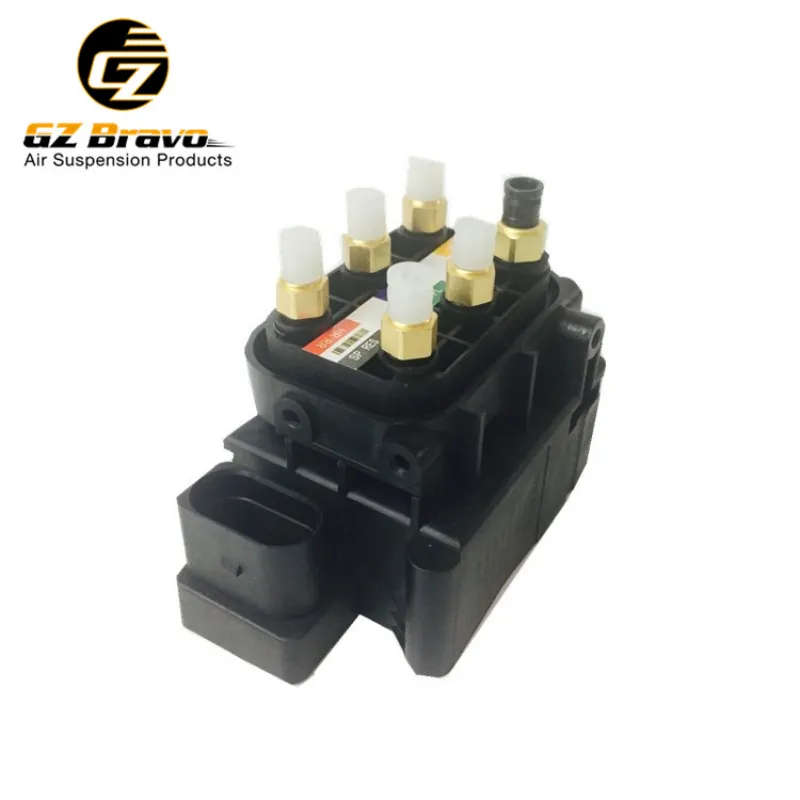
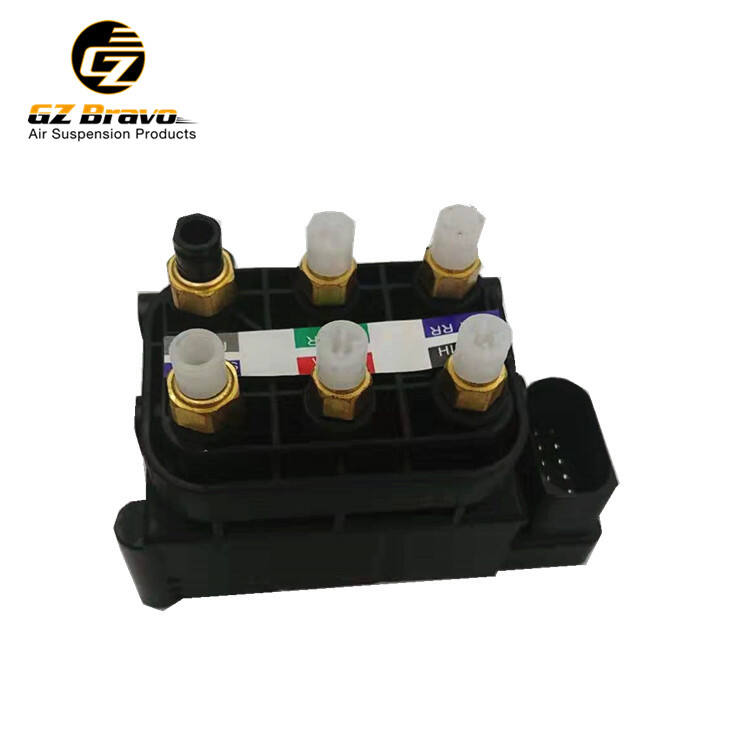
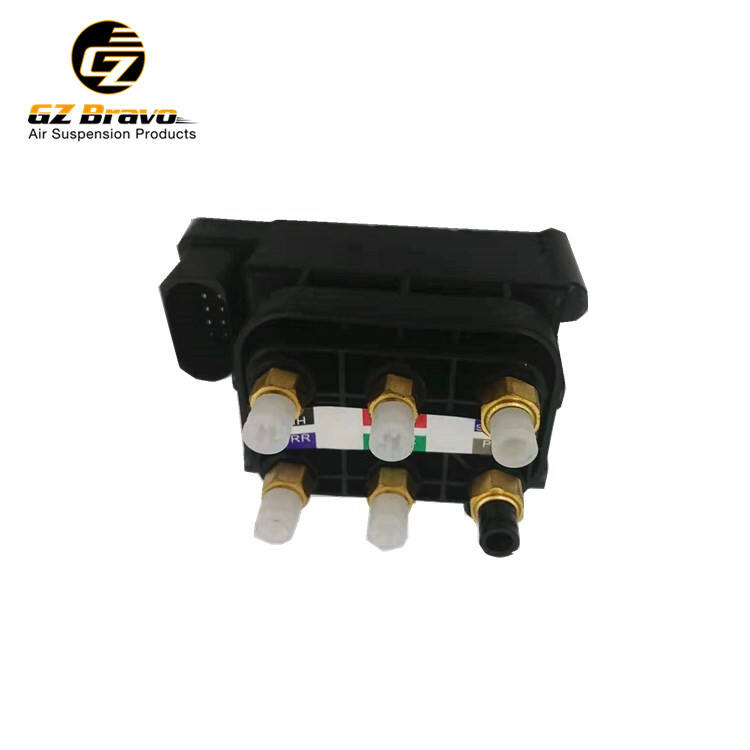
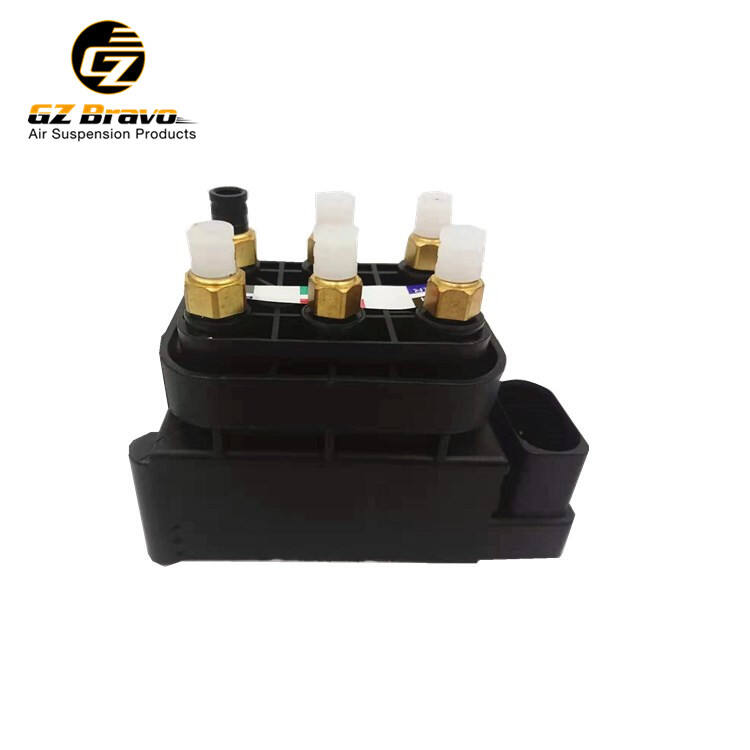
audi air suspension valve block
The Audi air suspension valve block represents a critical component in modern luxury vehicle suspension systems, serving as the central control unit that manages air distribution throughout the suspension network. This sophisticated assembly acts as the brain of the air suspension system, orchestrating the precise delivery of compressed air to each individual air spring based on driving conditions, load requirements, and driver preferences. The valve block contains multiple solenoid valves that open and close in coordinated sequences to direct airflow to specific corners of the vehicle, enabling real-time adjustment of ride height and suspension firmness. Within the Audi air suspension valve block, advanced engineering ensures rapid response times and precise control over air pressure distribution. The component integrates seamlessly with the vehicle's electronic control unit, receiving constant feedback from height sensors, accelerometers, and pressure monitors positioned throughout the chassis. This continuous data exchange allows the system to make instantaneous adjustments that optimize ride comfort, handling dynamics, and vehicle stability. The technological sophistication of the Audi air suspension valve block extends to its construction materials and internal mechanisms. Manufacturers utilize corrosion-resistant alloys and high-grade plastics that withstand extreme temperature variations, moisture exposure, and the constant cycling of pressurized air. The solenoid valves within the block feature precision-machined components that maintain tight tolerances even after hundreds of thousands of actuation cycles. Applications for the Audi air suspension valve block span across various model lines, from executive sedans to high-performance SUVs. The component proves particularly valuable in vehicles that frequently encounter diverse driving scenarios, ranging from highway cruising to off-road adventures. By enabling multiple ride height settings, the valve block allows drivers to lower their vehicle for improved aerodynamics at high speeds or raise it to navigate challenging terrain. The system also provides automatic leveling capabilities that compensate for uneven cargo distribution, ensuring consistent handling characteristics regardless of load configuration.

 EN