Mercedes Airmatic Suspension: Advanced Air Suspension Technology for Superior Comfort and Performance

Get a Free Quote

Our representative will contact you soon.
Email
Name
Company Name
Message
0/1000

mercedes airmatic suspension

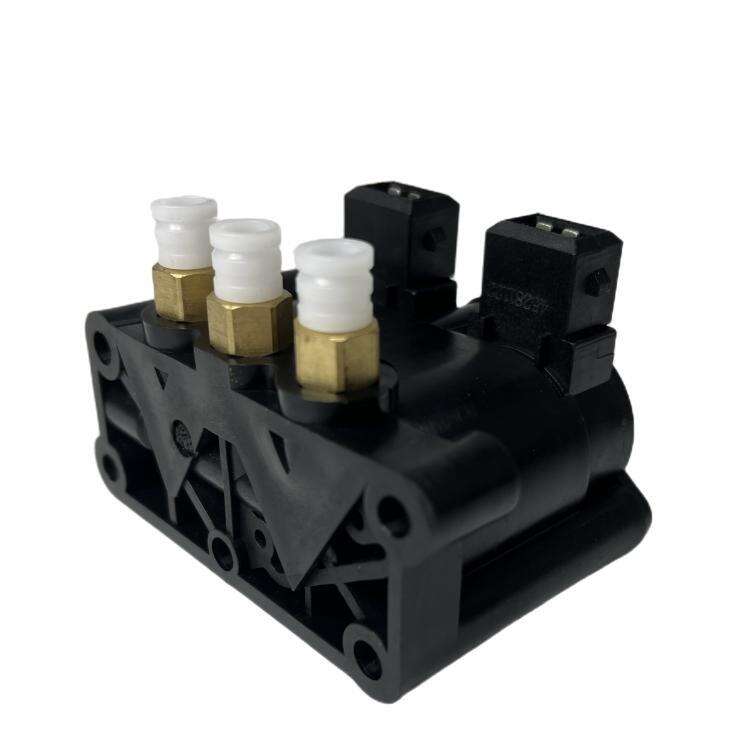
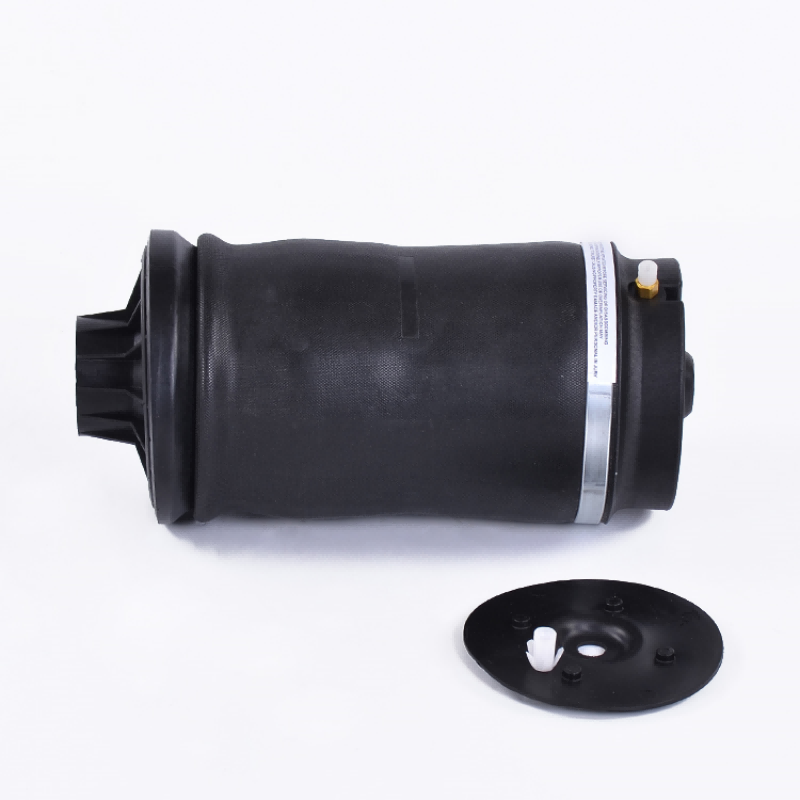
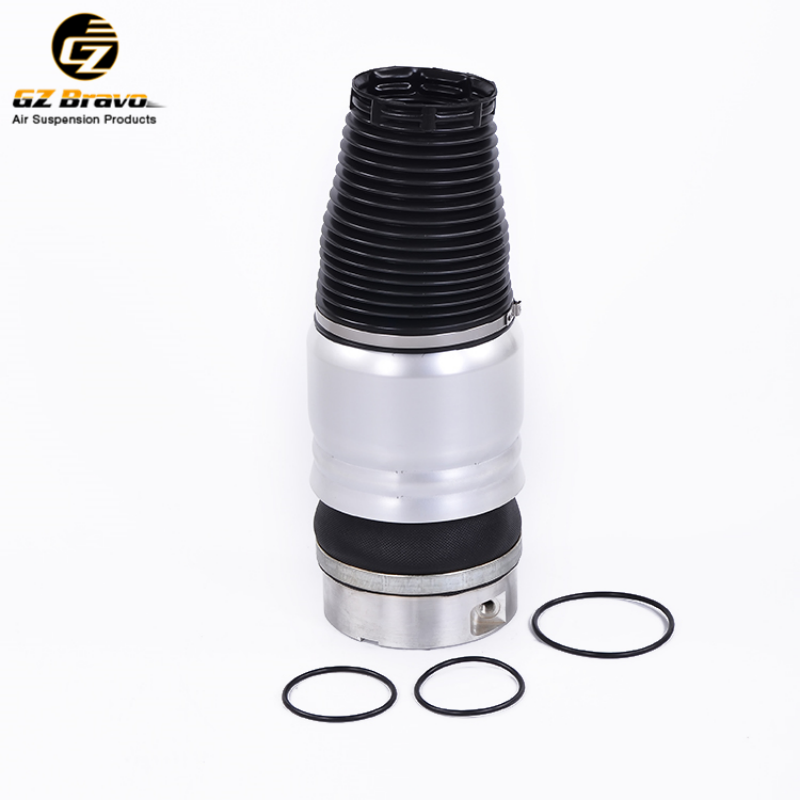
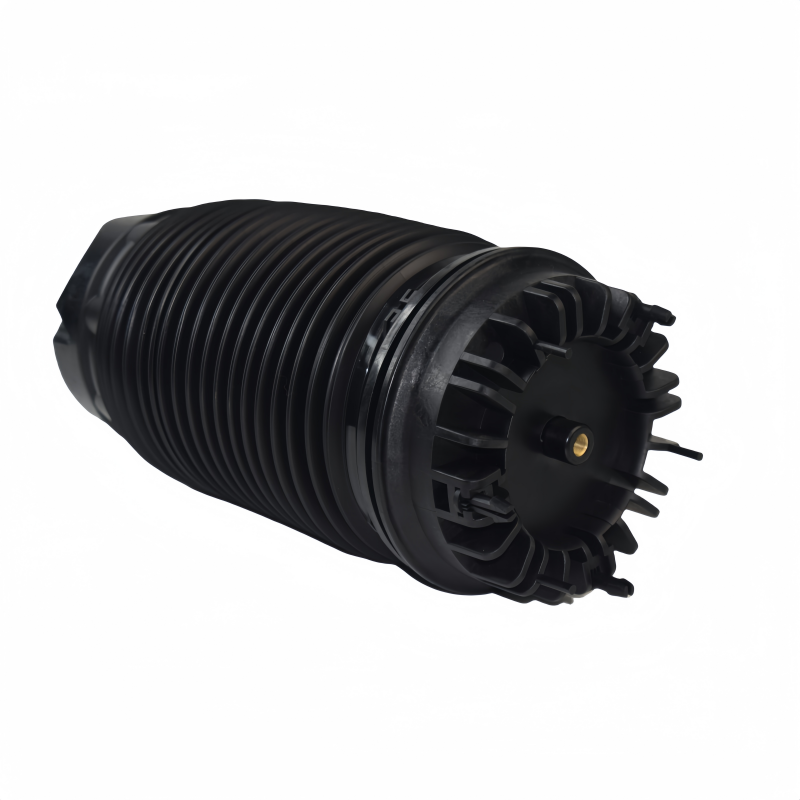
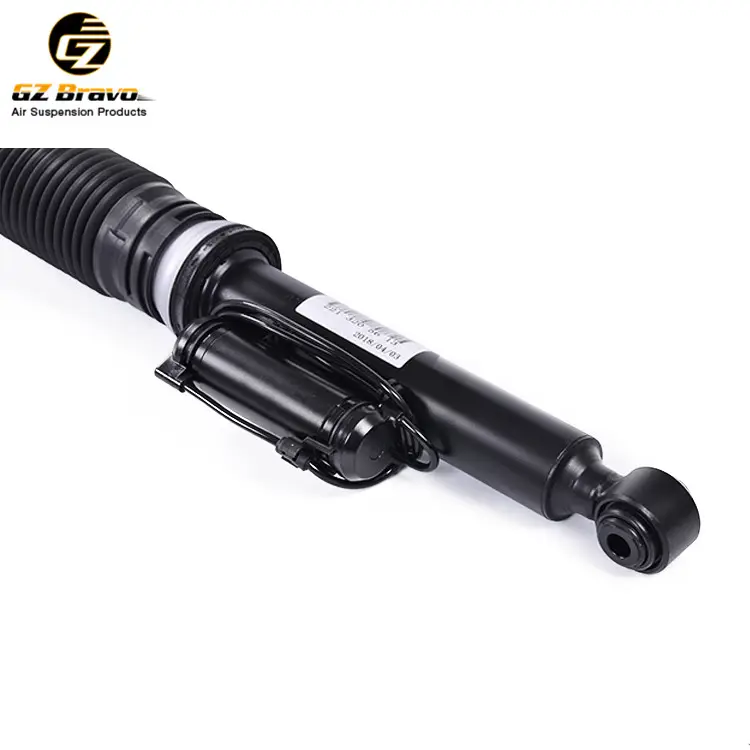
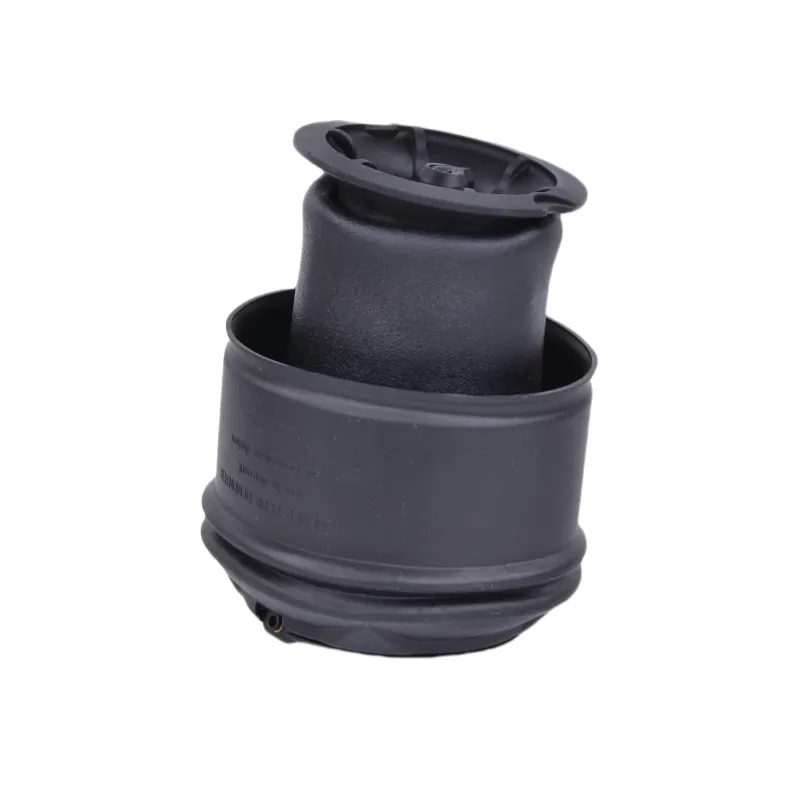
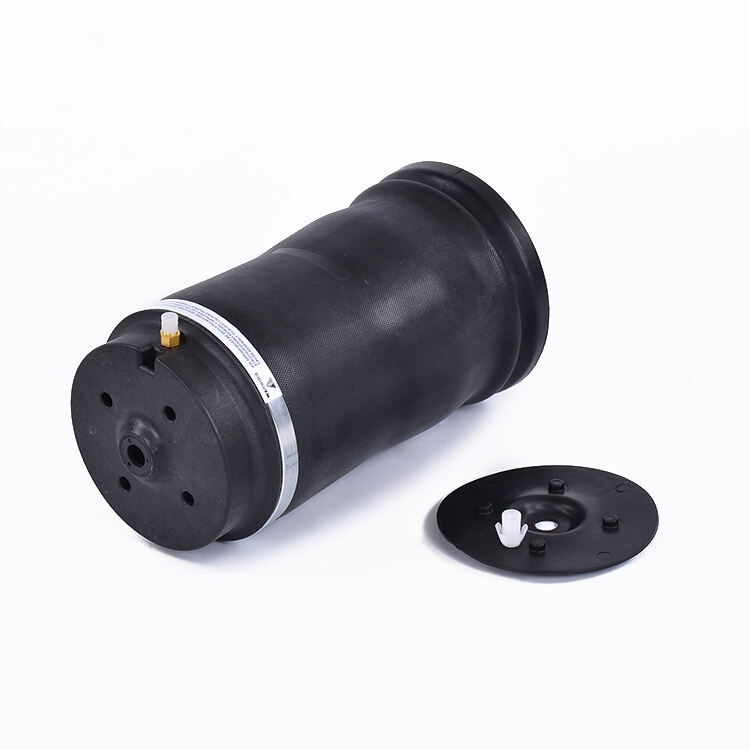
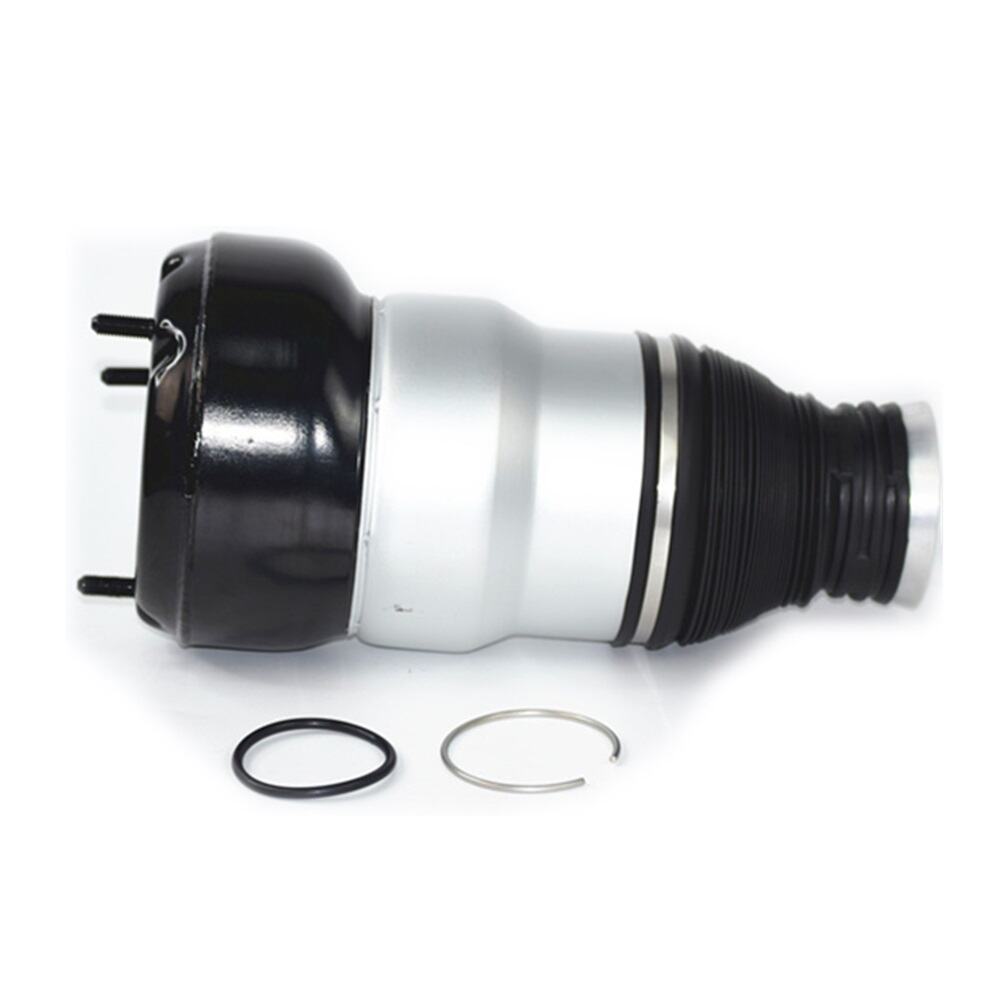
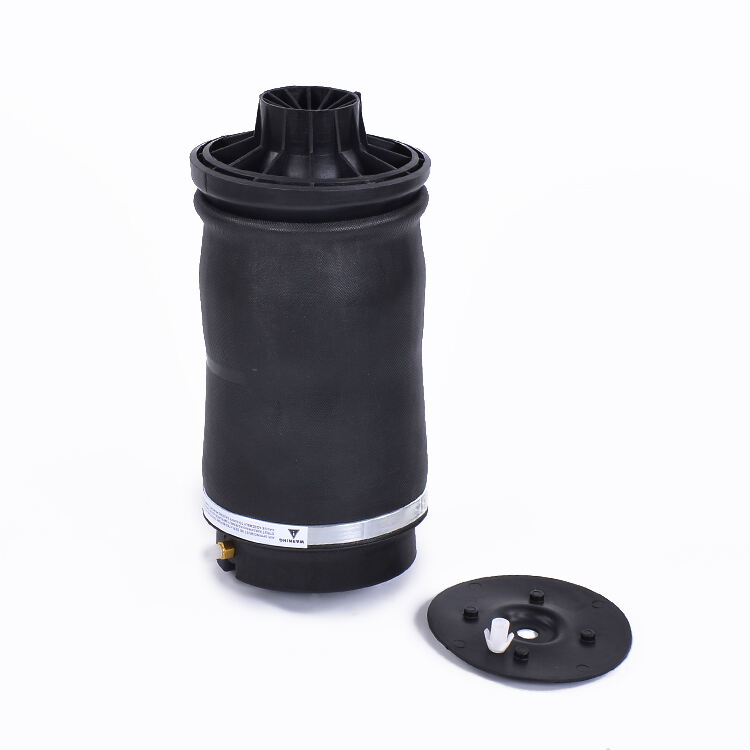
The Mercedes Airmatic suspension represents a sophisticated air suspension system that has revolutionized the driving experience in Mercedes-Benz vehicles. This advanced suspension technology replaces traditional steel coil springs with air springs, creating a dynamic system that adapts to various driving conditions and road surfaces. The Mercedes Airmatic suspension utilizes electronically controlled air springs at each wheel, working in conjunction with adaptive damping adjustments to provide an optimal balance between comfort and performance. The system continuously monitors road conditions, driving style, and vehicle load through an array of sensors distributed throughout the chassis. These sensors feed real-time data to the control unit, which then adjusts the suspension settings hundreds of times per second. The core components include air springs filled with compressed air, electronic control modules, height sensors, accelerometers, and electrically adjustable shock absorbers. The Mercedes Airmatic suspension offers multiple driving modes that drivers can select based on their preferences or road conditions. These modes range from comfort-oriented settings that prioritize a smooth, cushioned ride to sport settings that firm up the suspension for enhanced handling dynamics. One of the most practical features is the automatic self-leveling capability, which maintains consistent ride height regardless of passenger count or cargo weight. This proves particularly valuable when towing or carrying heavy loads, ensuring the vehicle remains level and stable. The system can also raise or lower the vehicle at the touch of a button, making entry and exit easier for passengers and simplifying loading operations. Mercedes has integrated this technology across various model lines, from luxury sedans like the S-Class to SUVs such as the GLE and GLS series. The Mercedes Airmatic suspension has evolved through several generations, with each iteration bringing improvements in response time, precision, and integration with other vehicle systems like electronic stability control and active safety features.

Popular Products

Choosing a vehicle equipped with Mercedes Airmatic suspension delivers tangible benefits that enhance your daily driving experience in multiple ways. First and foremost, the ride quality achieves a level of smoothness that traditional suspensions simply cannot match. The air springs absorb road imperfections, bumps, and vibrations before they reach the cabin, creating a serene environment where passengers feel isolated from harsh road surfaces. This becomes especially noticeable during long highway journeys or when navigating poorly maintained urban streets. The adaptive nature of the Mercedes Airmatic suspension means you get the best of both worlds: comfort when you want it and performance when you need it. During spirited driving on winding roads, the system automatically stiffens to reduce body roll and keep the vehicle flat through corners, providing confidence-inspiring handling characteristics. When cruising on the highway, it softens to deliver that classic Mercedes floating sensation. The adjustable ride height brings practical advantages that owners quickly learn to appreciate. Lowering the vehicle at highway speeds reduces aerodynamic drag, which translates directly into improved fuel efficiency and reduced wind noise. Raising the suspension provides additional ground clearance for navigating steep driveways, speed bumps, or light off-road situations without scraping the undercarriage. For families and those who frequently transport passengers, the self-leveling feature ensures consistent handling and braking performance regardless of how many people are aboard or how much luggage fills the cargo area. Traditional suspensions sag under heavy loads, affecting steering response and headlight aim, but the Mercedes Airmatic suspension automatically compensates. This system also extends the lifespan of other vehicle components. By keeping the vehicle level and reducing harsh impacts, it places less stress on wheel bearings, bushings, and other chassis parts. The sophisticated damping control minimizes the oscillations that can cause premature wear. Owners also appreciate the convenience factor during vehicle maintenance and tire changes, as the ability to raise the suspension provides easier access to wheel wells and undercarriage components. The Mercedes Airmatic suspension integrates seamlessly with advanced driver assistance systems, enhancing their effectiveness. Features like adaptive cruise control and lane-keeping assistance work more precisely when the vehicle maintains a stable, level platform. The system contributes to safety by improving tire contact with the road surface across varying load conditions, which optimizes braking distances and emergency maneuverability. For those concerned about long-term value, vehicles equipped with Mercedes Airmatic suspension often command higher resale prices, as buyers recognize the premium comfort and capability this technology provides.

Practical Tips

How does air suspension enhance stability during high-speed driving operations?

27

May

How does air suspension enhance stability during high-speed driving operations?

When a vehicle travels at high speed, the margin for error shrinks dramatically. Every bump in the road, every shift in load distribution, and every gust of crosswind becomes a real threat to driver control. This is precisely where air suspension pro...
View More
What factors affect durability of air suspension components in daily use?

27

May

What factors affect durability of air suspension components in daily use?

When it comes to vehicle ride quality and load management, air suspension components play a central role in delivering comfort, stability, and adaptability across a wide range of driving conditions. Unlike traditional coil spring setups, air-based sy...
View More
Is a solenoid valve block essential for precise control in air suspension systems?

03

Jun

Is a solenoid valve block essential for precise control in air suspension systems?

The question of whether a solenoid valve block is truly essential for precise control in air suspension systems is one that every vehicle owner, fleet manager, and automotive technician should understand clearly. Air suspension systems are complex, p...
View More
Can a solenoid valve block support fast response in adaptive suspension systems?

03

Jun

Can a solenoid valve block support fast response in adaptive suspension systems?

When engineers and automotive specialists evaluate the performance ceiling of adaptive suspension systems, one component consistently emerges as a critical enabler of real-time responsiveness: the solenoid valve block. In air suspension architectures...
View More

Get a Free Quote

Our representative will contact you soon.
Email
Name
Company Name
Message
0/1000

mercedes airmatic suspension

Adaptive Comfort Technology That Responds to Your Driving

Adaptive Comfort Technology That Responds to Your Driving

The Mercedes Airmatic suspension stands apart through its intelligent adaptive comfort technology that continuously adjusts to provide the ideal ride quality for every situation. Unlike conventional suspension systems that offer fixed characteristics, this advanced system employs a network of sophisticated sensors that monitor dozens of parameters simultaneously. Accelerometers detect the smallest vehicle movements, measuring pitch, roll, and vertical acceleration. Wheel speed sensors track individual wheel rotation, while steering angle sensors record driver inputs. The system even monitors brake application and throttle position to anticipate dynamic situations before they fully develop. This comprehensive data collection feeds into a powerful electronic control unit that processes information in real-time and commands instant adjustments to the air spring pressure and damper firmness at each corner of the vehicle. The beauty of the Mercedes Airmatic suspension lies in its ability to predict and prepare rather than simply react. When you approach a corner, the system recognizes the steering input and pre-emptively firms the suspension on the outer wheels to counteract body roll before it becomes noticeable. During hard braking, it adjusts the front dampers to control dive and maintain optimal weight distribution. The adaptive technology extends to recognizing different road surface conditions. On smooth pavement, the Mercedes Airmatic suspension operates in a more compliant mode, allowing the air springs to absorb minor irregularities while keeping damping relatively soft for maximum comfort. When sensors detect rough or uneven surfaces, the system instantly increases damping force to prevent excessive suspension travel and maintain vehicle composure. This happens automatically without any input required from the driver. The multiple selectable driving modes give you control over the suspension personality. Comfort mode prioritizes cushioning and isolation, perfect for relaxed cruising or when passengers prefer the smoothest possible ride. Sport mode transforms the character entirely, reducing body movements and sharpening turn-in response for more engaging driving dynamics. Some Mercedes models offer an Individual mode where you can customize suspension settings to your exact preferences. The Mercedes Airmatic suspension also features a unique curve tilting function in certain applications, where the system actually leans the vehicle slightly into corners like a motorcycle, reducing the lateral forces passengers feel and further enhancing comfort during spirited driving on twisting roads.
Versatile Ride Height Adjustment for Every Situation

Versatile Ride Height Adjustment for Every Situation

One of the most practical and appreciated features of the Mercedes Airmatic suspension is its versatile ride height adjustment capability, which provides functional benefits that owners use regularly in their daily driving. This feature allows the vehicle to raise or lower its chassis relative to the ground, offering flexibility that fixed suspension systems cannot provide. The adjustment range typically spans several inches, enough to make meaningful differences in various situations. The Mercedes Airmatic suspension automatically lowers the vehicle at highway speeds, a feature that delivers multiple benefits simultaneously. The reduced ride height decreases the frontal area exposed to wind resistance, which improves aerodynamic efficiency and results in measurable fuel economy gains during highway travel. The lower stance also reduces the center of gravity, which enhances stability during high-speed driving and lane changes. Additionally, wind noise decreases noticeably because less air passes underneath the vehicle, contributing to a quieter, more refined cabin environment. When you need maximum ground clearance, the Mercedes Airmatic suspension raises to its highest setting with a simple button press or automatically when driving modes are selected. This proves invaluable when encountering steep driveway approaches that might otherwise scrape the front bumper or undercarriage. Speed bumps and parking lot curbs become less concerning because you can temporarily increase clearance before crossing. For SUV models equipped with Mercedes Airmatic suspension, the raised setting enables light off-road capability, allowing navigation of unpaved roads, muddy trails, or snowy conditions with improved clearance over obstacles. The entry and exit assistance function demonstrates thoughtful engineering focused on real-world convenience. When you park and turn off the ignition, the Mercedes Airmatic suspension automatically lowers the vehicle to its minimum height, bringing the door sills and seats closer to ground level. This makes getting in and out significantly easier, particularly for elderly passengers, children, or anyone with mobility limitations. Loading groceries and cargo becomes simpler when the trunk or cargo area sits lower. The system automatically returns to normal ride height when you start the vehicle. The Mercedes Airmatic suspension maintains precise height control regardless of load conditions through its sophisticated self-leveling capability. Whether you have five passengers and full luggage or just the driver, the system maintains the programmed ride height by adjusting air pressure in the springs. This ensures consistent handling characteristics, proper headlight aim, and optimal suspension geometry at all times.
Enhanced Vehicle Dynamics and Safety Performance

Enhanced Vehicle Dynamics and Safety Performance

The Mercedes Airmatic suspension delivers substantial improvements in vehicle dynamics and safety performance that benefit drivers and passengers in both everyday driving and emergency situations. The foundation of these benefits lies in the system's ability to maintain optimal tire contact with the road surface across a wide range of conditions. Traditional suspension systems with fixed spring rates and damping cannot adapt to changing circumstances, but the Mercedes Airmatic suspension constantly optimizes the contact patch of each tire. This maximized contact area translates directly into improved grip for acceleration, cornering, and most importantly, braking. During emergency braking situations, the Mercedes Airmatic suspension works in harmony with the anti-lock braking system to maintain stability and minimize stopping distances. The system adjusts damping forces to control weight transfer and prevent excessive dive that could compromise steering control during hard braking. If you need to swerve while braking to avoid an obstacle, the suspension responds instantly to keep the vehicle balanced and predictable. The integration with electronic stability control systems creates a comprehensive safety net. When stability control detects the beginning of a skid or loss of traction, it can request specific suspension adjustments from the Mercedes Airmatic suspension to help recover vehicle control. The suspension might firm up one side of the vehicle or adjust individual corners to counteract unwanted rotational forces. The self-leveling characteristic of the Mercedes Airmatic suspension contributes significantly to safety by maintaining proper vehicle geometry regardless of load distribution. When traditional suspensions compress under heavy cargo loads, they alter suspension angles in ways that affect steering response and can create unpredictable handling characteristics. The Mercedes Airmatic suspension prevents this by automatically adjusting to maintain factory-specified ride height, ensuring the vehicle handles consistently whether empty or fully loaded. This becomes particularly important for SUVs and larger vehicles where load variations can be substantial. The enhanced body control provided by the Mercedes Airmatic suspension improves driver confidence and reduces fatigue during long journeys. When a vehicle pitches, rolls, and bounces excessively, drivers must make constant steering corrections to maintain their intended path, which becomes tiring over time. The superior damping control and adaptive nature of the Mercedes Airmatic suspension minimizes these movements, allowing the vehicle to track straight and true with minimal driver input. Reduced body motions also decrease the likelihood of motion sickness for passengers, particularly those seated in rear seats where movements are amplified. The system's ability to adapt suspension characteristics based on driving dynamics means that safety margins remain high across diverse situations, from navigating slippery winter roads to emergency maneuvers on dry pavement.

Get a Free Quote

Our representative will contact you soon.
Email
Name
Company Name
Message
0/1000