Valve Block Systems: Integrated Hydraulic Control Solutions for Enhanced Performance and Reliability

Get a Free Quote

Our representative will contact you soon.
Email
Name
Company Name
Message
0/1000

valve block

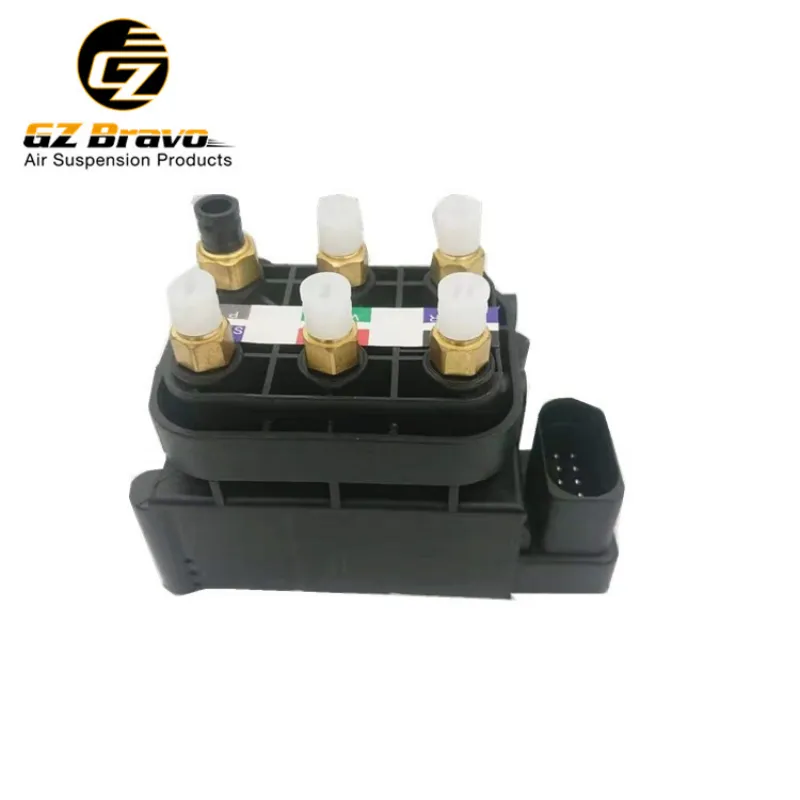
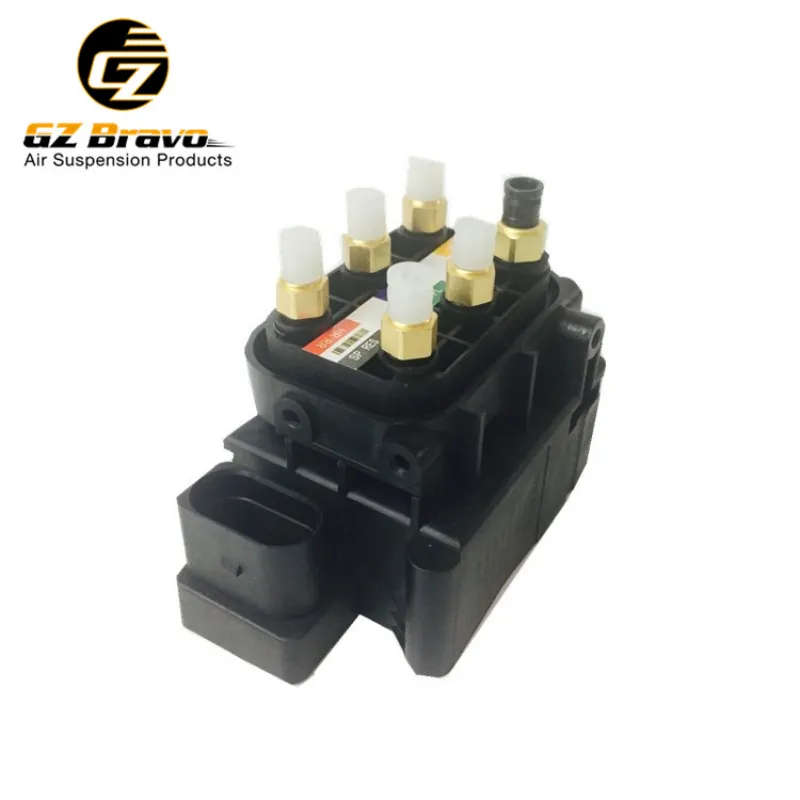
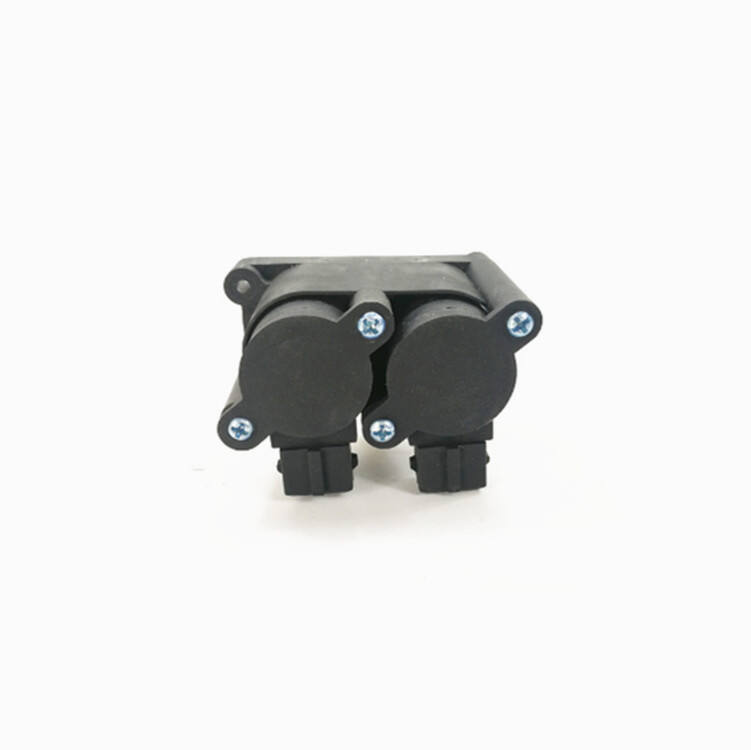
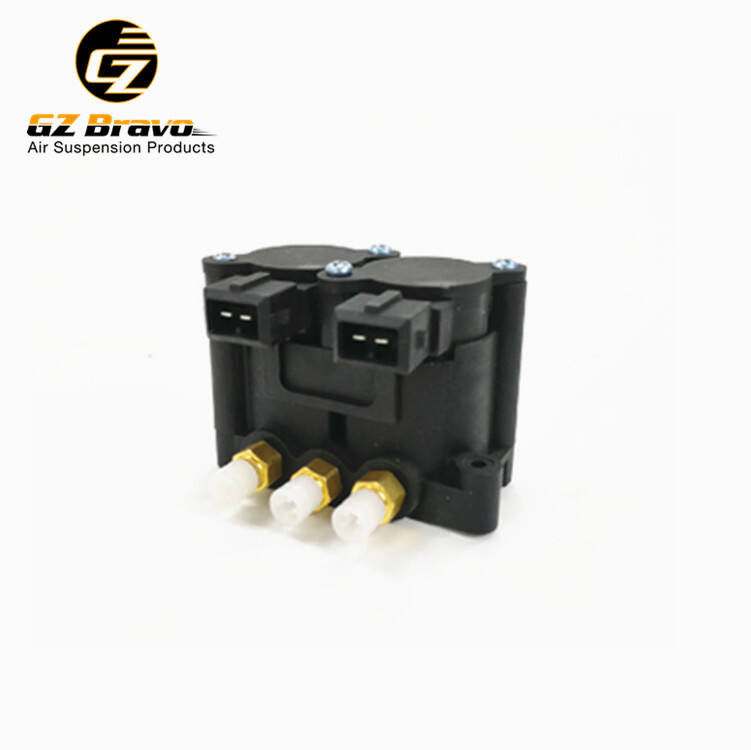
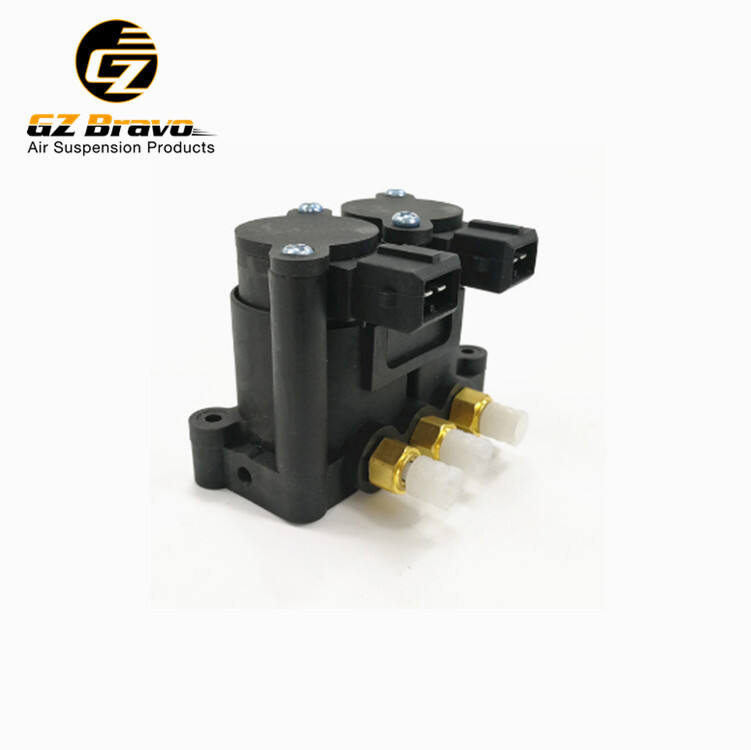
A valve block represents a sophisticated hydraulic component that consolidates multiple valve functions into a single, compact assembly. This integrated design serves as the central control hub for hydraulic systems, managing fluid flow, pressure regulation, and directional control through precisely engineered internal passages and valve cartridges. Modern valve blocks are manufactured from high-grade aluminum or steel, featuring internal channels that replace traditional external piping, creating a streamlined solution that minimizes potential leak points while maximizing system efficiency. The primary functions of a valve block include pressure control, flow regulation, directional management, and system protection. These components act as the nervous system of hydraulic equipment, translating operator commands into precise mechanical movements. The technological advancement in valve block design has revolutionized how industries approach fluid power systems, offering unprecedented reliability and performance. Manufacturing processes employ advanced CNC machining and precision drilling techniques to create intricate internal pathways that ensure consistent fluid distribution. Each valve block can be customized to meet specific application requirements, incorporating various valve types such as pressure relief valves, check valves, flow control valves, and directional control valves within a single housing. Applications span numerous industries including mobile equipment, industrial machinery, agricultural vehicles, construction equipment, and manufacturing automation systems. The versatility of valve block technology makes it indispensable in environments where space constraints, weight considerations, and system reliability are paramount. These assemblies have become the preferred solution for engineers seeking to optimize hydraulic system design while reducing installation complexity and maintenance requirements.


Popular Products

The implementation of a valve block in hydraulic systems delivers substantial practical benefits that directly impact operational efficiency and cost management. First and foremost, the consolidated design dramatically reduces the number of external connections required in a hydraulic circuit. Traditional systems using individual valves connected by hoses and fittings create numerous potential failure points, whereas a valve block eliminates up to 80 percent of these connections. This reduction translates to fewer leak possibilities, decreased maintenance interventions, and enhanced system reliability over the equipment's operational lifespan. The compact footprint provided by valve block technology addresses critical space limitations in modern machinery design. Engineers can achieve complex hydraulic functions within a fraction of the space required by conventional valve arrangements, enabling more efficient machine layouts and improved accessibility for service technicians. Weight savings represent another significant advantage, particularly crucial in mobile applications where every kilogram affects fuel consumption and payload capacity. By replacing heavy steel pipes and multiple valve housings with a single aluminum block, designers can reduce hydraulic system weight by 30 to 50 percent compared to traditional configurations. Installation time decreases substantially when using valve blocks, as technicians connect fewer components and eliminate the need for custom pipe fabrication and fitting assembly. This streamlined installation process reduces labor costs and accelerates equipment commissioning, allowing faster return on investment. System performance improves through reduced pressure drops and minimized fluid turbulence within the optimized internal passages of a valve block. The shorter fluid paths and engineered flow channels maintain consistent pressure throughout the circuit, resulting in more responsive control and improved energy efficiency. Maintenance becomes simpler and more predictable, as valve cartridges can be replaced individually without disturbing surrounding components or breaking multiple connections. This modular serviceability minimizes downtime and allows maintenance teams to stock fewer spare parts while maintaining comprehensive repair capabilities. The enclosed design also provides superior protection against environmental contaminants such as dust, moisture, and debris that can compromise valve performance in traditional open-valve configurations. Temperature management benefits from the thermal mass of the valve block body, which helps dissipate heat more effectively than individual valves, contributing to extended seal life and improved fluid condition.

Practical Tips

What factors affect durability of air suspension components in daily use?

27

May

What factors affect durability of air suspension components in daily use?

When it comes to vehicle ride quality and load management, air suspension components play a central role in delivering comfort, stability, and adaptability across a wide range of driving conditions. Unlike traditional coil spring setups, air-based sy...
View More
How does a solenoid valve block improve airflow management in suspension setups?

03

Jun

How does a solenoid valve block improve airflow management in suspension setups?

Modern air suspension systems depend on precise control of pressurized air to deliver the ride comfort and handling performance that drivers expect. At the center of this control architecture sits the solenoid valve block, a compact but critically im...
View More
How does a solenoid valve block improve suspension adjustment accuracy?

03

Jun

How does a solenoid valve block improve suspension adjustment accuracy?

Modern air suspension systems rely on a precise network of components to deliver a smooth, controlled ride — and at the heart of that network sits the solenoid valve block. This compact but critical assembly governs how compressed air is distri...
View More
How does an air suspension compressor improve performance in load support systems?

03

Jun

How does an air suspension compressor improve performance in load support systems?

When a vehicle carries heavy loads or navigates uneven terrain, the demands placed on its suspension system increase dramatically. An air suspension compressor sits at the heart of any pneumatic load support system, continuously managing air pressure...
View More

Get a Free Quote

Our representative will contact you soon.
Email
Name
Company Name
Message
0/1000

valve block

Enhanced System Reliability Through Integrated Design

Enhanced System Reliability Through Integrated Design

The integrated architecture of a valve block fundamentally transforms hydraulic system reliability by consolidating multiple control functions into a single precision-engineered component. This integration eliminates the vulnerability associated with external connections, which historically represent the primary source of hydraulic system failures. Each eliminated connection point removes a potential leak path, reducing the probability of fluid loss, contamination entry, and pressure inconsistencies that compromise system performance. The manufacturing process for valve blocks employs advanced computer-controlled machining that creates internal fluid passages with tolerances measured in microns, ensuring consistent flow characteristics and predictable system behavior across the entire operational envelope. These precisely controlled passages maintain laminar flow conditions that minimize pressure losses and reduce heat generation compared to traditional piping arrangements with multiple directional changes and turbulent flow zones. The monolithic construction provides exceptional resistance to vibration-induced fatigue, a critical consideration in mobile equipment and high-cycle industrial applications where traditional plumbing systems experience accelerated wear from constant movement and mechanical stress. Valve cartridges installed within the valve block benefit from precise alignment and consistent seating surfaces that ensure optimal sealing performance throughout their service life. The controlled environment within the valve block protects sensitive valve components from external contamination, temperature extremes, and physical damage that can occur with exposed valve installations. System designers gain the ability to implement sophisticated control strategies by incorporating multiple valve functions in close proximity, enabling rapid response times and precise coordination between different hydraulic functions. This proximity reduces signal propagation delays and allows for tighter control loops that improve machine performance and operator experience. The standardized cartridge interfaces used in modern valve blocks provide flexibility for future system modifications or performance upgrades without requiring complete redesign of the hydraulic circuit. Quality control during valve block manufacturing includes rigorous pressure testing, flow verification, and dimensional inspection that ensures each unit meets exacting specifications before installation, providing confidence in long-term reliability and consistent performance across multiple machines in a fleet.
Simplified Installation and Reduced System Complexity

Simplified Installation and Reduced System Complexity

The adoption of valve block technology revolutionizes hydraulic system installation by transforming complex assemblies of individual components into straightforward, pre-engineered solutions that dramatically reduce installation time and skill requirements. Traditional hydraulic systems require extensive planning for pipe routing, careful measurement and fabrication of steel tubing, assembly of numerous threaded connections, and meticulous attention to proper torque specifications and seal installation at each junction point. This labor-intensive process demands specialized skills and creates opportunities for installation errors that may not become apparent until system commissioning or later during operation. A valve block arrives as a tested, ready-to-install assembly that requires only power supply connections, actuator lines, and reservoir plumbing to become fully operational. This pre-integration approach transfers much of the assembly work from the field installation environment to the controlled manufacturing setting where specialized equipment, trained technicians, and quality assurance processes ensure proper assembly and testing. The reduction in field connections typically decreases installation time by 50 to 70 percent compared to conventional valve arrangements, allowing equipment manufacturers to accelerate production schedules and service organizations to complete retrofits and repairs more efficiently. Documentation becomes simpler and more accurate, as the valve block can be treated as a single assembly with defined input and output ports rather than tracking dozens of individual components and their interconnections. Troubleshooting procedures benefit from this simplified architecture, as technicians can quickly isolate issues to specific valve cartridges or external connections rather than investigating an extensive network of pipes and fittings. Training requirements for installation and maintenance personnel decrease substantially, as the standardized nature of valve block technology creates consistent procedures across different machine models and applications. The reduced part count associated with valve block implementation simplifies inventory management, as equipment operators stock valve cartridges and seal kits rather than maintaining extensive inventories of pipes, fittings, adapters, and individual valve bodies in various sizes and configurations. System modifications and upgrades become more manageable, as engineers can specify cartridge changes or add functionality by machining additional cavities in existing valve blocks rather than redesigning entire plumbing layouts and manufacturing custom pipe assemblies.
Superior Space Efficiency and Design Flexibility

Superior Space Efficiency and Design Flexibility

The compact form factor achieved through valve block integration provides engineers with unprecedented design freedom to optimize machine layouts and maximize productive use of available space. Modern equipment faces increasingly stringent size constraints driven by transportation regulations, workspace limitations, and the need to incorporate additional functionality within existing machine envelopes. Traditional hydraulic valve arrangements consume valuable space through the three-dimensional volume required for valve bodies, the clearance needed for hose routing and connection access, and the safety margins necessary to prevent interference with moving components or operator zones. A valve block consolidates these distributed components into a dense package that typically occupies less than one-quarter of the volume required by equivalent discrete valve installations. This space efficiency enables equipment designers to relocate hydraulic controls closer to the actuators they serve, shortening response times and improving system performance while reducing the length and cost of connecting hoses. The regular geometric form of valve blocks simplifies mounting arrangements and allows for creative placement options that would be impractical with conventional valve clusters, such as installation within structural members, integration into operator stations, or positioning in protected locations that enhance durability in harsh operating environments. Design flexibility extends to the internal configuration of valve blocks, as modern manufacturing capabilities allow engineers to specify custom port locations, internal passage routing, and valve cavity arrangements that optimize flow paths and minimize pressure losses for specific applications. This customization occurs during the initial manufacturing process through CNC programming changes rather than requiring unique castings or forgings, making tailored solutions economically viable even for moderate production volumes. The ability to stack multiple valve blocks or create modular assemblies provides scalability for machines offered in various configurations or capability levels, allowing manufacturers to serve diverse market segments with common base components and selective functional additions. Thermal management benefits from the concentrated mass of a valve block, which acts as an effective heat sink that helps maintain consistent fluid temperatures and reduces the need for separate cooling provisions. The enclosed nature of the valve block also permits installation in environments where exposed valves would accumulate debris, suffer moisture ingress, or face damage from impact or abrasion, expanding the range of applications where hydraulic control can be reliably deployed. Aesthetic considerations increasingly influence equipment design, and the clean, professional appearance of a properly installed valve block contributes to a quality perception that benefits manufacturers in competitive markets where visual presentation influences purchasing decisions alongside functional specifications and price considerations.

Get a Free Quote

Our representative will contact you soon.
Email
Name
Company Name
Message
0/1000