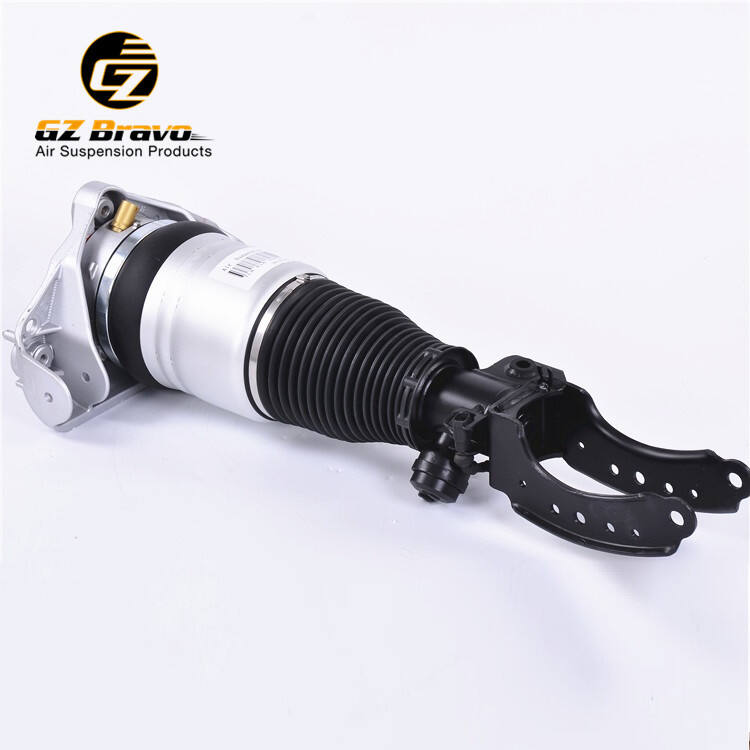
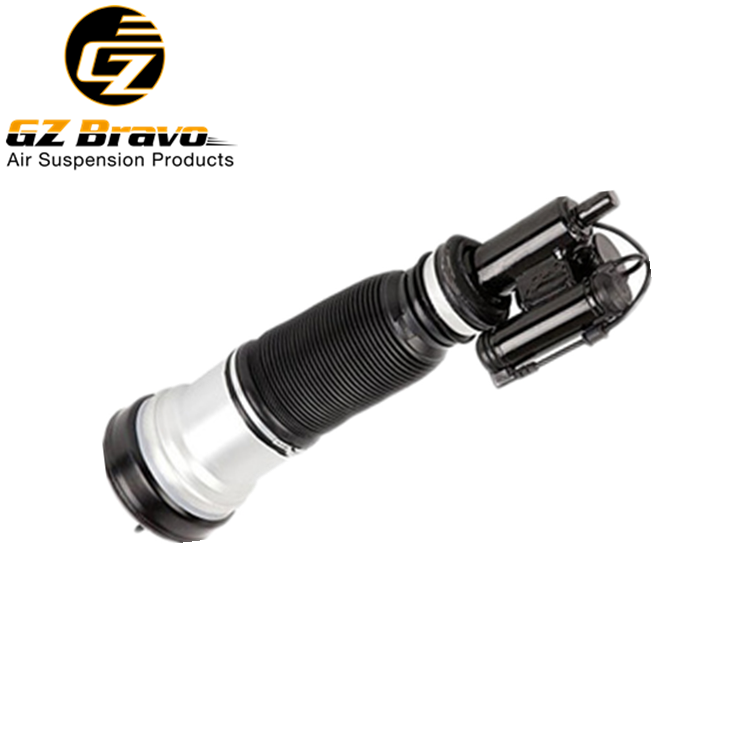
Airmatic Shock Absorber: Advanced Air Suspension Technology for Superior Ride Comfort and Performance

Get a Free Quote

Our representative will contact you soon.
Email
Name
Company Name
Message
0/1000

airmatic shock absorber

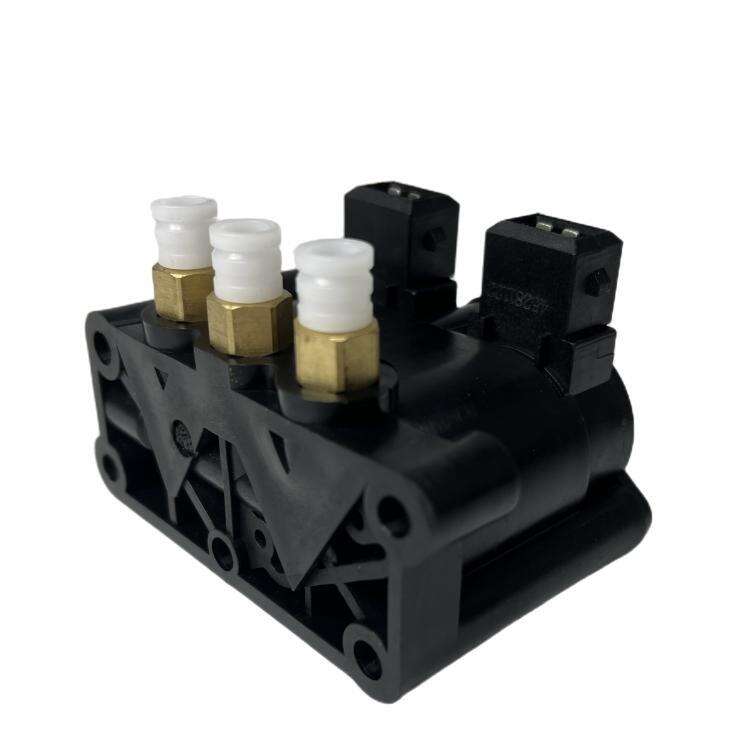
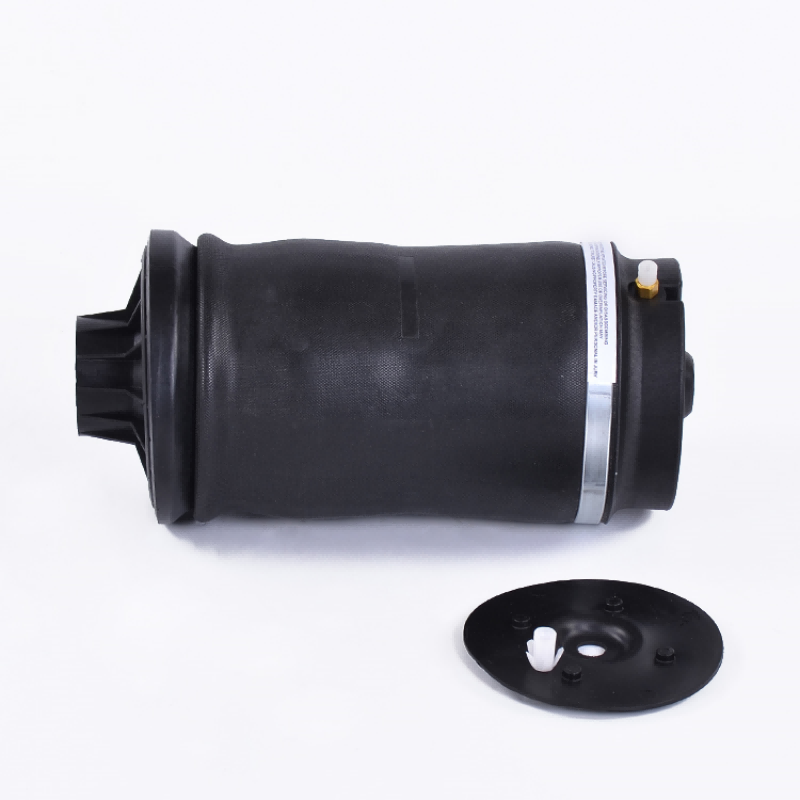
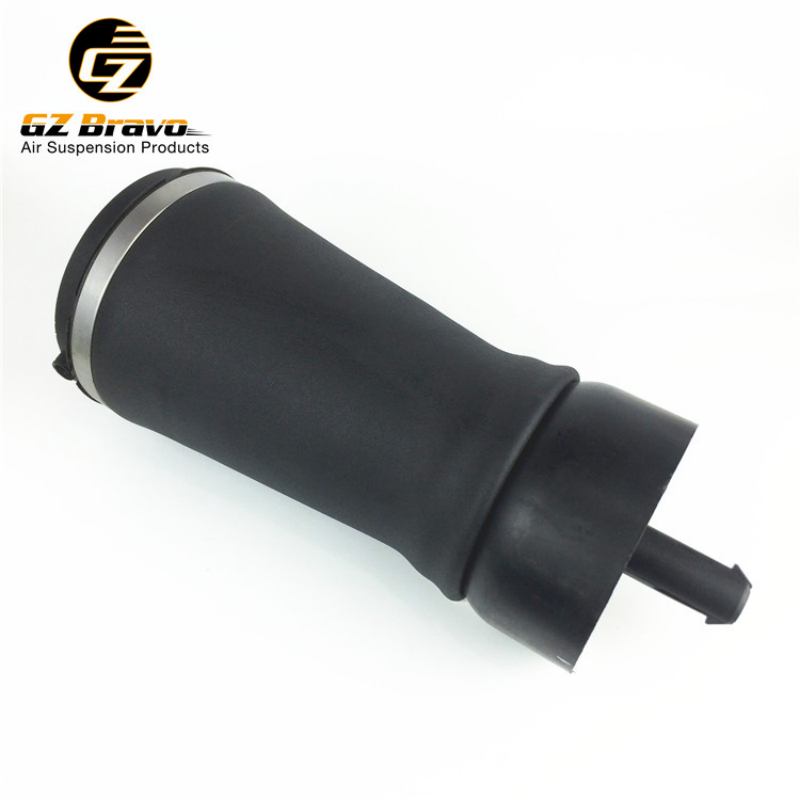
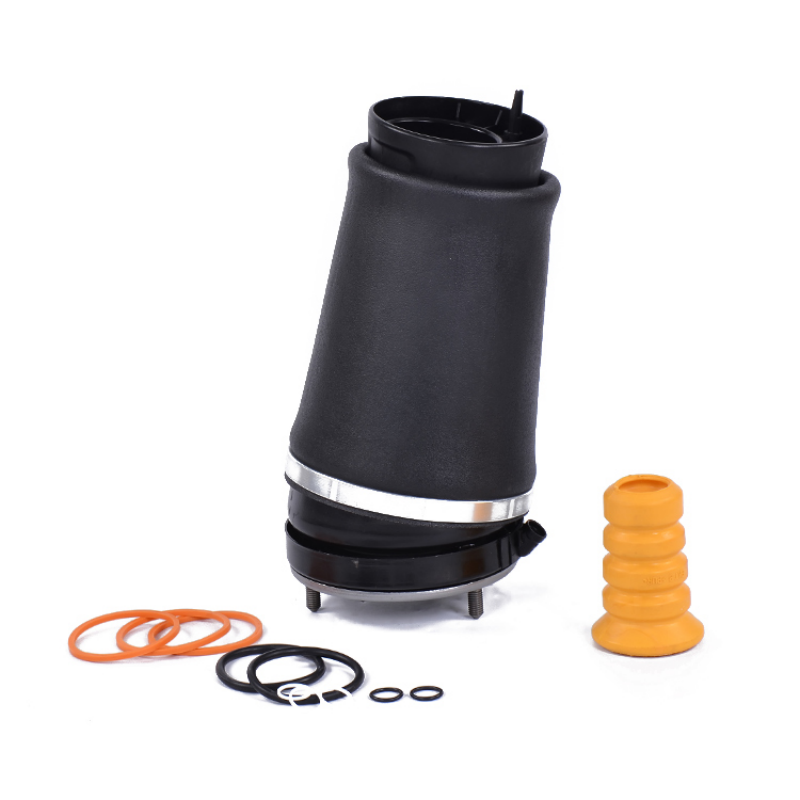
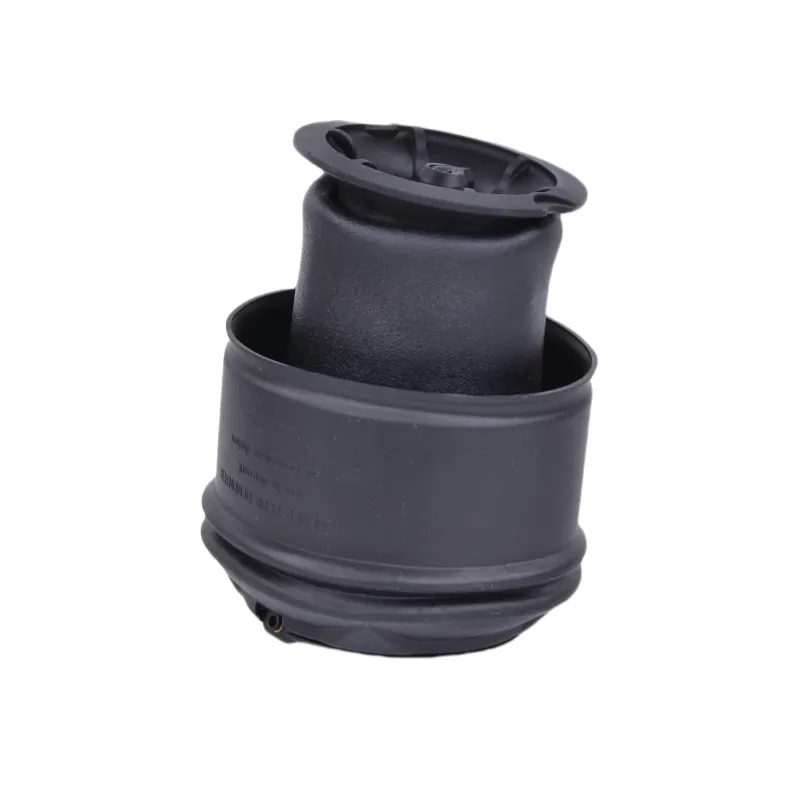
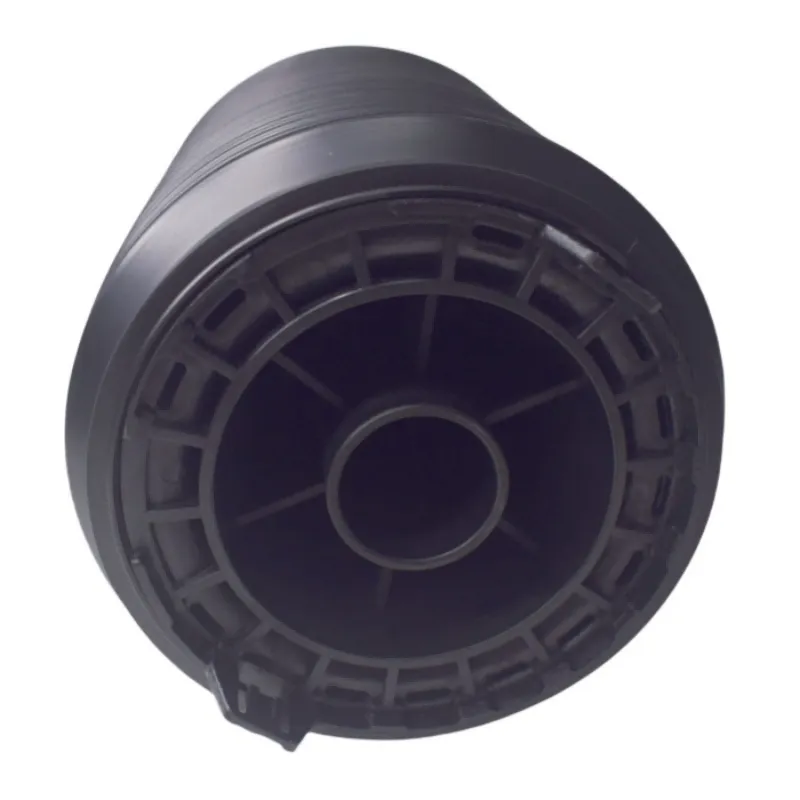
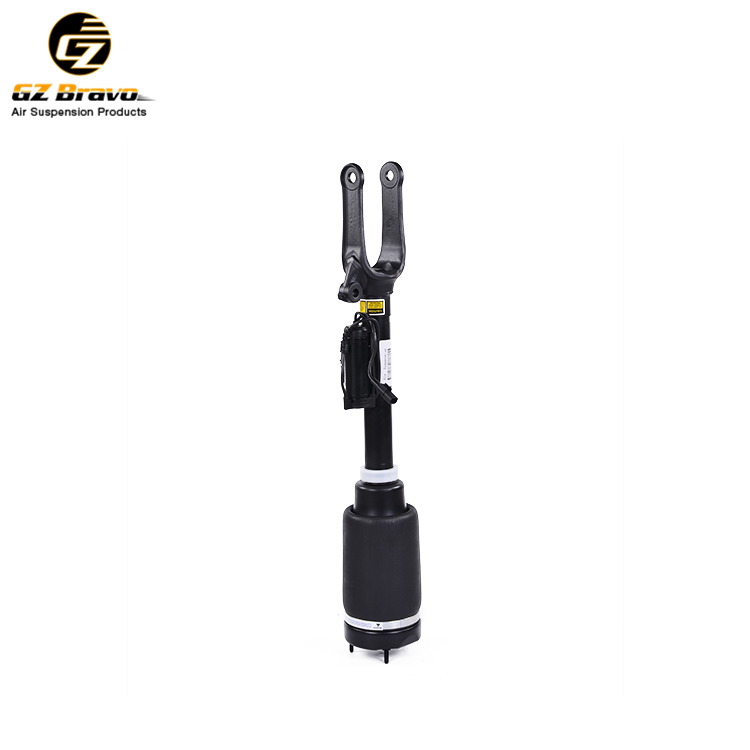
The airmatic shock absorber represents a significant advancement in vehicle suspension technology, combining precision engineering with adaptive performance capabilities. This sophisticated component uses compressed air as its primary medium, replacing traditional coil springs with an air spring system that adjusts automatically to varying road conditions and load requirements. The airmatic shock absorber integrates electronic controls with pneumatic components to deliver a suspension system that actively responds to driving dynamics in real-time. At its core, the technology employs air-filled chambers that can be inflated or deflated based on sensor inputs, allowing the vehicle to maintain optimal ride height regardless of cargo weight or passenger count. The main functions include automatic leveling, which keeps the vehicle balanced when additional weight is added, and adaptive damping, which adjusts shock absorption rates based on road surface conditions and driving style. The airmatic shock absorber also features multiple driving modes, enabling drivers to select comfort-oriented settings for highway cruising or firmer configurations for spirited cornering. Technologically, these systems incorporate pressure sensors, electronic control units, and high-speed solenoid valves that work together seamlessly. The airmatic shock absorber monitors wheel movement, body roll, and acceleration forces hundreds of times per second, making micro-adjustments that traditional suspension systems simply cannot match. Applications span luxury sedans, SUVs, commercial vehicles, and high-performance cars where ride quality and handling precision are paramount. The versatility of the airmatic shock absorber makes it suitable for vehicles that carry varying loads, from empty to fully laden, without compromising comfort or safety. This technology has become increasingly popular in premium automotive segments where discerning customers expect superior ride quality combined with dynamic handling capabilities, proving that the airmatic shock absorber delivers tangible benefits across diverse driving scenarios.


New Products

The airmatic shock absorber delivers numerous practical benefits that directly improve your daily driving experience. First, this system provides exceptional ride comfort by automatically adjusting to road imperfections. When you encounter potholes, bumps, or uneven pavement, the airmatic shock absorber responds instantly, smoothing out impacts that would otherwise jolt passengers. This means less fatigue on long journeys and a more pleasant commute regardless of road quality. The adaptive nature ensures your vehicle always feels composed and controlled, whether you are driving on smooth highways or navigating rough urban streets. Another significant advantage comes from the automatic load-leveling capability. When you load cargo into your vehicle or fill all passenger seats, traditional suspensions sag noticeably, affecting handling and headlight aim. The airmatic shock absorber eliminates this problem by automatically adjusting ride height to compensate for added weight. Your vehicle maintains proper ground clearance and optimal geometry, ensuring consistent performance and safety. This feature proves especially valuable when towing trailers or transporting heavy items, situations where conventional suspensions struggle. The system also enhances fuel efficiency compared to vehicles with compromised suspension under load. Improved handling represents another key benefit of the airmatic shock absorber. The system reduces body roll during cornering, keeping your vehicle flat and stable through turns. This increased stability boosts driver confidence and allows for more precise steering inputs. You will notice improved responsiveness and a more connected feeling between your commands and vehicle behavior. The airmatic shock absorber also extends tire life by maintaining consistent contact patches with the road surface, reducing uneven wear patterns that cost money over time. Ground clearance adjustment capability adds practical versatility. You can raise the vehicle for off-road excursions or navigating steep driveways, then lower it for easier entry and exit or improved aerodynamics at highway speeds. This flexibility makes one vehicle suitable for multiple scenarios without compromise. The airmatic shock absorber operates quietly compared to traditional systems, eliminating the clunking and rattling noises that aging conventional suspensions develop. Maintenance requirements remain reasonable, with sealed components protecting internal elements from contamination. Overall longevity often exceeds traditional suspensions when properly maintained, making the airmatic shock absorber a sound investment that pays dividends through enhanced comfort, safety, and vehicle capability throughout ownership.

Practical Tips

Is air suspension suitable for off-road and heavy-duty driving conditions?

27

May

Is air suspension suitable for off-road and heavy-duty driving conditions?

When drivers and fleet managers consider upgrading or replacing their vehicle's suspension system, one question consistently rises to the top: is air suspension genuinely capable of handling the punishment of off-road terrain and heavy-duty workloads...
View More
Why do manufacturers adopt air suspension systems for luxury vehicle platforms?

27

May

Why do manufacturers adopt air suspension systems for luxury vehicle platforms?

The decision to adopt air suspension systems in luxury vehicle platforms is not an arbitrary engineering choice. It represents a deliberate commitment to delivering a driving experience that consistently exceeds passenger expectations, meets stringen...
View More
What factors affect durability of air suspension components in daily use?

27

May

What factors affect durability of air suspension components in daily use?

When it comes to vehicle ride quality and load management, air suspension components play a central role in delivering comfort, stability, and adaptability across a wide range of driving conditions. Unlike traditional coil spring setups, air-based sy...
View More
Can a solenoid valve block support fast response in adaptive suspension systems?

03

Jun

Can a solenoid valve block support fast response in adaptive suspension systems?

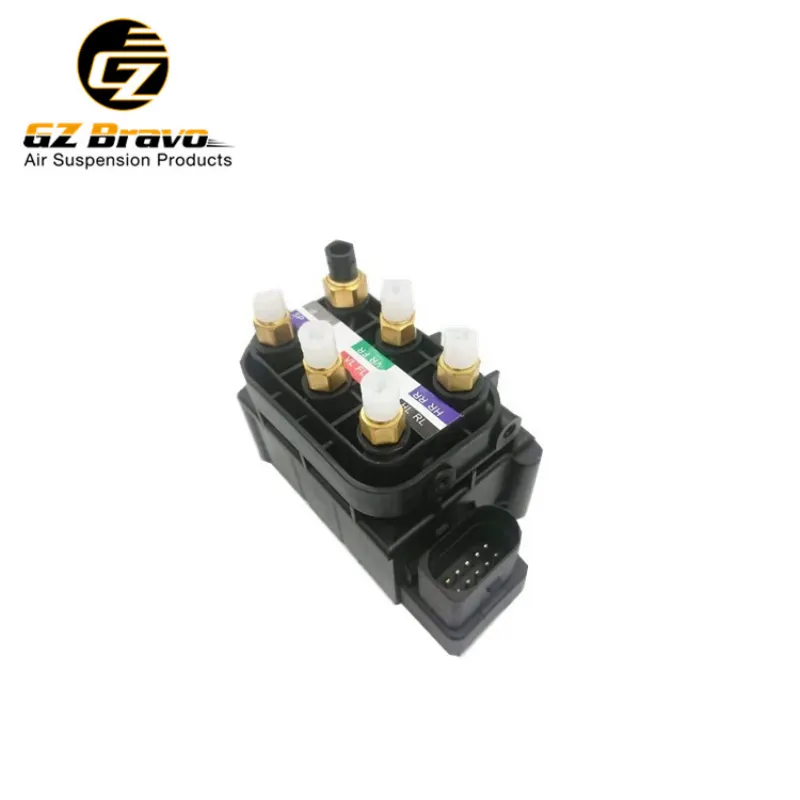
When engineers and automotive specialists evaluate the performance ceiling of adaptive suspension systems, one component consistently emerges as a critical enabler of real-time responsiveness: the solenoid valve block. In air suspension architectures...
View More

Get a Free Quote

Our representative will contact you soon.
Email
Name
Company Name
Message
0/1000

airmatic shock absorber

Adaptive Air Spring Technology for Unmatched Comfort

Adaptive Air Spring Technology for Unmatched Comfort

The airmatic shock absorber employs advanced air spring technology that fundamentally changes how your vehicle interacts with the road surface. Unlike conventional steel coil springs that offer fixed spring rates, the air spring system within each airmatic shock absorber can vary its stiffness infinitely across a broad range. This adaptability stems from the compressible nature of air, which behaves differently at various pressures. When the system detects smooth roads and gentle driving, it reduces air pressure slightly, creating a softer, more compliant ride that absorbs minor imperfections imperceptibly. Passengers experience a floating sensation reminiscent of luxury vehicles costing significantly more. Conversely, when sensors detect aggressive cornering or rough terrain, the airmatic shock absorber instantly increases air pressure, firming up the suspension to prevent excessive body motion and maintain control. This dynamic adjustment happens continuously and automatically, requiring no driver input. The technology includes multiple air chambers within each airmatic shock absorber, allowing for progressive spring rates that become firmer as compression increases. This progressive characteristic prevents harsh bottoming out even during severe impacts while maintaining everyday comfort. The air springs also provide superior isolation from high-frequency vibrations compared to metal springs, reducing the transmission of road noise and harshness into the passenger cabin. This results in a quieter, more refined driving environment where conversations flow naturally and fatigue diminishes on extended trips. The airmatic shock absorber system maintains these comfort benefits regardless of vehicle age, as air springs do not sag or weaken over time like conventional springs. The sealed design protects internal components from moisture and contaminants that degrade traditional suspension elements. Temperature compensation algorithms ensure consistent performance whether you are driving through winter cold or summer heat, as the airmatic shock absorber automatically adjusts pressure to account for air density changes. This comprehensive approach to comfort engineering demonstrates why the airmatic shock absorber has become the preferred choice for manufacturers prioritizing passenger experience and why drivers who experience this technology rarely want to return to conventional suspensions.
Intelligent Load Sensing and Automatic Leveling

Intelligent Load Sensing and Automatic Leveling

The load sensing capability of the airmatic shock absorber represents a breakthrough in practical vehicle functionality. Sophisticated sensors continuously monitor vehicle height at each corner, detecting even small changes that indicate added weight. When you place luggage in the trunk, the airmatic shock absorber immediately recognizes the rear suspension compressing and activates the air compressor to restore proper ride height. This adjustment typically completes within seconds, so quickly that passengers barely notice the correction occurring. The system maintains level stance regardless of how weight distributes across the vehicle, whether concentrated on one side or spread evenly. This automatic leveling delivers multiple practical benefits beyond aesthetics. Proper ride height ensures your headlights aim correctly, preventing you from blinding oncoming drivers or failing to illuminate the road adequately. The airmatic shock absorber also maintains optimal suspension geometry, preserving handling characteristics that would otherwise deteriorate under load. Wheel alignment angles remain within specification, reducing tire wear and maintaining predictable steering response. Ground clearance stays consistent, preventing undercarriage damage when traversing driveways or speed bumps with cargo aboard. For vehicles equipped with towing packages, the airmatic shock absorber proves invaluable by compensating for trailer tongue weight that would otherwise cause severe rear squat. The system allows you to tow near maximum capacity while maintaining safe, controlled vehicle dynamics. The airmatic shock absorber prevents the dangerous nose-up attitude that reduces front tire traction and impairs braking effectiveness. Each corner operates independently, so the system handles uneven loads gracefully, such as when only one rear seat contains a passenger or cargo stacks higher on one side. The intelligence built into the airmatic shock absorber extends to predictive algorithms that anticipate load changes based on door openings and fuel consumption, pre-adjusting to minimize perceptible height changes. Memory functions learn typical load patterns, optimizing response times for your specific usage. The system also provides manual ride height adjustment through cabin controls, letting you raise the vehicle before entering rough terrain or lower it for easier cargo loading. These height changes occur smoothly and safely, with the airmatic shock absorber preventing adjustment during high-speed driving when changes could affect stability. This comprehensive load management makes the airmatic shock absorber essential for anyone who regularly carries varying loads or demands consistent vehicle behavior regardless of cargo.
Enhanced Safety Through Dynamic Stability Control

Enhanced Safety Through Dynamic Stability Control

Safety benefits provided by the airmatic shock absorber extend far beyond basic suspension functions, actively preventing accidents through continuous stability optimization. The system integrates seamlessly with electronic stability control and anti-lock braking systems, sharing sensor data and coordinating responses to maintain vehicle control during emergency maneuvers. When the airmatic shock absorber detects sudden steering inputs indicating evasive action, it instantly firms the suspension to reduce body roll and keep the vehicle flat. This rapid response maintains tire contact patch geometry, maximizing available grip from all four tires simultaneously. The improved grip allows tighter emergency lane changes and more effective accident avoidance. During hard braking, the airmatic shock absorber counteracts forward weight transfer that would normally lighten rear tires and extend stopping distances. By maintaining more balanced weight distribution, the system keeps all four brakes working effectively, reducing stopping distances measurably compared to conventional suspensions. Testing demonstrates that vehicles equipped with airmatic shock absorbers stop several feet shorter from highway speeds, distance that can mean the difference between collision and safe stopping. The technology also enhances stability during split-friction braking scenarios, such as when two wheels encounter ice while the others remain on dry pavement. The airmatic shock absorber adjusts individual corner stiffness to help stability systems maintain straight-line braking despite asymmetric grip levels. Crosswind stability improves significantly with airmatic shock absorbers actively countering lateral forces that push vehicles sideways on highways. The system detects the slight roll that crosswinds induce and applies corrective suspension adjustments that keep the vehicle tracking straight with minimal steering correction required from the driver. This reduces driver workload and fatigue during windy conditions, enhancing safety through reduced distraction. The airmatic shock absorber also improves rollover resistance by lowering the vehicle's center of gravity during highway driving and stiffening the suspension during maneuvers that could induce rollover. This protection proves especially valuable in taller vehicles where rollover risk increases. Tire wear patterns remain more uniform with airmatic shock absorbers maintaining proper camber angles under varying loads, ensuring predictable handling throughout tire life rather than degrading as tires wear unevenly. The system alerts drivers to malfunctions immediately, preventing continued operation with compromised suspension that could affect safety. Fail-safe modes ensure the airmatic shock absorber maintains basic functionality even if certain components fail, allowing safe transit to service facilities. These comprehensive safety enhancements make the airmatic shock absorber a critical component for protecting vehicle occupants and other road users.

Get a Free Quote

Our representative will contact you soon.
Email
Name
Company Name
Message
0/1000