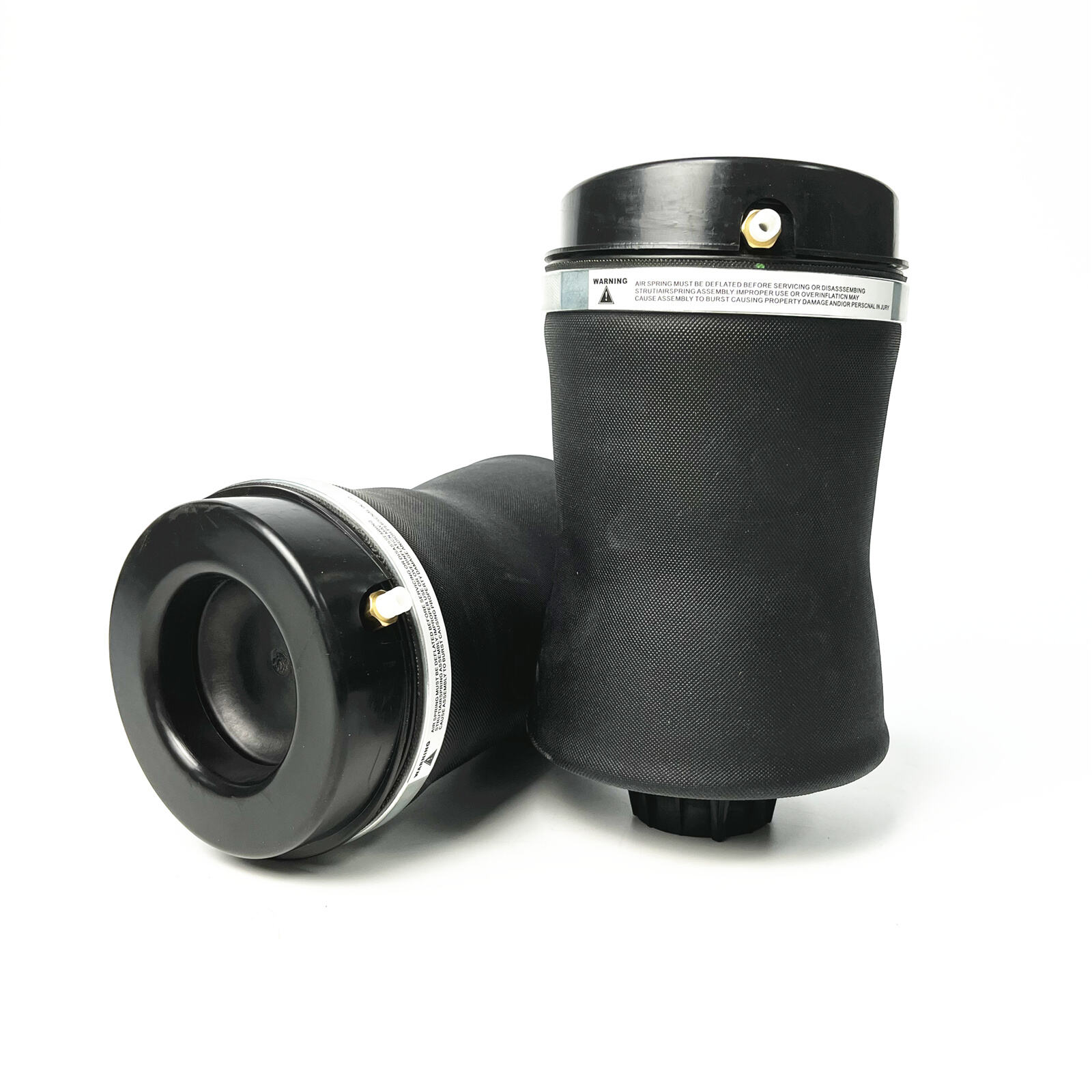
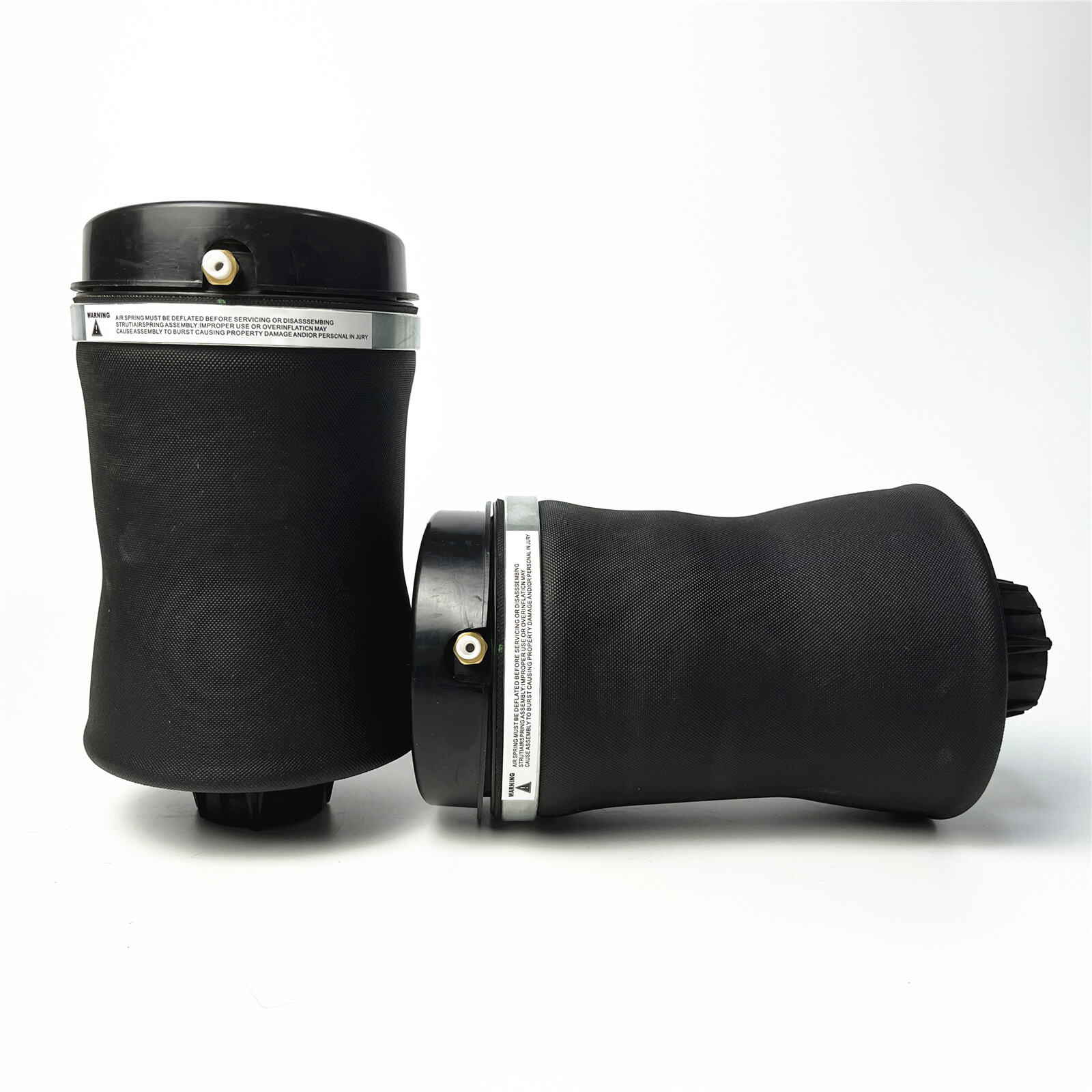
Airbag Suspension Systems: Advanced Pneumatic Technology for Superior Ride Quality and Load Management

Get a Free Quote

Our representative will contact you soon.
Email
Name
Company Name
Message
0/1000

airbag suspension

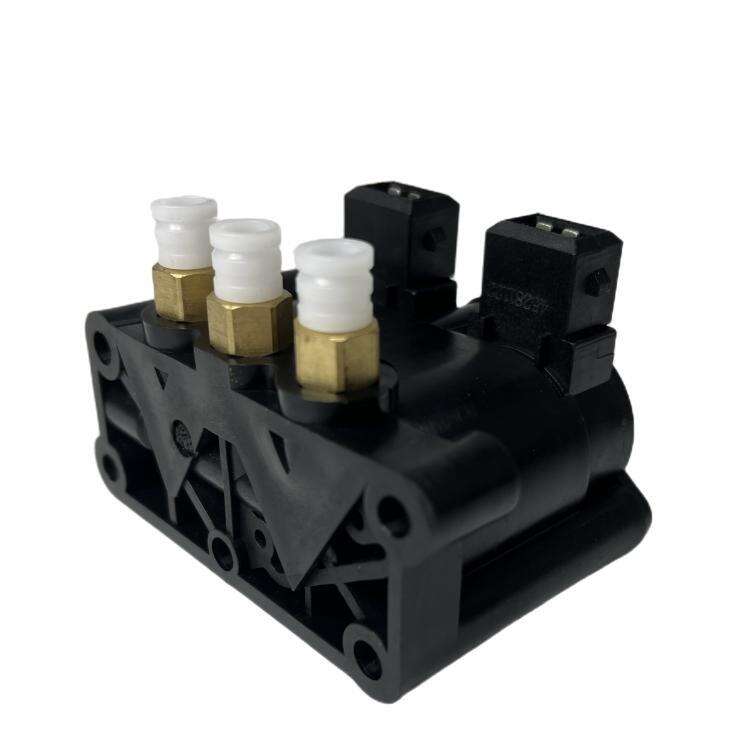
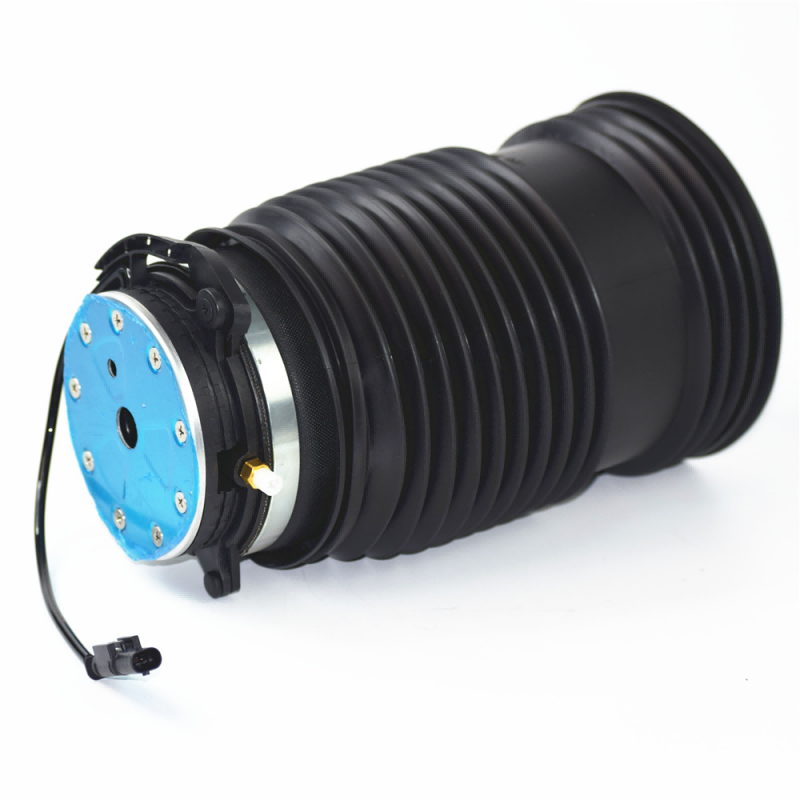
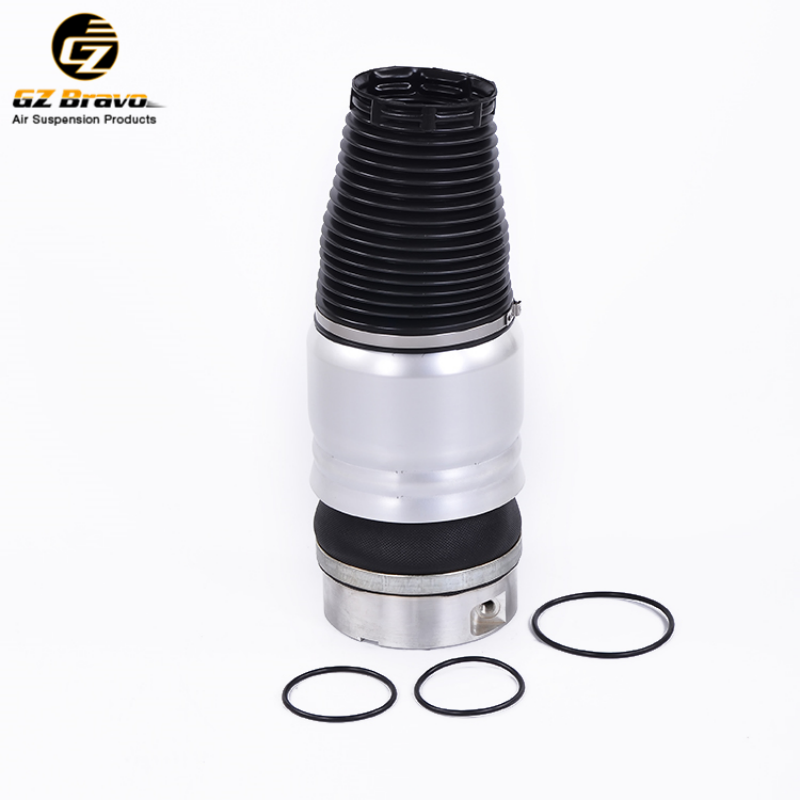
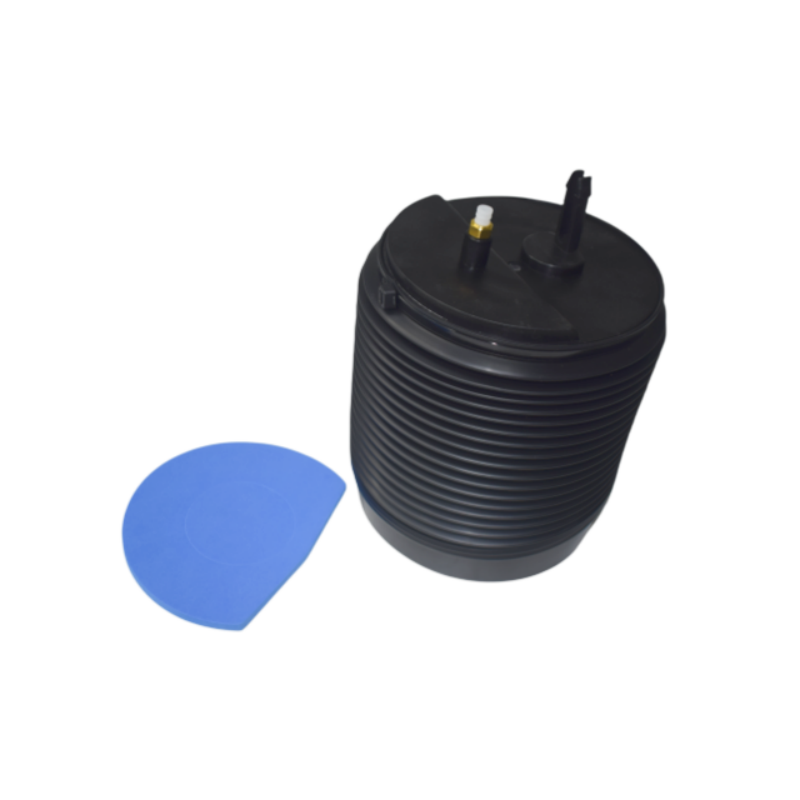
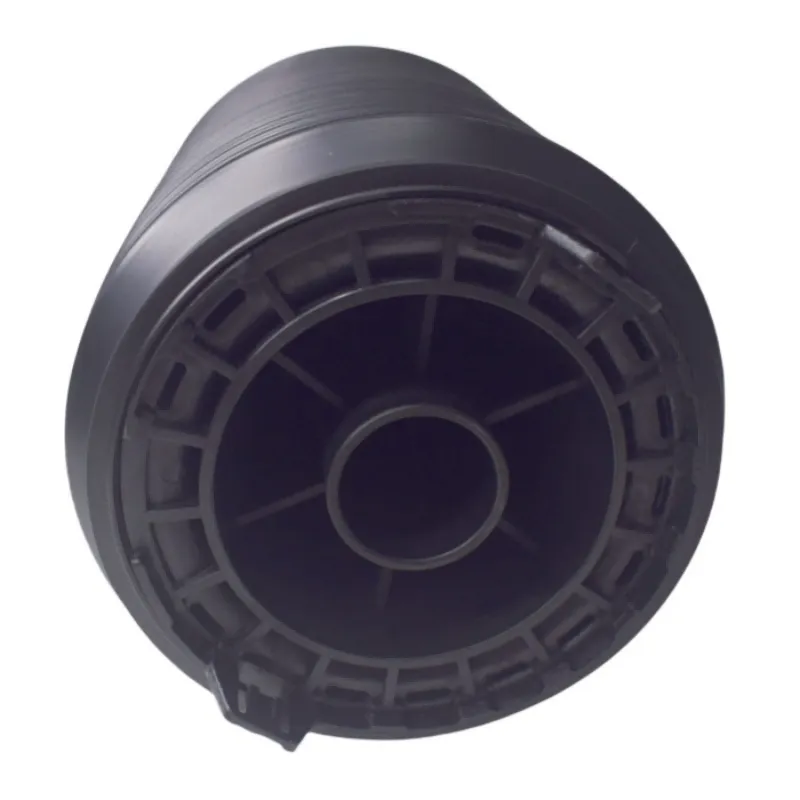
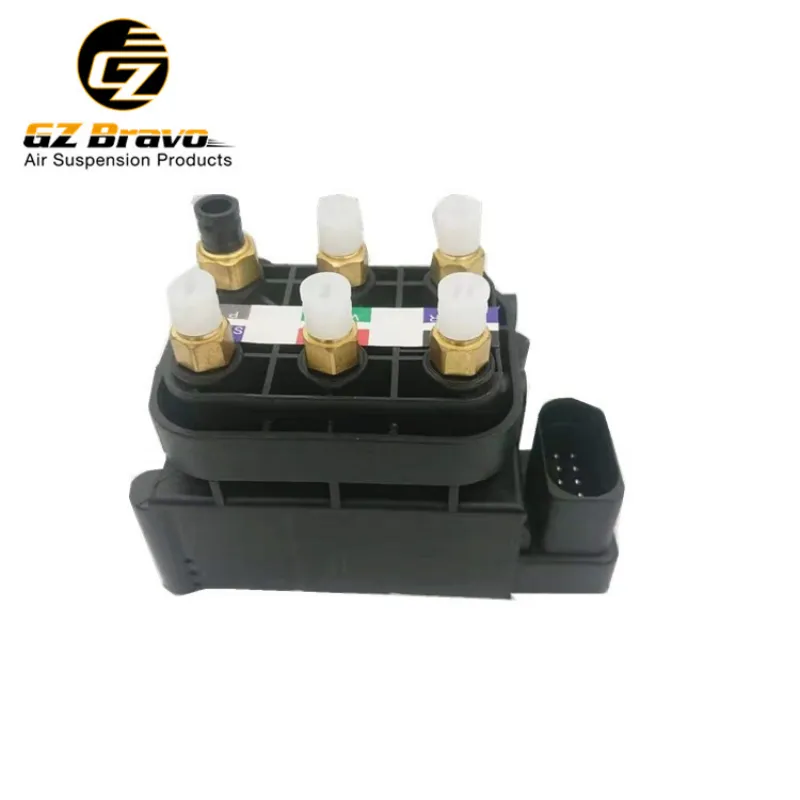
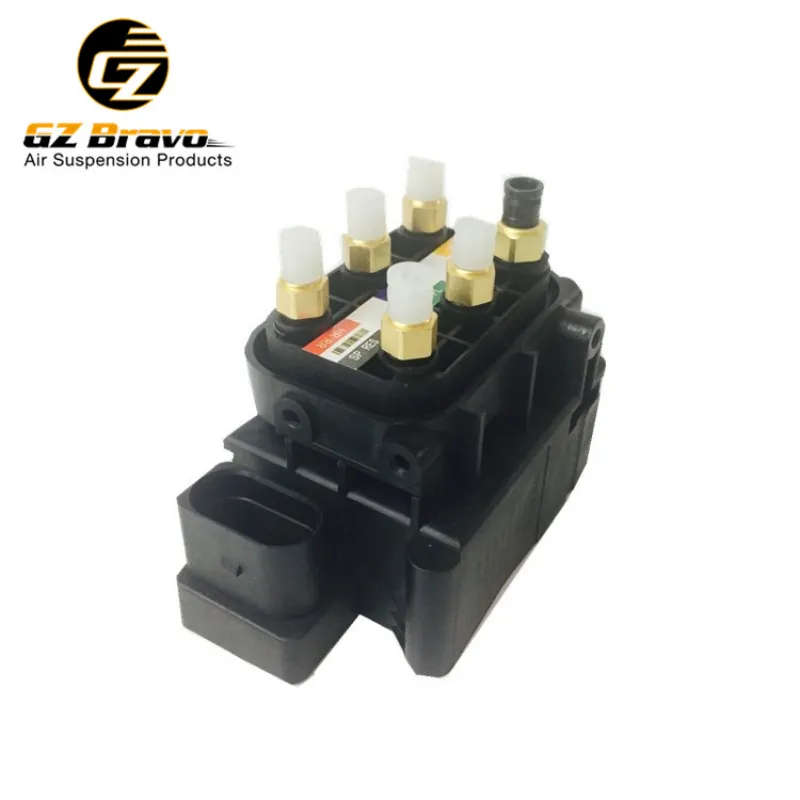
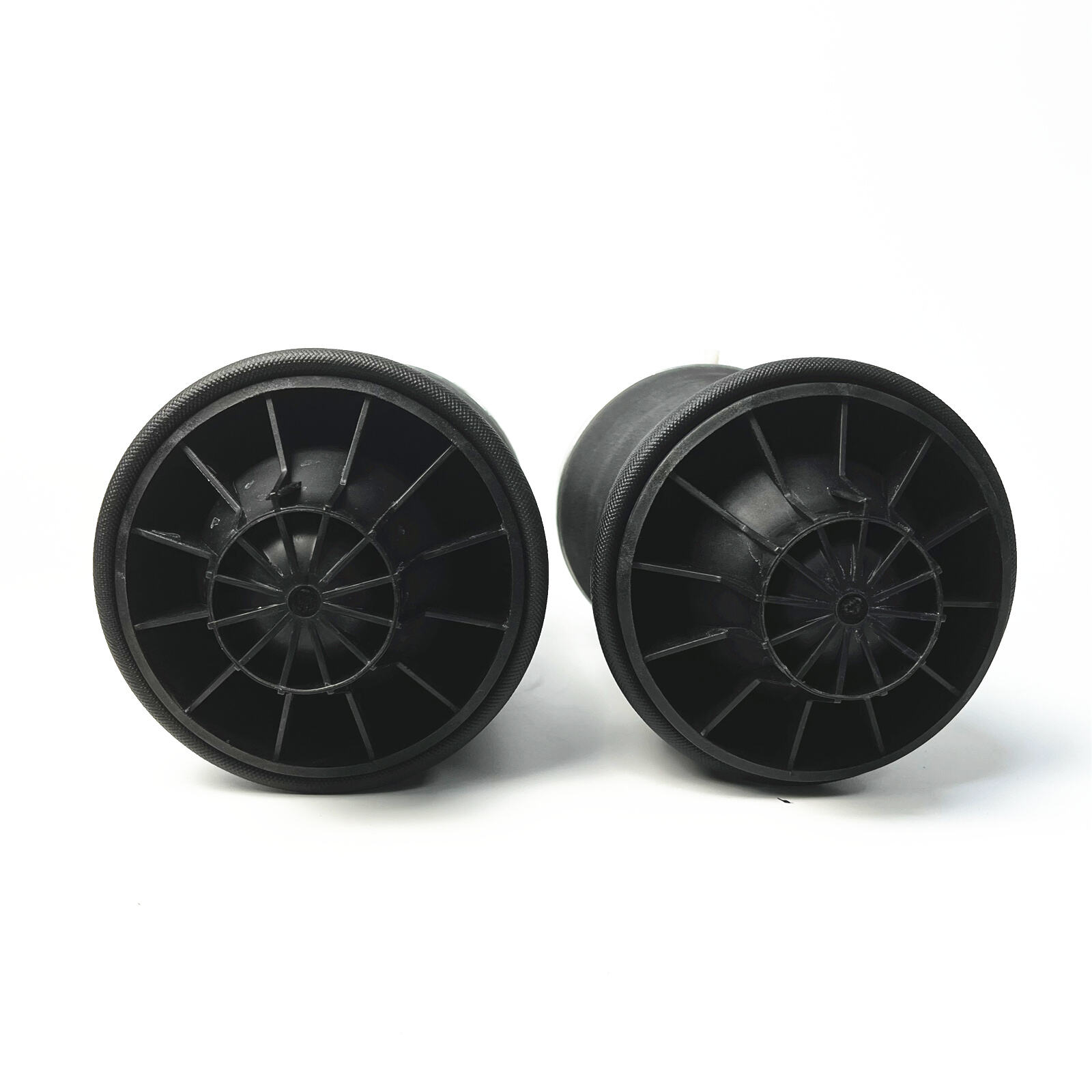
Airbag suspension represents a sophisticated pneumatic system that replaces traditional coil springs or leaf springs with flexible air-filled rubber bags to support vehicle weight and absorb road impacts. This technology utilizes compressed air as the primary medium for cushioning and load management, offering dynamic adjustability that mechanical suspension systems cannot match. The main functions of airbag suspension include maintaining consistent ride height regardless of load variations, delivering superior comfort by dampening vibrations and shocks from uneven road surfaces, and providing operators with the ability to adjust vehicle height on demand for different driving conditions or cargo requirements. Technological features that distinguish this system include electronic control modules that monitor and regulate air pressure in real-time, height sensors that detect changes in vehicle position, air compressors that generate necessary pressure levels, and precision valves that distribute air between individual bags. The system operates through a network of interconnected components working harmoniously to achieve optimal performance across various scenarios. Applications for airbag suspension span multiple vehicle categories and industries. Commercial trucks benefit enormously from this technology as it helps protect sensitive cargo during transport while improving driver comfort on long hauls. Luxury passenger vehicles incorporate these systems to deliver premium ride quality that adapts to passenger count and luggage weight. Recreational vehicles and motorhomes rely on airbag suspension to level the vehicle when parked on uneven terrain and maintain stability during travel. Performance vehicles use adjustable air suspension to lower ride height for improved aerodynamics at high speeds or raise clearance for navigating obstacles. Even industrial equipment and specialty vehicles employ this technology where precise height control and load management prove essential for operational efficiency and safety compliance.

Popular Products

The primary advantage of airbag suspension lies in its remarkable versatility and adaptability to changing conditions. Unlike fixed mechanical springs that offer only one compression rate, this system adjusts firmness and support characteristics based on current needs. When your vehicle carries heavy loads, the system automatically increases air pressure to prevent sagging and maintain proper ride height, ensuring consistent handling and preventing damage to undercarriage components. Conversely, when traveling light, pressure decreases to provide a softer, more comfortable ride that absorbs minor road imperfections effectively. This self-leveling capability eliminates the nose-down stance that often occurs when towing trailers or hauling cargo in traditional suspension setups. Comfort improvements represent another significant benefit that drivers and passengers notice immediately. The pneumatic cushioning provided by air-filled bags delivers superior isolation from road harshness compared to metal springs. Sharp bumps, potholes, and expansion joints that would normally transmit jarring impacts through the vehicle frame get absorbed smoothly, reducing fatigue on long journeys and protecting occupants from uncomfortable jolts. This enhanced comfort extends beyond passengers to cargo as well, making these systems invaluable for transporting fragile goods, sensitive equipment, or valuable items that require gentle handling throughout transit. The adjustable nature of airbag suspension also provides practical benefits for everyday usability. Drivers can raise vehicle height to increase ground clearance when traversing rough terrain, deep snow, or steep driveways, then lower it back down for easier entry and exit or improved fuel efficiency on highways. Loading and unloading heavy items becomes simpler when you can lower the rear of a truck or SUV to reduce lift height. Trailer hookup procedures get streamlined when precise height adjustment brings the hitch to the perfect alignment with the trailer coupler. Vehicle dynamics see measurable improvements as well, with better weight distribution contributing to enhanced stability during cornering, reduced body roll in turns, and improved braking performance. Maintenance advantages also factor into the overall value proposition, as airbag suspension components typically experience less wear than traditional springs because the air medium does not suffer from metal fatigue or permanent deformation over time. Many systems include diagnostic capabilities that alert operators to potential issues before they become serious problems, enabling proactive maintenance that prevents unexpected failures and costly repairs.

Latest News

Why do manufacturers adopt air suspension systems for luxury vehicle platforms?

27

May

Why do manufacturers adopt air suspension systems for luxury vehicle platforms?

The decision to adopt air suspension systems in luxury vehicle platforms is not an arbitrary engineering choice. It represents a deliberate commitment to delivering a driving experience that consistently exceeds passenger expectations, meets stringen...
View More
How does a solenoid valve block improve airflow management in suspension setups?

03

Jun

How does a solenoid valve block improve airflow management in suspension setups?

Modern air suspension systems depend on precise control of pressurized air to deliver the ride comfort and handling performance that drivers expect. At the center of this control architecture sits the solenoid valve block, a compact but critically im...
View More
Is a solenoid valve block essential for precise control in air suspension systems?

03

Jun

Is a solenoid valve block essential for precise control in air suspension systems?

The question of whether a solenoid valve block is truly essential for precise control in air suspension systems is one that every vehicle owner, fleet manager, and automotive technician should understand clearly. Air suspension systems are complex, p...
View More
How does a solenoid valve block improve suspension adjustment accuracy?

03

Jun

How does a solenoid valve block improve suspension adjustment accuracy?

Modern air suspension systems rely on a precise network of components to deliver a smooth, controlled ride — and at the heart of that network sits the solenoid valve block. This compact but critical assembly governs how compressed air is distri...
View More

Get a Free Quote

Our representative will contact you soon.
Email
Name
Company Name
Message
0/1000

airbag suspension

Intelligent Load Management and Self-Leveling Technology

Intelligent Load Management and Self-Leveling Technology

The intelligent load management capability of airbag suspension stands as one of its most valuable features for vehicle owners who regularly deal with varying cargo weights or passenger configurations. This advanced system continuously monitors vehicle position through multiple sensors strategically placed around the chassis, detecting even minor changes in weight distribution or ride height. When additional load gets added to the vehicle, whether passengers climbing aboard, cargo placed in the bed, or a trailer connected to the hitch, the electronic control module immediately recognizes the increased weight through pressure changes and height sensor readings. Within seconds, the system responds by commanding the air compressor to generate additional pressure and directing that compressed air through precision valves to specific airbag suspension units that require reinforcement. This automated response maintains the vehicle at its optimal ride height, preventing the rear end from squatting under load or the front from lifting when weight shifts rearward. The practical benefits of this technology extend far beyond mere aesthetics of keeping the vehicle level. Proper ride height directly impacts safety by ensuring headlights remain aimed correctly rather than pointing skyward when the rear drops, maintaining proper alignment between vehicle and trailer for stable towing, and preserving designed suspension geometry that affects handling characteristics. Professional drivers appreciate how this system eliminates the need for manual adjustments or add-on helper springs that previous generations relied upon. The self-leveling function operates transparently in the background, requiring no intervention from the operator while delivering consistent performance regardless of load variations throughout the day. Fleet operators particularly value this feature as it helps standardize vehicle behavior across different loading conditions, making driver training simpler and reducing the likelihood of handling-related incidents. The system also protects mechanical components from premature wear by preventing overextension of shocks, excessive stress on leaf springs or control arms, and uneven tire wear patterns that develop when vehicles operate outside their designed ride height range for extended periods.
Customizable Ride Quality and Height Adjustment

Customizable Ride Quality and Height Adjustment

The customizable nature of airbag suspension empowers vehicle owners with unprecedented control over their driving experience and vehicle capabilities. Through dashboard-mounted controls or smartphone applications in modern implementations, operators can select from multiple preset ride modes or manually adjust suspension characteristics to match specific situations and personal preferences. Sport modes firm up the suspension by increasing air pressure across all corners, reducing body roll during aggressive cornering and creating a more connected feel between driver and road. Comfort modes soften the ride by decreasing pressure slightly, allowing the airbags to absorb more impact energy from rough pavement and deliver a luxurious, isolated experience that minimizes fatigue on extended highway drives. The height adjustment capability opens up entirely new possibilities for vehicle utilization that traditional suspension systems cannot accommodate. Off-road enthusiasts can raise their vehicles several inches to clear obstacles like rocks, logs, or deep ruts that would otherwise scrape undercarriage components or cause the vehicle to become stuck. This increased ground clearance proves equally valuable in winter conditions where deep snow accumulation on unplowed roads would otherwise prevent passage. Urban drivers benefit from the opposite capability, lowering their vehicles to reduce wind resistance and improve fuel economy during highway cruising, then raising back up to navigate steep driveway approaches or speed bumps without scraping. The adjustment range typically spans four to six inches depending on system design, providing substantial versatility without compromising suspension travel or ride quality at any setting. Loading dock workers and service professionals who frequently need to transfer heavy items in and out of vehicles save considerable physical effort by lowering the cargo area to waist height, eliminating excessive lifting and reducing injury risk. RV owners use height adjustment to level their motorhomes on sloped campsites, ensuring appliances function correctly and interior floors remain comfortable for walking. Show car enthusiasts achieve the aggressive stance desired for automotive events by dropping their vehicles to minimum height, then raise them back to legal ride height for street driving. This flexibility eliminates the compromise inherent in fixed suspension systems where owners must choose a single setup that may not serve all purposes equally well.
Enhanced Durability and Reduced Long-Term Maintenance

Enhanced Durability and Reduced Long-Term Maintenance

Airbag suspension systems deliver impressive durability advantages that translate into lower ownership costs and reduced maintenance headaches over the vehicle's lifespan. The fundamental difference in how these systems handle stress compared to traditional metal springs explains much of this longevity benefit. Conventional coil springs and leaf springs absorb impacts through physical deformation of metal, repeatedly flexing and returning to shape millions of times throughout their service life. This constant cycling gradually weakens the metal structure through fatigue, eventually causing springs to sag, crack, or break entirely. The compressed air medium in airbag suspension operates fundamentally differently, cushioning impacts through compression and expansion of gas molecules rather than physical deformation of solid components. The rubber and reinforced fabric materials used in modern airbag construction resist degradation remarkably well when properly manufactured, with many installations exceeding ten years of service without requiring replacement. Quality airbag suspension components incorporate multiple protective layers including inner air retention barriers, reinforcing fabric plies, and outer weather-resistant covers that shield against ultraviolet radiation, ozone exposure, road chemicals, and temperature extremes. Manufacturers subject these materials to rigorous testing protocols simulating years of exposure to ensure reliability under real-world conditions. The reduced maintenance requirements extend beyond the air springs themselves to other suspension components that benefit from the system's load-leveling capabilities. When vehicles maintain consistent ride height regardless of load, shock absorbers operate within their optimal range rather than being forced into extreme extension or compression positions that accelerate wear. Bushings and joints experience more uniform loading patterns that extend service intervals. Tires wear more evenly when proper alignment geometry gets maintained continuously rather than varying with load changes. The electronic monitoring built into modern airbag suspension systems provides another durability advantage by enabling predictive maintenance approaches. Onboard diagnostics continuously check system pressure, compressor operation, valve function, and sensor readings, alerting operators to developing issues before complete failure occurs. This early warning capability allows scheduled repairs during convenient maintenance windows rather than unexpected breakdowns that disrupt operations and potentially strand vehicles in inconvenient locations. Many systems store fault codes and performance data that help technicians quickly diagnose problems, reducing diagnostic time and repair costs compared to troubleshooting traditional suspension issues through visual inspection and test driving alone.


Get a Free Quote

Our representative will contact you soon.
Email
Name
Company Name
Message
0/1000