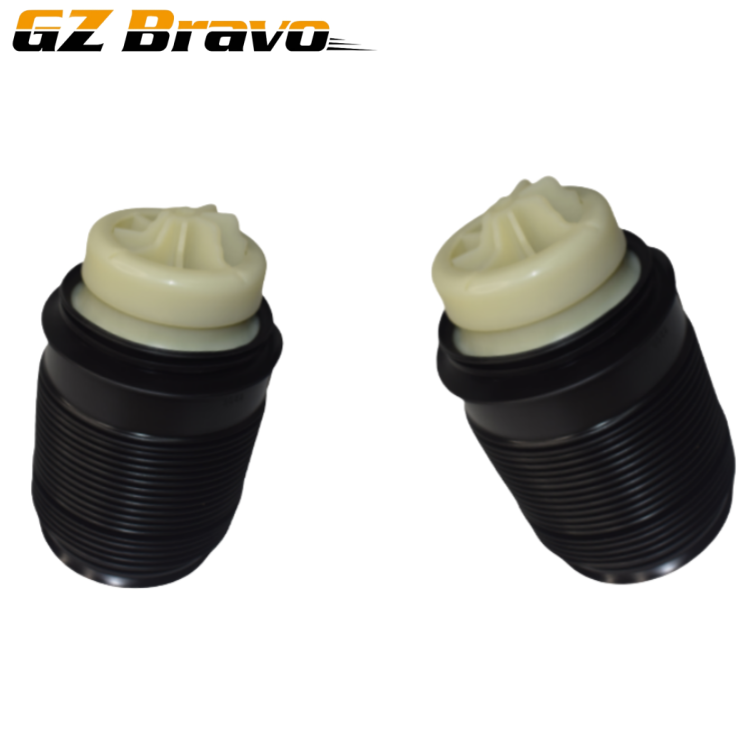
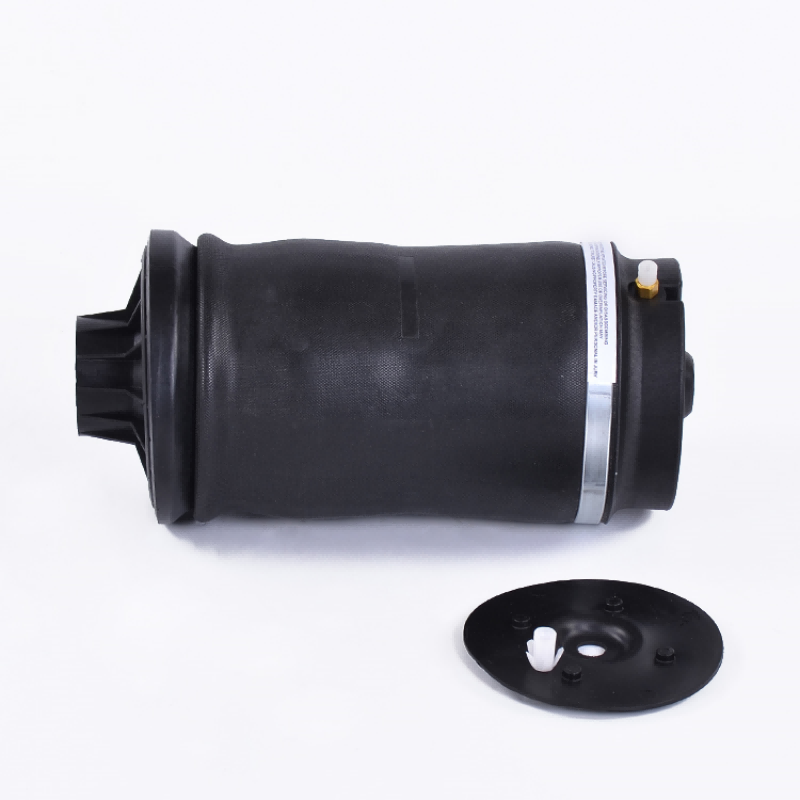
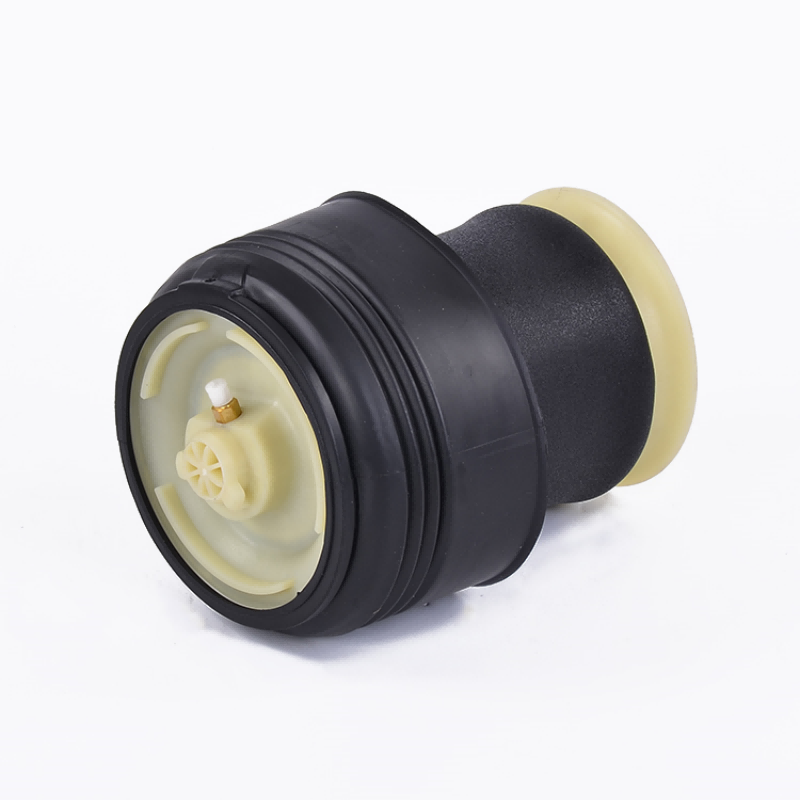
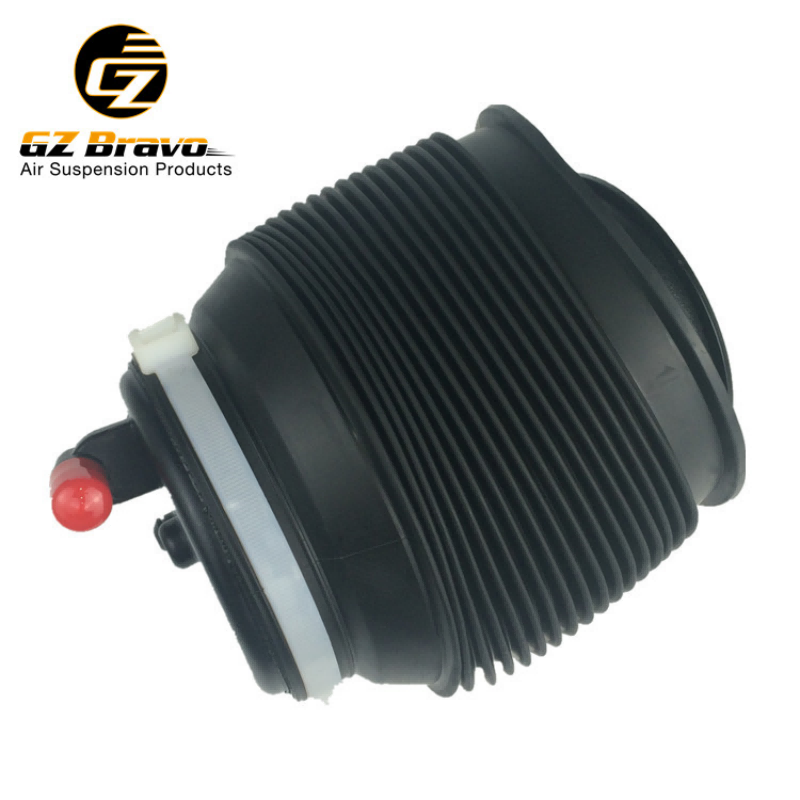
suspension air bag
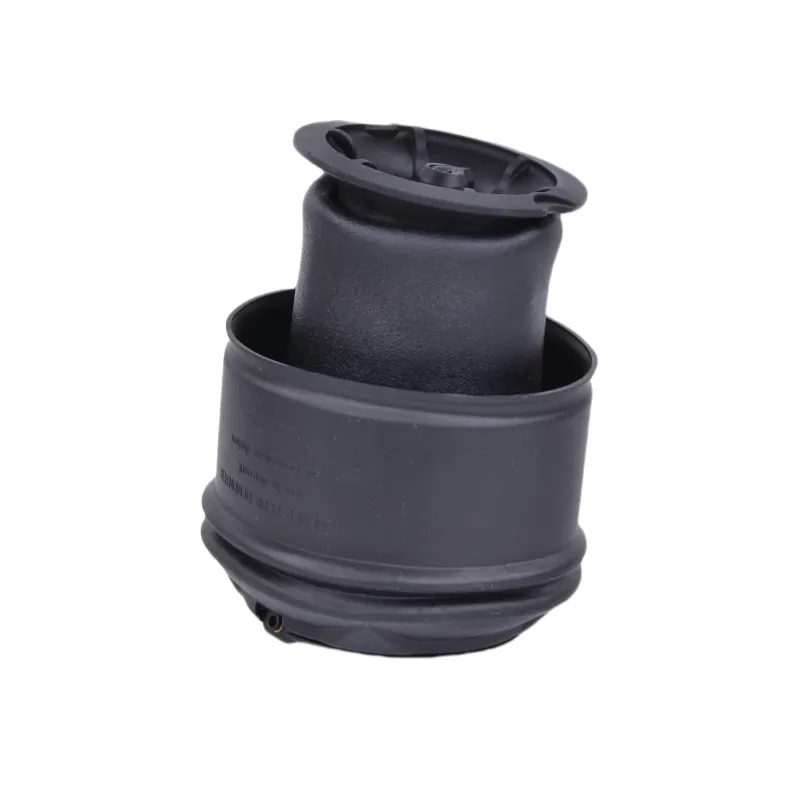
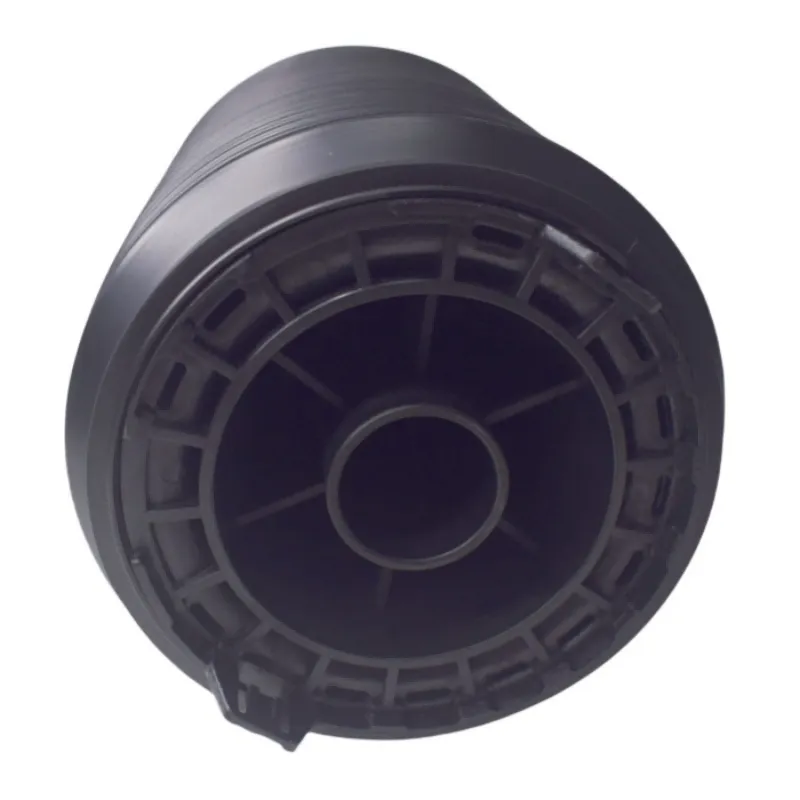
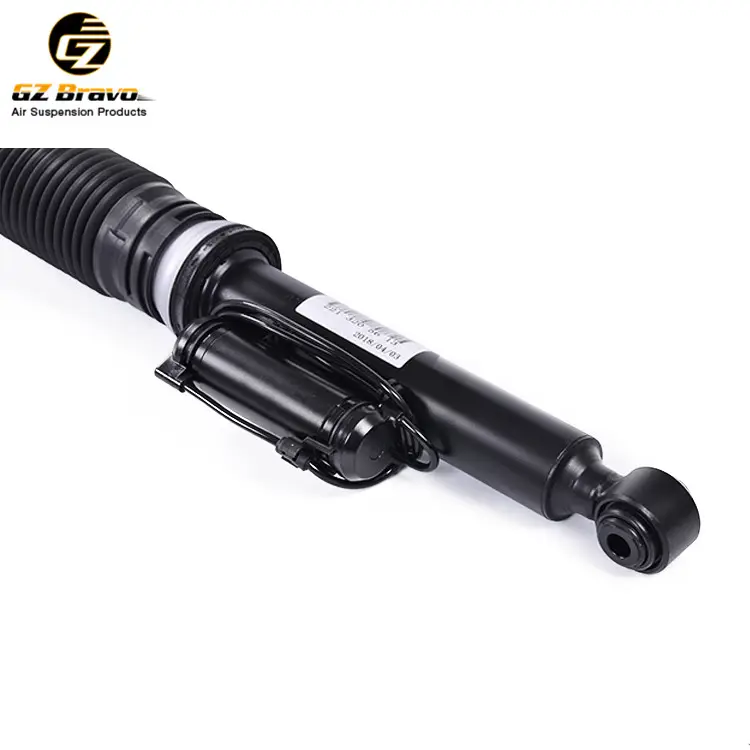
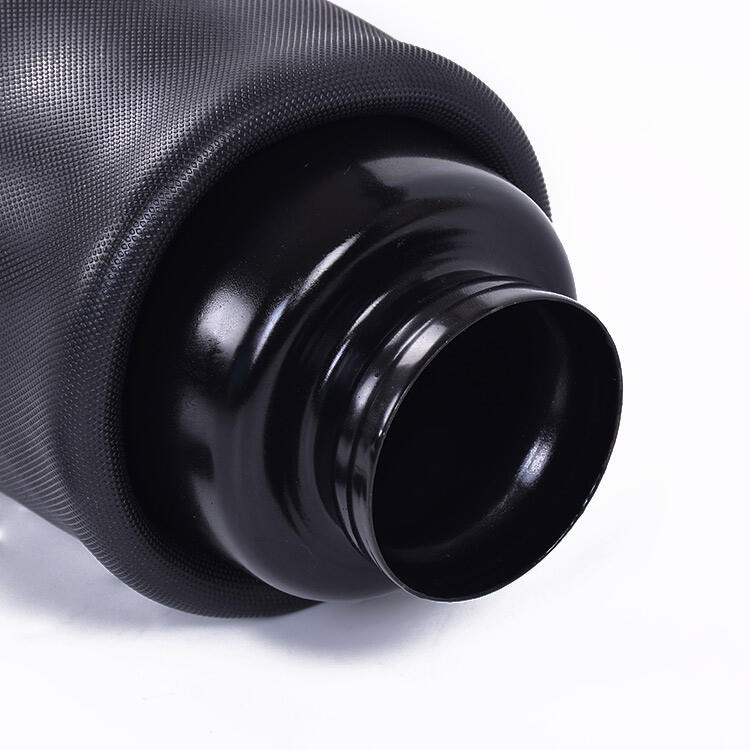
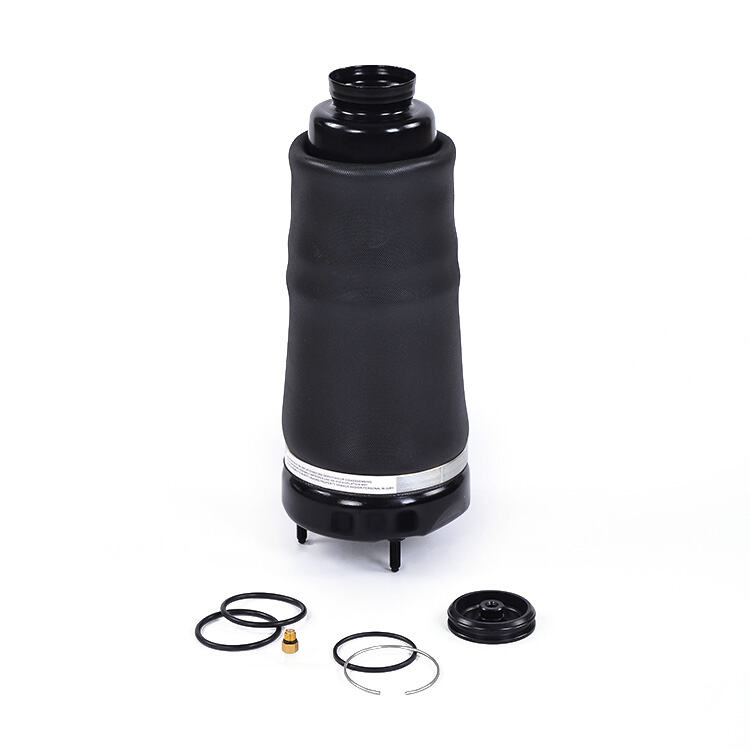
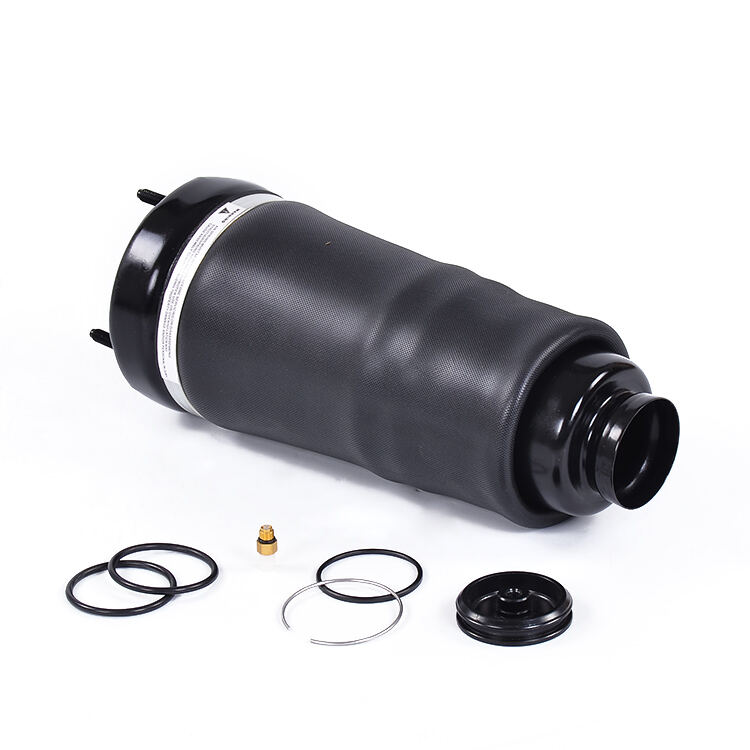
The suspension air bag represents a sophisticated pneumatic component that has revolutionized modern vehicle suspension systems. This innovative technology replaces traditional coil springs or leaf springs with flexible, reinforced rubber bladders filled with compressed air. The suspension air bag operates by using air pressure to support the vehicle's weight and absorb road irregularities, providing a smoother and more controlled ride experience. These components are engineered with multiple layers of rubber and fabric reinforcement, creating a durable structure capable of withstanding extreme loads and environmental conditions. The primary function of the suspension air bag is to maintain optimal vehicle height regardless of load variations, ensuring consistent ground clearance and handling characteristics. Modern suspension air bag systems incorporate electronic controls that automatically adjust air pressure based on driving conditions, load weight, and road surface quality. This adaptability makes them particularly valuable in commercial vehicles, luxury cars, and specialized transportation applications. The technology allows for precise adjustment of ride stiffness, enabling drivers to customize their experience from soft and comfortable to firm and responsive. Beyond basic suspension duties, the suspension air bag plays a crucial role in vehicle stability, reducing body roll during cornering and minimizing pitch during acceleration and braking. These components are manufactured using advanced materials that resist degradation from UV exposure, ozone, oil, and temperature extremes. The design incorporates fail-safe features, including pressure monitoring systems and emergency deflation capabilities. Installation versatility makes the suspension air bag suitable for retrofit applications, allowing older vehicles to benefit from modern suspension technology. The system's ability to level loads automatically proves invaluable for trucks, buses, and trailers carrying variable cargo weights, ensuring proper weight distribution and tire contact with the road surface.

 EN