Extended Vehicle and Component Longevity
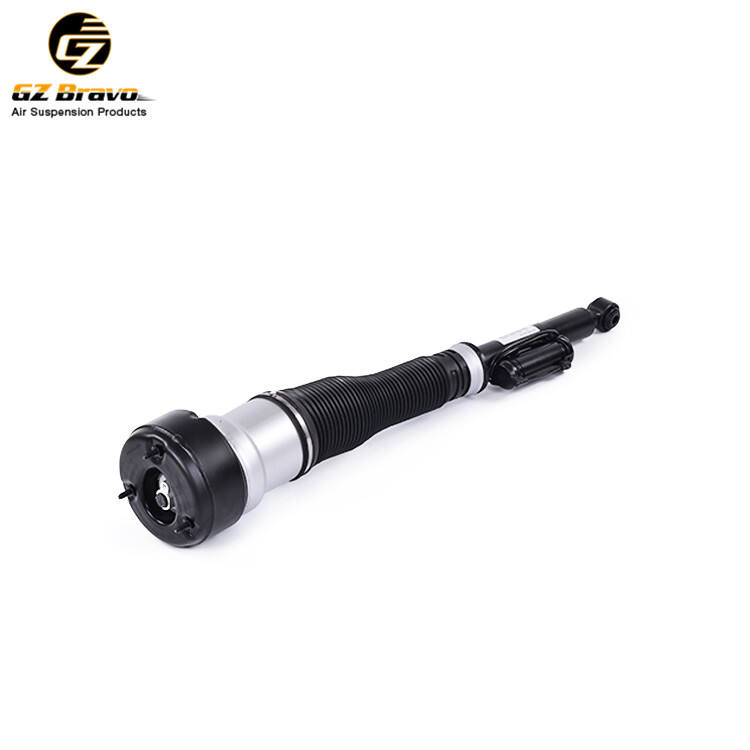
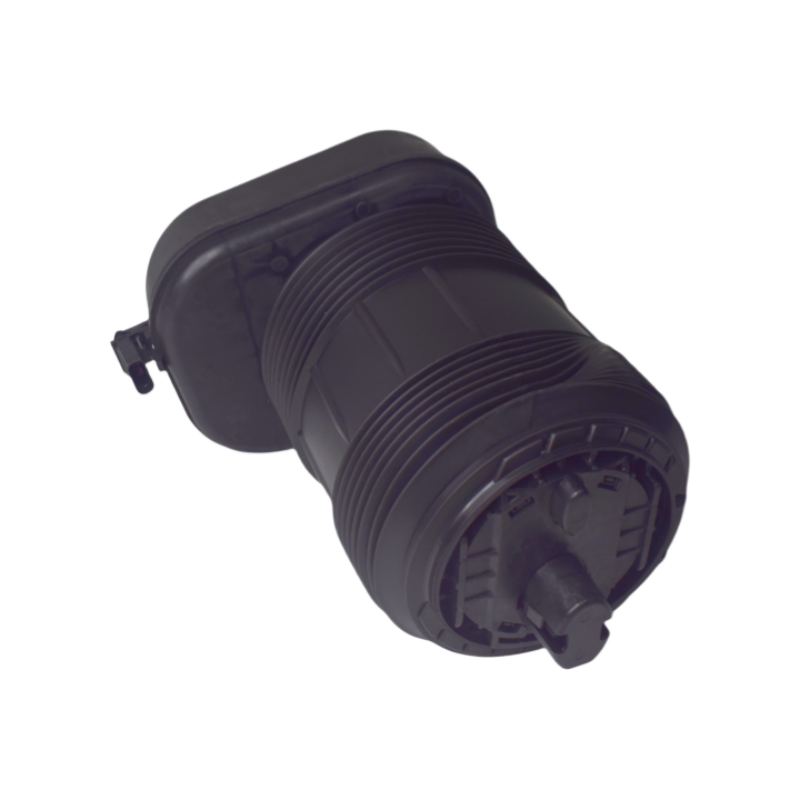
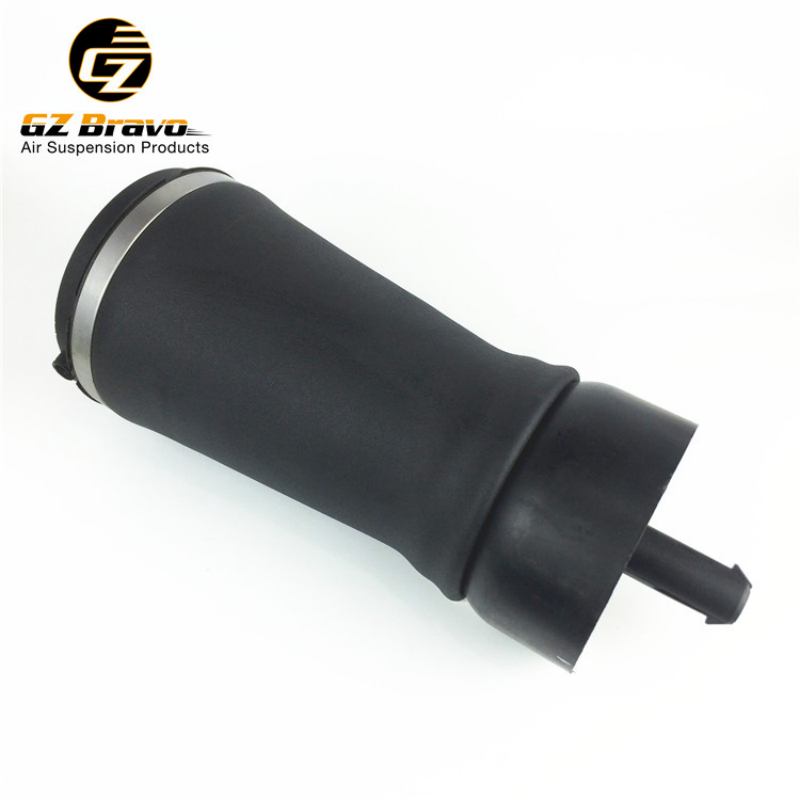
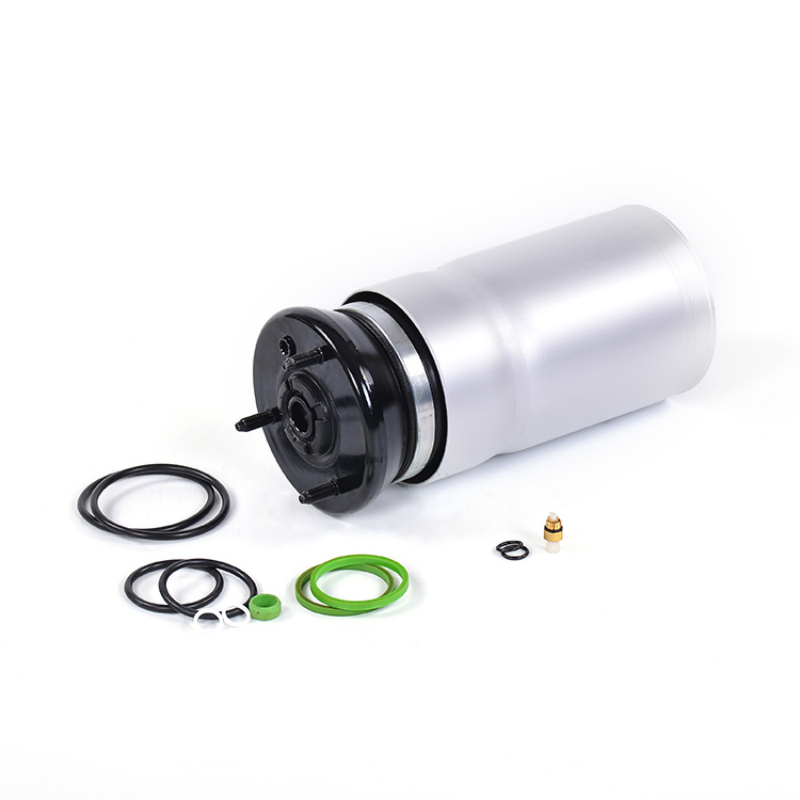
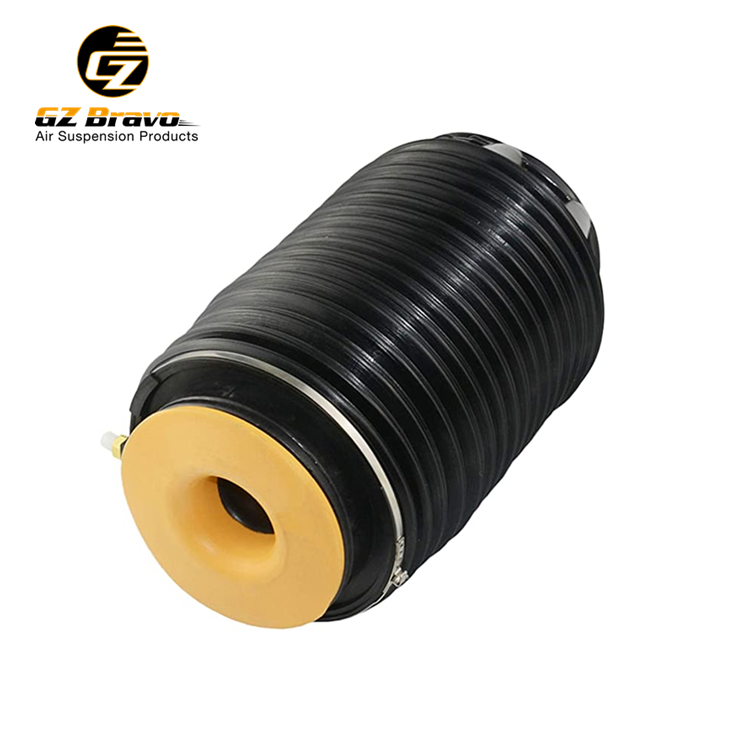
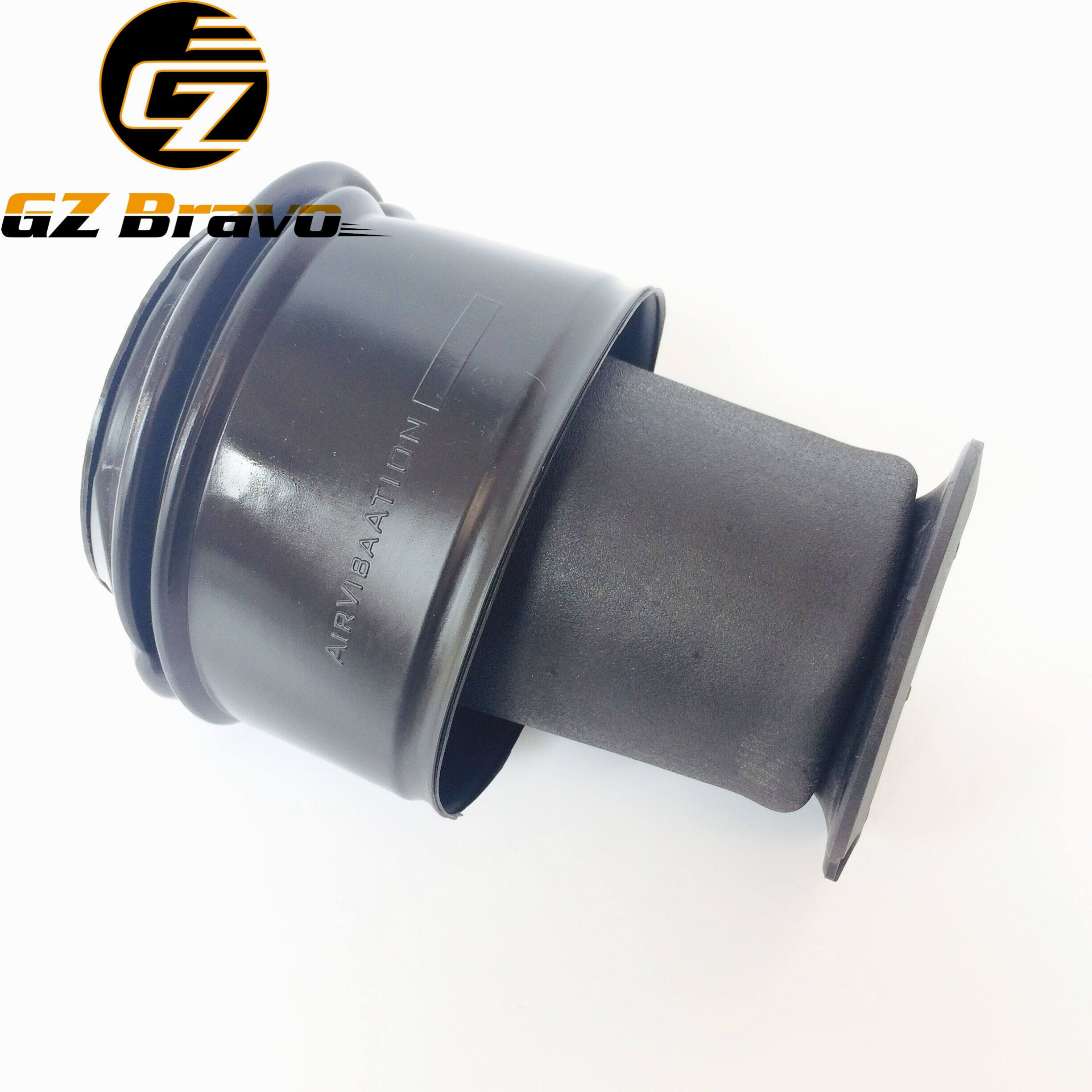
The protective benefits of air bag suspension extend far beyond immediate comfort, delivering substantial long-term value through reduced wear on critical vehicle components and extended overall service life. Traditional suspension systems transmit significant shock loads directly into the vehicle chassis, causing cumulative damage that manifests as cracks in welds, loosened fasteners, and premature metal fatigue over years of service. Air bag suspension dramatically reduces these destructive forces by absorbing energy pneumatically rather than transferring it mechanically, protecting the structural integrity of the chassis and body. Heavy-duty commercial vehicles particularly benefit from this protection, as reduced frame stress translates directly to longer operational life and lower total cost of ownership. Cargo securement systems experience less strain because loads remain stable without the constant jarring and shifting caused by rigid suspension systems, reducing the need for frequent inspections and adjustments during transit. Interior components such as dashboard assemblies, door panels, and trim pieces suffer less from the rattles and squeaks that develop when vehicles with conventional suspension endure years of vibration and flexing. Electronic systems function more reliably when protected from constant vibration, as sensitive components like sensors, control modules, and displays maintain proper connections and calibration longer. Tire wear patterns remain more even because air bag suspension maintains consistent alignment geometry and prevents the irregular loading that causes premature or uneven tread consumption. Brake components last longer because the suspension keeps vehicle weight properly distributed, preventing excessive brake bias that would otherwise cause certain wheels to work harder than others. Exhaust systems avoid the cracking and breakage common when hard-mounted to frames that flex and twist under load, as the reduced chassis movement preserves hanger and mounting integrity. Payload securing equipment experiences reduced stress because cargo remains stationary instead of shifting with each bump, protecting both the goods being transported and the tie-down hardware from damage. Underbody components including fuel tanks, transmission cases, and differential housings benefit from maintained ground clearance that prevents contact with obstacles, avoiding costly repairs from impacts that would occur with sagging conventional suspension. The overall reduction in mechanical stress throughout the vehicle translates to fewer unexpected breakdowns, lower maintenance expenses, and extended intervals between major repairs, providing substantial economic advantages over the vehicle's operational lifetime.

 EN