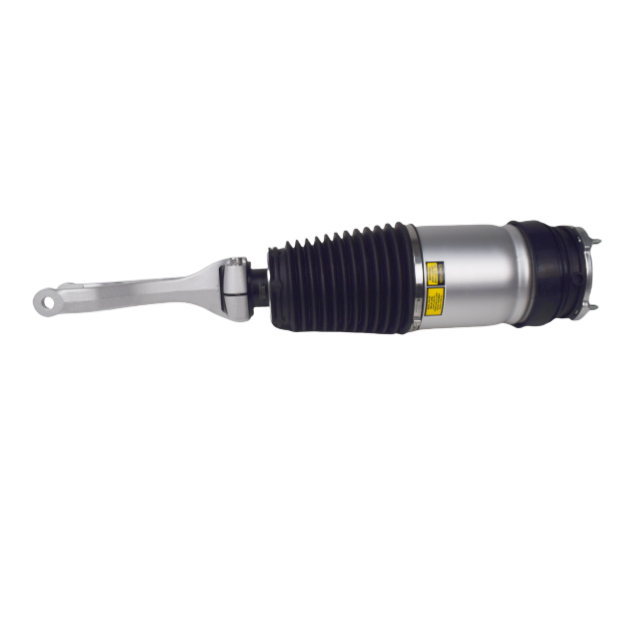
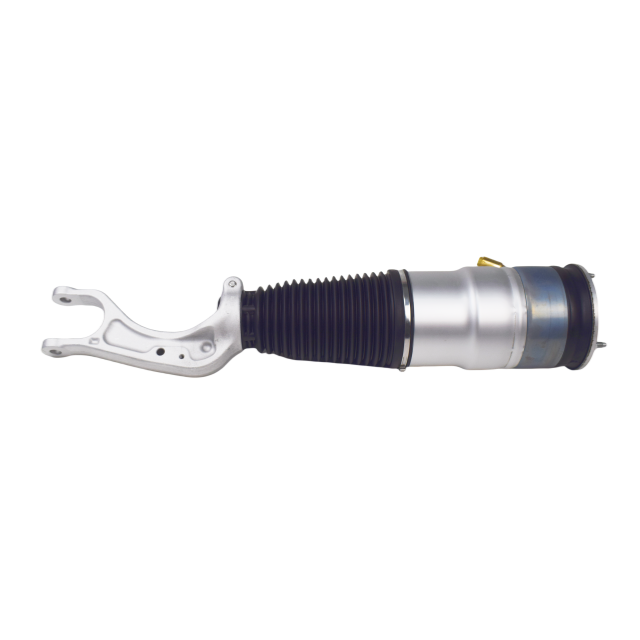
Air Suspension Shock Absorber: Advanced Comfort and Performance Control Technology

Get a Free Quote

Our representative will contact you soon.
Email
Name
Company Name
Message
0/1000

air suspension shock absorber

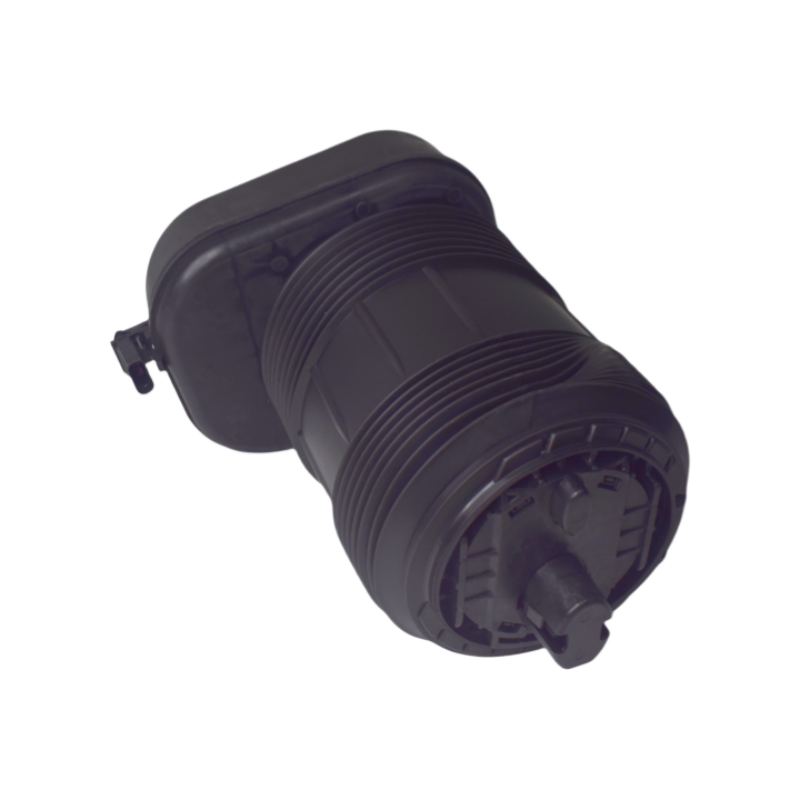
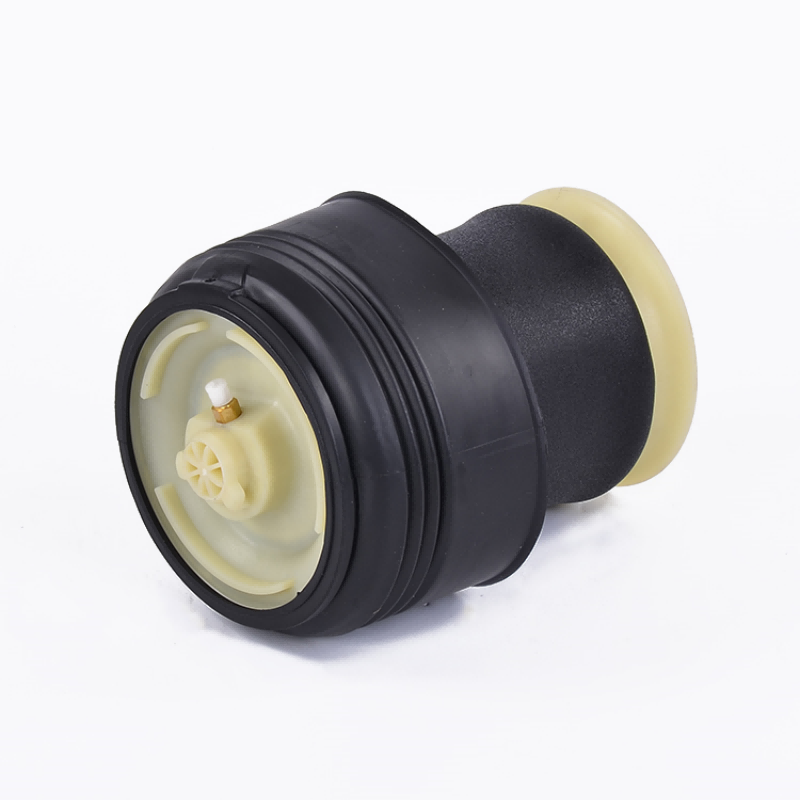
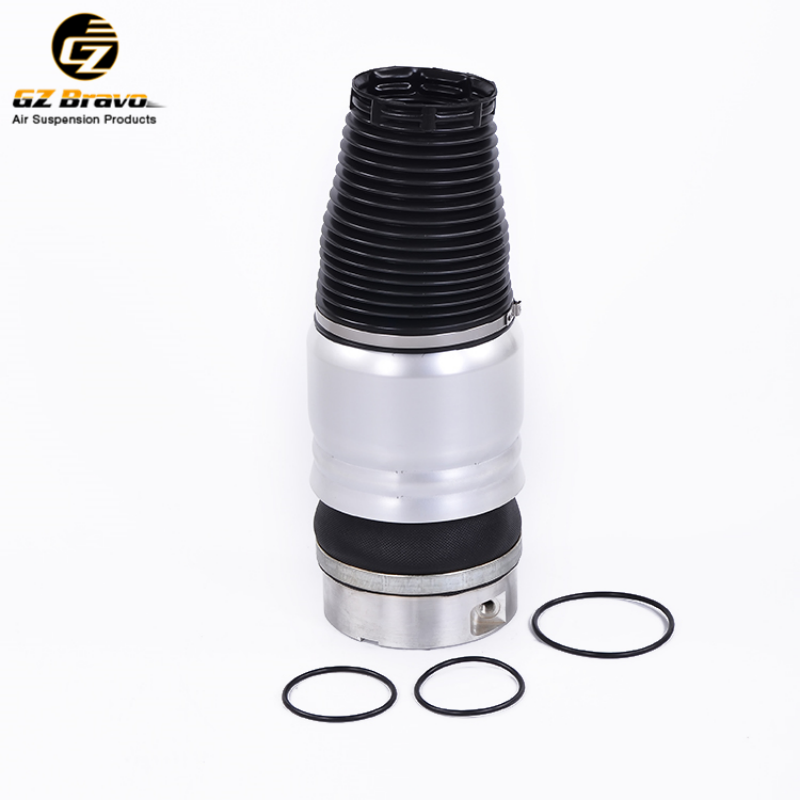
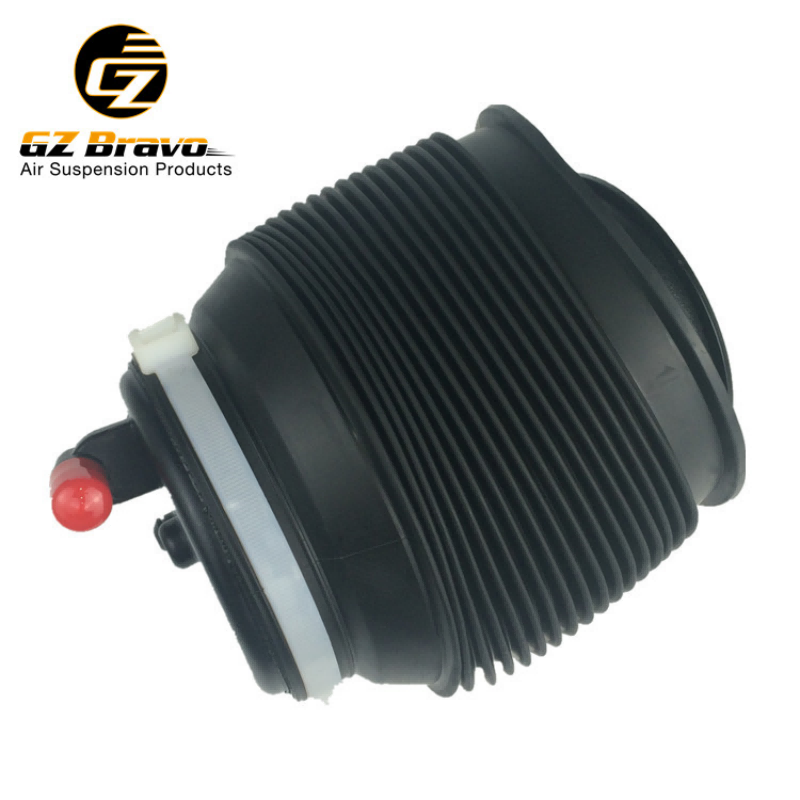
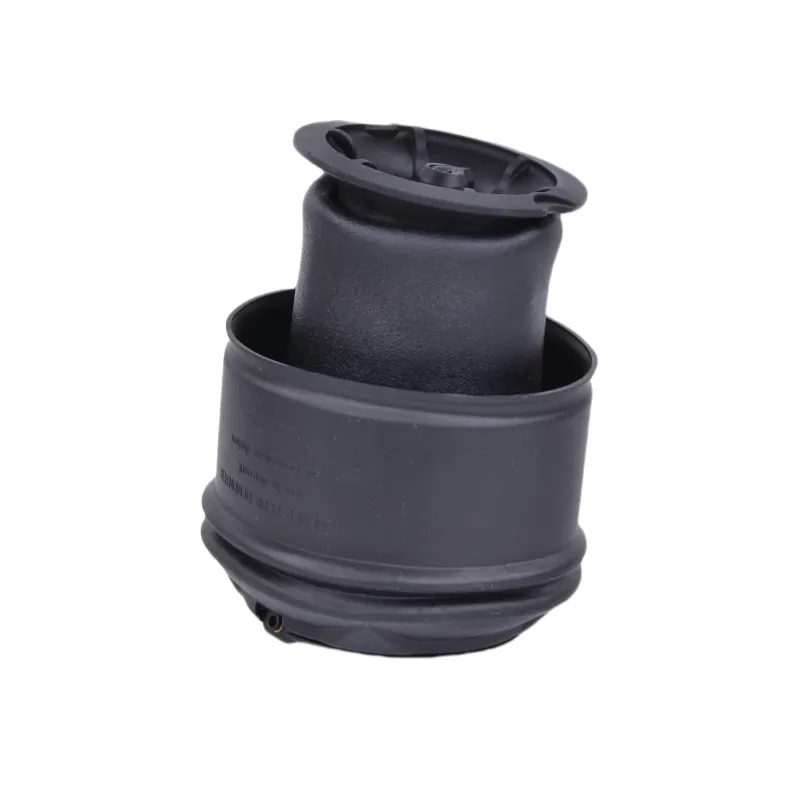
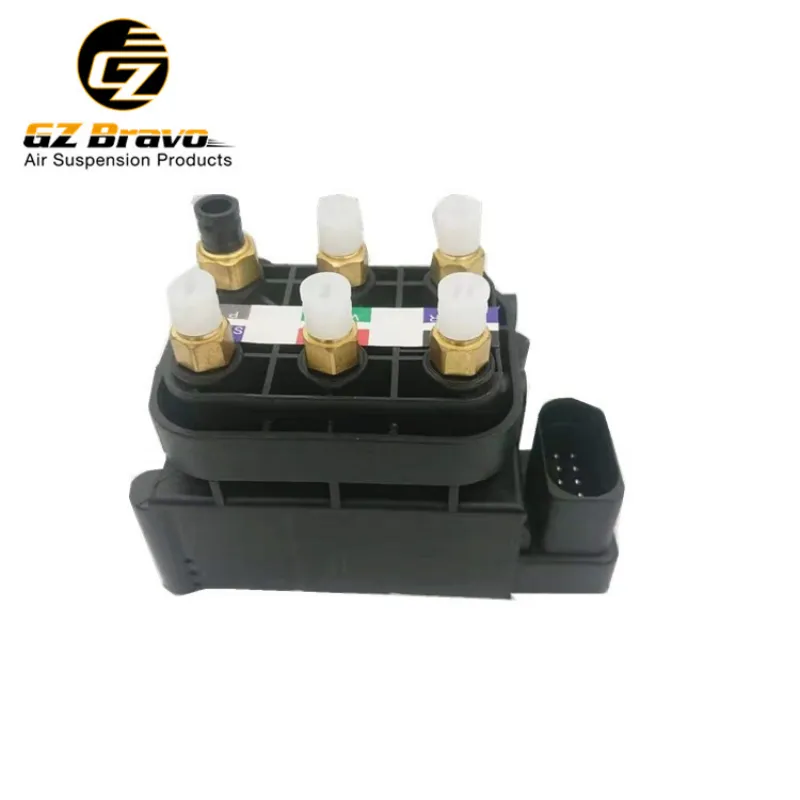
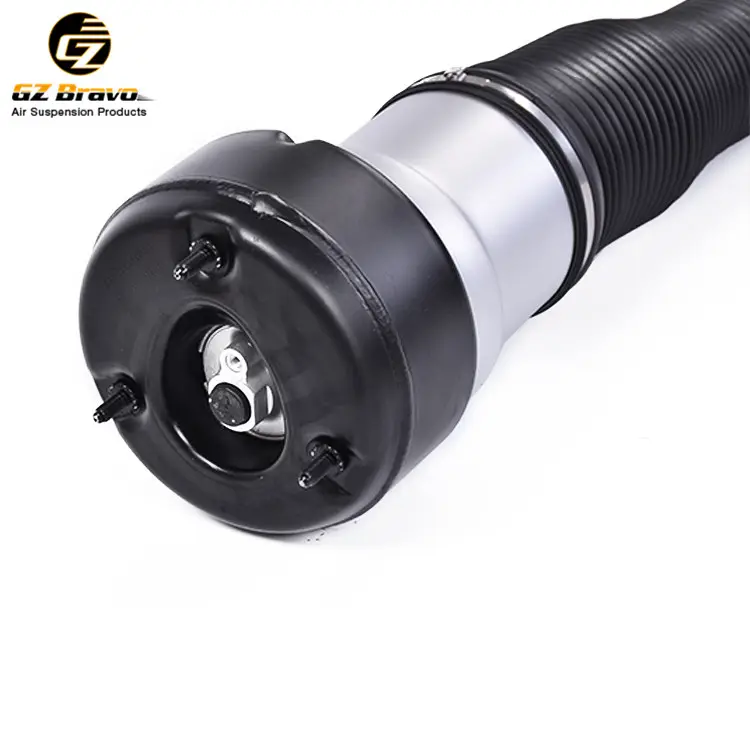
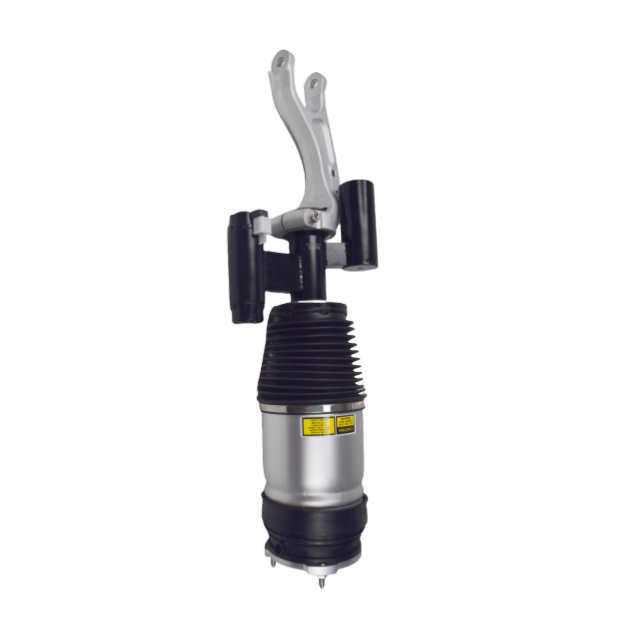
The air suspension shock absorber represents a sophisticated advancement in vehicle suspension technology, designed to deliver superior ride quality and adaptability across diverse driving conditions. This innovative component utilizes compressed air as the primary medium for absorbing road impacts and maintaining vehicle stability, replacing traditional coil or leaf spring systems with a more responsive and adjustable solution. At its core, an air suspension shock absorber consists of a durable rubber and polyurethane airbag, precision-engineered valves, an air compressor, and electronic control systems that work in harmony to regulate suspension performance. The main function of this technology involves automatically adjusting the vehicle's ride height and damping characteristics based on load conditions, road surface quality, and driving dynamics. When the vehicle encounters rough terrain or carries heavy cargo, the air suspension shock absorber responds instantaneously by modifying air pressure within the system, ensuring optimal ground clearance and preventing bottoming out. The technological features embedded in modern air suspension shock absorbers include real-time monitoring sensors that detect weight distribution, accelerometers that measure vertical movement, and microprocessor-controlled algorithms that calculate the ideal suspension settings within milliseconds. These components communicate seamlessly to provide a balanced combination of comfort and handling precision. Applications for air suspension shock absorbers span multiple vehicle categories, from luxury sedans and SUVs seeking premium ride comfort, to commercial trucks and buses requiring load-leveling capabilities, and performance vehicles demanding adjustable handling characteristics. The system proves particularly valuable in vehicles that experience significant weight variations, such as motorhomes, delivery vans, and towing vehicles, where maintaining proper ride height directly impacts safety, fuel efficiency, and component longevity. The versatility of the air suspension shock absorber extends to off-road applications, where increased ground clearance becomes essential for navigating challenging terrain, and lowered highway cruising positions that improve aerodynamics and reduce fuel consumption during long-distance travel.


New Products

The air suspension shock absorber delivers remarkable comfort improvements that transform everyday driving into a premium experience. Unlike conventional suspension systems that offer fixed damping rates, this technology continuously adapts to changing road conditions, absorbing bumps, potholes, and surface irregularities with exceptional smoothness. Passengers notice an immediate difference in ride quality, experiencing reduced vibration transmission and minimal body roll during cornering maneuvers. The system excels at isolating the cabin from harsh impacts, creating a serene environment that reduces driver fatigue on long journeys and protects sensitive cargo from damage during transportation. Vehicle owners appreciate the load-leveling capability that maintains consistent ride height regardless of passenger count or cargo weight. When you load heavy equipment in the trunk or attach a trailer, the air suspension shock absorber automatically inflates to compensate for the additional weight, preventing the rear end from sagging and ensuring headlights remain properly aimed. This self-leveling feature preserves handling characteristics and braking performance even under maximum load conditions, enhancing safety for all occupants. The adjustable nature of the air suspension shock absorber provides drivers with control over their vehicle's behavior. Many systems offer selectable modes that alter suspension stiffness and ride height at the touch of a button, allowing you to prioritize comfort for daily commuting, sport settings for spirited driving, or off-road configurations for trail adventures. This versatility eliminates the compromise inherent in traditional suspension designs, where engineers must balance competing priorities during the initial setup. Fuel economy benefits emerge from the aerodynamic advantages of adjustable ride height. At highway speeds, lowering the vehicle reduces air resistance and drag coefficient, translating to measurable improvements in miles per gallon. The system can automatically lower the vehicle when cruising and raise it when additional clearance becomes necessary, optimizing efficiency without driver intervention. Maintenance advantages also distinguish the air suspension shock absorber from conventional alternatives. The reduced mechanical wear on other suspension components results from superior vibration dampening, extending the lifespan of bushings, ball joints, and mounting hardware. The system protects the vehicle structure itself by minimizing stress concentrations that lead to premature fatigue. Enhanced towing and hauling performance represents another significant advantage, as the air suspension shock absorber maintains proper weight distribution between axles, improving trailer stability and reducing sway during highway driving. The technology also facilitates easier loading and unloading by lowering the vehicle to convenient heights, reducing the physical effort required for accessing cargo areas or connecting trailer hitches.

Latest News

Is air suspension suitable for off-road and heavy-duty driving conditions?

27

May

Is air suspension suitable for off-road and heavy-duty driving conditions?

When drivers and fleet managers consider upgrading or replacing their vehicle's suspension system, one question consistently rises to the top: is air suspension genuinely capable of handling the punishment of off-road terrain and heavy-duty workloads...
View More
What factors affect durability of air suspension components in daily use?

27

May

What factors affect durability of air suspension components in daily use?

When it comes to vehicle ride quality and load management, air suspension components play a central role in delivering comfort, stability, and adaptability across a wide range of driving conditions. Unlike traditional coil spring setups, air-based sy...
View More
How does a solenoid valve block improve airflow management in suspension setups?

03

Jun

How does a solenoid valve block improve airflow management in suspension setups?

Modern air suspension systems depend on precise control of pressurized air to deliver the ride comfort and handling performance that drivers expect. At the center of this control architecture sits the solenoid valve block, a compact but critically im...
View More
How does an air suspension compressor improve performance in load support systems?

03

Jun

How does an air suspension compressor improve performance in load support systems?

When a vehicle carries heavy loads or navigates uneven terrain, the demands placed on its suspension system increase dramatically. An air suspension compressor sits at the heart of any pneumatic load support system, continuously managing air pressure...
View More

Get a Free Quote

Our representative will contact you soon.
Email
Name
Company Name
Message
0/1000

air suspension shock absorber

Adaptive Comfort Technology That Responds to Every Road Condition

Adaptive Comfort Technology That Responds to Every Road Condition

The air suspension shock absorber incorporates intelligent adaptive comfort technology that revolutionizes how vehicles respond to varying road surfaces and driving scenarios. This sophisticated system employs multiple sensors strategically positioned throughout the vehicle chassis to continuously monitor road conditions, vehicle speed, acceleration forces, and suspension travel. The collected data streams to a central electronic control unit that processes information in real-time, making instantaneous adjustments to air pressure and damping characteristics within each shock absorber. When you drive over smooth highway pavement, the system recognizes the favorable conditions and softens the suspension response, allowing the air suspension shock absorber to absorb minor surface imperfections while maintaining a cloud-like ride quality that keeps passengers relaxed and comfortable. As road conditions deteriorate and you encounter expansion joints, railroad crossings, or deteriorated pavement, the adaptive technology immediately detects the increased input forces and firms up the damping to prevent excessive body motion and maintain vehicle composure. This intelligent responsiveness eliminates the harsh impacts that traditional shock absorbers transmit directly into the cabin, protecting both passengers and cargo from jarring movements. The system's predictive capabilities extend beyond simple reaction to road inputs. Advanced implementations of air suspension shock absorber technology incorporate forward-looking sensors or camera systems that scan the road ahead, identifying upcoming obstacles and pre-adjusting suspension settings before the wheels encounter irregularities. This proactive approach further enhances comfort by eliminating the brief delay between impact detection and system response that characterizes reactive suspension designs. The adaptive comfort technology also accounts for driving dynamics, recognizing when you navigate winding roads and automatically increasing suspension stiffness to reduce body roll and maintain tire contact with the pavement. During lane changes and evasive maneuvers, the air suspension shock absorber provides the stability and control necessary for confident handling while preserving the comfortable ride quality that defines the technology. The system distinguishes between deliberate driver inputs that require firm suspension response and environmental disturbances that benefit from softer damping, delivering an ideal balance that conventional fixed-rate shock absorbers cannot achieve. For families and professionals who spend significant time in their vehicles, the health and wellness benefits of adaptive comfort technology prove substantial, reducing back strain, minimizing motion sickness for sensitive passengers, and creating an environment conducive to relaxation or productivity during commutes.
Customizable Ride Height Control for Maximum Versatility

Customizable Ride Height Control for Maximum Versatility

The customizable ride height control capability built into the air suspension shock absorber delivers unmatched versatility that adapts your vehicle to diverse situations and requirements. This feature allows drivers to raise or lower their vehicle's ground clearance through simple button controls or automatic programming, fundamentally altering the vehicle's relationship with the terrain below. When approaching challenging off-road trails, deep snow, or flooded roads, you can command the air suspension shock absorber to elevate the chassis to its maximum height setting, increasing clearance by several inches compared to the standard position. This additional height prevents undercarriage contact with obstacles, protects vulnerable components like the exhaust system and fuel tank, and improves approach and departure angles for navigating steep inclines and descents. The raised position also enhances visibility in traffic by elevating the driver's sightline, providing better awareness of surrounding vehicles and road hazards. Conversely, the air suspension shock absorber enables lowering the vehicle for specific advantages in different contexts. For highway cruising, reducing ride height decreases the frontal area exposed to oncoming air, minimizing aerodynamic drag that robs fuel efficiency and creates wind noise. The lowered stance improves stability at high speeds by lowering the center of gravity and reducing the lever arm through which crosswinds can push the vehicle. When parking in garages with limited overhead clearance, the ability to lower the vehicle provides those extra inches that make the difference between fitting comfortably and scraping the roof. The loading and unloading convenience offered by customizable ride height control transforms practical utility. Lowering the vehicle brings cargo floors, trunk lips, and tailgates closer to ground level, reducing the lifting height required to load heavy items and making access easier for children, elderly passengers, or individuals with mobility limitations. Commercial applications particularly benefit from this feature, as delivery drivers can lower the vehicle to minimize the physical strain associated with repeatedly loading and unloading packages throughout their routes. The air suspension shock absorber's ride height control also enables a distinctive aesthetic customization, allowing enthusiasts to achieve the lowered stance associated with performance and custom vehicles without compromising daily drivability. The system remembers different height settings and can automatically adjust based on programmed conditions, such as raising the vehicle when the ignition starts to provide clearance for driveway exits, or lowering when highway speeds are detected to optimize aerodynamics. This intelligent automation removes the burden of manual adjustment while ensuring you always benefit from the optimal ride height for current conditions.
Superior Load Management and Weight Distribution Capabilities

Superior Load Management and Weight Distribution Capabilities

The superior load management and weight distribution capabilities of the air suspension shock absorber address critical challenges that conventional suspension systems struggle to overcome, particularly for vehicles that experience significant variations in cargo weight and passenger loads. Traditional coil spring or leaf spring suspensions are engineered with a fixed spring rate that represents a compromise between empty and loaded conditions, inevitably performing suboptimally at the extremes of their load range. The air suspension shock absorber eliminates this compromise through its ability to vary effective spring rate by adjusting air pressure within the suspension chambers. When you load cargo into your vehicle or attach a heavy trailer, weight sensors detect the increased load and signal the air compressor to inflate the air suspension shock absorber units, increasing air pressure to maintain the designed ride height and suspension geometry. This automatic load-leveling prevents the rear suspension from compressing excessively under weight, which would otherwise tilt the vehicle backward, aim headlights upward into oncoming traffic, reduce steering responsiveness, and create dangerous handling characteristics. The system maintains optimal weight distribution across all four wheels, preserving the balance that engineers designed into the vehicle's handling dynamics. For commercial vehicles, trucks, and SUVs used for towing, the air suspension shock absorber's load management capabilities directly translate to improved safety and performance. Proper weight distribution ensures adequate weight remains on the front axle for steering control and prevents excessive tongue weight from overloading the rear suspension. The technology actively prevents trailer sway by maintaining suspension stiffness appropriate for the total combined weight of vehicle and trailer. Brake performance benefits substantially from proper load leveling, as the air suspension shock absorber ensures brake force distribution matches actual weight distribution, reducing stopping distances and preventing premature brake fade. The system also protects the vehicle structure and suspension components from damage caused by overload conditions. By maintaining proper ride height even under maximum cargo weight, the air suspension shock absorber prevents metal-to-metal contact between suspension components and chassis members that would occur if conventional springs compressed to their physical limits. This protection extends component lifespan and prevents catastrophic failures that could strand you far from service facilities. The air suspension shock absorber's load management extends to subtle weight shifts during driving maneuvers. During acceleration, weight transfers rearward, and the system can firm the rear suspension to prevent squat while softening the front to maintain tire contact. During braking, the opposite occurs, with front suspension firming to control dive while rear suspension remains compliant. This dynamic load management maintains optimal tire contact patches throughout acceleration, braking, and cornering, maximizing available traction and control.

Get a Free Quote

Our representative will contact you soon.
Email
Name
Company Name
Message
0/1000