Air Spring Shock Systems: Advanced Suspension Technology for Superior Ride Quality and Performance

Get a Free Quote

Our representative will contact you soon.
Email
Name
Company Name
Message
0/1000

air spring shock

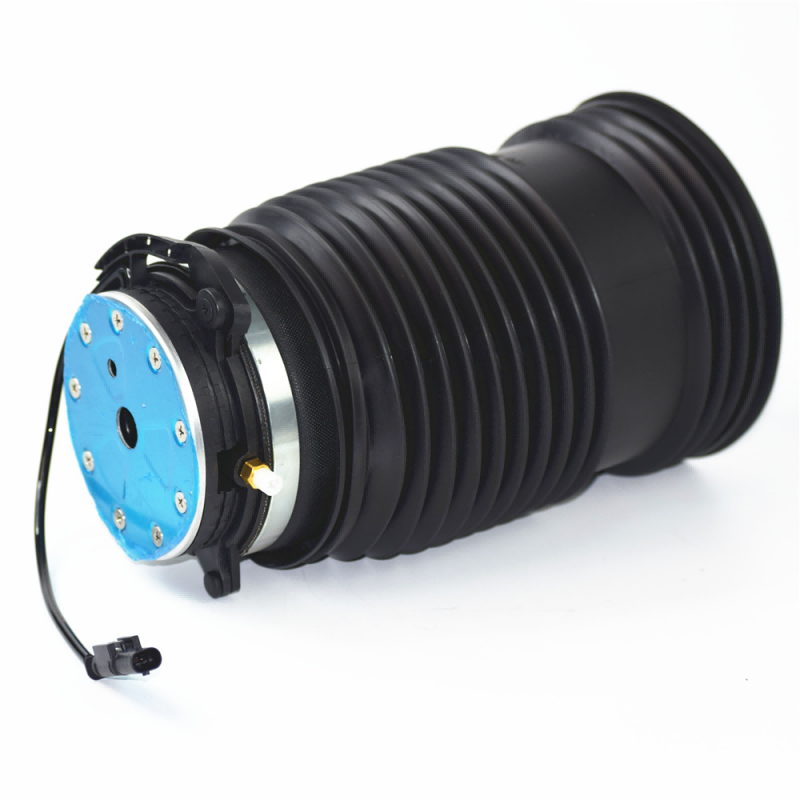
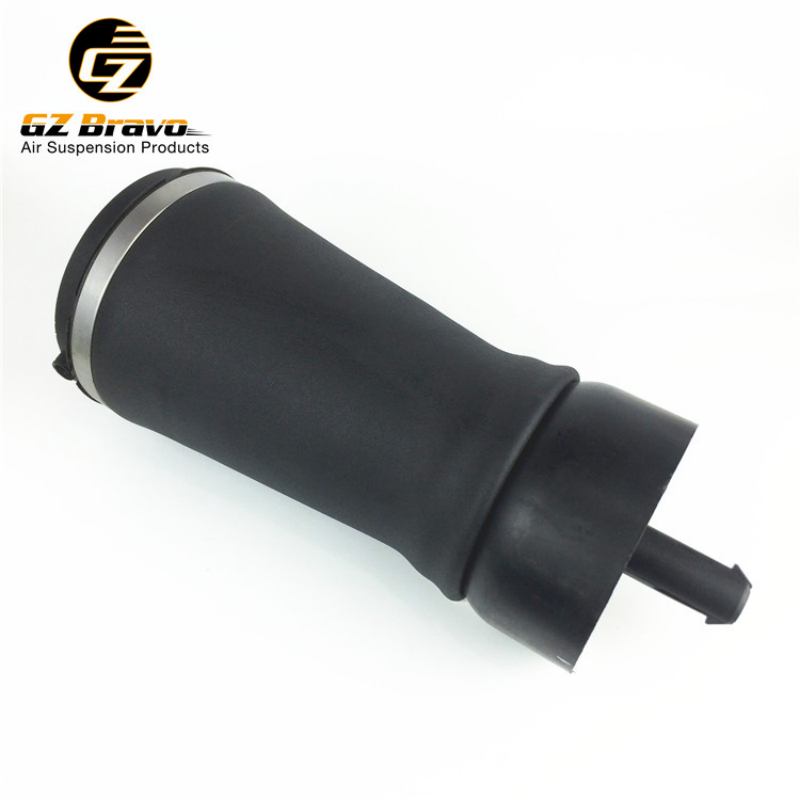
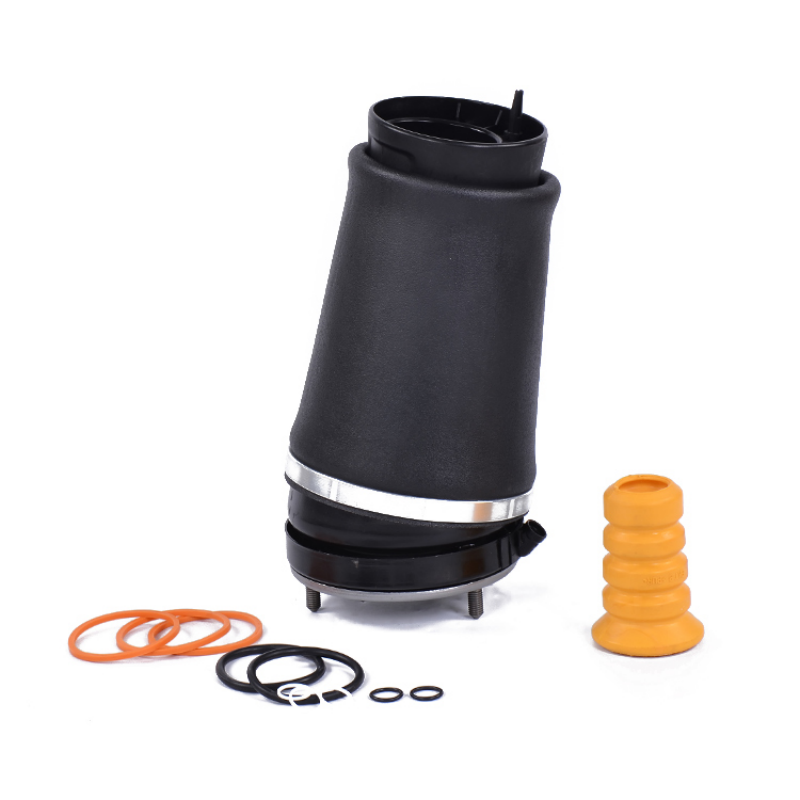
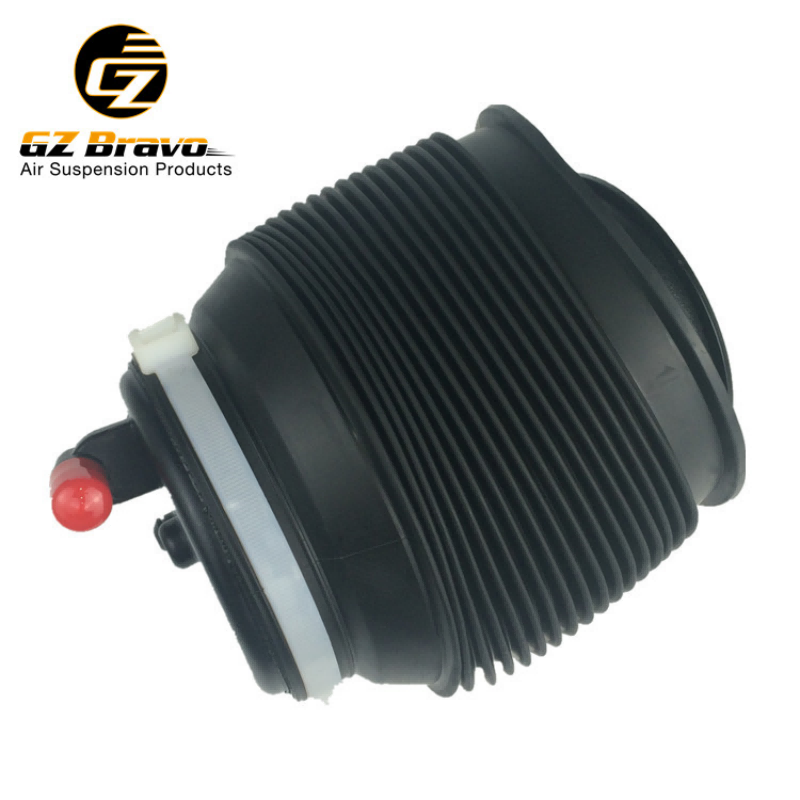
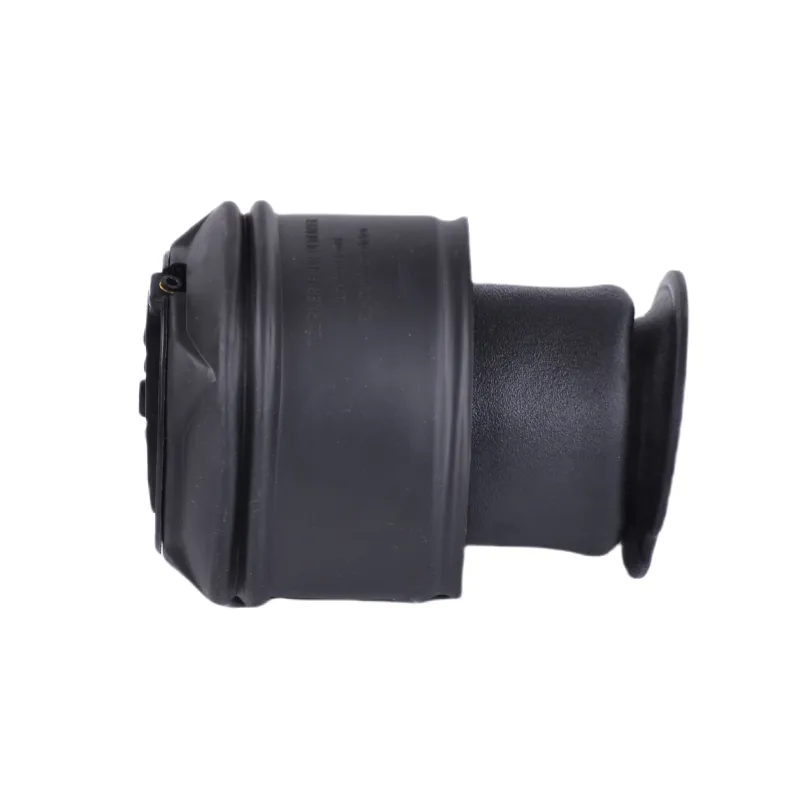
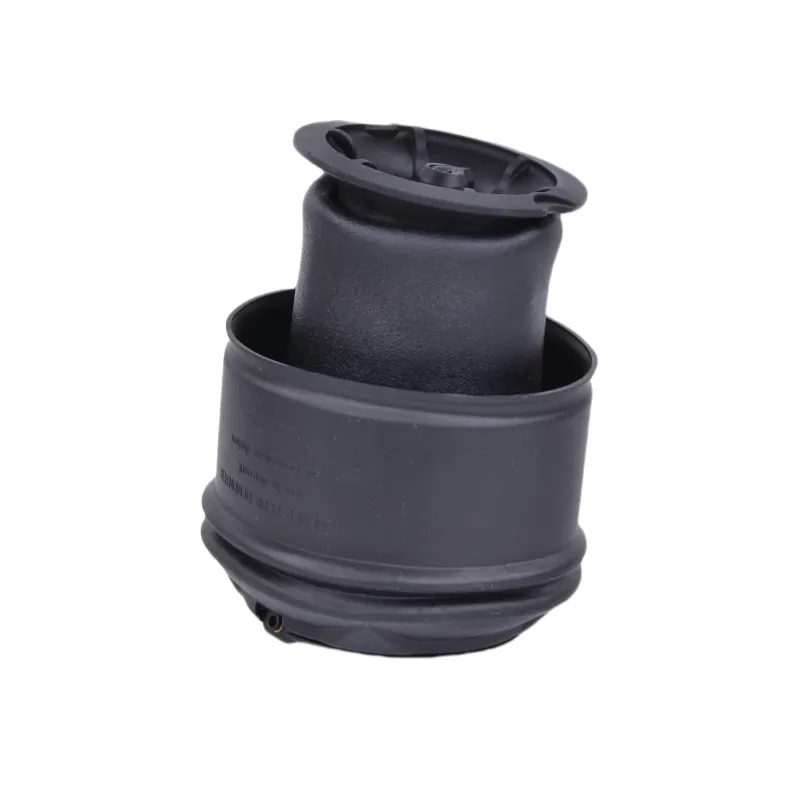
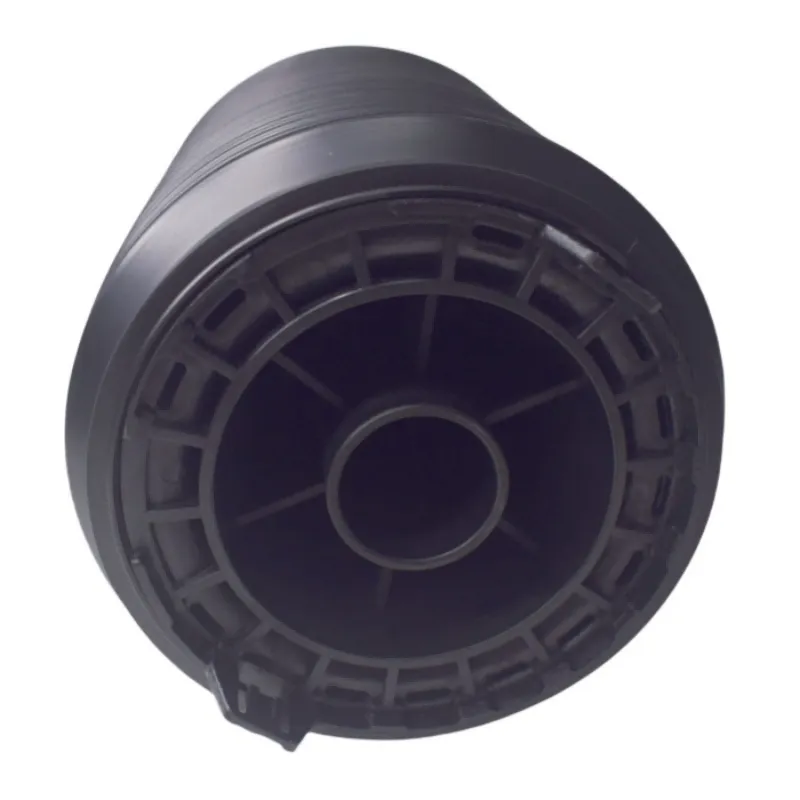
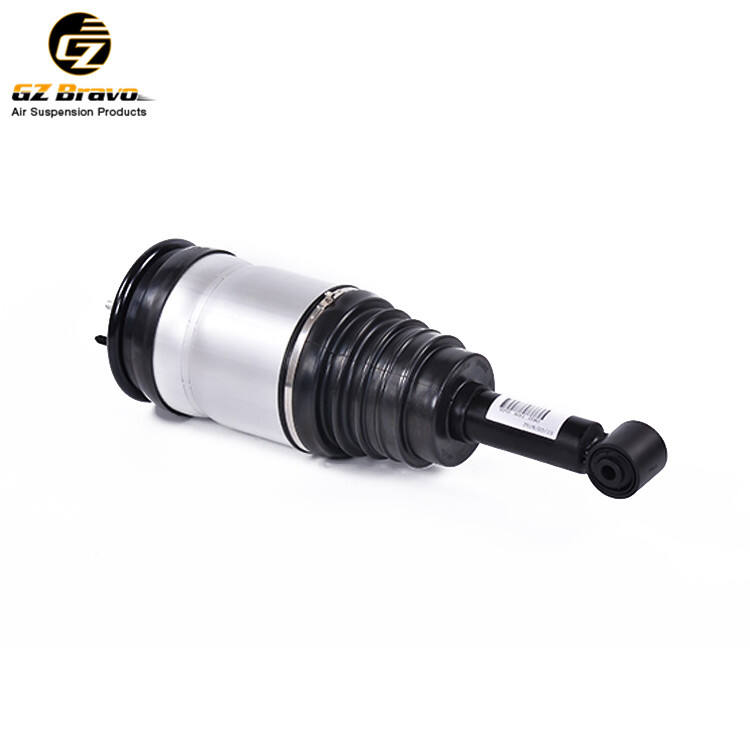
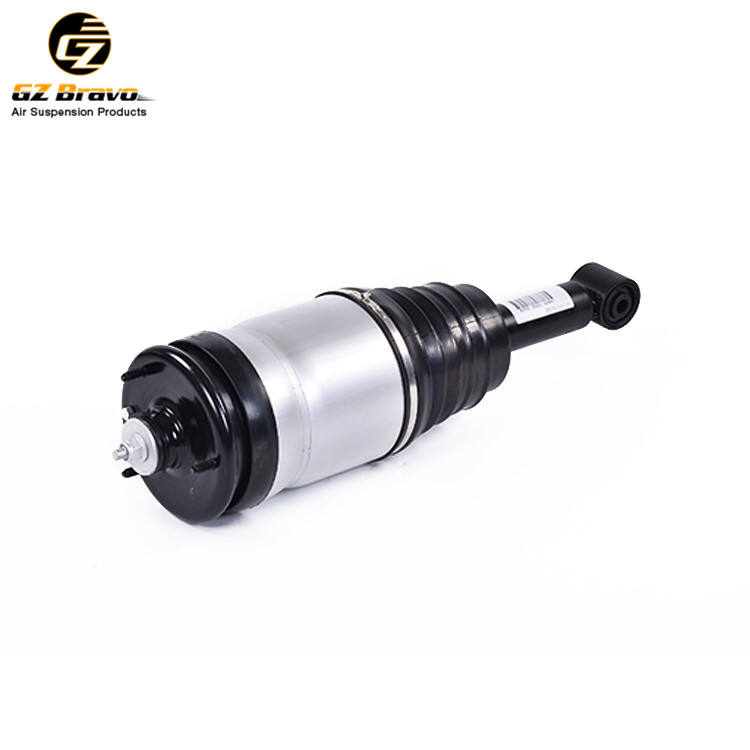
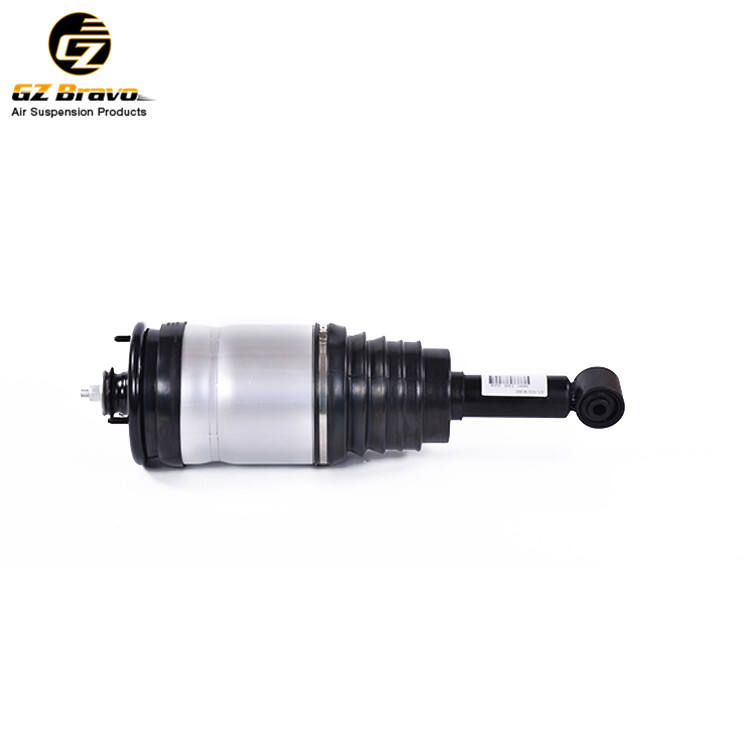
An air spring shock represents a sophisticated suspension component that combines pneumatic technology with damping mechanisms to deliver superior ride quality and vehicle control. This innovative system utilizes compressed air as the primary spring medium, replacing traditional coil or leaf springs with an adjustable, pressurized air chamber that supports the vehicle's weight while absorbing road irregularities. The air spring shock integrates both the spring function and shock absorber capabilities into a single, compact unit, making it an efficient solution for modern suspension requirements. The main functions of an air spring shock include load-leveling, which automatically adjusts the vehicle's height based on weight distribution, vibration damping that isolates passengers from road imperfections, and dynamic ride height adjustment that adapts to driving conditions. Technologically, these systems feature precision-engineered air bladders constructed from reinforced rubber compounds, electronic control units that monitor and adjust pressure in real-time, and sophisticated valving systems that regulate damping forces. The air spring shock employs variable damping technology, allowing the suspension to transition between soft and firm settings depending on road conditions and driving dynamics. Applications for air spring shock systems span multiple industries and vehicle types. In the automotive sector, luxury sedans, SUVs, and high-performance vehicles utilize these systems to provide exceptional comfort and handling characteristics. Commercial transportation benefits significantly, with heavy-duty trucks, buses, and delivery vehicles employing air spring shock technology to protect cargo, reduce driver fatigue, and extend vehicle longevity. Industrial machinery, including forklifts and agricultural equipment, incorporates these systems to improve operator comfort and equipment precision. The recreational vehicle market has embraced air spring shock technology extensively, with motorhomes and trailers using these systems to maintain level platforms regardless of load distribution. The adaptability of air spring shock systems makes them invaluable across diverse applications, from passenger comfort enhancement to critical load management in commercial operations, demonstrating their versatility and technological advancement in modern suspension engineering.


New Product Recommendations

The air spring shock delivers remarkable benefits that directly improve your driving experience and vehicle performance in measurable ways. First and foremost, these systems provide adjustable ride comfort that adapts to your specific needs and preferences. Unlike fixed suspension components, you can modify the firmness and height settings with simple controls, allowing you to choose between a soft, cushioned ride for highway cruising or a firmer setup for spirited driving on winding roads. This flexibility means one vehicle can serve multiple purposes effectively, eliminating compromises that traditional suspension systems force upon drivers. The load-carrying capability represents another significant advantage, as the air spring shock automatically compensates for additional weight. When you load cargo, add passengers, or tow a trailer, the system increases air pressure to maintain optimal ride height and handling characteristics. This automatic leveling prevents the rear-end sagging that occurs with conventional springs, ensuring your headlights remain properly aimed, steering response stays predictable, and tire wear remains even across all conditions. Your fuel efficiency often improves because the vehicle maintains its aerodynamic profile regardless of load. Durability and longevity extend beyond traditional suspension components because the air spring shock design eliminates metal-to-metal contact that causes wear in conventional springs. The air bladder absorbs impacts smoothly without the fatigue and stress concentration that eventually breaks coil springs. This translates to fewer replacement cycles and lower maintenance costs over your vehicle's lifetime. The improved handling characteristics cannot be overstated, as the air spring shock system responds dynamically to changing road conditions. When you encounter bumps, potholes, or uneven pavement, the system absorbs these disturbances more effectively than traditional setups, keeping your tires in better contact with the road surface. This enhanced contact improves braking performance, cornering stability, and overall safety margins. The reduced vibration transmission protects not only passenger comfort but also vehicle components, as electronic systems, interior trim, and mechanical parts experience less stress from road shock. Your cargo remains more secure because the smooth ride quality prevents shifting and damage during transport. Installation versatility makes the air spring shock suitable for various vehicle modifications and upgrades. Whether you need increased ground clearance for off-road adventures or lowered ride height for improved aerodynamics, these systems accommodate your requirements without permanent modifications. The technology integrates seamlessly with modern vehicle control systems, allowing coordination between suspension settings, stability control, and driver assistance features for optimized performance across all driving scenarios.

Tips And Tricks

How does air suspension improve ride comfort in commercial vehicle applications?

27

May

How does air suspension improve ride comfort in commercial vehicle applications?

In commercial vehicle applications, driver comfort and cargo protection are not luxuries — they are operational necessities. Rough roads, heavy payloads, and long-haul routes place extraordinary stress on both the vehicle and the people inside ...
View More
Is air suspension suitable for off-road and heavy-duty driving conditions?

27

May

Is air suspension suitable for off-road and heavy-duty driving conditions?

When drivers and fleet managers consider upgrading or replacing their vehicle's suspension system, one question consistently rises to the top: is air suspension genuinely capable of handling the punishment of off-road terrain and heavy-duty workloads...
View More
Why do manufacturers adopt air suspension systems for luxury vehicle platforms?

27

May

Why do manufacturers adopt air suspension systems for luxury vehicle platforms?

The decision to adopt air suspension systems in luxury vehicle platforms is not an arbitrary engineering choice. It represents a deliberate commitment to delivering a driving experience that consistently exceeds passenger expectations, meets stringen...
View More
Is a solenoid valve block essential for precise control in air suspension systems?

03

Jun

Is a solenoid valve block essential for precise control in air suspension systems?

The question of whether a solenoid valve block is truly essential for precise control in air suspension systems is one that every vehicle owner, fleet manager, and automotive technician should understand clearly. Air suspension systems are complex, p...
View More

Get a Free Quote

Our representative will contact you soon.
Email
Name
Company Name
Message
0/1000

air spring shock

Advanced Pressure Management and Height Control Technology

Advanced Pressure Management and Height Control Technology

The air spring shock incorporates sophisticated pressure management systems that revolutionize how vehicles respond to varying loads and driving conditions, delivering unprecedented control over suspension characteristics. At the heart of this technology lies a precision-engineered air compressor that generates and maintains optimal pressure levels within the air chambers, working in concert with electronic sensors that continuously monitor vehicle height, load distribution, and driving dynamics. This intelligent system processes information hundreds of times per second, making micro-adjustments that keep your vehicle perfectly balanced regardless of external factors. The height control functionality extends far beyond simple aesthetic preferences, offering practical advantages that enhance both performance and safety. When approaching steep driveways or navigating rough terrain, you can increase ground clearance at the touch of a button, protecting undercarriage components from damage. Conversely, highway driving benefits from reduced ride height, which lowers the center of gravity for improved stability and reduces aerodynamic drag for better fuel economy. The air spring shock system remembers your preferred settings for different driving modes, automatically adjusting when you select sport, comfort, or off-road configurations. This memory function eliminates the need for constant manual adjustments, allowing you to focus on driving while the system optimizes performance parameters. The pressure management technology also includes fail-safe mechanisms that protect against system failures. If a leak develops or the compressor malfunctions, the air spring shock gradually settles to a predetermined safe height rather than collapsing suddenly, giving you time to reach a service facility without risking vehicle damage or safety. The individual corner control capability represents a significant advancement, as many air spring shock systems can adjust each wheel independently. This feature proves invaluable when loading cargo unevenly or parking on sloped surfaces, as the system compensates automatically to maintain a level vehicle platform. The precision of these adjustments, often measured in millimeters, ensures optimal suspension geometry across all conditions, preserving proper wheel alignment angles that maintain tire wear patterns and handling predictability. The integration with vehicle management computers allows the air spring shock system to coordinate with other vehicle systems, such as adjusting suspension stiffness when the navigation system detects upcoming curves or softening damping when cruise control maintains steady highway speeds, creating a seamless, intelligent driving experience.
Superior Vibration Isolation and Ride Quality Enhancement

Superior Vibration Isolation and Ride Quality Enhancement

The air spring shock excels at isolating vehicle occupants and cargo from road-induced vibrations through its unique pneumatic damping characteristics that surpass traditional mechanical spring systems in both effectiveness and adaptability. Unlike metal coil springs that transmit vibrations directly through their rigid structure, the air spring shock utilizes compressed air as an infinitely variable cushioning medium that absorbs and dissipates energy across a broader frequency range. This fundamental difference becomes immediately apparent when driving over broken pavement, expansion joints, or rough surfaces, as the air spring shock filters out harsh impacts before they reach the vehicle cabin. The progressive spring rate inherent in air spring shock design provides another crucial advantage for ride quality. As the suspension compresses, the air volume decreases and pressure increases exponentially, creating a spring rate that becomes progressively stiffer. This characteristic delivers a soft initial response to small bumps while providing firm resistance to larger impacts, preventing bottoming out without compromising everyday comfort. Traditional springs maintain constant rates that force compromises between these competing requirements, whereas the air spring shock naturally adapts its resistance to match impact severity. The damping control integrated within air spring shock systems further refines ride quality through sophisticated valving that regulates fluid flow within the shock absorber component. Modern systems employ electronic valves that adjust damping forces in milliseconds, responding to input from accelerometers and position sensors that detect suspension movement. When the system identifies rapid compression from a pothole impact, it increases damping to prevent excessive bounce, but when encountering gentle road undulations, it reduces resistance to maintain suppleness. This dynamic damping adjustment works continuously and automatically, optimizing comfort and control without driver intervention. The vibration isolation capabilities extend beyond passenger comfort to protect sensitive cargo and vehicle components from damage. Electronics, fragile goods, and precision instruments benefit from the smooth ride quality that air spring shock systems provide, reducing failure rates and extending service life. Commercial operators transporting perishable goods or valuable merchandise recognize substantial benefits from this protection, as product damage claims decrease significantly compared to vehicles with conventional suspension systems. The frequency-selective damping characteristics of air spring shock technology deserve special attention, as these systems effectively isolate specific vibration ranges that prove most troublesome. Research demonstrates that certain frequencies cause particular discomfort or fatigue in human passengers, and the air spring shock design naturally attenuates these problematic ranges more effectively than alternative suspension types. Long-distance drivers report reduced fatigue and improved alertness when operating vehicles equipped with air spring shock systems, translating to enhanced safety on extended journeys.
Exceptional Durability and Maintenance Efficiency Benefits

Exceptional Durability and Maintenance Efficiency Benefits

The air spring shock demonstrates remarkable longevity and requires minimal maintenance compared to conventional suspension components, delivering substantial cost savings and reliability advantages throughout the vehicle's operational life. The fundamental design eliminates many wear mechanisms that plague traditional suspension systems, starting with the absence of metal spring coils that eventually suffer from fatigue failure after millions of compression cycles. Metal springs develop stress concentrations at coil interfaces and mounting points, gradually forming microscopic cracks that propagate until catastrophic failure occurs. The air spring shock sidesteps this failure mode entirely, as the flexible rubber air bladder distributes stress evenly across its surface without creating concentration points. The reinforced construction of modern air spring shock bladders utilizes multiple layers of specialized compounds, including synthetic rubber formulations resistant to ozone degradation, petroleum products, and temperature extremes. These materials maintain their flexibility and sealing properties across operating temperatures ranging from minus forty to plus eighty degrees Celsius, ensuring consistent performance in arctic winters and desert summers alike. The fabric reinforcement embedded within the rubber layers provides tensile strength that prevents over-expansion while allowing the necessary flexibility for normal operation. Manufacturers subject air spring shock components to rigorous testing protocols that simulate millions of cycles under extreme conditions, validating their durability before production release. The sealed design of air spring shock systems protects internal components from environmental contamination that destroys conventional shock absorbers and springs. Road salt, mud, sand, and water cannot penetrate the air chamber, preventing the corrosion and abrasion that gradually degrade exposed metal components. This protection proves particularly valuable in harsh operating environments where traditional suspension systems require frequent replacement. The maintenance requirements for air spring shock installations remain minimal, typically involving periodic visual inspections and occasional air line checks rather than the component replacements necessitated by worn conventional parts. The self-contained nature of these systems means fewer parts require service attention, reducing both scheduled maintenance costs and unexpected repair expenses. When service becomes necessary, many air spring shock designs facilitate straightforward component replacement without requiring specialized tools or extensive disassembly procedures. The air compressor and control valves, being the primary wear items, typically provide service lives measured in hundreds of thousands of cycles before requiring attention. The diagnostic capabilities built into modern air spring shock systems further enhance their maintenance efficiency by alerting operators to developing issues before they cause failures. Onboard monitoring continuously checks system pressure, compressor operation, and valve function, generating warning notifications when parameters fall outside normal ranges. This predictive maintenance approach allows scheduled repairs during convenient service intervals rather than roadside emergencies, minimizing downtime and associated costs. Fleet operators particularly appreciate these diagnostic features, as they enable proactive maintenance scheduling that optimizes vehicle availability while preventing costly breakdowns.

Get a Free Quote

Our representative will contact you soon.
Email
Name
Company Name
Message
0/1000