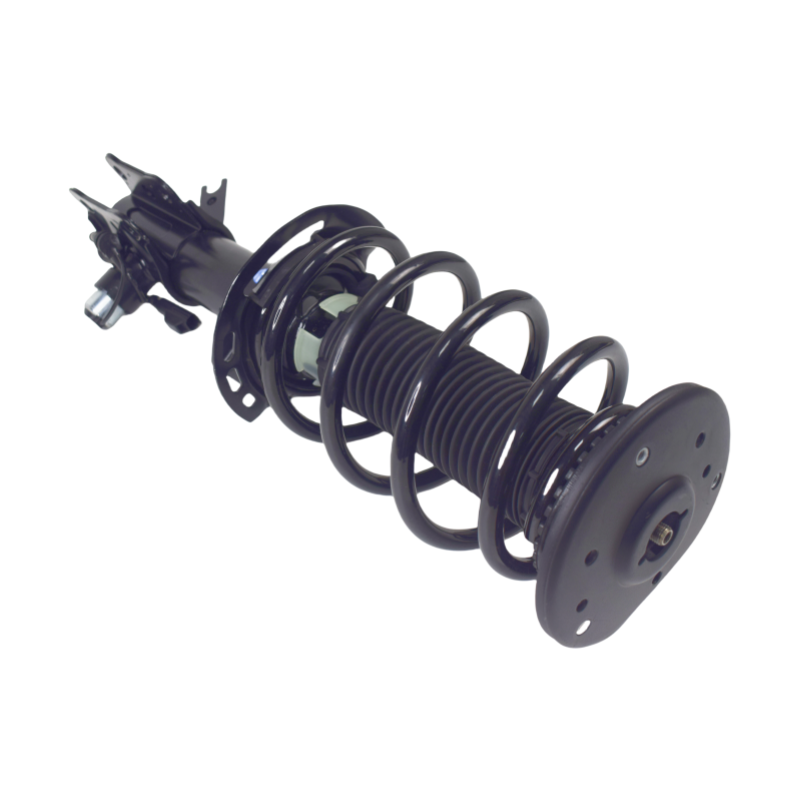
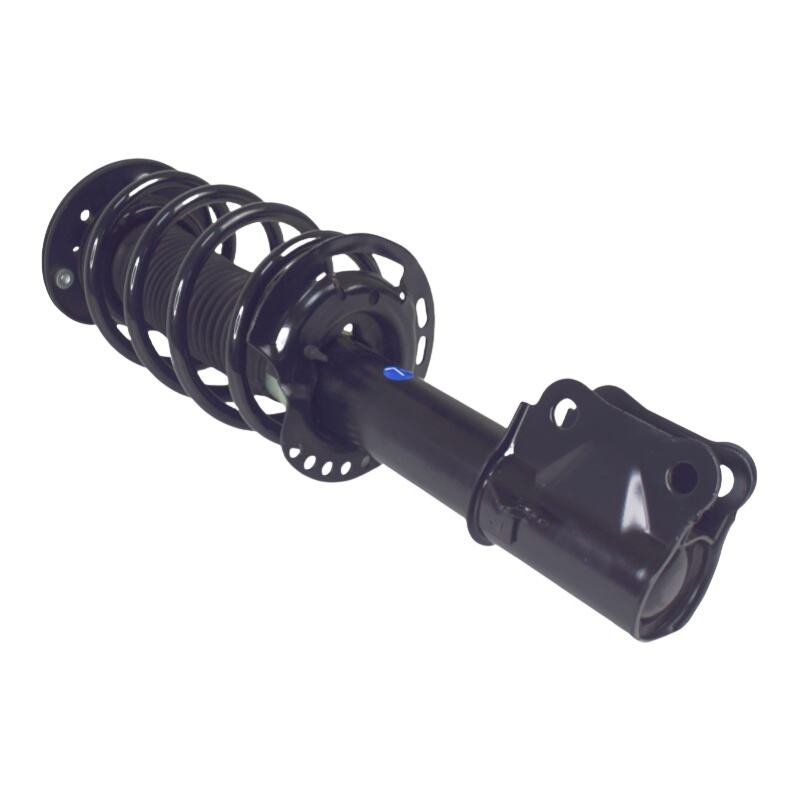
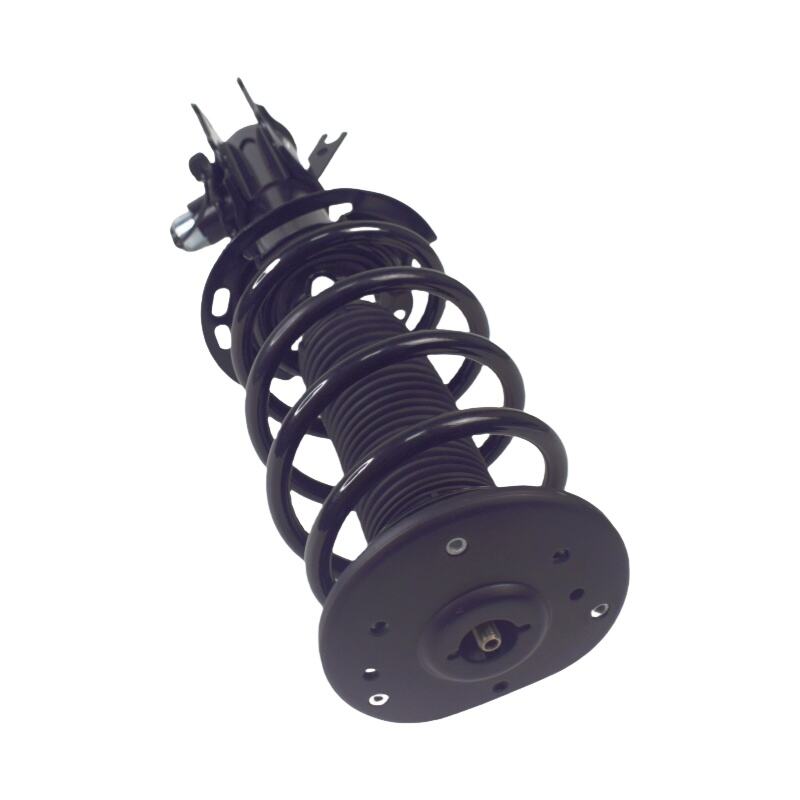
Air Spring Shock Absorber: Advanced Suspension Technology for Superior Ride Quality and Load Management

Get a Free Quote

Our representative will contact you soon.
Email
Name
Company Name
Message
0/1000

air spring shock absorber

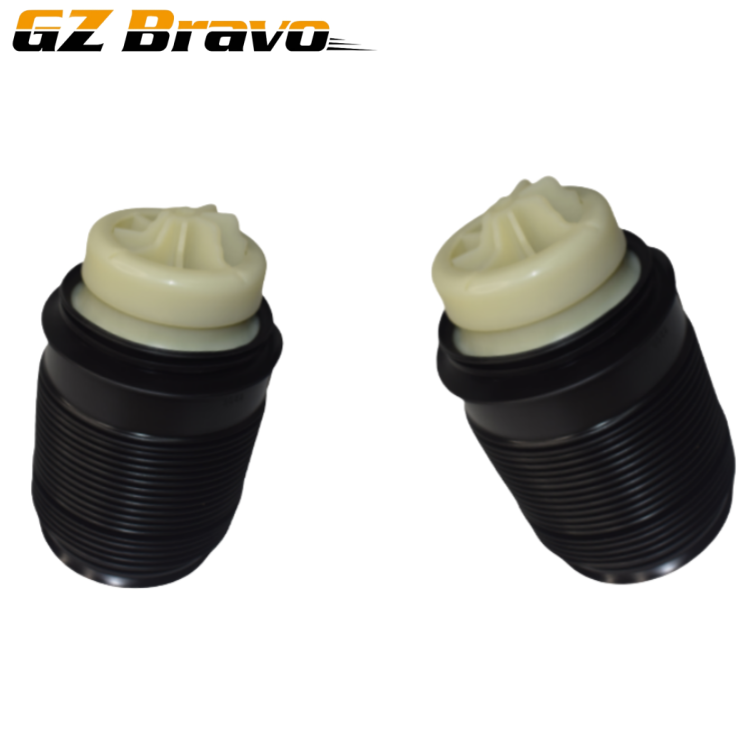
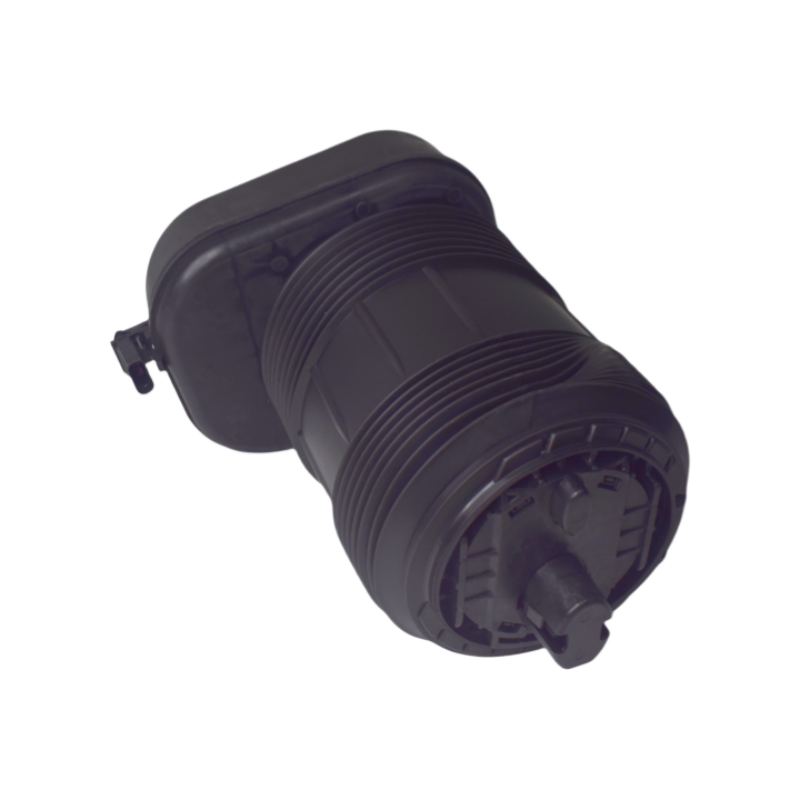
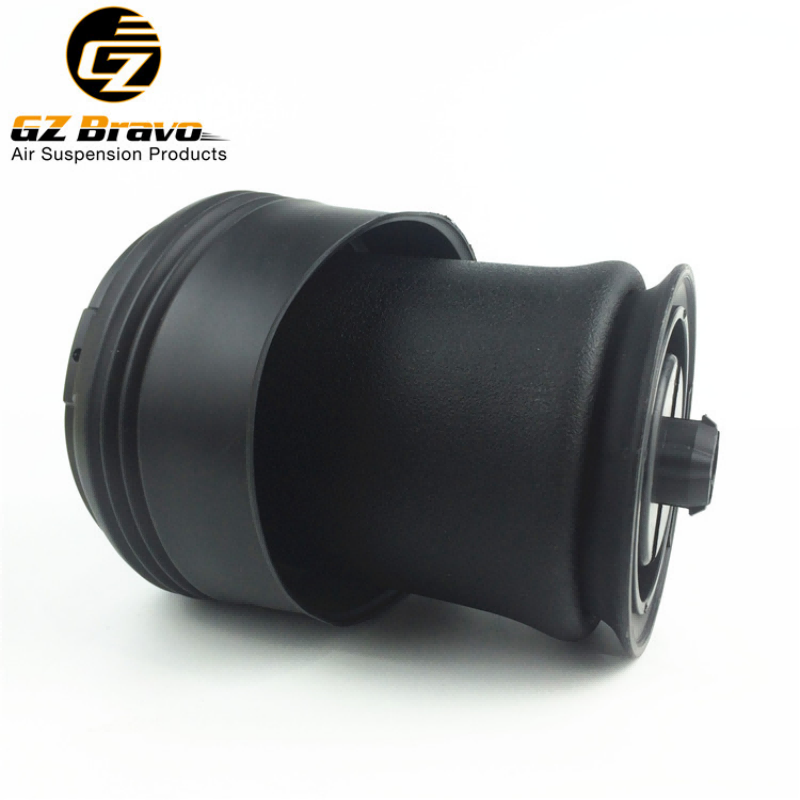
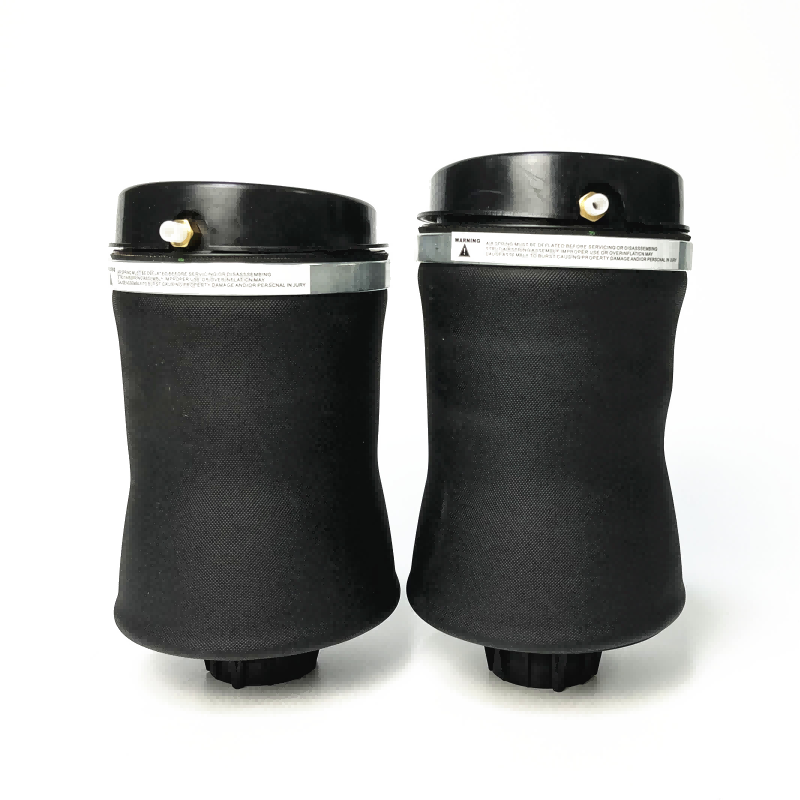
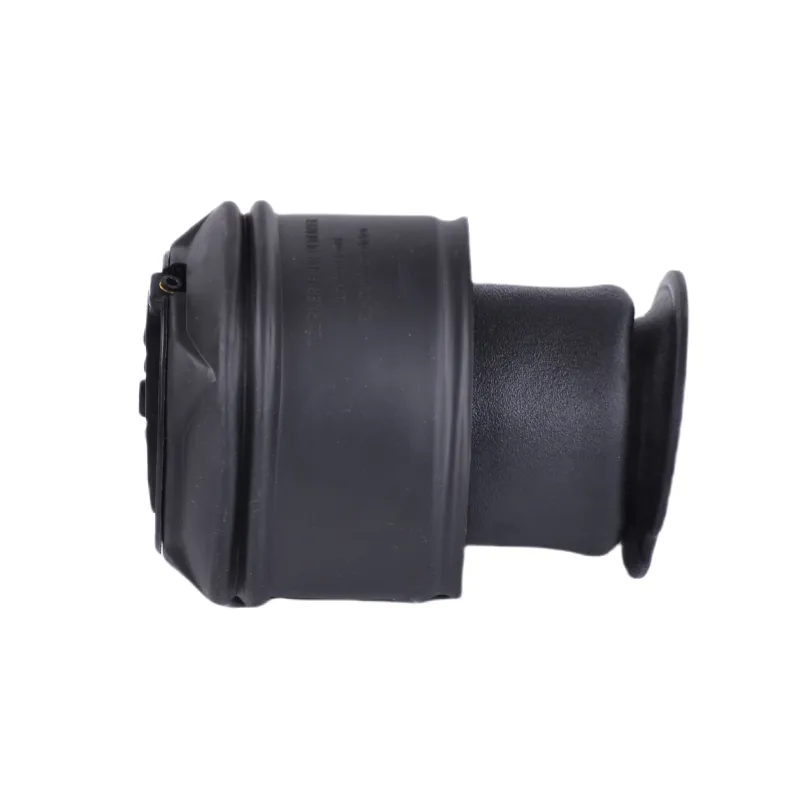
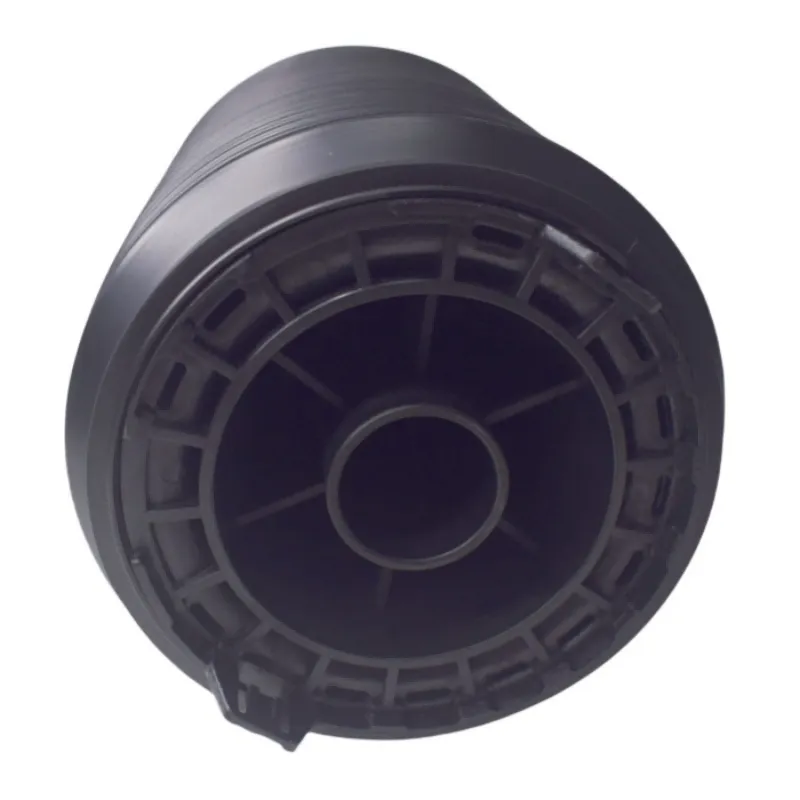
An air spring shock absorber represents an advanced suspension technology that combines pneumatic cushioning with damping capabilities to deliver superior ride quality and load management. This innovative component utilizes compressed air as the primary spring medium, housed within a flexible rubber and fabric reinforced bellows or sleeve assembly. Unlike traditional coil or leaf spring systems, the air spring shock absorber adjusts its characteristics dynamically based on load conditions and driving requirements. The main functions of this technology include absorbing road irregularities, maintaining vehicle height regardless of load variations, isolating vibrations from reaching the vehicle cabin, and providing consistent damping forces across different operating conditions. Technologically, these systems feature sophisticated air management circuits that regulate pressure levels automatically or through manual controls. The rubber bellows design incorporates multiple convolutions that compress and expand, allowing for progressive spring rates that adapt to changing forces. Internal damping mechanisms work in conjunction with the air spring element to control oscillations and prevent bouncing. Modern air spring shock absorbers integrate electronic sensors that monitor ride height, acceleration forces, and suspension travel, feeding data to control modules that optimize performance in real-time. Applications span numerous industries and vehicle types, from luxury automobiles seeking enhanced comfort to commercial trucks requiring load-leveling capabilities. Heavy-duty transportation benefits significantly from air spring shock absorber technology, as these systems maintain consistent ride height even when cargo weight fluctuates dramatically. Recreational vehicles, buses, and trailer applications utilize this technology to improve passenger comfort during long journeys. Industrial machinery and railway applications also employ air spring shock absorbers to reduce vibration transmission and protect sensitive equipment. The versatility of this suspension solution makes it adaptable to diverse operating environments, from smooth highways to challenging off-road terrain, providing consistent performance across all conditions while extending component lifespan through reduced mechanical stress.

New Product Recommendations

Choosing an air spring shock absorber for your vehicle or equipment delivers numerous practical benefits that directly impact your daily operations and long-term satisfaction. First and foremost, these systems provide adjustable ride height that you can modify according to your specific needs. When you load your vehicle heavily, the air spring shock absorber automatically compensates by increasing air pressure, maintaining the same ground clearance you had when empty. This feature prevents your vehicle from sagging under weight, which protects suspension components from bottoming out and ensures your headlights remain properly aimed for safe nighttime driving. The comfort improvement you experience with this technology is immediately noticeable. Traditional spring systems deliver harsh impacts directly to your body, but the air spring shock absorber cushions these shocks progressively, filtering out rough road textures before they reach you. Your passengers will appreciate the smooth ride quality during long trips, arriving at destinations less fatigued and more relaxed. Load-carrying capability expands significantly with this suspension upgrade. You gain flexibility to haul varying weights without compromising handling or stability. Whether you transport light loads one day and maximum capacity the next, the air spring shock absorber adapts seamlessly, maintaining optimal suspension geometry throughout the weight range. This adaptability eliminates the compromise inherent in fixed-rate springs that either ride too stiff when empty or too soft when loaded. Durability advantages extend your ownership experience by reducing maintenance requirements. The air spring shock absorber distributes forces more evenly across suspension components, preventing concentrated stress points that cause premature wear. Your tires maintain better contact with road surfaces, promoting even tread wear and extending replacement intervals. Brake components benefit from consistent weight distribution, reducing the likelihood of uneven pad wear or rotor warping. Fuel efficiency improvements result from the optimized suspension geometry that reduces rolling resistance. When your vehicle maintains proper ride height, aerodynamic efficiency improves, and drivetrain components operate within their designed parameters. These small gains accumulate over thousands of miles, delivering measurable savings at the fuel pump. Installation versatility allows you to retrofit the air spring shock absorber into existing suspension systems without extensive modifications. Most applications require only basic tools and mechanical knowledge, making upgrades accessible to enthusiasts and professional shops alike. Once installed, the system requires minimal attention beyond occasional pressure checks, fitting seamlessly into regular maintenance routines. The technology proves particularly valuable in commercial applications where downtime costs money. By maintaining consistent performance regardless of load, the air spring shock absorber reduces the need for suspension adjustments between trips, keeping your vehicles productive and profitable.

Tips And Tricks

How does air suspension improve ride comfort in commercial vehicle applications?

27

May

How does air suspension improve ride comfort in commercial vehicle applications?

In commercial vehicle applications, driver comfort and cargo protection are not luxuries — they are operational necessities. Rough roads, heavy payloads, and long-haul routes place extraordinary stress on both the vehicle and the people inside ...
View More
Why do manufacturers adopt air suspension systems for luxury vehicle platforms?

27

May

Why do manufacturers adopt air suspension systems for luxury vehicle platforms?

The decision to adopt air suspension systems in luxury vehicle platforms is not an arbitrary engineering choice. It represents a deliberate commitment to delivering a driving experience that consistently exceeds passenger expectations, meets stringen...
View More
How does a solenoid valve block improve airflow management in suspension setups?

03

Jun

How does a solenoid valve block improve airflow management in suspension setups?

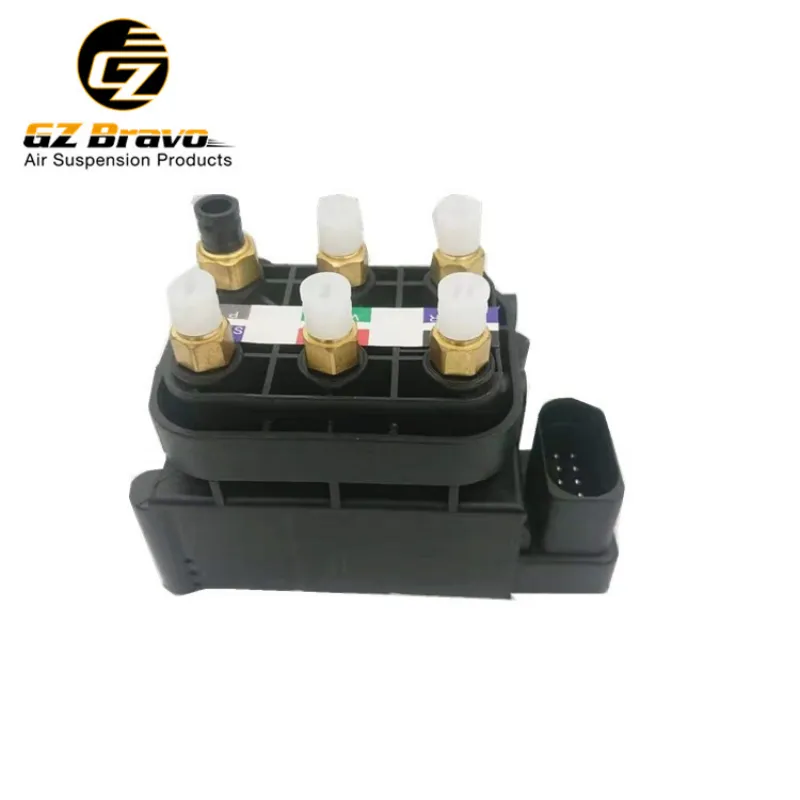
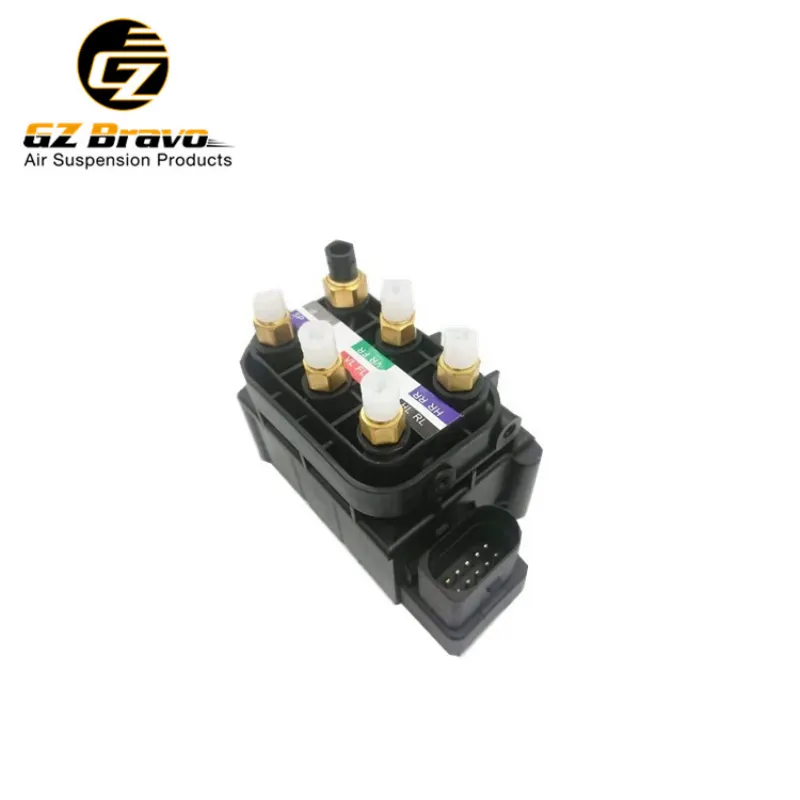
Modern air suspension systems depend on precise control of pressurized air to deliver the ride comfort and handling performance that drivers expect. At the center of this control architecture sits the solenoid valve block, a compact but critically im...
View More
Can a solenoid valve block support fast response in adaptive suspension systems?

03

Jun

Can a solenoid valve block support fast response in adaptive suspension systems?

When engineers and automotive specialists evaluate the performance ceiling of adaptive suspension systems, one component consistently emerges as a critical enabler of real-time responsiveness: the solenoid valve block. In air suspension architectures...
View More

Get a Free Quote

Our representative will contact you soon.
Email
Name
Company Name
Message
0/1000

air spring shock absorber

Superior Load Leveling and Height Management Capabilities

Superior Load Leveling and Height Management Capabilities

The air spring shock absorber excels at maintaining consistent vehicle height across dramatically different loading conditions, a capability that delivers far-reaching practical advantages. Traditional suspension systems suffer from a fundamental limitation: their spring rates remain fixed, forcing compromises that leave vehicles riding too high when empty or sagging excessively when loaded. This technological solution eliminates that compromise entirely through intelligent air pressure management. When you add cargo or passengers, onboard sensors detect the increased weight through changes in suspension position. The control system responds by introducing additional compressed air into the spring chamber, increasing the supporting force to match the new load. This automatic adjustment happens seamlessly within seconds, restoring the vehicle to its optimal ride height without any input required from you. The benefits extend beyond mere aesthetics, though maintaining a level stance certainly improves your vehicle's appearance. Proper ride height preserves suspension geometry, ensuring that control arms, tie rods, and other steering components operate within their designed angles. When suspension sags under load, these angles change, affecting how your vehicle responds to steering inputs and how tires contact the road surface. The air spring shock absorber prevents this geometry disruption, maintaining predictable handling characteristics regardless of cargo weight. Commercial operators appreciate how this technology simplifies fleet management. Vehicles equipped with these systems require fewer adjustments between loaded and unloaded runs, reducing preparation time and getting drivers on the road faster. Loading dock operations become more efficient because the vehicle maintains consistent bed height, eliminating the need to reposition ramps or adjust lift gates between loading cycles. Safety improvements represent another crucial dimension of this load-leveling capability. When your vehicle maintains proper ground clearance, you avoid scraping undercarriage components on speed bumps, driveways, or uneven terrain. Exhaust systems, fuel tanks, and differential housings remain protected from impact damage that could sideline your vehicle unexpectedly. Headlight aim stays consistent, ensuring your nighttime visibility remains optimal rather than pointing skyward when empty or into the pavement when loaded. Trailer towing applications benefit immensely from the air spring shock absorber technology. Tongue weight from trailers often overwhelms rear suspension systems, creating dangerous nose-up attitudes that reduce steering control and braking effectiveness. By compensating for this weight transfer, the system keeps your vehicle level, maintaining traction on front wheels for steering and ensuring balanced brake force distribution across all wheels.
Enhanced Vibration Isolation and Ride Comfort Engineering

Enhanced Vibration Isolation and Ride Comfort Engineering

The air spring shock absorber delivers exceptional vibration isolation that transforms how occupants experience vehicle motion, utilizing the unique damping characteristics of compressed air to filter out disturbances before they reach the cabin. Unlike metal springs that transmit vibrations directly through their coils, the pneumatic nature of this system introduces a compressible medium that absorbs energy across a broad frequency spectrum. This fundamental difference in operating principle creates a dramatically smoother ride quality that passengers notice immediately. High-frequency vibrations from road texture, expansion joints, and pavement irregularities get absorbed by the air spring shock absorber before they can transmit through the vehicle structure. The flexible rubber bellows acts as an additional isolation layer, flexing to accommodate small inputs without transferring them upward. This dual-stage isolation approach proves particularly effective at eliminating the harsh, jarring sensations associated with rough pavement that make long trips exhausting. Commercial vehicle operators find this vibration control especially valuable when transporting fragile cargo. Electronics, glassware, and other sensitive goods arrive at their destinations intact because the air spring shock absorber cushions them from damaging shock loads during transport. This protection reduces insurance claims, preserves product integrity, and enhances your reputation for reliable delivery service. Medical transport and ambulance applications leverage this smooth ride quality to improve patient care during transport, minimizing discomfort for injured or ill individuals. The progressive spring rate characteristic inherent in air spring shock absorber design contributes significantly to ride quality. As the suspension compresses, the air volume decreases, naturally increasing the spring rate. This progressive behavior means small bumps encounter a soft, compliant suspension that absorbs them gently, while larger impacts meet progressively firmer resistance that prevents harsh bottoming. Traditional linear-rate springs cannot provide this intelligent response, forcing designers to choose between comfort and control. Driver fatigue reduction represents a measurable benefit of superior vibration isolation. Studies demonstrate that constant exposure to vibration and harsh impacts increases physical stress and mental fatigue, reducing alertness and reaction time. By filtering these disturbances, the air spring shock absorber helps drivers remain fresh and focused during long hauls, contributing to safer operation. Professional drivers operating vehicles equipped with this technology report less back pain and physical exhaustion at the end of their shifts, improving quality of life and job satisfaction. Luxury vehicle manufacturers recognize that exceptional ride quality differentiates premium products from mainstream offerings. The air spring shock absorber enables engineers to achieve the isolated, serene cabin environment that discerning customers expect, absorbing road imperfections so effectively that occupants remain unaware of surface conditions outside.
Extended Component Longevity and Reduced Maintenance Requirements

Extended Component Longevity and Reduced Maintenance Requirements

The air spring shock absorber technology delivers substantial long-term value through its ability to reduce wear on related vehicle components, extending service life and minimizing maintenance interventions. This durability advantage stems from how the system manages forces and distributes loads throughout the suspension assembly. Traditional springs concentrate stress at specific points, creating fatigue zones that eventually fail, but the pneumatic design spreads forces more evenly across larger surface areas. The constant ride height maintenance provided by the air spring shock absorber keeps suspension components operating within their optimal geometry ranges, preventing the extreme articulation angles that accelerate wear. Control arm bushings, ball joints, and tie rod ends all experience reduced stress when suspension travel remains moderate and centered within the design range. This controlled movement pattern extends component life significantly compared to systems that allow excessive droop when unloaded or compression when loaded. Tire wear patterns improve dramatically because the air spring shock absorber maintains consistent camber and toe angles across all loading conditions. When suspension geometry changes due to sagging or excessive lift, tires contact the pavement at improper angles, causing accelerated wear on inner or outer tread sections. By preserving optimal alignment, this technology ensures tires wear evenly across their entire width, maximizing replacement intervals and reducing operating costs. Fleet managers calculate that this tire life extension alone often justifies the initial investment in air spring shock absorber technology. Frame and body structure benefit from the reduced shock loading that this suspension system provides. Metal fatigue from repeated impacts eventually causes cracks in frame rails, body mounts, and attachment points. The cushioning effect of compressed air absorbs energy that would otherwise transmit directly into structural components, slowing fatigue accumulation and extending the useful life of the entire vehicle. Commercial operators recognize that delaying frame repairs or body replacements represents substantial cost savings over a vehicle's service life. Brake system longevity improves because the air spring shock absorber helps maintain consistent weight distribution across all wheels. When rear suspension sags under load, weight transfers forward, causing front brakes to work harder and wear faster while rear brakes contribute less to stopping power. This imbalance creates uneven pad and rotor wear that necessitates replacing front components more frequently. By keeping the vehicle level, the system ensures balanced brake force distribution, promoting even wear and extending component life across all wheel positions. The air spring shock absorber itself requires minimal maintenance compared to complex suspension systems with numerous wearing components. Periodic pressure checks and occasional bellows inspections constitute the primary service requirements, tasks that integrate easily into routine maintenance schedules. The absence of metal-to-metal contact points eliminates common wear mechanisms that plague traditional suspensions, reducing the likelihood of unexpected failures that cause costly downtime.

Get a Free Quote

Our representative will contact you soon.
Email
Name
Company Name
Message
0/1000