Superior Vibration Isolation for Equipment Protection and Comfort
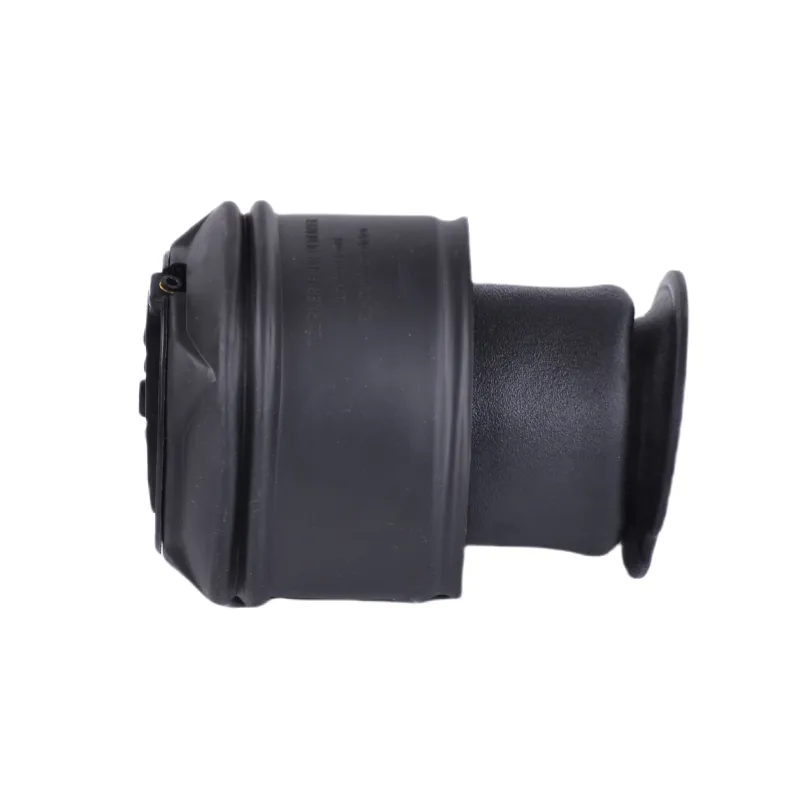
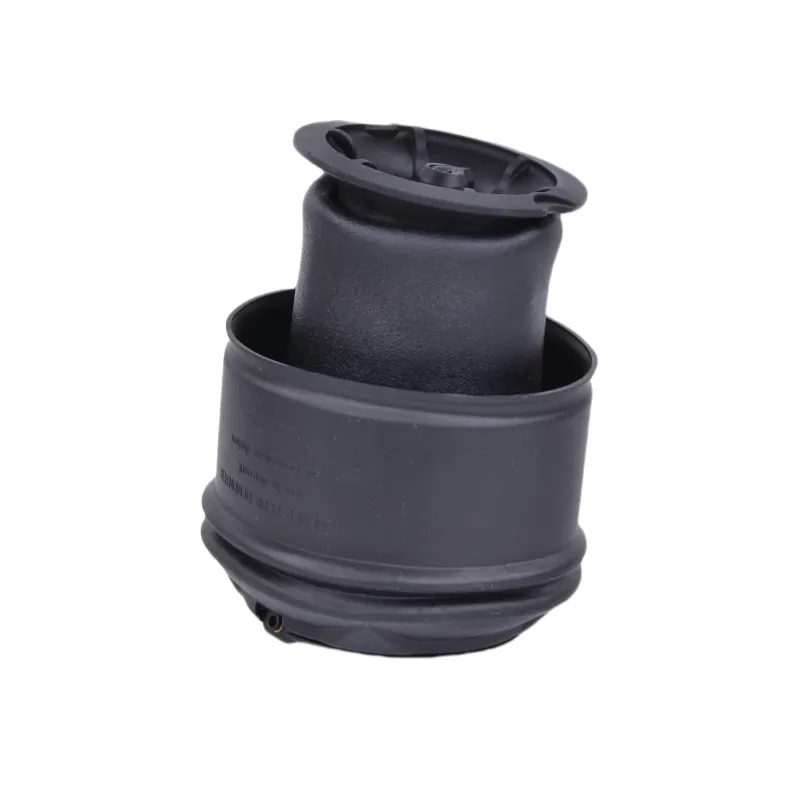
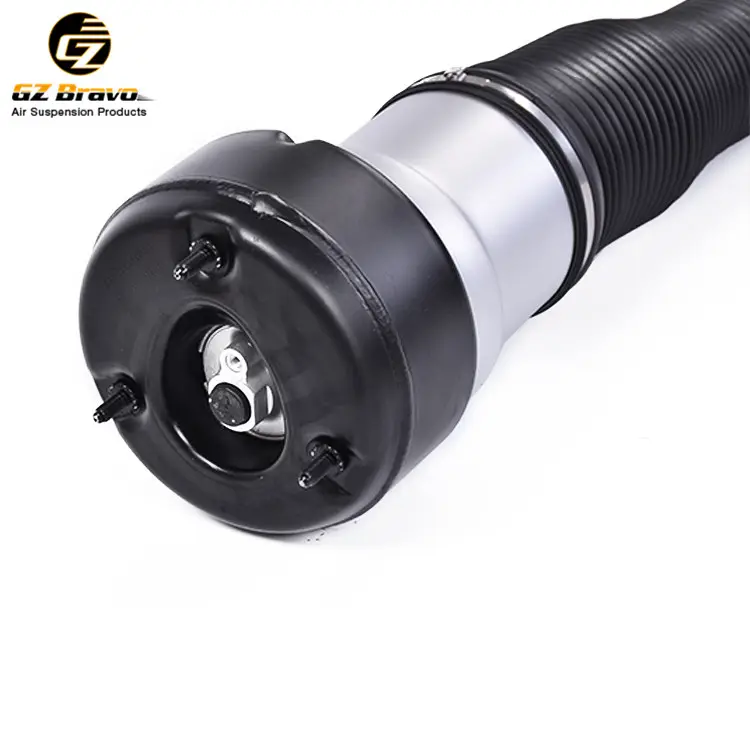
The air spring bag delivers exceptional vibration isolation performance that sets it apart from conventional suspension technologies, providing critical value for applications where equipment protection and operator comfort directly influence operational success and long-term costs. This capability stems from the fundamental physics of air compression, where gas molecules absorb and dissipate vibrational energy more effectively than solid materials, creating a natural barrier against the transmission of harmful oscillations from road surfaces or operating environments into vehicle structures and payloads. Understanding the importance of this feature requires recognizing that vibration represents a pervasive source of mechanical failure, operator fatigue, and cargo damage across transportation and industrial sectors. Uncontrolled vibration accelerates bearing wear, loosens fasteners, causes structural fatigue cracking, damages electronic components, and creates uncomfortable operating conditions that reduce productivity and increase operator error rates. The air spring bag addresses these challenges through its inherent damping characteristics, which attenuate vibration frequencies across a broad spectrum, including the particularly problematic low-frequency oscillations that conventional dampers struggle to control effectively. When a wheel encounters a road imperfection or machinery experiences an operational disturbance, the air spring bag compresses in a controlled manner, converting kinetic energy into heat within the compressed air mass and structural flexing of the rubber envelope, rather than transmitting that energy upward through rigid connections. This energy transformation process occurs continuously and automatically, requiring no additional components or electronic intervention to achieve its protective effect. For sensitive cargo such as electronics, pharmaceuticals, and precision instruments, this vibration isolation capability prevents the cumulative damage that occurs during transport, reducing product loss rates and insurance claims while enhancing customer satisfaction through delivery of intact goods. In passenger applications, the superior ride quality produced by air spring bag suspension systems reduces driver fatigue during long-haul operations, improving alertness and safety while creating a premium experience that differentiates service offerings in competitive markets. The technology proves equally valuable in stationary industrial applications where machinery mounted on air spring bag isolators operates more quietly, transmits less vibration to building structures, and achieves tighter tolerances due to reduced dynamic disturbances during precision operations. Maintenance benefits emerge as protected equipment experiences fewer vibration-induced failures, extending service intervals and reducing unexpected downtime that disrupts production schedules and revenue generation. The air spring bag accomplishes this protection while maintaining the necessary structural support, avoiding the excessive softness that would compromise vehicle handling or machinery positioning accuracy, through careful engineering of air volume, pressure ratings, and rubber compound properties that balance isolation with control.

 EN