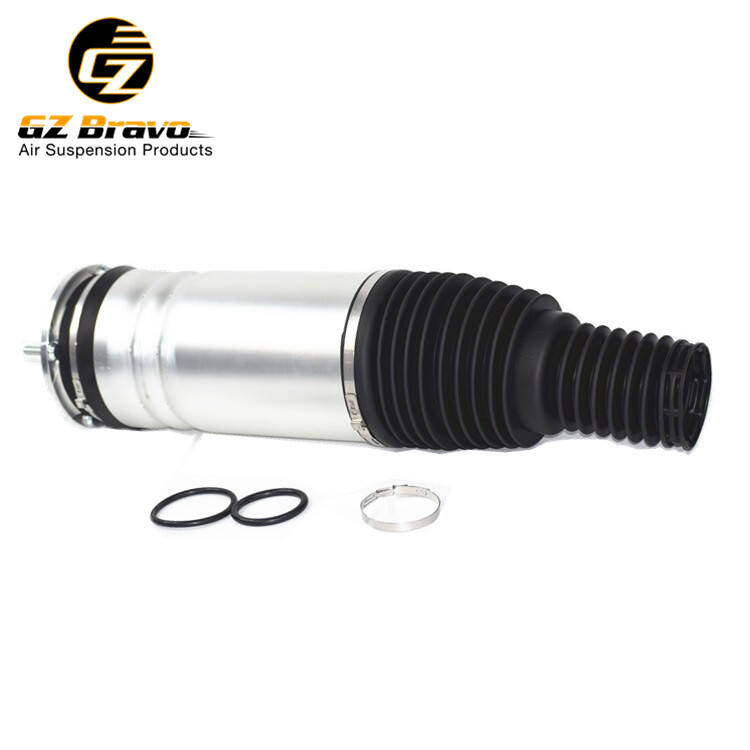
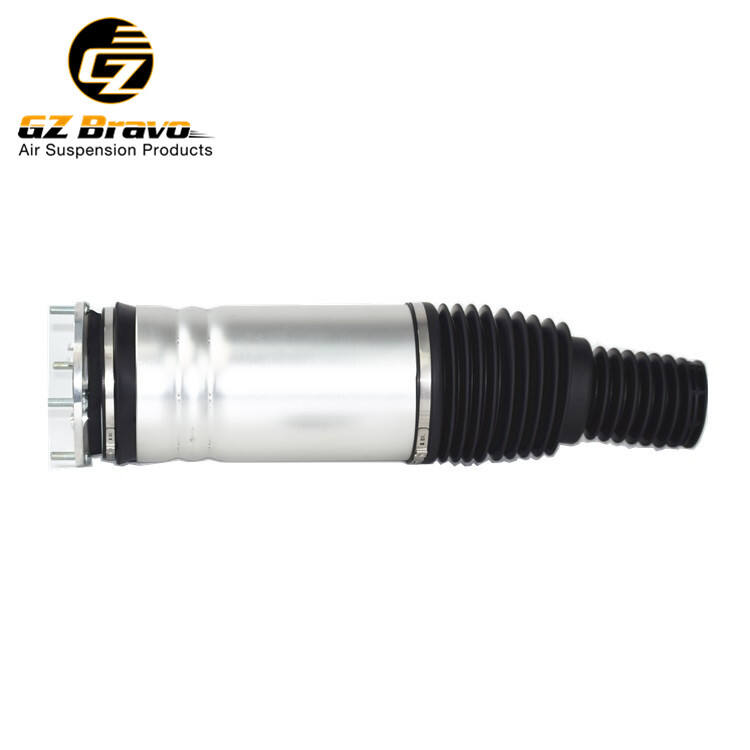
Exceptional Durability and Low Maintenance Requirements
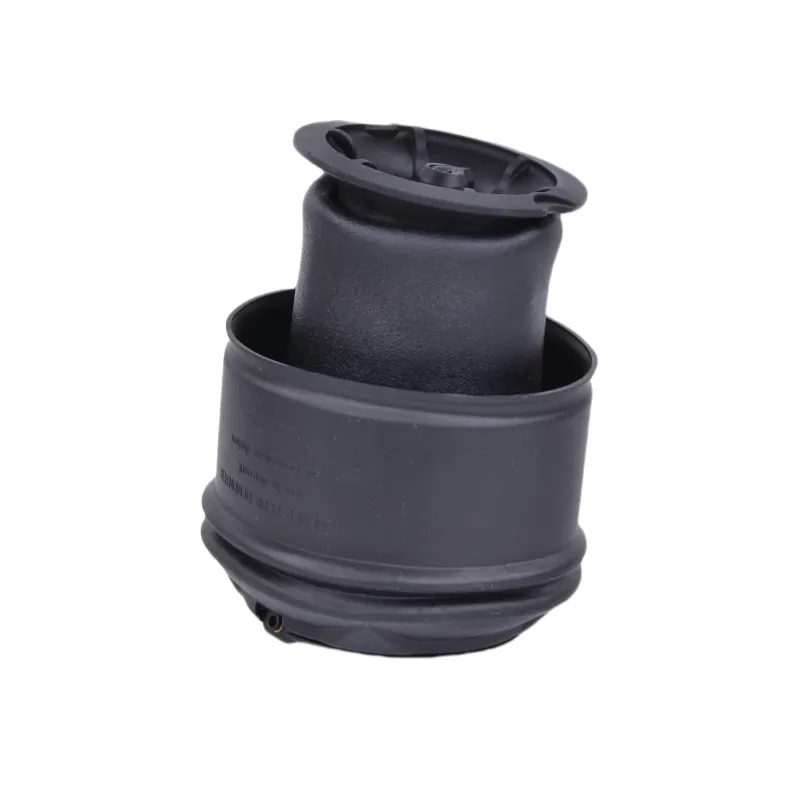
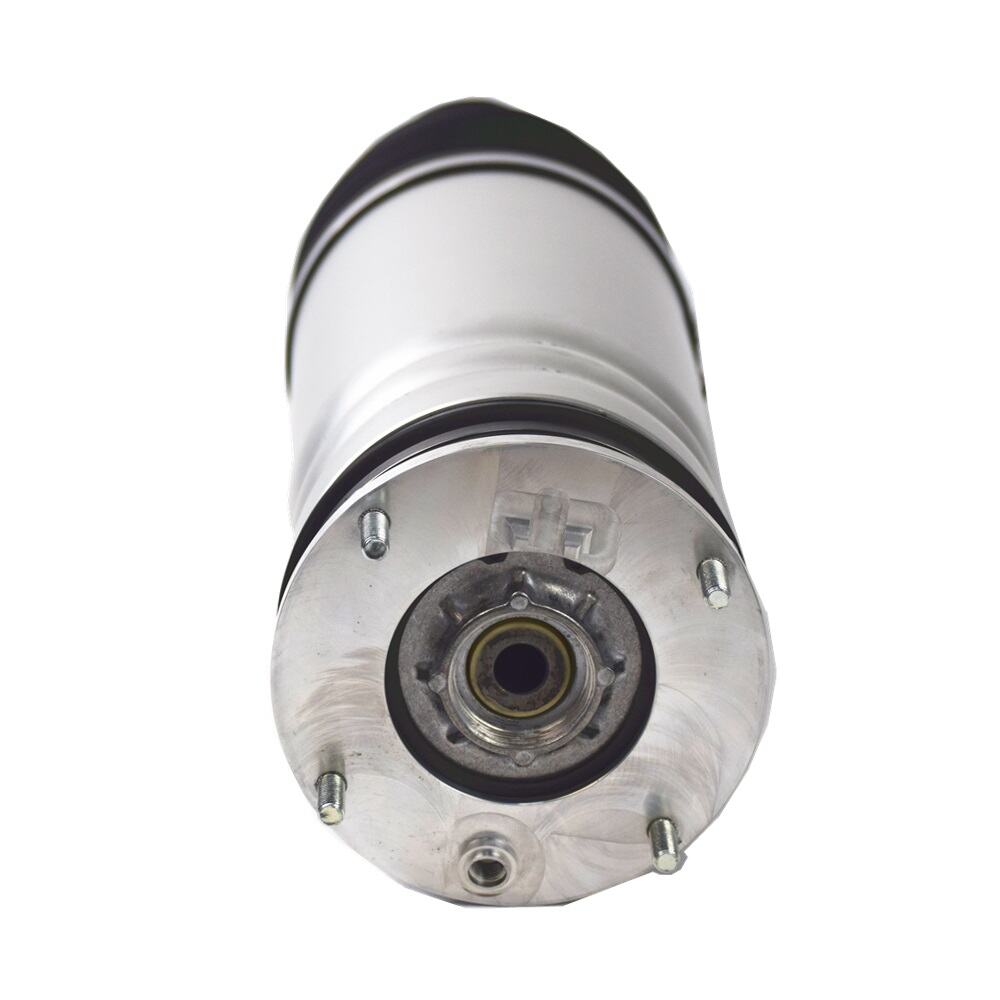
The durability characteristics of air spring air bags represent a significant advancement over traditional suspension components, offering extended service life that reduces total cost of ownership and minimizes downtime. Modern air spring air bags utilize advanced elastomer compounds specifically engineered to withstand the demanding operational environment of vehicle suspension systems, where exposure to road chemicals, temperature extremes, ozone, and ultraviolet radiation constantly threatens material integrity. The reinforced construction of air spring air bags incorporates multiple layers of high-strength fabric, typically using aramid or polyester fibers that provide exceptional tensile strength while maintaining flexibility. This reinforcement prevents catastrophic failure even under extreme loads or impact conditions, giving operators confidence in system reliability. The manufacturing process for quality air spring air bags includes vulcanization techniques that create molecular bonds between rubber layers and reinforcing materials, producing a homogeneous structure resistant to delamination. Unlike metal springs that suffer from fatigue failure after repeated compression cycles, air spring air bags maintain their performance characteristics throughout their service life, with properly maintained systems often exceeding ten years of continuous operation. The absence of metal-to-metal contact eliminates common failure modes associated with conventional springs, including stress fractures, permanent deformation, and corrosion damage. The maintenance requirements for air spring air bags remain minimal compared to traditional suspension systems, typically involving periodic visual inspections and occasional air line checks. The simplicity of the pneumatic system means fewer components can fail, and those components that do require service are generally inexpensive and easily replaced. Air spring air bags eliminate the need for periodic spring replacement, a common maintenance item for vehicles operating in demanding conditions or carrying heavy loads regularly. The cost savings from extended component life become substantial over the vehicle's operational lifetime, as suspension rebuilds and spring replacements represent significant expenses for fleet operators. The protective coatings applied to modern air spring air bags provide additional defense against environmental damage, with specialized formulations resisting petroleum products, brake fluid, and road de-icing chemicals that would damage lesser materials. Quality manufacturers subject air spring air bags to rigorous testing protocols, including cyclic fatigue tests that simulate years of operation, burst pressure tests that verify safety margins, and environmental exposure tests that confirm material stability. These validation procedures ensure that air spring air bags meet or exceed original equipment specifications, providing replacement components that match or surpass factory performance. The field-proven reliability of air spring air bags has made them the preferred choice for demanding applications, including emergency vehicles, public transportation, and commercial freight operations where system failure cannot be tolerated. The economic advantage of air spring air bags extends beyond component longevity to include reduced labor costs for maintenance and installation, as the straightforward design and bolt-on installation minimize service time. Vehicle owners can expect trouble-free operation from air spring air bags when basic maintenance practices are followed, including keeping air systems clean and dry, checking connections periodically, and protecting components from physical damage during off-road operation.

 EN