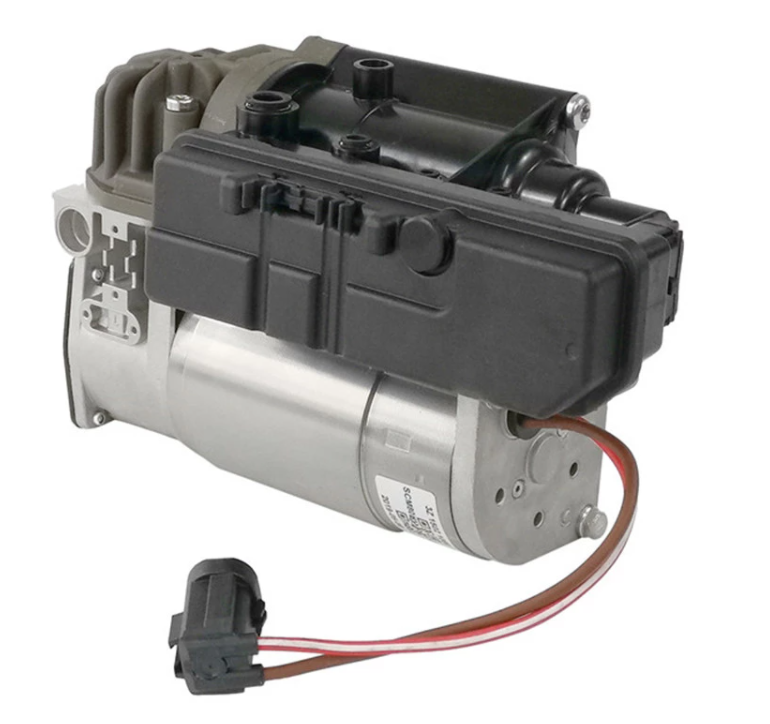
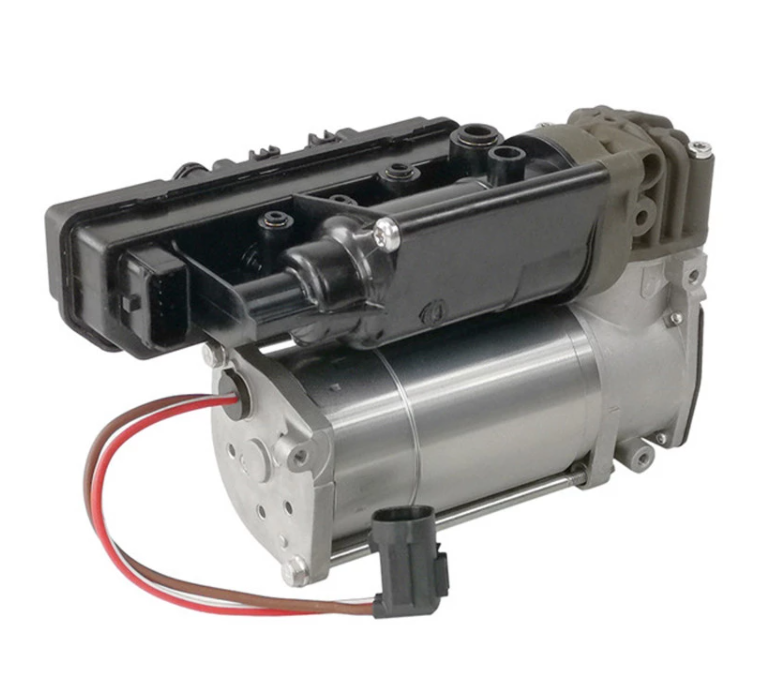
Suspension Compressor Systems: Advanced Air Suspension Technology for Superior Vehicle Performance and Comfort

Get a Free Quote

Our representative will contact you soon.
Email
Name
Company Name
Message
0/1000

suspension compressor

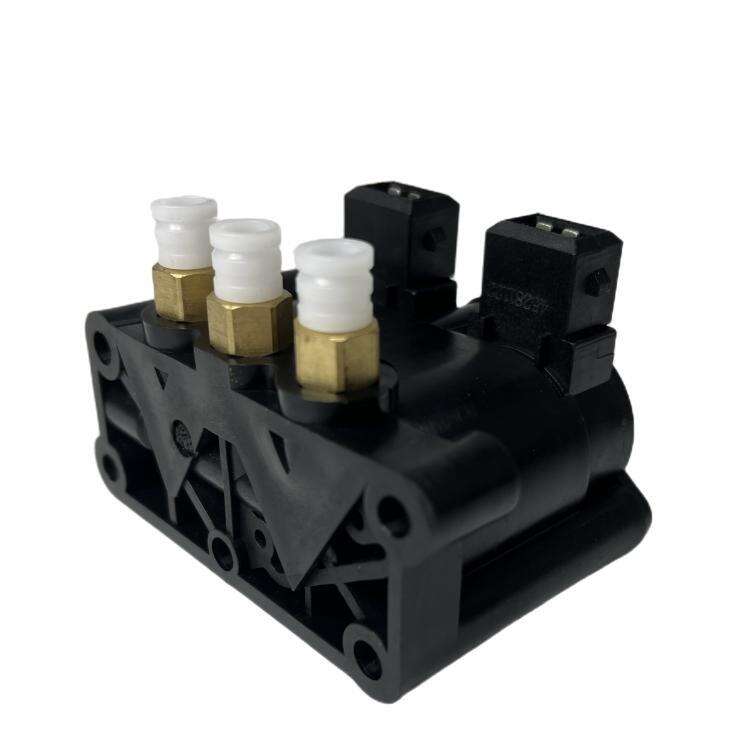
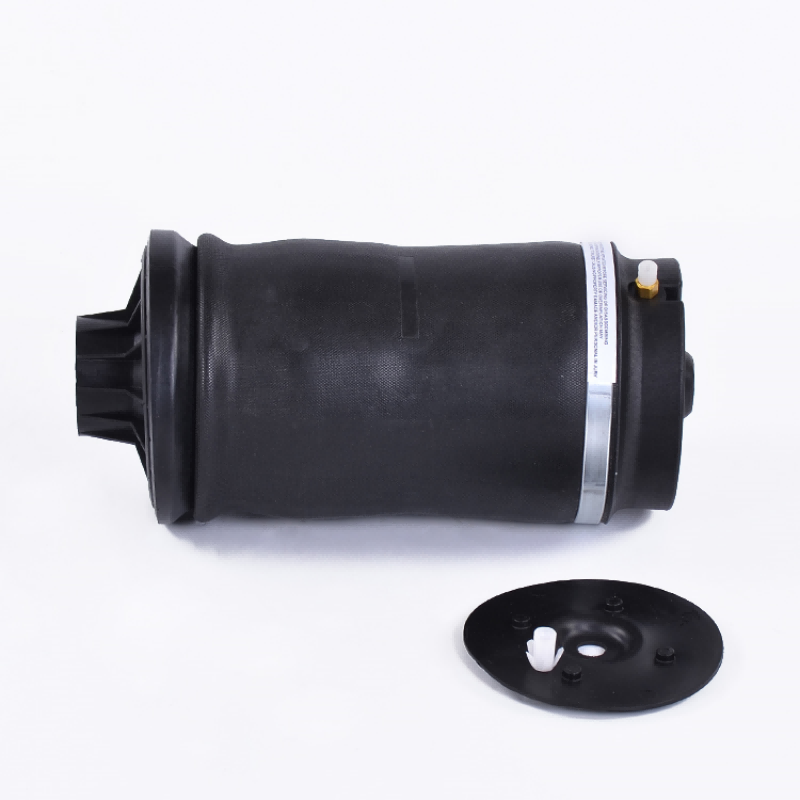
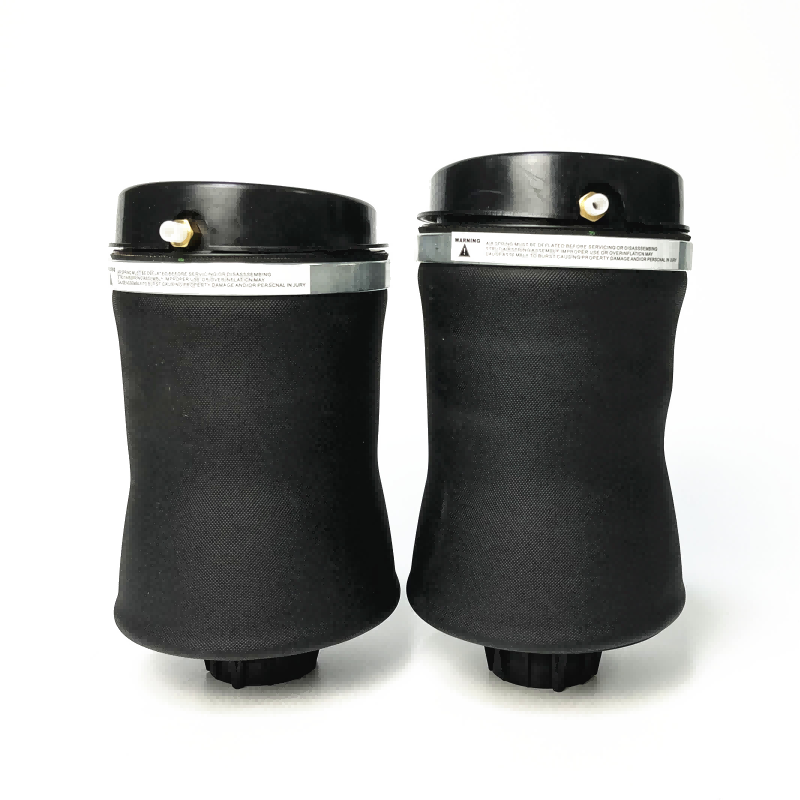
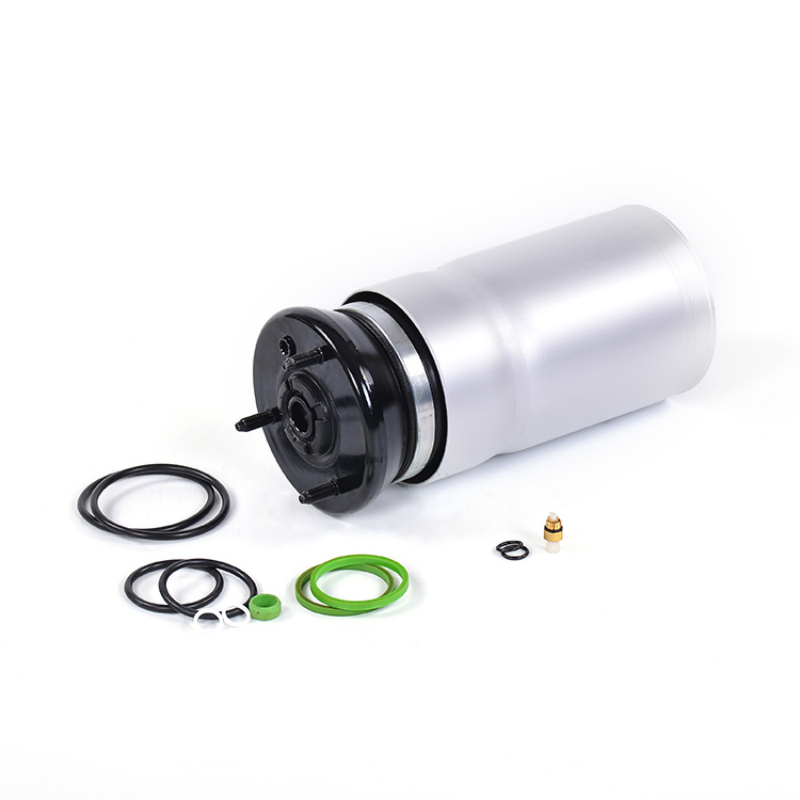
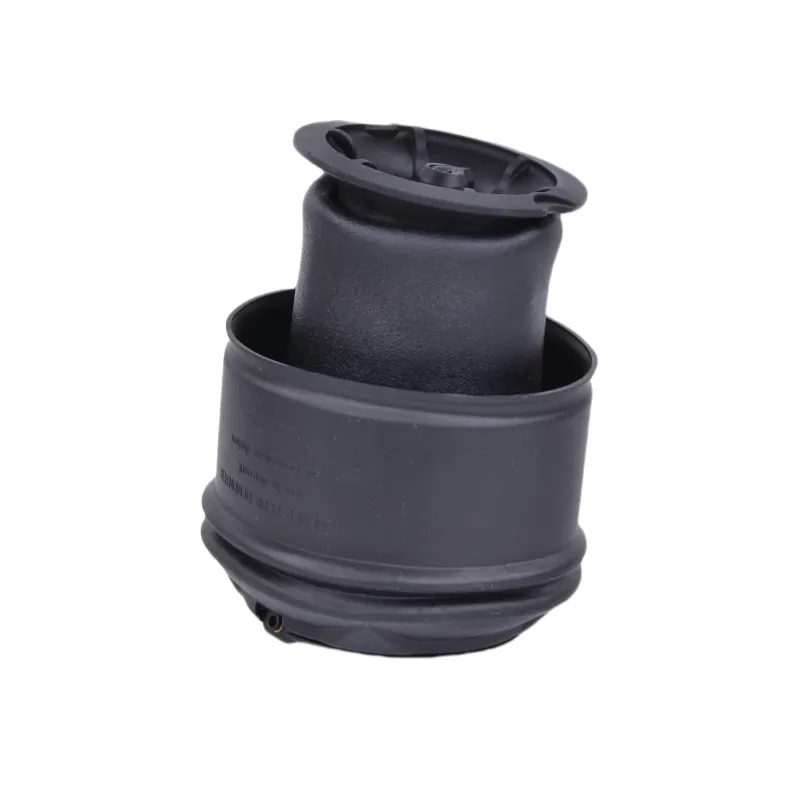
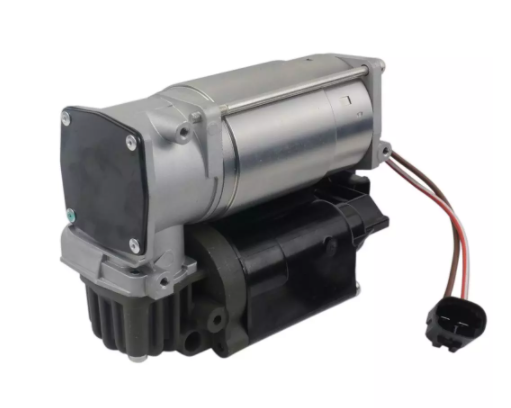
A suspension compressor represents an advanced pneumatic device designed specifically for vehicle air suspension systems, delivering precise compressed air to maintain optimal ride height and comfort levels. This specialized equipment operates by converting mechanical energy into pneumatic power, enabling vehicles to adjust their suspension characteristics according to road conditions and load requirements. The suspension compressor functions as the heart of modern air suspension setups, continuously monitoring and regulating air pressure within suspension airbags or air springs. Modern suspension compressors incorporate sophisticated engineering principles, utilizing electric motors paired with precision-engineered pumps to generate sufficient air pressure for suspension adjustment demands. These units typically operate within pressure ranges of 100 to 200 PSI, ensuring adequate force generation for lifting vehicle chassis and supporting varying load weights. The technology behind suspension compressors has evolved significantly, now featuring integrated dryers that remove moisture from compressed air, preventing corrosion and freezing issues within pneumatic lines. Advanced models include thermal protection mechanisms that prevent overheating during extended operation periods, enhancing reliability and component longevity. The suspension compressor integrates seamlessly with electronic control units, receiving signals about vehicle height sensors, load distribution, and driver preferences to deliver appropriate air pressure adjustments. This equipment finds widespread application across luxury automobiles, commercial trucks, recreational vehicles, and specialty transportation equipment where ride quality and load management capabilities matter significantly. Installation flexibility allows suspension compressors to mount in various locations including underbody positions, engine compartments, or dedicated storage areas, accommodating different vehicle architectures. The compact design of contemporary suspension compressor units maximizes space efficiency while maintaining robust performance characteristics, making them suitable for retrofit applications and original equipment manufacturing purposes. Operational efficiency stands as a defining characteristic, with modern units consuming minimal electrical power while delivering substantial air volume output, ensuring rapid suspension adjustments without draining vehicle electrical systems.

Popular Products

The suspension compressor delivers remarkable versatility that transforms vehicle performance across diverse driving scenarios. Drivers experience enhanced comfort during highway cruising, improved ground clearance when navigating rough terrain, and optimized aerodynamics through automatic ride height adjustments. This adaptability eliminates the compromise between comfort and capability that traditional suspension systems impose, allowing single vehicles to excel in multiple environments. Fuel economy improvements emerge as a tangible benefit, since suspension compressors enable vehicles to lower their ride height at highway speeds, reducing aerodynamic drag and decreasing fuel consumption by measurable percentages. The system automatically raises the vehicle when additional clearance becomes necessary, protecting undercarriage components from damage while maintaining efficiency during normal operation. Load management capabilities represent another practical advantage, as the suspension compressor maintains level vehicle stance regardless of cargo weight or passenger distribution. This ensures consistent handling characteristics, prevents premature tire wear caused by uneven weight distribution, and improves safety through predictable steering response and braking performance. Commercial vehicle operators particularly value this feature, as it enhances cargo security and reduces product damage during transportation. Maintenance requirements decrease substantially compared to conventional suspension components, since air springs experience less wear than metal coil springs or leaf springs that fatigue over time. The suspension compressor system contains fewer moving parts subject to mechanical stress, translating to extended service intervals and reduced ownership costs. When components eventually require replacement, the modular design allows technicians to service individual elements without dismantling entire suspension assemblies. Ride quality improvements manifest immediately, with the suspension compressor enabling infinitely variable damping adjustments that conventional systems cannot match. Passengers notice reduced vibration transmission, smoother absorption of road irregularities, and elimination of the harsh impacts associated with rigid suspension setups. This contributes to reduced driver fatigue during extended journeys and enhanced passenger satisfaction in commercial transportation applications. The technology also supports towing operations by compensating for trailer tongue weight, maintaining proper vehicle geometry and headlight aim regardless of hitch loads. Safety enhancements extend beyond comfort considerations, as the suspension compressor actively prevents bottoming out during extreme suspension compression events. This protection safeguards critical chassis components and maintains tire contact with road surfaces during dynamic driving maneuvers. Emergency handling situations benefit from the system's ability to maintain optimal suspension geometry, providing drivers with predictable vehicle responses when accident avoidance becomes necessary.

Practical Tips

Is air suspension suitable for off-road and heavy-duty driving conditions?

27

May

Is air suspension suitable for off-road and heavy-duty driving conditions?

When drivers and fleet managers consider upgrading or replacing their vehicle's suspension system, one question consistently rises to the top: is air suspension genuinely capable of handling the punishment of off-road terrain and heavy-duty workloads...
View More
Why do manufacturers adopt air suspension systems for luxury vehicle platforms?

27

May

Why do manufacturers adopt air suspension systems for luxury vehicle platforms?

The decision to adopt air suspension systems in luxury vehicle platforms is not an arbitrary engineering choice. It represents a deliberate commitment to delivering a driving experience that consistently exceeds passenger expectations, meets stringen...
View More
What factors affect durability of air suspension components in daily use?

27

May

What factors affect durability of air suspension components in daily use?

When it comes to vehicle ride quality and load management, air suspension components play a central role in delivering comfort, stability, and adaptability across a wide range of driving conditions. Unlike traditional coil spring setups, air-based sy...
View More
How does a solenoid valve block improve suspension adjustment accuracy?

03

Jun

How does a solenoid valve block improve suspension adjustment accuracy?

Modern air suspension systems rely on a precise network of components to deliver a smooth, controlled ride — and at the heart of that network sits the solenoid valve block. This compact but critical assembly governs how compressed air is distri...
View More

Get a Free Quote

Our representative will contact you soon.
Email
Name
Company Name
Message
0/1000

suspension compressor

Intelligent Pressure Management System

Intelligent Pressure Management System

The suspension compressor incorporates an intelligent pressure management system that continuously monitors and adjusts air pressure levels throughout the vehicle's air suspension network, ensuring optimal performance under all operating conditions. This sophisticated technology employs multiple pressure sensors strategically positioned within the suspension circuit, gathering real-time data about air spring inflation status, system pressure levels, and individual corner loading conditions. The integrated electronic control module processes this information using advanced algorithms that account for vehicle speed, acceleration forces, steering inputs, and environmental factors to calculate ideal pressure settings for each suspension component. Unlike conventional systems that operate on simple on-off cycling, this intelligent management approach enables precise pressure modulation in increments as small as one PSI, delivering unmatched suspension tuning accuracy. The system recognizes driving patterns and adapts accordingly, automatically firming the suspension during spirited driving to reduce body roll and improve handling precision, while softening characteristics during relaxed cruising to maximize comfort. Temperature compensation features account for air density changes that occur as ambient conditions fluctuate, maintaining consistent suspension performance whether operating in desert heat or arctic cold. The pressure management intelligence extends to predictive maintenance capabilities, with the suspension compressor monitoring its own operational parameters including motor temperature, duty cycle percentages, and pressure generation rates. When performance degradation indicators emerge, the system alerts operators through dashboard notifications, enabling proactive maintenance scheduling before complete failure occurs. This predictive approach minimizes unexpected downtime and reduces repair costs by addressing minor issues before they cascade into major component failures. Battery protection logic prevents excessive electrical drain by limiting compressor operation when vehicle charging system voltage drops below safe thresholds, ensuring sufficient power remains available for critical vehicle functions. The intelligent system also incorporates memory functions that store preferred ride height settings for different drivers or usage scenarios, automatically recalling these preferences through key fob recognition or manual selection interfaces. Rally mode, comfort mode, and economy mode settings become instantly accessible, transforming vehicle characteristics with simple button presses. Integration with vehicle navigation systems enables the suspension compressor to anticipate terrain changes, pre-adjusting suspension settings based on upcoming road conditions identified through GPS mapping data and connected vehicle networks.
Rapid Response Air Delivery Technology

Rapid Response Air Delivery Technology

Modern suspension compressor designs feature rapid response air delivery technology that dramatically reduces the time required to adjust vehicle ride height and suspension firmness characteristics, providing near-instantaneous adaptation to changing conditions. This performance advantage stems from high-output pump designs capable of generating substantial air volumes per minute, typically exceeding 40 liters per minute in premium applications, allowing complete system pressurization in under 30 seconds from fully deflated states. The engineering behind this capability involves precisely balanced piston assemblies, optimized valve timing mechanisms, and minimized internal air path restrictions that collectively maximize volumetric efficiency. Dedicated air storage reservoirs complement the suspension compressor output, maintaining pressurized air ready for immediate deployment when suspension adjustments become necessary. These reservoirs effectively create a buffer supply that eliminates the delay associated with compressor spool-up time, enabling instantaneous response to sudden load changes or driver-initiated ride height modifications. Strategic reservoir sizing ensures adequate capacity for multiple complete suspension cycles without requiring compressor activation, reducing electrical consumption and mechanical wear. The rapid delivery capability proves particularly valuable during emergency maneuvers when immediate suspension stiffness increases enhance stability, or when approaching steep inclines that require maximum ground clearance without stopping to wait for gradual inflation. Commercial applications benefit substantially from this technology, as loading dock operations proceed efficiently with rapid vehicle lowering for cargo access and quick raising for departure, minimizing dwell times and improving operational productivity. The suspension compressor achieves these performance levels while maintaining whisper-quiet operation through acoustic dampening technologies and vibration isolation mounting systems. Noise reduction features include rubberized mounting bushings that prevent compressor vibrations from transmitting into vehicle chassis structures, composite housing materials that absorb operational sounds, and intake silencers that muffle air induction noise. Performance enthusiasts appreciate how rapid response technology enables dynamic suspension tuning that adapts to track conditions during motorsport applications, automatically adjusting damping rates corner-by-corner based on g-force sensor inputs. Off-road adventurers rely on the quick adjustment capability when transitioning between terrain types, raising suspension for boulder fields and lowering for stable highway transport without extended waiting periods. The technology also supports advanced safety systems, enabling rapid suspension adjustments that counteract roll tendencies during emergency lane changes or enhance vehicle stability when integrated with electronic stability control systems detect loss of traction conditions.
Durability Engineering and Environmental Resistance

Durability Engineering and Environmental Resistance

The suspension compressor achieves exceptional reliability through comprehensive durability engineering that addresses the harsh environmental conditions and demanding duty cycles characteristic of automotive applications. Manufacturers employ marine-grade materials and industrial sealing technologies to ensure components withstand exposure to road salt, petroleum products, temperature extremes, and continuous vibration without performance degradation. The compressor housing utilizes corrosion-resistant aluminum alloys or reinforced composite materials that maintain structural integrity despite constant exposure to moisture and chemical contaminants encountered in undercarriage mounting locations. Internal components receive specialized surface treatments including hard anodizing, nickel plating, and ceramic coatings that create barriers against corrosive attack while reducing friction and wear during operation. Piston rings incorporate advanced polymer compounds that maintain effective sealing across temperature ranges from negative 40 degrees to positive 185 degrees Fahrenheit, ensuring consistent compression efficiency regardless of climate conditions. The electric motor driving the suspension compressor features sealed bearing assemblies and conformal-coated windings that prevent moisture ingress and electrical failures, extending operational lifespan beyond 10,000 duty cycles in typical applications. Thermal management systems include integrated cooling fins, forced air circulation pathways, and automatic duty cycle limiting that prevents destructive overheating during extended operation periods such as continuous off-road use or repeated load adjustments. The suspension compressor incorporates built-in air drying systems utilizing desiccant cartridges or membrane separation technology that removes moisture from compressed air before it enters suspension components, preventing internal corrosion and freeze-related failures in cold weather operation. Replacement desiccant cartridges install quickly without special tools, enabling routine maintenance by vehicle owners or general service technicians without specialized training requirements. Vibration resistance engineering ensures electrical connections remain secure and internal components maintain proper alignment despite constant exposure to road-induced shaking and engine vibration transmission. Wire harnesses feature locking connectors with environmental seals, while internal mounting points utilize thread-locking compounds and spring washers that prevent fastener loosening over time. Dust and debris protection comes through strategically positioned intake filters with serviceable elements that prevent particulate contamination from entering compression chambers where abrasive wear would compromise performance. The suspension compressor demonstrates remarkable longevity, with properly maintained units regularly exceeding 200,000 miles of service in demanding commercial applications, providing exceptional value through extended replacement intervals and minimal maintenance requirements compared to alternative suspension technologies.

Get a Free Quote

Our representative will contact you soon.
Email
Name
Company Name
Message
0/1000